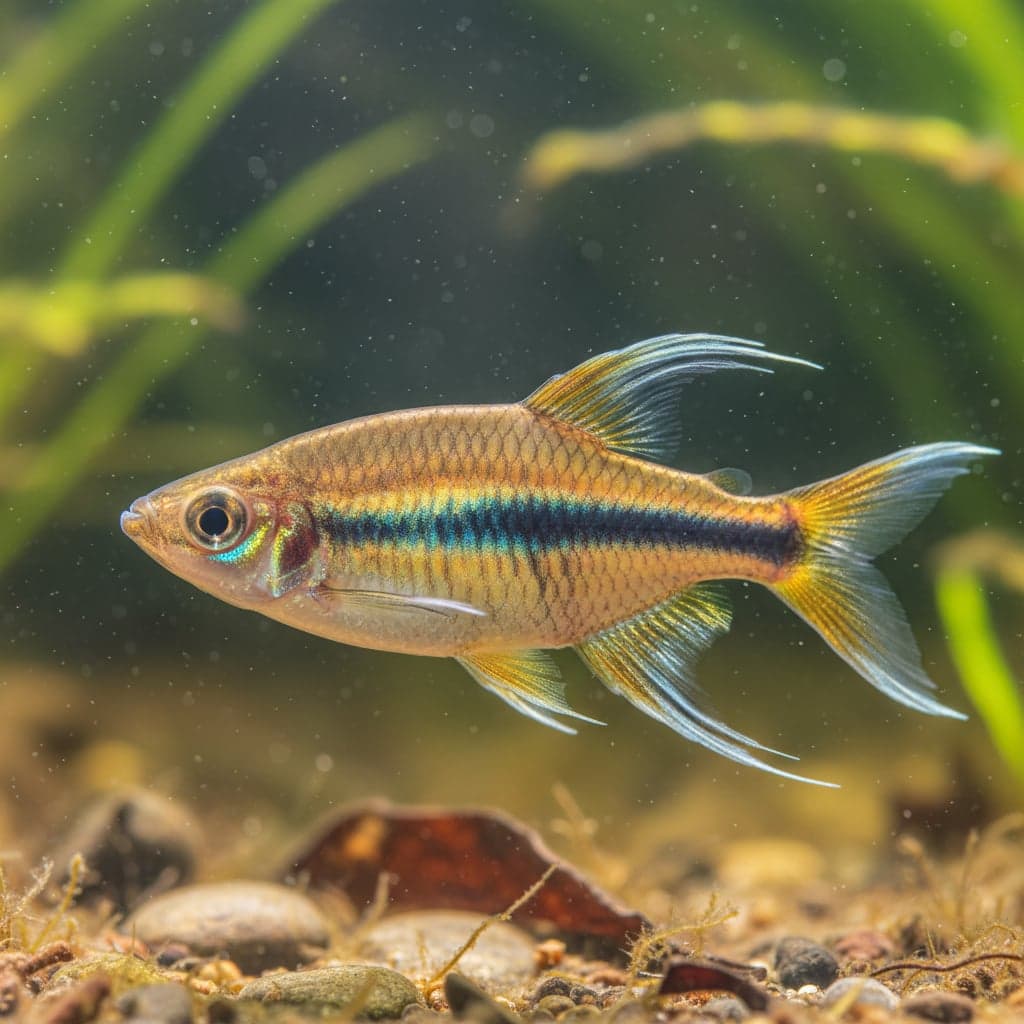
Kribensis Cichlid: Pelvicachromis pulcher
The Kribensis (Pelvicachromis pulcher) is the quintessential "beginner's cichlid," famed for its manageable size, vibrant purple belly, and fascinating parental devotion.
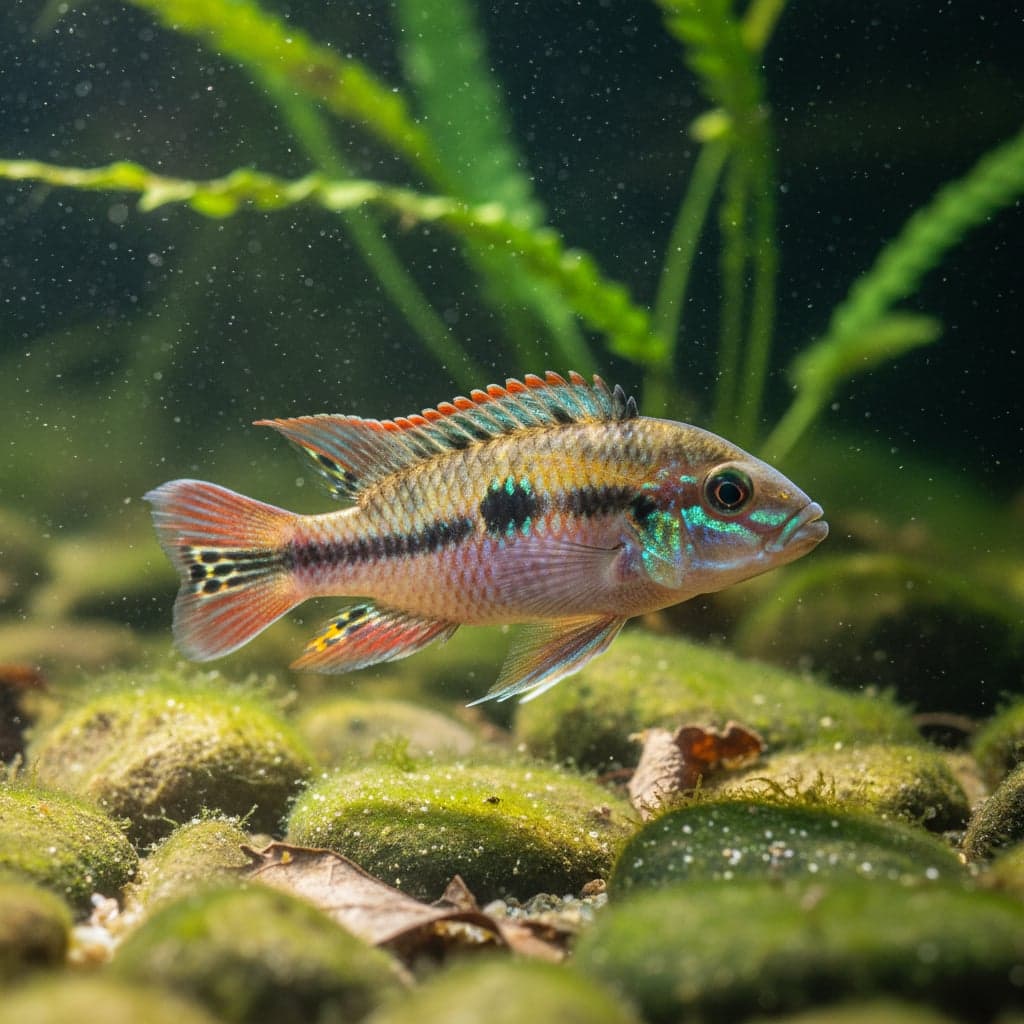
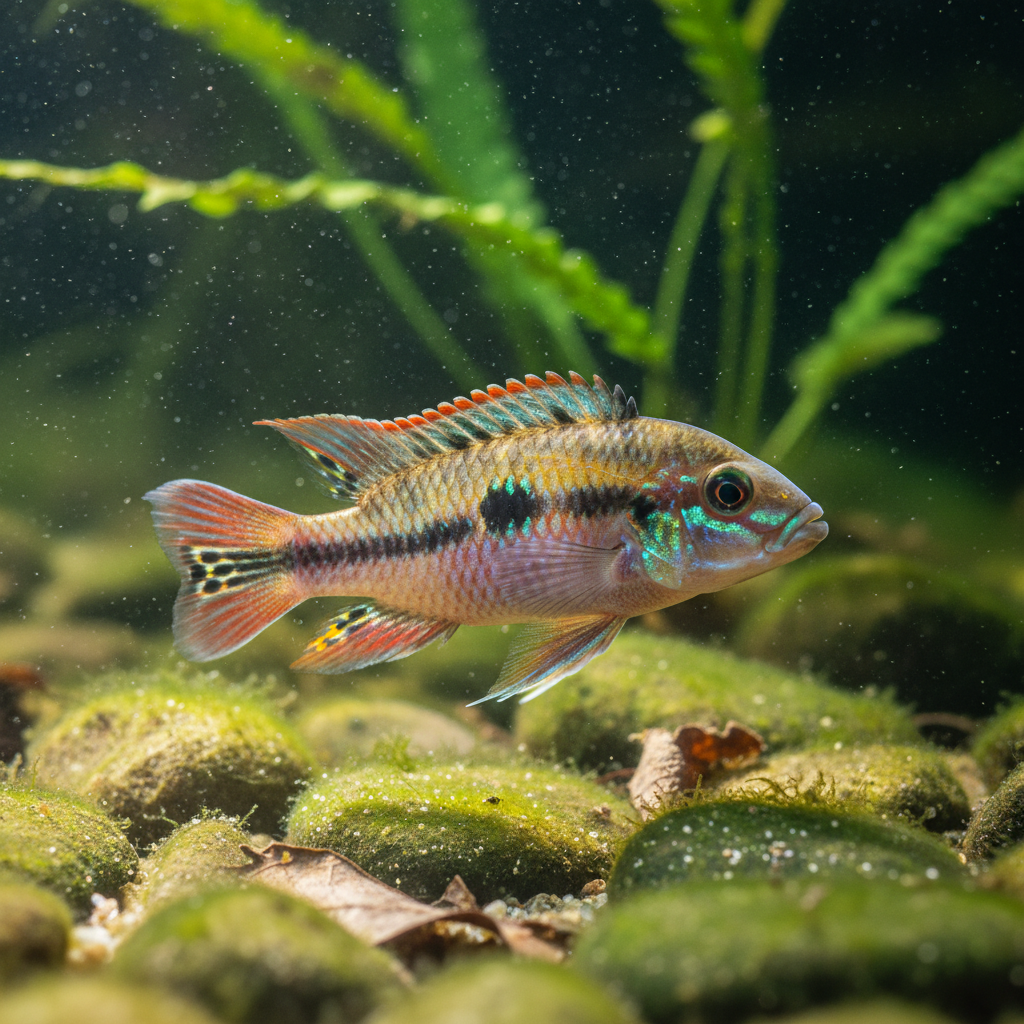
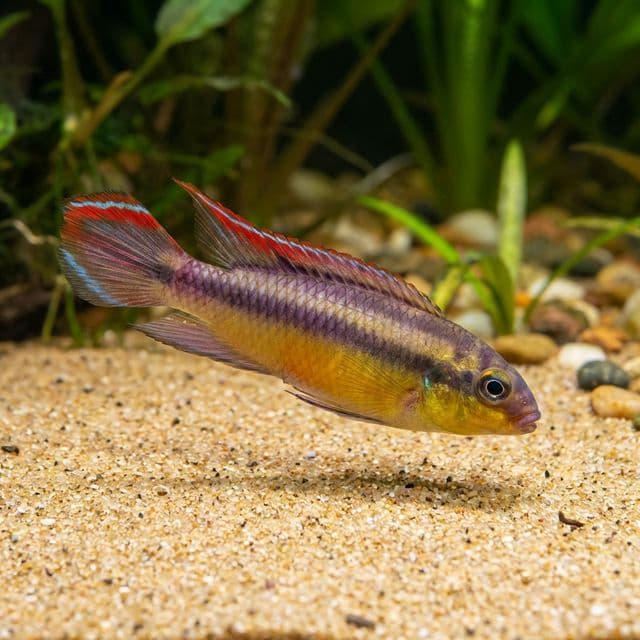
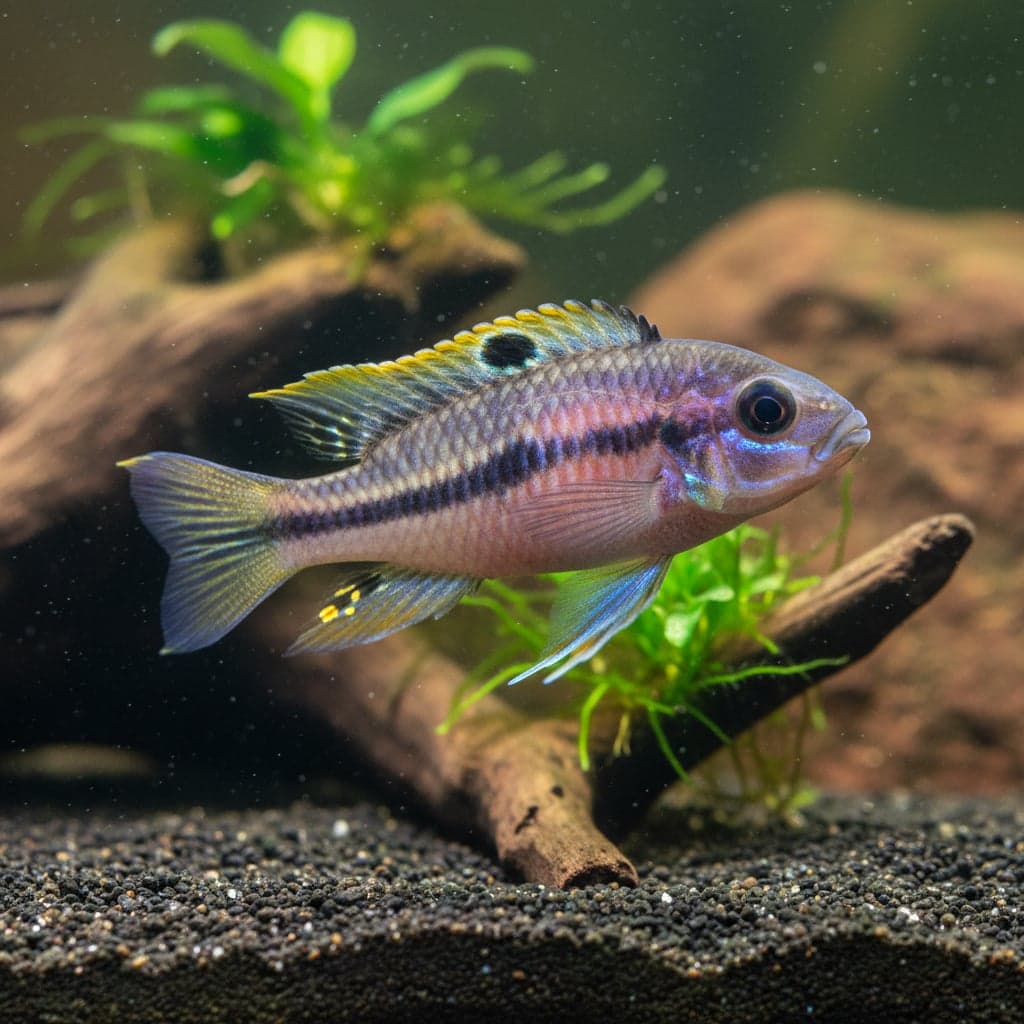
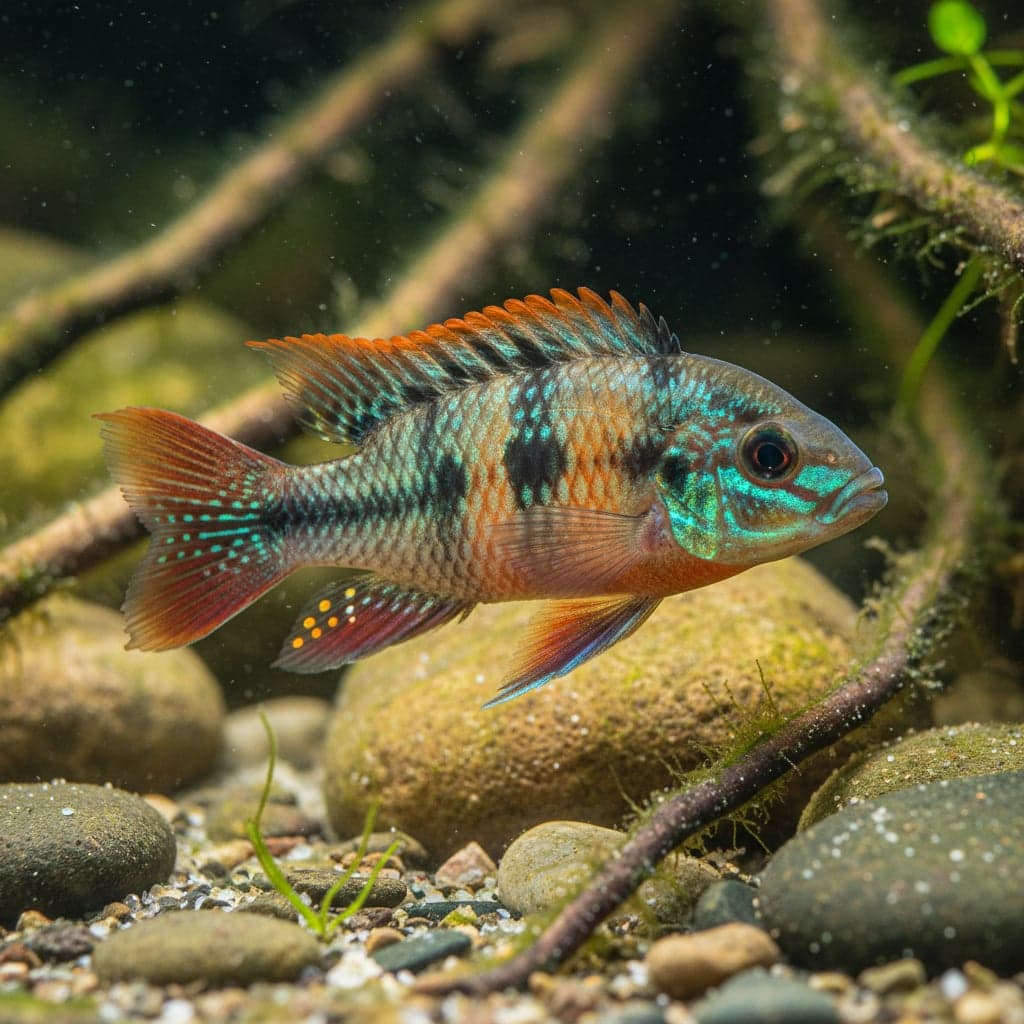
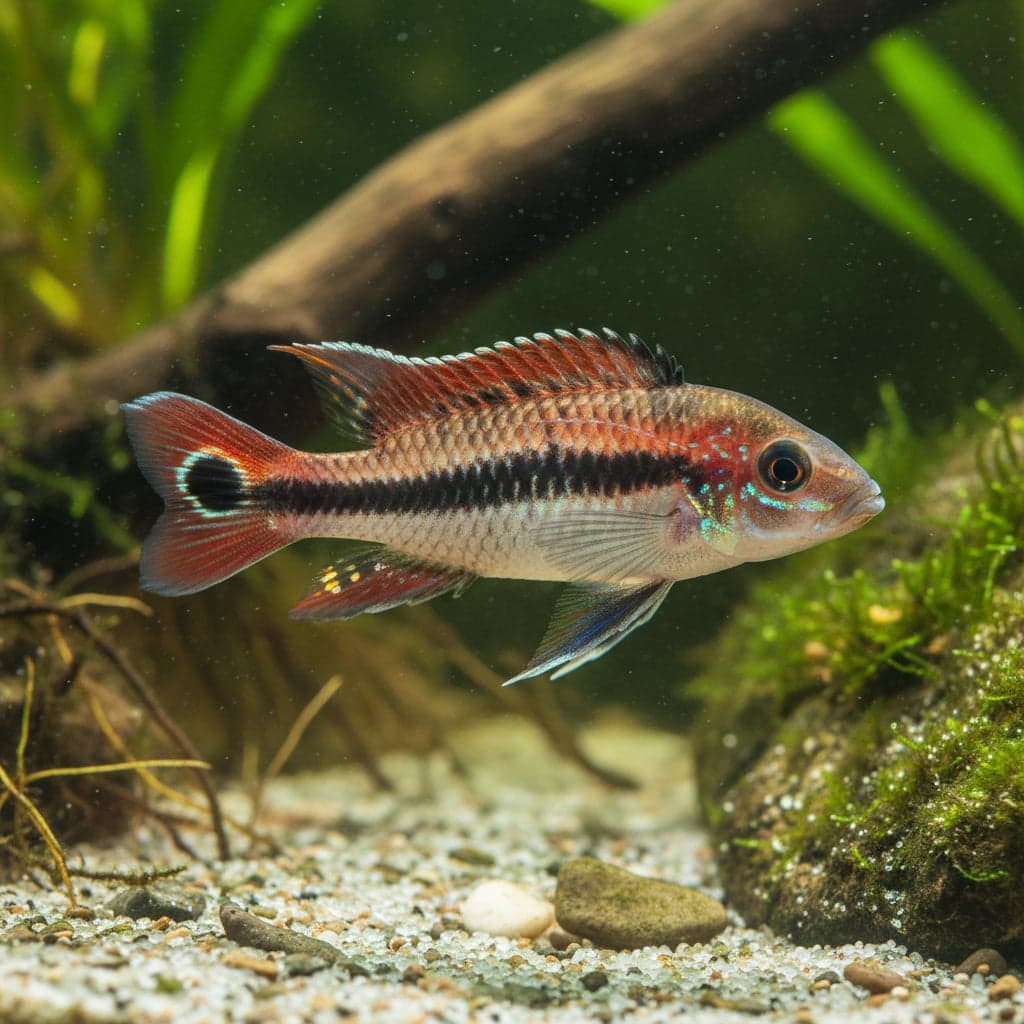
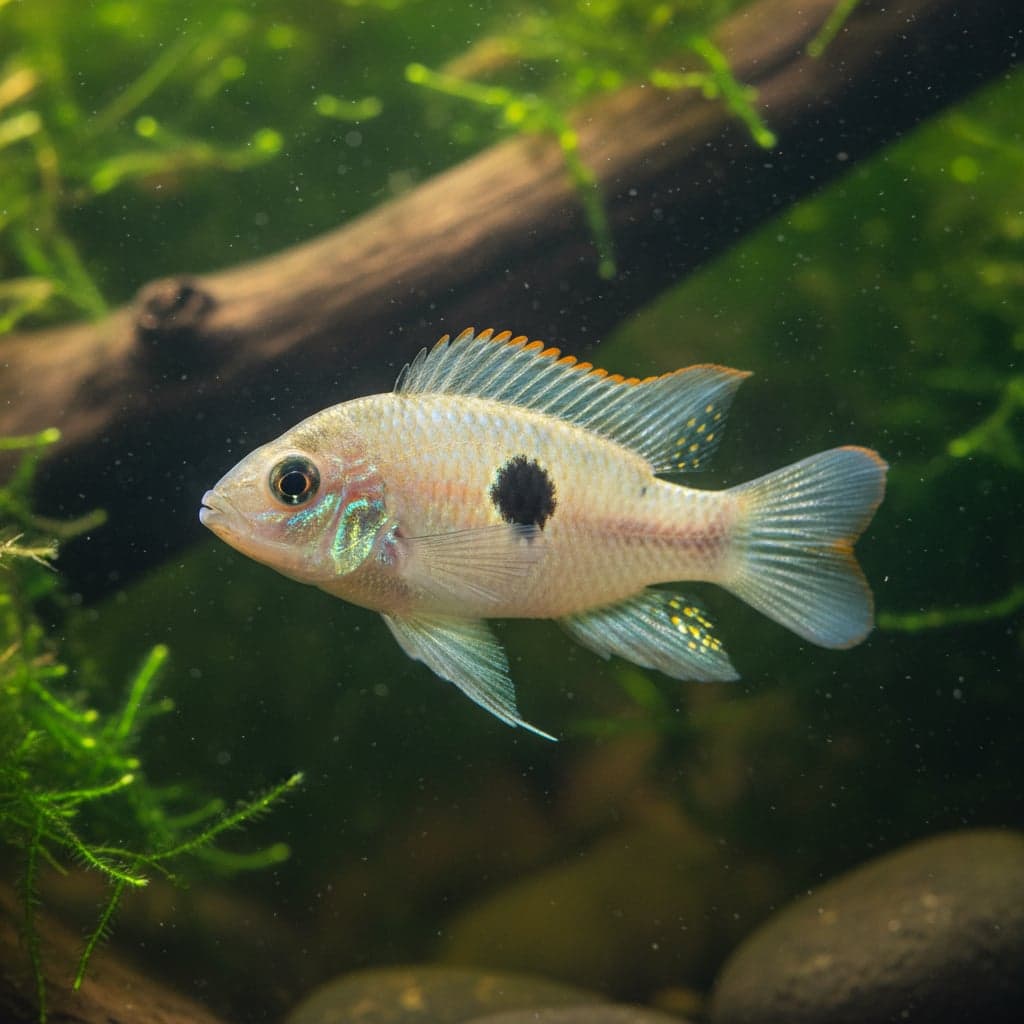
The Kribensis (Pelvicachromis pulcher), affectionately known simply as the "Krib," is the jewel of the West African river systems. Unlike the massive and aggressive cichlids of the Rift Lakes, the Krib is a peaceful, small-stature dwarf cichlid that is perfectly suited for a community aquarium. It is defined by its exquisite, subtle coloration: a golden-brown body accented by a wide, dark horizontal stripe and a stunning vibrant pink or deep purple belly that intensifies dramatically in females during courtship. They are famous for their intelligence and complex social behaviors, specifically their steadfast loyalty to their mate and their meticulous, cooperative care of their offspring. For the aquarist, the Kribensis offers a front-row seat to the most sophisticated reproductive behaviors in the freshwater world without the requirement of a massive tank.
In the aquarium, they are thoughtful, methodical, and bottom-oriented. They are "homebodies" that choose a specific cave or crevice as their headquarters, spending their day patrolling the immediate vicinity and interacting in a playful, expressive hierarchy.
Natural Habitat & Origin
Pelvicachromis pulcher is native to West Africa, primarily found in the coastal regions of Southern Nigeria and parts of Cameroon. They inhabit a variety of environments from slow-moving, shaded forest streams to larger, sun-drenched river margins. Their natural habitat is often characterized by soft, acidic "blackwater" rich in tannins from fallen leaves and submerged roots, though they are remarkably adaptable to more alkaline conditions. They are specialized for life in the structured environments of the river bottom, where they utilize submerged wood and rocky hollows for both protection and nesting.
Care Requirements
The Kribensis is one of the most resilient cichlids in the hobby. A minimum tank size of 20 gallons (80L) is required for a single pair.
Maintain stable parameters: a pH of 6.0 to 7.5 and a temperature of 75°F to 81°F (24°C to 27°C). They are not extremely sensitive to water hardness but thrive best in moderately soft water. The aquarium must be designed with multiple "caves"—upturned clay pots, coconut shells, or rock piles are essential, as the fish will not breed or feel secure without a private, enclosed space. A substrate of fine sand is highly recommended, as they enjoy "sifting" for food and may move significant amounts of sand to customize their nesting site. Densely planting the back and sides of the tank provides the visual security they need to display their best colors.
Diet & Feeding
They are flexible omnivores that graze on a variety of organic matter in the wild.
In captivity, they require a varied and high-quality diet:
- High-quality sinking cichlid pellets and flakes should be the staple.
- They relish live or frozen foods: Brine shrimp, Daphnia, and Bloodworms.
- They benefit from vegetable matter: spirulina wafers and the occasional blanched pea.
- Tip: Because they are bottom-dwellers, ensure that food actually reaches the substrate before the faster-moving tetras or rasboras consume it all.
- During the breeding season, high-protein live foods will significantly increase the female's purple "glow."
Behavior & Temperament
They are peaceful and social, but they become fiercely territorial once they have a brood of eggs. Outside of breeding, they are excellent community residents that generally ignore other fish. However, once they have fry, they will aggressively drive away any fish that comes near their cave. They are "pair-bonding" specialists; once a male and female form a successful team, they will often remain together for life. They demonstrate a high level of parental coordination, with the female usually guarding the cave interior while the male patrols the perimeter.
Tank Mates
Suitable tank mates are other peaceful species that occupy the upper and middle levels of the water column:
- Large Tetras (Congo or Bleeding Heart)
- Corydoras catfish (though they may be bullied if they enter the Krib's cave territory)
- Ancistrus (Bristlenose Plecos)
- Rainbowfish
- African Butterfly Fish
Avoid keeping them with other cave-dwelling cichlids (like Apistogramma) in small tanks, as they will fight over nesting sites.
Breeding
Breeding the Kribensis is remarkably easy and highly recommended for any hobbyist. They are secretive cave spawners. The female will select a cave, clean the ceiling, and lay her eggs there. After fertilization, the parents will guard the cave for several days. When the fry reach the free-swimming stage, the parents will lead them out of the cave in a tight "cloud," protecting them with extreme vigilance. The sight of a pair of Kribensis "herding" their young across the aquarium is one of the most rewarding experiences in fishkeeping. The fry can be fed BBS (Baby Brine Shrimp) or finely powdered flakes immediately.
Common Health Issues
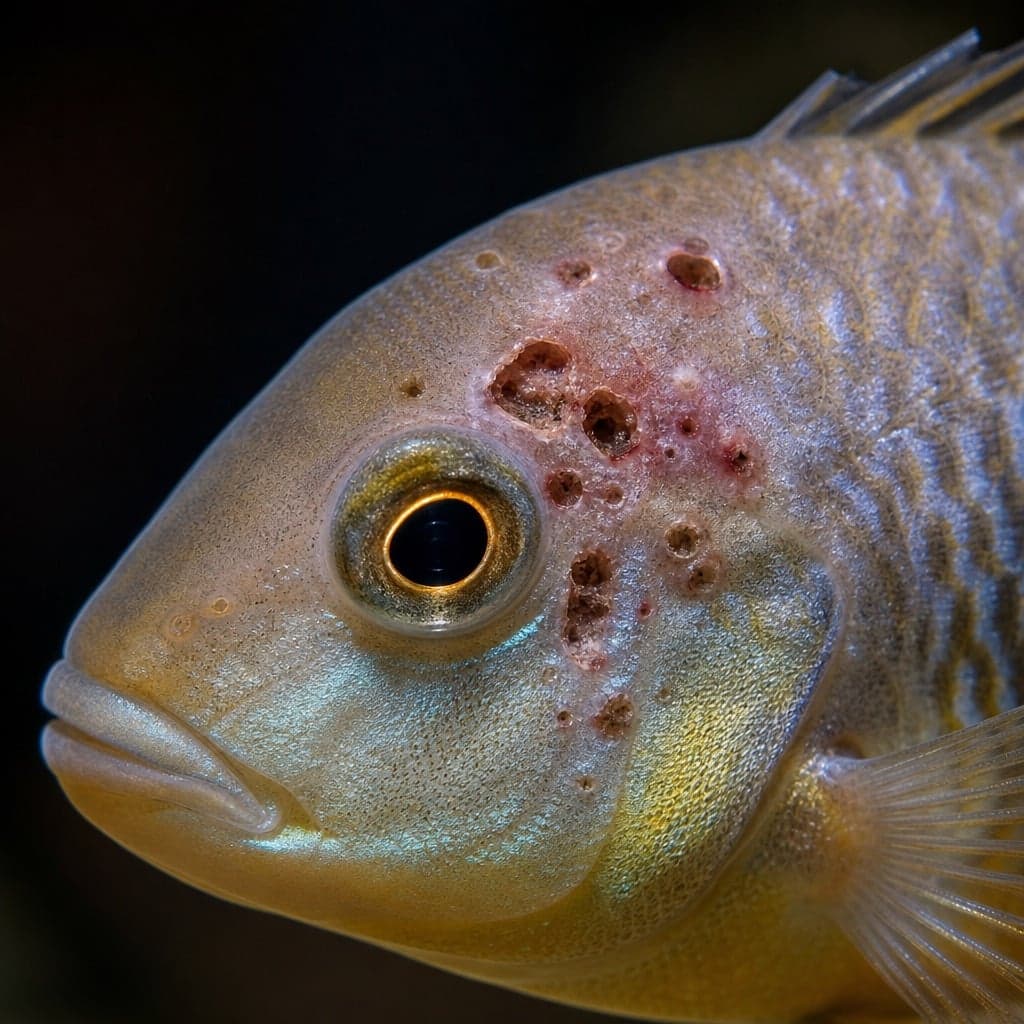
The primary health concern is stress-induced collapse during failed breeding attempts. If a pair is constantly harassed by tank mates, they may turn on each other. They are also susceptible to Hole-in-the-Head disease if water quality is poor or if their diet lacks vitamins. Maintaining pristine water conditions, providing multiple cave options, and ensuring a high-quality varied diet is the best way to ensure the vibrant "purple heart" of the Kribensis remains a centerpiece of your African river display.