Kubuna Hardyhead: Craterocephalus kailolae
The Kubuna Hardyhead (Craterocephalus kailolae) is a rare and elusive silverside from the remote rivers of Papua New Guinea, prized for its shimmering silver scales and its graceful, schooling nature.
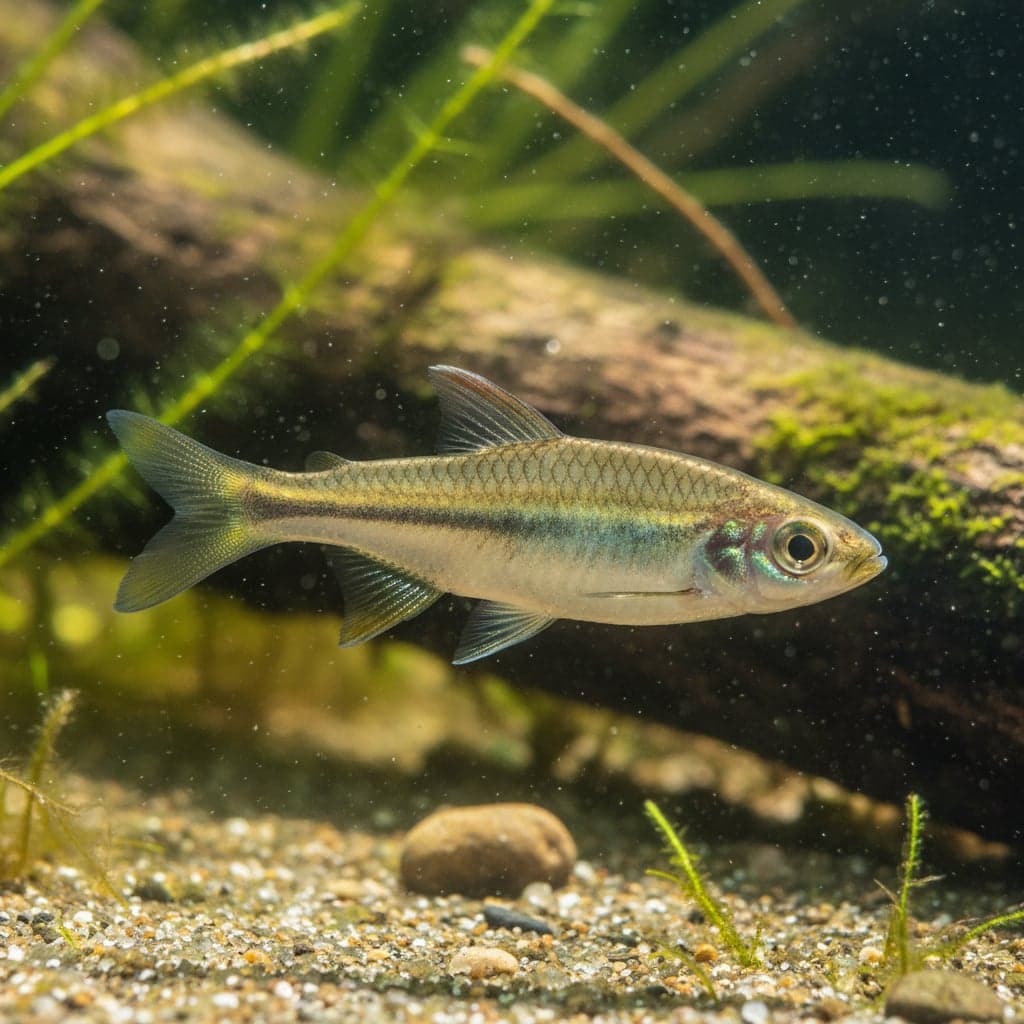
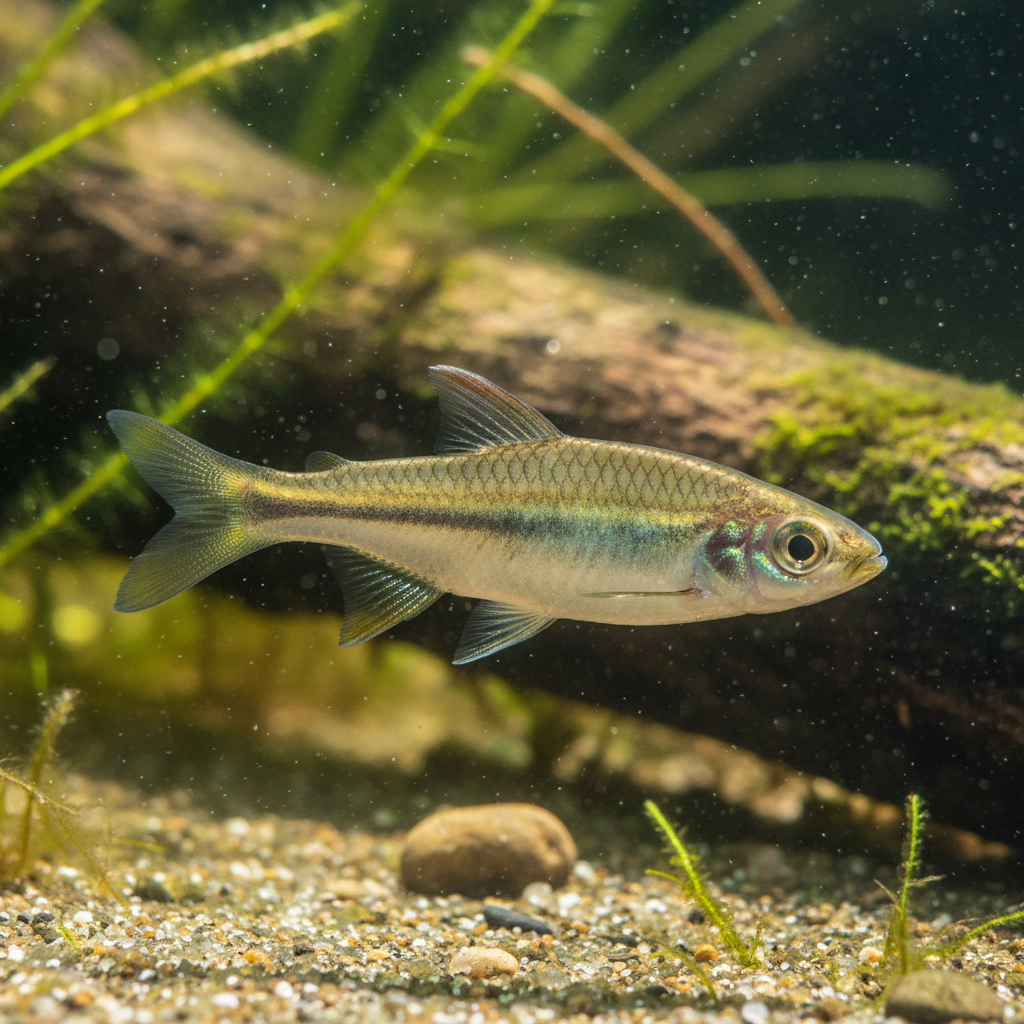
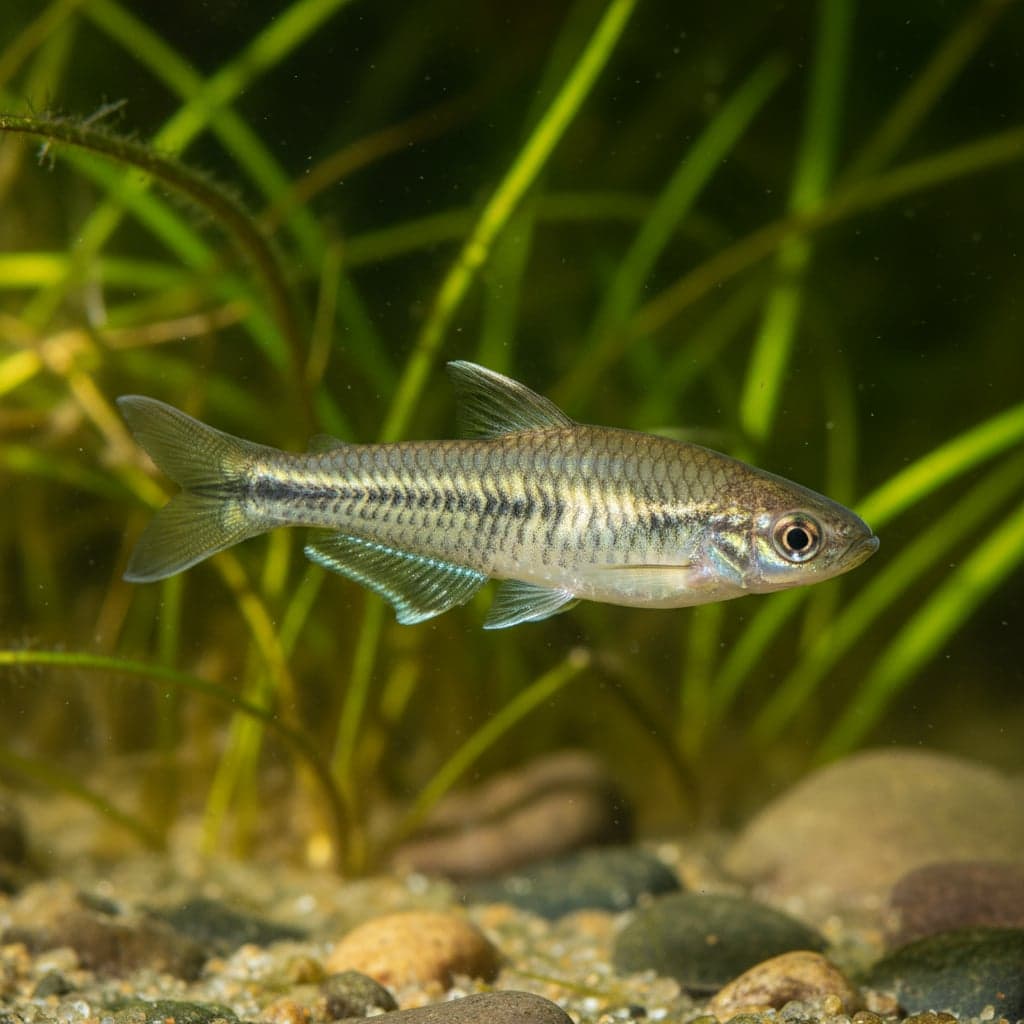
The Kubuna Hardyhead (Craterocephalus kailolae), also known as the Kailola's Hardyhead, is a shimmering specter from the remote freshwater systems of Papua New Guinea. As a member of the Atherinidae family (silversides), it is defined by its sleek, aerodynamic profile and extraordinary reflective properties. Its body is a masterpiece of silver and iridescent hues that seem to "flash" like a mirror when caught in the right light. Despite its understated palette, the Kubuna Hardyhead is a captivating species for the specialist aquarist, bringing a sense of wild, untamed motion and rhythmic elegance to a biotope-style aquarium.
In the aquarium, they are tireless schooling fish. They prefer the upper and middle levels of the water column, where they spend their day in a state of constant, coordinated motion. They are surprisingly observant and will often school more tightly when someone approaches the tank.
Natural Habitat & Origin
Craterocephalus kailolae is endemic to the Kubuna River system and its tributaries in the Central Province of Papua New Guinea. They inhabit swift, clear forest streams characterized by rocky substrates, moderate to high current, and high oxygen levels. These rivers are often shaded by dense canopy, but the water itself remains remarkably clear. They are found in areas with minimal aquatic vegetation, relying instead on the cover provided by submerged wood and rocky crevices. Their specialized habitat makes them a master of the "clearwater" ecosystem, where visibility and speed are their primary tools for survival.
Care Requirements
The Kubuna Hardyhead is a sensitive species that requires pristine water quality and high oxygenation. A minimum tank size of 25 to 30 gallons (100L) is recommended to allow for their active schooling behavior.
Maintain stable parameters: a pH of 7.0 to 8.0 and a temperature of 75°F to 82°F (24°C to 28°C). They are not tolerant of accumulated nitrates or fluctuations in water chemistry. The aquarium must feature a powerful filtration system and additional powerheads or air stones to replicate the high-flow, oxygen-rich environment of their native PNG rivers. The substrate should consist of smooth gravel or sand, and the tank should be designed with plenty of open swimming space in the center, bordered by driftwood branches and robust plants (like Bucephalandra) at the sides.
Diet & Feeding
They are opportunistic omnivores that primarily feed on micro-crustaceans and insect larvae in the wild.
In captivity, they require a varied and high-protein diet:
- High-quality micro-pellets and flakes should be the staple.
- They must have frequent feedings of small live or frozen foods: Baby Brine Shrimp (BBS), Daphnia, and Cyclops.
- They will also graze on fine algae film and biofilm.
- Tip: Because they are active swimmers with a high metabolism, they benefit from being fed small amounts 2-3 times per day rather than one large feeding.
- Their colors will remain most vibrant when their diet is rich in carotenoids and diverse protein sources.
Behavior & Temperament
They are strictly peaceful and highly social. They MUST be kept in groups of at least 6 to 8 individuals; in smaller numbers, they become shy, lose their appetite, and may fail to thrive. They are not territorial and will coexist harmoniously with a wide variety of tank mates. They demonstrate a high level of "schooling coordination," moving as a single, shimmering unit that is remarkably graceful to observe. They are fast-moving and may inadvertently outcompete slower fish for food.
Tank Mates
Suitable tank mates are other peaceful species that can handle moderate current:
- Blue-eyes (like Pseudomugil luminatus)
- Rainbowfish (smaller Melanotaenia or Glossolepis species)
- Danio species
- Hillstream Loaches
- peaceful Gobies (like Stiphodon)
Avoid keeping them with large, aggressive fish or species that prefer very still water, as the current required for Hardyheads may stress them.
Breeding
Breeding the Kubuna Hardyhead in captivity is quite rare and requires specialized conditions. They are egg scatterers. Spawning is usually triggered by a significant water change and an increase in temperature. They will scatter their adhesive eggs among fine-leaved plants or spawning mops. Most breeders use a separate spawning tank to prevent the parents from eating the eggs. The fry are extremely small and require "liquid" fry food or infusoria for the first few days before transitioning to Baby Brine Shrimp.
Common Health Issues
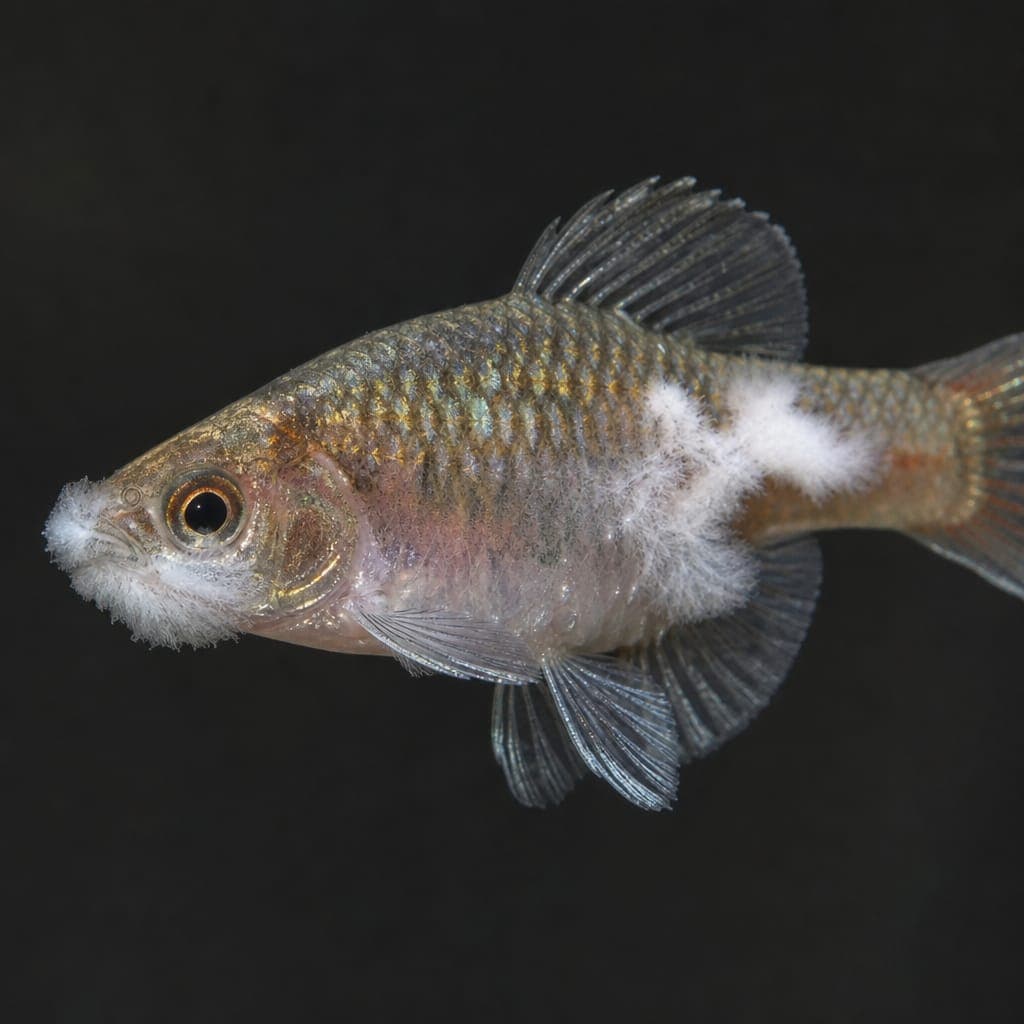
The primary health concern is stress from poor oxygenation or high nitrate levels. They are "canary" fish that will show signs of distress (lethargy, gasping at the surface) long before other species if water quality declines. They are also susceptible to Columnaris if kept in stagnant or poorly filtered water. Maintaining massive water flow, pristine conditions, and a stress-free social group is the best way to ensure the shimmering silver mirrors of the Kubuna Hardyhead remain a highlight of your Papua New Guinean biotope.