Long-nosed Fairy Cory: Scleromystax macropterus
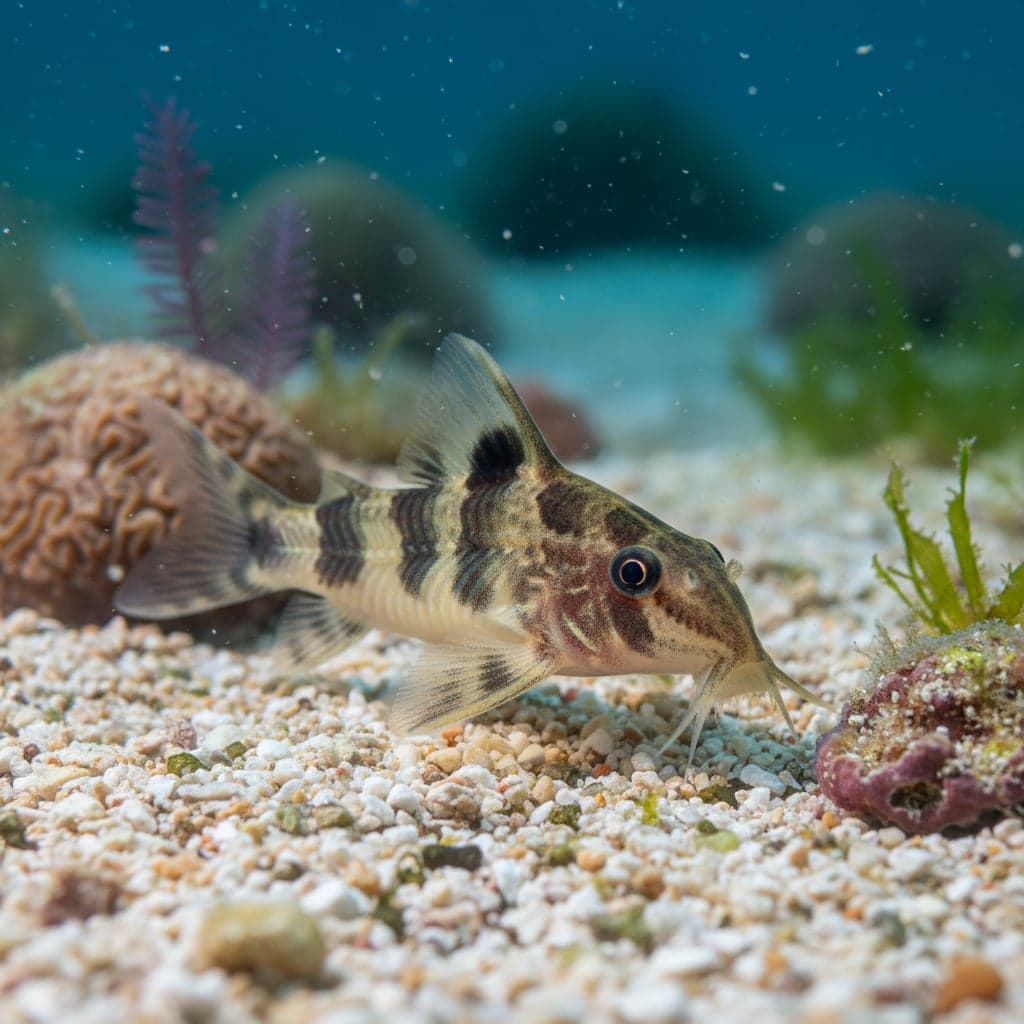
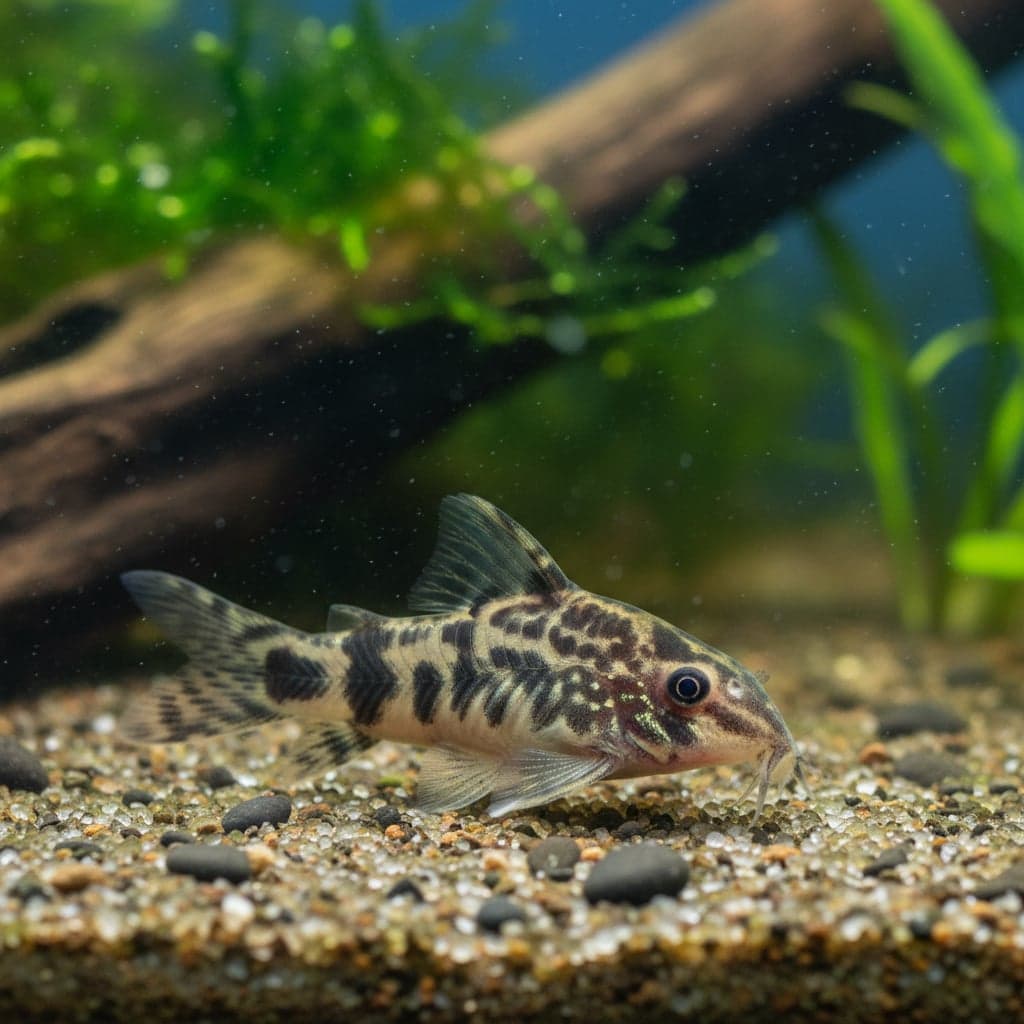
The Long-nosed Fairy Cory (Scleromystax macropterus), also known as the King-Crested Cory, is a magnificent subtropical species from Southern Brazil, defined by its extreme sexual dimorphism and elegant, elongated dorsal fin.
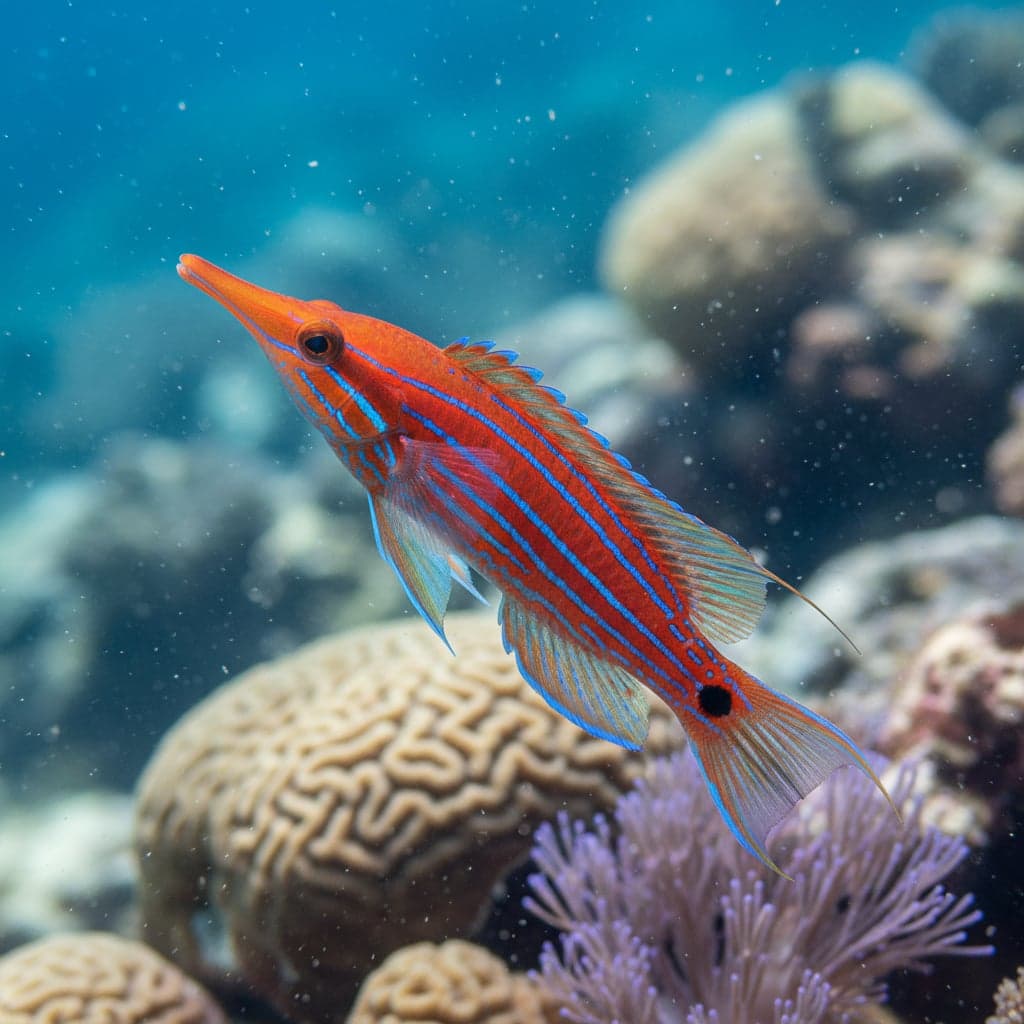
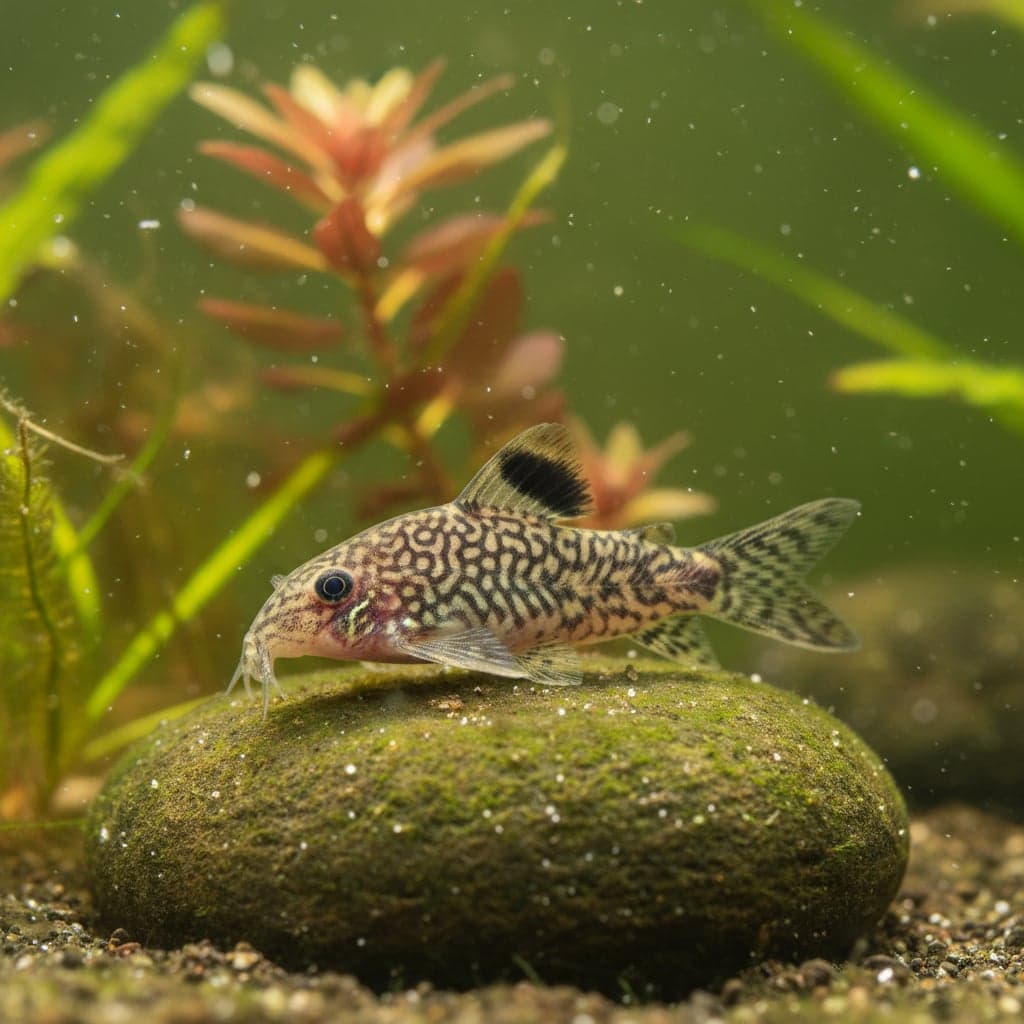
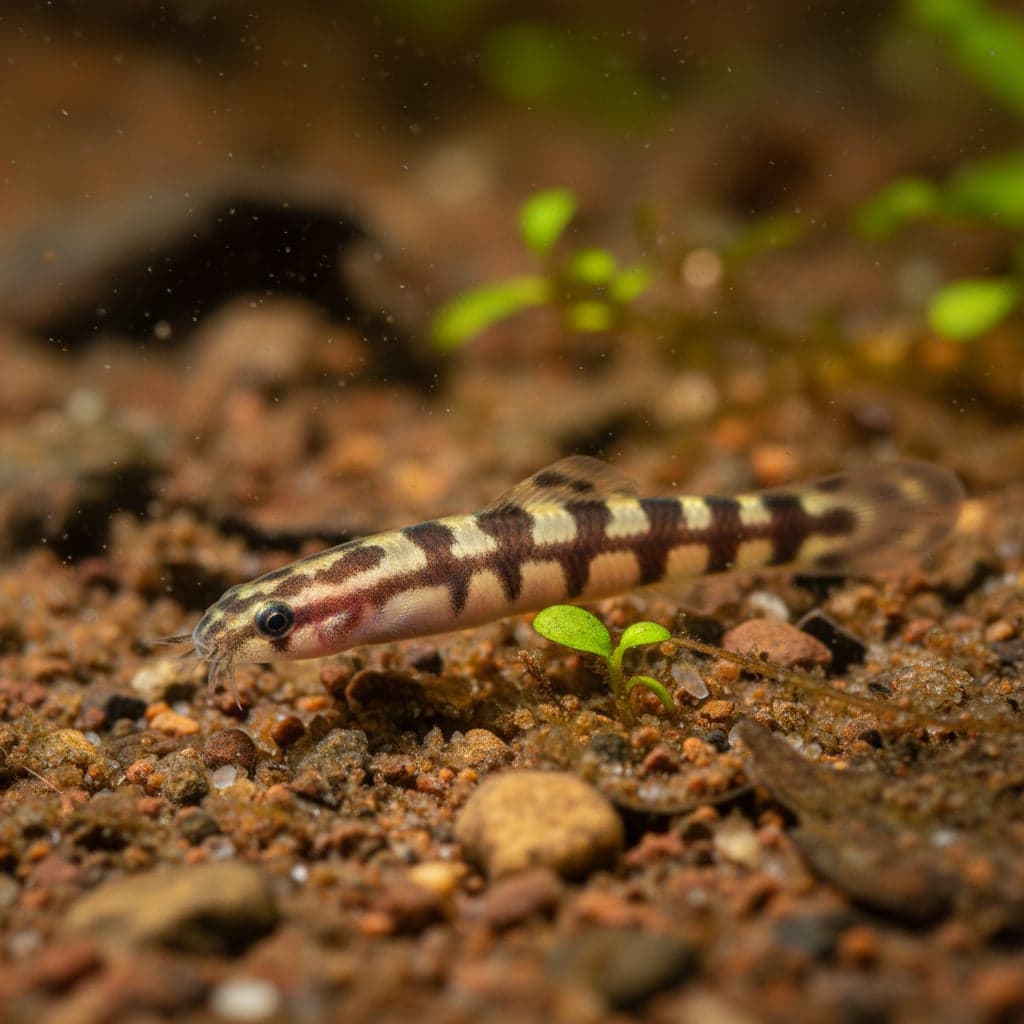
The Long-nosed Fairy Cory (Scleromystax macropterus), formerly classified as Corydoras, is the crown jewel of the cool-water Brazilian streams. It is defined by its strikingly elongated, pointed snout and extreme sexual dimorphism; adult males develop magnificent, sail-like dorsal and pectoral fins that are often adorned with dark, intricate patterns. Its body is a complex mosaic of golden-bronze and deep olive, overlaid with bold, dark brown blotches that extend into the fins. It is an exceptionally peaceful and social shoaler, but unlike common tropical Corys, it is a subtropical specialist that requires significantly cooler water to thrive long-term.
In the aquarium, they are the "aristocrats" of the substrate. They are most active when kept in a school of their own kind, where their coordinated foraging and the impressive fin-flaunting of the males create a mesmerizing display of movement and color.
Natural Habitat & Origin
Scleromystax macropterus is endemic to the coastal river basins of Southern Brazil, specifically the Ribeira de Iguape and the coastal streams of the state of São Paulo and Paraná. They inhabit clear, fast-flowing forest streams that are heavily shaded and characterized by cool, well-oxygenated water. These habitats often feature a mix of rocky riffles and quiet sandy pools filled with leaf litter and submerged branches. The water in these regions is typically soft to moderately hard and remains significantly cooler than the tropical Amazonian waters further north.
Care Requirements
The Long-nosed Fairy Cory is an Intermediate-difficulty species primarily because of its strict temperature requirements. A minimum tank size of 24 gallons (90L) is required for a small shoal.
Maintain stable parameters: a pH of 6.0 to 7.0 and a temperature of 64°F to 75°F (18°C to 24°C). CRITICAL CARE NOTE: They MUST NOT be kept in high-temperature tropical setups. Long-term exposure to temperatures above 77°F (25°C) will lead to metabolic stress and a significantly shortened lifespan. The aquarium MUST feature a soft, sandy substrate to protect their sensitive barbels. Use of sharp gravel or crushed coral is unacceptable. The setup should include plenty of driftwood and smooth river stones to create natural boundaries and hiding spots. TIP: High oxygen levels are essential; ensure the tank has significant surface agitation or use an air stone to mimic their fast-flowing native streams.
Diet & Feeding
They are opportunistic omnivores, naturally sifting through the substrate for insect larvae, small crustaceans, and organic detritus.
In captivity, they are not fussy but require a varied diet to support the growth of the males' impressive fins:
- High-quality sinking catfish wafers and micro-pellets should be the staple.
- They MUST have frequent offerings of live or frozen foods: Bloodworms, Daphnia, and Vitamin-enriched Brine Shrimp.
- Tip: They are "messy" eaters. Ensure the sand is kept clean and that you don't overfeed, as they are sensitive to accumulating waste.
- Offering blanched vegetables or spirulina-based wafers provides necessary dietary fiber.
Behavior & Temperament
They are exceptionally peaceful and social. They MUST be kept in a shoal of at least 6 individuals to feel secure; in smaller numbers, they become reclusive and lose their vibrant coloration. Unlike many Corydoras, Scleromystax males can be slightly territorial during spawning, but this rarely leads to any damage. They are "bottom-dwellers" that spend the majority of their time sifting through the sand, though they will occasionally make a characteristic "dash" to the surface for a gulp of air (atmospheric respiration).
Tank Mates
Suitable tank mates are other cool-water or subtropical species:
- White Cloud Mountain Minnows
- Zebra Danios
- Rosy Barbs
- Hillstream Loaches
- Other Scleromystax or cool-water Corydoras (like C. paleatus)
Avoid keeping them with high-temperature specialists (like Discus or Cardinal Tetras) or overly aggressive, boisterous fish that could damage the delicate, elongated fins of the male Corys.
Breeding
Breeding Scleromystax macropterus in captivity is a rewarding challenge for the experienced aquarist. They are substrate spawners, with the female typically carrying eggs in her pelvic fin "pouch" to be fertilized by the male before depositing them on a flat surface. Spawning is often triggered by a significant drop in temperature (mimicking a rain event) and the introduction of high-quality live foods. The fry are relatively large but are extremely sensitive to water quality and require constant grazing in a high-oxygen environment.
Common Health Issues
The primary health concern is Barbel Erosion caused by rough substrate and Heat Stress from improper temperature settings. They are also sensitive to high Nitrates and organic waste. Maintaining a cool, pristine, sand-bottom environment with high-volume filtration is the best way to ensure the elegant, "King-Crested" Long-nosed Fairy Cory remains a healthy, striking centerpiece of your subtropical display.