Loreto Cory: Corydoras loretoensis
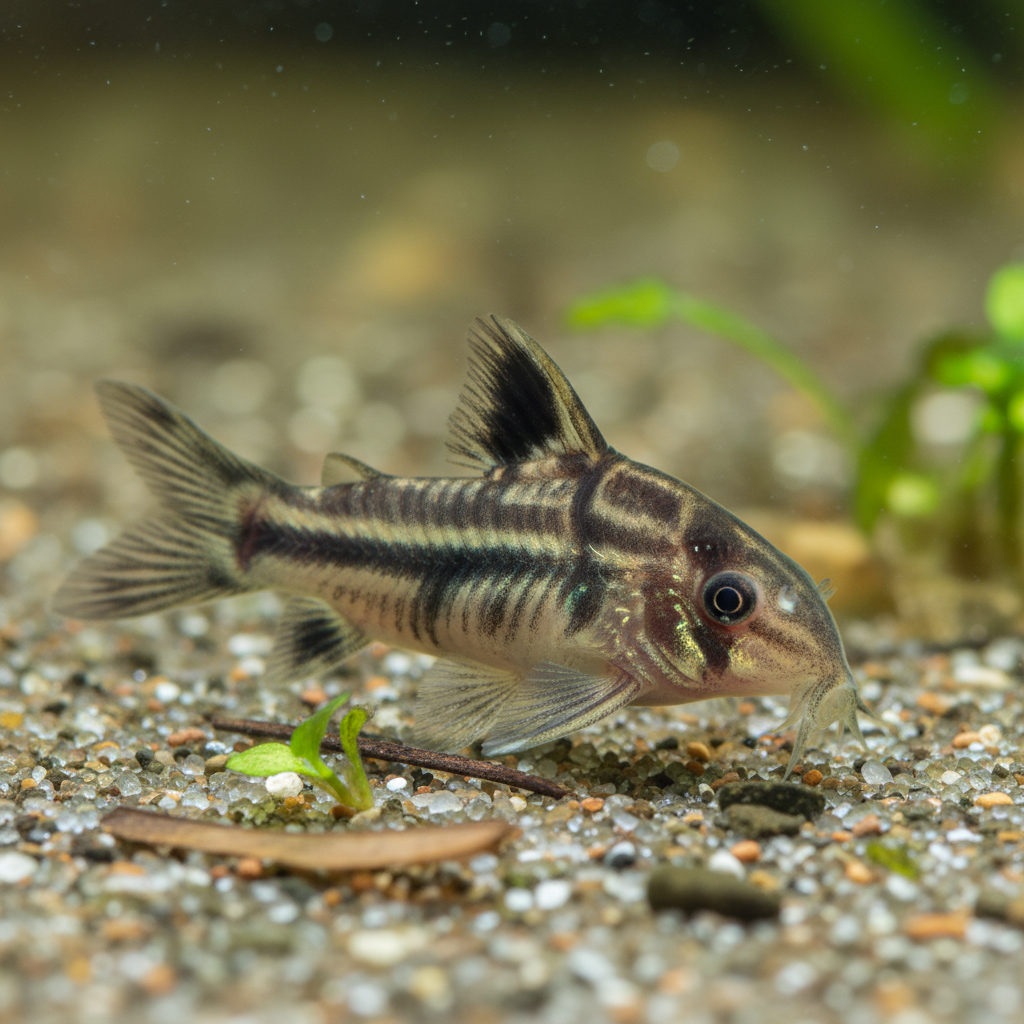
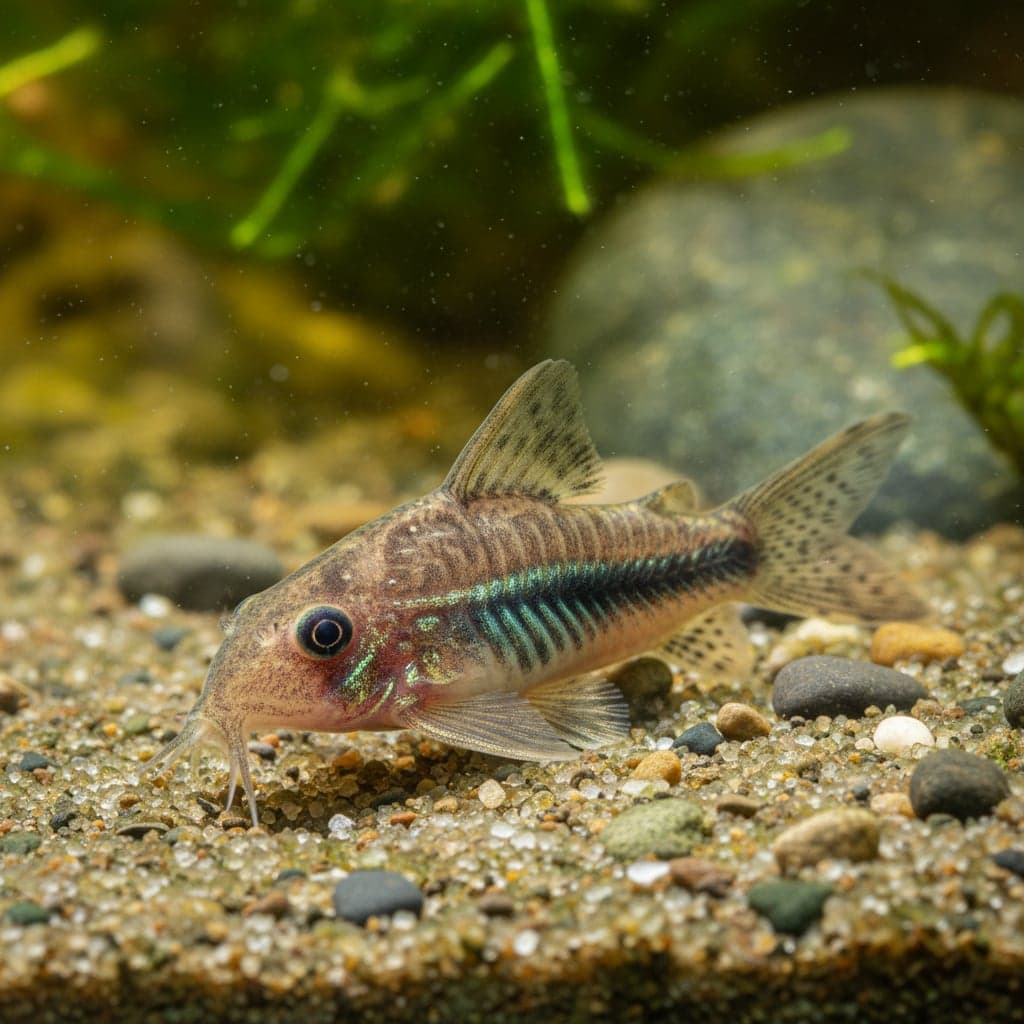
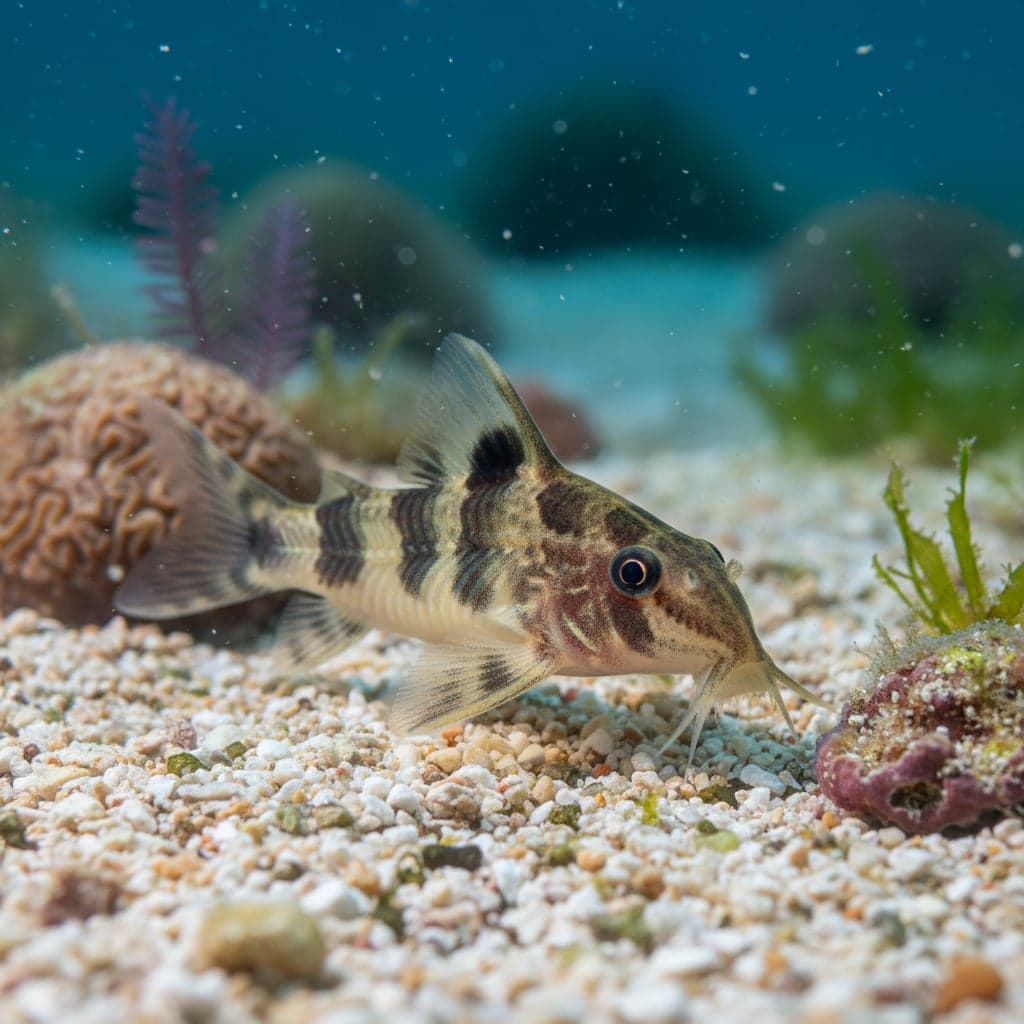
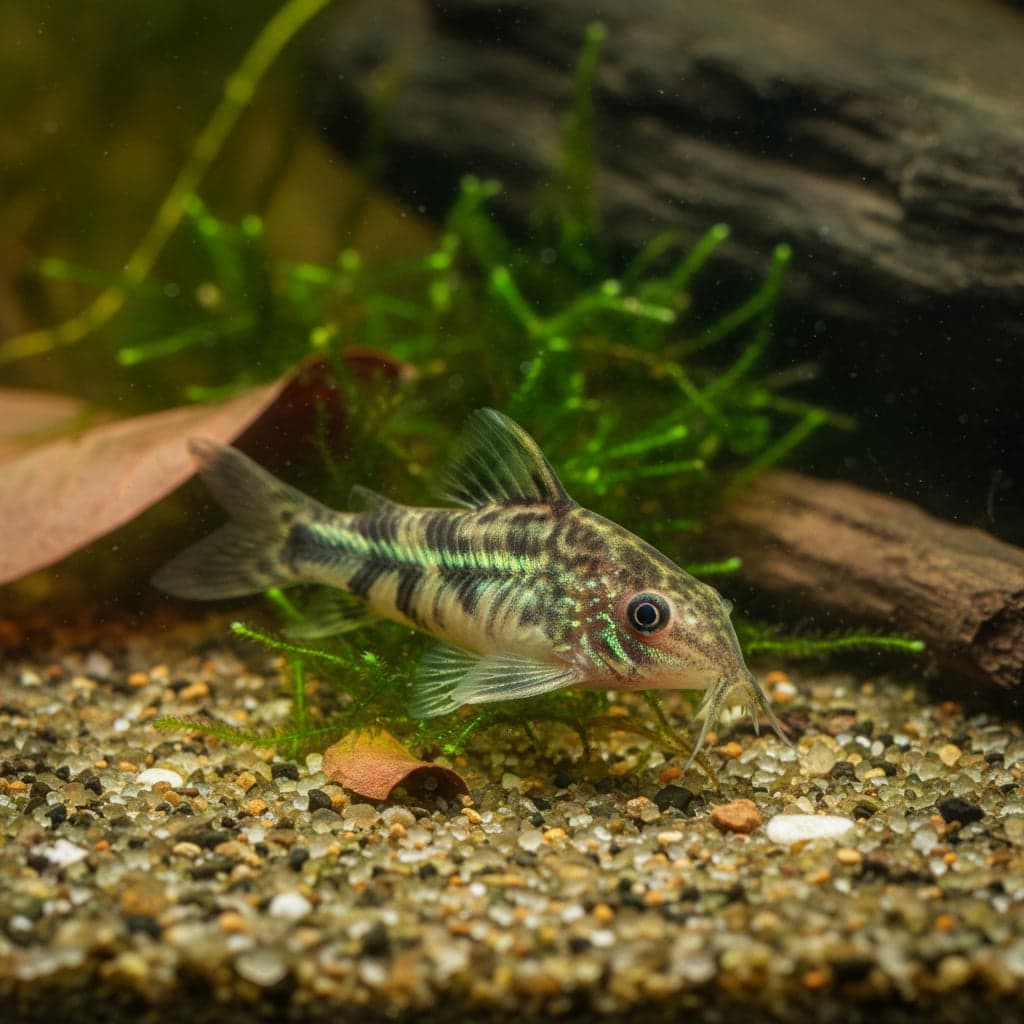
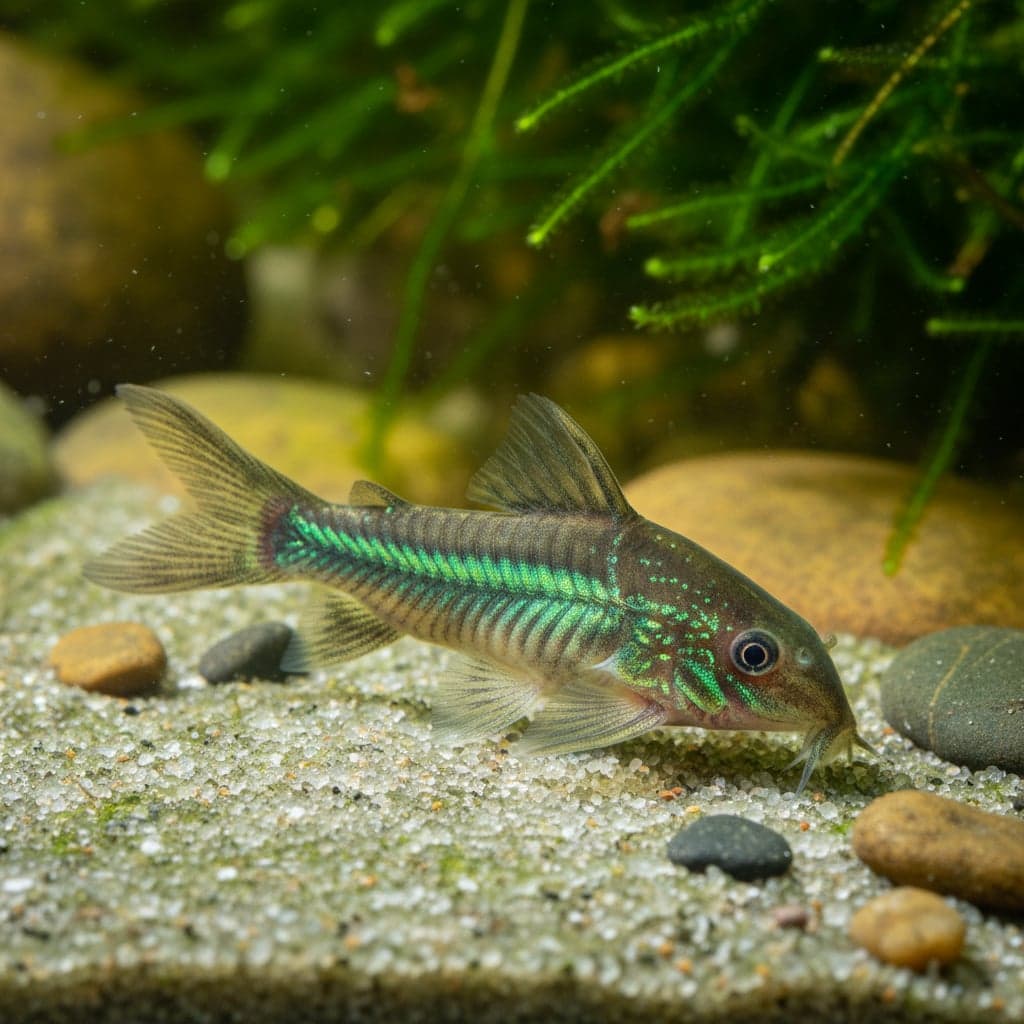
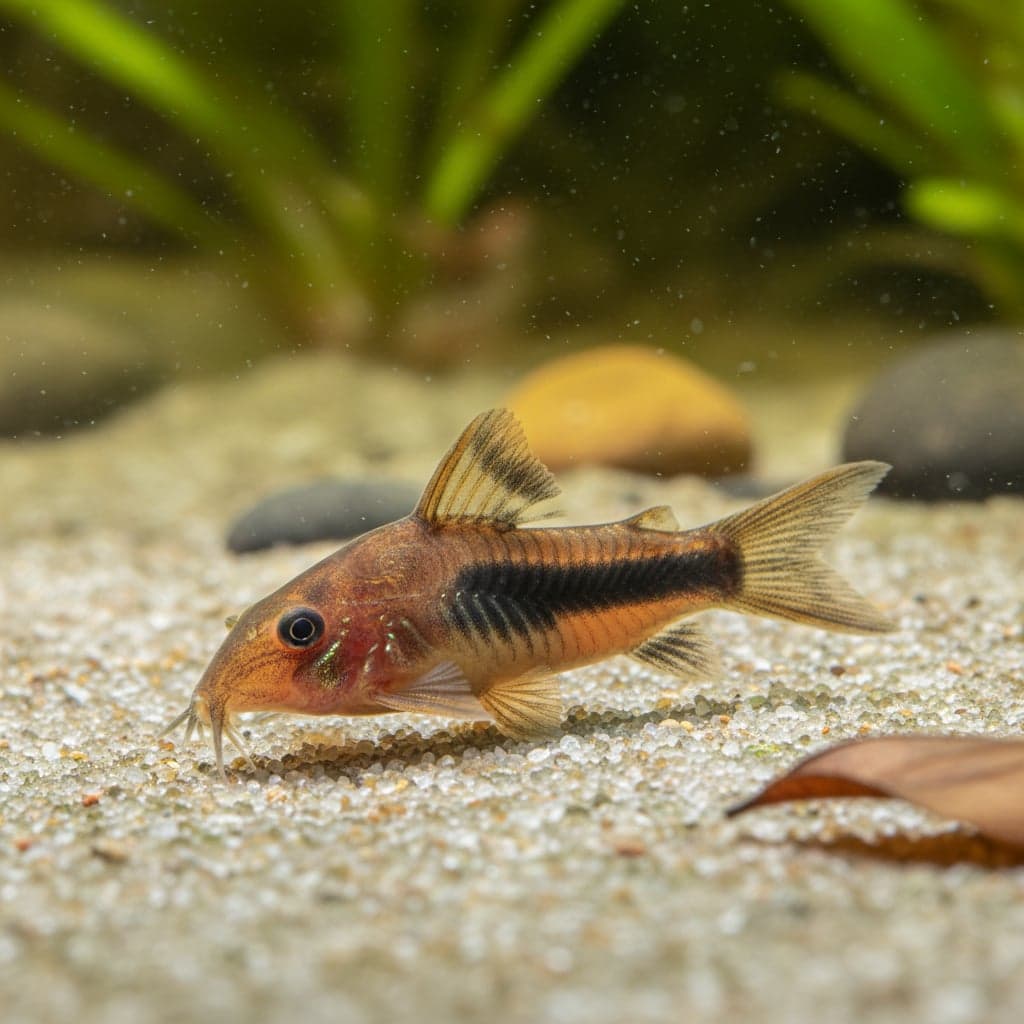
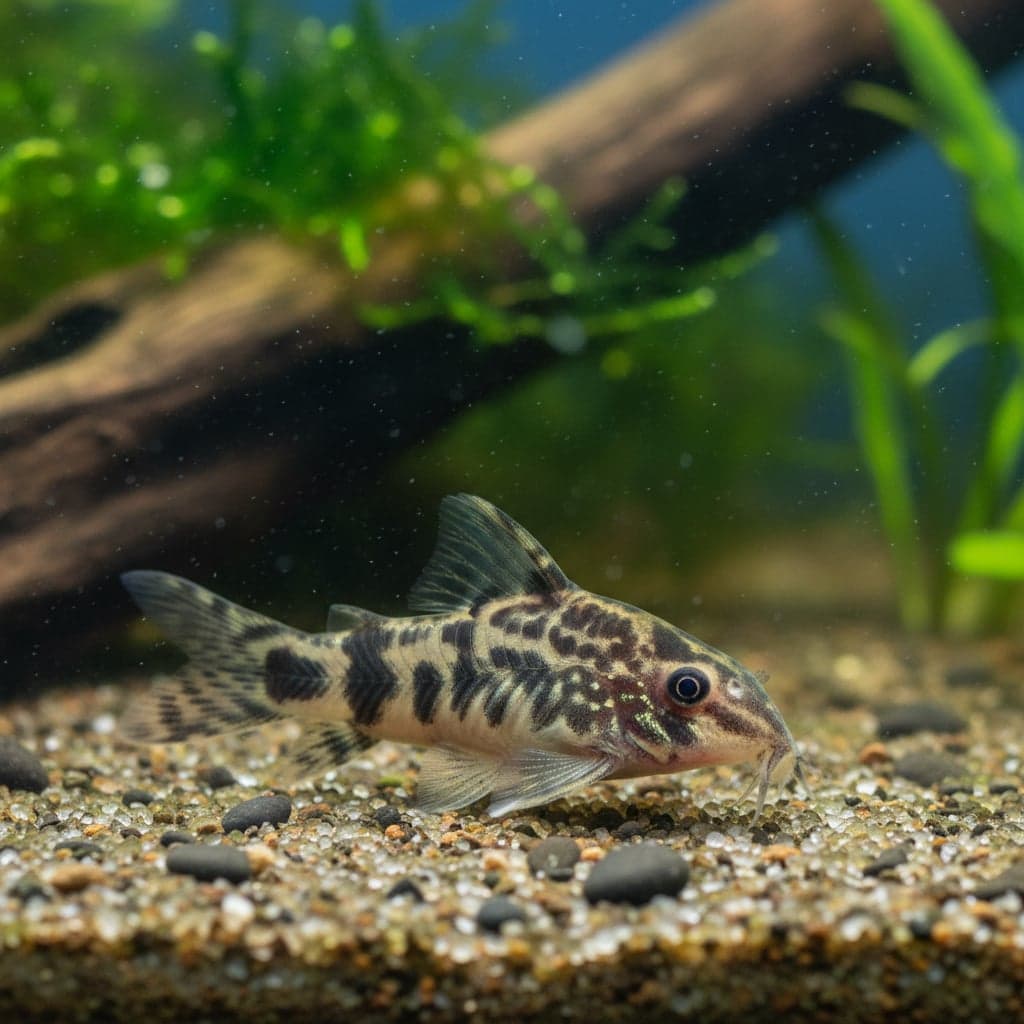
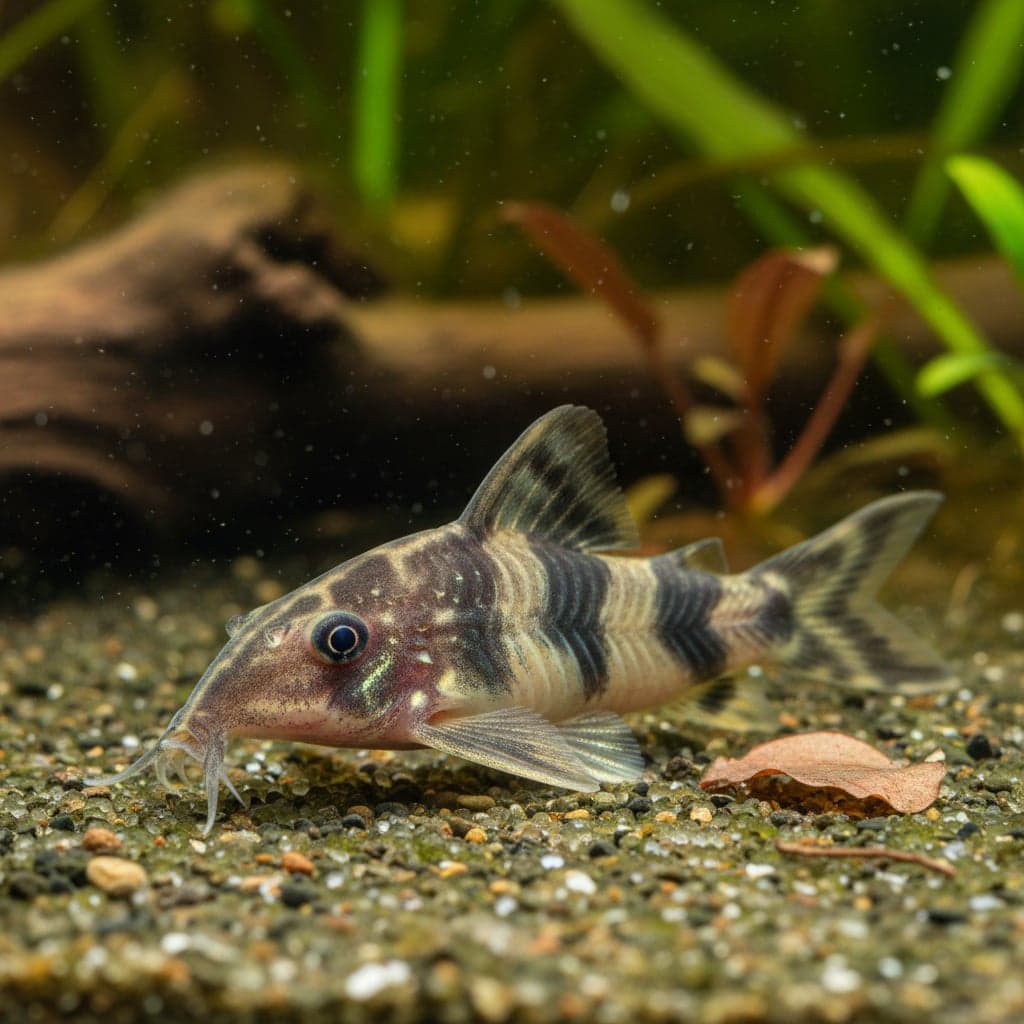
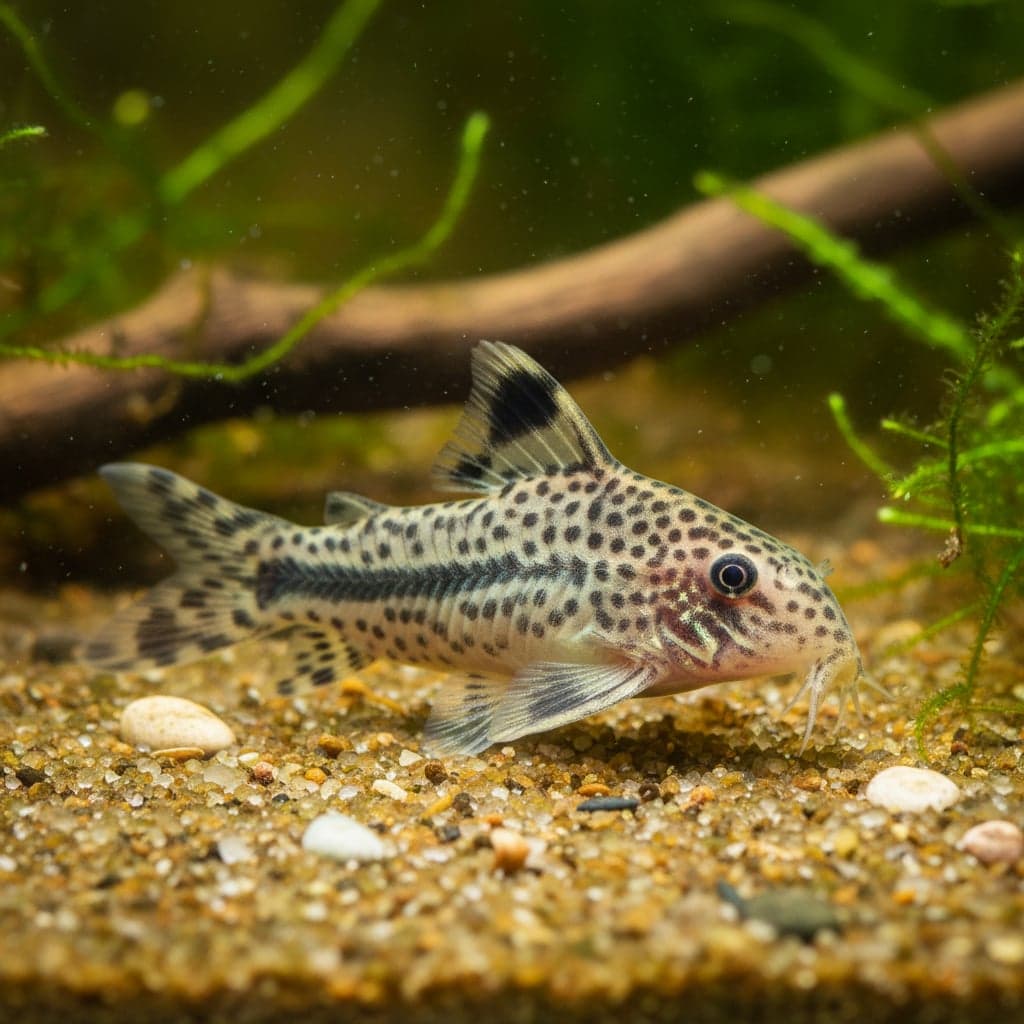
The Loreto Cory (Corydoras loretoensis) is an elegant, high-backed species from Peru, defined by its high-set dorsal fin, translucent silver body, and striking black eye band.
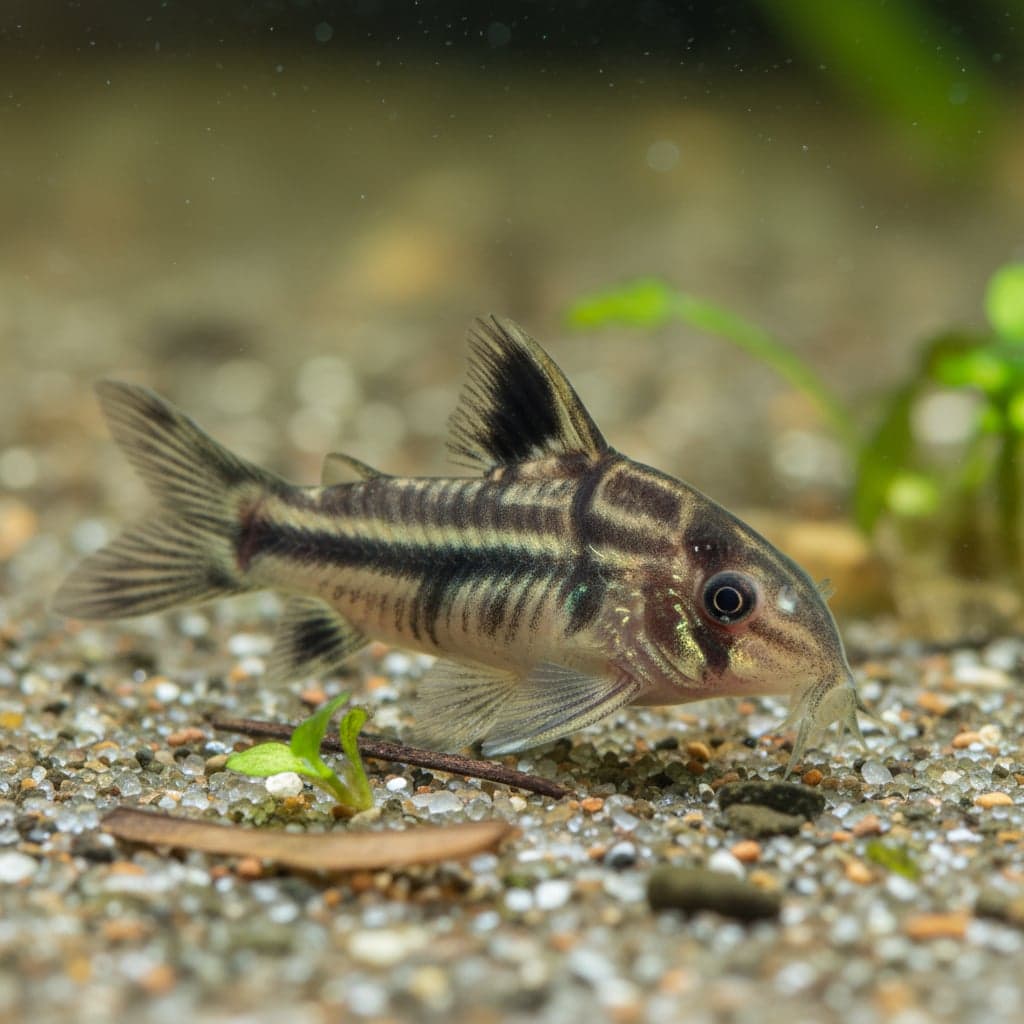
The Loreto Cory (Corydoras loretoensis), also classified under the modern genus Hoplisoma, is an exceptionally graceful and sought-after species of armored catfish. It is defined by its strikingly high, pointed dorsal fin and a body that is significantly more translucent and silver than most of its cousins. Its most signature features are its prominent, vertical black mask that runs through the eye and its delicate, speckled pattern that concentrates into a horizontal line along the rear of its body. It is an exceptionally peaceful and social shoaler that brings a touch of refined, shimmering movement to the bottom layers of any well-balanced aquarium.
In the aquarium, they are the "silver shadows" of the substrate. They are most active when kept in a school of their own kind, where their coordinated sifting and playful social interactions are a delight to witness.
Natural Habitat & Origin
Corydoras loretoensis is native to the Upper Amazon River basin in Peru, specifically in the Loreto region from which it takes its name. They inhabit slow-moving rainforest streams, floodplains, and shallow lake margins where the water is soft, acidic, and often stained with tannins from fallen leaves and submerged roots. These habitats feature a fine, sandy substrate punctuated by patches of dense vegetation and organic debris, providing the Loreto Cory with both abundant foraging opportunities and plenty of places to hide from predators.
Care Requirements
The Loreto Cory is an Easy-difficulty species, provided its basic requirements for water quality and substrate are met. A minimum tank size of 15 gallons (60L) is required for a small shoal.
Maintain stable parameters: a pH of 6.0 to 7.0 and a temperature of 72°F to 79°F (22°C to 26°C). The aquarium MUST feature a soft, sandy substrate. Use of sharp gravel or crushed coral is unacceptable, as it will quickly wear down their sensitive, sensory barbels, leading to infection and starvation. The setup should include plenty of low-lying cover using driftwood, leaf litter (like Catappa leaves), and broad-leaved plants like Anubias or Amazon Swords. TIP: They are highly sensitive to poor water quality at the substrate level; ensure you are performing regular vacuuming of the sand and that the tank has efficient bottom-level circulation.
Diet & Feeding
They are opportunistic omnivorous scavengers, naturally sifting through the substrate for insect larvae, small crustaceans, and organic detritus.
In captivity, they are not fussy eaters but require a varied diet to maintain their shimmering silver health:
- High-quality sinking catfish wafers and micro-pellets should be the staple.
- They MUST have frequent offerings of frozen or live foods: Bloodworms, Daphnia, and Vitamin-enriched Brine Shrimp.
- Tip: They are "social feeders." Watching them gather in a group to excavate a sinking wafer is a great way to monitor the health of the shoal.
- Occasional offerings of spirulina-based tablets help provide necessary dietary fiber.
Behavior & Temperament
They are supremely peaceful and social. They MUST be kept in a group of at least 6 individuals to feel secure; a solitary Loreto Cory will often become reclusive and may stop feeding. They are "bottom-dwellers" that spend the majority of their time sifting through the sand, though they will occasionally make the characteristic Corydoras "dash" to the surface for a gulp of air (atmospheric respiration). They are completely indifferent to other species, making them the perfect community resident.
Tank Mates
Suitable tank mates are other peaceful, small to medium species:
- Tetras and Rasboras (all varieties)
- Dwarf Cichlids (Apistogramma)
- Hatchetfish (which occupy the surface)
- Otocinclus and other peaceful suckermouth catfish
- All community-safe invertebrates
Avoid keeping them with overly aggressive or boisterous fish (like large Cichlids or aggressive Barbs) that could intimidate the gentle Loreto Corys or outcompete them during feeding.
Breeding
Breeding Corydoras loretoensis in captivity is possible but requires attention to detail. They are substrate spawners, with the female typically carrying eggs in a "basket" formed by her pelvic fins to be fertilized by the male before being deposited on plants or the glass. Spawning is often triggered by frequent, cool water changes (mimicking the onset of the rainy season). The fry are tiny and require specialized, high-intensity micro-foods like infusoria or fresh baby brine shrimp once their yolk sacs are absorbed.
Common Health Issues
The primary health concern is Barbel Erosion caused by rough substrate and Fin Rot from poor water quality. They are also sensitive to high levels of Nitrate. Maintaining a pristine, sand-bottom environment with frequent water changes and a high-quality diet is the best way to ensure the elegant Loreto Cory remains a healthy, shimmering addition to your South American display.