Macmaster's Dwarf Cichlid: Apistogramma macmasteri
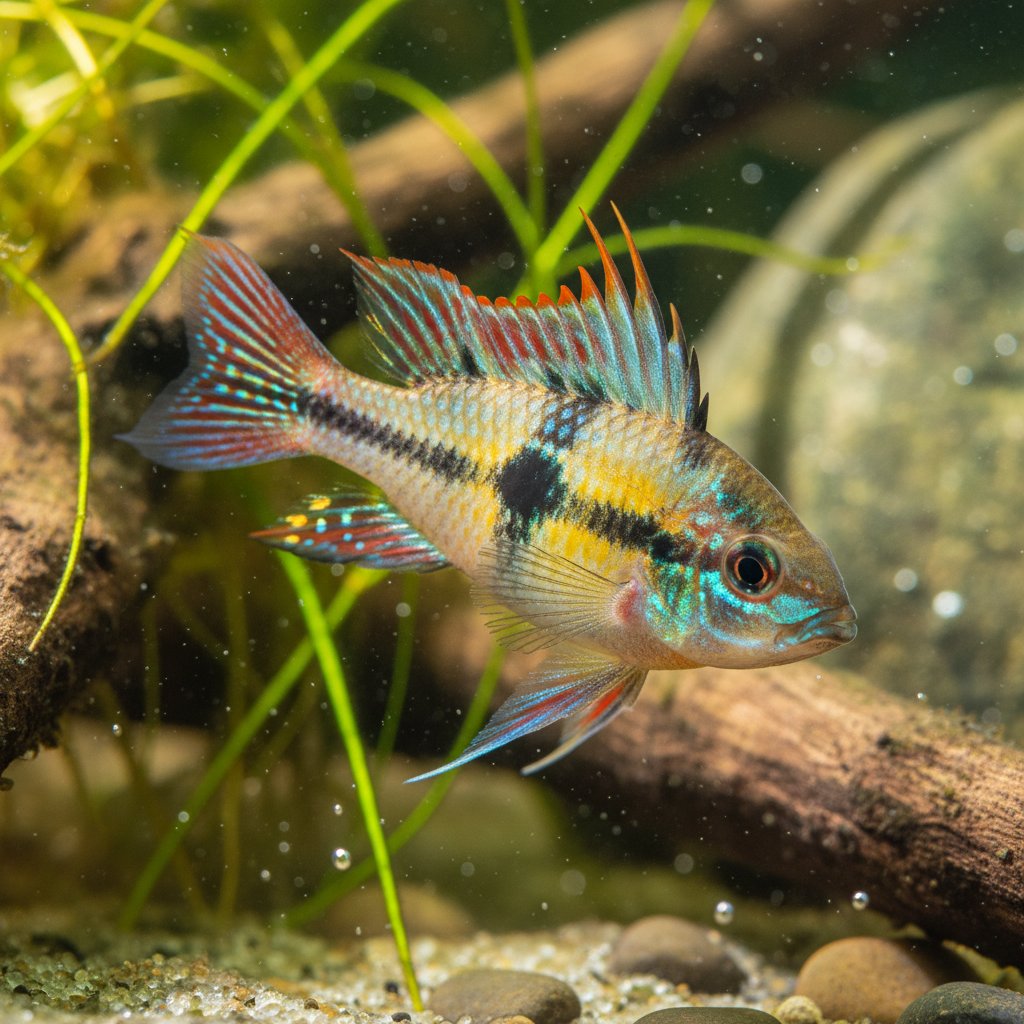
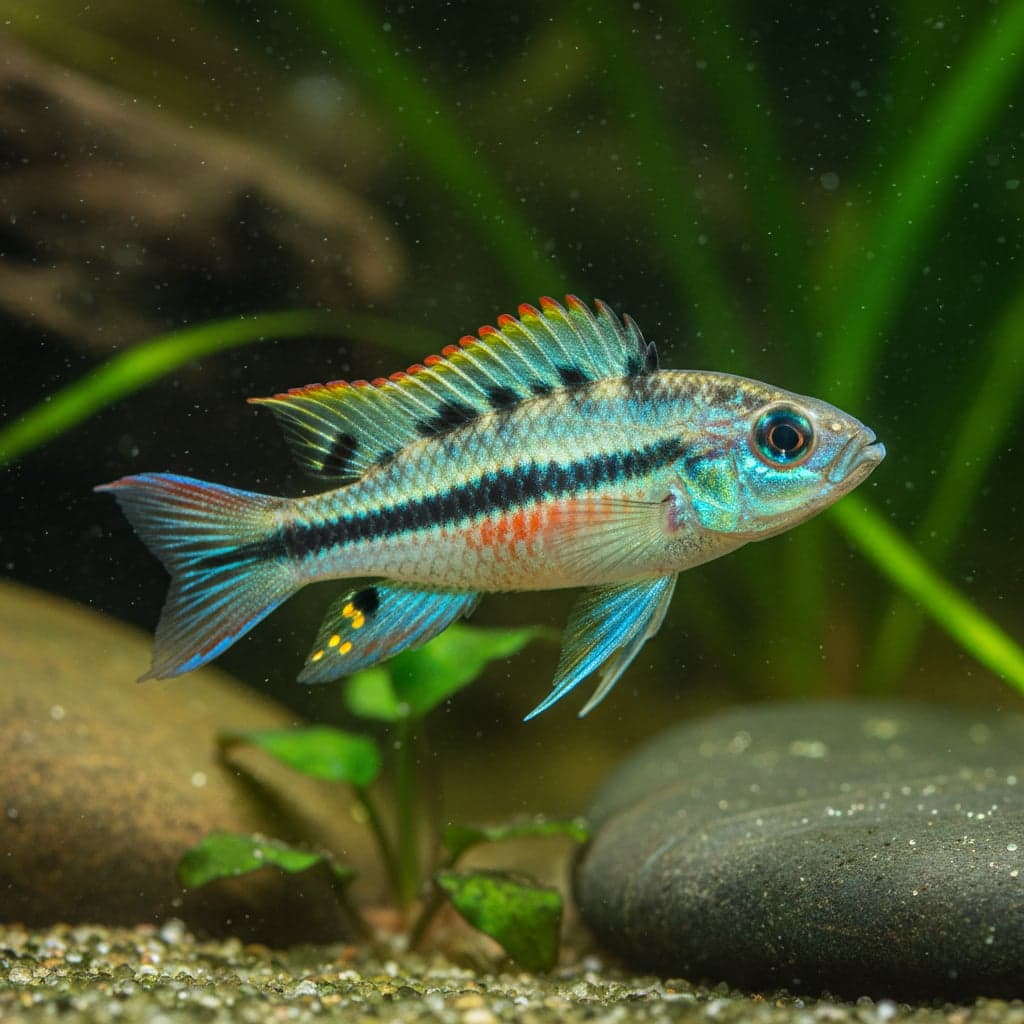
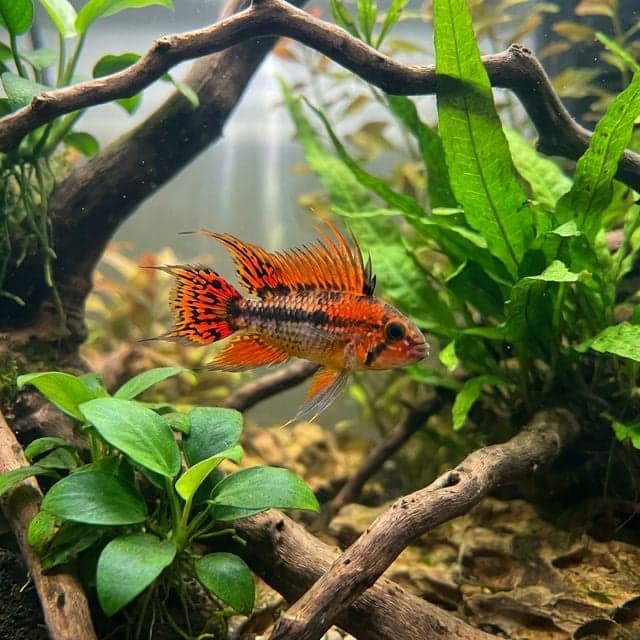
A spectacularly colored dwarf cichlid with bold red markings on the face and fins.

Macmaster's Dwarf Cichlid
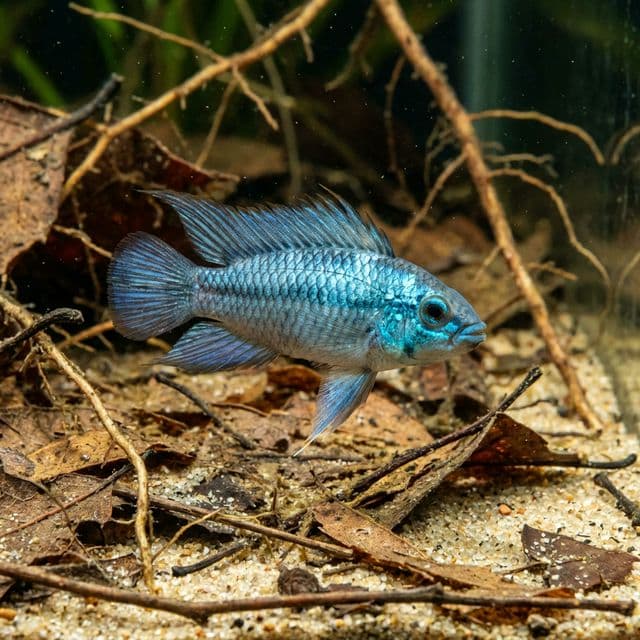
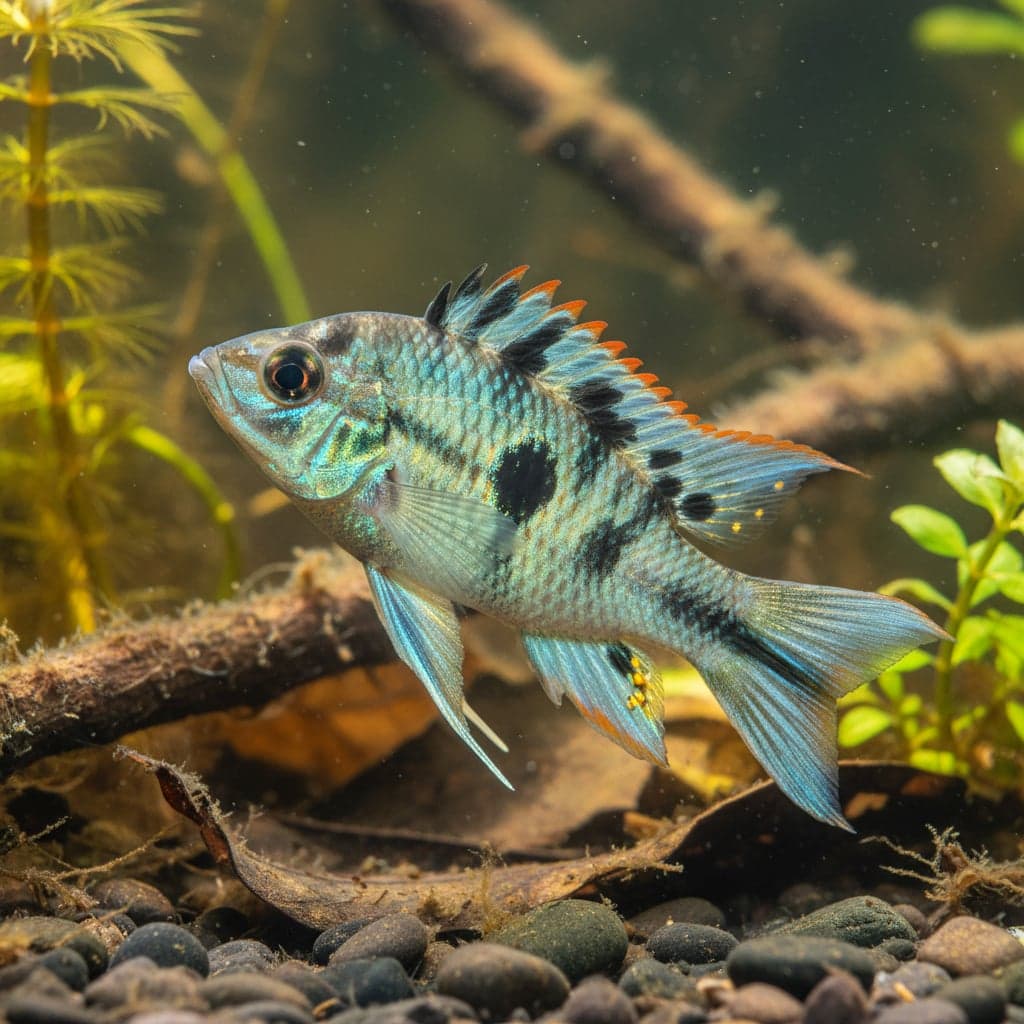
The Macmaster's Dwarf Cichlid, scientifically known as Apistogramma macmasteri, is a striking freshwater fish that captivates aquarists with its vibrant colors and engaging personality. Native to the waterways of South America, particularly in Colombia and northern Peru, this species showcases a stunning palette of shimmering blues, yellows, and oranges, making it a prized addition to any community aquarium. Its small size, generally reaching about 3-4 inches in length, allows enthusiasts to maintain it in smaller setups while still enjoying the dynamic presence this cichlid adds to the aquatic environment.
This cichlid's visual appeal and interesting behavior contribute significantly to its popularity within the aquarium hobby. Known for its intricate patterns and vivid hues, the Macmaster's Dwarf Cichlid displays a range of colors that can vary depending on environmental conditions and individual health. Moreover, this species plays a vital role in the aquarium ecosystem, fostering interactions that provide insights into cichlid social structures and breeding behaviors. For both novice and experienced aquarists, it offers a rewarding experience, making them a perfect candidate for both species-specific and mixed-community tanks.
Natural Habitat & Origin
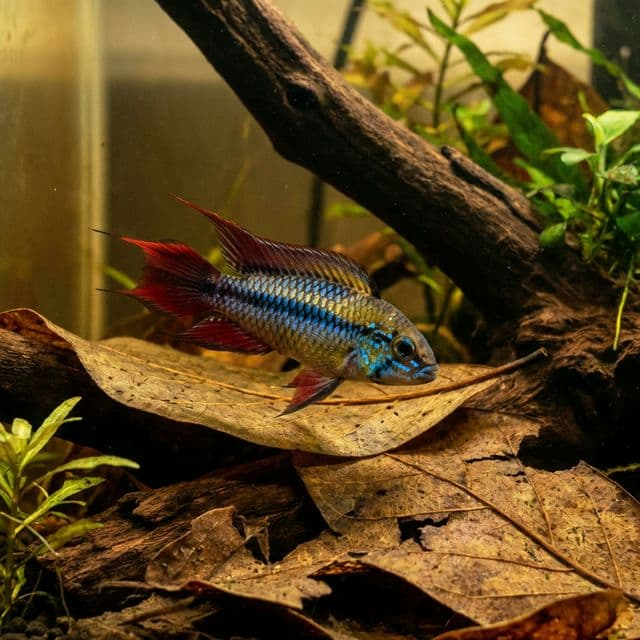
The Macmaster's Dwarf Cichlid is predominantly found in the slow-moving streams and tributaries of the Amazon River basin, primarily in Colombia and Peru. This geographical locale is characterized by its warm climate and rich biodiversity, where the fish thrives in soft, acidic waters that often exhibit blackwater characteristics. The natural habitat comprises a dense layer of leaf litter, submerged roots, and overhanging vegetation, which not only helps in camouflaging the species against predators but also provides vital breeding and hiding spaces.
In their natural environment, the water is usually stained with tannins from decomposing organic material, leading to low light penetration and specific water chemistry. The Macmaster's Dwarf Cichlid prefers environments with a pH between 5.5 and 7.0, soft to moderately hard water, and temperatures ranging from 75°F to 82°F (24°C to 28°C). Replicating these conditions in captivity is crucial for their health and well-being.
Care Requirements
To create an ideal habitat for the Macmaster's Dwarf Cichlid, a minimum tank size of 20 gallons is recommended. This provides ample space for them to establish territories and exhibit natural behavior. The substrate should be composed of fine sand or gravel, allowing the cichlid to burrow and sift through materials, mimicking its natural behavior. Additionally, incorporating plenty of caves, driftwood, and dense planting will enhance both the aesthetic appeal of the aquarium and provide crucial hiding spots.
Lighting should be moderate to low, simulating the dimly lit waters of their natural habitat. Plants such as Anubias, Java fern, and various types of moss not only beautify the setup but also offer cover and foraging spots for the fish. Maintaining stable water parameters is essential, with a pH level between 6.0 to 7.5, a temperature range of 76°F to 82°F (24°C to 28°C), and a hardness level of 5 to 15 dGH. Regular water changes are imperative to ensure the water remains clean and the bioload manageable.
Diet & Feeding
Macmaster's Dwarf Cichlids are omnivores, thriving on a diverse diet that reflects their natural feeding habits. In captivity, it's essential to offer a balanced diet that includes high-quality cichlid pellets, flakes, and live or frozen foods. Commercial foods rich in protein, such as daphnia, brine shrimp, and bloodworms, should be incorporated regularly to maintain their health and vibrant coloration.
Additionally, they enjoy plant matter, so introducing vegetable-based foods like spirulina flakes or blanched vegetables will round out their diet. It's important to feed them a varied selection to ensure they receive all essential nutrients, with the recommendation to provide small portions multiple times a day rather than one large feeding. This approach promotes better health and prevents overfeeding, which can lead to water quality issues.
Behavior & Temperament
The Macmaster's Dwarf Cichlid is known for its unique behavior and relatively peaceful temperament, especially when compared to other cichlid species. They tend to establish territories within the aquarium, and it's not uncommon for them to exhibit mild aggression, particularly during breeding season. Typically, they are not shoaling fish, preferring to inhabit small groups or pairs. In appropriate tank sizes, however, they can coexist peacefully with other community fish as long as the tank layout provides adequate hiding spaces.
In terms of vertical spacing, Macmaster's Dwarf Cichlids often occupy the lower regions of the aquarium, seeking refuge among rocks and plant roots. While they appreciate well-planted areas, they may also venture into the middle layers of the tank during feeding and social interactions. Observing their behavior can be rewarding, as they display interesting courtship rituals and interactions with their companions, making them a joy for aquarists to watch.
Tank Mates
When selecting tank mates for the Macmaster's Dwarf Cichlid, it's essential to consider species that can thrive in similar water conditions and do not display overly aggressive behaviors. Suitable companions include other peaceful cichlids such as Apistogramma species, small tetras like Neocaridina and Rummynose, and bottom-dwellers such as Corydoras catfish and Otocinclus. These species offer a dynamic community while avoiding competition for space.
Conversely, it is advisable to avoid large or overly boisterous tank mates, such as very aggressive cichlids, larger barb species, or fast-moving fish that may stress the Macmaster's Dwarf Cichlid. Due to their territorial nature, it's also wise to keep only a single male per tank to prevent conflicts during breeding or territory disputes. By carefully selecting compatible species, an aquarist can create a balanced ecosystem that promotes harmony and a visually appealing environment.
Breeding
Breeding the Macmaster's Dwarf Cichlid can be a rewarding experience for aquarists and can occur relatively easily under the right conditions. To encourage spawning, provide a secluded area within the aquarium, such as a cave or flower pot, where the female can lay her eggs. The ideal spawning temperature is around 80°F (27°C) with stable water conditions, pH between 6.0 to 7.0, and hardness levels of 5-10 dGH.
After a successful spawning, the female takes on the role of guarding and caring for the eggs, typically laying between 40-100 eggs on flat surfaces. The male plays a supportive role, helping to protect the territory but often keeping a slight distance. Once the eggs hatch, the fry can be fed infusoria or finely crushed flakes until they are large enough to consume more substantial foods like brine shrimp. With careful monitoring and attention to their needs, aquarists can successfully breed and raise these vibrant fish.
Common Health Issues
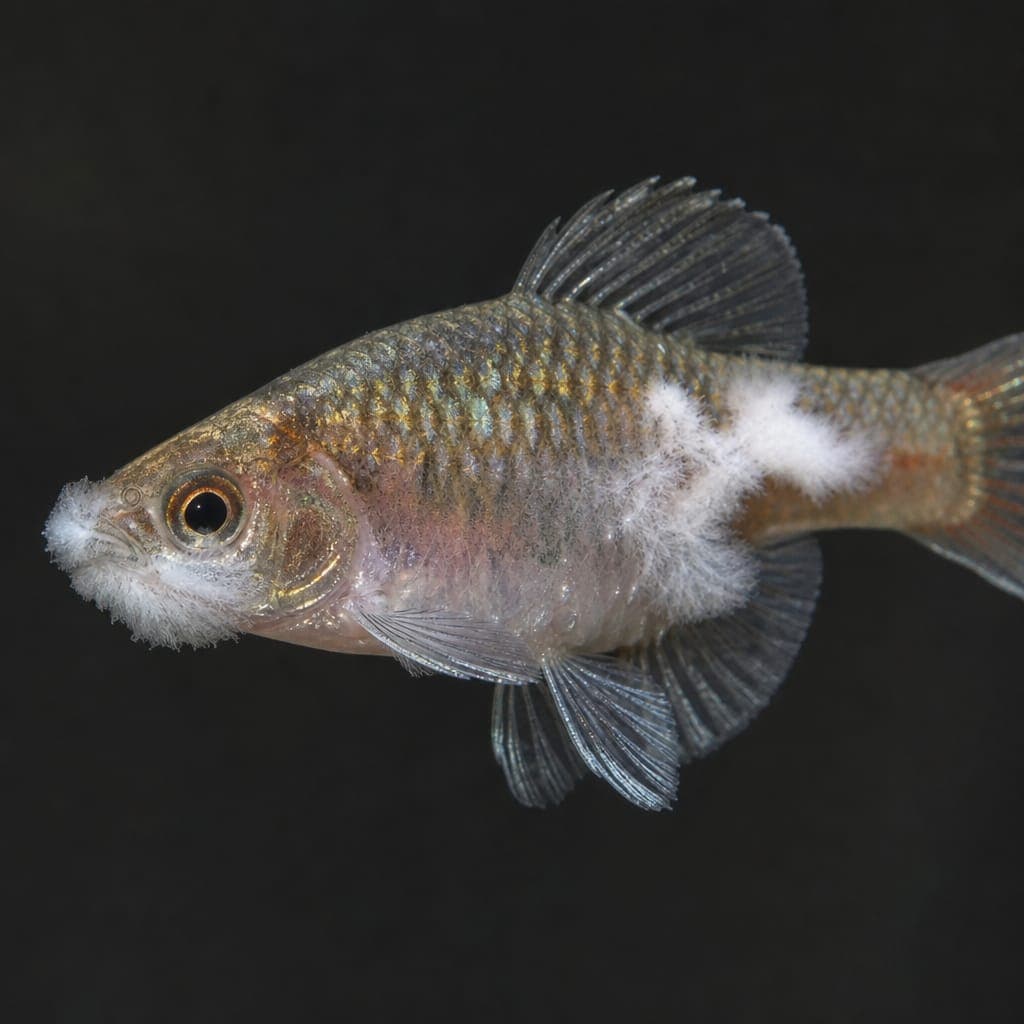
While the Macmaster's Dwarf Cichlid is generally hardy, they can be susceptible to several common fish diseases if not properly cared for. Issues such as ich (white spot disease), fin rot, and fungal infections may arise, usually due to poor water quality or stress caused by aggression from tank mates or territorial disputes. Maintaining stable water parameters, performing regular water changes, and providing ample hiding spots will greatly reduce these risks. Quarantine new arrivals before adding them to the main tank, and treat promptly at the first sign of white spots, frayed fins, or unusual lethargy so these colorful dwarf cichlids recover fully.