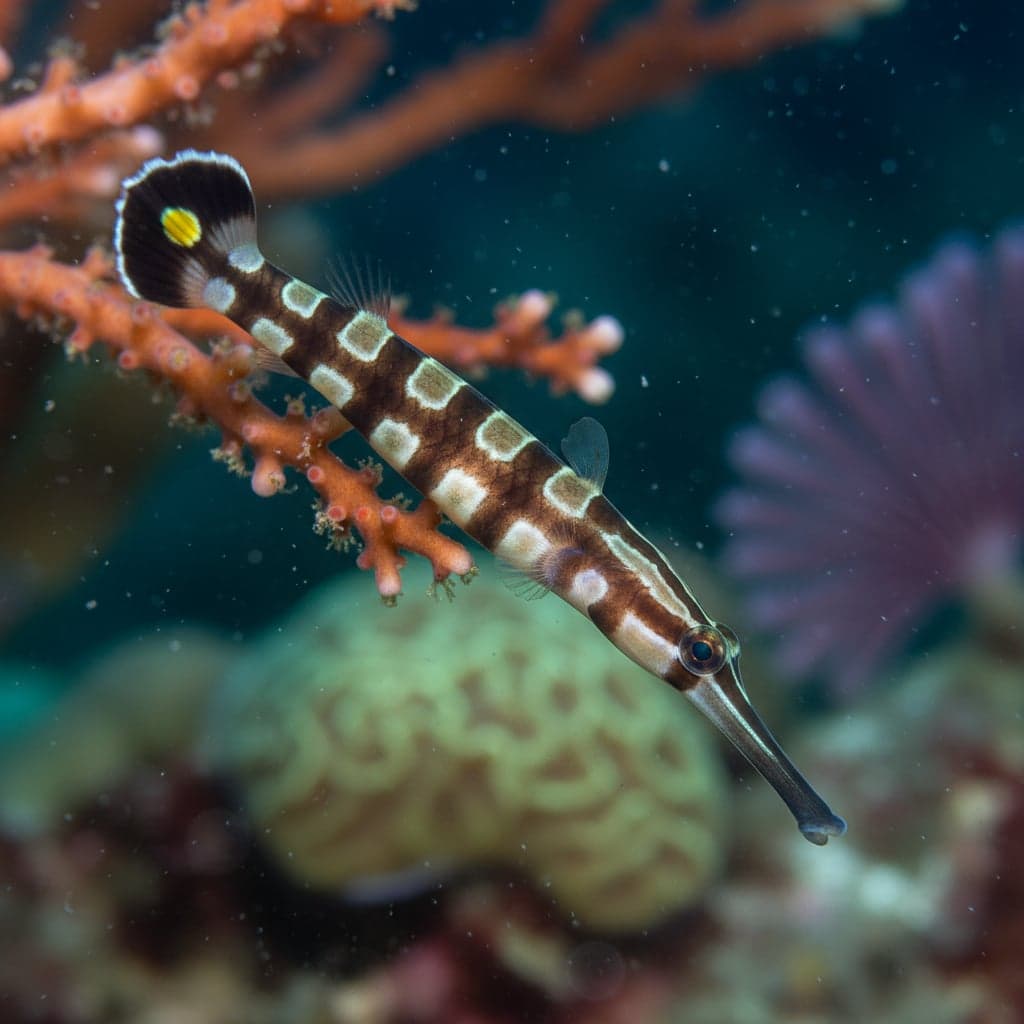
Green Mandarin Dragonet: Synchiropus splendidus
Arguably the most psychedelically patterned fish in existence. A difficult species that requires a mature tank with a massive copepod population.
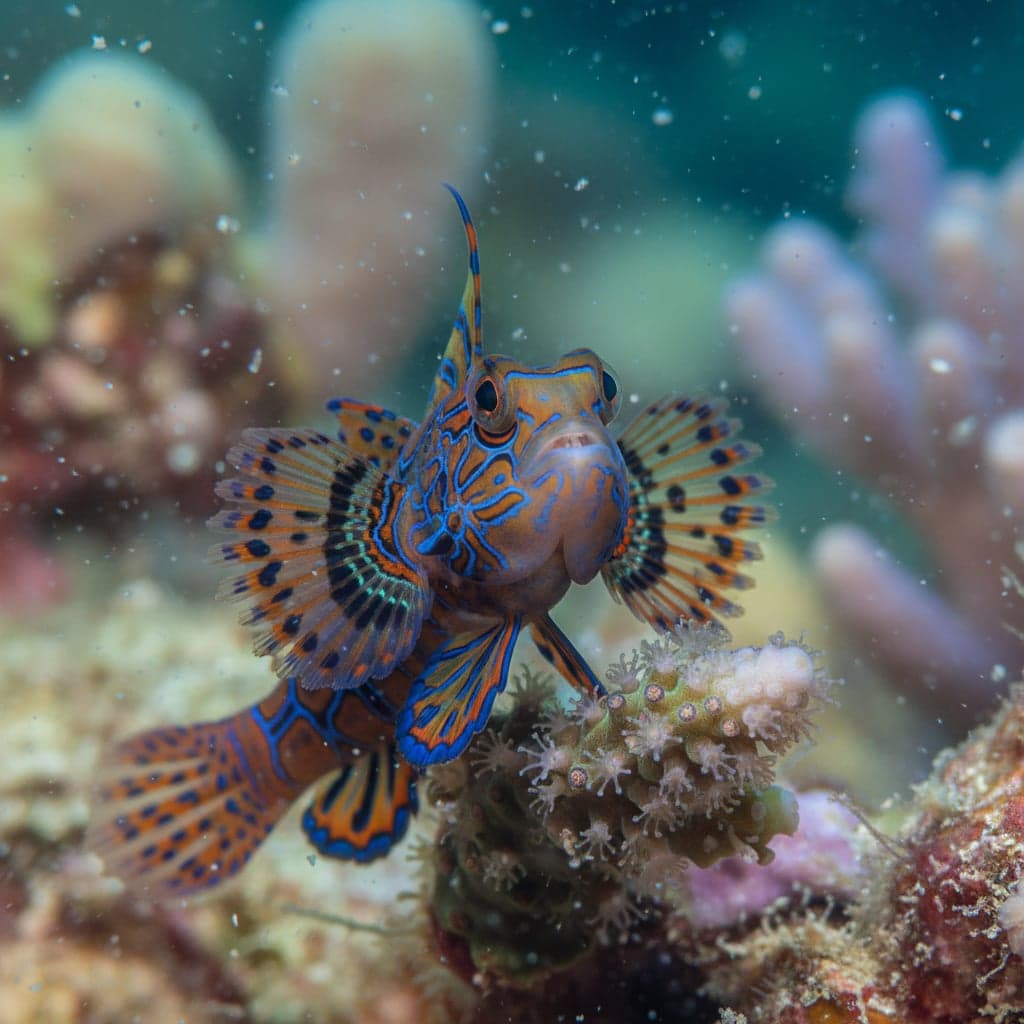
Green Mandarin Dragonet
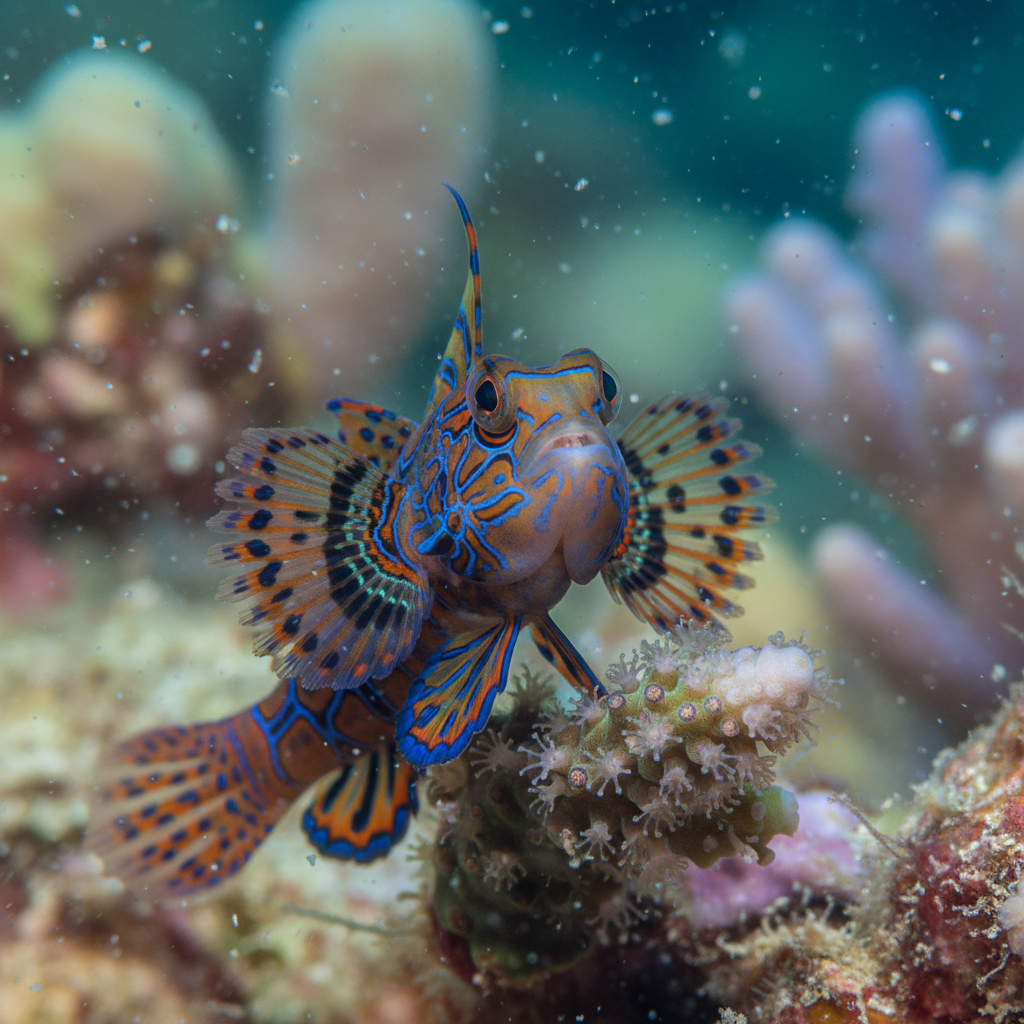
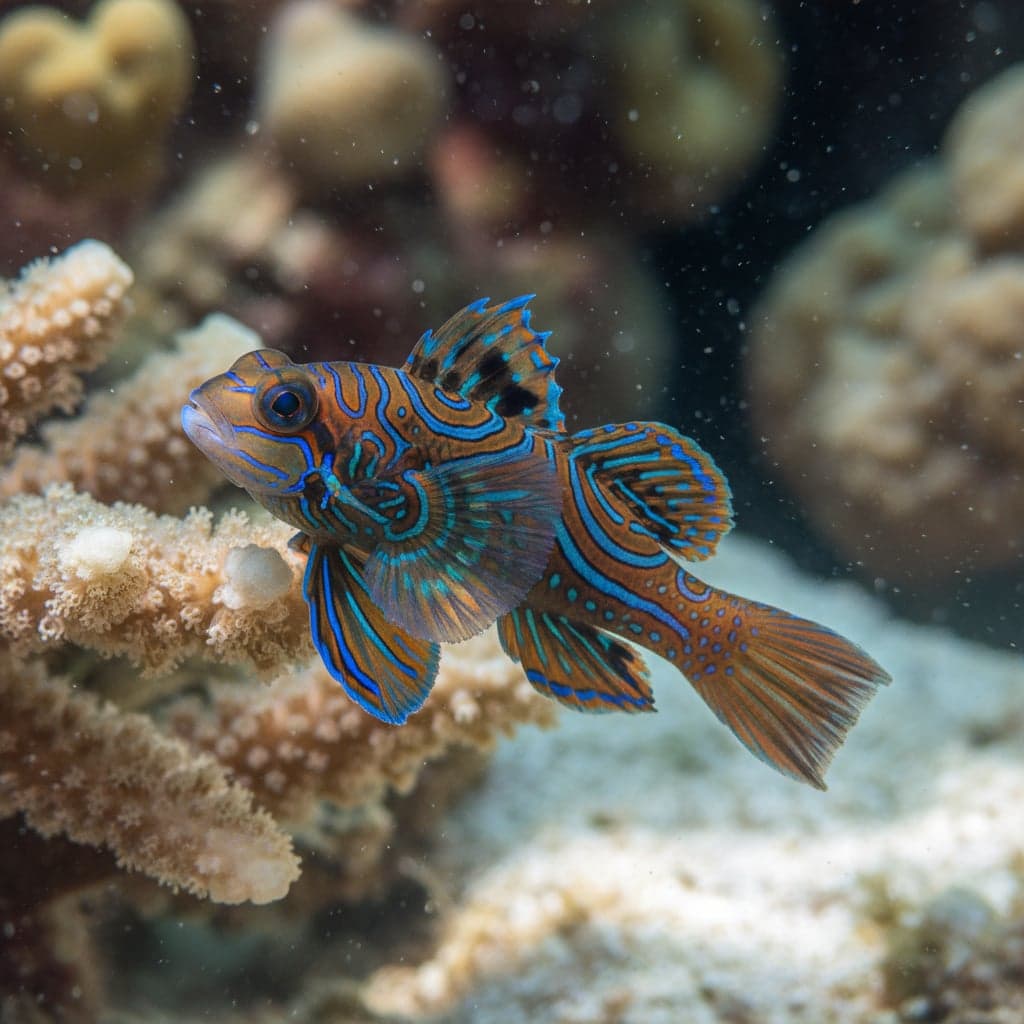
The Green Mandarin Dragonet, scientifically known as Synchiropus splendidus, is a strikingly beautiful fish that captivates aquarists and enthusiasts alike. With its vibrant, iridescent green and blue coloration, decorated by intricate patterns resembling lace, this small fish is often regarded as one of the most visually appealing species in the aquarium hobby. Its unique shape and delicate fins add to its overall aesthetic, making it a prized specimen for reef tanks. Not only does the Green Mandarin Dragonet contribute to the visual richness of an aquarium, but it also plays a crucial role in maintaining the ecological balance within the marine environment, as it feeds on small invertebrates and helps control populations of pests like amphipods.
This enchanting fish is native to the shallow waters of the Indo-Pacific region, where it inhabits coral reefs and lagoons. Its vibrant coloration serves not only as a display to attract mates but also as a form of camouflage amidst the colorful corals and multi-hued substrates of its natural habitat. The Green Mandarin Dragonet has grown in popularity since becoming a staple in home aquariums, with its presence inspiring a passionate community of marine aquarists who appreciate its beauty and significance within the aquatic ecosystem.
Natural Habitat & Origin
The Green Mandarin Dragonet originates from the shallow lagoons and coral reefs of the Indo-Pacific, specifically in regions such as the Great Barrier Reef, the Philippines, and the islands surrounding Indonesia. These areas are typically characterized by clear, warm waters and abundant coral formations providing a rich habitat for the small crustaceans that comprise much of the fish's diet. The environmental conditions in these habitats promote a diverse micro-ecosystem that is vital for the survival of the Green Mandarin Dragonet, allowing it to thrive in its natural surroundings.
In terms of water conditions, the Green Mandarin Dragonet is found in environments with a stable salinity level typically around 1.023 to 1.025 specific gravity, along with a temperature range of 74°F to 82°F (23°C to 28°C). The waters are generally well-oxygenated, with a high level of water clarity, which is essential for the delicate balance of life in these coral ecosystems. Maintaining similar water parameters in captivity is crucial for the health and longevity of the Green Mandarin Dragonet.
Care Requirements
When considering the care requirements for a Green Mandarin Dragonet, it's vital to focus on maintaining optimal water parameters. The ideal pH level should be maintained between 8.1 and 8.4, as this closely mimics its natural reef environment. The temperature range for this fish should be kept between 74°F and 82°F (23°C to 28°C), and a moderate to low water hardness of around 8 to 12 dGH is recommended.
Tank setup is equally important for a healthy Green Mandarin Dragonet. A minimum tank size of 30 gallons is recommended due to their space requirements and low territorial nature. The substrate should consist of fine gravel or sand that can host beneficial organisms like copepods and amphipods, which are essential for their diet. It’s also beneficial to add plenty of live rock and plenty of hiding spots, as well as moderate lighting to simulate the conditions of their natural habitat and support the growth of microfauna necessary for their diet. Plants, particularly macroalgae, can also be introduced to enhance water quality and provide an additional food source.
Diet & Feeding
The Green Mandarin Dragonet is primarily a carnivore, thriving on a diet rich in small invertebrates. In the aquarium, they can be fed various foods, but their main source of nutrition should come from live foods, including copepods and amphipods, which are typically found in refugiums. While they can eat some frozen foods like cyclops and mysis shrimp, it's crucial to ensure they get enough live foods as these stimulate their natural foraging behaviors and provide the necessary nourishment.
For those who choose to feed prepared foods, high-quality powdered foods specifically designed for pod-eating fish can be a good alternative; however, it may not be sufficient as a sole diet. It’s important to introduce a varied diet gradually to encourage acceptance. Flakes and pellets are generally not suitable for Green Mandarin Dragonets due to their small mouths and specific dietary preferences. Additionally, feeding them multiple times a day often works best to mimic their natural foraging behavior.
Behavior & Temperament
The Green Mandarin Dragonet is known for its peaceful disposition and shy behavior, making it suitable for community tanks. Although these fish are not schooling species, they can coexist with other non-aggressive fish. While they may prefer to claim small territories, they are generally non-territorial towards similarly peaceful species. Observe them closely as they often enjoy perching on rocks and substrates, displaying their beautiful colors and engaging in slow, graceful movements through the aquarium.
In terms of vertical placement, Green Mandarin Dragonets tend to occupy the lower sections of the tank, often hovering near the substrate in search of food. Their natural behavior is characterized by a slow feeding style, meticulously sifting through the sand and rockwork to find tiny crustaceans. This behavior also highlights the importance of providing adequate hiding spots and structure in the aquarium, allowing them to feel secure and explore their surroundings.
Tank Mates
When selecting tank mates for the Green Mandarin Dragonet, it's essential to choose compatible species that will not exhibit aggressive behavior. Ideal tank mates include small, peaceful fish such as the Orchid Dottyback, Gobies, and Blennies, as they share similar habitat requirements and temperament. Additionally, small invertebrates like hermit crabs and certain species of snails can coexist with them without posing a threat.
Conversely, it is crucial to avoid aggressive or larger fish that may intimidate or prey upon the Green Mandarin Dragonet. Fish such as Lionfish, triggerfish, and even overzealous damselfish can present significant threats in a community tank setting. It’s also wise to avoid keeping multiple Green Mandarin Dragonets in a confined space to prevent territorial disputes, especially if your tank size is below recommended specifications. By choosing suitable tank mates, aquarists can foster a peaceful environment within their underwater ecosystems.
Breeding
Breeding Green Mandarin Dragonets in captivity can be a challenging yet rewarding endeavor. These fish exhibit a unique spawning behavior where males will perform elaborate courtship displays to attract females. During the spawning season, males display their vibrant colors and engage in intricate dances, which can include hovering and chasing the female around the tank. This process can occur at any time, typically during the evening hours.
To create suitable breeding conditions, ensuring stable water parameters is essential. A breeding setup should ideally include a separate breeding tank equipped with shallow water and plenty of hiding spaces, such as small caves and dense vegetation. Monitoring water quality closely during the breeding period is crucial, as even minor fluctuations can adversely affect spawning success. Once fertilized, the eggs are usually left to float, and it's advisable to maintain a separate tank for fry once hatched, as they require specific care and feeding to thrive.
Common Health Issues
While the Green Mandarin Dragonet is generally hardy, it can be prone to specific health issues typical of marine fish. Some of the more common ailments include ich (cryptocaryon), marine velvet, and various forms of internal parasites. Stress from poor water quality or inadequate nutrition is a frequent trigger, especially when copepod populations crash. Maintain a mature, well-filtered reef with stable salinity and offer live or enriched foods that support their picky feeding habits. Quarantine new arrivals when practical, and watch for scratching, faded colour, or lethargy. Correcting water quality and food availability early does more for Green Mandarin Dragonets than medication alone.