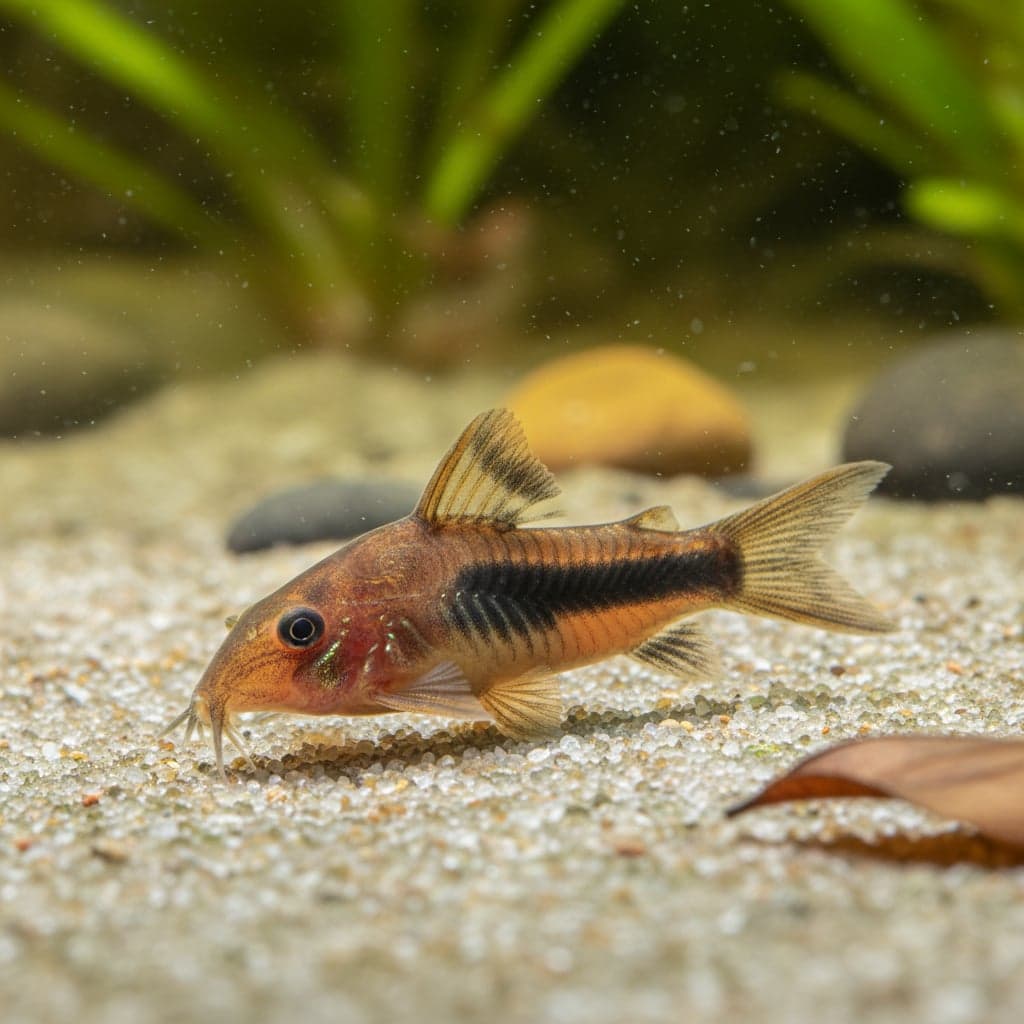
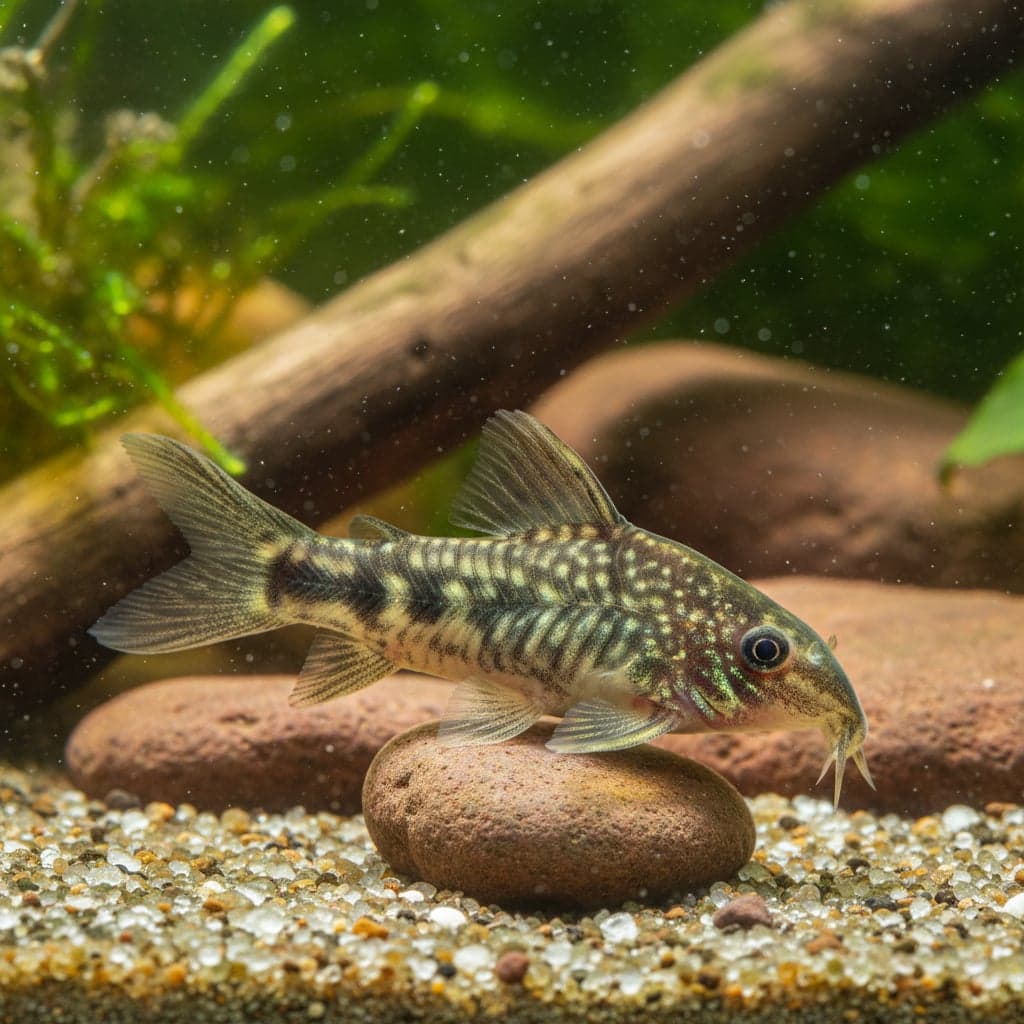
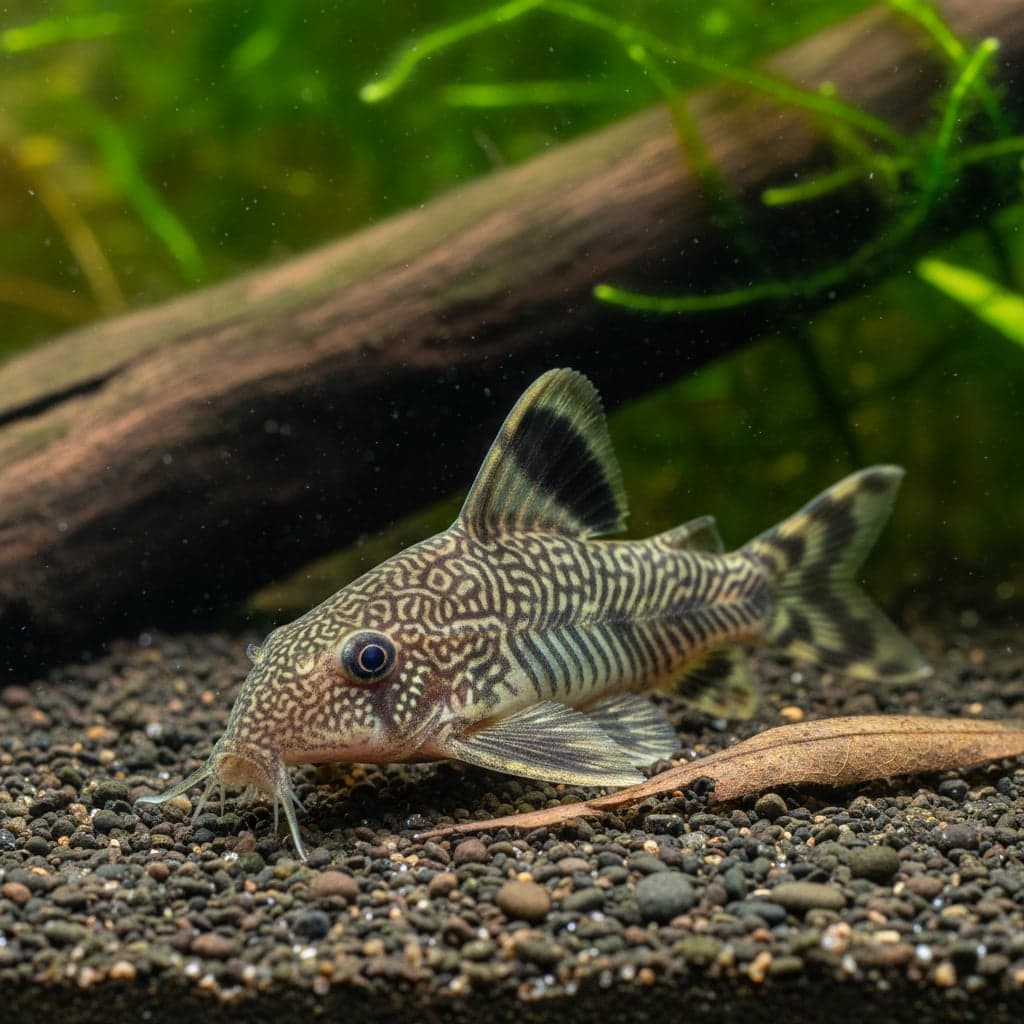
Masked Cory: Corydoras atropersonatus
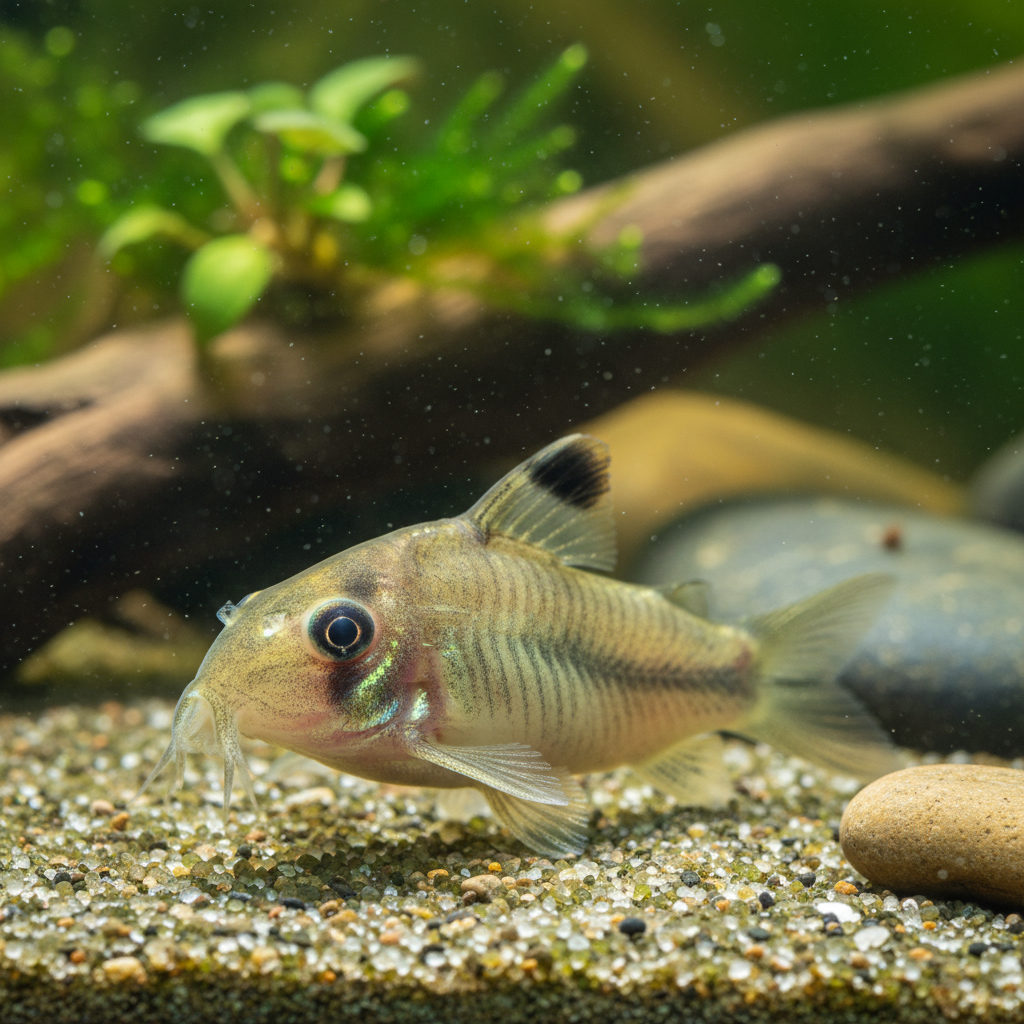
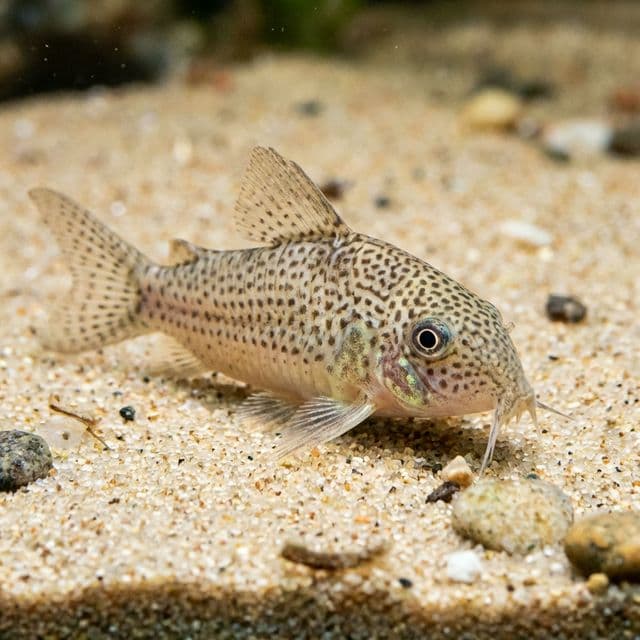
A striking silver/white corydoras featuring vivid black polka dots and a dark mask over its eyes.
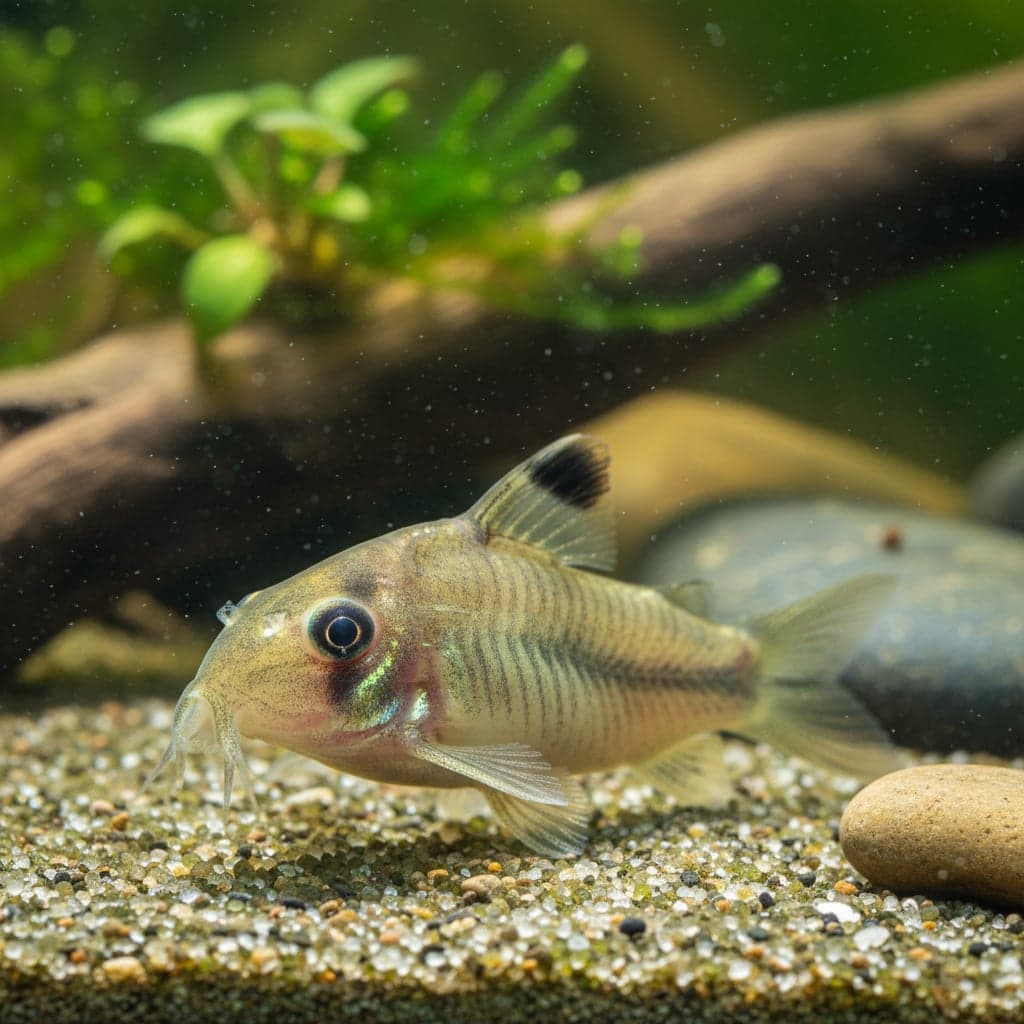
Masked Cory
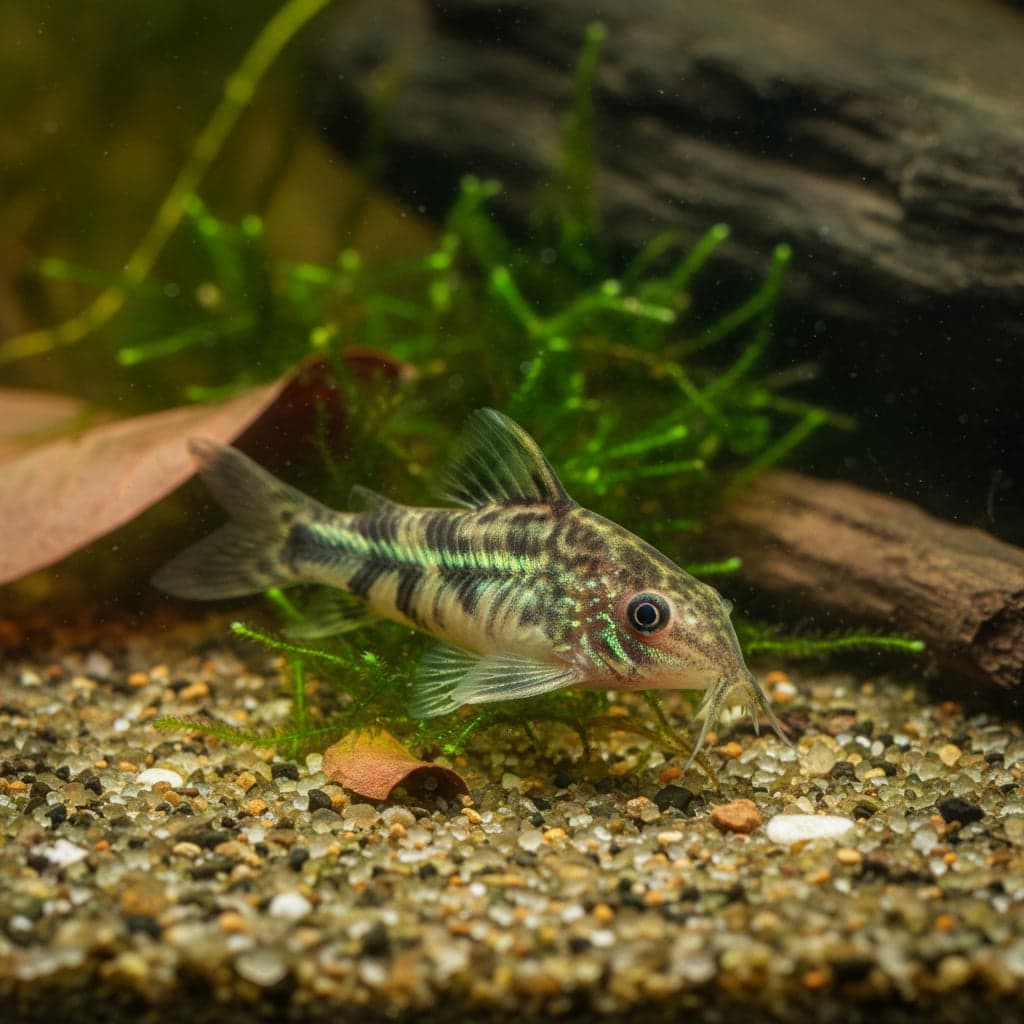
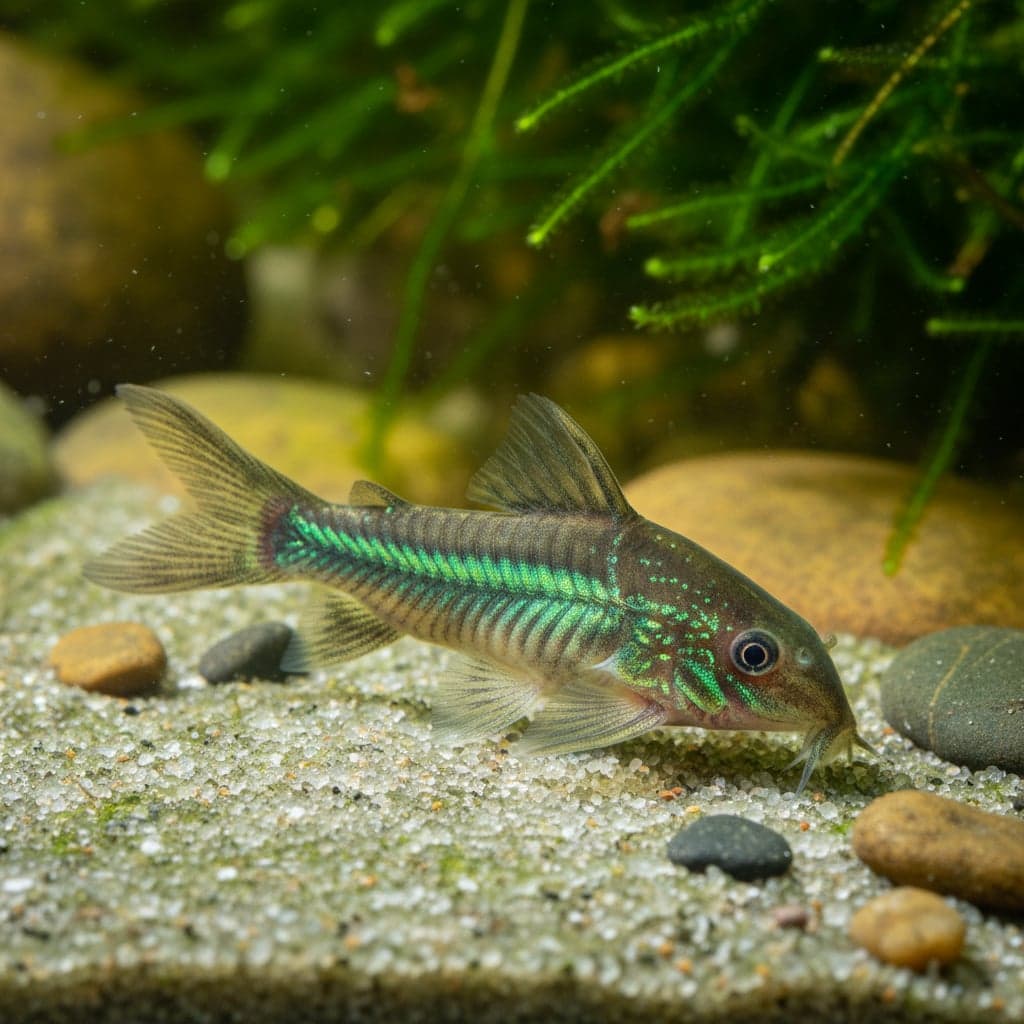
The Masked Cory, scientifically named Corydoras atropersonatus, is a captivating freshwater fish native to the river systems of South America. Renowned for their charming demeanor and distinctive appearance, these small catfish are adorned with a striking pattern of dark blotches against a pale background, which leads to their common name. Masked Corys are known for their peaceful nature and social behavior, making them a popular choice among both novice and experienced aquarists. Their ability to bond in groups not only enhances their own well-being but also contributes to the dynamic and vibrancy of a community aquarium.
Visually, the Masked Cory boasts a sleek, elongated body that usually reaches about 4 cm in length. Their dorsal fin features a subtle yet attractive coloration, while their whisker-like barbels enhance their sensory perception as they scavenge the substrate for food. These characteristics make them not just beneficial for maintaining aquarium health by cleaning up leftover food but also a visually engaging addition to any tank setup. Their significance in the aquarium hobby lies not only in their aesthetics but also in their role as bottom feeders that promote a healthy aquatic ecosystem.
Natural Habitat & Origin
The Masked Cory is primarily found in the slow-moving waterways, floodplains, and tributaries of the Amazon River basin in countries such as Colombia and Peru. Their natural habitat is characterized by dark, tannin-stained waters, which are typically rich in organic material and provide ample hiding spaces among leaf litter and submerged vegetation. These environments are predominantly low in light, with low visibility and high levels of decaying plant matter, creating a unique ecosystem where Masked Corys thrive amidst a diversity of aquatic life.
In the wild, the water parameters are generally soft and acidic, with pH levels ranging from 6.0 to 7.5. The temperature of their natural habitat averages between 75°F to 82°F (24°C to 28°C), and the water hardness is often low, particularly measuring between 2 to 10 dGH. Recreating these conditions in your aquarium will help ensure the health and well-being of your Masked Corys, reflecting their natural habitat.
Care Requirements
To keep your Masked Corys healthy and thriving, certain water parameters and tank setups are critical. The ideal pH range for these fish is between 6.0 to 7.5, with a temperature maintained between 75°F to 82°F (24°C to 28°C). Additionally, the water hardness should be kept at 2 to 10 dGH, emulating their native softwater environment. Regular water changes and a robust filtration system are essential to maintain water quality and stability.
In terms of tank setup, a minimum tank size of 20 gallons is recommended for a small group of Masked Corys, as they are social creatures that thrive in the company of their own kind. Fine, soft substrate such as sand is optimal, as it allows them to forage without risking injury. Additionally, incorporating plants such as Java Fern, Anubias, and floating plants can create shaded areas that mimic their natural environment. Moderate lighting is advisable to prevent stress and allow for plant growth, while the inclusion of driftwood and caves will provide hiding spots essential for their psychological well-being.
Diet & Feeding
The Masked Cory is an omnivorous fish that thrives on a varied diet to maintain optimal health. In captivity, it is best to offer a mixture of high-quality flake foods, sinking pellets specifically designed for bottom feeders, and frozen or live foods such as bloodworms and brine shrimp. This diversity not only meets their nutritional needs but also mimics their natural foraging behavior. These catfish will often scavenge the substrate for leftover food, so it’s important to ensure the diet includes options that sink to the bottom for them to access.
Regular feeding of small quantities 1-2 times per day ensures that each fish gets adequate nutrition without overfeeding, which can lead to water quality issues. To maintain their vibrant health and colors, incorporating vegetable matter, like blanched spinach or zucchini, is also beneficial. A well-balanced diet plays a crucial role in the overall well-being and longevity of your Masked Corys.
Behavior & Temperament
Masked Corys are peaceful, social fish that exhibit schooling behavior, making them perfect inhabitants for community aquariums. They are typically bottom dwellers, preferring to inhabit the lower levels of the tank, where they feel most secure. Observing these corydoras engage in playful swimming and foraging is a delightful aspect of maintaining them. They thrive in groups of five or more, as being solitary can cause them stress and adversely affect their health.
Their temperament is non-aggressive, allowing them to coexist harmoniously with a wide variety of species. However, they may exhibit shyer behavior if kept with overly boisterous tank mates. When properly housed in a suitable environment, Masked Corys will become active and engaging fish, often playing and interacting with each other and the landscape of the aquarium.
Tank Mates
When selecting tank mates for Masked Corys, it's crucial to choose species that are compatible in terms of size, temperament, and habitat requirements. Ideal companions include small to medium-sized community fish such as tetras (e.g., Neon Tetras, Rummy Nose Tetras), guppies, danios, and rasboras. Other peaceful catfish species, such as Otocinclus or other Corydoras, can also be kept together with Masked Corys to create a dynamic, social environment.
It is important to avoid keeping them with aggressive or overly large species, as these tank mates can pose a threat or stress them out. Albums like cichlids, larger barbs, and any fin-nipping species should be entirely avoided to help ensure a peaceful coexistence in your aquarium. Maintaining a balanced community will contribute to the health and well-being of your Masked Corys and your entire aquatic ecosystem.
Breeding
Breeding Masked Corys in captivity can be a rewarding yet intricate endeavor, as these fish do exhibit specific spawning behaviors. To encourage breeding, providing optimal conditions is essential. This includes soft, slightly acidic water (around 6.5 pH), a temperature range of 75°F to 80°F (24°C to 27°C), and a well-planted breeding tank that offers ample hiding places.
Spawning behavior typically occurs in the early morning hours. Males will chase and nudge females, encouraging them to release eggs, which will often be laid in groups on smooth surfaces like plant leaves or aquarium glass. You may wish to set up a separate breeding tank with superior water quality to protect the eggs from being eaten by other fish in the main tank. Removing adult fish shortly after spawning can help increase the chances of eggs hatching successfully—usually within 3-5 days, depending on environmental conditions.
Common Health Issues
While Masked Corys are generally resilient fish, they can be susceptible to a few common health issues that aquarists should be aware of. One frequent concern is “ich,” a parasitic infection characterized by white spots on the skin and fins. Maintaining stable water conditions and ensuring a stress-free environment can help prevent ich and other ailments.
Additionally, they may face issues like fin rot or barbel infections if kept on sharp gravel or in unclean water. Use a soft sand substrate, maintain excellent water quality, and quarantine newcomers before introduction. A varied sinking diet and a proper group of six or more keep Masked Corys healthy, social, and active for years. Watch for clamped fins, gasping at the surface, or eroded barbels, and correct water quality before medicating whenever possible. Stable temperatures and a clean sand bed go a long way toward prevention.