Microdevario rubescens: Microrasbora rubescens
A tiny, jewel-like cyprinid that glows with a distinct ruby-red hue.

Microdevario rubescens
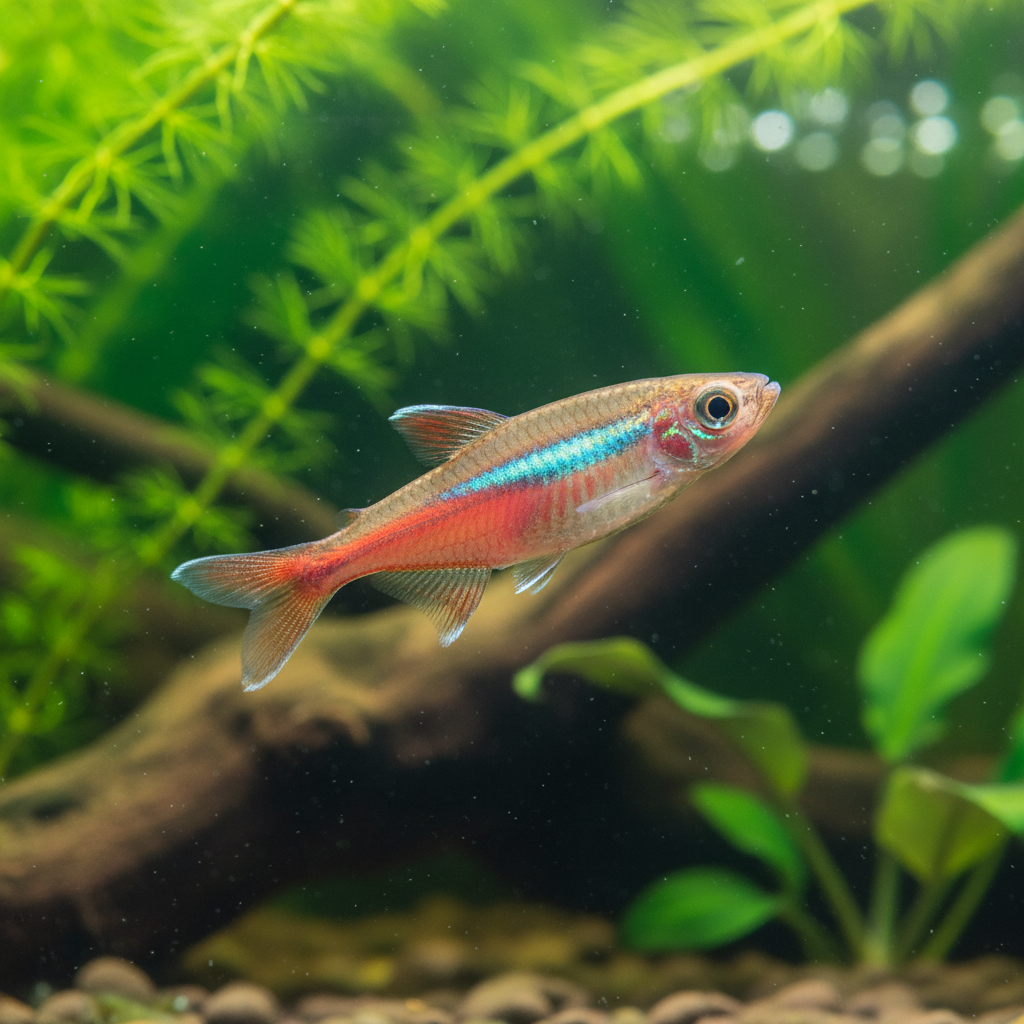
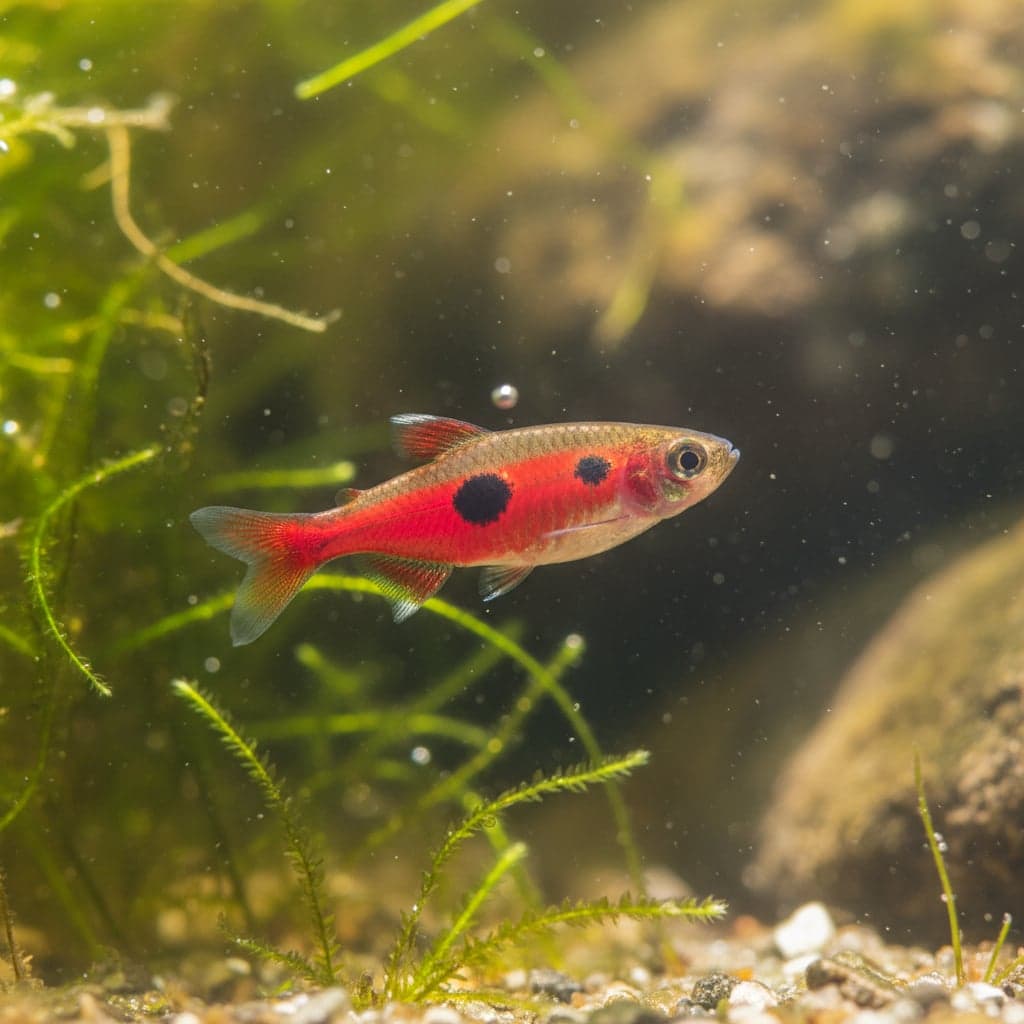
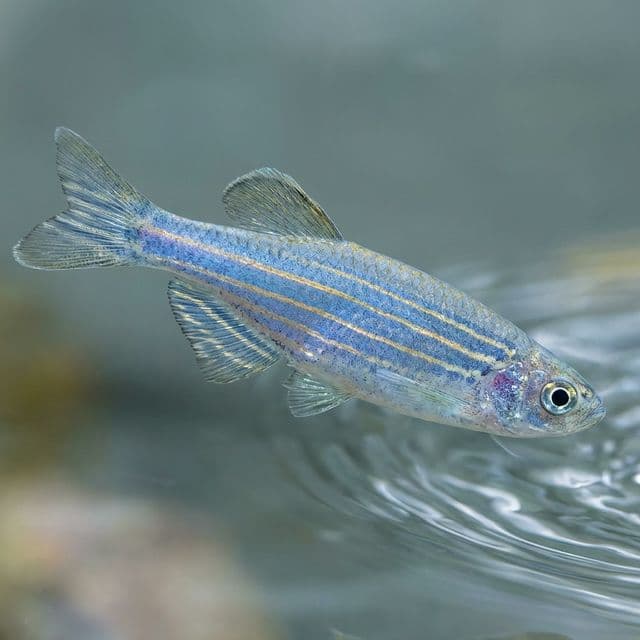
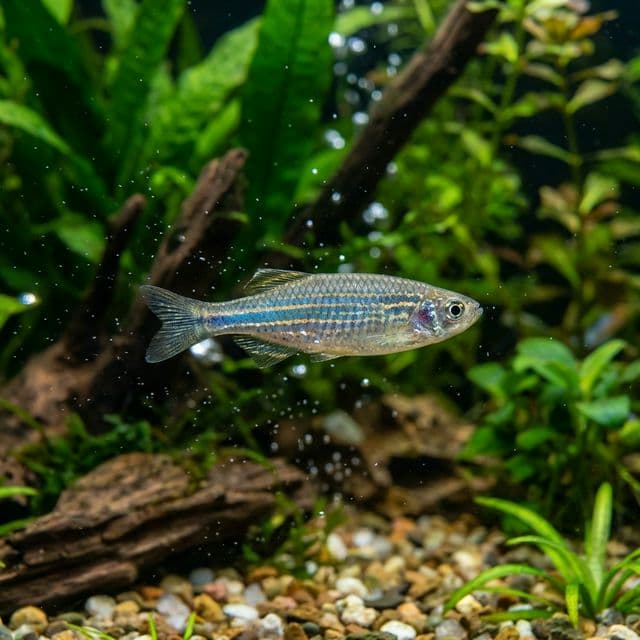
Microdevario rubescens, commonly known as the Ruby Rasbora, is an enchanting freshwater fish that captivates aquarists with its stunning coloration and lively behavior. As a member of the family Cyprinidae, this small fish is particularly appreciated for its bright, iridescent hues that range from red to orange and rose, offering an intense visual appeal that enhances any aquarium setup. The Ruby Rasbora typically reaches an adult size of about 3.5 cm (1.4 inches), making it an ideal choice for nano and small community tanks. This fish's remarkable brightness not only charms the aquarium keeper but also plays a significant role in the ecosystem, where it serves as both prey and a keystone species in its natural habitat.
In the aquarium hobby, Microdevario rubescens is increasingly favored due to its peaceful temperament, making it a perfect addition to a community tank. Its active nature and schooling behavior promote a lively aquarium environment, providing interest and movement. Beyond aesthetics, the Ruby Rasbora is significant for its relatively easy care requirements, making it a great choice for both novice and experienced aquarists. Its vibrant appearance combined with its hardy nature ensures that it remains a sought-after species in the aquarist community, contributing to biodiversity and interest in tropical freshwater ecosystems.
Natural Habitat & Origin
Microdevario rubescens is native to the freshwater rivers and streams of Southeast Asia, particularly in countries such as Thailand and Malaysia. These fish primarily inhabit clear, shallow waters rich in vegetation, often in proximity to densely planted areas. The water in their natural habitat is typically soft and slightly acidic, with a pH range of 6.0 to 7.0. This ecological niche provides the Ruby Rasbora with essential cover from predators, as well as ample foraging opportunities in leaf litter and aquatic plants. The natural environment consists of blackwater streams, which are characterized by darkly stained water due to tannins from decaying organic matter, further emphasizing the unique adaptations of this species.
The Ruby Rasbora thrives in an environment with slow-moving water and plenty of structure, as it prefers to occupy the upper and middle layers of the water column, darting in and out of plant cover. Maintaining a similar environment in captivity not only satisfies their habitat requirements but also promotes their health and wellbeing. Understanding their natural habitat is crucial for creating a suitable and thriving aquarium setting, ensuring these delicate creatures can flourish and behave naturally.
Care Requirements
To successfully house Microdevario rubescens, specific water parameters and tank setup are imperative. Ideal conditions include a pH range of 6.0 to 7.0, a temperature of 22-28°C (72-82°F), and soft to moderately hard water, ideally keeping the hardness between 2-10 dGH. The Ruby Rasbora requires a minimum tank size of 20 gallons, allowing for a school of at least six individuals, as this species is highly social and benefits from group dynamics.
The tank setup should feature a substrate of fine gravel or sand to mimic their natural environment, along with several plants that create hiding spaces and swimming corridors. Floating plants can also help diffuse lighting, providing a more comfortable environment. Lighting should be moderate; excessive brightness can stress the fish and inhibit their natural behaviors. Additionally, incorporating driftwood and other decorations can enhance the aesthetic value of the aquarium while also providing vital cover for the Ruby Rasbora.
Diet & Feeding
Microdevario rubescens is an omnivorous species that thrives on a varied diet, which is essential for maintaining their health and vibrant coloration. In captivity, they readily accept high-quality flake foods, micro-pellets, and specialized granules formulated for small tropical fish. To enhance their diet, it is strongly recommended to supplement their meals with frozen or live foods such as brine shrimp, daphnia, and bloodworms. This variety not only keeps the fish engaged but also promotes growth, well-being, and coloration.
Providing frequent but small meals throughout the day will mimic natural feeding behaviors and ensure that every fish in the school gets its share of food. It is crucial to avoid overfeeding, as excess food can lead to water quality issues and health problems. A balanced diet and proper feeding routine will ensure that the Ruby Rasbora remains a healthy, active, and colorful addition to the aquarium.
Behavior & Temperament
The Ruby Rasbora is known for its peaceful demeanor and social nature, making it an ideal candidate for community aquariums. These fish are schooling species that thrive in groups, preferably comprising a minimum of six individuals to exhibit their natural behaviors fully. When housed in a suitable social environment, they display charming antics, darting around the tank and frolicking among plants, which creates dynamic movements and adds life to the aquarium setting.
When it comes to vertical placement, Ruby Rasboras predominantly occupy the upper and mid-water layers of the tank, often seen swimming gracefully among floating plants. Their friendly temperament means they generally do not exhibit aggression towards other fish, making them an excellent choice for community tanks with similarly-sized and temperament-matched species. However, caution should be exercised when introducing them to more aggressive species, as they may become targets due to their small size.
Tank Mates
When selecting tank mates for Microdevario rubescens, it's essential to consider species that share similar water requirements and temperament. Excellent companions include other small, peaceful fish such as neon tetras, guppies, rasboras, and various species of small catfish like Corydoras. Shrimp species like cherry or ghost shrimp can also coexist harmoniously within the tank environment.
Conversely, it's important to avoid housing Ruby Rasboras with larger or aggressive fish, such as cichlids or barbs, which may see them as prey and cause stress or injury. Furthermore, active fish that occupy the same water column should also be approached with caution, as competition for space and food can lead to conflict. Selecting compatible tank mates will create a harmonious community environment that allows all species to thrive.
Breeding
Breeding Microdevario rubescens in captivity is feasible, although it does require specific conditions to encourage successful spawning behaviors. Ruby Rasboras are egg-scatterers, meaning they will deposit eggs among fine-leaved plants or spawning mops. To facilitate breeding, it’s best to use a separate breeding tank with a water pH around 6.0-6.5 and a temperature of approximately 24-27°C (75-81°F).
In preparation for spawning, ensure the tank is densely planted with fine-leaved vegetation to provide ideal egg-laying sites. Breeding pairs should be conditioned with high-quality live foods for a couple of weeks to prompt spawning behavior. Once the eggs are laid—typically around 100-200 eggs—the parents should be removed to prevent them from eating the eggs. The eggs will hatch within 24 to 48 hours, and fry should be fed infusoria or powdered food until they are large enough to consume more substantial food types.
Common Health Issues
While Microdevario rubescens is a hardy species, they can be prone to specific diseases typical among freshwater fish, particularly if water quality is not properly maintained. Common issues include ich, fin rot, and bacterial infections, which often appear after temperature swings or crowded conditions. Maintain soft, clean water, perform regular changes, and quarantine new fish. Avoid copper medications when possible and treat promptly at the first signs of spots or clamped fins. A varied diet and a proper school keep Ruby Rasboras colorful, active, and healthy for years.