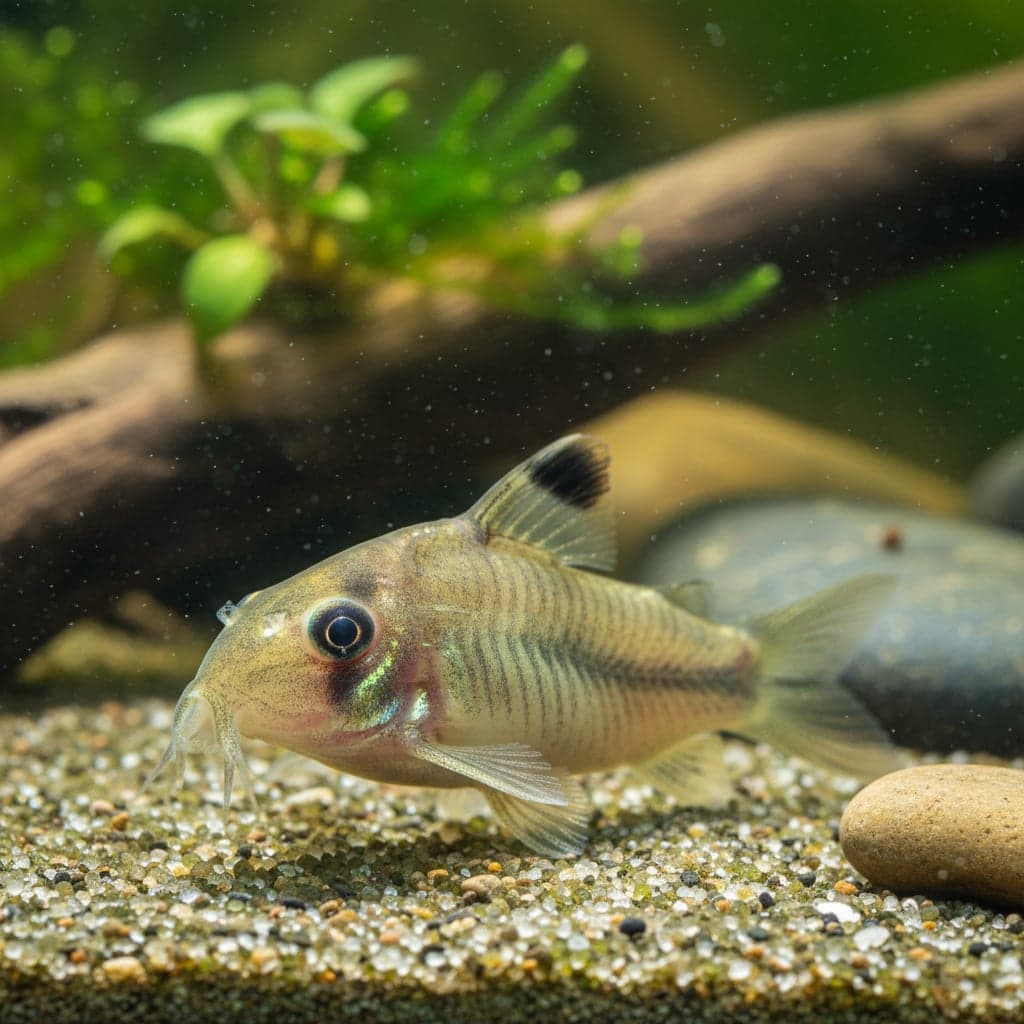
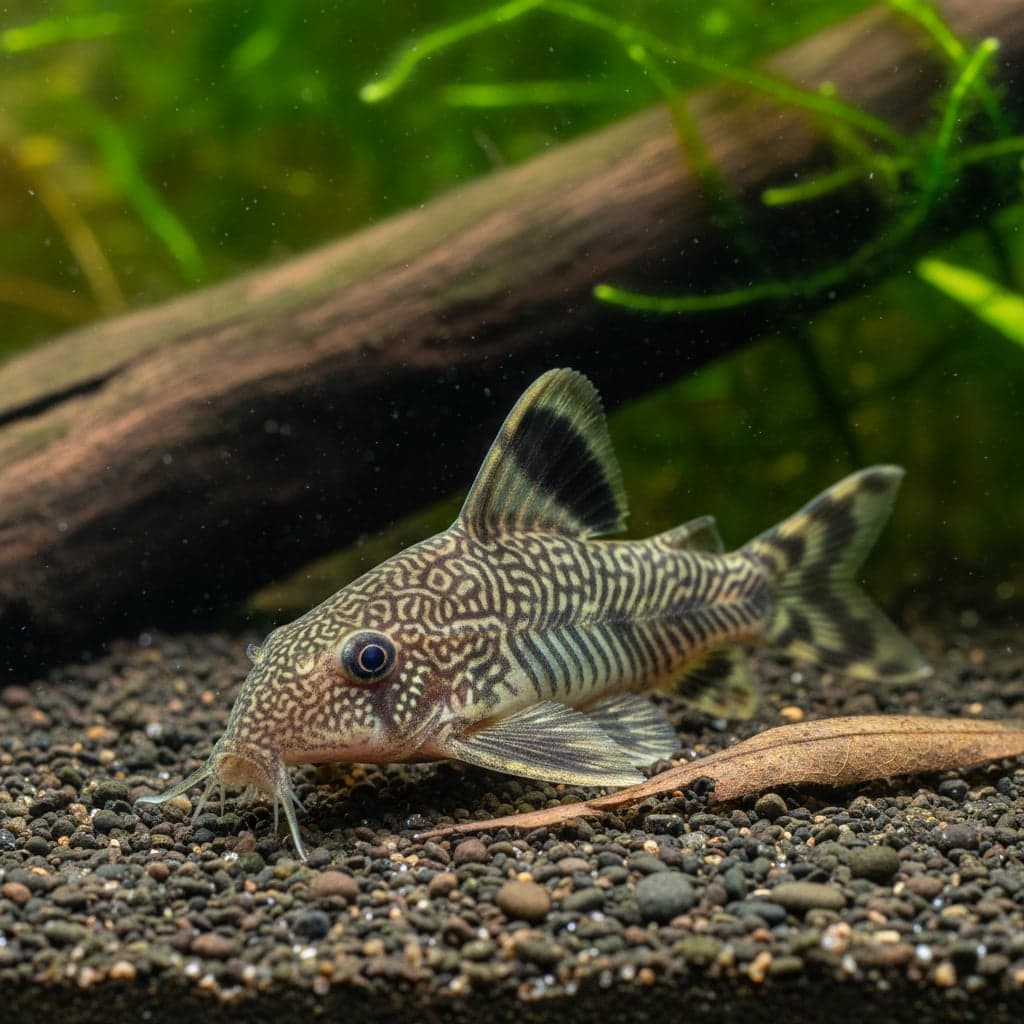
Napo Cory: Corydoras napoensis
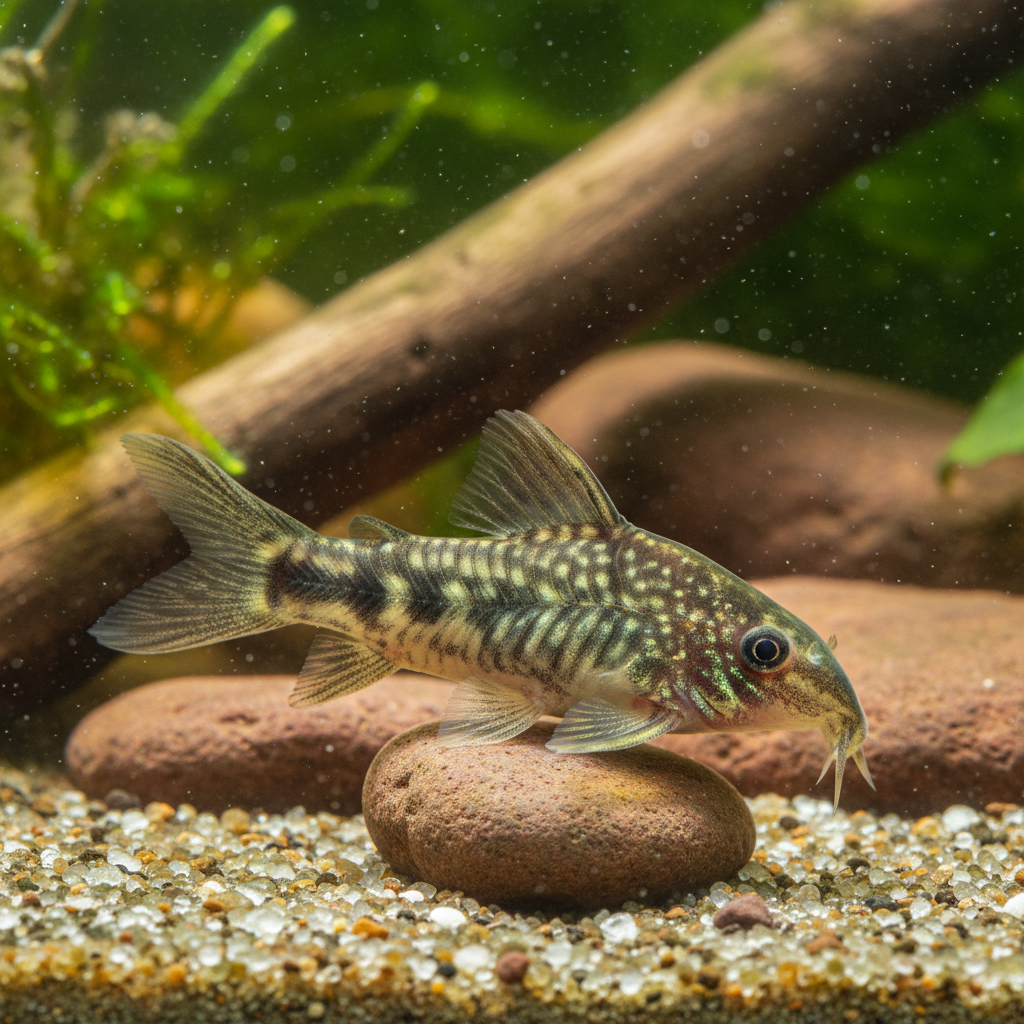
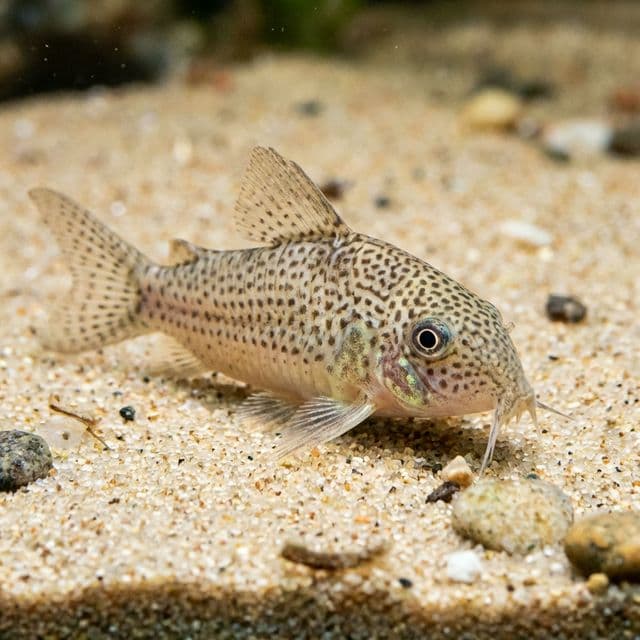
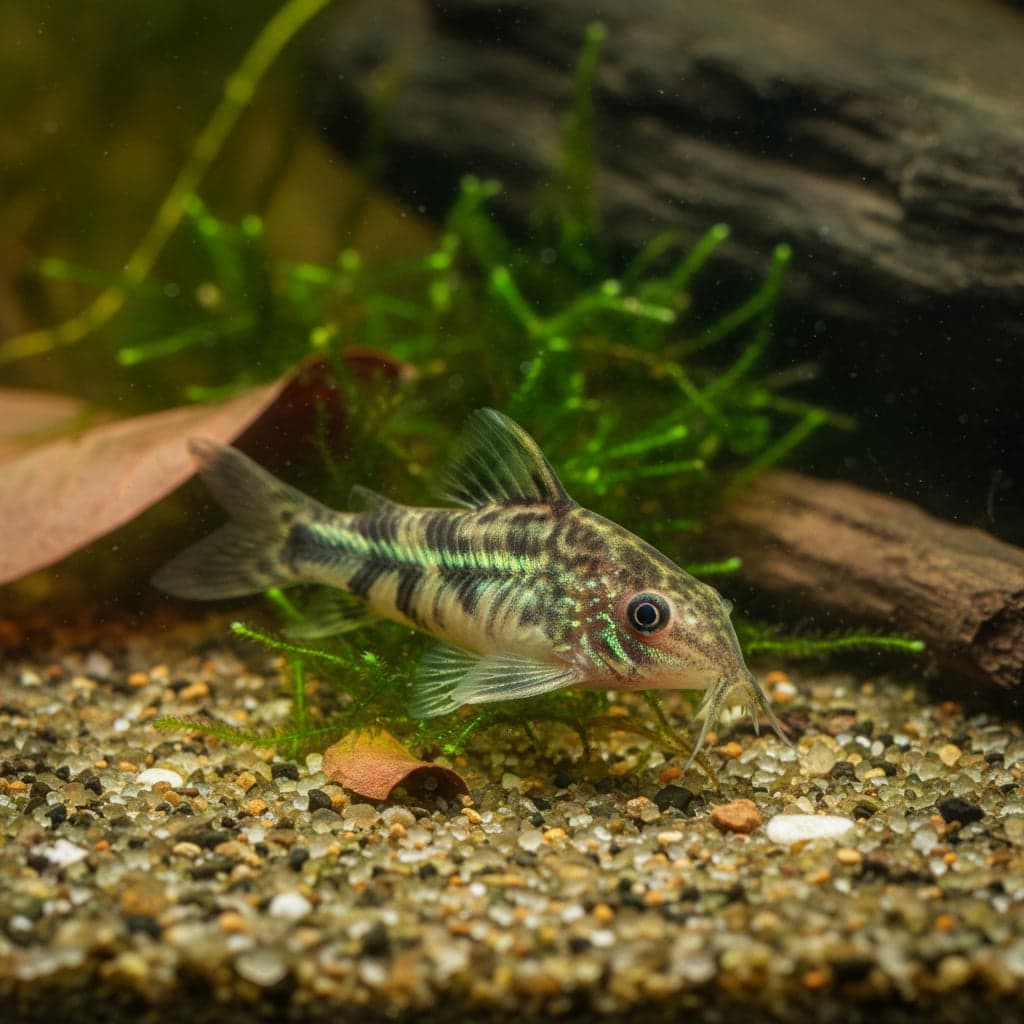
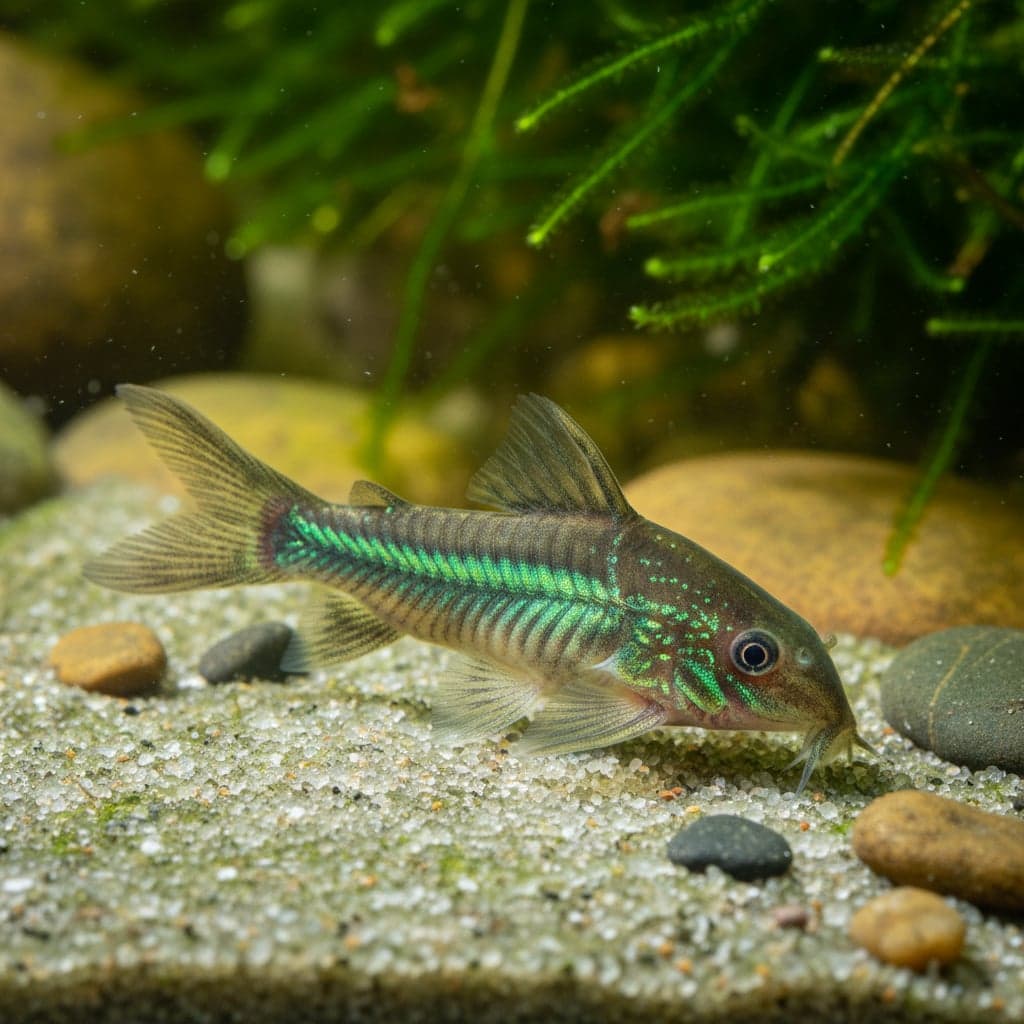
A strikingly patterned, dwarf-sized corydoras featuring a distinct grid-like pattern and an iridescent green line on its flank.
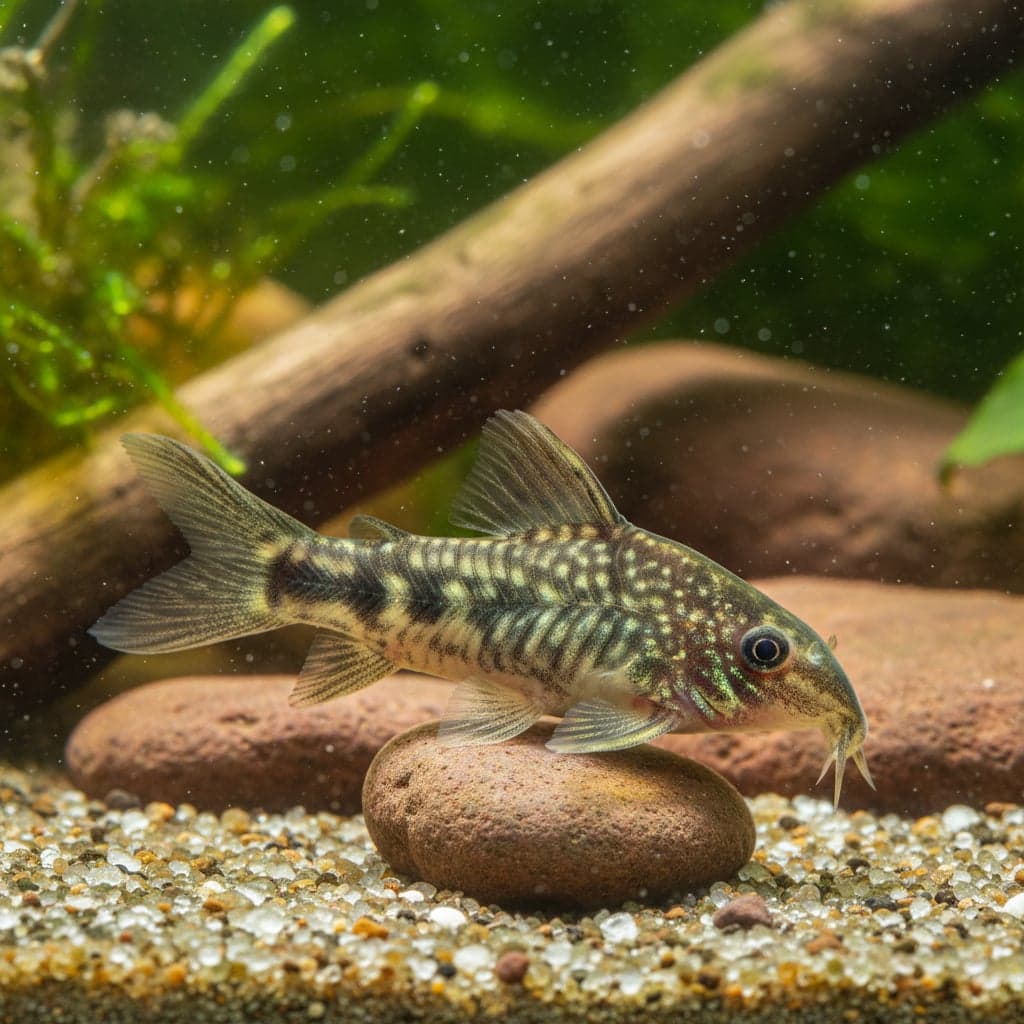
Napo Cory
The Napo Cory, scientifically known as Corydoras napoensis, is a charming and visually striking species of freshwater catfish hailing from the Amazon Basin in South America. What sets this fish apart is not only its delightful appearance but also its playful and endearing behavior. Napo Corys exhibit a unique coloration characterized by a patterned body that typically showcases hues of light brown to olive green, speckled with dark spots and splotches that provide them effective camouflage in their native habitats. Their rounded, vibrant bodies and unique markings make them a beautiful addition to any community aquarium.
In the aquarium hobby, Napo Corys hold a special significance as they serve both aesthetic and ecological purposes. They are known for their bottom-dwelling habits, helping to keep the substrate clean by scavenging for leftover food. As social fish, they also showcase interesting behaviors when kept in groups, adding dynamics and life to aquarium environments. Their adaptability and peaceful nature make them ideal for aquarists of all experience levels, further solidifying their popularity in the aquarium trade.
Natural Habitat & Origin
Napo Corys are native to the Napo River and its tributaries, located in the northeastern part of Ecuador and the Peruvian Amazon region. They thrive in slow-moving waters characterized by a rich biodiversity and a variety of aquatic flora. These environments are typically soft, acidic waters, often referred to as blackwater, due to the decomposition of organic matter that colors the water. In their natural habitat, Napo Corys prefer environments with abundant leaf litter, submerged branches, and roots, which provide shelter and foraging opportunities.
The water conditions in their habitat are crucial for their well-being, as they are adapted to specific parameters. These include a low pH ranging from 5.5 to 7.0, softer water with a hardness level between 2 to 10 dGH, and temperatures maintained between 72°F to 78°F (22°C to 26°C). Understanding their natural habitat is essential for any aquarist seeking to recreate a comfortable and healthy environment for these delightful fish.
Care Requirements
When keeping Napo Corys in an aquarium, it is vital to maintain ideal water parameters that mimic their natural environment. The recommended pH level should be between 6.0 to 7.0, with a temperature between 72°F to 78°F (22°C to 26°C) and a water hardness range of 2 to 10 dGH. A stable environment, including regular water changes and filtration, is critical for their health and well-being.
For tank setup, it is advisable to provide a minimum tank size of 20 gallons. The substrate should be a fine sand or smooth gravel, as sharp edges can damage their sensitive barbels. A well-planted aquarium with plenty of hiding spots, such as driftwood and rocky caves, encourages natural behaviors. Napo Corys prefer subdued lighting that mimics their shadowy forest environments. Floating plants can help diffuse light while offering additional cover.
Diet & Feeding
Napo Corys are omnivorous scavengers that thrive on a varied diet, which is essential for their health and vibrancy. In captivity, they should be provided with a mix of high-quality sinking pellets and flakes designed specifically for bottom dwellers. Furthermore, offering live or frozen foods such as bloodworms, brine shrimp, and daphnia can enhance their diet and promote their natural foraging behavior.
It is important to complement their diet with vegetable matter, including blanched spinach, zucchini, or algae wafers, to ensure a well-rounded nutritional intake. Regular feeding should occur 1-2 times per day, providing a small amount of food that they can consume within a few minutes to prevent overfeeding and maintain water quality.
Behavior & Temperament
Napo Corys are known for their peaceful and sociable nature, making them an ideal choice for community tanks. They are schooling fish and are happiest when kept in groups of at least six individuals. Within the tank, they exhibit playful behaviors, often seen foraging together at the bottom while occasionally darting towards the surface in brief flashes.
These fish tend to be bottom dwellers, preferring the substrate where they can feed and explore. They rarely exhibit aggression towards other species, although they may compete for food if kept with less assertive tank mates. Creating a spacious, well-structured environment will encourage them to exhibit their natural behaviors and flourish in captivity.
Tank Mates
Napo Corys are peaceful creatures that can coexist with a variety of fish species, making them ideal community tank residents. Suitable tank mates include other small and peaceful fish such as neon tetras, guppies, rasboras, and dwarf cichlids. They thrive in the company of their own kind, so it’s best to keep them in groups of six or more.
Species to avoid include aggressive or larger fish that may view the Napo Cory as prey or that might compete aggressively for resources, such as cichlids or larger barbs. It is also advisable to avoid fast-swimming species that might outcompete them for food, leading to stress and malnutrition.
Breeding
Breeding Napo Corys in captivity can be a rewarding endeavor but requires specific conditions to be successful. The initial step in fostering breeding behavior is to ensure that they are well-fed and healthy. The aquarium should have soft, slightly acidic water with a temperature around 74°F to 78°F (23°C to 26°C).
Spawning typically occurs in the early morning hours when conditions are right. The male will chase the female in a display intended to coax her into spawning, which she will do by laying eggs on flat surfaces, such as leaves or smooth stones. Each egg is adhesive and will attach to the surface upon laying. If desired, the spawning pair can be moved to a separate breeding tank to increase the survival chances of the eggs. After about 3-5 days, the eggs will hatch, and the fry will require finely crushed food until they are large enough to consume standard fry food or powdered flakes.
Common Health Issues
Like many aquarium fish, Napo Corys may face health issues if not properly cared for. Common diseases include ich (Ichthyophthirius multifiliis), fin rot, and bacterial infections. Ich is particularly prevalent in stressed fish, often triggered by poor water quality or abrupt changes in environmental conditions.
Prevention is key—maintaining stable water parameters, performing regular water changes, and ensuring a balanced diet can remarkably reduce the risk of disease. Additionally, monitoring the tank for signs of illness, such as unusual behavior, lack of appetite, or visible lesions, can ensure early intervention. In the case of disease outbreaks, appropriate medications and quarantine practices should be employed promptly to protect the health of all tank inhabitants.