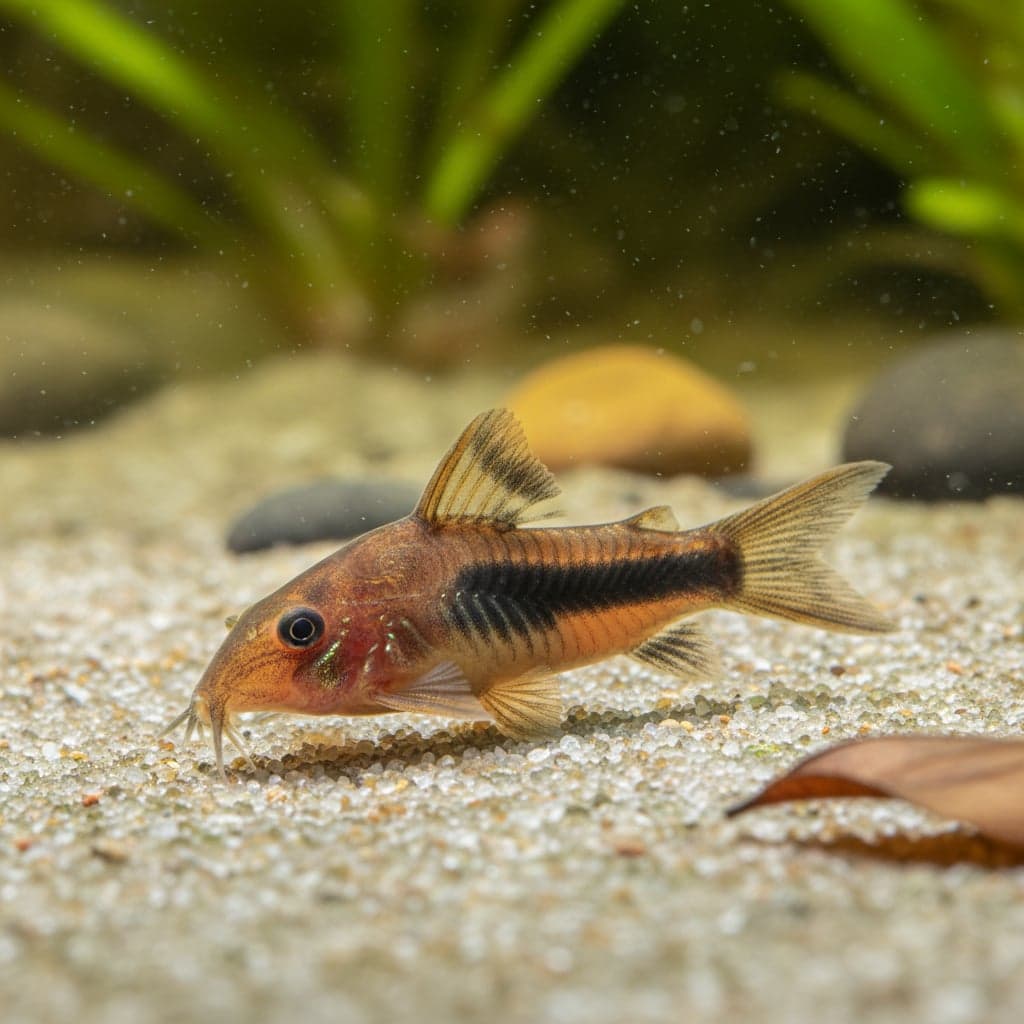
Northern Long-nosed Cory: Corydoras septentrionalis
A handsome, active corydoras from the Orinoco river basin featuring an extended snout allowing it to plunge deeply into the substrate.
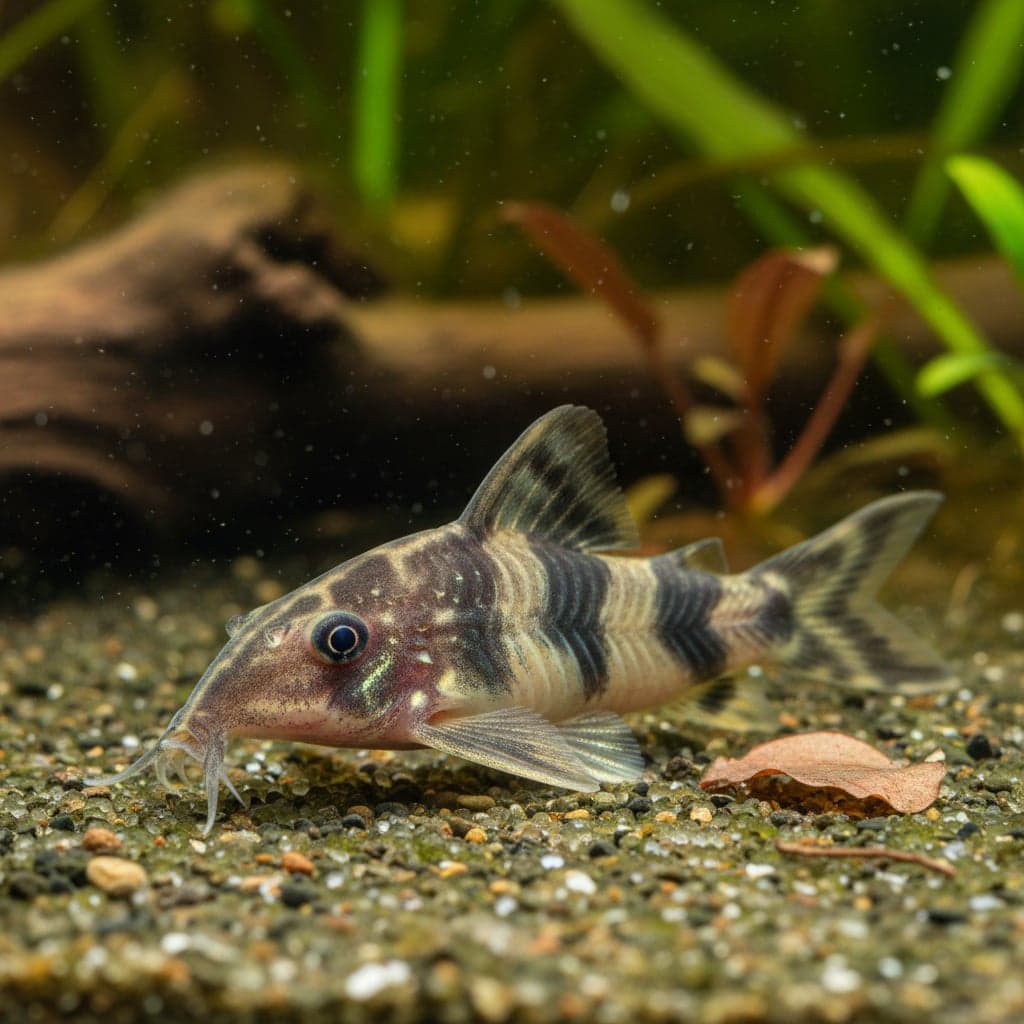
Northern Long-nosed Cory
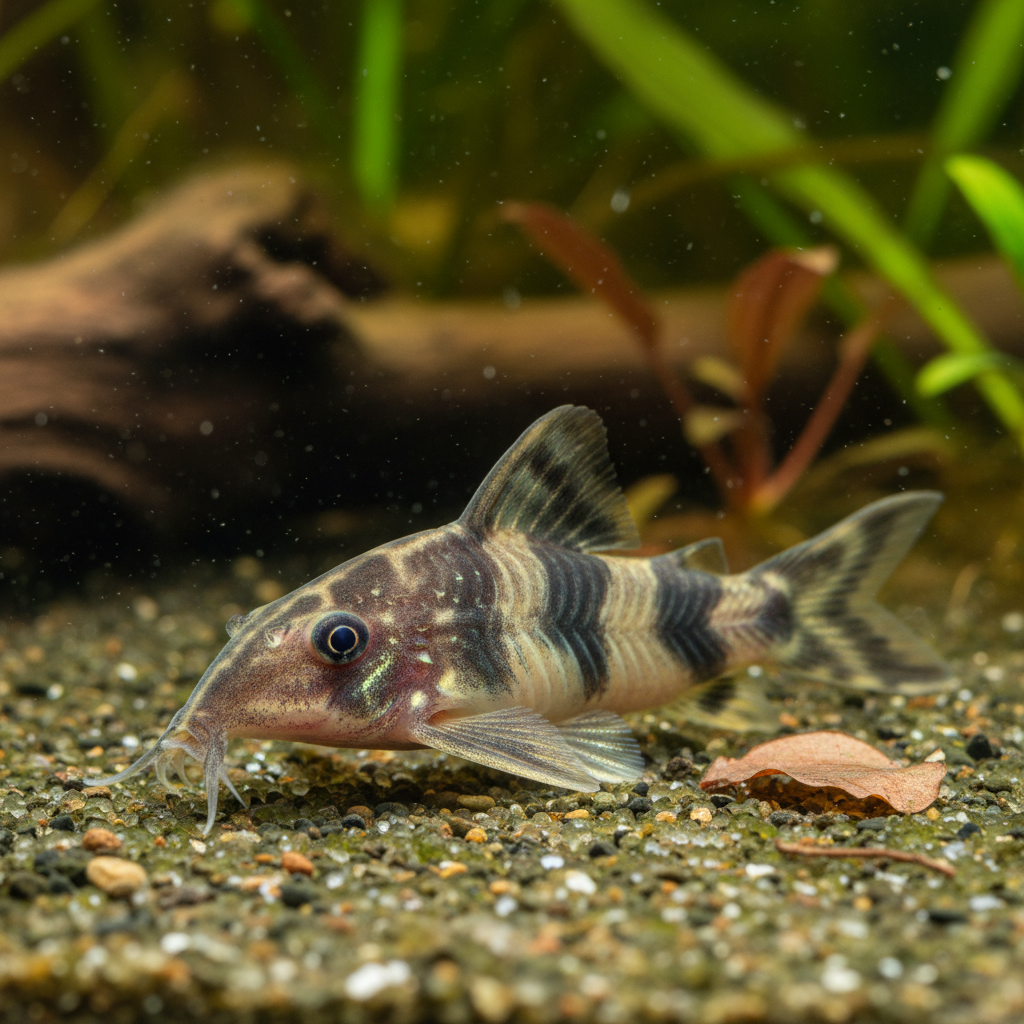
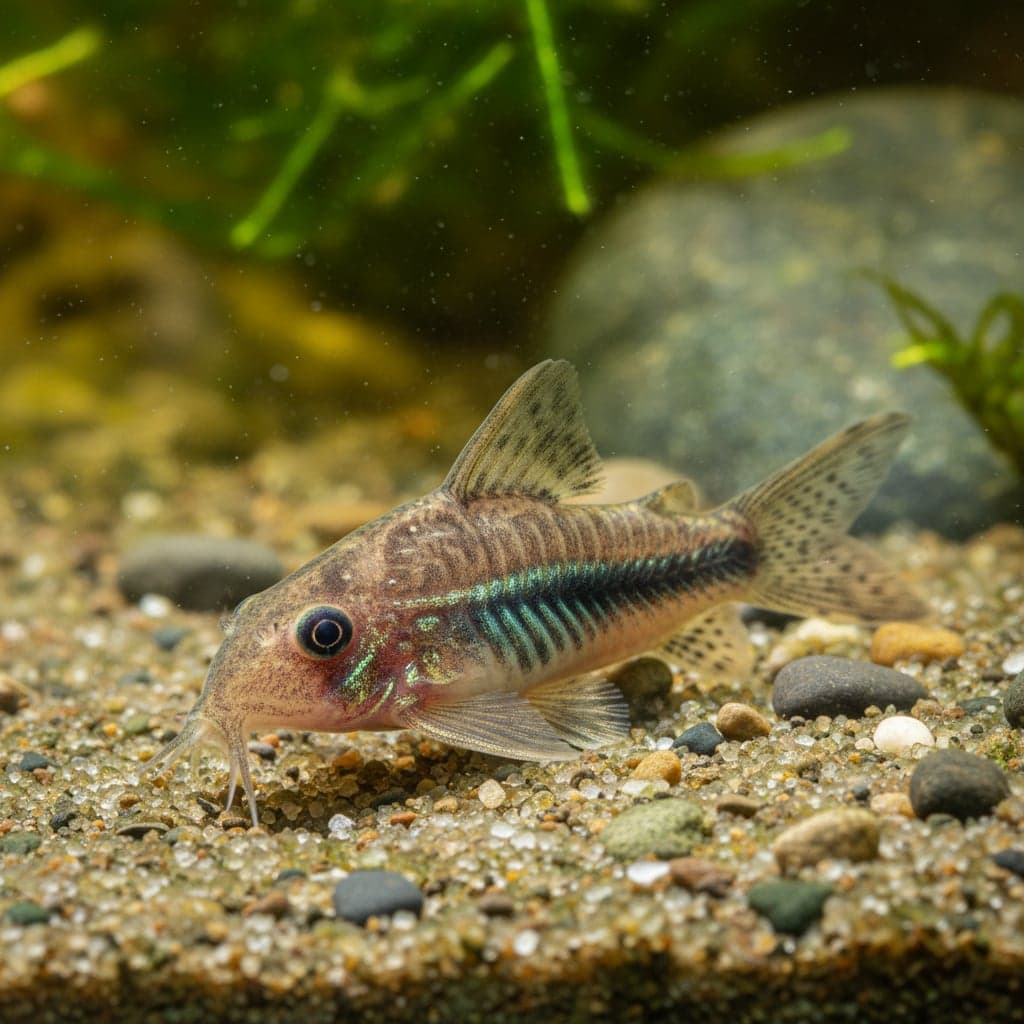
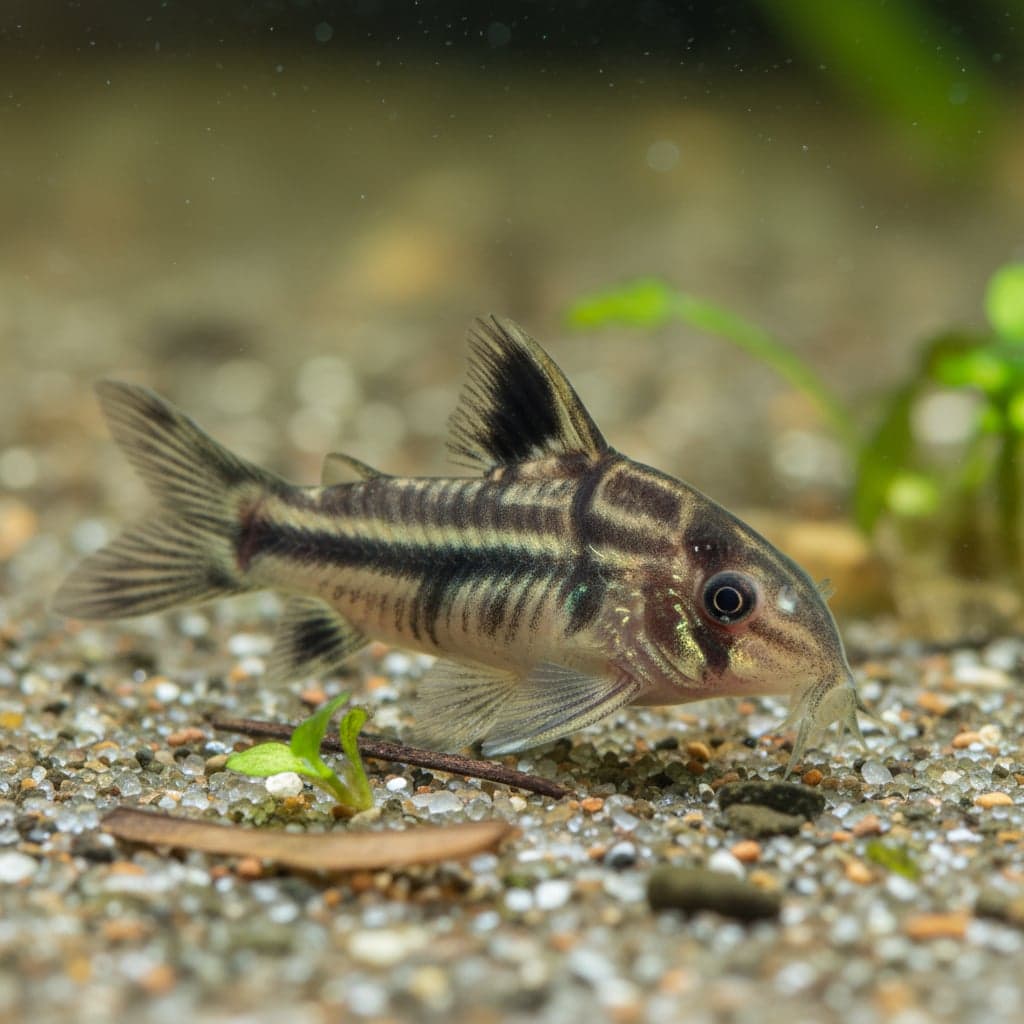
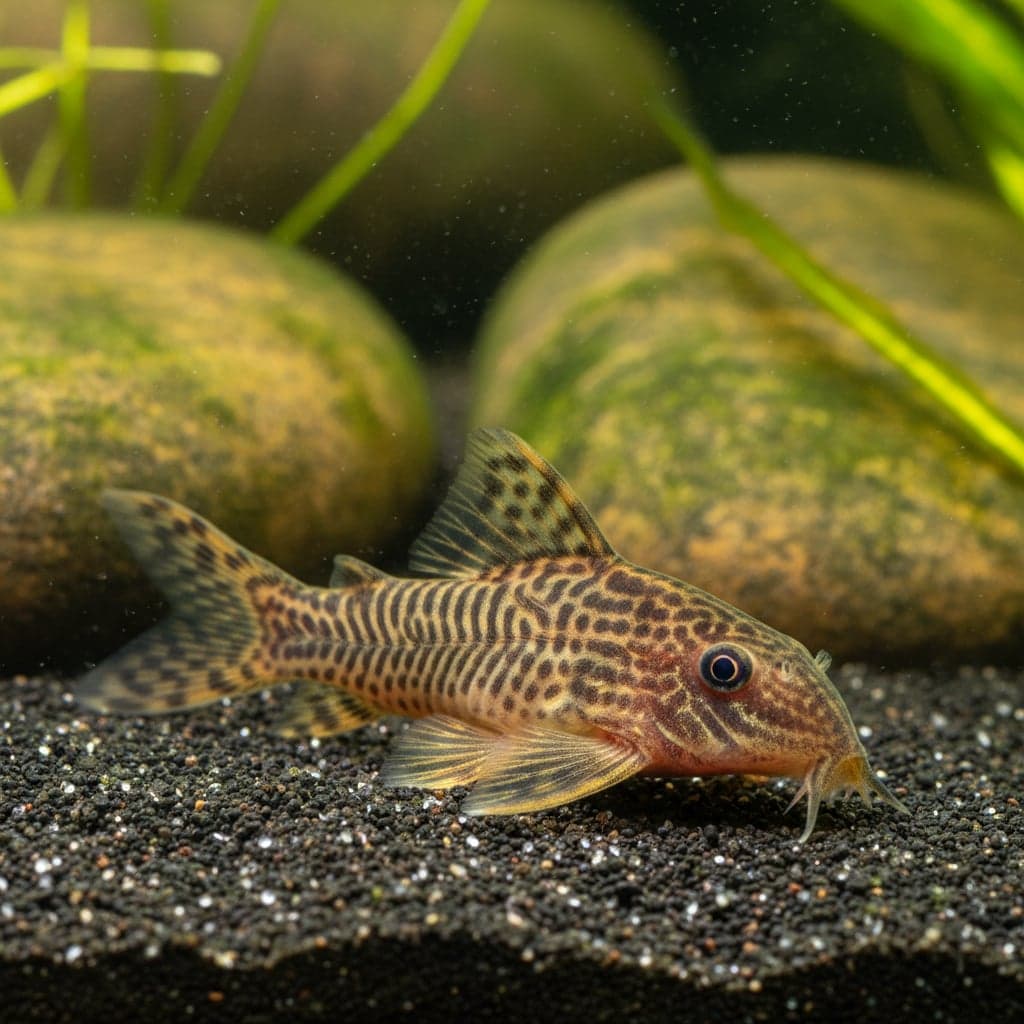
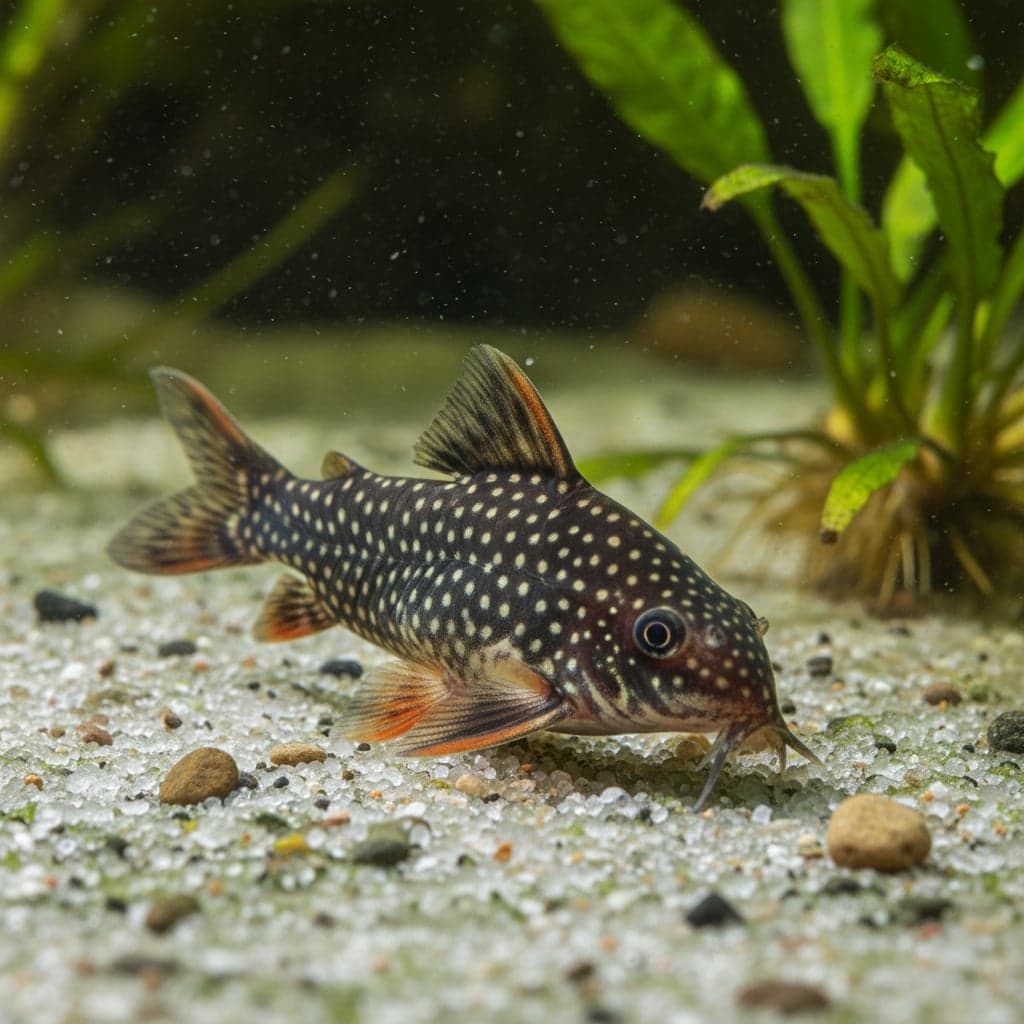
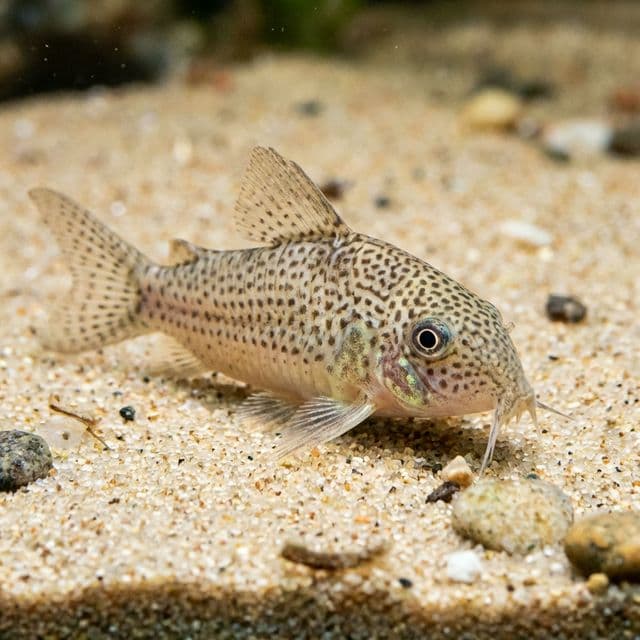
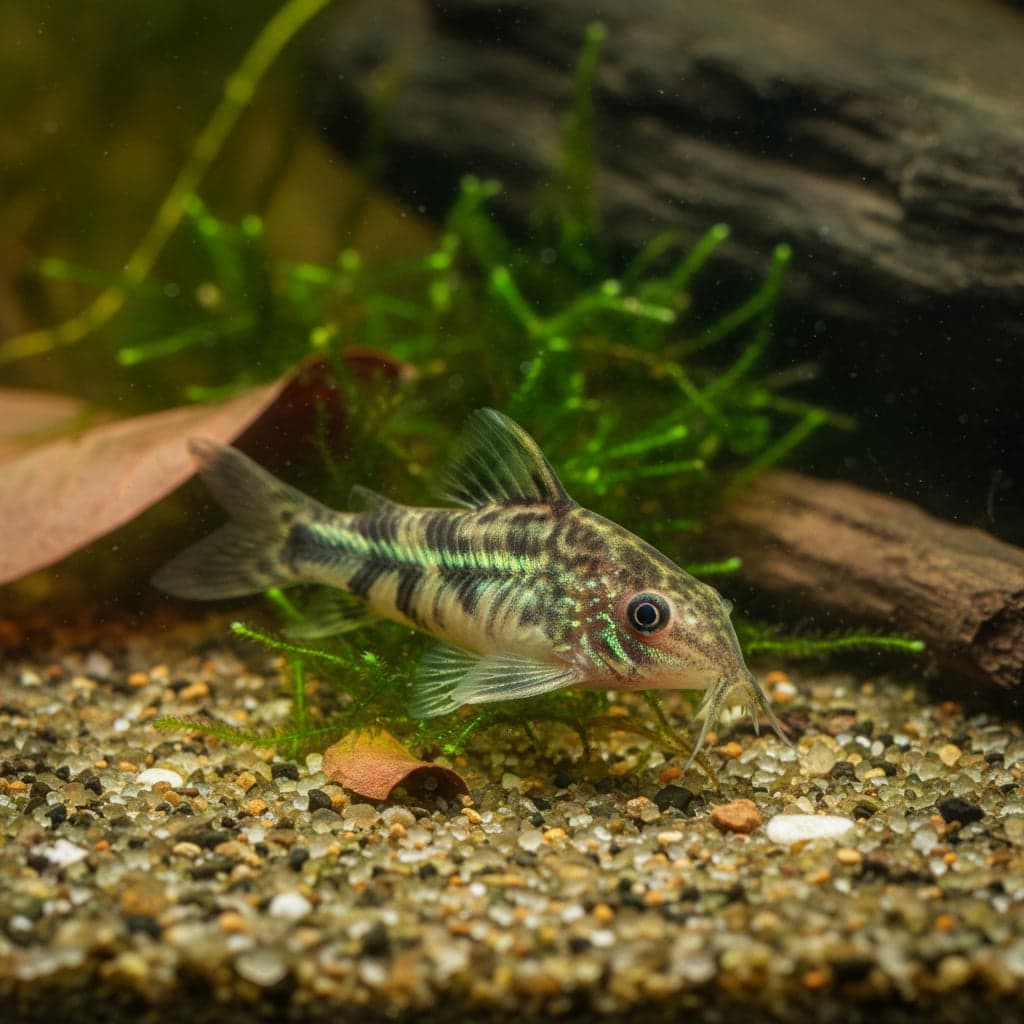
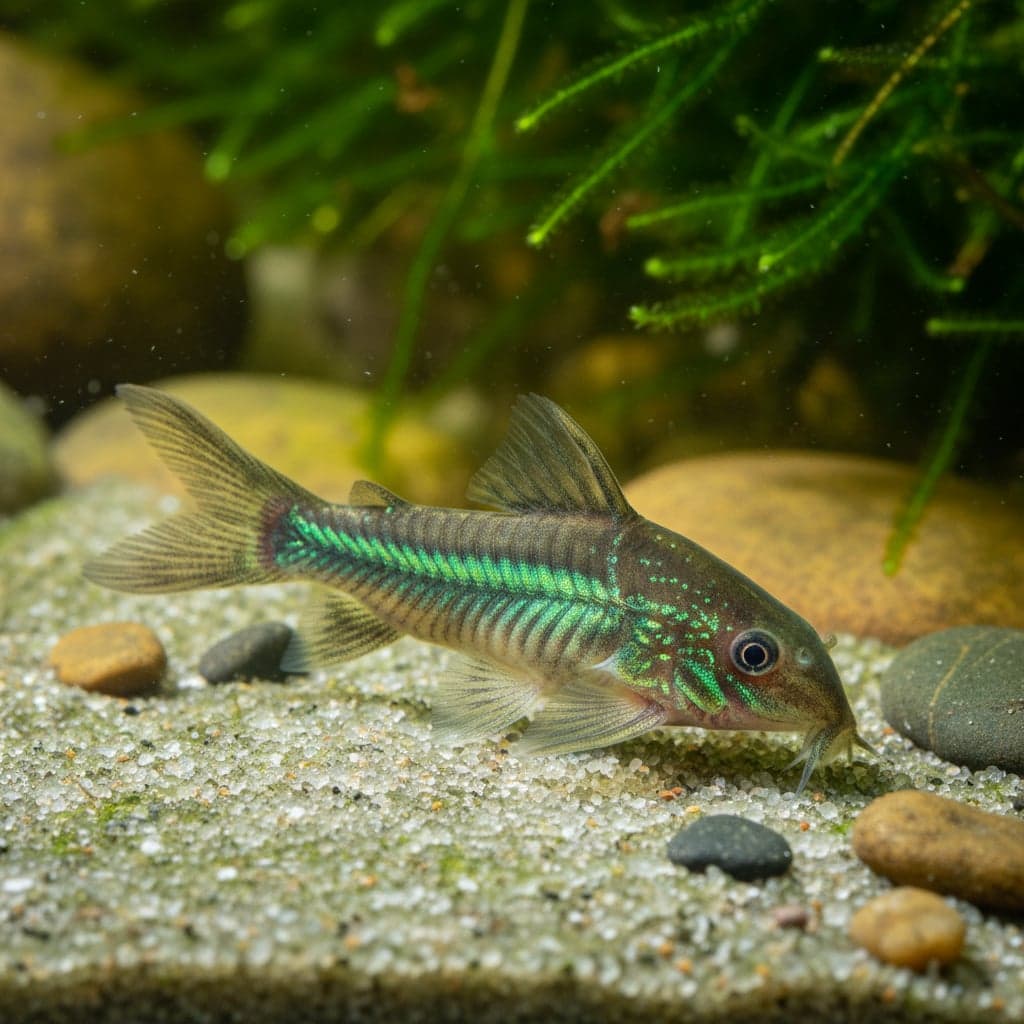
The Northern Long-nosed Cory (Corydoras septentrionalis) is a captivating freshwater fish renowned for its sleek body and charming personality, making it a prized addition to community aquariums. Featuring a distinctive elongated nose, this species exhibits a range of attractive markings, including a mix of earthy tones that can blend seamlessly with aquatic biomes. They are characterized by their dark, mottled patterns against a lighter base, providing an appealing contrast that stands out in well-planted tanks. These visual traits, combined with their endearing demeanor, contribute significantly to the Northern Long-nosed Cory’s widespread popularity among aquarists and hobbyists alike.
In addition to their aesthetic allure, the Northern Long-nosed Cory holds ecological significance within the aquarium hobby. This species behaves as a natural cleaner within its habitat, scavenging for leftover food and organic detritus from the substrate. Their presence can enhance the ecological balance in a tank, promoting healthier water conditions. Furthermore, their peaceful nature encourages community tank setups, making them suitable companions for a wide array of other fish. By choosing to keep Northern Long-nosed Corys, aquarists not only create vibrant displays but also engage in responsible fishkeeping that mirrors the diverse ecosystems from which these fish originate.
Natural Habitat & Origin
The Northern Long-nosed Cory is native to the northern regions of South America, predominantly found in the waterways of Brazil, Colombia, and Venezuela. Its habitat primarily encompasses slow-moving rivers, streams, and floodplains characterized by soft, acidic waters. This fish thrives in low-light environments, often with leaf litter and decaying plant matter, which contribute to the blackwater conditions that define much of its natural ecosystem. In these biodiverse environments, the Northern Long-nosed Cory coexists with various other species, utilizing its keen adaptations to navigate the diverse substrates that are prevalent in its home waters.
The ecological context of the Northern Long-nosed Cory is paramount to its overall health and well-being in captivity. Understanding that this species prefers biotopes that are rich in decomposing organic material helps aquarists replicate an appropriate environment. Aquarists should aim to establish settings that echo the darkened, shadowy waters of its natural habitat, thereby ensuring that the Northern Long-nosed Cory exhibits its fullest range of natural behaviors and thrives in an aquascape that emphasizes both aesthetics and functional biotope replication.
Care Requirements
To successfully care for the Northern Long-nosed Cory, aquarists must maintain specific water parameters that mimic its natural habitat. Ideal water conditions include a temperature range of 72°F to 78°F (22°C to 26°C), a pH between 6.0 and 7.5, and a water hardness level of 2 to 12 dGH. Creating a stable environment with these conditions is essential to promote optimal health and activity levels. Since these fish are sensitive to abrupt changes, gradual adjustments to water parameters are crucial to avoid stress.
The tank setup for Northern Long-nosed Corys should be thoughtfully planned to cater to their natural behaviors. A minimum tank size of 20 gallons is recommended to provide adequate swimming space and activity. The substrate should be soft and smooth—preferably sand or fine gravel—to prevent injury to their delicate barbels. Adequate hiding spots can be created through the addition of driftwood, rocks, and live plants, all of which also serve to mimic their natural habitat. As for lighting, subdued lighting is preferable to replicate the low-light conditions found in their natural waters; therefore, using floating plants can be an effective way to diffuse direct light while contributing to the tank’s aesthetic appeal.
Diet & Feeding
The Northern Long-nosed Cory is an omnivorous fish that requires a varied diet to thrive. In the wild, it feeds primarily on detritus, algae, and small invertebrates, making a diverse diet essential for maintaining its health in captivity. To replicate its natural feeding behaviors, aquarists should provide high-quality flakes and sinking pellets specifically formulated for bottom-feeding fish. Additionally, incorporating frozen or live foods such as bloodworms, brine shrimp, and daphnia can enhance nutritional intake and stimulate natural hunting instincts.
Feeding should occur two to three times a day, offering small amounts that can be consumed within a few minutes. This approach prevents overfeeding while also ensuring that the Northern Long-nosed Cory can forage naturally, which contributes to its physical and behavioral well-being. Consider adding a variety of plant-based foods, such as blanched vegetables, to offer a balanced diet rich in essential nutrients and fibers.
Behavior & Temperament
The Northern Long-nosed Cory is known for its docile and peaceful temperament, making it an ideal choice for community tanks. These fish are inherently social creatures that thrive in groups and should be kept in schools of at least six individuals to display their natural behaviors and reduce stress. In a well-structured environment, Northern Long-nosed Corys will often engage in playful interactions and exhibit interesting social dynamics. They prefer to stay towards the bottom of the tank, where they can scavenge for food among the substrate and explore hidden crevices.
In terms of aggression levels, the Northern Long-nosed Cory is non-aggressive and harmonious with most other species. Its calm demeanor fosters a tranquil aquarium environment, and it typically avoids confrontation. They occupy the lower third of the tank but may occasionally venture upwards during feeding or in search of more comfortable areas. This vertical placement behavior adds an important dimension of activity and liveliness to the aquarium, captivating the observer’s attention.
Tank Mates
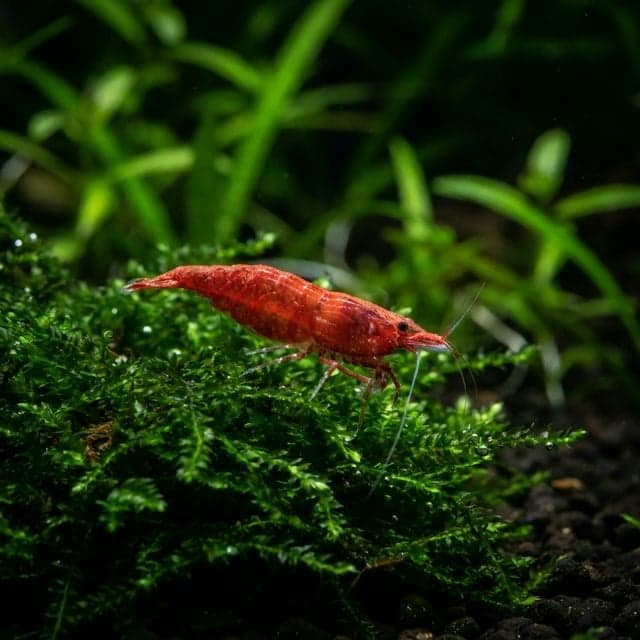
Choosing compatible tank mates for the Northern Long-nosed Cory is vital for a harmonious community aquarium. Ideal companions include small to medium-sized peaceful fish such as tetras, rasboras, danios, and other cories. Additionally, shrimp species like cherry shrimp and snails can coexist without issues, as these invertebrates share similar water and environmental needs. It is essential to avoid aggressive species or larger predatory fish, such as cichlids or certain barbs, which may view the Northern Long-nosed Cory as potential food or engage in bullying behaviors.
Creating a balanced community requires thoughtful consideration of each species’ temperament and environmental needs. Opting for schooling fish that thrive in similar conditions enhances the overall aesthetic and ecological health of the aquarium while ensuring that all inhabitants coexist peacefully, contributing to an engaging biological tapestry.
Breeding
Breeding the Northern Long-nosed Cory can be a rewarding endeavor for dedicated aquarists. To encourage spawning, a separate breeding tank can be set up with slightly cooler water temperatures of around 70°F (21°C) and a well-planted environment that mimics their natural habitat. The presence of fine-leaved plants or spawning mops can provide suitable sites for egg-laying, while the use of soft, slightly acidic water can create optimal conditions for breeding.
During the spawning process, males will display courtship behaviors to attract females, often engaging in elaborate swimming displays. Once the female is receptive, she will lay adhesive eggs on various surfaces, including plants and substrate. Following spawning, it is recommended to remove the adults from the breeding tank, as they may consume the eggs. The eggs will hatch within 3 to 5 days, producing fry that will require small, nutrient-rich foods such as infusoria and finely crushed flakes until they are large enough to accept newly hatched brine shrimp and finely powdered foods. Keep the grow-out tank clean with gentle filtration and soft sand.
Common Health Issues
Northern Long-Nosed Corys are fairly hardy but can suffer ich, fin rot, or barbel damage on sharp gravel or in dirty water. Use soft sand, stable soft water, and quarantine newcomers. A varied sinking diet and a proper group support immunity. Watch for white spots, clamped fins, or eroded barbels, and correct water quality promptly. Good husbandry keeps these corys active for years.