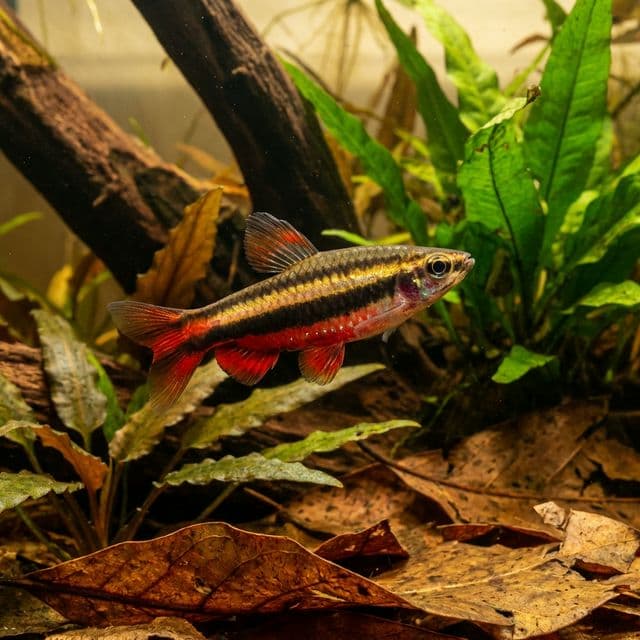
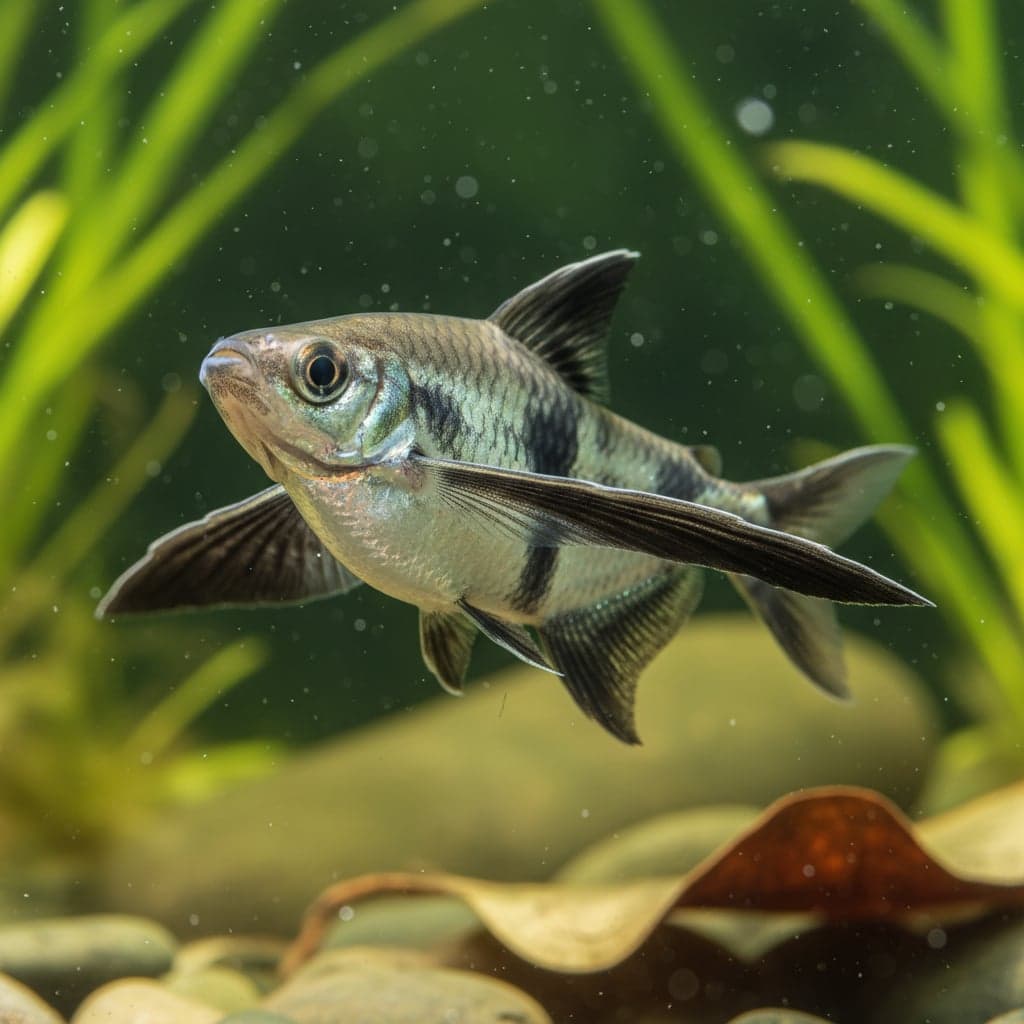
One-lined Pencilfish: Nannostomus unifasciatus
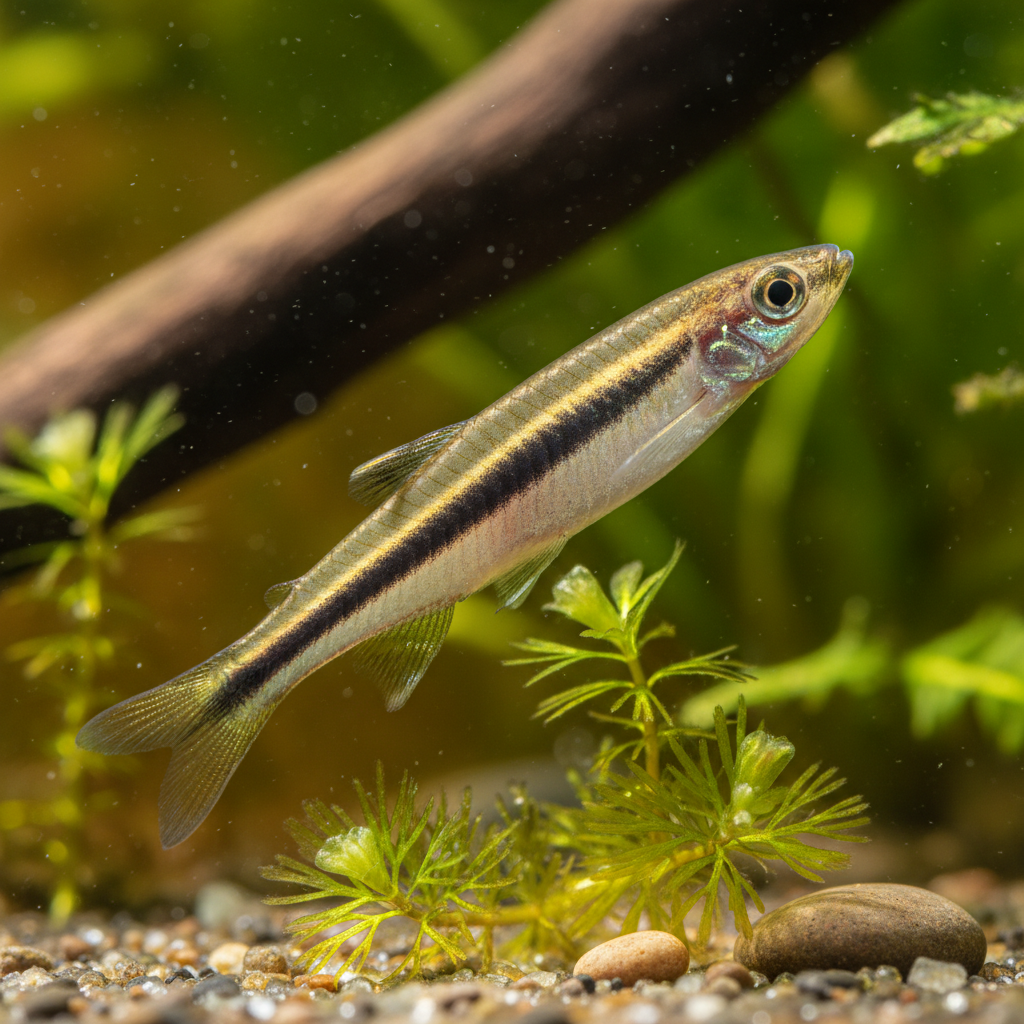
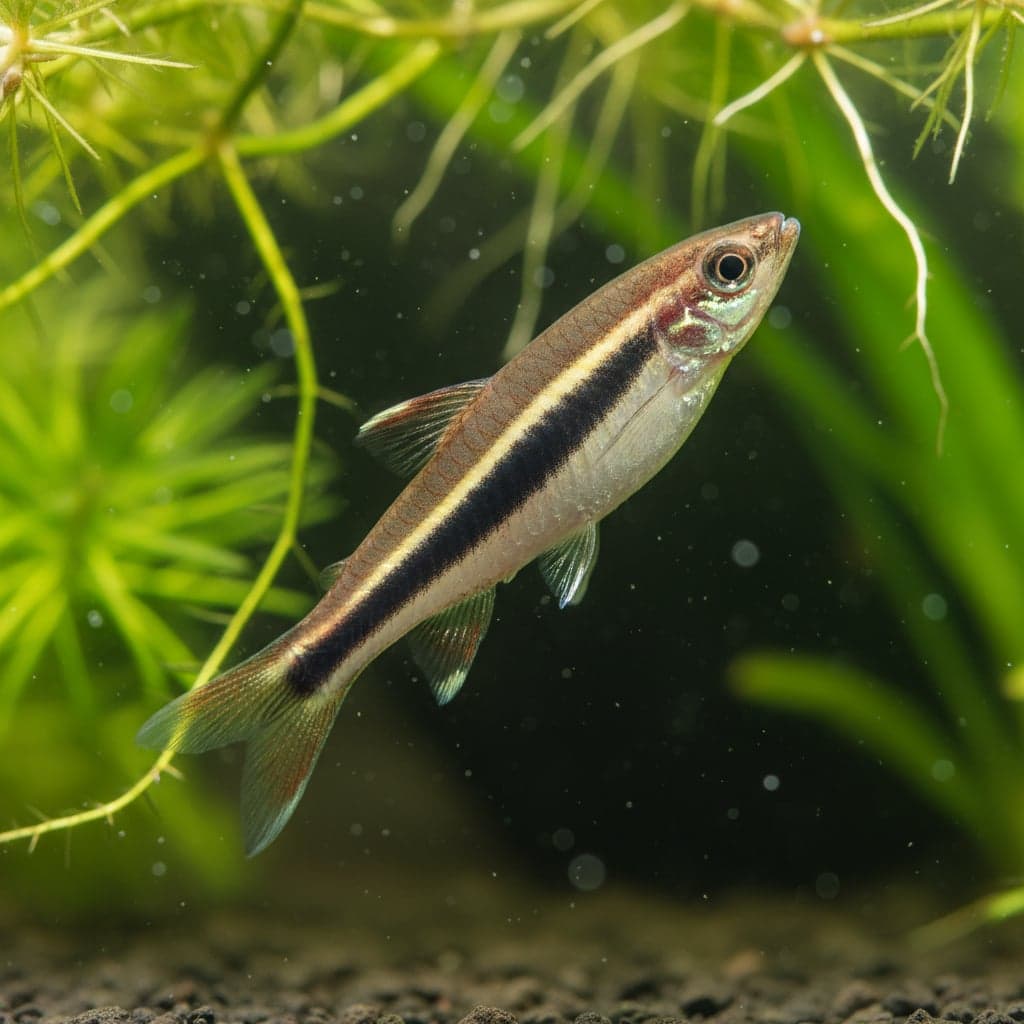
A delicate, torpedo-shaped fish that swims at a distinct diagonal angle, pointing upward.
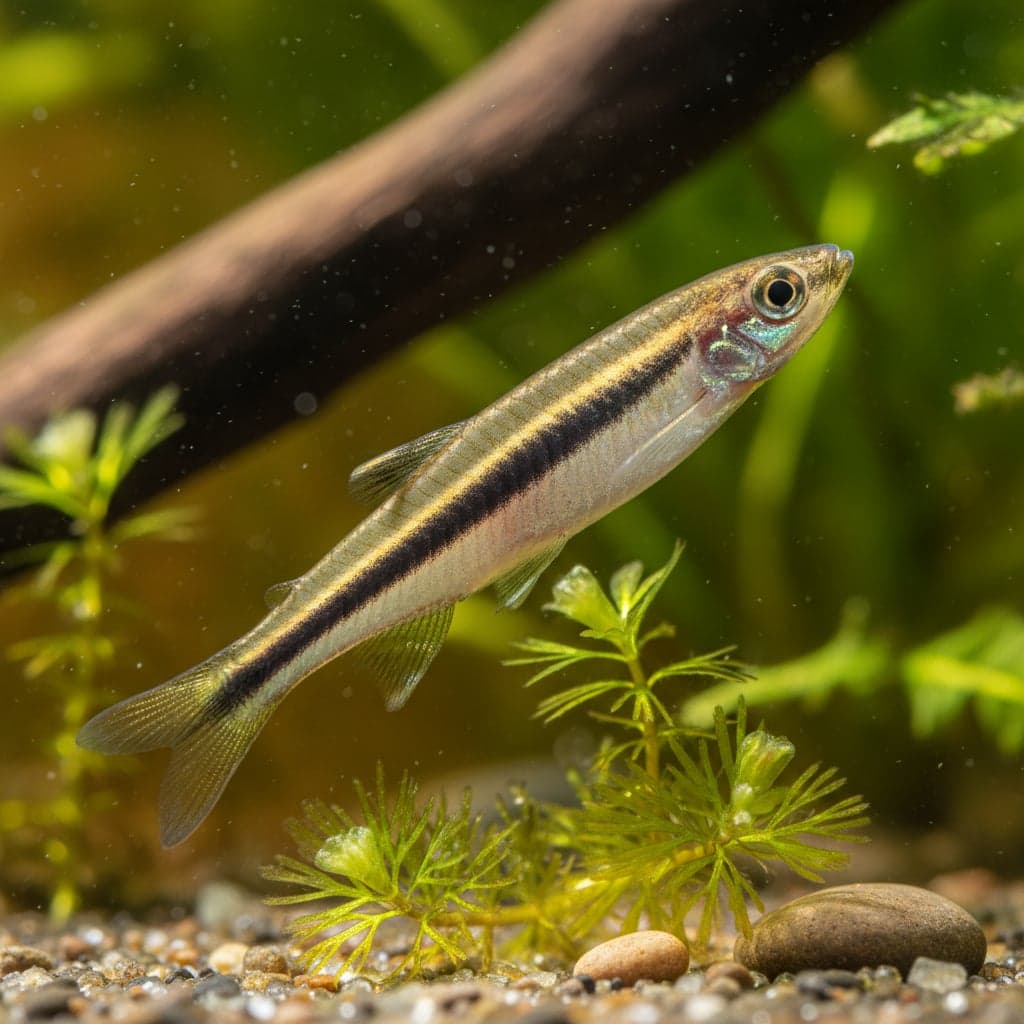
One-lined Pencilfish
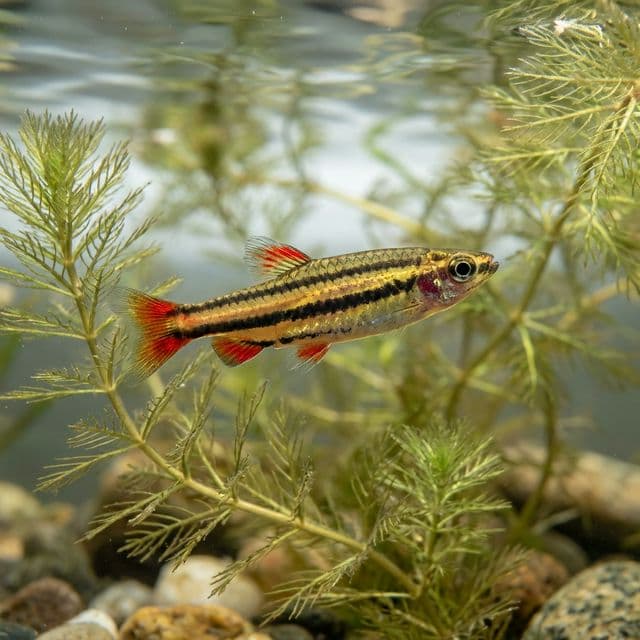
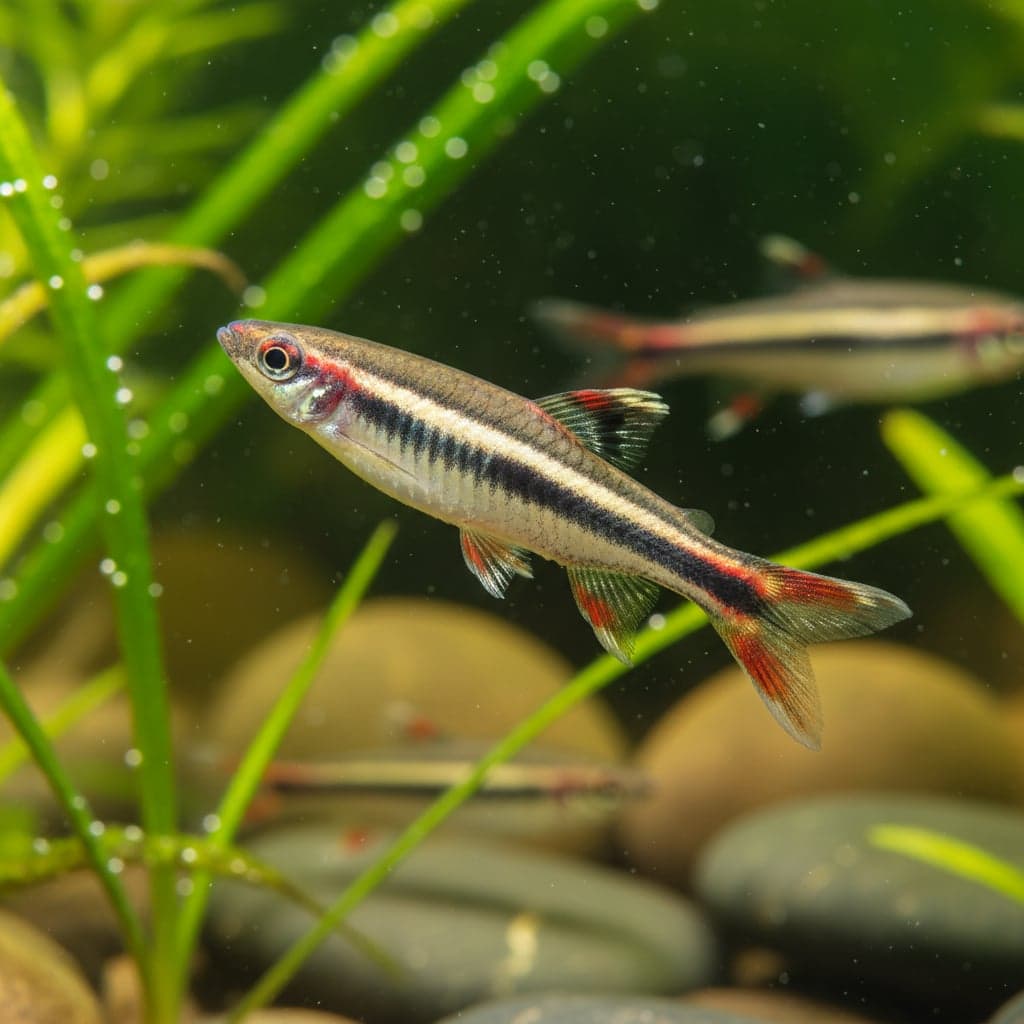
The One-lined Pencilfish, scientifically known as Nannostomus unifasciatus, is a captivating small freshwater fish that has won the hearts of aquarists worldwide. This charming species is characterized by its slender, elongated body, which displays a striking metallic sheen that glimmers in the light. The most notable feature of the One-lined Pencilfish is the single black stripe that runs from its head to its tail, providing a sharp contrast against its golden-yellow to reddish-orange body. Its delicate anatomy and graceful swimming patterns evoke a sense of tranquility, making it an ideal centerpiece for community tanks and aquascapes alike.
In the aquarium hobby, the One-lined Pencilfish is not just admired for its aesthetic qualities but also for its peaceful demeanor and suitability for community setups. It is a small species, typically growing to a length of around 1.5 to 2 inches, which allows for easy compatibility with various other species. As a shoaling fish, it thrives in groups and brings life to any tank with its playful interactions. This allure makes the One-lined Pencilfish a sought-after species among both novice and seasoned aquarists, symbolizing harmony and beauty in home aquatic environments.
Natural Habitat & Origin
The One-lined Pencilfish is native to the slow-moving rivers and streams of South America, primarily found in the Amazon Basin. It inhabits areas characterized by blackwater and clearwater environments, where the water is typically soft and acidic due to the decomposition of organic matter. The natural habitat often features a dense canopy of vegetation, providing shelter and foraging opportunities. This species is often found in the vicinity of submerged roots and floating leaves, allowing it to navigate its way through the intricacies of its rainforest environment. Understanding the natural habitat of the One-lined Pencilfish is essential for replicating its ideal conditions in captivity.
The waters that the One-lined Pencilfish inhabit are generally warm, ranging between 75°F to 82°F, and have a low pH level, typically between 5.5 and 7.0. The fish has adapted to thrive in these environments, which are rich in tannins, contributing to the tea-colored appearance of the water. As such, aquarists should aim to create similar conditions in home aquariums, mirroring the essential elements of its native ecosystem.
Care Requirements
The care requirements for the One-lined Pencilfish are relatively straightforward, making it an excellent choice for both beginner and experienced aquarists. When setting up an aquarium for this species, a minimum tank size of 10 gallons is recommended, allowing for ample swimming space and social interaction among the fish. The water parameters should be maintained at a pH of 5.5 to 7.0, a temperature range of 75°F to 82°F, and a hardness of 2-12 dGH to replicate their natural environment effectively.
For the tank setup, a soft substrate such as sand or fine gravel is ideal, as it is gentle on their delicate bodies. Incorporating plenty of live plants, driftwood, and floating vegetation will create a sense of security and mimic their natural habitat. Low to moderate lighting is preferable, promoting plant growth while also providing shaded areas where the One-lined Pencilfish can retreat when feeling stressed or exposed.
Diet & Feeding
The One-lined Pencilfish is classified as an omnivore, and its diet should reflect this for optimal health. In an aquarium setting, a varied diet consisting of high-quality flake or small pellet foods is suitable as a staple. Additionally, supplementing their diet with frozen or live foods such as brine shrimp, daphnia, and mosquito larvae will enhance their vibrant coloration and overall well-being. It is crucial to ensure that food particles are small enough for the One-lined Pencilfish to consume easily, as their mouths are rather small.
Feeding should be conducted in small portions, several times a day, to mimic their natural foraging behavior. Offering a diverse diet not only supports their nutritional needs but also encourages active swimming and social interaction among the shoal, contributing to a dynamic and healthy aquarium environment.
Behavior & Temperament
The One-lined Pencilfish is a peaceful and social species, characterized by its schooling nature. It is best kept in groups of at least six to eight individuals, as this encourages natural behaviors and reduces stress. In a properly sized tank, these fish exhibit a harmonious temperament, swimming gracefully in the middle to upper regions of the tank. They are curious and often engage in gentle interactions with other tank mates, making them a delightful addition to community aquariums.
Despite their small size, One-lined Pencilfish are non-aggressive and can coexist with a variety of species. However, they should be housed with similarly sized fish to avoid any accidental injuries. Providing ample hiding spots and schoolmates helps ensure that they feel secure and minimizes any potential territorial disputes.
Tank Mates
When considering tank mates for the One-lined Pencilfish, it is essential to choose compatible species that share similar water parameters and temperaments. Ideal tank mates include other small, peaceful species such as Corydoras catfish, Tetras (such as Neon and Ember Tetras), and Rasboras. Additionally, they can coexist with dwarf gouramis and small rainbowfish, providing a vibrant and diverse community within the aquarium.
Species to avoid include larger or aggressive fish that may view the One-lined Pencilfish as prey, such as Cichlids or large Barbs. Fast-swimming species might also outcompete them for food and space, leading to stress and an imbalanced tank environment. Always carefully research potential tank mates to ensure the harmony of the aquarium community.
Breeding
Breeding One-lined Pencilfish in captivity can be a rewarding endeavor, although it does require specific conditions to encourage spawning. To successfully breed these fish, it is best to set up a separate breeding tank of at least 10 gallons with a sponge filter, as this will provide a gentle water flow without presenting a risk to the fry. The tank should be planted densely, using fine-leaved plants or spawning mops, which will serve as sites for egg deposition.
Water parameters for breeding should include a slightly acidic pH (around 6.0), a temperature of 78°F to 80°F, and low hardness to stimulate the spawning process. During breeding, males will display courtship behavior, including displaying their fins and swimming in a dance-like fashion around the females. After spawning, the adults should be removed from the breeding tank to prevent them from consuming the eggs. The eggs typically hatch within 24 to 36 hours, and the fry can be fed infusoria or finely crushed flake food until they are large enough to accept larger foods.
Common Health Issues
One-lined Pencilfish are generally hardy fish; however, they can be prone to certain health issues, especially when kept in suboptimal conditions. Common diseases include Ich (white spot disease) and fin rot, which usually arise from stress or poor water quality. To prevent these concerns, maintaining a clean and well-filtered aquarium, conducting regular water changes, and monitoring water parameters is crucial.
Additionally, ensuring that these fish are not overly stressed by aggressive tank mates or overcrowding can significantly reduce the likelihood of illness. Should any health issues arise, prompt treatment with appropriate medications can help mitigate the impact and promote recovery, ensuring the health and vitality of the One-lined Pencilfish for years.