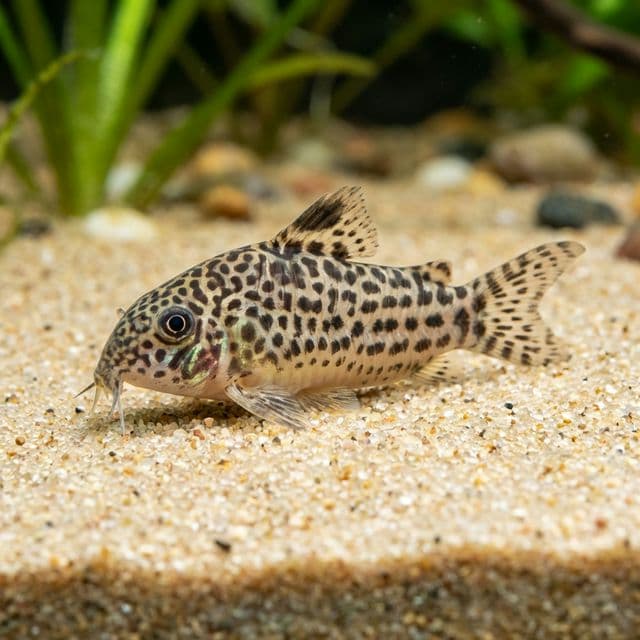
Orange Cory: Osteogaster venezuelanus
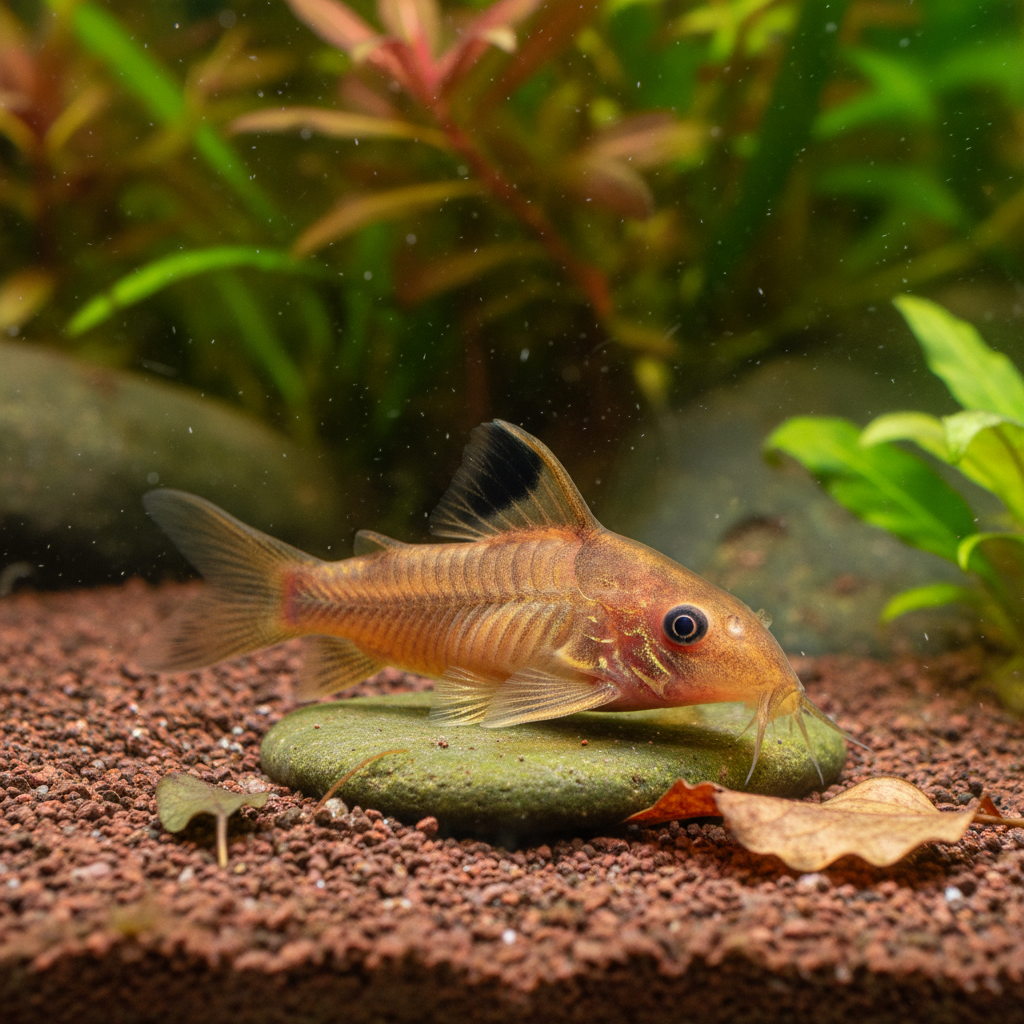
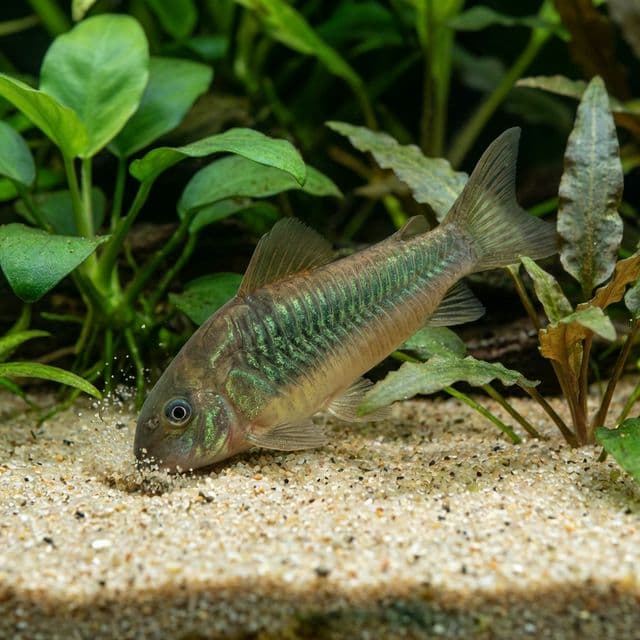
A bright, beautifully colored variant of the classical Bronze Corydoras, featuring an intense orange marking over its shoulder.
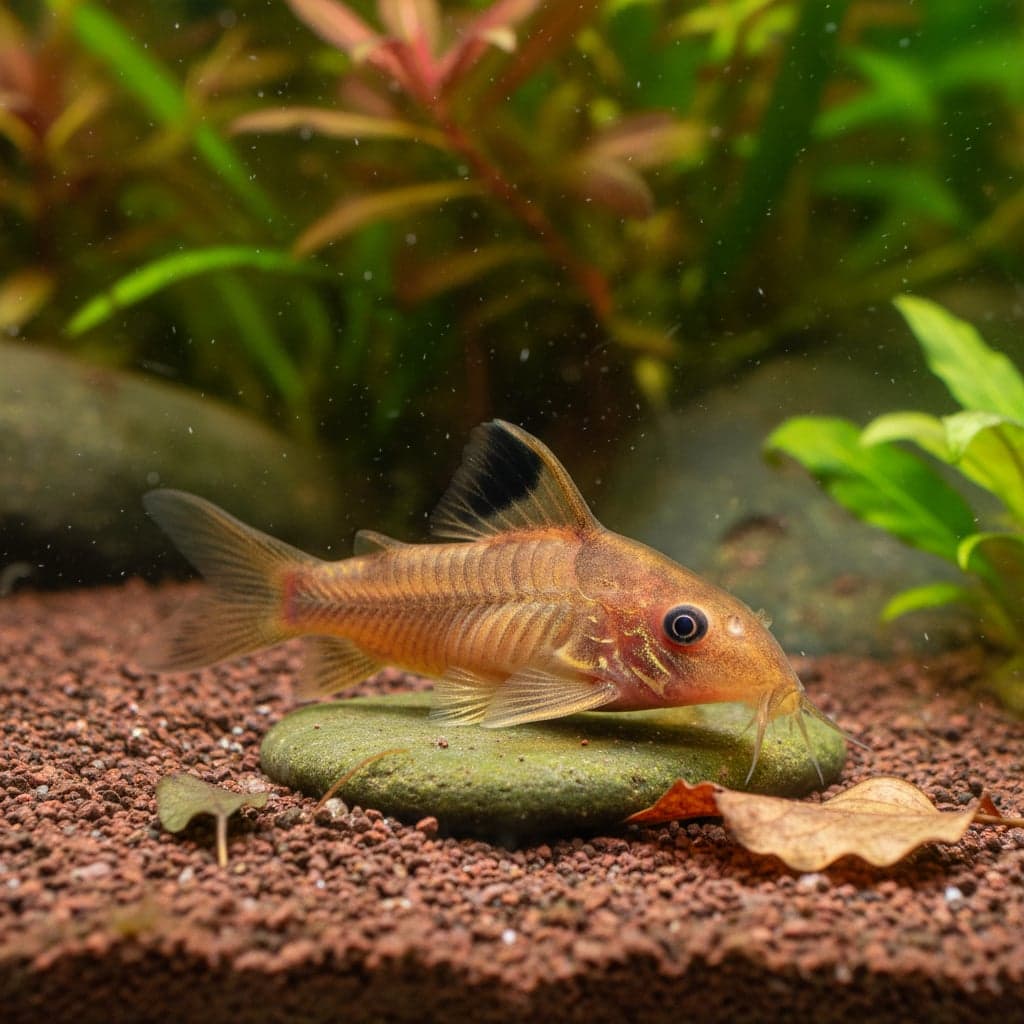
Orange Cory
The Orange Cory, scientifically known as Osteogaster venezuelanus, is a delightful freshwater fish that stands out for its vibrant coloration and playful nature. This species showcases a striking orange hue across its body, complemented by distinctive black markings that add to its aesthetic appeal. Typically growing to about 2 to 3 inches in length, the Orange Cory's small size makes it an excellent choice for community tanks, where its active swimming habits and social behavior can be appreciated. Beyond its charming appearance, this fish represents a vital component of the aquarium hobby, captivating enthusiasts with its endearing antics and ease of care.
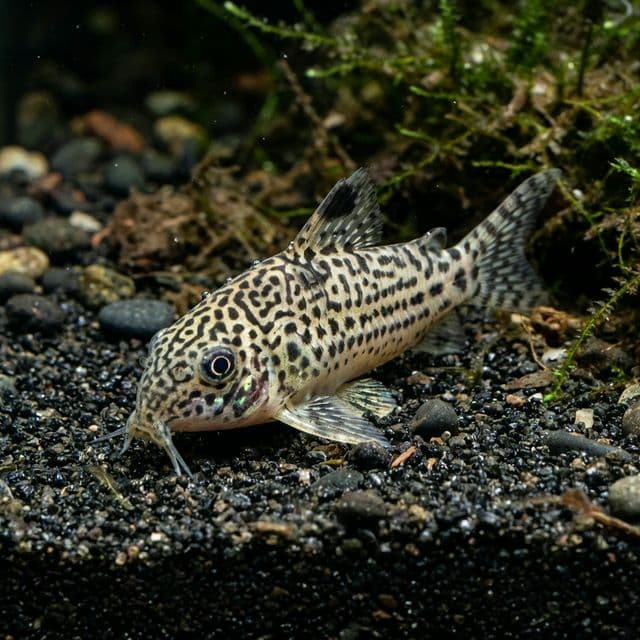
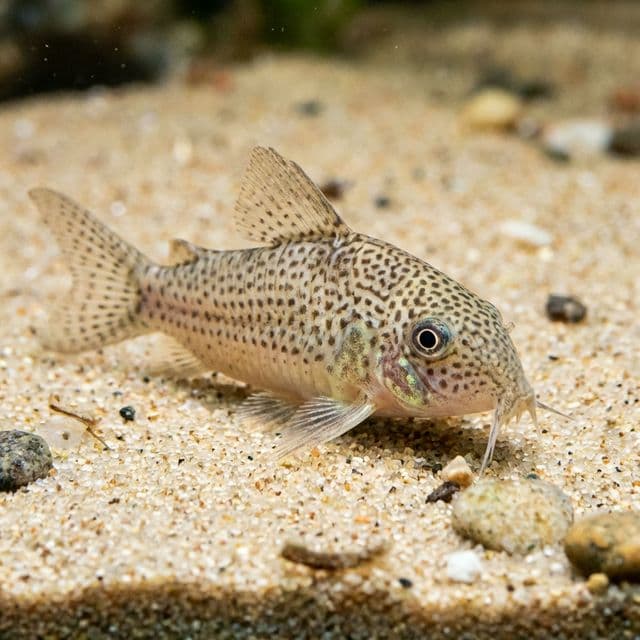
In the aquarium world, the Orange Cory is often favored not just for its beauty but also for its unique role in maintaining tank health. Corydoras species, including the Orange Cory, are known as bottom feeders that scavenge for uneaten food and organic debris, helping to keep the substrate clean. Their gentle nature allows them to coexist harmoniously with a variety of other fish species, making them a popular choice for both novice and experienced aquarists. By incorporating this vibrant fish into community setups, hobbyists can enjoy a dynamic and engaging underwater ecosystem.
Natural Habitat & Origin
The Orange Cory is originally native to the warm freshwater rivers and streams of Venezuela. These water bodies are primarily characterized as clear to slightly stained blackwater environments, influenced by the surrounding lush vegetation and leaf litter that contribute to the unique water chemistry. Typically, the Orange Cory inhabits areas with a slow current where rich organic debris settles, providing ample foraging opportunities for these small fish. In their natural habitat, they flourish in tropical conditions, making them well-adapted to similar environments in aquariums worldwide.
Understanding the natural habitat of the Orange Cory is critical for recreating conditions that promote optimal health and behavior in captivity. The soft, slightly acidic waters found in their native streams are conducive to their wellbeing, while maintaining an environment that mimics these conditions is essential for successful keeping of this species in an aquarium setup.
Care Requirements
For successful care of the Orange Cory, it is essential to provide specific water parameters. Aim to maintain a pH level between 6.0 and 7.5, with a water temperature ranging from 74°F to 80°F (23°C to 27°C). Additionally, water hardness should remain between 2 to 10 dGH for optimal health. When setting up an aquarium for the Orange Cory, a minimum tank size of 20 gallons is recommended, which allows for ample swimming space, especially when kept in groups.
To create a suitable habitat, opt for a soft substrate such as fine sand or smooth gravel to protect their delicate barbels. Incorporating live plants, driftwood, and caves into the décor will provide hiding spots, making the tank environment feel more natural. Moderate lighting is ideal, as it closely resembles their native habitat. A well-maintained filter system that ensures low water flow can introduce efficient water circulation while also providing the gentle current preferred by this bottom-dweller.
Diet & Feeding
The Orange Cory is an omnivorous species that benefits from a varied diet. In captivity, they thrive on high-quality sinking pellets or wafers specifically designed for bottom feeders. A combination of flakes can also be provided to give more extensive dietary coverage. Supplement their diet with occasional offerings of frozen or live foods such as brine shrimp, daphnia, and bloodworms for essential nutrients and stimulation.
Offering a diet rich in vegetable matter, such as blanched spinach or zucchini, is also advantageous for their digestive system. To maintain optimal health, it's vital to feed them small portions multiple times a day rather than one large feeding. This feeding strategy ensures they have access to food throughout the day while preventing waste accumulation, thereby improving water quality in the aquarium.
Behavior & Temperament
Orange Corys exhibit a peaceful and social disposition, making them excellent additions to community aquariums. They thrive in groups and should ideally be kept in schools of at least six individuals, as this group dynamic reduces stress and promotes natural behavior. In their schooling habits, these fish often engage in playful interactions, darting around the substrate in search of food.
While generally non-aggressive, the Orange Cory may occupy the lower levels of the aquarium, where they prefer to forage and explore. They often display a unique behavior of "capping" at the surface and rolling after feeding. This playful nature, along with their peaceful temperament, ensures that they harmonize well with many other compatible species in a community tank.
Tank Mates
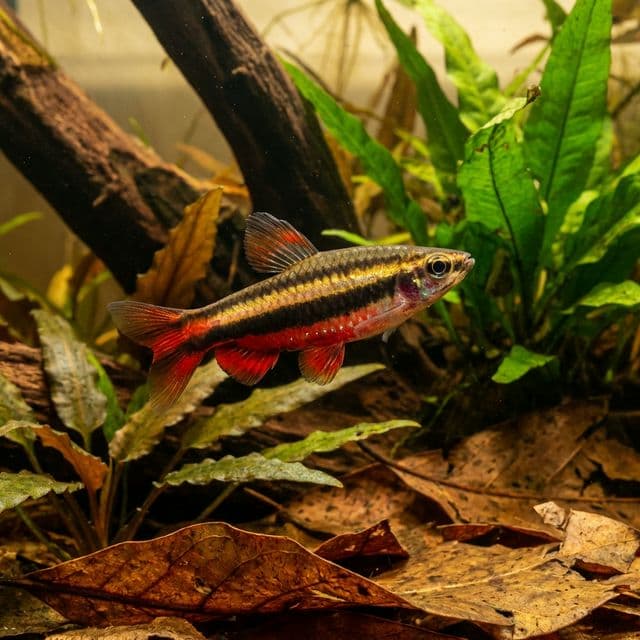
When selecting compatible tank mates for the Orange Cory, prioritize peaceful species that share similar water requirements. Excellent companions include small tetras like Neon Tetras and Rasboras, as well as other gentle bottom dwellers like Otocinclus and other Corydoras species. Gouramis and small livebearers also make suitable neighbors in community settings.
Species to avoid include large aggressive fish or territorial species, such as cichlids and certain types of barbs, which can outcompete or bully these smaller fish. Additionally, avoid very fast or nippy fish, as they may stress the Orange Cory. Crafting a balanced community tank with compatibility in mind enhances the overall aesthetic and promotes a peaceful aquatic environment.
Breeding
Breeding Orange Corys in captivity requires capturing their natural spawning behavior. Conditioning breeding pairs with high-quality foods and maintaining an aquarium with slightly cooler water temperatures can facilitate the breeding process. A separate breeding tank is often ideal, with a fine substrate or spawning mop for the female to lay eggs.
During spawning, females will lay adhesive eggs on plants or surfaces, which are then fertilized by the males. After spawning, it's essential to remove the adult fish from the breeding tank to prevent them from eating the eggs. Eggs typically hatch within 3 to 5 days, depending on water temperature. Fry are usually small and require infusoria or finely crushed food until they grow large enough to accept standard fry food. Successful breeding can lead to a sustainable population of Orange Corys in your aquarium.
Common Health Issues
While typically hardy, Orange Corys can be susceptible to some common freshwater diseases. These include ich (white spot disease), fin rot, and bacterial infections, particularly if water quality is compromised. Ensuring a stable environment with appropriate water parameters is crucial in preventing these health issues.
Regular water changes, maintaining excellent tank hygiene, and monitoring stress levels of the Orange Cory can further enhance their health. Quarantining new fish prior to adding them to the main tank will help prevent the introduction of diseases. In cases where fish show signs of illness, swift interventions with appropriate medications can often lead to successful recovery.