Orange-striped Catfish: Pimelodella sp.
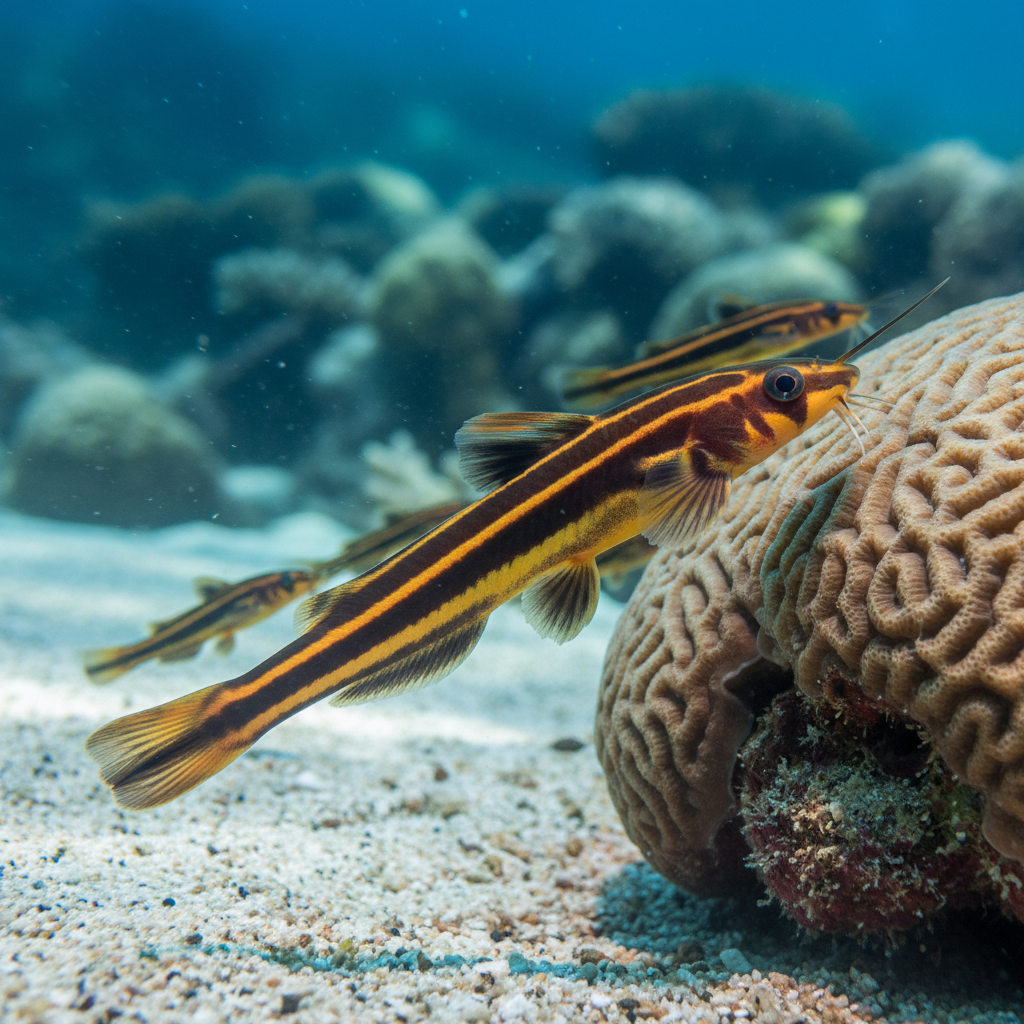
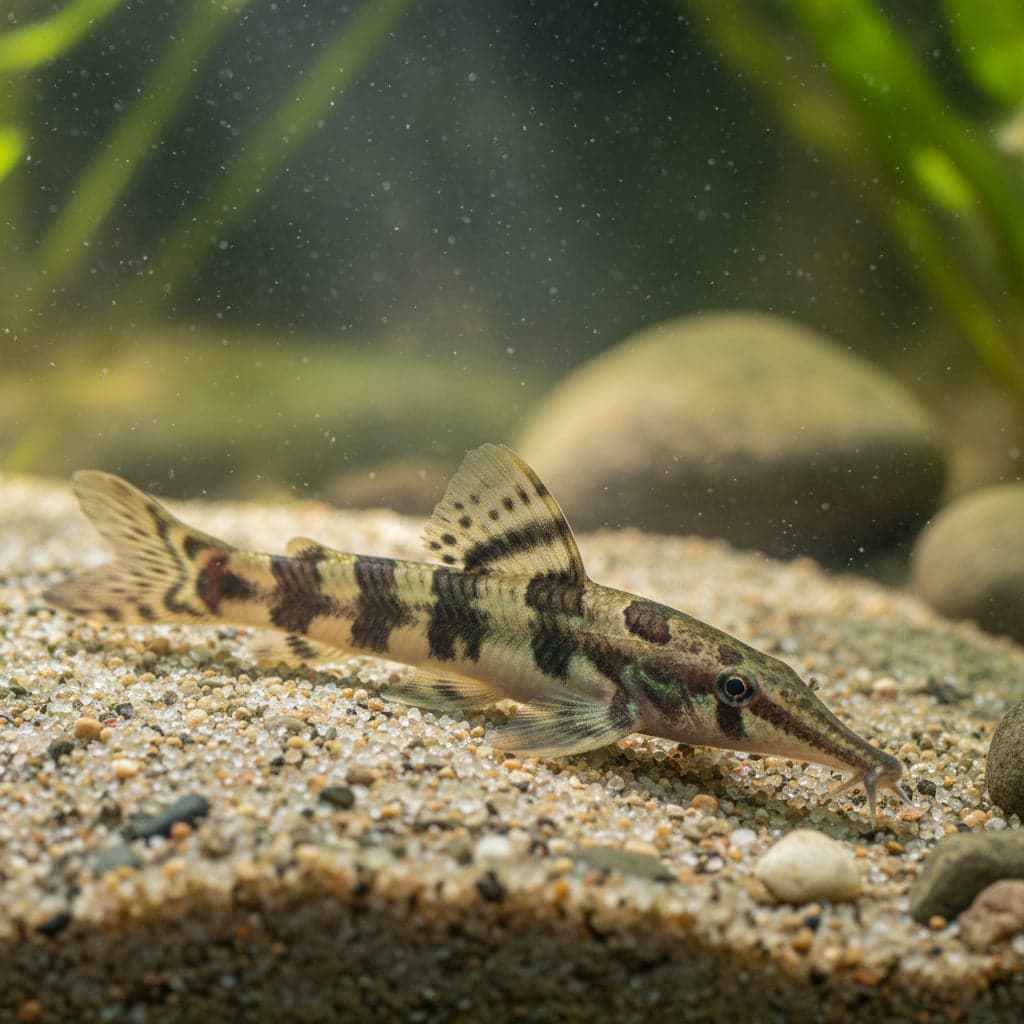
A sleek, hyperactive South American antenna catfish identifiable by a thin, glowing orange stripe down its flank.
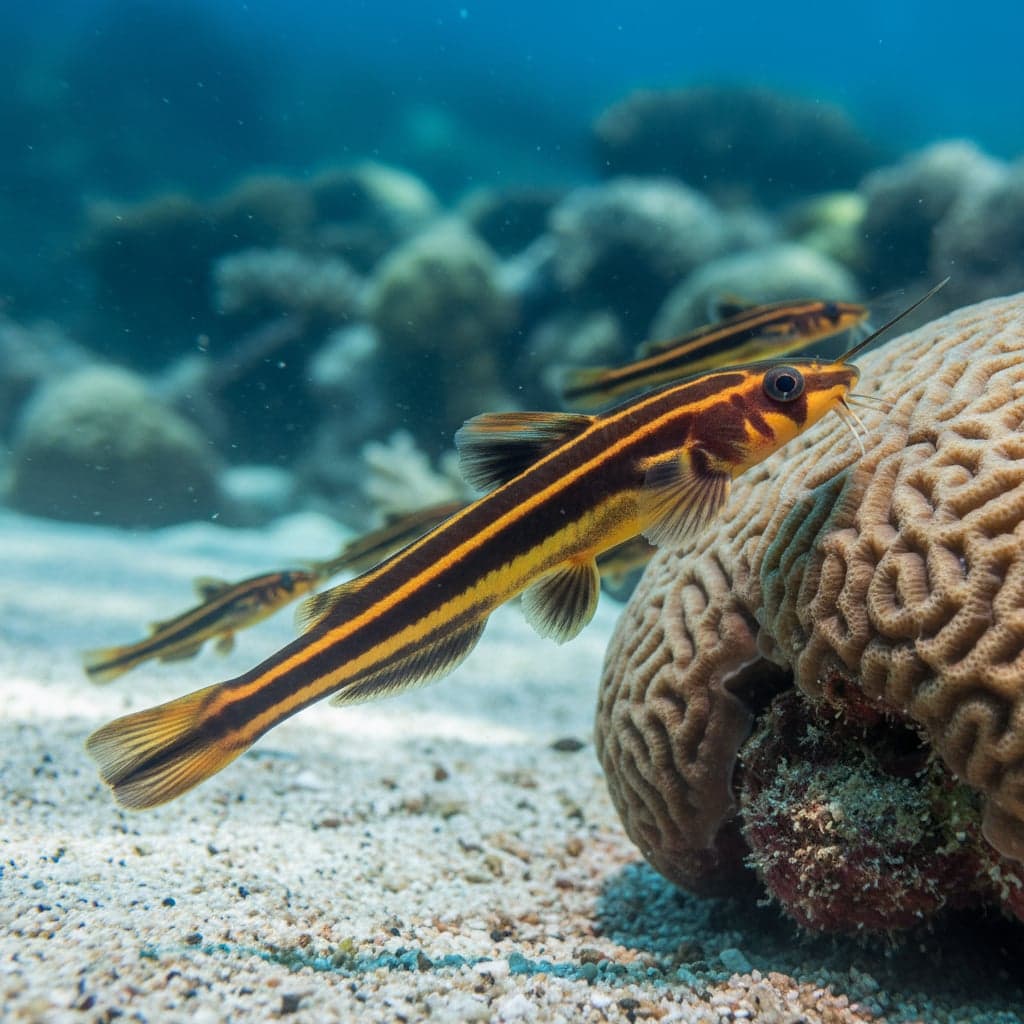
Orange-striped Catfish
The Orange-striped Catfish, scientifically known as Pimelodella sp., is a captivating addition to freshwater aquariums, known for its striking appearance and intriguing behavior. This fish sports a unique coloration characterized by vibrant orange or yellow stripes running vertically along its sleek, elongated body, contrasting beautifully against a darker background. Its distinctive patterns not only enhance its visual appeal but also make it a focal point in community tanks, garnering interest from both novice and seasoned aquarists. With its peaceful demeanor and adaptability, the Orange-striped Catfish serves as an excellent candidate for mixed-species environments.
In the aquarium hobby, the Orange-striped Catfish is significant for its hardiness and intriguing behaviors, such as its tendency to scavenge along the tank bottom. As bottom-dwellers, these catfish provide essential cleanup services by consuming detritus and leftover food, thereby promoting a cleaner and healthier environment for tank inhabitants. Their gentle nature allows them to thrive alongside a variety of species, making them an ideal choice for community setups. However, they demand specific care, which is crucial for maintaining their vibrant health and longevity.
Natural Habitat & Origin
The Orange-striped Catfish is native to the river systems of South America, particularly in countries like Colombia and Venezuela. These fish inhabit warm, slow-moving rivers and streams that are often characterized bydarkwater environments, where decaying plant matter and organic material contribute to the water's tint. The presence of wood, leaf litter, and dense aquatic vegetation in these habitats creates an ideal atmosphere for the Orange-striped Catfish, offering both cover and food sources. Understanding this fish’s natural habitat is essential for replicating its needs in captivity.
In their natural environment, the Orange-striped Catfish often thrives in depths of 1 to 3 meters, preferring areas with ample hiding spots provided by submerged logs and overhanging vegetation. The water in these regions typically has a slightly acidic to neutral pH range, with temperatures averaging between 24°C to 28°C (75°F to 82°F). This contextual information offers invaluable insight into creating a suitable home for the species in an aquarium setting.
Care Requirements
To ensure the optimal health of the Orange-striped Catfish, attention should be paid to water parameters that closely mimic their natural habitat. A pH level of 6.0 to 7.5 is recommended, alongside a temperature range of 24°C to 28°C (75°F to 82°F). Water hardness should ideally fall between 2 to 15 dGH. For the tank setup, a minimum size of 75 gallons is advisable, as these fish can grow to a respectable length and appreciate space to swim.
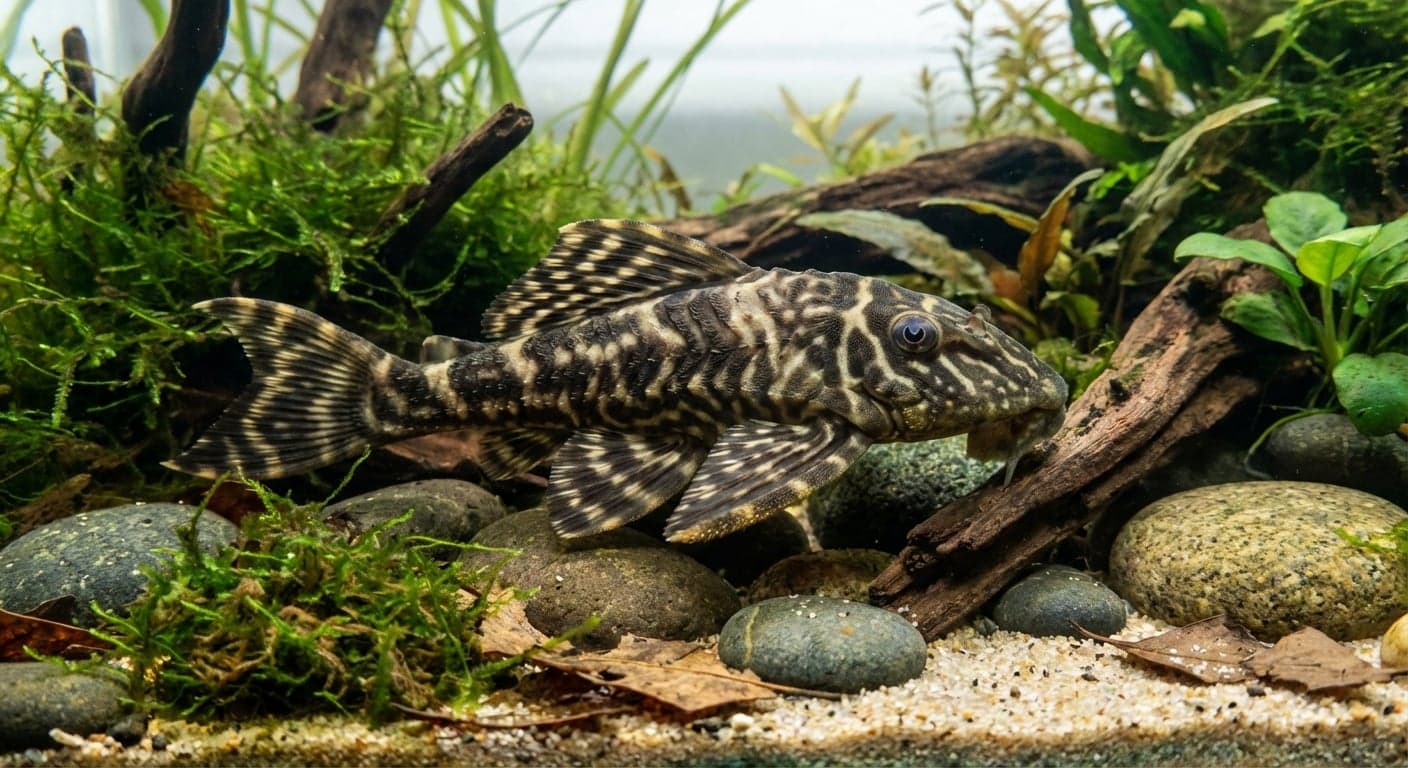
The substrate should consist of dark, soft sand or fine gravel to replicate the riverbeds of their natural habitat and minimize stress on their delicate barbels. Incorporating plenty of hiding spots using driftwood, caves, and abundant plants—especially floating vegetation—helps to mimic the Orange-striped Catfish's environment. Lighting should be subdued, as these fish thrive in dimly lit conditions typical of their natural habitats.
Diet & Feeding
The Orange-striped Catfish is omnivorous and benefits from a well-rounded diet to maintain its health and coloration. In captivity, this species thrives on high-quality flakes and pellets formulated for catfish, as well as sinking into the substrate. It is essential to supplement their diet with frozen or live foods, such as bloodworms, brine shrimp, and daphnia, to simulate their natural feeding behaviors.
Offering a varied diet not only enhances their colors and overall health but also mimics their diverse feeding habits in the wild. A combination of top-quality commercial foods and occasional treats will ensure that these catfish enjoy a balanced and nutritious diet.
Behavior & Temperament
The Orange-striped Catfish exhibits a peaceful temperament and is predominantly nocturnal, coming to life during the evenings. These catfish are social animals and, while they do not form tight-knit schools, they thrive best in small groups of three or more, as this allows them to express natural behaviors. In their search for food, they often explore the tank bottom and can be seen foraging among decorations and substrate.
Despite their docile nature, it's essential to monitor them for any signs of territoriality, especially during feeding times. The Orange-striped Catfish tends to occupy the lower levels of the tank, making them an ideal bottom-dweller in community aquariums.
Tank Mates
The Orange-striped Catfish is best kept with peaceful community fish that share similar water requirements. Compatible species include mid to large-sized community fish such as tetras, rasboras, danios, and other catfish species like Corydoras and Otocinclus. However, it's crucial to avoid aggressive or fin-nipping species, such as cichlids and certain barbs, which can cause stress or injury to the more passive Orange-striped Catfish.
When selecting tank mates, consider species that occupy different levels in the aquarium, ensuring that the Orange-striped Catfish has ample space to explore their bottom-dwelling territories without competition or harassment.
Breeding
Breeding the Orange-striped Catfish in captivity is a challenge due to specific environmental needs. Successful spawning typically requires an environment mimicking their natural breeding grounds, often accomplished with a separate breeding tank set to a slightly lower pH and elevated temperatures (28°C to 30°C or 82°F to 86°F).
This fish displays a form of parental care, with males sometimes guarding the eggs laid among vegetation and providing cover for the young fry until they are free-swimming. To encourage breeding, create a dimly lit environment with floating plants, which can facilitate silt accumulation and offer a safe area for spawning.
Common Health Issues
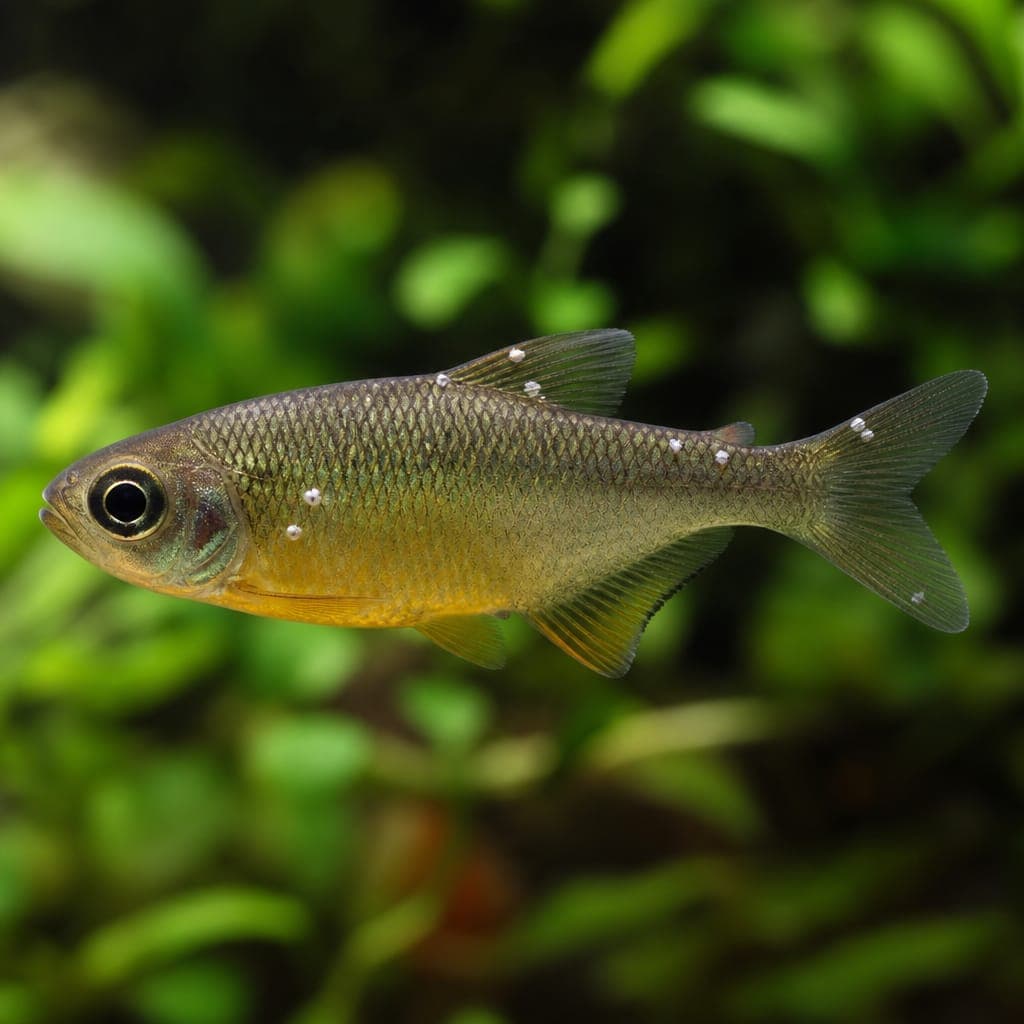
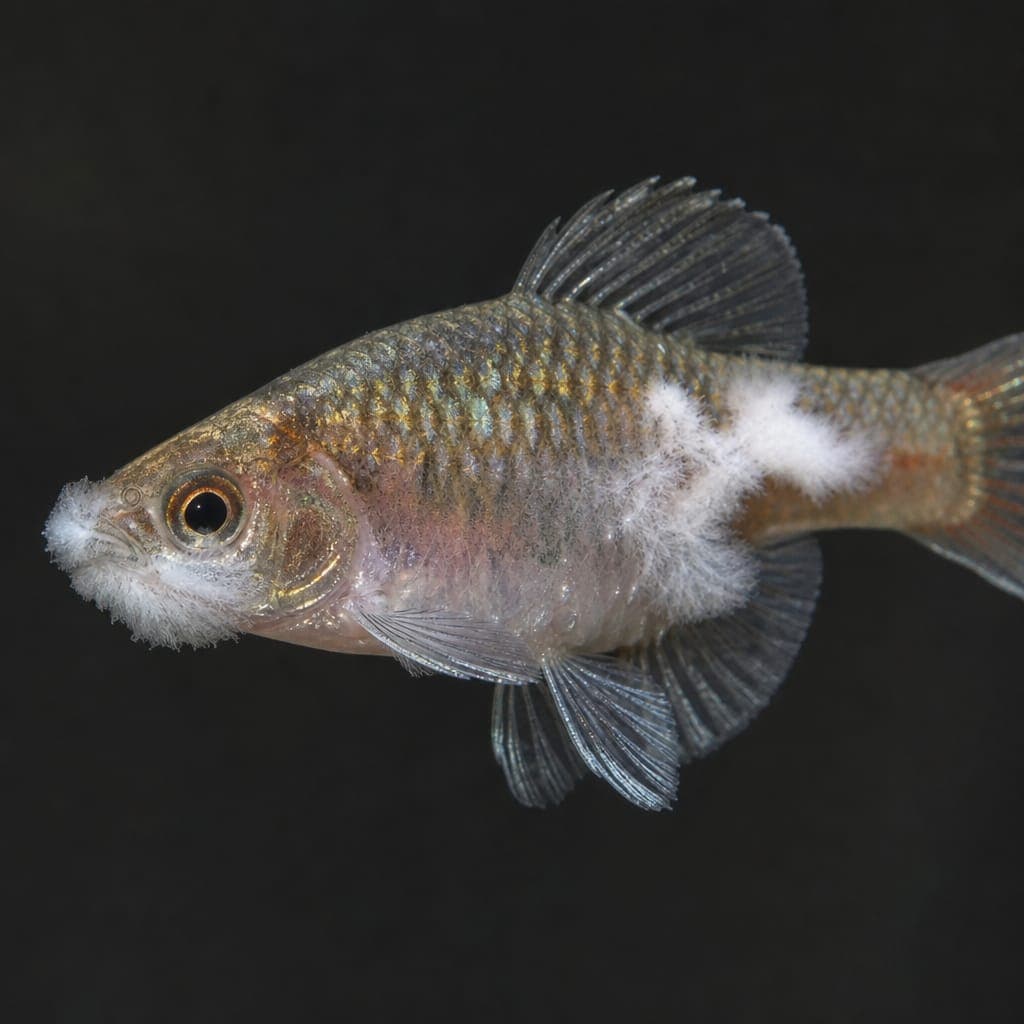
Orange-striped Catfish are generally hardy but can be susceptible to some common fish diseases, given the conditions are not met or maintained. Potential health issues include ich, fin rot, and fungus. Prevention is possible through proper water quality management, routine water changes, and a varied diet.
To maintain health, ensure that the tank is not overcrowded, feed high-quality foods, and regularly monitor water parameters. Implementing a proper quarantine protocol for new arrivals can also mitigate the introduction of pathogens into the aquarium.