Ornate Bichir: Polypterus ornatipinnis
The largest and most spectacularly patterned of the upper-jaw bichirs, featuring a prehistoric, dragon-like appearance.
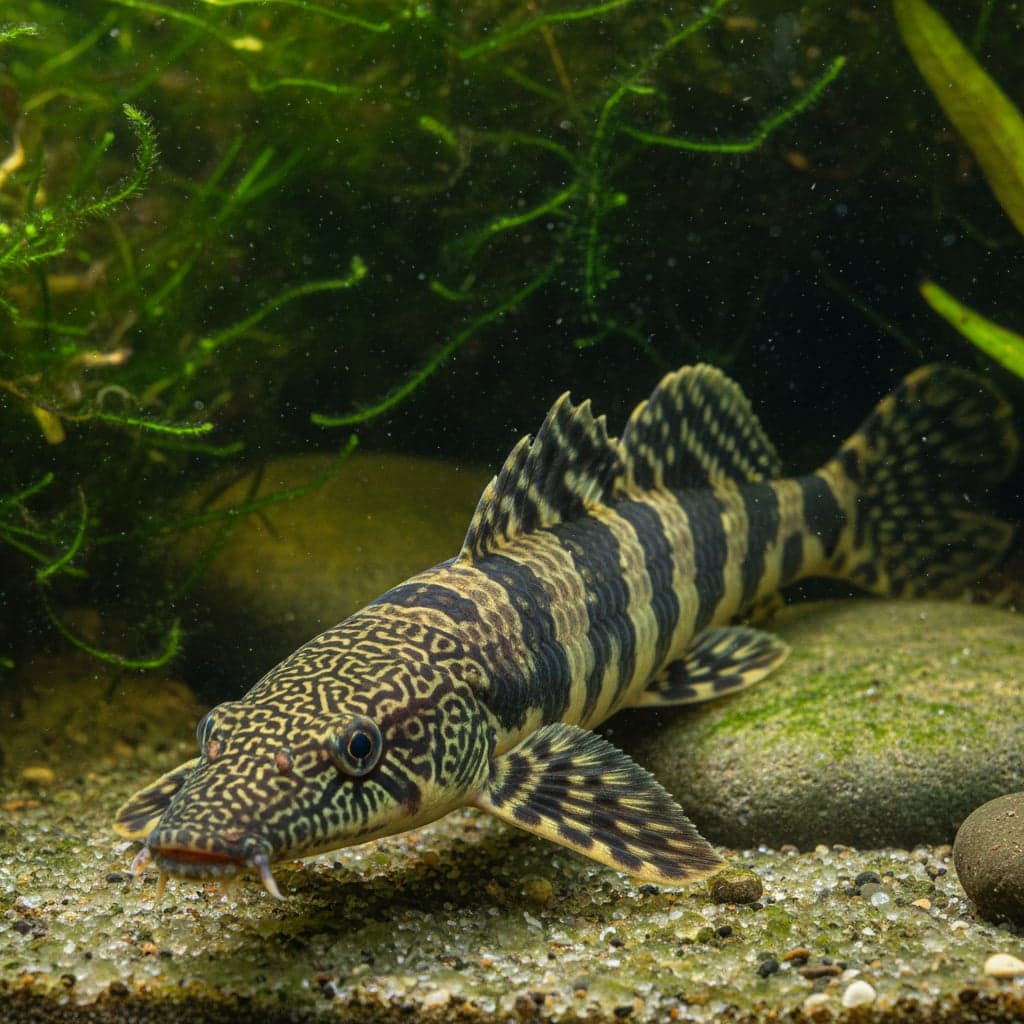
Ornate Bichir
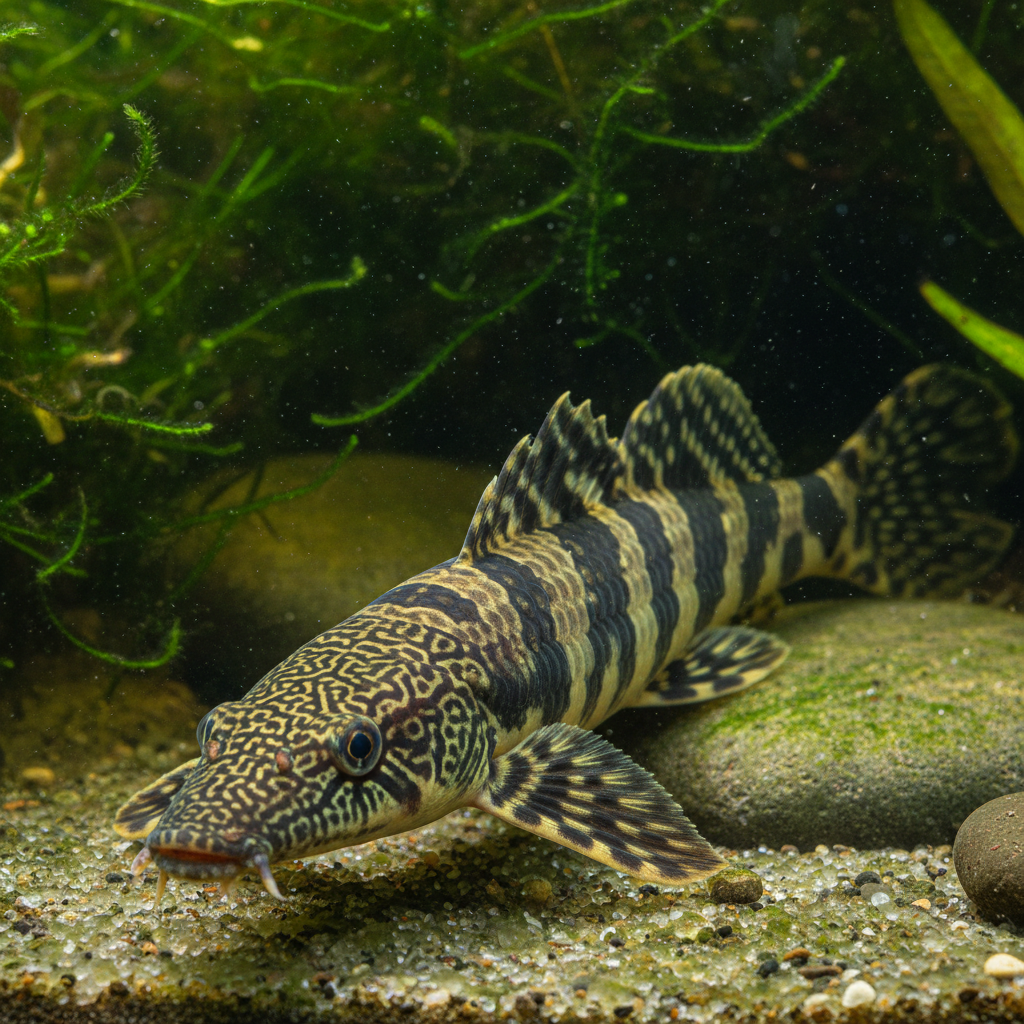
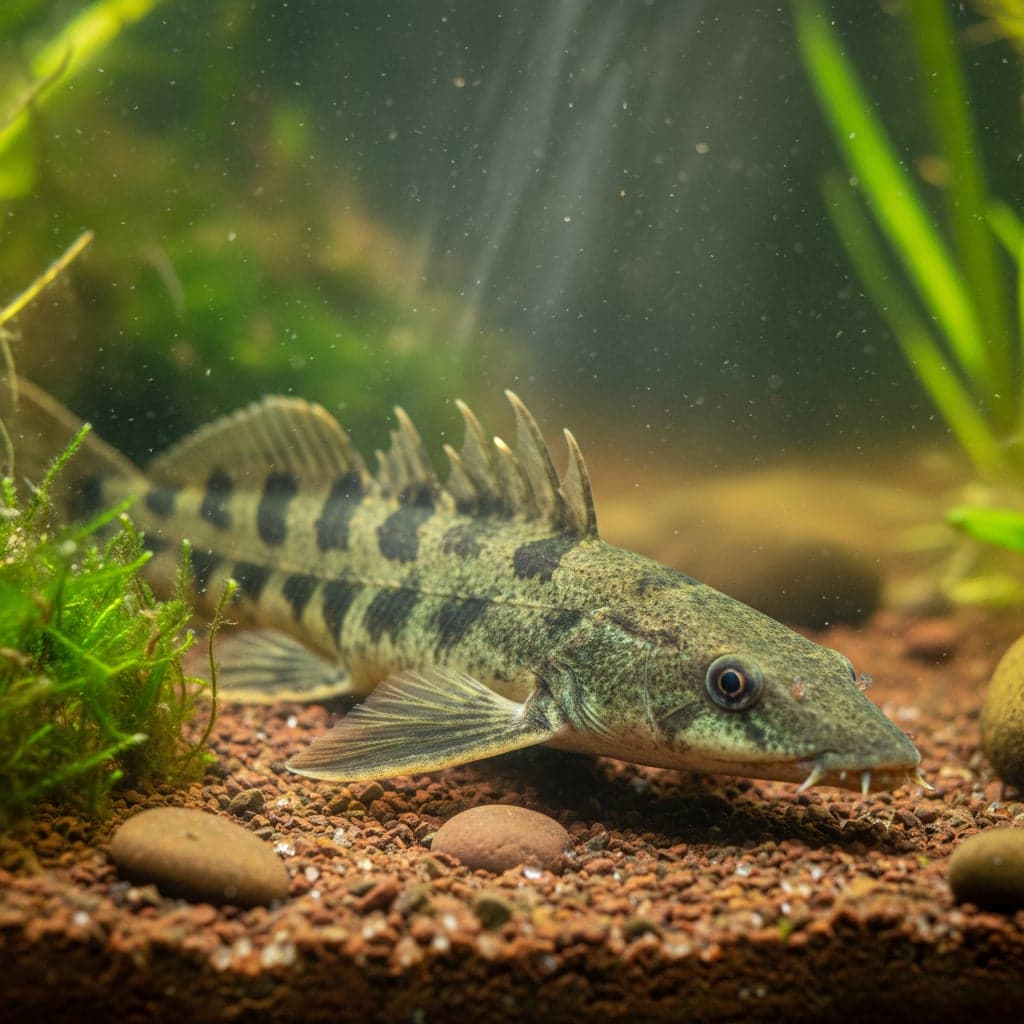
The Ornate Bichir (Polypterus ornatipinnis) is a fascinating and visually striking freshwater fish that captivates aquarium enthusiasts with its prehistoric appearance and unique behavior. Known for its elongated body, the Ornate Bichir is adorned with attractive, ornate fin extensions and a pattern of intricate scales that provide a stunning visual appeal. This species is a member of the Polypteridae family, renowned for their distinctive physical attributes, which evoke a sense of ancient aquatic life. The combination of its rugged exterior, large pectoral fins, and a series of dorsal finlets gives the Ornate Bichir a unique silhouette that stands out in any aquarium setup, contributing significantly to its popularity among hobbyists.
Beyond its visual allure, the Ornate Bichir holds ecological significance within its native habitat, serving as a predator and consequently playing a key role in maintaining the balance of its aquatic ecosystem. Its adaptability to various aquatic environments makes it an interesting subject for study and care in the aquarium hobby. With proper attention to their needs and habitat requirements, aquarists can successfully keep and enjoy these captivating creatures as they thrive in both natural and artificial environments.
Natural Habitat & Origin
The Ornate Bichir is primarily found in the swamps, lakes, and slow-moving rivers of Central and West Africa, particularly in regions such as the Congo River Basin and Lake Tanganyika. These water bodies typically exhibit low water movement and can often be classified as blackwater systems, characterized by dark, stained waters resulting from decomposing organic matter such as leaves and wood. This type of habitat provides the Ornate Bichir with a rich, diverse environment that offers shelter and ample food sources.
The environmental context of its natural habitat significantly influences the coloring and biology of the species. Ornate Bichirs thrive in warm, shallow waters, usually between 24°C to 28°C (75°F to 82°F), where they can conceal themselves among dense vegetation, submerged roots, and leaf litter. This habitat not only contributes to their coloration but also plays a crucial role in their respiratory adaptations, as they possess a modified swim bladder that allows them to breathe air when necessary, which is vital in poorly oxygenated waters.
Care Requirements
To provide a healthy environment for the Ornate Bichir in captivity, specific water parameters must be maintained. The ideal pH range is between 6.5 and 7.5, with temperatures kept consistently between 24°C to 28°C (75°F to 82°F). Water hardness levels should ideally be within the range of 5 to 15 dGH. Ornate Bichirs are sensitive to poor water quality; therefore, maintaining high water quality through regular water changes and efficient filtration is crucial for their wellbeing.
In terms of tank setup, a minimum tank size of 75 gallons is recommended due to their potential size and active nature. The substrate should consist of smooth gravel or sand, which allows the fish to sift through the substrate without injury. Providing ample hiding spots with driftwood, rocks, and live or artificial plants is essential, as it mimics their natural habitat and gives them security. Lighting should be moderate, allowing for both natural light cycles and plant growth without causing stress to the fish. While Ornate Bichirs can tolerate a range of conditions, an environment that closely resembles their natural habitat will promote better health and behavior.
Diet & Feeding
The Ornate Bichir is primarily carnivorous, although it can be categorized as an omnivore in the aquarium due to its willingness to eat a variety of foods. In their natural habitat, they feed on small fish, invertebrates, and various aquatic organisms. In captivity, a balanced diet should consist of high-quality pellets or flakes formulated for carnivorous fish, supplemented with proteins such as frozen or live food options including worms, shrimp, and small fish. It is important to provide dietary variety to ensure optimal health and color enhancement.
Feeding should occur once or twice daily, with only as much food as can be consumed in a short time frame, to prevent overfeeding and water quality issues. Additionally, incorporating occasional plant-based foods will help provide a more well-rounded diet, although plant matter should only complement their protein-rich diet rather than replace it.
Behavior & Temperament
Ornate Bichirs are generally considered peaceful but can exhibit territorial behavior, especially when it comes to their living space. They are primarily solitary hunters and can become aggressive towards smaller fish, which may be seen as potential prey. Although they do not require schooling companions, they can coexist with non-aggressive tank mates. Their behavior often leads them to occupy the bottom and middle levels of the tank, where they primarily seek shelter and hunt.
They are known for their curious nature, frequently exploring the tank's environment, and occasionally surfacing for air. As nocturnal predators, they may display more activity during the night, making it important for aquarium owners to provide plenty of hiding spots for them to retreat to when they feel threatened or during the day. Understanding their behavior is key to maintaining a harmonious aquarium environment.
Tank Mates
Selecting compatible tank mates for the Ornate Bichir can ensure a peaceful and thriving aquarium. Ideal tank companions include larger species that share similar water requirements, such as severums, rainbowfish, angelfish, and other medium to large cichlids. These species can withstand the Ornate Bichir's occasional territorial displays while also thriving within the same environmental conditions.
Conversely, smaller fish and those with long fins or slow movements should be avoided, as the Ornate Bichir's predatory instincts may lead to them being seen as prey. Species such as neon tetras, guppies, and other small community fish risk being targeted. It’s also advisable to avoid housing them with aggressive species that may cause stress or territorial disputes.
Breeding
Breeding Ornate Bichirs in captivity can be challenging, as they often require specific conditions to encourage spawning behavior. To stimulate breeding, a well-maintained, spacious tank with hiding spots is essential. Gradually increasing the water temperature to around 28°C (82°F) and performing partial water changes with slightly softer water can mimic the seasonal changes that trigger breeding.
During spawning, the male will often display courtship behavior by chasing the female and creating a suitable spawning site. Egg laying typically occurs on flat surfaces, such as smooth rocks or broad-leaved plants. After spawning, the eggs are usually fertilized externally. Generally, it is recommended to separate the adults from the eggs to prevent them from being eaten, as Ornate Bichirs may consume their own offspring if given the opportunity.
Common Health Issues
Ornate Bichirs are generally robust fish, but they can be susceptible to specific health issues if optimal care is not maintained. Common problems include ich (white spot disease), fin rot, and dropsy. Ich can be prevented through maintaining stable water parameters and minimizing stress. Early signs of fin rot include frayed fins and discoloration, which typically arise from poor water quality or injury; addressing these factors promotes healing.
Regular monitoring for signs of distress or illness, along with timely treatment of any observed health issues, can help keep Ornate Bichirs healthy. Additionally, providing a varied diet and maintaining a clean, well-aerated environment can significantly enhance their overall lifespan, vigor, and resilience in the aquarium.