The Oscar: Astronotus ocellatus
The "puppy dog" of the fish world. A large, intelligent cichlid that recognizes its owner, begs for food, and redecorates its tank every night.

Oscar
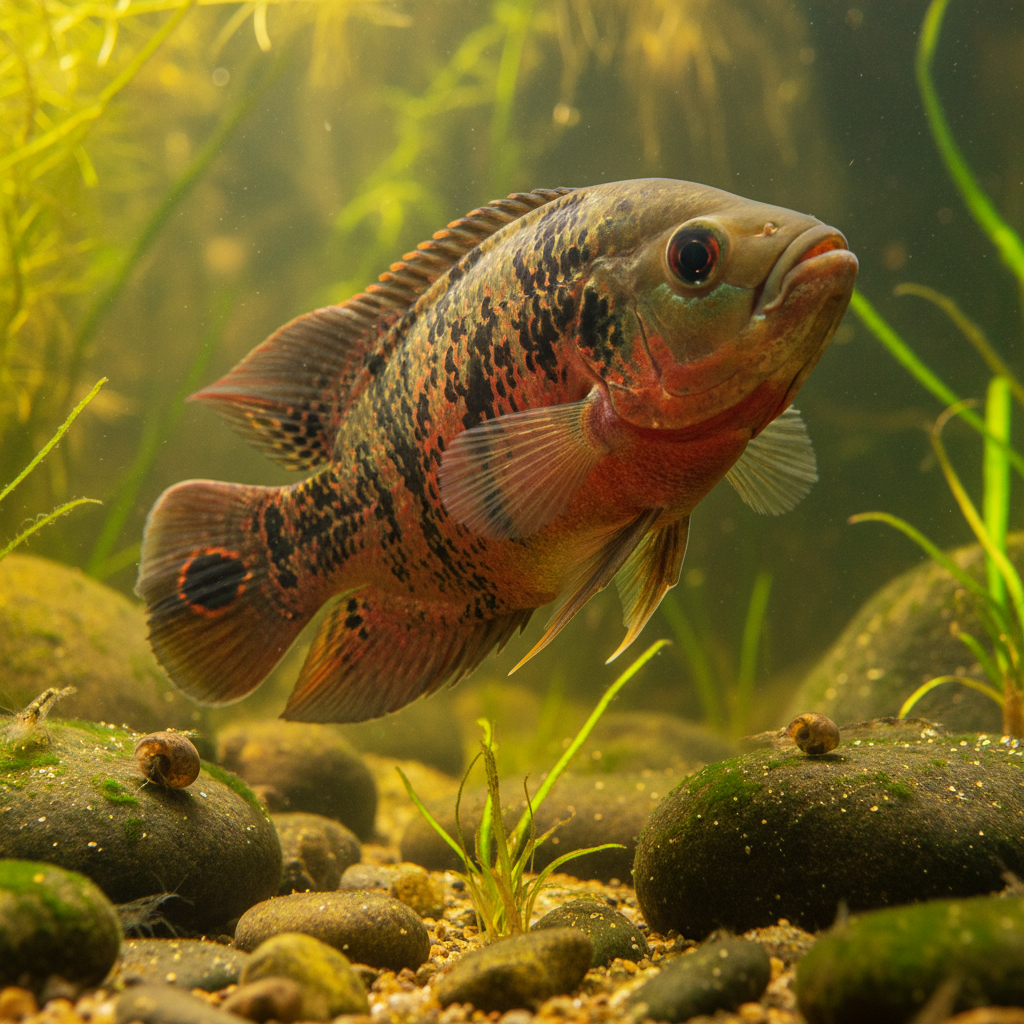
The Oscar (Astronotus ocellatus) is a popular freshwater fish cherished by aquarists for its striking appearance and vibrant personality. Known for their rich array of colors, Oscars can exhibit hues ranging from deep oranges to brilliant yellows, often complemented by intricate black patterns. These stunning fish can grow to impressive sizes, reaching up to 12-18 inches in length, making them not only visually captivating but also a centerpiece in larger tanks. Their dynamic movements and inquisitive nature contribute to their appeal, allowing them to engage actively with their environment and their keepers.
In the aquarium hobby, Oscars are significant due to their hardy nature and adaptability, making them suitable for both novice and experienced aquarists. They are highly intelligent and exhibit a range of behaviors that can be entertaining to observe. Their social interactions, like recognizing their owners and reacting to food offerings, enhance the experience of keeping them. Overall, the Oscar stands as a symbol of freshwater aquarium beauty and personality, drawing enthusiasts eager to provide for their needs in a well-maintained aquarium setup.
Natural Habitat & Origin
Oscars are native to the Amazon Basin, primarily found in countries such as Brazil, Colombia, and Peru. They inhabit a variety of freshwater environments, including slow-moving rivers, lakes, and floodplains, where they thrive in warm water conditions. The natural habitat of the Oscar is often characterized by a mixture of blackwater and clear water environments, with a dense assortment of aquatic vegetation and submerged structures, which provide essential cover and hunting grounds. These natural surroundings are rich in organic matter, contributing to the slightly acidic to neutral pH levels that Oscars prefer.
In the wild, Oscars are often found in areas with abundant leaf litter and sediments that create a soft substrate, allowing them to forage for food effectively. With their origins in such biodiverse ecosystems, it’s crucial for aquarists to mimic these conditions in captivity to promote optimal health and wellbeing. Understanding their natural habitat not only adds to an aquarist's appreciation for this species but also informs how best to recreate these elements in a home aquarium.
Care Requirements
When keeping Oscars, maintaining the right water parameters is crucial for their health. The ideal water temperature for Oscars ranges from 72°F to 81°F (22°C to 27°C). They thrive best in a slightly acidic to neutral pH, typically between 6.0 and 7.5, with water hardness ranging from 5 to 20 dGH. Regular water changes and filtration are vital to ensure high water quality given their size and potential bioload.
A minimum tank size of 55 gallons is recommended for a single Oscar, while larger sizes are advisable for larger individuals or if keeping multiple Oscars. The substrate should be soft, ideally sand or smooth gravel, to prevent injury. Tank decorations should include sturdy structures like rocks or driftwood, which should be arranged to form caves and territories. While Oscars enjoy bright lighting, providing shaded areas is also essential to simulate their natural habitat, making them feel secure. Live plants can be included, but robust species are recommended—Oscar’s territorial behavior can lead to plant damage.
Diet & Feeding
Oscars are omnivorous, though they lean heavily towards a carnivorous diet in the wild. In captivity, they require a varied diet to ensure optimal health and coloration. High-quality pellets specifically designed for cichlids are an excellent staple food choice, as they are packed with nutrients needed for growth. Additionally, Oscars benefit from a mix of frozen foods such as bloodworms, brine shrimp, and earthworms. For variety, occasional live foods can be offered, but these should be sourced from reputable suppliers to avoid introducing pathogens into the tank.
While Oscar fish can consume certain plant-based foods, it's crucial to limit these to avoid any digestive upset. Providing a mix of high-protein and plant options ensures a balanced diet. Feeding Oscars 1-2 times a day, accounting for their size and activity levels, can prevent overfeeding and maintain water quality. Monitoring their diet is essential, as Oscars can get overweight if overfed.
Behavior & Temperament
Oscars are known for their complex social interactions and unique personalities. They are generally regarded as territorial, particularly as they reach adulthood, and can display aggressive behaviors towards other fish, both during breeding and when establishing territory within the aquarium. Social hierarchy can often be observed, where one Oscar may dominate space over another, leading to aggressive encounters to assert dominance.
In terms of tank placement, Oscars tend to occupy the middle to lower sections of the aquarium, where they feel secure due to the cover provided by decorations. They are not shoaling fish and often prefer to establish themselves as solitary or in pairs. However, with proper introductions and compatible tank mates, they can coexist with other species, provided the environment allows for territory to be established without constant conflicts.
Tank Mates
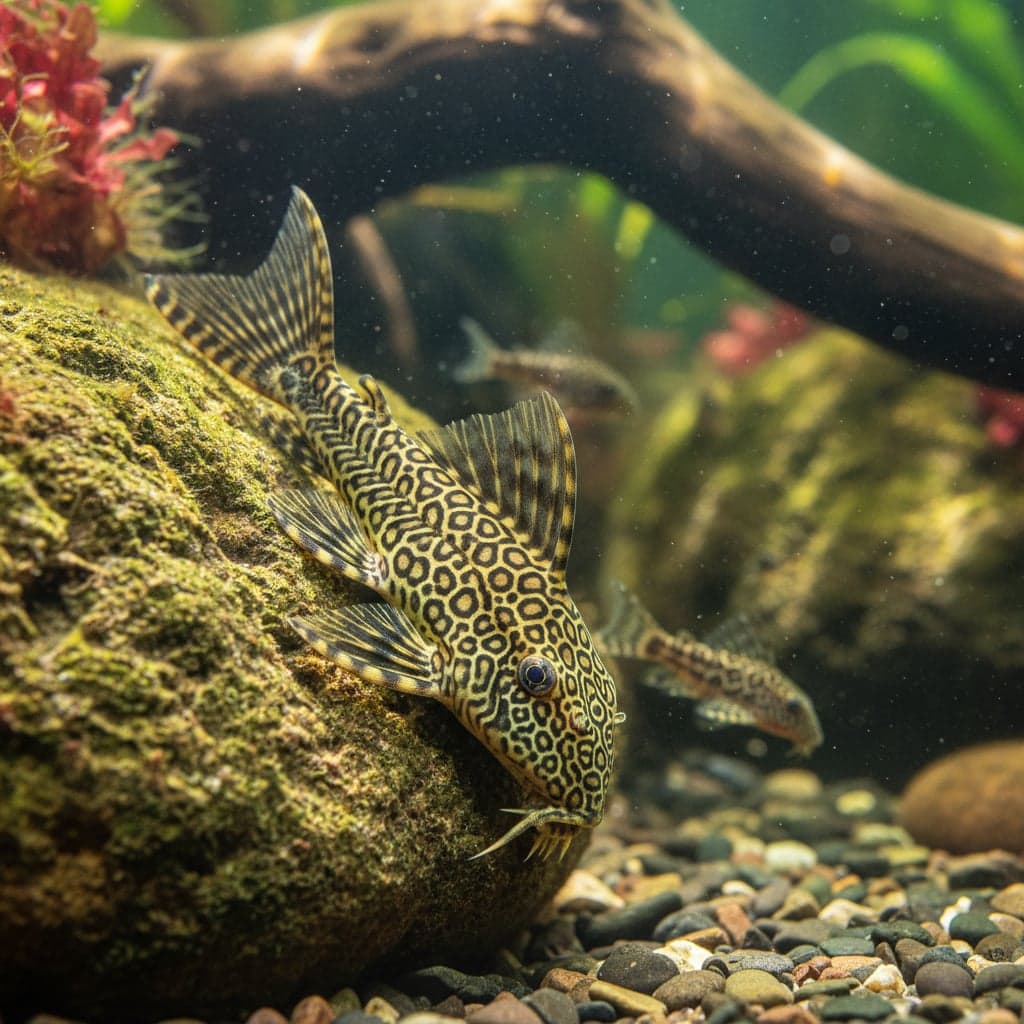
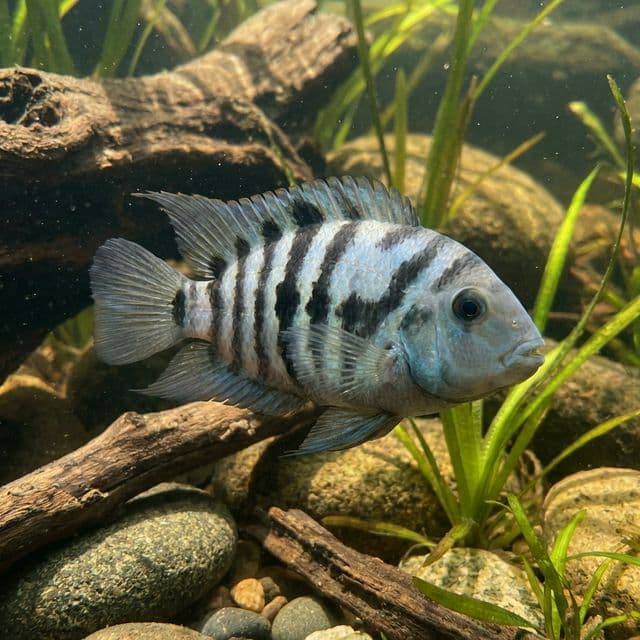
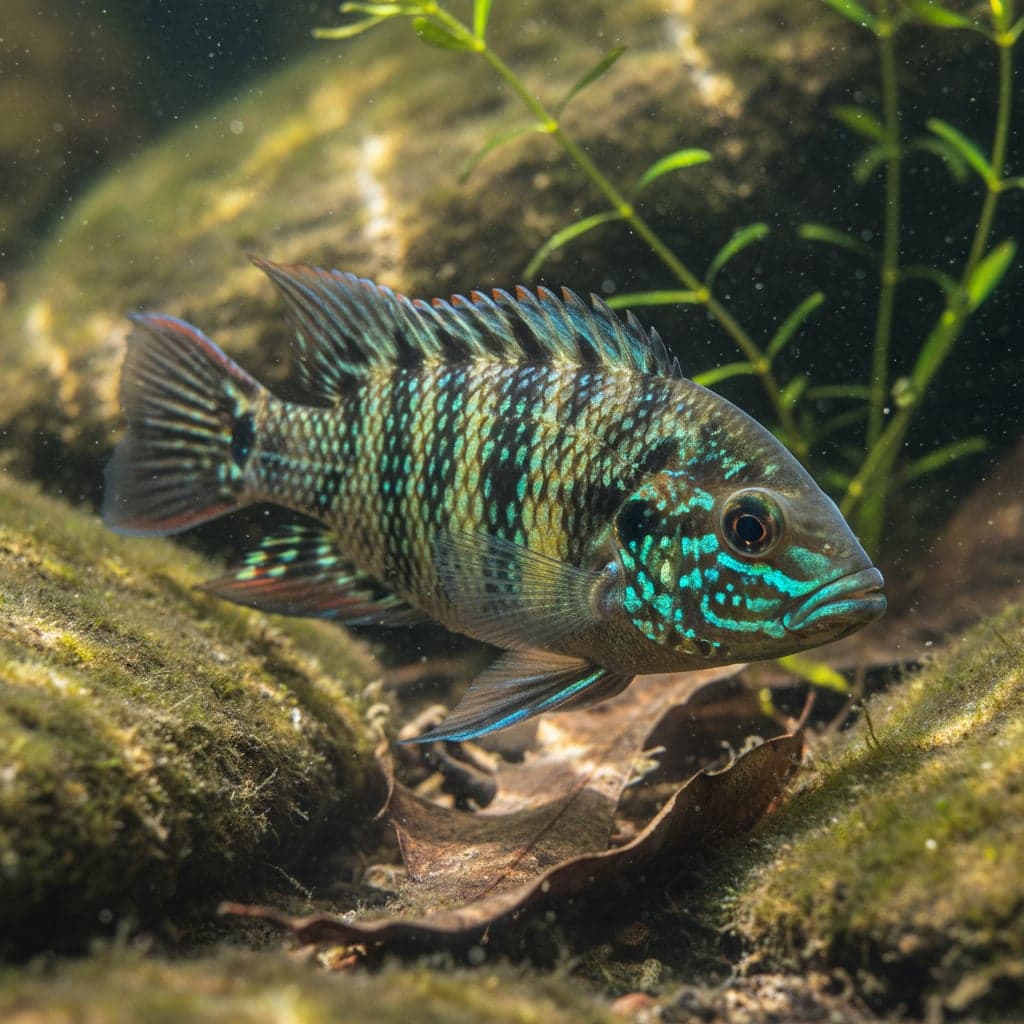
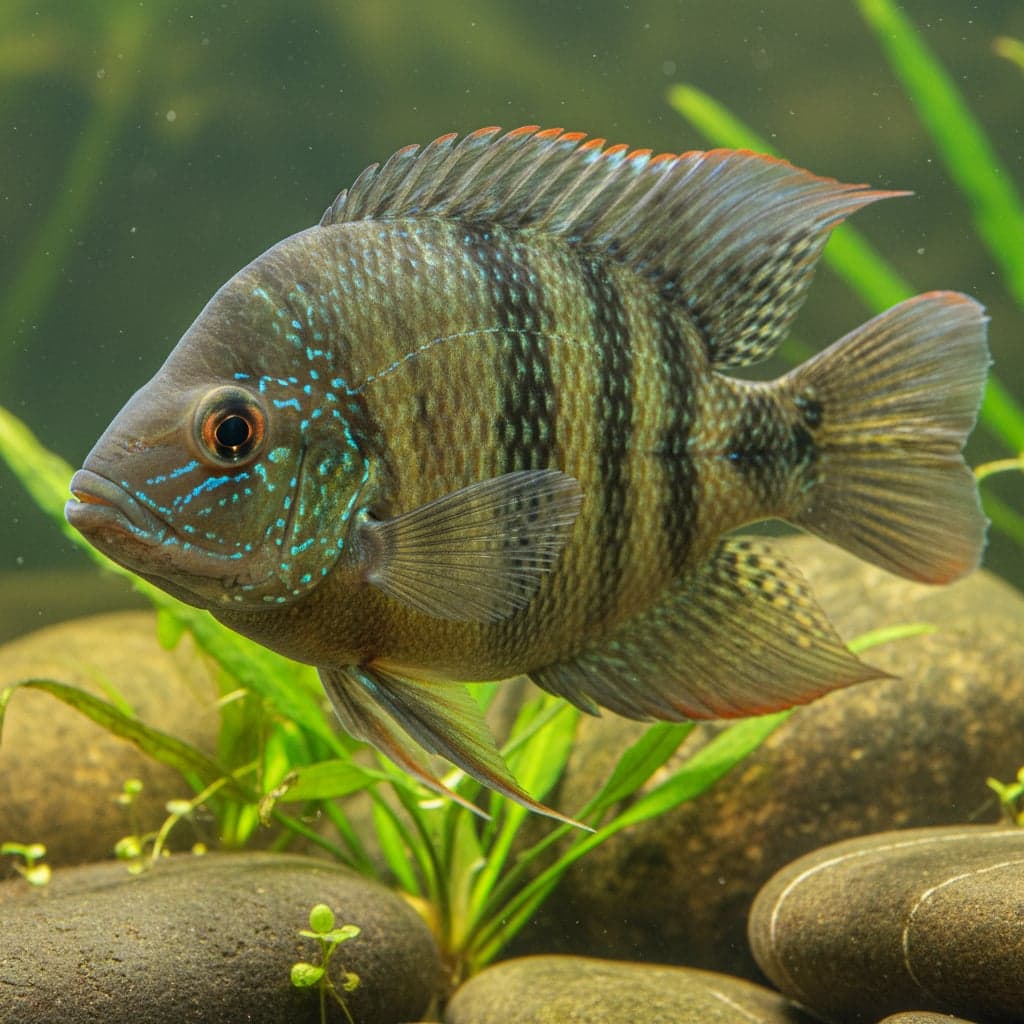
Selecting compatible tank mates for Oscars requires careful consideration due to their territorial and sometimes aggressive nature. Ideal companions include larger, robust species that can hold their ground, such as other cichlids like Severums and larger catfish, including the Plecostomus. Fish like Rainbowfish and larger barbs can also coexist well, given that they are fast enough to avoid potential aggression.
Conversely, small or timid fish should be avoided to prevent them from being bullied or eaten, as Oscars have a natural tendency to view such fish as prey. Community species, such as small tetras, most bottom feeders, or delicate species, are ill-suited for tanks housing Oscars. It’s essential to monitor interactions during the introduction phase and be prepared to rehouse any fish that may be overly stressed or harmed.
Breeding
Breeding Oscars can be a rewarding endeavor, although it requires specific conditions to encourage spawning behavior in captivity. Oscars are substrate spawners, meaning they prefer to lay eggs on flat, smooth surfaces after they have formed a breeding pair. The ideal breeding tank should be a spacious setup of at least 75 gallons with stable water parameters, slightly elevated temperatures around 78°F to 82°F (25°C to 28°C), and clean water.
Providing a flat surface, such as a large rock or a breeding cone, encourages the female to lay her eggs. Once the eggs are laid, the parents will guard the nest vigilantly until the eggs hatch (usually within 3-4 days). After hatching, the fry will need to be fed with finely crushed food or special fry foods until they are large enough to consume larger foods. It’s essential to provide cover and shelter for the fry to ensure their safety from parental aggression as they mature.
Common Health Issues
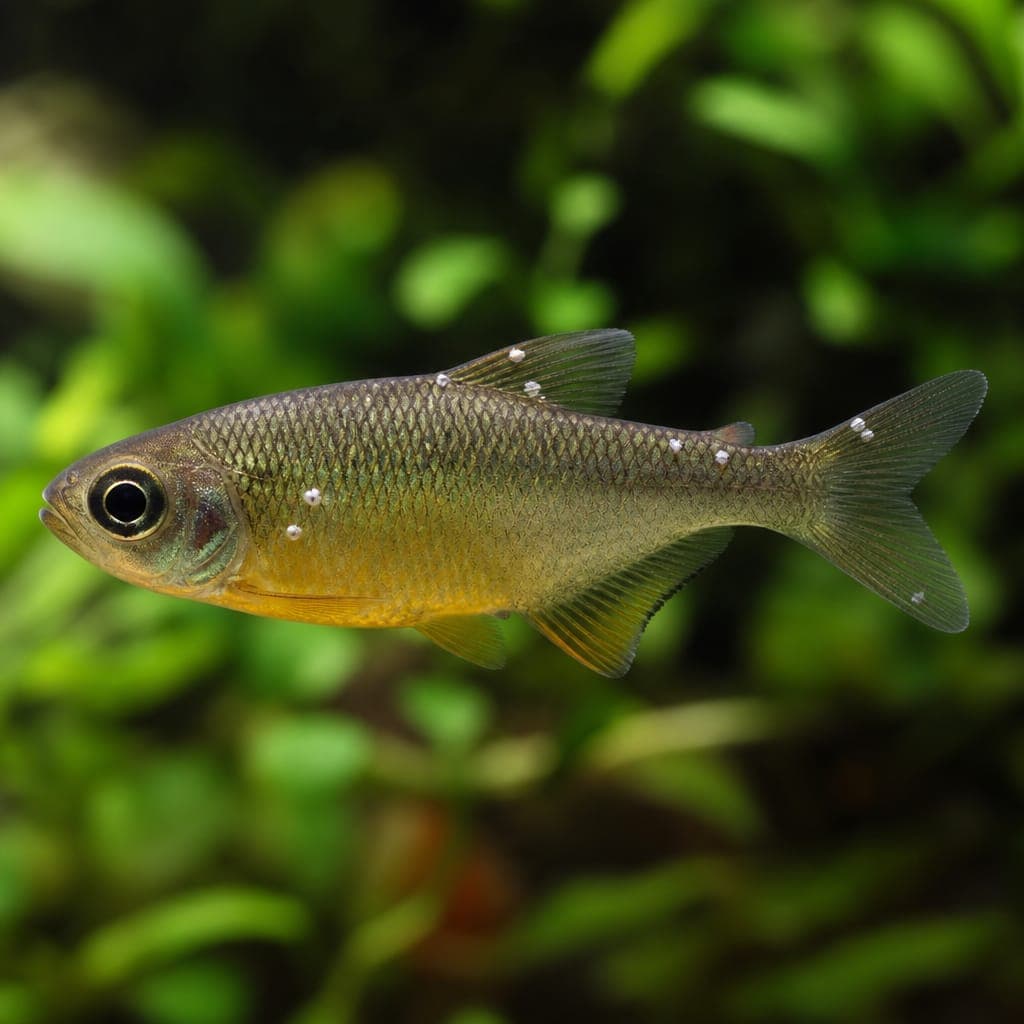
Like many freshwater fish, Oscars can be prone to various health issues, particularly if water quality is not adequately maintained. Common diseases include Ich (Ichthyophthirius multifiliis), which manifests as white spots on the body, and fin rot caused by poor water conditions. Regular monitoring of water parameters and ensuring proper filtration can greatly reduce the risk of these diseases.
Preventative measures such as quarantine for new arrivals, routine water changes, and a balanced diet are crucial for maintaining the health of Oscars. Additionally, stressing these fish can compromise their immune systems, making them susceptible to infections. Healthy, well-maintained environments support strong, resilient Oscars that thrive in captivity, minimizing the risk of common health issues.