Panda Dwarf Cichlid: Apistogramma nijsseni
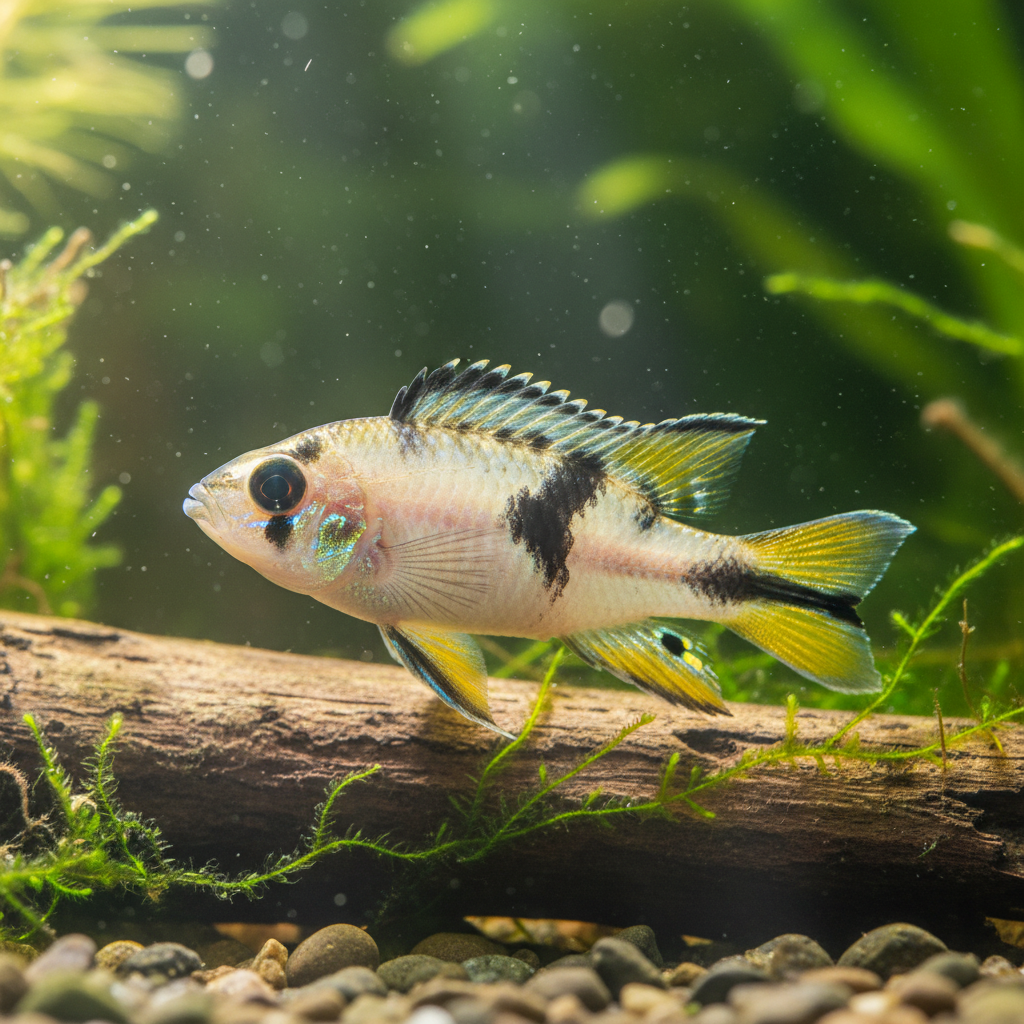
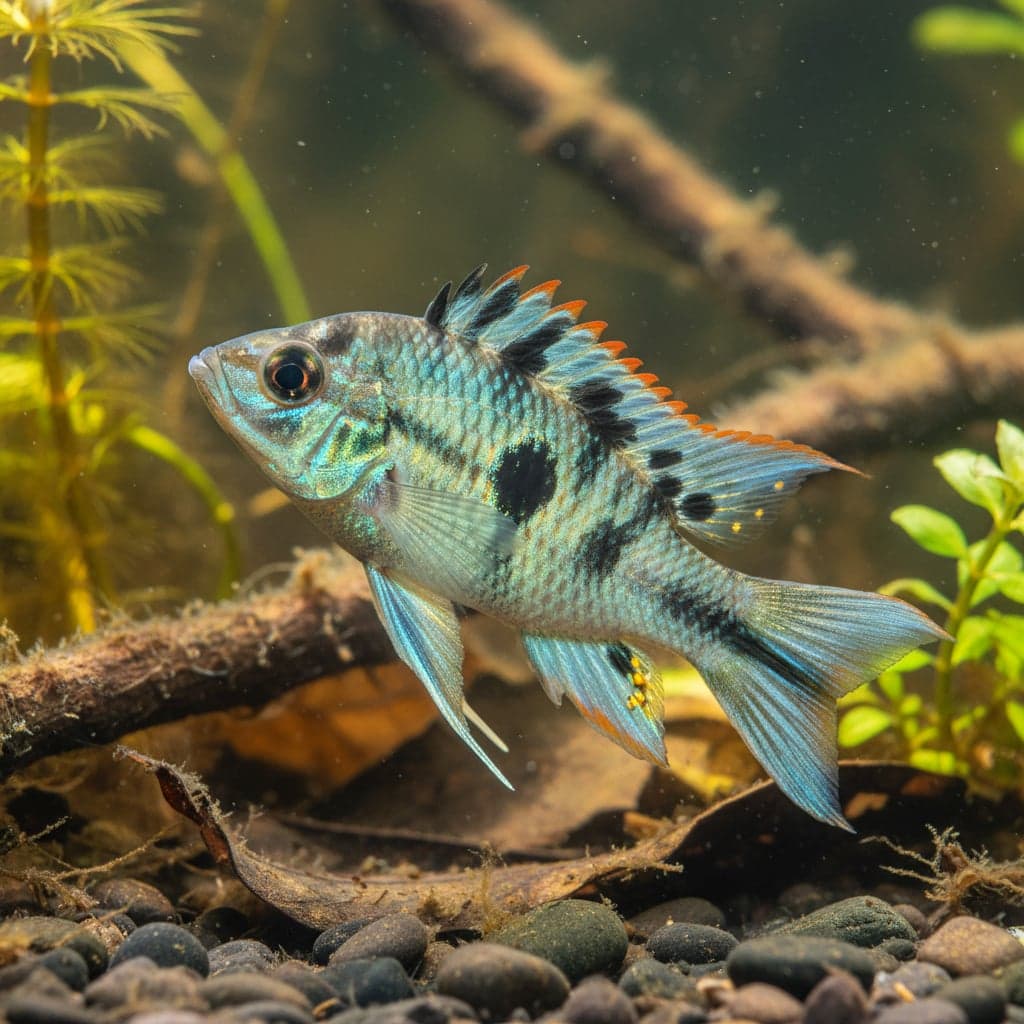
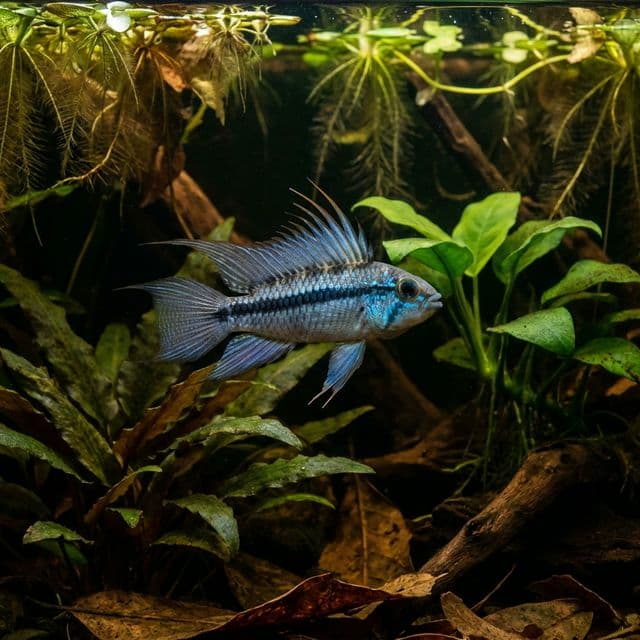
A robust South American dwarf cichlid where the female sports an incredibly vivid, striking "panda" pattern.

Panda Dwarf Cichlid
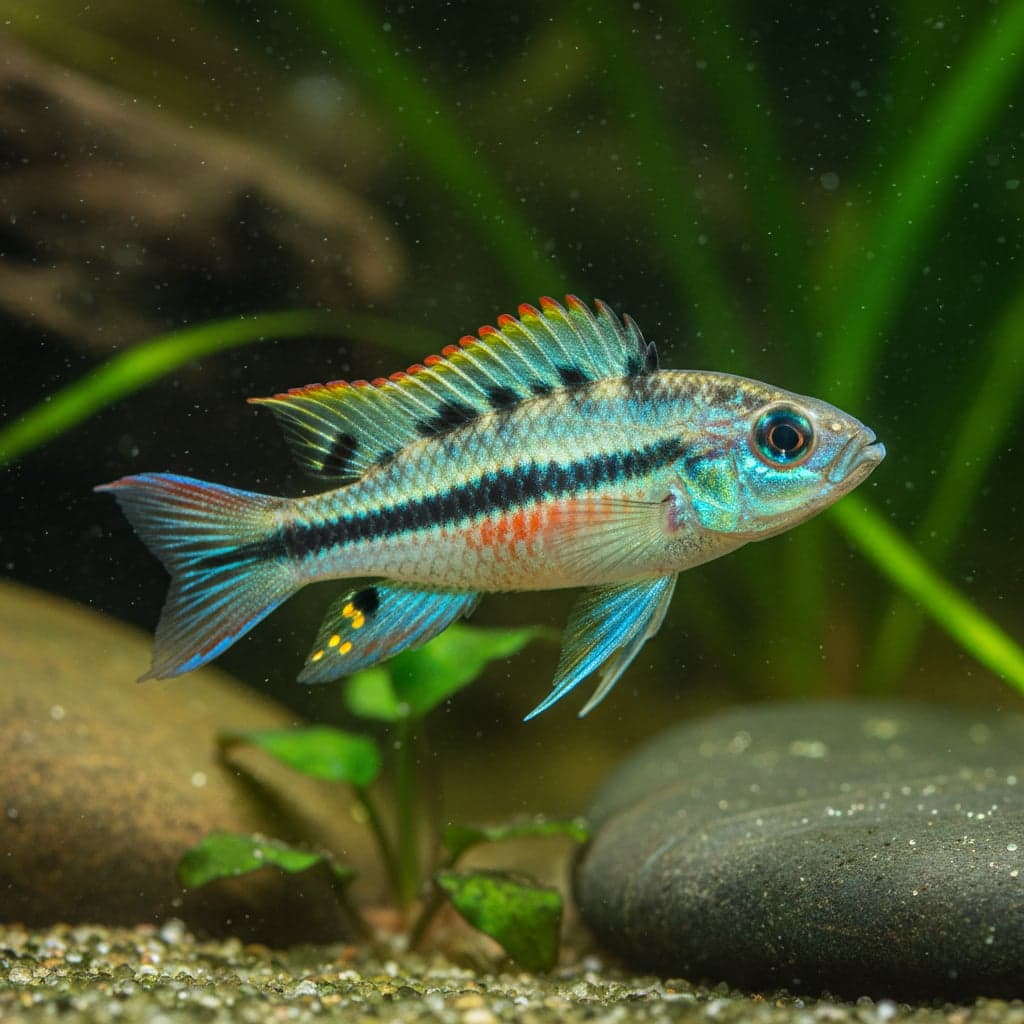
The Panda Dwarf Cichlid, known scientifically as Apistogramma nijsseni, is a visually striking freshwater fish species that captivates aquarists with its vibrant colors and intricate patterns. Displaying hues of blue, yellow, and black, this species is particularly notable for the distinctive panda-like markings along its body, adding to its charm and appeal in the aquatic hobby. As a member of the Cichlidae family, the Panda Dwarf Cichlid not only exemplifies unique beauty but also represents a fascinating aspect of aquatic biodiversity. Their captivating appearance and engaging behaviors make them a popular choice among both novice and experienced fishkeepers.
In the aquarium setting, the Panda Dwarf Cichlid stands out for its interactive nature and the diverse personality traits that these fish exhibit. They are known for their territorial behavior, particularly during the breeding season, lending a dynamic element to community tanks. Their significance extends beyond their aesthetic appeal; they also serve as ambassadors for the broader family of cichlids, showcasing the diversity and adaptability of these remarkable fish. With their manageable size and relatively easy care requirements, Panda Dwarf Cichlids contribute to the rich tapestry of life in home aquariums and promote an interest in the conservation of freshwater ecosystems.
Natural Habitat & Origin
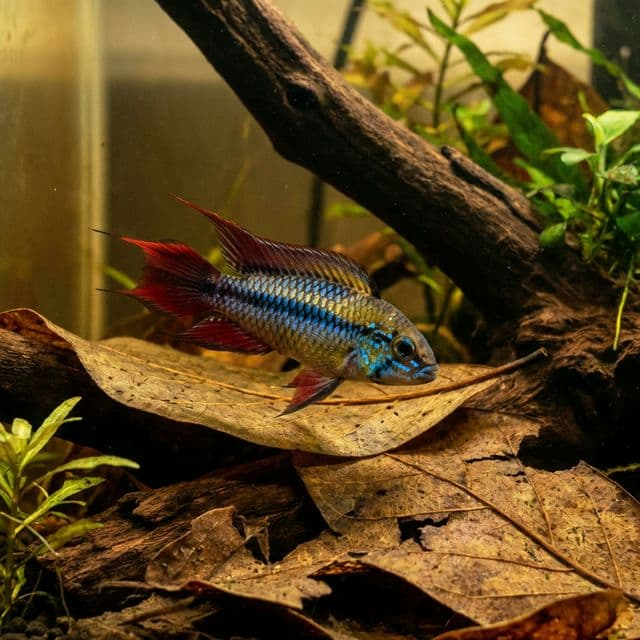
The Panda Dwarf Cichlid originates from the waters of South America, specifically the Amazon River basin and its tributaries in regions such as Colombia and Peru. These fish thrive in the slow-moving waters, where the environment is characterized by soft, acidic blackwater streams. The presence of decomposing leaf litter, submerged wood, and dense aquatic vegetation creates a shaded and complex habitat that provides shelter and breeding grounds. This natural setting crucially impacts their coloration and behavior, enabling aquarists to recreate these conditions in captivity for optimal health and display of natural traits.
Panda Dwarf Cichlids are adapted to water conditions that often include a low pH (around 5.5 to 7.0), a slightly warm temperature range from 76°F to 82°F (24°C to 28°C), and low to moderate hardness levels. Understanding their natural habitat is essential for maintaining their well-being in aquariums, as replicating such environmental parameters can lead to increased vitality and longevity in these beautiful fish.
Care Requirements
In terms of care requirements, the Panda Dwarf Cichlid thrives in a well-maintained environment that mimics its natural habitat as closely as possible. The minimum tank size recommended for keeping these cichlids is 20 gallons, allowing sufficient space for territorial behavior and breeding. It's crucial to incorporate a substrate of fine sand or small gravel, as this not only mimics their natural seabed but also facilitates the digging behavior typical of cichlids. Low to moderate lighting is ideal, creating shaded areas through the strategic placement of driftwood and plants, which are essential for creating a sense of security.
Maintaining stability in water parameters is essential for the health of the Panda Dwarf Cichlid. The ideal water conditions include a pH of 5.5 to 7.0, a temperature range of 76°F to 82°F (24°C to 28°C), and general hardness levels (dGH) between 2 to 10. Regular water changes and the use of a quality filtration system can help in sustaining these parameters and ensuring a thriving environment for your aquatic inhabitants.
Diet & Feeding
The Panda Dwarf Cichlid is classified as an omnivore, which means it can thrive on a varied diet comprising both plant and animal matter. In captivity, these fish should be offered high-quality flake or pellet foods specifically formulated for cichlids, supplemented with frozen or live foods such as brine shrimp, bloodworms, and daphnia to promote health and vibrant colors. Offering a range of foods not only supports their nutritional needs but also encourages natural foraging behaviors, making feeding time an engaging experience.
Frequent small feedings are recommended to mimic their natural feeding patterns and minimize waste accumulation in the tank. It is important to avoid overfeeding, as excess food can lead to water quality issues and potential health concerns. Including blanched vegetables like zucchini or spinach can provide additional fiber in their diet, promoting overall digestive health.
Behavior & Temperament
The Panda Dwarf Cichlid is known for its dynamic social behavior, exhibiting a blend of curiosity and territoriality. Typically, these fish are best kept in pairs or small groups, with males displaying protective instincts, especially during breeding periods. Although they are generally considered peaceful, males can become aggressive towards one another if space is not adequate, particularly when competing for a mate. Thus, providing ample hiding spots and visual barriers through plants and decorations is vital in ensuring a harmonious environment.
In the tank, Panda Dwarf Cichlids are often observed occupying the lower regions, particularly near the substrate, where they feel most secure. They exhibit playful interactions, darting in and out among decorations and plants, making them an engaging fish to observe. Compatibility with other species is certainly possible; however, care should be taken to select tank mates that won’t threaten their natural behaviors or provoke aggression.
Tank Mates
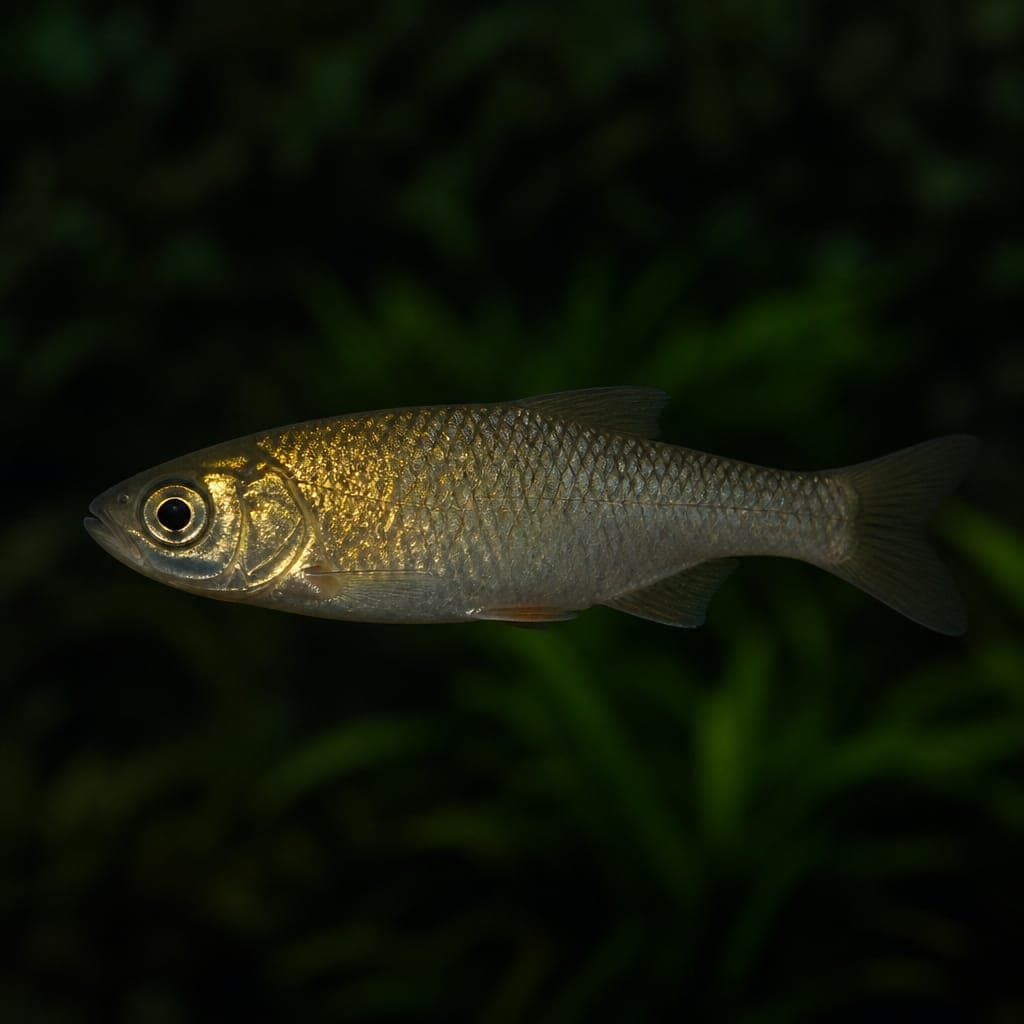
When selecting tank mates for your Panda Dwarf Cichlid, it's important to choose peaceable species that can coexist without trouble. Recommended companion fish include other small, non-aggressive community fish such as tetras, rasboras, and nanostomus species. Bottom dwellers like Corydoras catfish can also make ideal companions, as they occupy different levels of the tank and are generally compatible with cichlids.
However, certain species should be avoided to minimize aggression and territorial disputes. Larger or more boisterous fish, such as angelfish or barbs, can stress or bully the Panda Dwarf Cichlid. Additionally, avoid keeping multiple males in the same tank to prevent intense territorial fighting. Thoughtful selection of tank mates can help foster a peaceful community tank environment suited for all residents.
Breeding
Breeding the Panda Dwarf Cichlid can be a rewarding endeavor for aquarists. These fish are cave spawners, meaning they prefer to lay their eggs in secluded areas. To encourage breeding, it’s helpful to provide caves or dark hiding spots where a female can lay her eggs, often depositing up to 100 eggs. The ideal water conditions for breeding include lower pH levels around 6.0 to 6.5 and slightly elevated temperatures around 80°F (27°C). This mimics the seasonal changes in their natural habitat and stimulates spawning behavior.
Once the eggs are fertilized by the male, they typically hatch within 48 to 72 hours. During this time, the parents will exhibit protective behaviors, guarding the eggs from perceived threats. Providing a separate breeding tank might be beneficial, as this allows for lower stress conditions for the parents, increasing the survival rate of the fry. After the fry are free swimming, they can be fed small live foods or specialized fry food to promote healthy growth.
Common Health Issues
Panda Dwarf Cichlids are generally hardy fish; however, they can be susceptible to several common diseases if not properly cared for. These include ich (Ichthyophthirius multifiliis), fin rot, and velvet disease. Maintain optimal water quality through regular water changes, stable soft acidic parameters, and thorough filtration. Quarantine new fish, avoid overcrowding, and offer a varied diet of quality pellets plus frozen or live foods to strengthen immunity. Provide caves and leaf litter so shy individuals can rest without stress. Prompt treatment of white spots, frayed fins, or unusual lethargy helps Panda Dwarf Cichlids stay healthy and colourful.