Panduro Dwarf Cichlid: Apistogramma panduro
A beautiful, robust dwarf cichlid closely related to the Nijsseni, featuring iridescent blue masking and spectacular finnage.
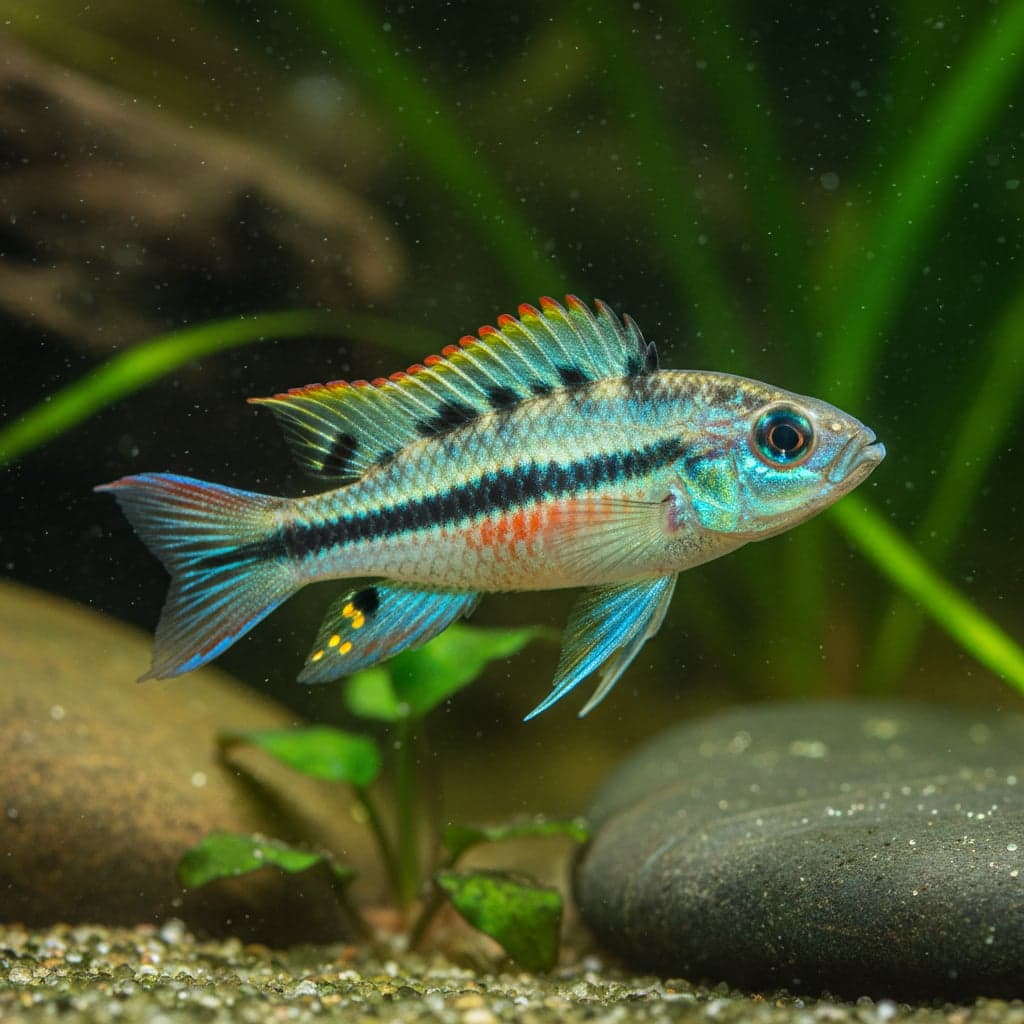
Panduro Dwarf Cichlid
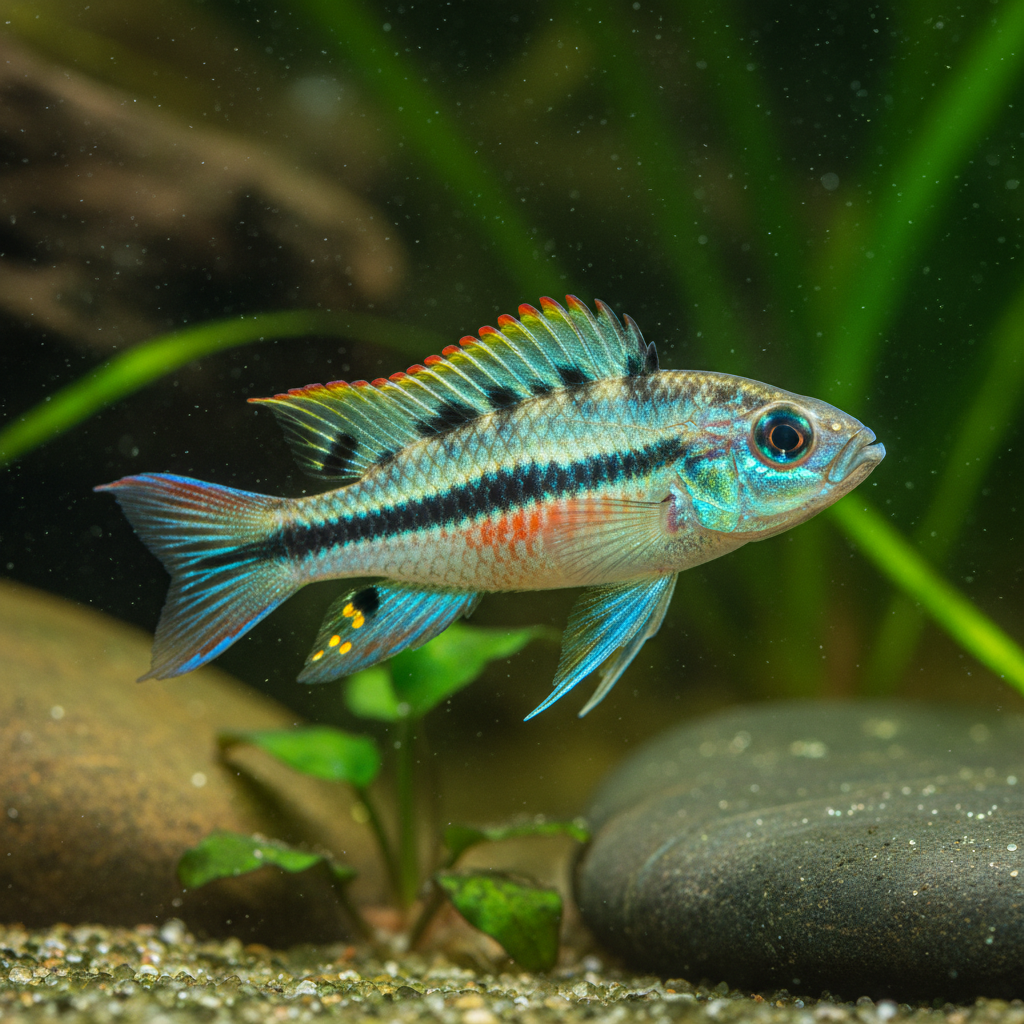
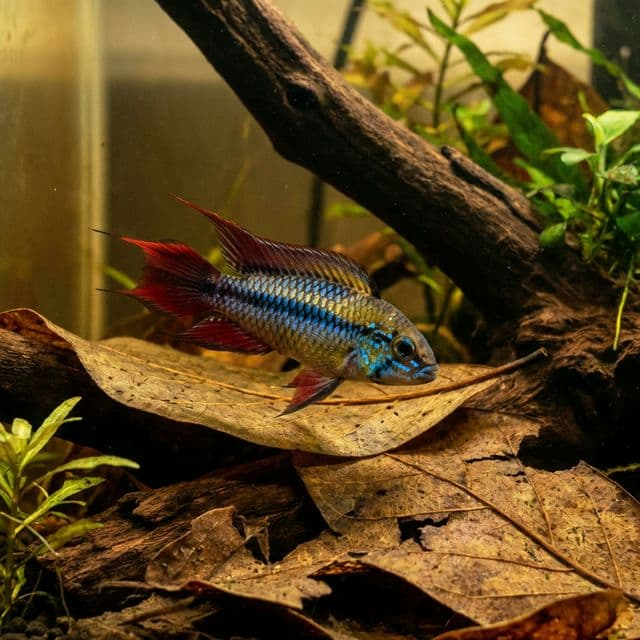
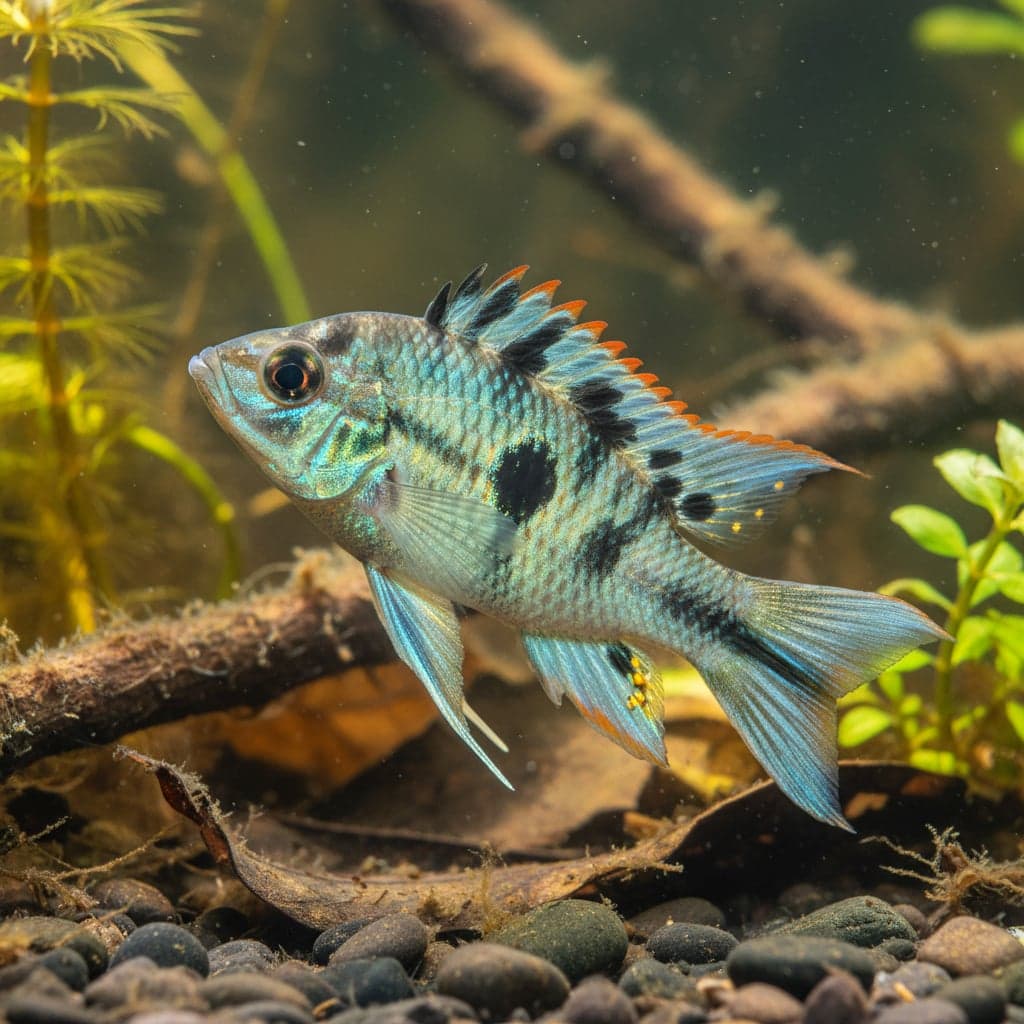
The Panduro Dwarf Cichlid (Apistogramma panduro) is a stunning freshwater fish that captivates aquarists with its vibrant colors and intricate patterns. Originating from the Orinoco River basin in Venezuela, this small cichlid typically reaches a length of about 2.5 to 3 inches. Its aesthetic appeal lies in its striking blend of yellows, blues, and blacks, particularly in males, which display a vivid blue sheen across their bodies alongside bright orange and yellow accents. The intricate markings and fin shapes of the Panduro Dwarf Cichlid make it a sought-after species for aquarists looking to create eye-catching displays in their tanks.
In addition to its visual allure, the Panduro Dwarf Cichlid holds significance in the aquarium hobby for its unique behaviors and adaptability to aquarium life. These fish are known for their engaging and territorial nature, making them fascinating to observe, especially during breeding activities. Their relatively small size and manageable care requirements also make them appealing to both beginners and experienced aquarists alike, contributing to their popularity in the community.
Natural Habitat & Origin
The Panduro Dwarf Cichlid is native to the Orinoco River basin in Venezuela, where it thrives in slow-moving waters and dense vegetation. This area is characterized by a warm climate, typically with high humidity and a well-defined wet season. The water in which these fish are found is predominantly blackwater, meaning it is stained with organic materials such as tannins from decomposed plant matter, giving it a dark coloration. The pH levels of their natural habitat range from slightly acidic to neutral, and the water is generally soft to moderately hard. This unique environment not only shapes the Panduro Dwarf Cichlid's physical characteristics but also influences its social behaviors and breeding practices.
In their natural habitat, these fish inhabit shallow areas with ample cover from fallen branches, leaf litter, and dense aquatic plants. Such conditions provide hiding spots vital for breeding and territorial disputes. Understanding the environmental context of the Panduro Dwarf Cichlid is crucial for replicating their habitat in an aquarium setting to ensure their health and well-being.
Care Requirements
To provide optimal care for the Panduro Dwarf Cichlid, it is essential to maintain specific water parameters. The ideal water temperature ranges from 75°F to 82°F (24°C to 28°C), with a pH level between 6.0 and 7.0. Soft water with a hardness of 2-8 dGH is recommended to create a comfortable environment. When setting up an aquarium, a minimum tank size of 20 gallons is advised to give these fish enough space to establish territories.
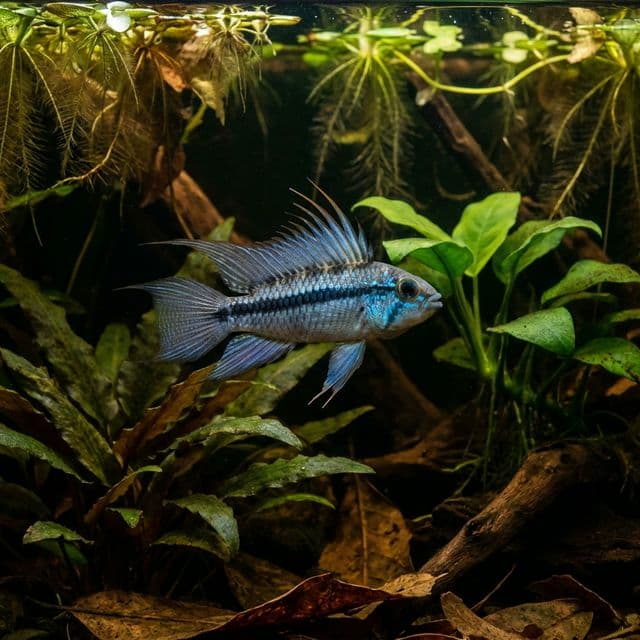
For substrate, a fine-gravel or soft sand bottom is ideal, allowing the fish to dig and exhibit natural behaviors. Incorporating driftwood, rocks, and dense vegetation will also enhance the tank's aesthetics while providing hiding spots essential for their comfort. Moderate lighting is recommended, simulating the dimly lit waters of their native habitat. Live plants such as Java moss, Anubias, and Cryptocoryne not only beautify the tank but also contribute to water quality by absorbing excess nutrients.
Diet & Feeding
The Panduro Dwarf Cichlid is primarily an omnivore, enjoying a varied diet that includes both plant matter and protein sources. In captivity, they thrive on high-quality flake and pellet foods that are specifically formulated for cichlids. Additionally, incorporating frozen or live foods such as brine shrimp, daphnia, and bloodworms can significantly enhance their diet, providing essential nutrients and promoting vibrant coloration.
Feeding should occur two to three times a day, with small amounts to prevent overfeeding, which can lead to poor water quality. It is beneficial to provide a balanced diet by alternating between high-quality foods and occasional vegetable-based supplements like spirulina flakes or blanched greens, ensuring they receive the necessary dietary diversity to thrive.
Behavior & Temperament
The Panduro Dwarf Cichlid is known for its intriguing social behavior and distinct hierarchy within its territories. Generally, they exhibit a peaceful demeanor, especially when kept in appropriate social groups. Males can be territorial, particularly during breeding, so it's essential to provide ample space and hiding places to minimize aggression. They tend to prefer mid to lower levels of the aquarium, often utilizing caves or crevices for security and breeding.
These fish are not schooling fish but thrive in small groups, typically with one male to several females to ensure a balanced social structure and reduce stress. Observers often find them displaying colorful courtship behaviors, making them captivating additions to any cichlid enthusiast's aquarium.
Tank Mates
When selecting tank mates for the Panduro Dwarf Cichlid, it is crucial to choose compatible species that will not provoke their territorial instincts. Ideal tank mates include smaller community fish such as Cardinal Tetras, Corydoras Catfish, and other peaceful dwarf cichlids like Apistogramma cacatuoides. Additionally, certain species of rasboras and tetra schools can complement their peaceful nature.
However, it's essential to avoid larger or overly aggressive fish that could stress or harm the Panduro Dwarf Cichlid, such as larger cichlids, barbs, or fish known for fin-nipping behavior. Creating a balanced community tank with compatible species ensures a harmonious environment, allowing all inhabitants to thrive while enhancing the overall aquatic ecosystem.
Breeding
Breeding the Panduro Dwarf Cichlid in captivity can be a rewarding endeavor. These fish are substrate spawners, meaning they lay eggs on flat surfaces such as smooth rocks or leaves. A breeding pair can be recognized by the male's vibrant coloration and the female's rounder abdomen as she approaches spawning readiness. To encourage breeding, it is vital to create a well-planted environment with plenty of hiding spaces and dark-colored surfaces.
The ideal breeding conditions include slightly warmer water temperatures between 78°F to 82°F (26°C to 28°C) and a pH that remains close to neutral. After spawning, the female will guard the eggs fiercely, and it is not uncommon for the male to assist in protecting the territory. Parents exhibit attentive behaviors by fanning the eggs, ensuring their proper oxygenation. Once the eggs hatch, the fry should be fed infusoria or finely crushed flake food until they are large enough to accept larger food particles.
Common Health Issues
While generally hardy, the Panduro Dwarf Cichlid can be susceptible to certain health issues, particularly if not kept in ideal conditions. Common ailments include ich (ichthyophthirius), fin rot, and various bacterial infections. Ensuring water quality is paramount; regular testing and maintenance of water parameters can help prevent stress-related diseases.
Quarantining new fish before introducing them to the main tank can also reduce the risk of disease outbreaks. Providing a varied diet, regular water changes, and maintaining a stable environment are key preventative measures to keep the Panduro Dwarf Cichlid healthy and thriving. Regular observation for signs of distress or uneaten food will also aid in early detection of health issues, ensuring their long-term well-being in the home aquarium.