Peacock Spiny Eel: Macrognathus siamensis
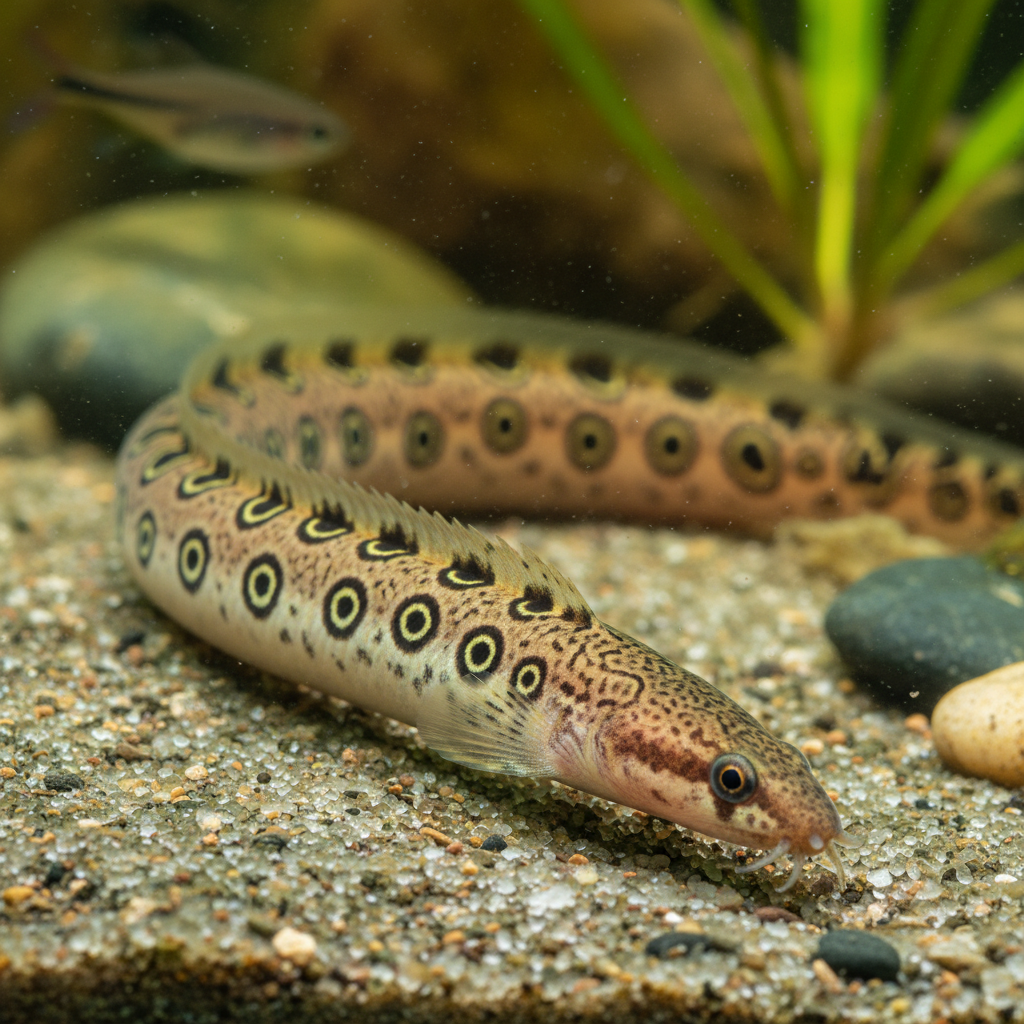
A fascinating, completely peaceful oddball fish featuring a long, pointed snout and distinct eye-spots along its tail.
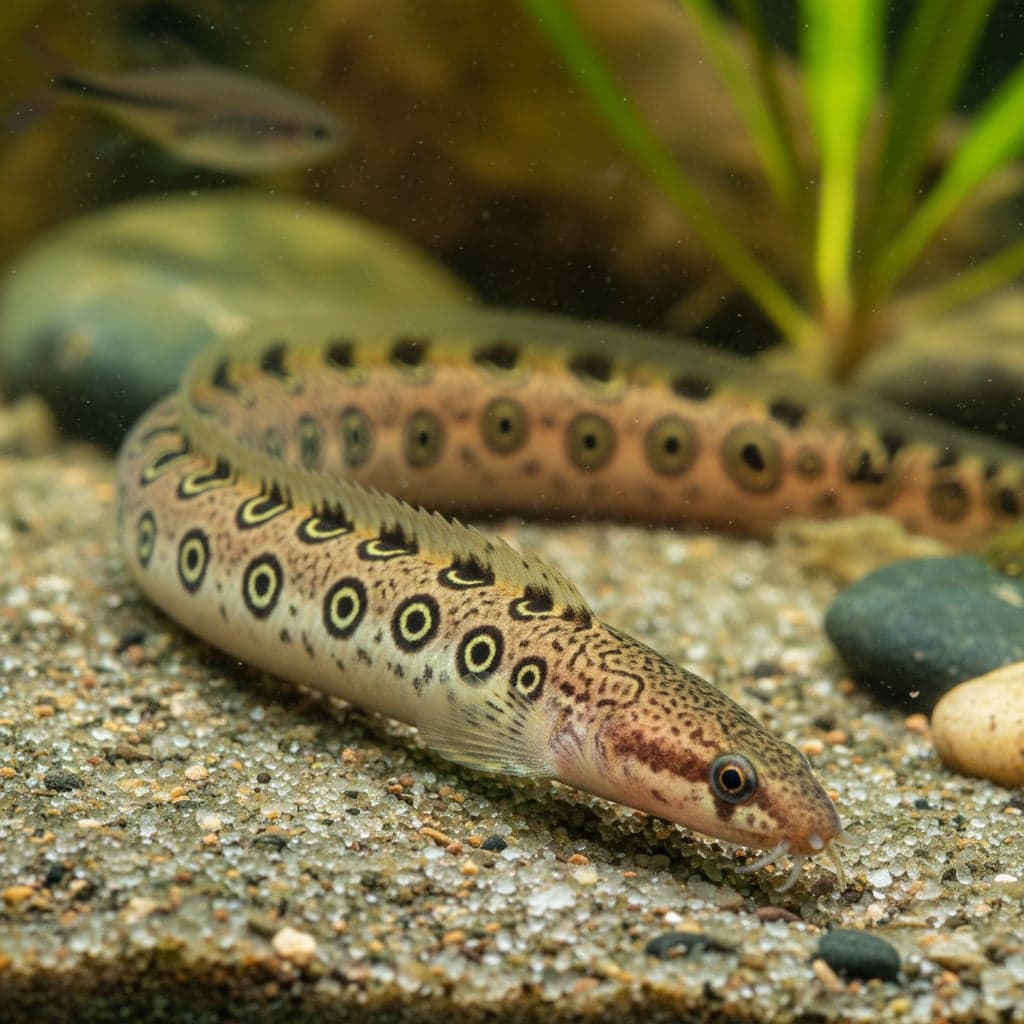
Peacock Spiny Eel
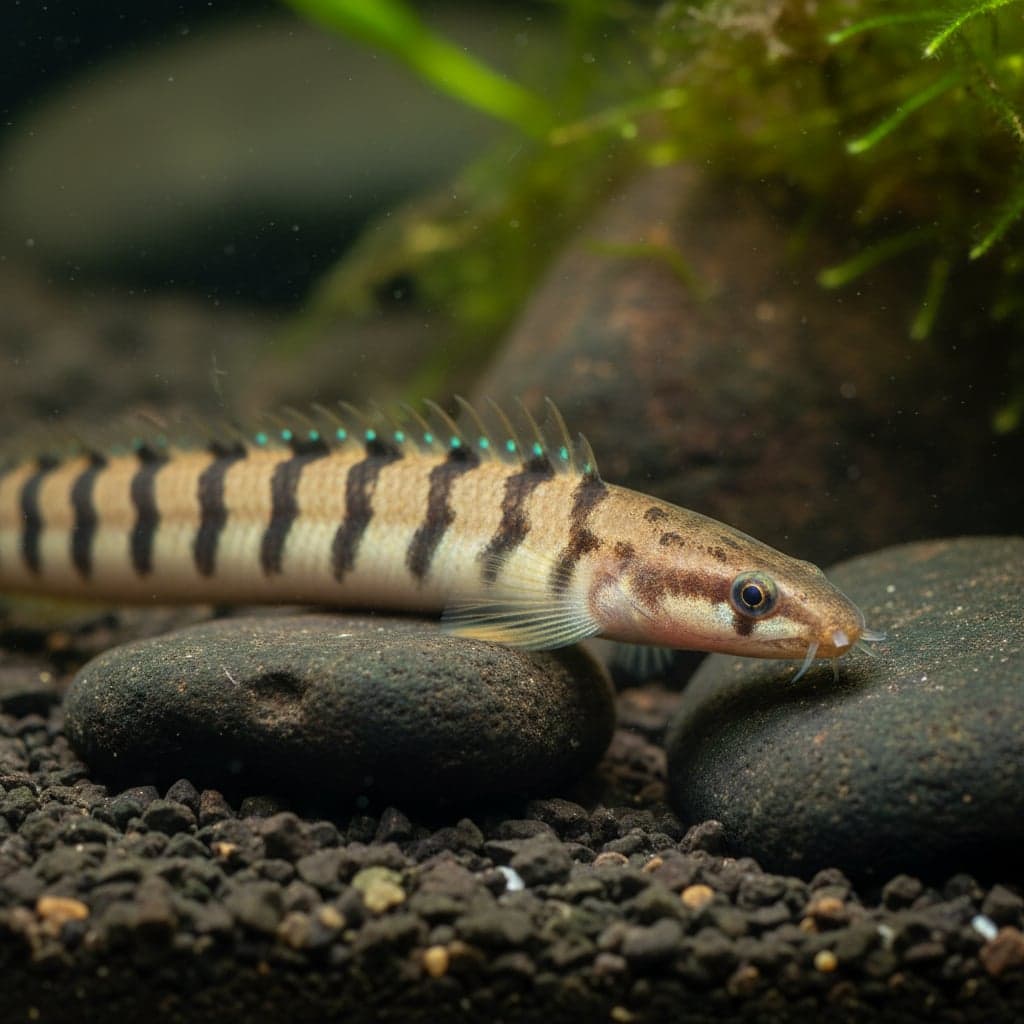
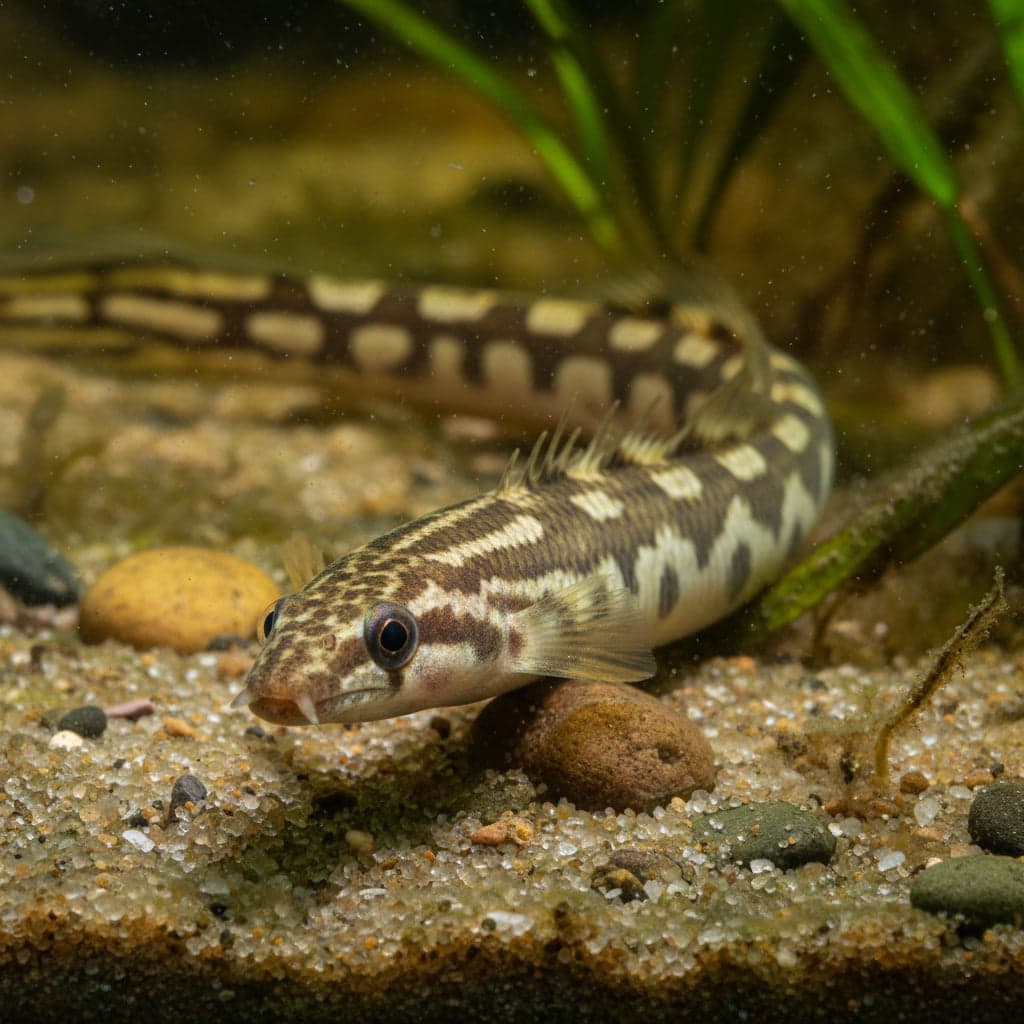
The Peacock Spiny Eel, scientifically known as Macrognathus siamensis, is a captivating and visually striking freshwater fish that has found its way into many aquarists' hearts. This eel-like species showcases a unique array of colors, with a combination of browns, golds, and greens, often adorned with intricate patterns that resemble a peacock's feathers, hence its name. Not only are they visually appealing, but these fish are also known for their fascinating behaviors, which can be both entertaining and educational for aquarists. Unlike traditional eels, they possess a more rounded body structure, which adds to their charm.
In the aquarium hobby, the Peacock Spiny Eel is particularly significant due to its relatively peaceful temperament and adaptability to various tank setups. Their unique appearance combined with a gentle disposition makes them suitable for community tanks, provided they have ample hiding spots. This species captures the interest of both novice and experienced aquarists, enhancing the diversity and aesthetic appeal of aquaristic environments. Their unique movements, often reminiscent of both a fish and an eel, add an extra layer of intrigue for those who observe them in a properly maintained tank.
Natural Habitat & Origin
Peacock Spiny Eels are native to several Southeast Asian countries, specifically in areas around Thailand, Myanmar, and parts of Indonesia. They thrive in freshwater environments, primarily inhabiting slow-moving rivers, streams, and floodplains often characterized by dense vegetation and submerged structures. The waters they dwell in are typically soft, slightly acidic to neutral pH, which mimic the blackwater conditions. This natural habitat is important as it influences their health and behavior in captivity, highlighting the need for aquarists to replicate such conditions in their tanks.
The environment of the Peacock Spiny Eel is typically rich in organic matter, lending a dark color to the water due to leaf litter and decaying plant material. This kind of habitat not only offers essential cover from predators but also provides foraging opportunities. Understanding their natural environment allows aquarists to create a more suitable and enriching atmosphere for these intriguing eels, thus promoting their well-being and longevity.
Care Requirements
Proper care for the Peacock Spiny Eel involves ensuring a stable and comfortable environment. They thrive best in water with a pH range of 6.0 to 7.5, temperatures between 75°F to 85°F (24°C to 29°C), and a hardness level of 5 to 15 dGH. Maintaining these parameters will help reduce stress and promote a healthy life. The minimum tank size recommended is 30 gallons, providing enough space for the eel to swim and explore its surroundings.
The tank setup should include soft, sandy substrate to mimic their natural habitat, as well as ample hiding spots created by the use of driftwood, caves, and live plants. A dimly lit environment is preferred, simulating the dappled light often found in their native waters. Incorporating plants not only provides shelter but also aids in maintaining water quality. A gentle filtration system is essential to avoid current that could stress the fish but should also consider the need for aeration to keep oxygen levels optimal.
Diet & Feeding
The Peacock Spiny Eel is classified as an omnivore, which means it requires a diverse diet for optimal health. In the wild, they feed on benthic invertebrates, worms, and plant matter, indicating a penchant for both protein and fiber. In captivity, a balanced diet may include high-quality flake food, sinking pellets, and live or frozen foods such as bloodworms, daphnia, and brine shrimp. It is essential to offer a variety to meet their nutritional needs.
Feeding should be conducted in small portions to prevent overfeeding and maintain water quality. Regular feeding constitutes two to three times a week, ensuring that uneaten food is promptly removed to avoid ammonia spikes in the tank. Experimenting with different food types can also help aquarists discover the preferences of their individual fish, enhancing overall enjoyment and health of the fish.
Behavior & Temperament
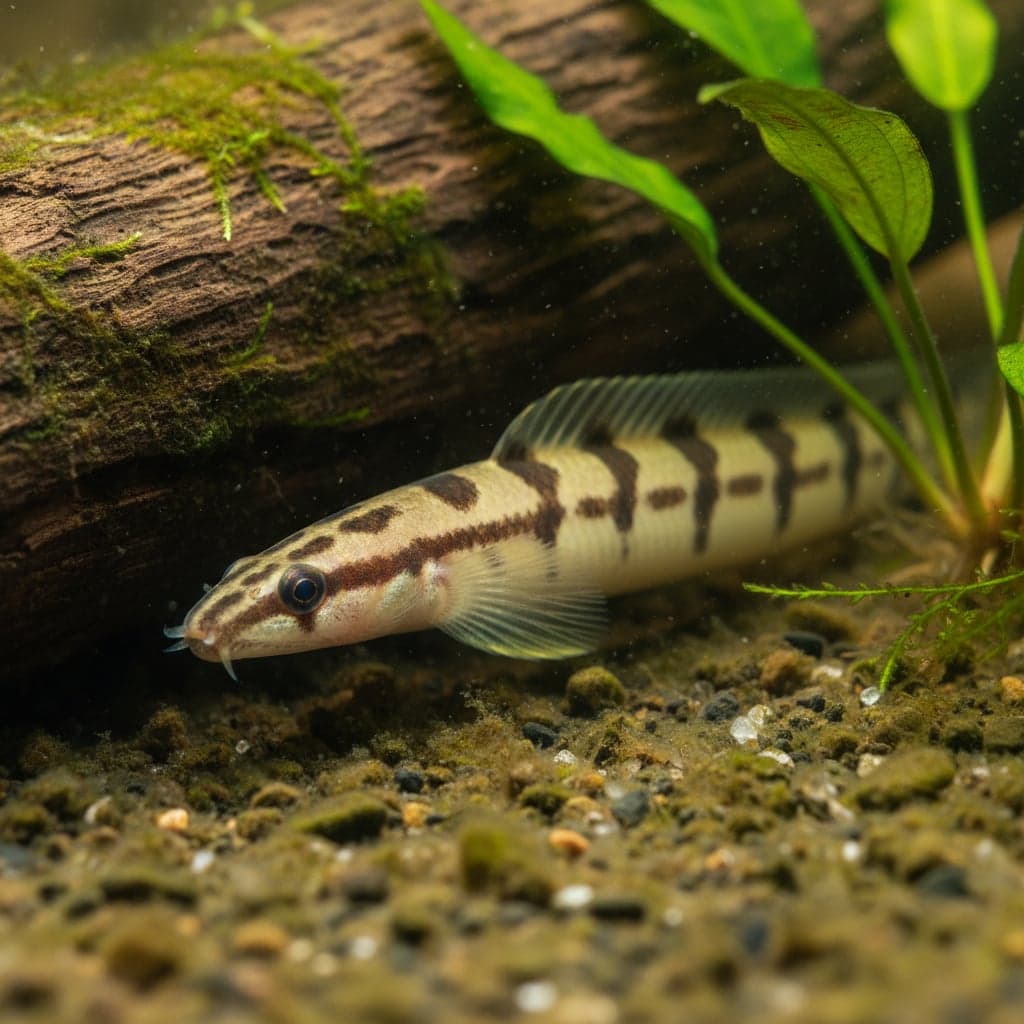
The Peacock Spiny Eel is known for its docile and relatively peaceful nature, making it an excellent choice for community tanks. It is a predominantly nocturnal species, which means it can sometimes be elusive during the day, preferring to hide or rest in well-planted areas. They exhibit a unique behavior of burrowing into substrate or hiding among rocks and driftwood, contributing to their characteristic charm.
In terms of social dynamics, Peacock Spiny Eels generally tolerate other species, but caution should be exercised with smaller fish as they might be viewed as potential prey. They are typically solitary but can be found coexisting peacefully with fellow community dwellers. It’s worth noting that they occupy the lower part of the aquarium, preferring areas closer to the substrate.
Tank Mates
Choosing the right tank mates for the Peacock Spiny Eel is crucial for a balanced community tank. Compatible species include larger tetras, peaceful cichlids, guppies, and some species of barbs. The key is to select non-aggressive fish that occupy different areas within the tank. Incompatible species typically include small or fin-nipping fish and overly aggressive species such as certain cichlids or barbs that could harass or stress the Peacock Spiny Eel.
When introducing tank mates, ensure that the fish are stable, healthy, and similar in size to avoid predation or bullying. Additionally, providing ample hiding spots will create a more comfortable environment for all tank inhabitants, promoting harmony within the aquarium ecosystem.
Breeding
Breeding the Peacock Spiny Eel in captivity poses several challenges, but it’s not impossible. These fish are egg-layers and generally require specific environmental conditions to encourage spawning. A separate breeding tank with softer water conditions and a sponge filter would be ideal. Water parameters should reflect those of their natural habitat—pH around 6.5 to 7.0 and temperatures between 80°F to 85°F (27°C to 29°C).
To stimulate spawning, a diet rich in proteins should be fed in the weeks leading up to breeding. Following a successful pairing, the female will lay eggs, usually on flat surfaces or in plant leaves, where the male will fertilize them. After laying, it's recommended to remove the adults to prevent them from eating the eggs, as parental care outside of reproductive seasons is negligible.
Common Health Issues
Though generally hardy, the Peacock Spiny Eel may be prone to certain health issues including ich (ichthyophthirius), fin rot, and parasites. These problems can arise due to poor water quality, stress, or unsuitable tank conditions. Regular water testing and routine tank maintenance, including partial water changes and substrate vacuuming, are essential for preventing disease outbreaks.
Additionally, providing a balanced diet and minimizing handling can contribute to overall fish health. If a disease is observed, prompt treatment with appropriate medications is crucial, as early intervention can significantly increase the chances of recovery. Familiarity with common signs of distress or illness, such as unusual swimming patterns or changes in behavior, can also help ensure the well-being of the Peacock Spiny Eel in a home aquarium.