Pearl Cichlid: Geophagus brasiliensis
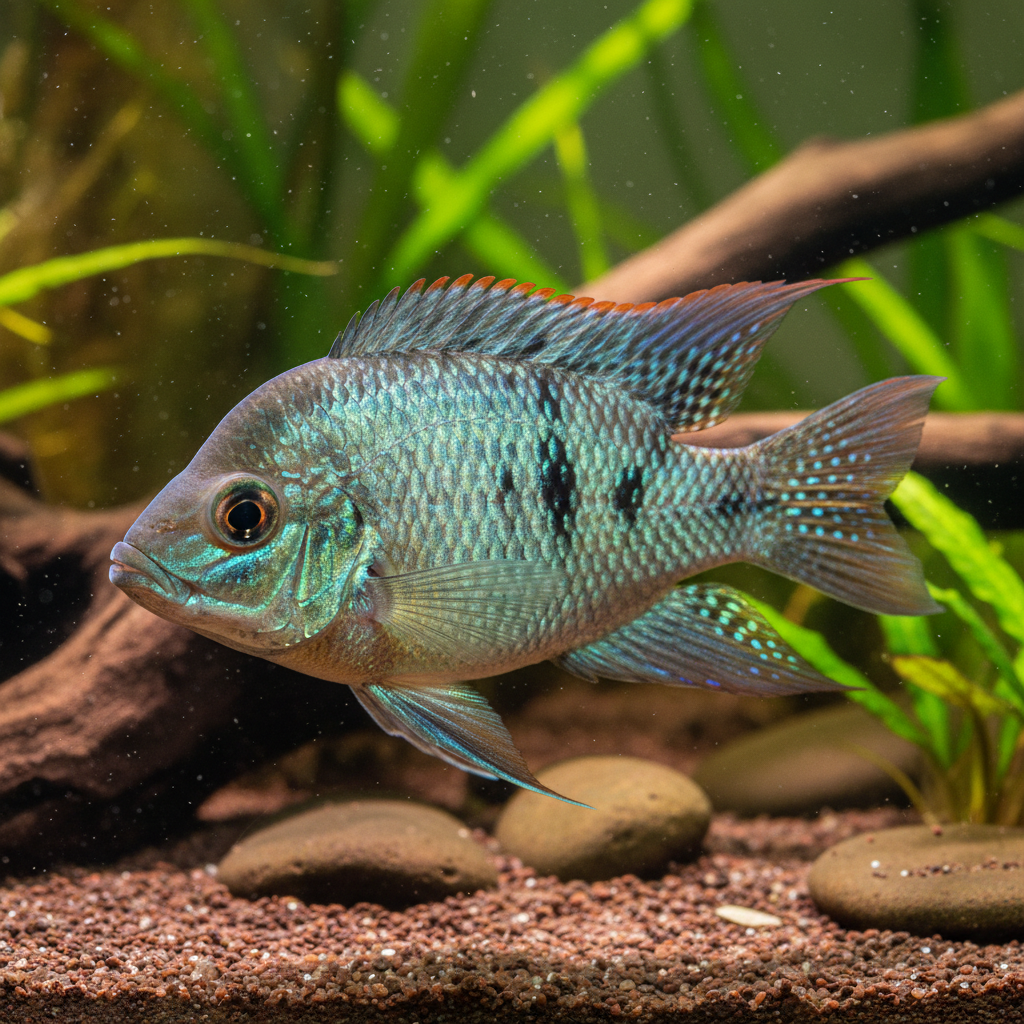
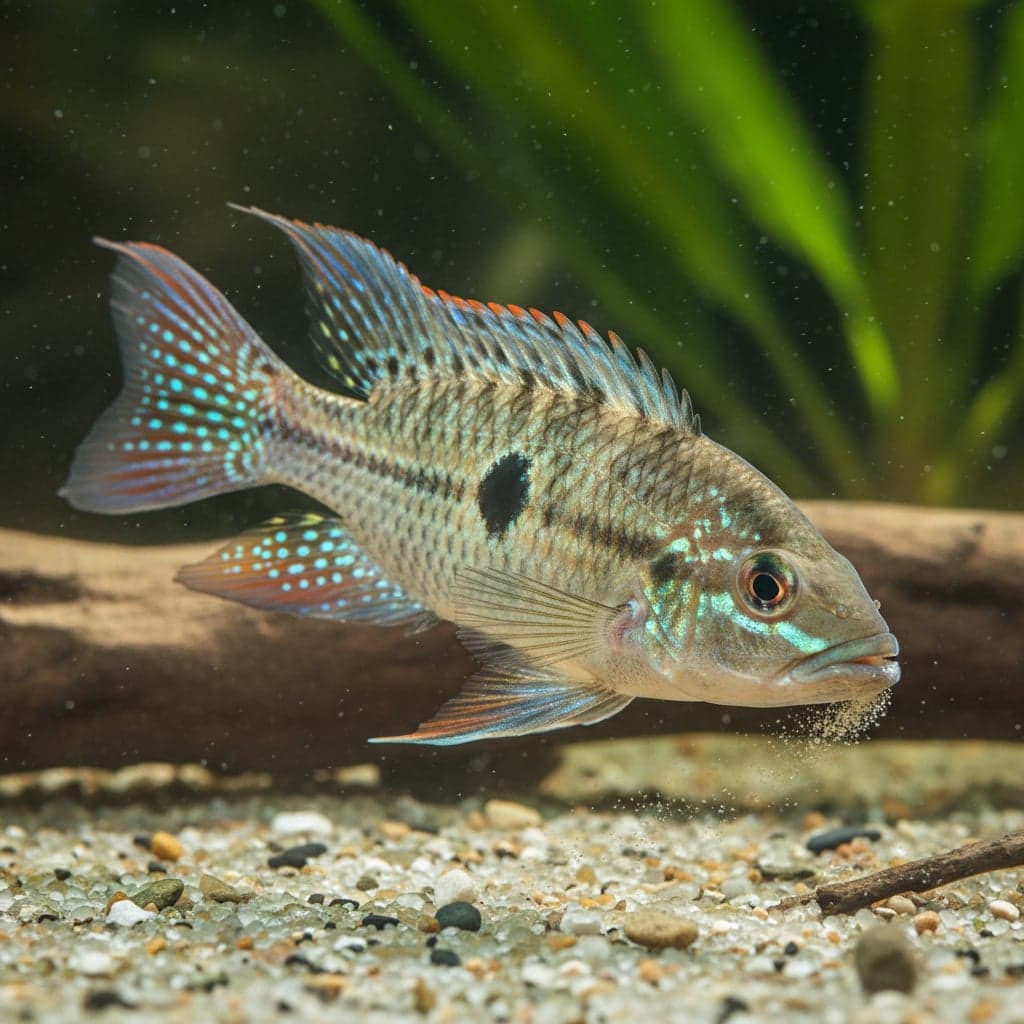
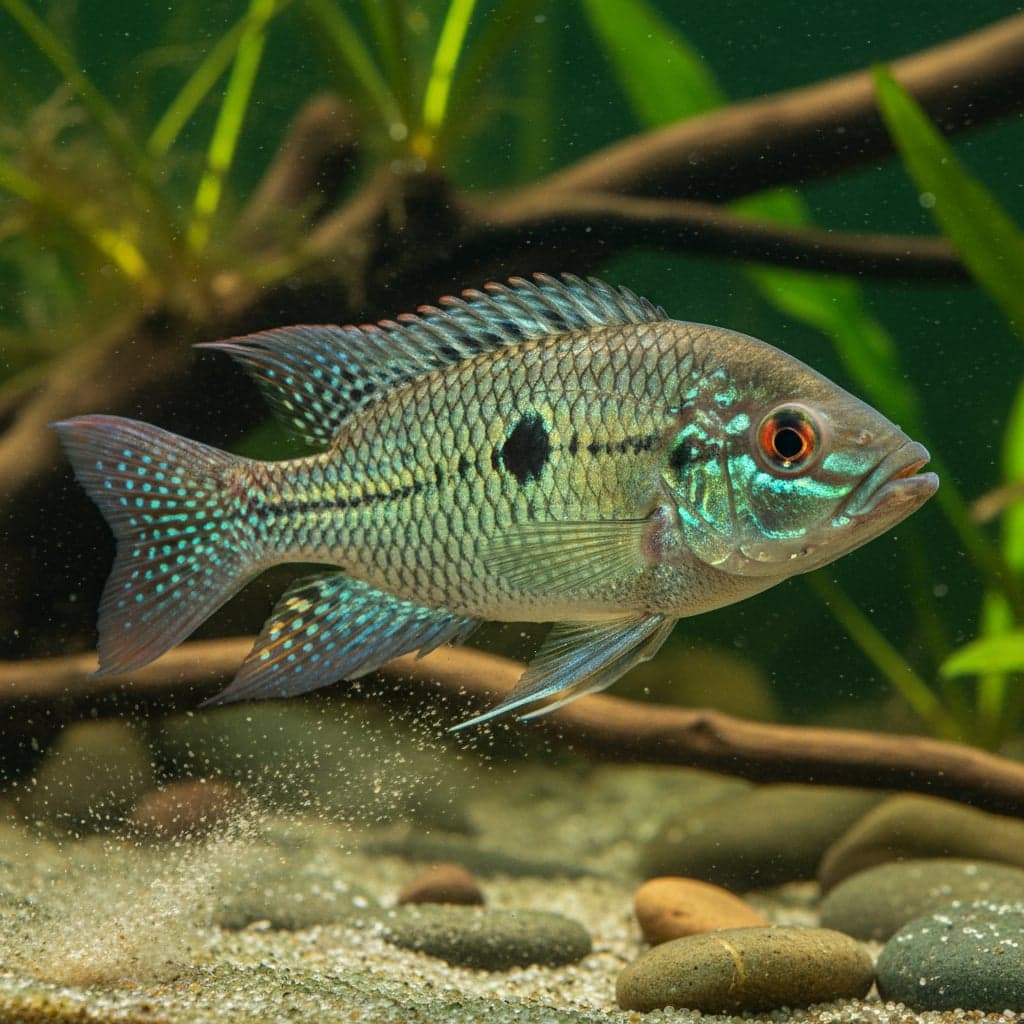
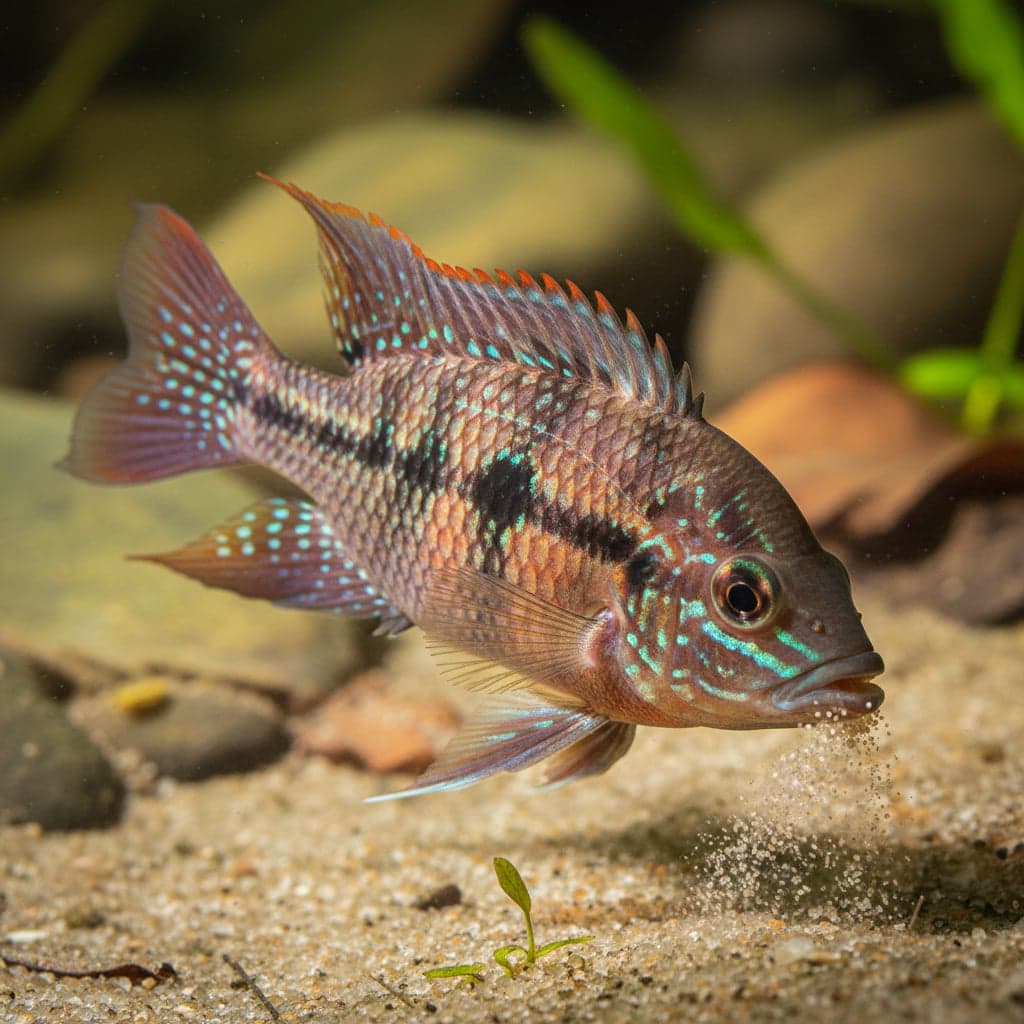
A stunning, robust South American eartheater covered entirely in iridescent, pearl-like blue/green spots.
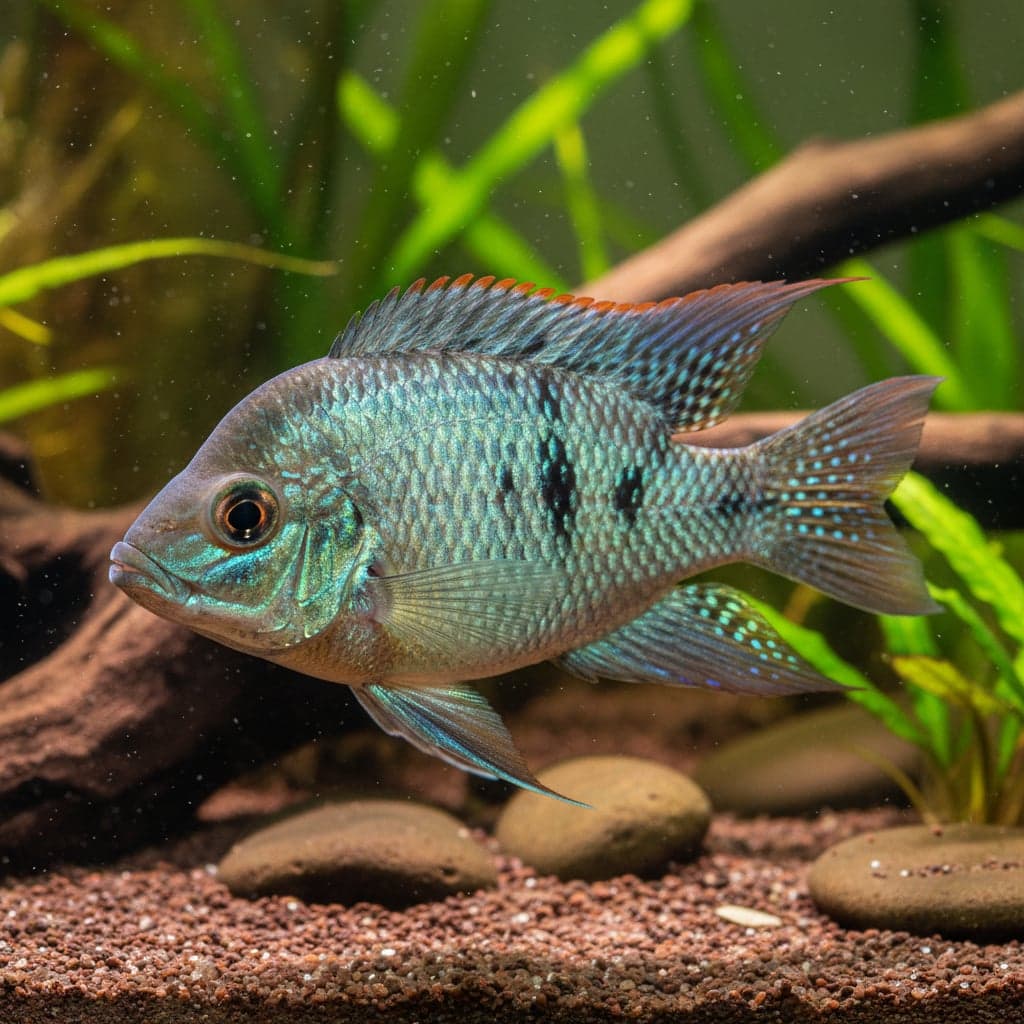
Pearl Cichlid
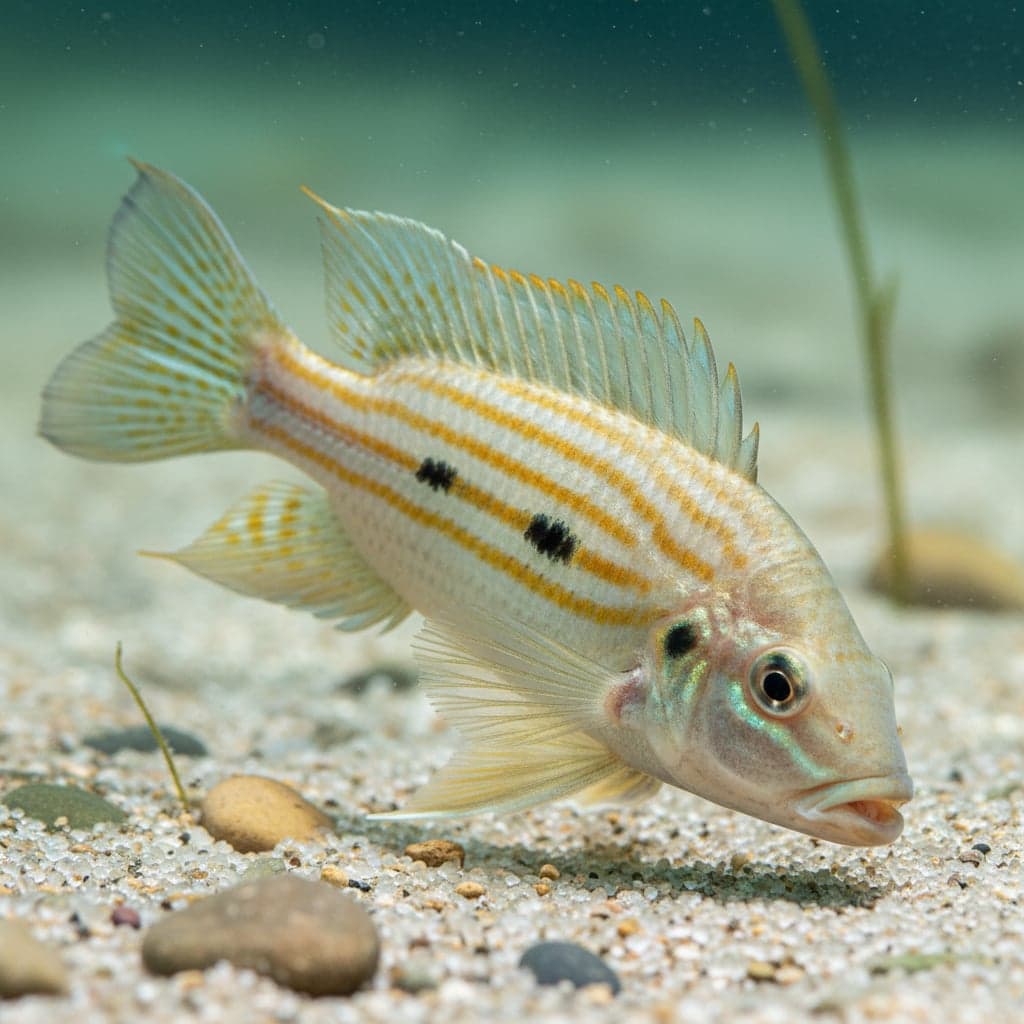
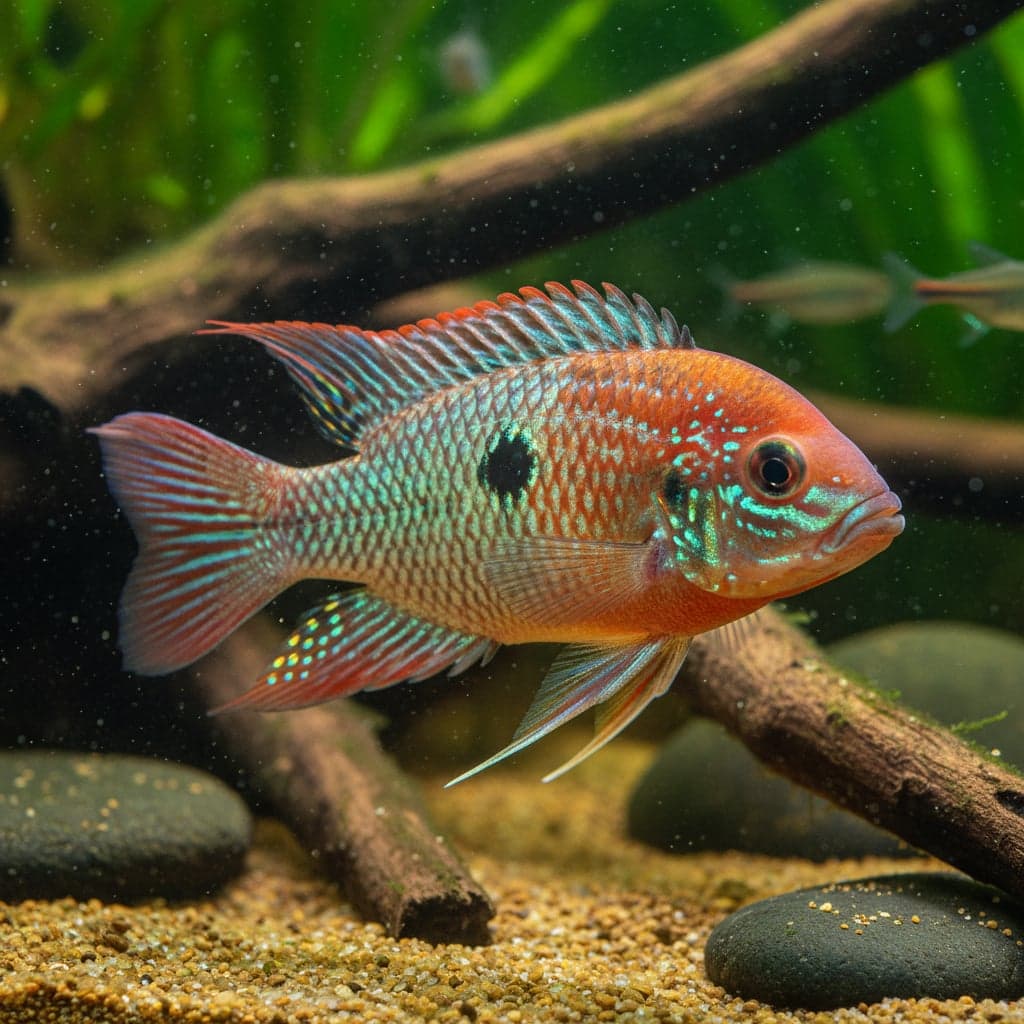
The Pearl Cichlid, scientifically known as Geophagus brasiliensis, is a stunning freshwater fish native to the rivers and streams of South America. Renowned for its vibrant coloration, this species showcases iridescent scales that shimmer in shades of blue, green, and gold. Its body is adorned with distinct pearl-like spots, which become more prominent as the fish matures, adding to its allure in the aquarium setting. Not only does this striking appearance make the Pearl Cichlid a favorite among aquarists, but its engaging personality and intelligence also contribute to its popularity, making it an exciting addition to community tanks.
As a member of the Cichlidae family, the Pearl Cichlid holds cultural significance in the aquarium hobby. With its adaptability to various environments, it serves as an ideal species for both novice and experienced aquarists alike. Its ability to exhibit interesting behaviors, such as digging, foraging, and occasionally displaying dominance, adds a dynamic visual element to any aquarium. The Pearl Cichlid's popularity is also due, in part, to its role in educating hobbyists about the complexities of freshwater ecosystems, particularly in regards to territoriality, social structures, and habitat utilization.
Natural Habitat & Origin
The Pearl Cichlid hails from the freshwater ecosystems of South America, particularly the Amazon River basin in Brazil. This species favors slow-moving waters such as rivers, lagoons, and floodplains that are rich in organic matter. The natural habitats of Pearl Cichlids are characterized by a warm climate, abundant vegetation, and soft, slightly acidic water. The water in these environments is typically stained from decaying leaves and organic material, contributing to a blackwater environment with lower visibility. Understanding these conditions is essential for replicating an appropriate habitat in captivity, allowing for the overall health and well-being of the fish.
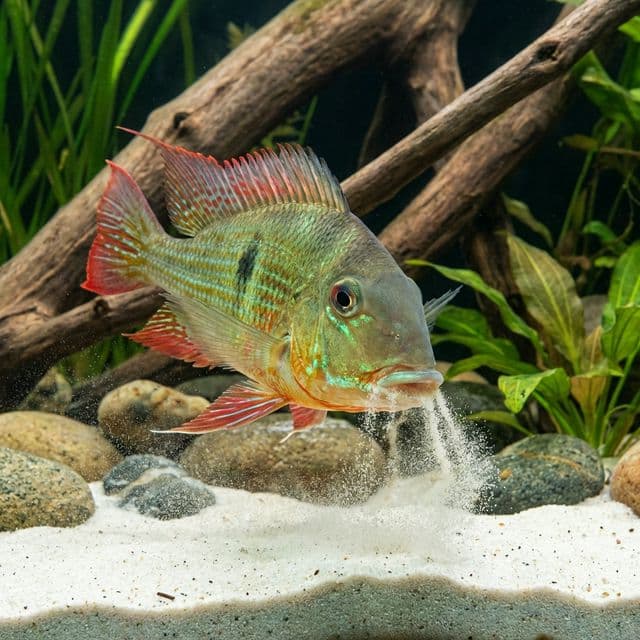
Geographically, the Pearl Cichlid can be found in various water bodies across Brazil, where it thrives in dynamic ecosystems. These fish are specifically well-suited for environments with ample hiding spots, substrates conducive to digging (such as sand), and gentle water flow. Their natural behaviors center around foraging for food along the substrate, providing insights into their dietary preferences which can be effectively leveraged in a captive setting to mimic their native habitats.
Care Requirements
To maintain the health and vibrancy of the Pearl Cichlid, certain water parameters and tank setups must be followed. Ideally, the water pH should be maintained between 6.0 to 7.5, while the temperature should range between 75°F to 82°F (24°C to 28°C). Hardness levels should sit around 4 to 12 dGH, mimicking the soft to moderately hard water found in their natural habitats. A breeding-focused tank may require more controlled conditions, as maintaining optimal water quality is crucial during this phase.
In terms of tank setup, a minimum tank size of 30 gallons is recommended for a single Pearl Cichlid, with additional space required for each subsequent fish. The substrate should consist of a fine sand or soft gravel, as this not only allows the fish to exhibit natural digging behaviors but also prevents injury to their sensitive bodies. Incorporating caves, driftwood, and live plants will provide shelter and create a more natural environment. Lighting should be moderate to enhance plant growth while still allowing the Pearl Cichlid to exhibit its vibrant colors.
Diet & Feeding
The Pearl Cichlid is considered an omnivore, with a diverse diet that includes both plant and animal matter. In captivity, it is essential to offer a balanced diet that includes high-quality flakes and pellets specifically formulated for cichlids. These foods should be enriched with vitamins and minerals to promote growth, coloration, and overall health. Alongside pellets, aquarists should provide a variety of frozen or live foods, such as bloodworms, brine shrimp, and daphnia, which can encourage natural hunting and foraging behavior. Additionally, offering blanched vegetables like zucchini or spinach can supplement their nutritional needs, ensuring they receive essential fiber in their diet.
Feeding should occur multiple times a day but in smaller doses to prevent overfeeding and maintain optimal water quality. Observing the fish during feeding time can reveal preferences and allow for adjustments in their diet to encourage healthy growth and development. It is crucial to minimize uneaten food in the tank, as decomposing matter can lead to poor water quality, which could adversely affect the health of the Pearl Cichlid.
Behavior & Temperament
Pearl Cichlids are known for their intriguing behavior, which includes both peaceful and territorial traits. In community tanks, they exhibit a generally calm demeanor but may display aggression towards other cichlids or fish with similar body shapes. They appreciate a sense of territory, especially during breeding, and are known to exhibit nesting behaviors. As such, providing adequate space and suitable hiding spots will help mitigate aggression and allow for a more harmonious tank environment.
In terms of schooling habits, Pearl Cichlids are best kept in pairs or small groups rather than solitary individuals. This not only encourages their natural social behaviors but allows for a more dynamic ecosystem within the tank. While they primarily inhabit the bottom and mid-water levels of the tank, they may occasionally venture to the surface during feeding times. Proper tank dimensioning can play a crucial role in reducing stress and aggression.
Tank Mates
When selecting tank mates for the Pearl Cichlid, it is essential to consider species that can coexist peacefully and possess similar water parameter requirements. Compatible tank mates include larger tetras, such as the Red Eye Tetra and the Rummy Nose Tetra, as well as catfish species, like the Corydoras and the Plecostomus. Additionally, other non-aggressive cichlids, such as the Bolivian Ram or Keyhole Cichlid, can make excellent companions.
However, there are species that should be avoided alongside Pearl Cichlids due to their potential for aggression. Smaller fish or those that display bright colors, such as guppies or smaller rasboras, may become targets for bullying or predation. Similarly, keeping them away from highly territorial species like African cichlids is recommended to prevent stress and conflict in the aquarium.
Breeding
Breeding Pearl Cichlids in captivity can be a rewarding experience. Spawning typically occurs when water conditions are optimal, with a pH on the softer side and a temperature between 78°F to 82°F (26°C to 28°C). The fish exhibit courtship behaviors, where the male displays vibrant colors and performs a dance-like display to attract the female. If they form a pair, the female will often lay eggs on flat, clean surfaces or within a prepared cave.
Post-spawning, both parents usually share in the responsibility of guarding the eggs from potential threats. Once the eggs hatch, the fry can be fed infusoria or fine powdered food until they are large enough to accept larger particle foods. Monitoring the breeding pair during this time is important, as external factors such as water quality changes or stress can impact breeding success.
Common Health Issues
Like all aquarium fish, Pearl Cichlids can be susceptible to various health issues if not properly cared for. Common diseases include ich (Ichthyophthirius multifiliis), which presents as white spots on the body and fins, along with fin rot, velvet, and bacterial infections linked to poor water quality or stress. Quarantine new arrivals, maintain stable parameters with regular water changes, and avoid overcrowding. Offer a varied diet and provide caves so territorial pairs can settle without constant conflict. Prompt treatment of white spots, frayed fins, or unusual lethargy keeps Pearl Cichlids colourful, active, and resilient for the long term.