Carassius auratus 'Pearlscale': Pearlscale Goldfish
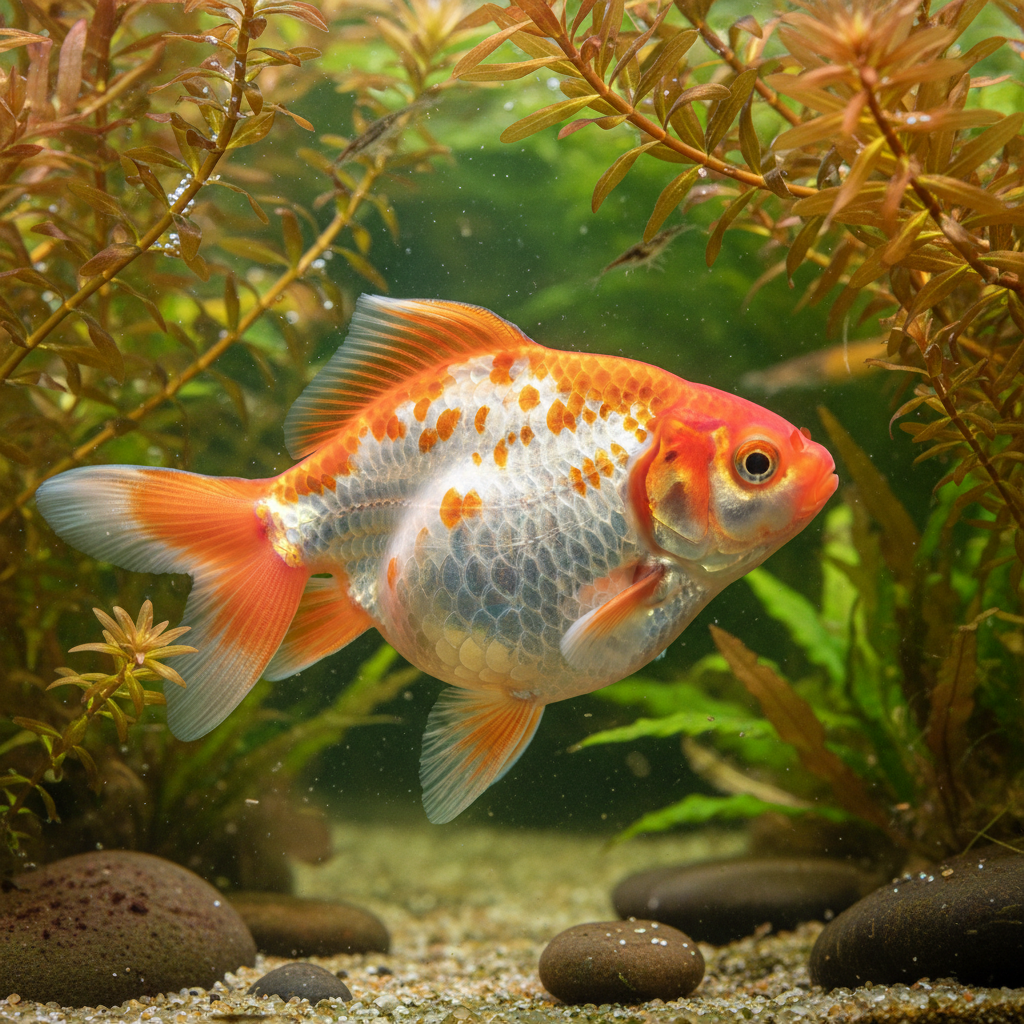
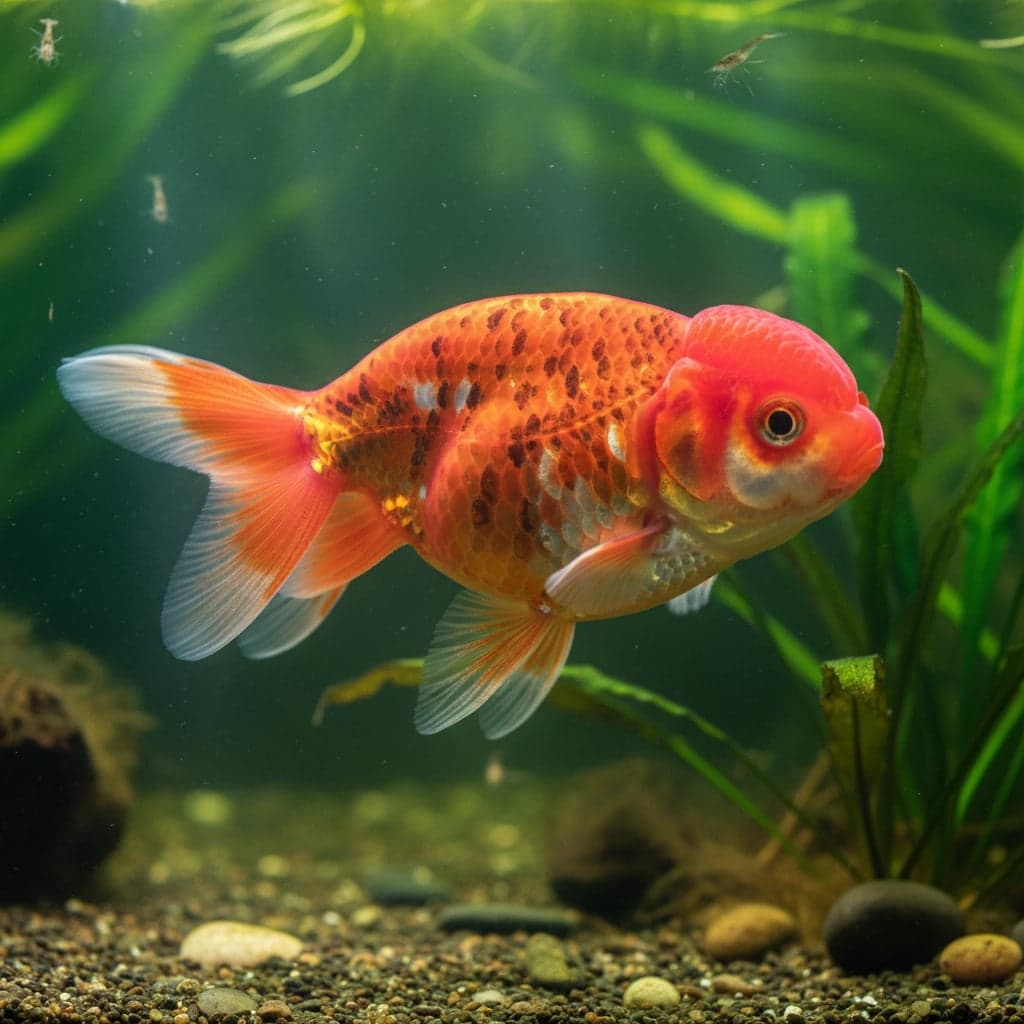
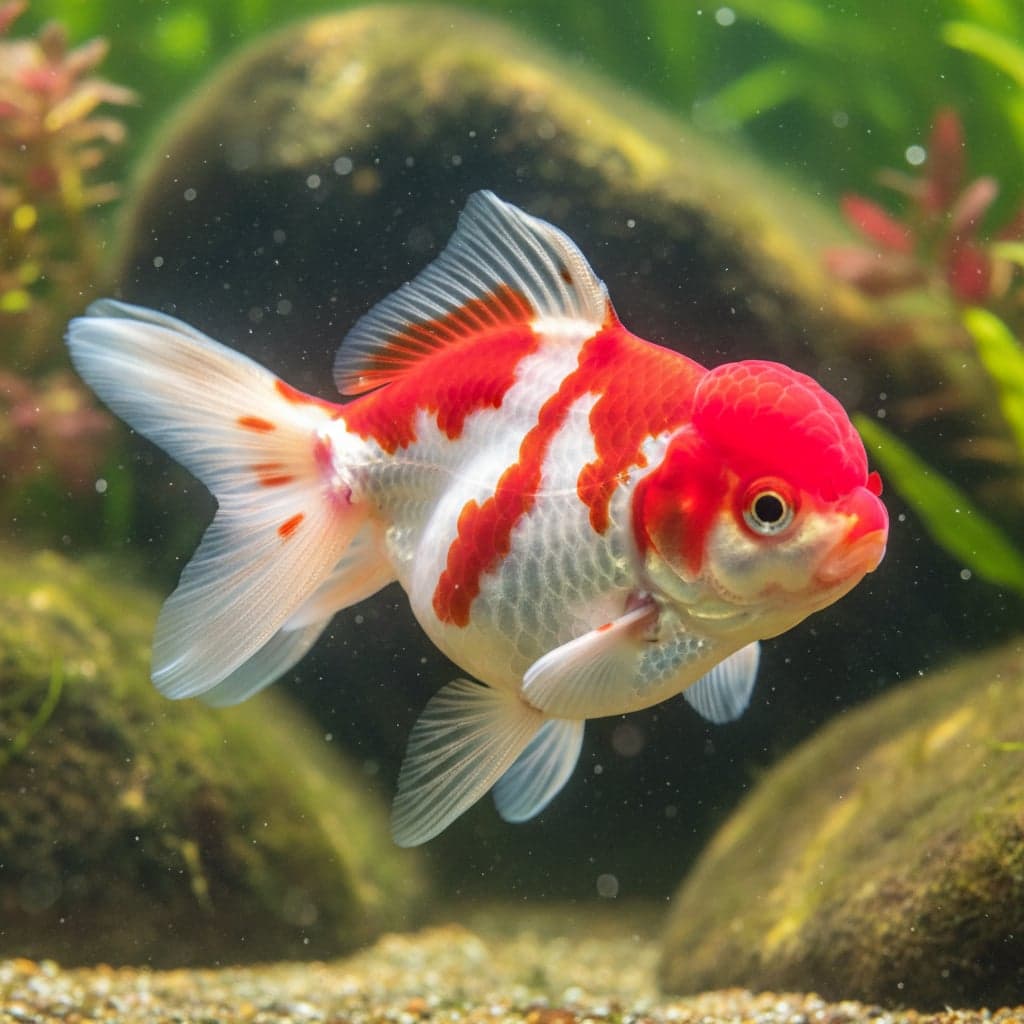
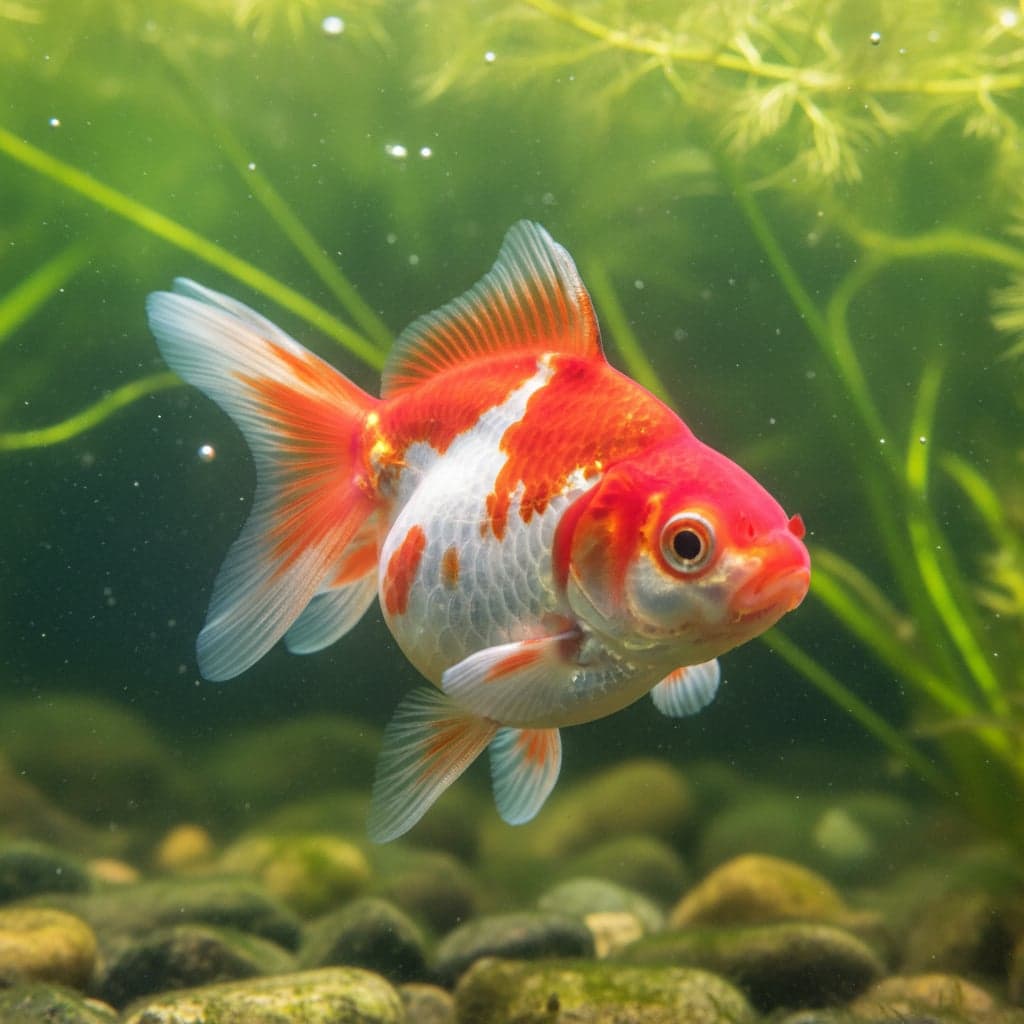
A deeply round, golf-ball shaped fancy goldfish featuring uniquely domed, calcified scales resembling half-pearls.

Carassius auratus 'Pearlscale'
The Carassius auratus 'Pearlscale', commonly known as the Pearlscale Goldfish, is a striking freshwater fish that has captivated aquarists since its inception in ancient China. Characterized by its unique body shape, the Pearlscale features a rounded, almost ball-like physique with fleshy, pearl-like tubercles adorning its skin. These tubercles give it a distinctive texture and contribute to its exquisite visual appeal, creating a shimmering effect when viewed under proper lighting. The colors of the Pearlscale can range from the classic orange and white to more dazzling hues like calico or even metallic patterns, making it a prized possession in both small and expansive aquariums alike.
In the realm of aquarium hobbyists, the Pearlscale Goldfish holds significant value, often regarded as a symbol of prosperity and good fortune. Due to its stunning appearance and gentle disposition, it has become a favorite among collectors and enthusiasts. Its unique form and captivating colors not only add aesthetic charm to any setup but also serve to educate novice aquarists about the rich diversity of fish species available for home aquaria. As a hardy fish, the Pearlscale can adapt to various tank conditions, making it an excellent choice for both beginners and seasoned aquarists seeking to enhance their aquatic displays.
Natural Habitat & Origin
The Carassius auratus 'Pearlscale' is a domesticated variety of the common goldfish, originally derived from Asian wild populations. Its forebears can be traced back to the river systems of East Asia, particularly in China, where they were first bred for ornamental purposes over a thousand years ago. The Pearlscale was developed selectively for its distinct physical traits, and unlike their wild counterparts, these fish are now predominantly found in controlled aquarium environments rather than their native habitats.
In the wild, the ancestral forms of the goldfish typically inhabit slow-moving freshwater bodies, such as lakes and ponds, that feature soft substrate and abundant vegetation. They thrive in water with a neutral to slightly alkaline pH, where they can find ample food sources like algae and small crustaceans. The environments where these fish thrive usually fluctuate in temperature, although domesticated varieties like the Pearlscale Goldfish have adapted to a broad range of conditions suited for aquaristic settings.
Care Requirements
To ensure optimal health and longevity, maintaining appropriate water parameters is essential for the Carassius auratus 'Pearlscale'. The ideal pH level for their habitat should range between 6.5 and 8.0, with a temperature maintained between 18°C to 24°C (65°F to 75°F). Additionally, water hardness should ideally be around 5 to 20 dGH. Given goldfish are known to produce significant waste, it’s essential that the tank be equipped with an efficient filtration system to maintain clean water and minimize ammonia and nitrate levels.
When setting up a habitat for the Pearlscale, a minimum tank size of 20 gallons is recommended, as these fish require ample swimming space. The substrate should be smooth to prevent injury, with gravel or sand being ideal choices. It's crucial to incorporate decorations such as plants, rocks, and driftwood to create a stimulating environment, as well as to provide hiding spots. Lighting should mimic the natural cycle, allowing for 10-12 hours of light per day to promote healthy plant growth and support the goldfish's activity levels.
Diet & Feeding
The Carassius auratus 'Pearlscale' is an omnivorous species, requiring a well-balanced diet to promote optimal growth and health. As opportunistic feeders, they thrive on a varied diet that includes high-quality flake or pellet foods specifically formulated for goldfish, which provide necessary nutrients. Supplementing their diet with frozen or live foods like brine shrimp, bloodworms, and daphnia can enhance their pigmentation and overall vitality.
It is essential to avoid overfeeding, as goldfish have a tendency to consume food quickly, which can lead to health problems, including swim bladder disorders. Offering small amounts of food two to three times daily is recommended. Additionally, including blanched vegetables such as peas, spinach, or zucchini can provide essential fiber and promote healthy digestion, ensuring a well-rounded diet that supports the vibrant lifestyle of the Pearlscale Goldfish.
Behavior & Temperament
The Carassius auratus 'Pearlscale' is generally known for its serene and peaceful demeanor, making it a loveable addition to community aquariums. These fish exhibit a social nature and tend to thrive in groups, often displaying friendly interactions with their tank mates. Due to their calm behavior, they are not aggressive, making them suitable for mixed-species tanks as long as their companions are not overly aggressive or small enough to be perceived as food.
Typically, Pearlscale Goldfish swim at various levels of the aquarium, often seen near the mid to bottom levels. Even though they are bottom dwellers, they enjoy exploring their surroundings, and the addition of plants and decorations will encourage these natural behaviors. It's crucial to maintain a peaceful environment, as stress from aggressive tank mates can lead to health issues.
Tank Mates
When considering compatible tank mates for the Carassius auratus 'Pearlscale', it's important to select species that share similar water requirements and have a peaceful disposition. Suitable companions include larger, non-aggressive fish such as the Shubunkin, Oranda, and other varieties of goldfish. Additionally, species like Corydoras catfish and certain types of snails can coexist harmoniously alongside Pearlscales, benefiting the overall dynamic of the aquarium.
It is advisable to avoid keeping the Pearlscale Goldfish with aggressive species like Cichlids or smaller fish that might be viewed as prey, such as Neon Tetras or Guppies. Additionally, fish that require drastically different water parameters or those known for rapid movement should be excluded from their tank to prevent stress and possible injury.
Breeding
Breeding the Carassius auratus 'Pearlscale' can be a rewarding experience for aquarists, provided the right conditions are met. Pearlscales typically mature between 1-2 years of age. For successful spawning, the temperature of the water should be gradually raised to around 24°C (75°F), and maintaining a slightly more alkaline pH can stimulate the breeding process.
During the breeding season, creating a separate breeding tank with adequate space for the female to lay eggs is crucial, as goldfish are egg scatterers. It's essential to introduce a breeding pair into a well-planted tank that provides suitable surfaces (such as spawning mops or broad-leaved plants) for laying eggs. After spawning, it’s often necessary to remove the parents from the tank to prevent them from eating the eggs or fry. Fry should be offered infusoria or very fine powdered foods until they are large enough to eat similar pellets or flakes.
Common Health Issues
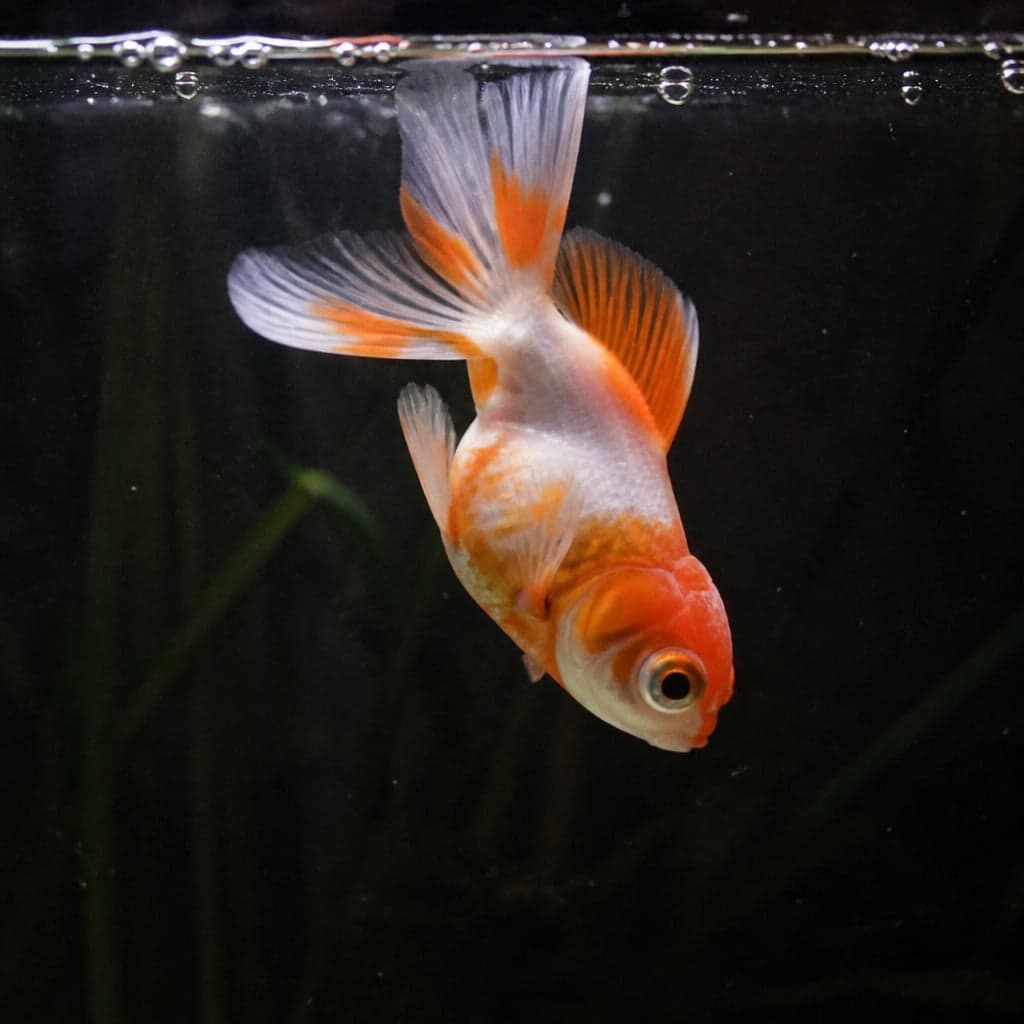
While the Carassius auratus 'Pearlscale' is generally a hardy fish, they can be susceptible to certain common health issues if not properly cared for. One of the most prevalent conditions is swim bladder disorder often caused by overfeeding or improperly sized food. Symptoms include floating at the surface or sinking to the bottom. Ensuring a balanced diet and avoiding overfeeding can help prevent this ailment.
Another issue is ich (Ichthyophthirius multifiliis), which appears as white spots on the body and fins and often follows temperature swings or stress. Treat promptly while improving water quality, and quarantine new fish before introduction. Because Pearlscales have delicate, raised scales, handle them gently and avoid sharp décor. Clean water, a balanced diet, and calm tank mates keep these goldfish healthy and looking their best.