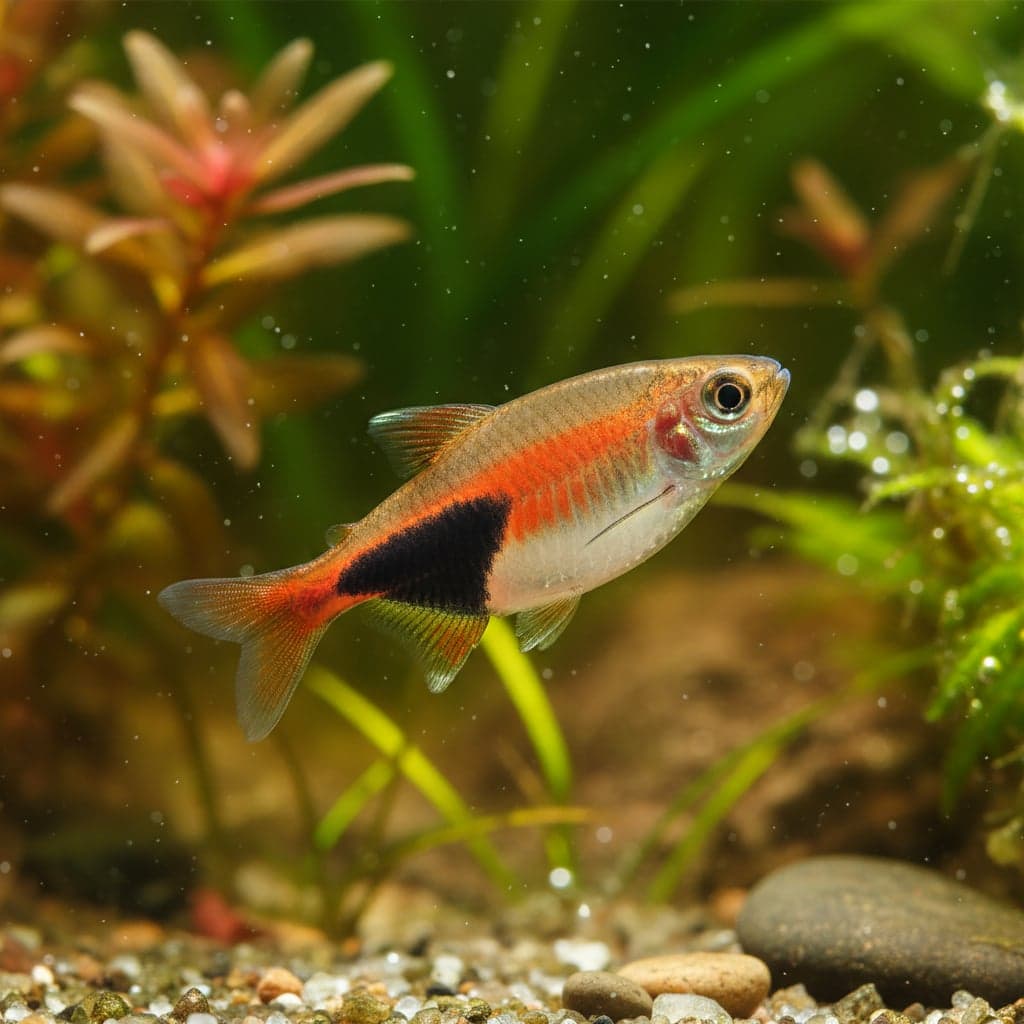
The Penguin Tetra: Thayeria boehlkei
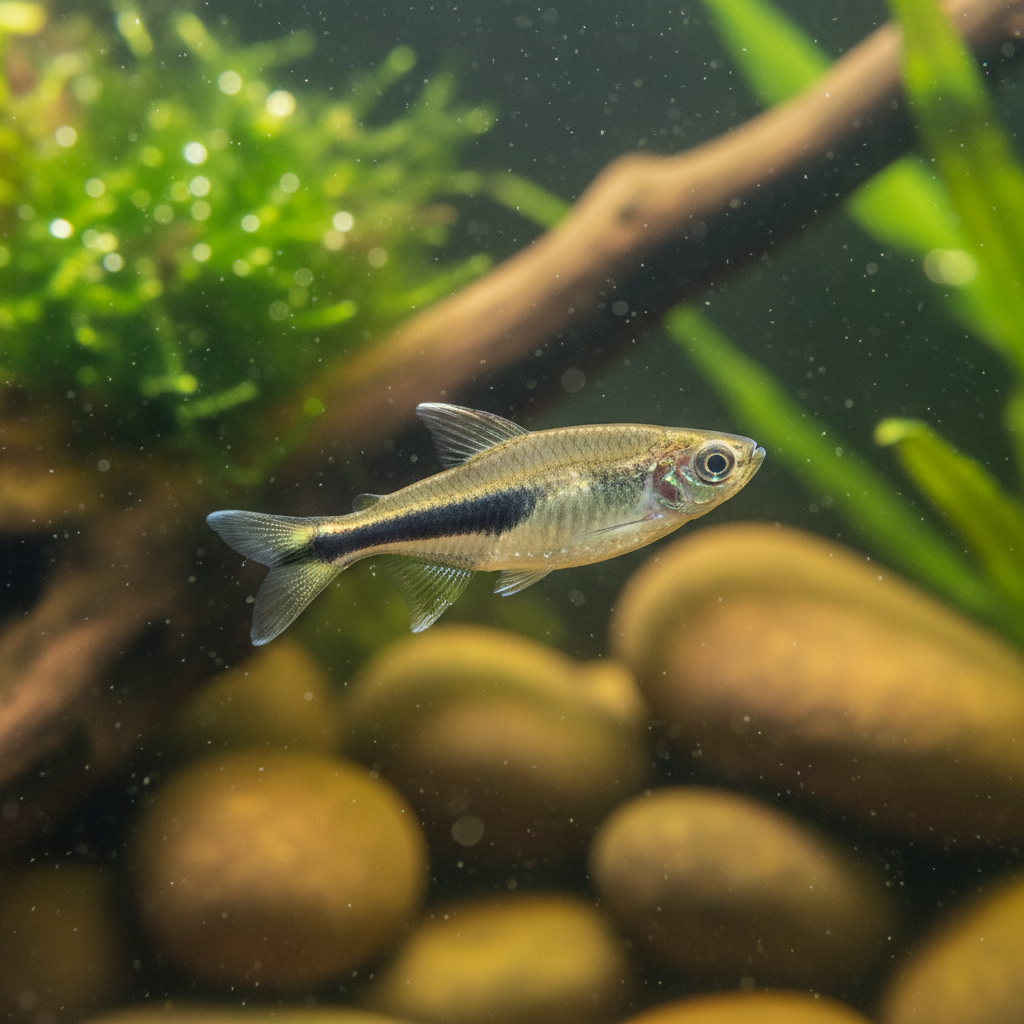
A distinctively shaped tetra with a jaunty, head-up swimming style. Its bold black "hockey stick" stripe makes it instantly recognizable.
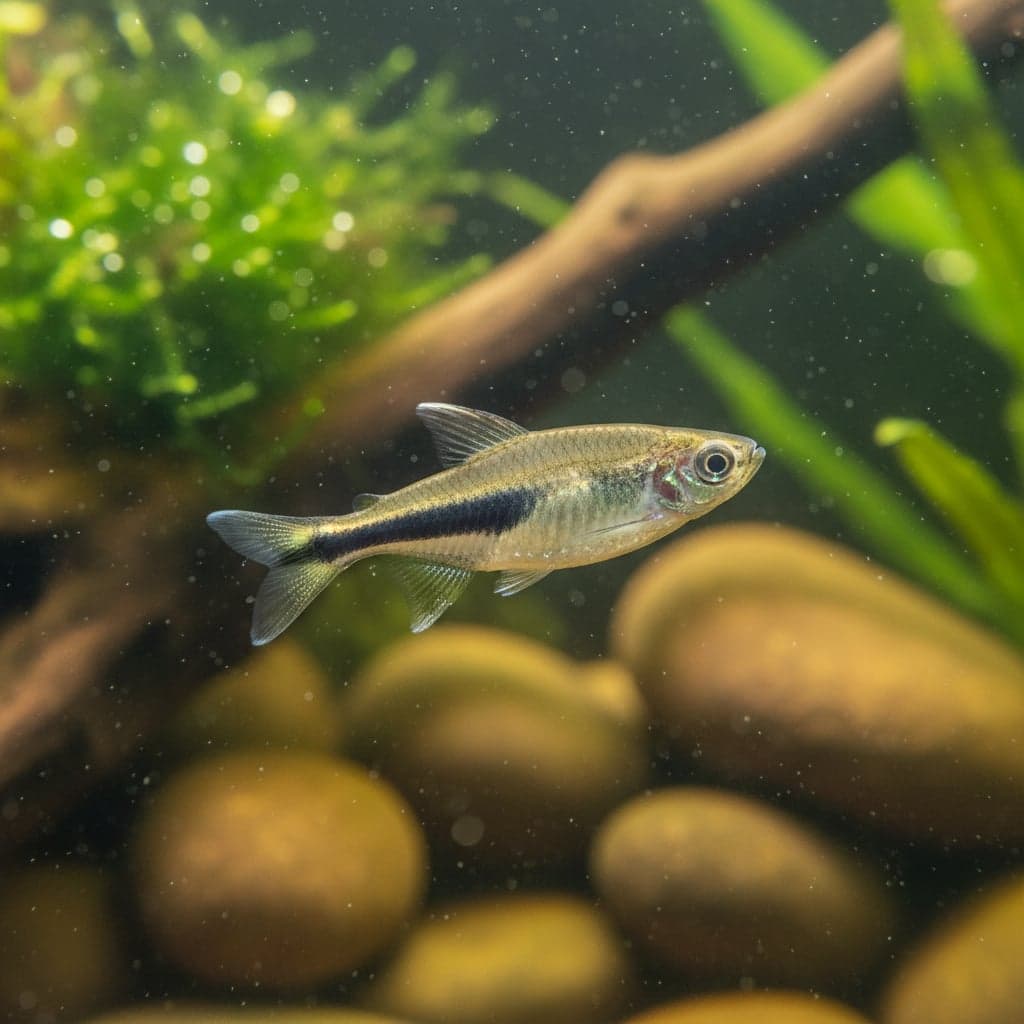
Penguin Tetra
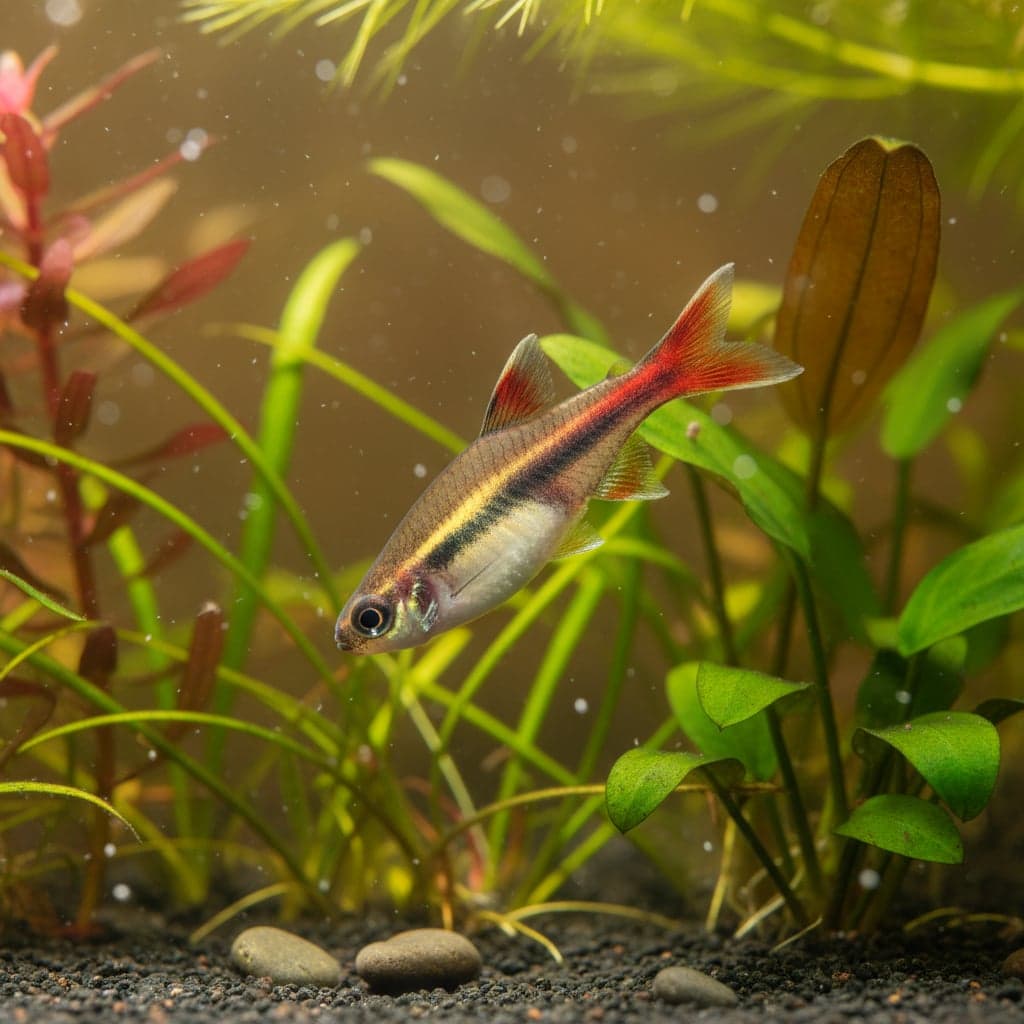
The Penguin Tetra, scientifically known as Thayeria boehlkei, is a vibrant and captivating species that has gained popularity in the aquarium hobby for its striking appearance and lively behavior. Known for its distinctive black-and-white color pattern, this small freshwater fish exhibits a unique resemblance to the flightless bird from which it derives its name. Typically, adult Penguin Tetras reach a length of about 2 inches (5 cm) and boast a sleek, streamlined body that is predominantly silver, accented by a prominent black band across its midsection. Their delicate fins, which are often tinted with a soft pink or orange hue, further enhance their visual appeal, making them an attractive addition to any community tank.
In addition to their aesthetic charm, Penguin Tetras hold significance in the aquarium hobby due to their hardy nature and ease of care, making them an excellent choice for both novice and experienced aquarists. These schooling fish thrive in groups, showcasing their vibrant colors and dynamic personalities when kept in appropriately sized schools of six or more. Their engaging behavior and compatibility with a variety of tank mates make them not only a visually stunning choice but also an enjoyable species to observe as they swim gracefully throughout the aquarium.
Natural Habitat & Origin
The Penguin Tetra is native to the slow-moving waters of the Amazon Basin, specifically in Brazil and parts of the surrounding countries. These fish are predominantly found in blackwater rivers and streams, where the water is stained dark from the decomposed plant material and organic matter that naturally leach tannins into the water. The habitats they inhabit are typically characterized by soft, acidic water with abundant leaf litter and submerged vegetation, providing both shelter and foraging opportunities. This natural environment contributes to the Penguin Tetra's ability to thrive in similar conditions when kept in an aquarium setting, reflecting the importance of replicating their native habitat for optimal care.
In the wild, Penguin Tetras inhabit areas with ample aquatic plants and floating debris that offer cover from predators. The dense vegetation within their natural habitat also serves as a breeding ground, while the peaceful water currents allow for a diverse array of food sources to flourish. This ecological context underpins the necessity of providing a similar setup in captivity, ensuring the health and well-being of these delightful fish.
Care Requirements
Successfully keeping Penguin Tetras requires attention to specific water parameters and tank setup to mimic their natural habitat. Ideal water conditions include a pH level ranging from 6.0 to 7.5, a temperature between 72°F to 82°F (22°C to 28°C), and soft to moderately hard water (3-12 dGH). Maintaining stable water quality is crucial, as fluctuations can stress these sensitive fish. Regular water changes and the use of a reliable filtration system will help keep the aquarium environment clean and healthy.
When it comes to tank setup, a minimum size of 20 gallons is recommended to accommodate a school of at least six Penguin Tetras. The substrate can be a dark sand or fine gravel, as darker substrates enhance the fish's coloration. Incorporate ample plants, such as Java moss, floating ferns, or Amazon swords, as well as driftwood and rocks to create hiding spots and visual barriers. Soft, subdued lighting will help to create a calm atmosphere, reducing stress and encouraging natural behavior.
Diet & Feeding
The Penguin Tetra is an omnivorous species, making it relatively easy to feed in captivity. In the wild, they primarily consume small invertebrates, zooplankton, and plant matter. To provide a balanced diet in an aquarium setting, it's essential to offer a variety of foods, including high-quality flake food, small pellets, and frozen or live foods like brine shrimp and daphnia. Offering a mix of these foods will not only ensure they receive essential nutrients but also stimulate their natural foraging behaviors. Be mindful of portion sizes, feeding only what they can consume in a few minutes to prevent overfeeding and maintain good water quality.
Additionally, incorporating occasional vegetable matter, such as blanched spinach or spirulina wafers, can aid in promoting digestive health and enhance the overall well-being of the Penguin Tetra. A varied diet will keep these fish vibrant, active, and colorful, contributing to a lively community tank.
Behavior & Temperament
Penguin Tetras are known for their peaceful and social nature, making them an ideal choice for community aquariums. They are naturally schooling fish, displaying best behavior when kept in groups of six or more individuals. This schooling tendency encourages their natural instincts to swim together and exhibit playful interaction, adding liveliness to the aquarium. They tend to inhabit the middle to upper levels of the tank, often darting about in small groups or formations, which enhances the visual dynamics of the aquascape.
In terms of temperament, Penguin Tetras are generally non-aggressive, but they may exhibit minor territorial behaviors if kept in smaller groups or insufficient space. Keeping a sufficient school size helps mitigate any potential skirmishes. They thrive in environments that allow for plenty of swimming space and hiding spots, as these aspects correlate with reduced stress and enhanced well-being.
Tank Mates
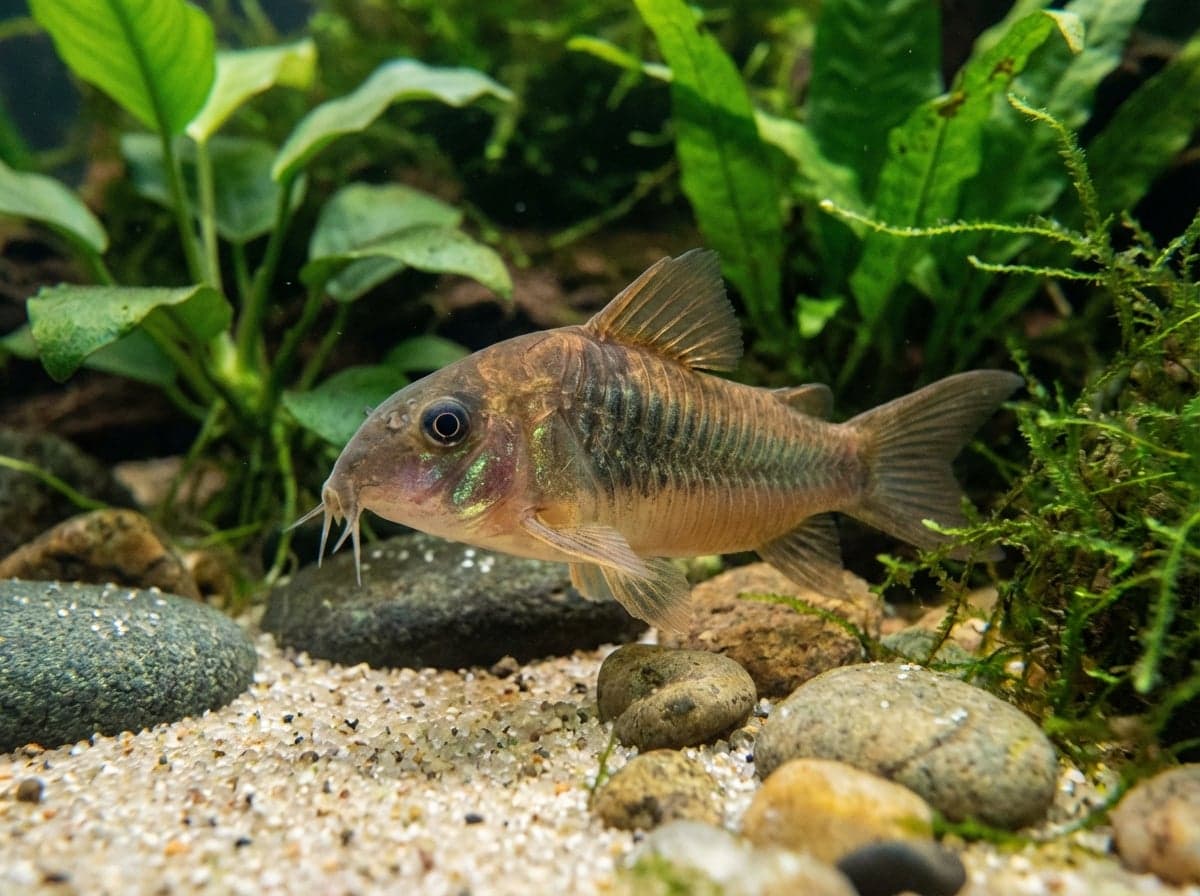
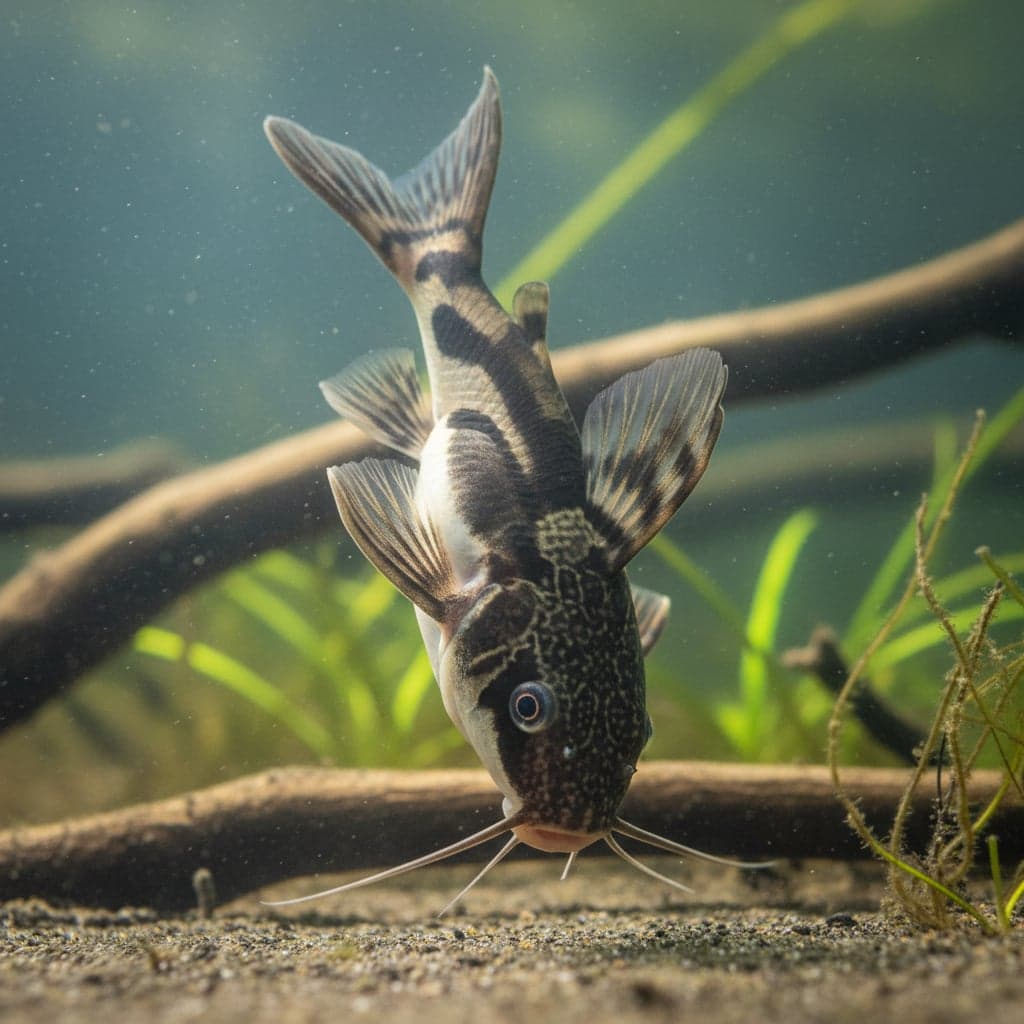
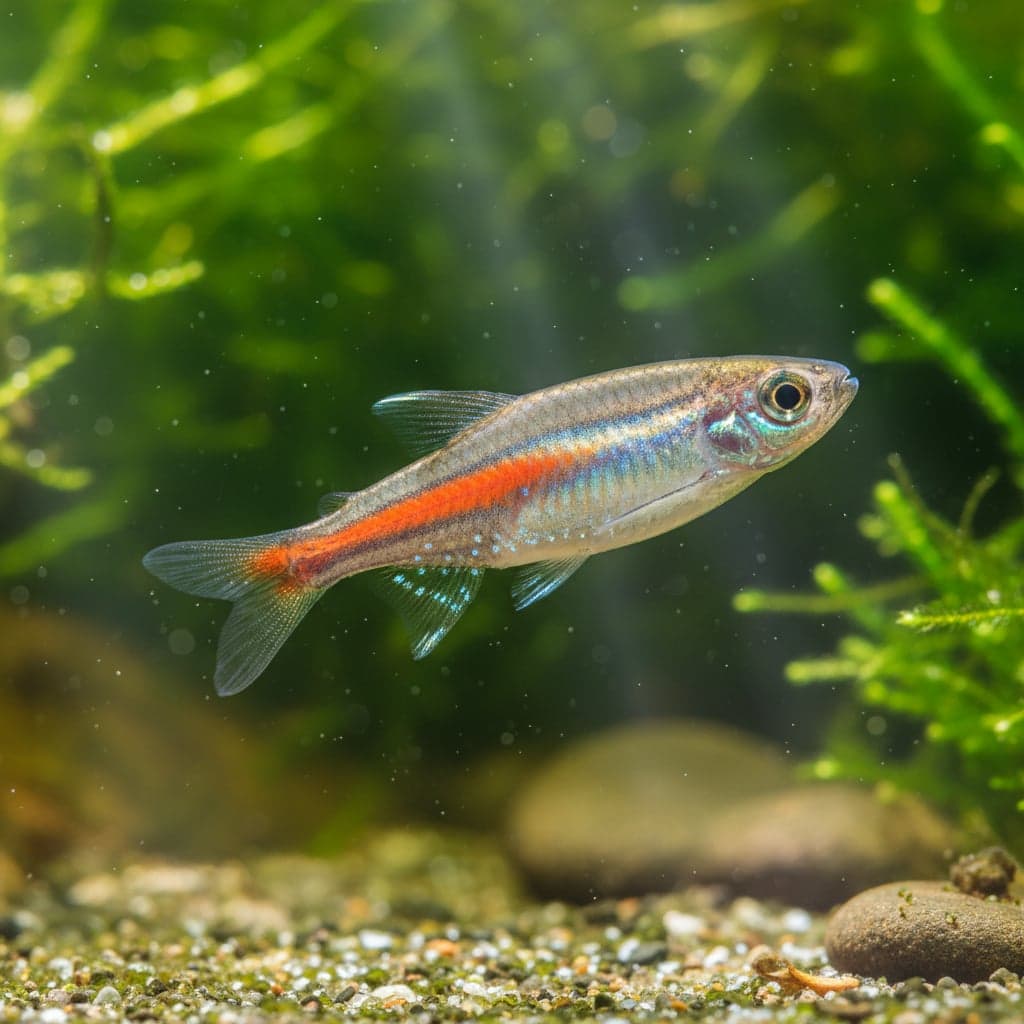
When selecting suitable tank mates for your Penguin Tetra, it’s important to choose species that share similar water parameter needs and peaceful temperaments. Ideal companions include other small, non-aggressive species such as Corydoras catfish, Neon Tetras, Rasboras, and small Boesemani Rainbows. These fish not only complement the school of Penguin Tetras but also contribute to a harmonious community tank. Additionally, snails and shrimps, such as Ghost Shrimp or Cherry Shrimp, can coexist safely with them.
On the other hand, it's crucial to avoid larger or more aggressive fish species that may pose a threat to the smaller Penguin Tetras. Avoid keeping them with cichlids, large tetras, or any species known for fin-nipping or aggressive tendencies. By carefully selecting tank mates, you will create a thriving environment that fosters the vibrant behaviors of your Penguin Tetras while ensuring the welfare of all inhabitants.
Breeding
Breeding Penguin Tetras in captivity can be accomplished if the right conditions are established. These fish are egg scatterers, meaning they lay eggs in a non-specific location instead of forming any structured nests. To encourage spawning, it is recommended to create a separate breeding tank with soft, acidified water, a temperature around 78°F (26°C), and plenty of fine-leaved vegetation or spawning mops where eggs can be safely deposited.
Upon noticing a female showing signs of readiness through a fuller, rounder belly, and the males becoming more vibrant and displaying courtship behavior, it can be beneficial to provide a separate breeding environment. After spawning, remove the parents, as they may consume the eggs. The eggs typically hatch within 24-36 hours, with the fry requiring infusoria or finely crushed flake food until they are large enough to consume larger foods. Ensuring optimal conditions during this period is crucial for the fry's development and survival.
Common Health Issues
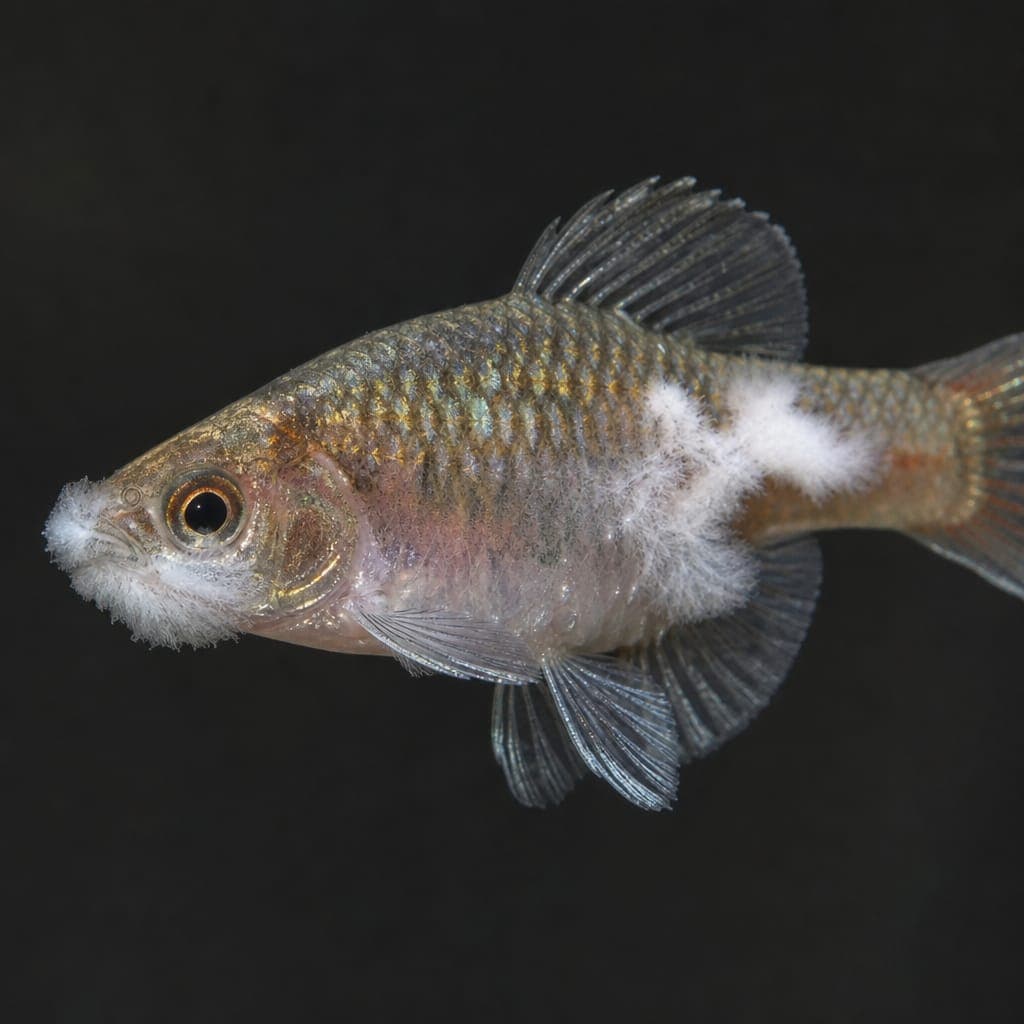
While Penguin Tetras are generally hardy, they can still be susceptible to various health issues, particularly if water quality is not maintained. Common ailments include ich (Ichthyophthirius multifiliis), fin rot, and fungal infections. Ich is often marked by white spots on the fish's body and fins, while fin rot causes frayed or deteriorating edges due to bacterial infections in suboptimal water. Conducting regular partial water changes, avoiding abrupt temperature swings, and feeding a high-quality diet will keep your Penguin Tetras vibrant, active, and disease-free.