The Peppered Corydoras: Corydoras paleatus
One of the first fish ever kept in the hobby. A hardy, cool-water loving Cory with a mottled black-and-grey pattern.

Peppered Corydoras
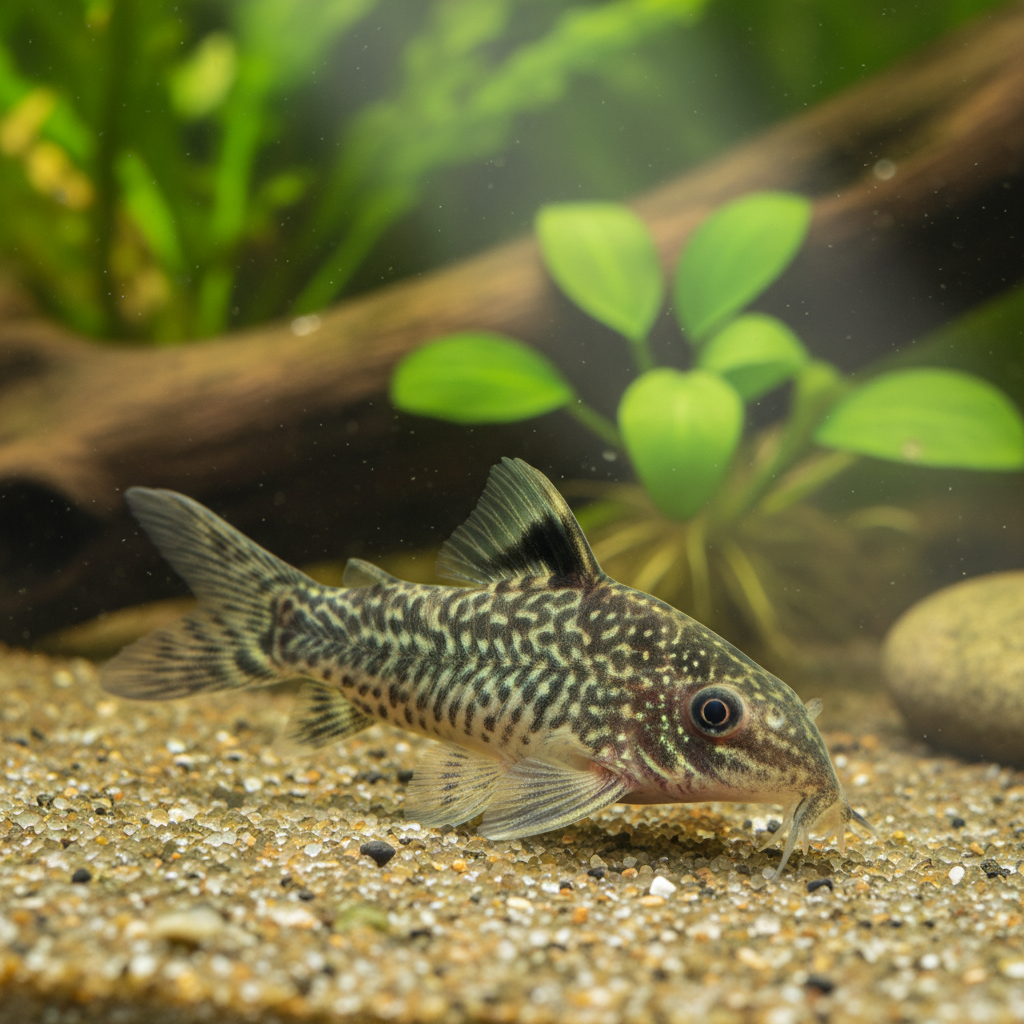
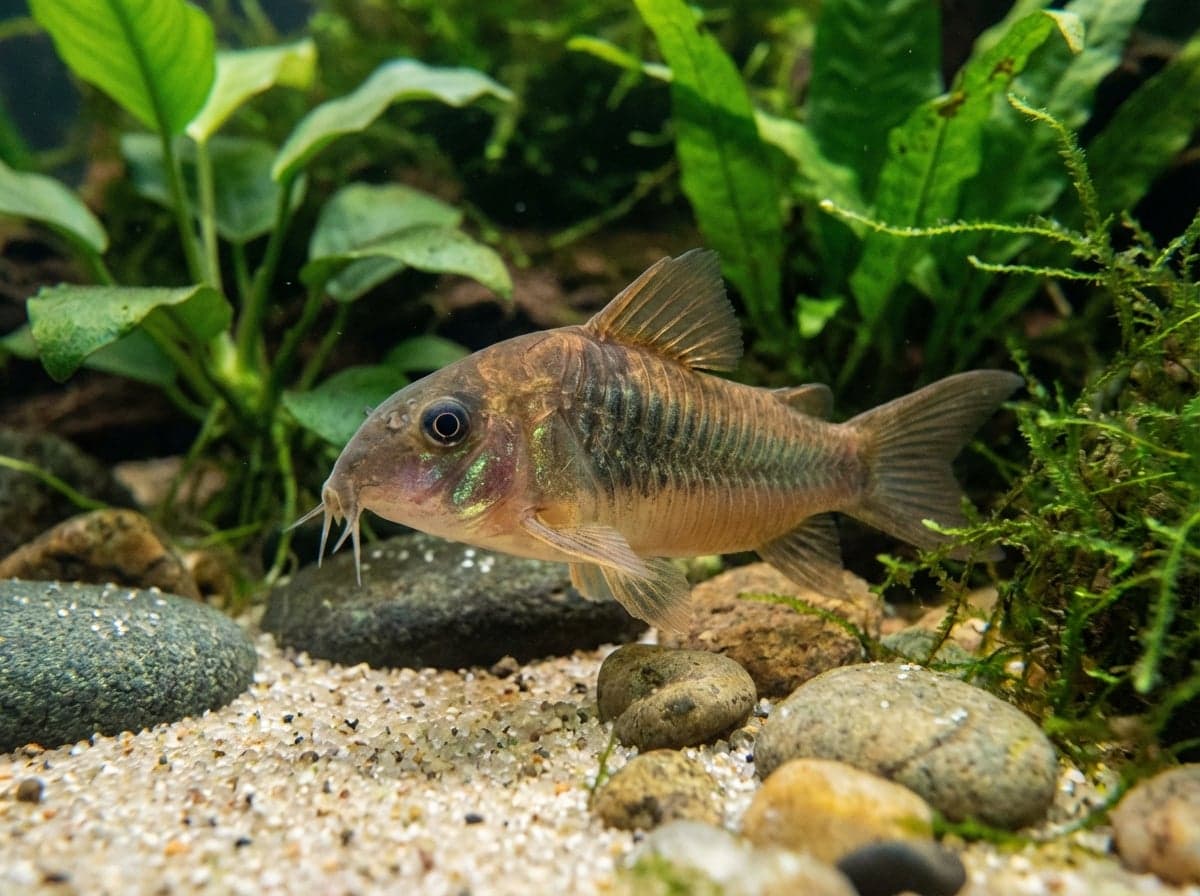
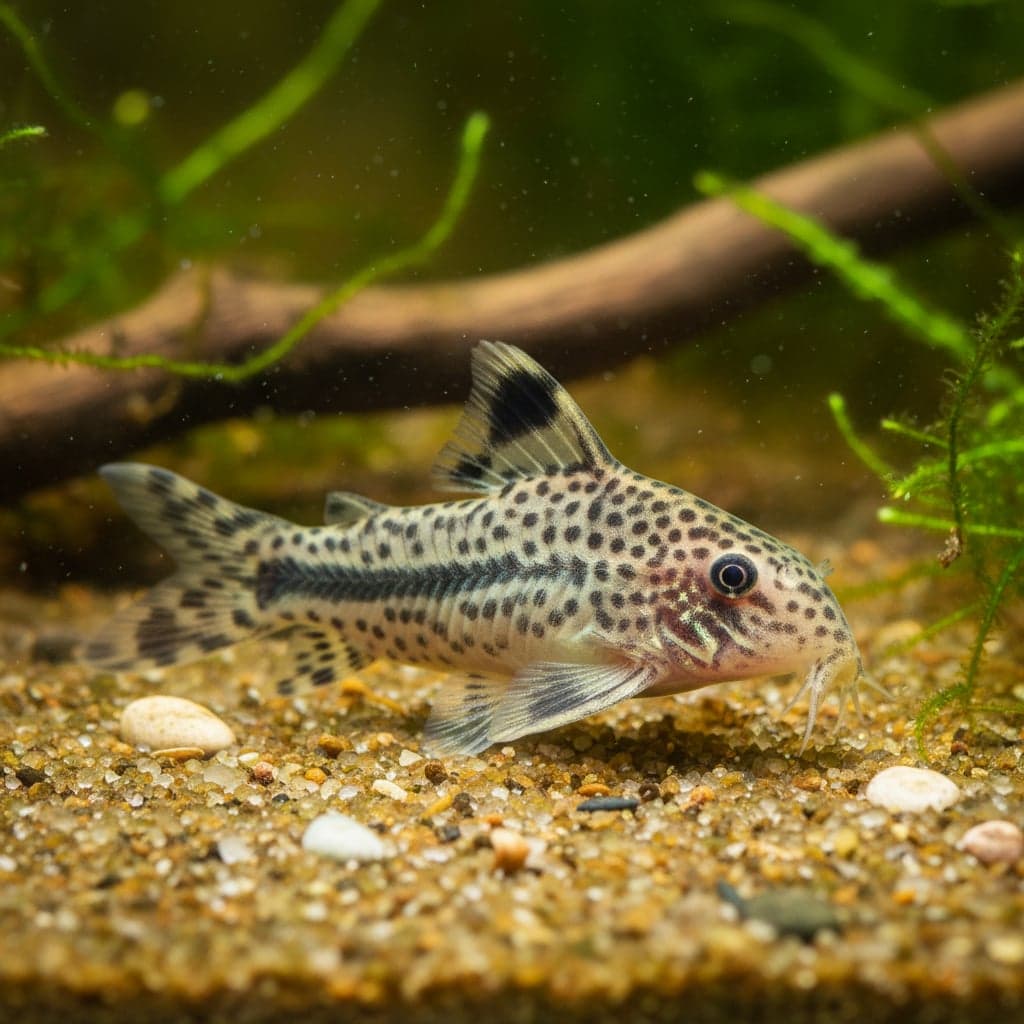
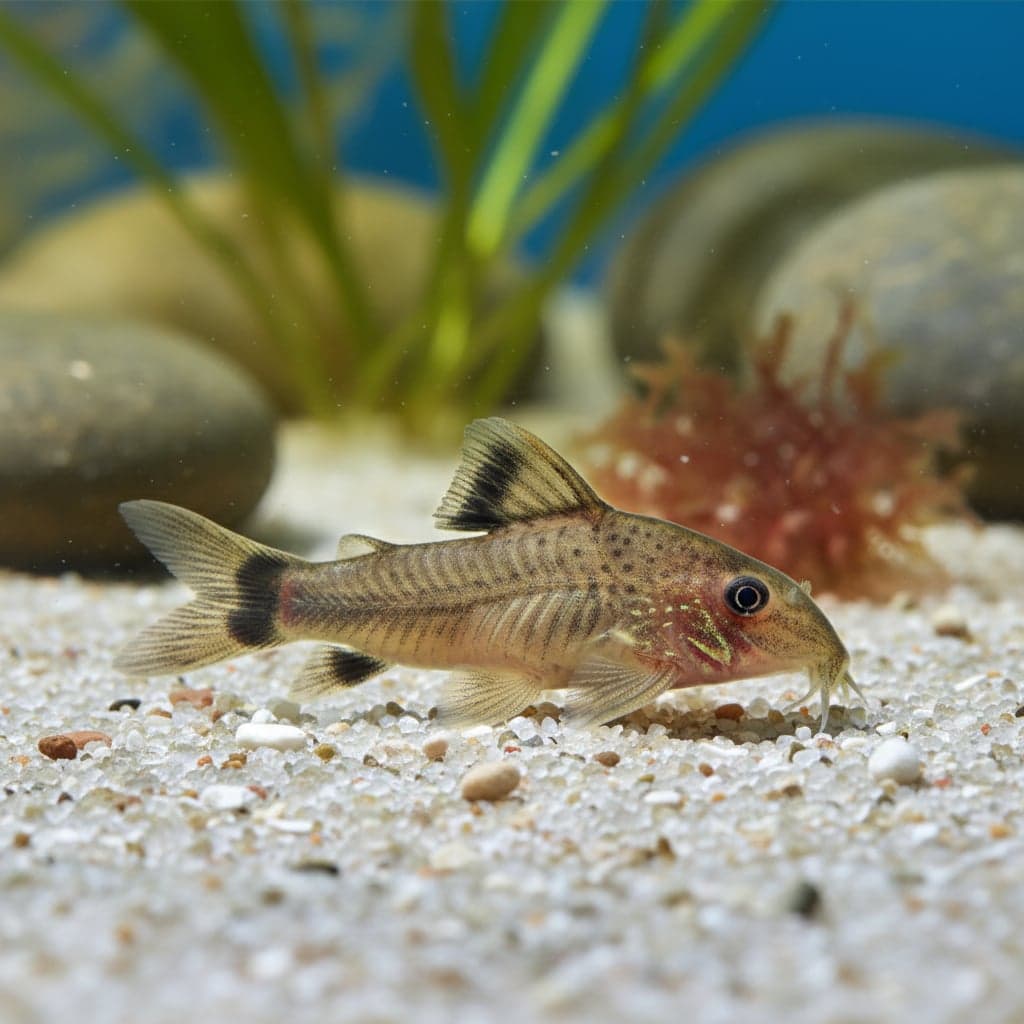
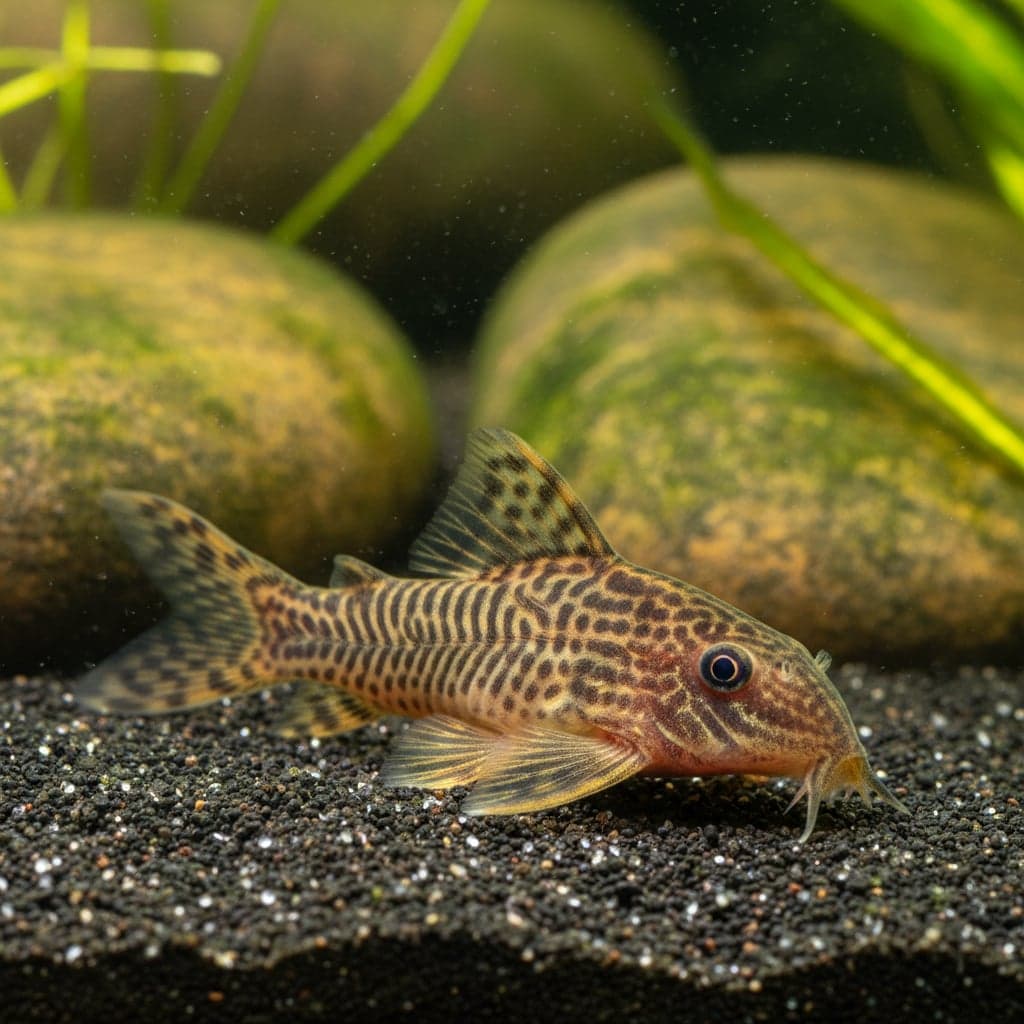
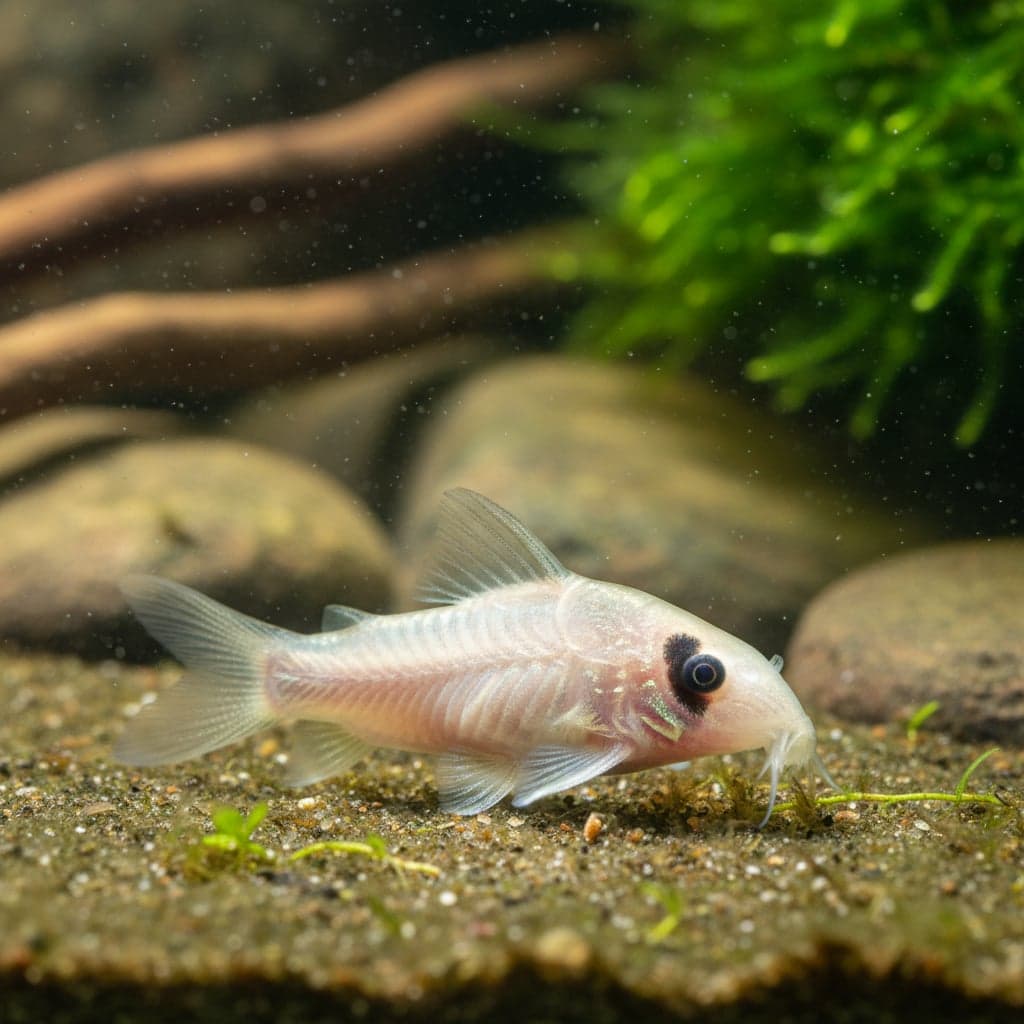
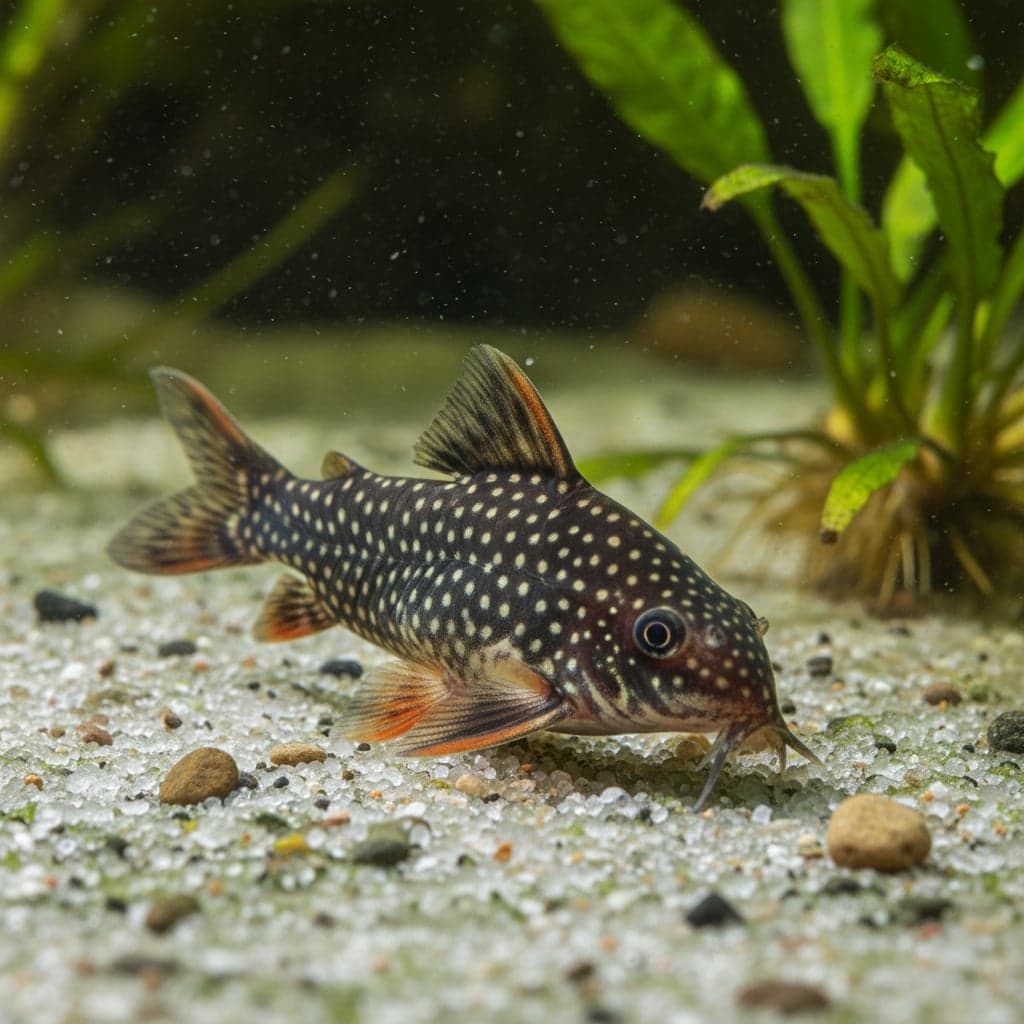
The Peppered Corydoras, scientifically known as Corydoras paleatus, is a charming freshwater fish adored by aquarists for its peaceful demeanor and playful nature. This small catfish, typically reaching around 2.5 inches (6 cm) in length, showcases a visually appealing body adorned with a mottled pattern of silver and darker spots, giving it a distinctly "peppered" appearance. Its rounded body and whisker-like barbels not only add to its aesthetic allure but also play a crucial role in its sensory perception, allowing it to navigate and forage in the substrates of its natural habitat.
Significantly contributing to the aquarium hobby, the Peppered Corydoras is a beginner-friendly species, making it an ideal choice for aquarists of all levels. These fish are social creatures that thrive in groups, bringing life and activity to community tanks. Their unique behaviors, such as swimming in unison and interacting with their environment, make them delightful to observe. With its hardiness and accessibility, the Peppered Corydoras serves as an ambassador for the Corydoras genus, affirming its essential role in fostering interest and engagement in freshwater aquascaping.
Natural Habitat & Origin
The Peppered Corydoras is native to the slow-moving waterways of South America, specifically found in regions of the Paraguay River Basin and parts of the Upper Paraná system. These environments often consist of shallow, clear waters with sandy or muddy substrates, surrounded by dense vegetation and leaf litter. The fish primarily inhabit areas where detritus accumulates, providing ample food sources and shelter.
In the wild, the Peppered Corydoras prefers slightly acidic to neutral waters, typically with a pH range of 6.0 to 7.5. The temperatures these fish thrive in usually range from 68°F to 77°F (20°C to 25°C). The natural habitats often feature dim lighting due to overhanging vegetation, which offers the Peppered Corydoras a sense of security while foraging and exploring.
Care Requirements
To successfully care for Peppered Corydoras, aquarists should replicate their natural habitat to maintain their health and wellbeing. A minimum tank size of 20 gallons is recommended to provide adequate swimming space, especially for a small school of at least six individuals. This not only encourages natural schooling behavior but also enhances their stress resistance.
Water parameters should be closely monitored and maintained within the ideal range: pH levels should be kept between 6.0 and 7.5, temperature should be set between 68°F and 77°F (20°C to 25°C), and hardness should ideally fall between 2 to 15 dGH. As for tank setup, a fine-grained substrate, such as sand or smooth gravel, is preferred to prevent injury to their delicate barbels. The addition of ample plants, driftwood, and hiding spots creates a natural aquascape that mimics their native environment. Low to moderate lighting can further promote a comfortable atmosphere for these sociable fish.
Diet & Feeding
Peppered Corydoras are omnivorous fish, displaying a diverse diet that includes both plant and animal matter. In captivity, they thrive on high-quality sinking pellets and flakes, designed for bottom feeders, which should be the staple of their diet. Additionally, they appreciate frozen or live foods, such as brine shrimp, daphnia, and bloodworms, which can be offered as supplements to enhance their nutritional intake.
It's important to ensure that their dietary needs are met without overfeeding, as uneaten food can quickly degrade water quality. To keep their environment clean and healthy, aquarists should strive to provide small portions multiple times a day, allowing the Peppered Corydoras to consume food within a few minutes.
Behavior & Temperament
The Peppered Corydoras is known for its sociable and peaceful nature, making it a fantastic addition to community tanks. Typically seen foraging on the substrate, these fish engage in delightful schooling behavior, demonstrating a strong tendency to group together in tight formations. Their calm demeanor ensures compatibility with a wide range of tank mates while minimizing any aggression towards other species.
In terms of vertical placement, the Peppered Corydoras predominantly inhabits the lower levels of the aquarium, often rummaging through the substrate for food. This bottom-dwelling behavior also encourages other fish species to occupy the mid and upper levels of the tank, promoting a harmonious and dynamic aquatic environment.
Tank Mates
When considering tank mates for Peppered Corydoras, it is crucial to select species that share similar temperament and environmental needs. Ideal companions include other peaceful bottom-dwellers like Otocinclus, Tetra species, livebearers (such as Guppies and Platies), and community fish like Endler’s livebearers and Rasboras.
Conversely, certain species should be avoided, particularly those known for their aggressive tendencies or large size. This includes larger cichlids, aggressive barbs, or any predator fish that could outcompete or harm the Peppered Corydoras. By choosing compatible species, an enriching community tank can be created, showcasing the Peppered Corydoras' characteristic behavior.
Breeding
Breeding Peppered Corydoras in captivity can be a rewarding endeavor, provided certain conditions are met to stimulate spawning. Typically, these fish do best when bred in a separate spawning tank, which mimics the softer, slightly acidic conditions of their natural habitat. A pH of around 6.5 and a temperature between 74°F and 78°F (23°C to 26°C) is ideal for breeding setup.
Spawning behavior usually occurs after a water change simulating the rainy season, prompting the fish to breed. Males will dance around the females, leading them to suitable spawning sites on flat, broad surfaces like broad-leafed plants or spawning mats. The female will deposit eggs, which males fertilize shortly afterward. Once spawning is completed, it is advisable to remove adult fish from the breeding tank to prevent them from consuming the eggs. The eggs typically hatch within 3 to 5 days, with fry growing rapidly when provided with infusoria or finely crushed flakes.
Common Health Issues
While Peppered Corydoras are generally hardy fish, they can still be susceptible to certain health issues, particularly if water quality deteriorates. Common ailments include ich (Ichthyophthirius multifiliis), which presents as white cysts on the body and fins, and bacterial infections.
Maintaining a clean tank, performing regular water changes, and ensuring good filtration are vital preventative measures. Additionally, monitoring for stressors can reduce the risk of health complications. When introducing new fish or plants, proper acclimation techniques should be employed to minimize shock and exposure to diseases. If health issues arise, prompt action is necessary, including the use of medications as recommended by aquatic veterinarians or experienced aquarists.