Peppermint Pikehead: Luciocephalus pulcher
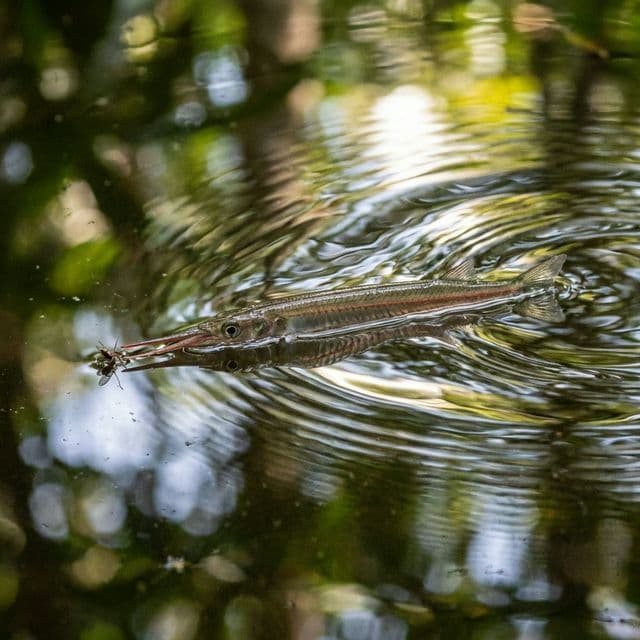
An incredibly bizarre, needle-nosed labyrinth fish evolved perfectly to mimic a floating piece of dead wood.
Peppermint Pikehead
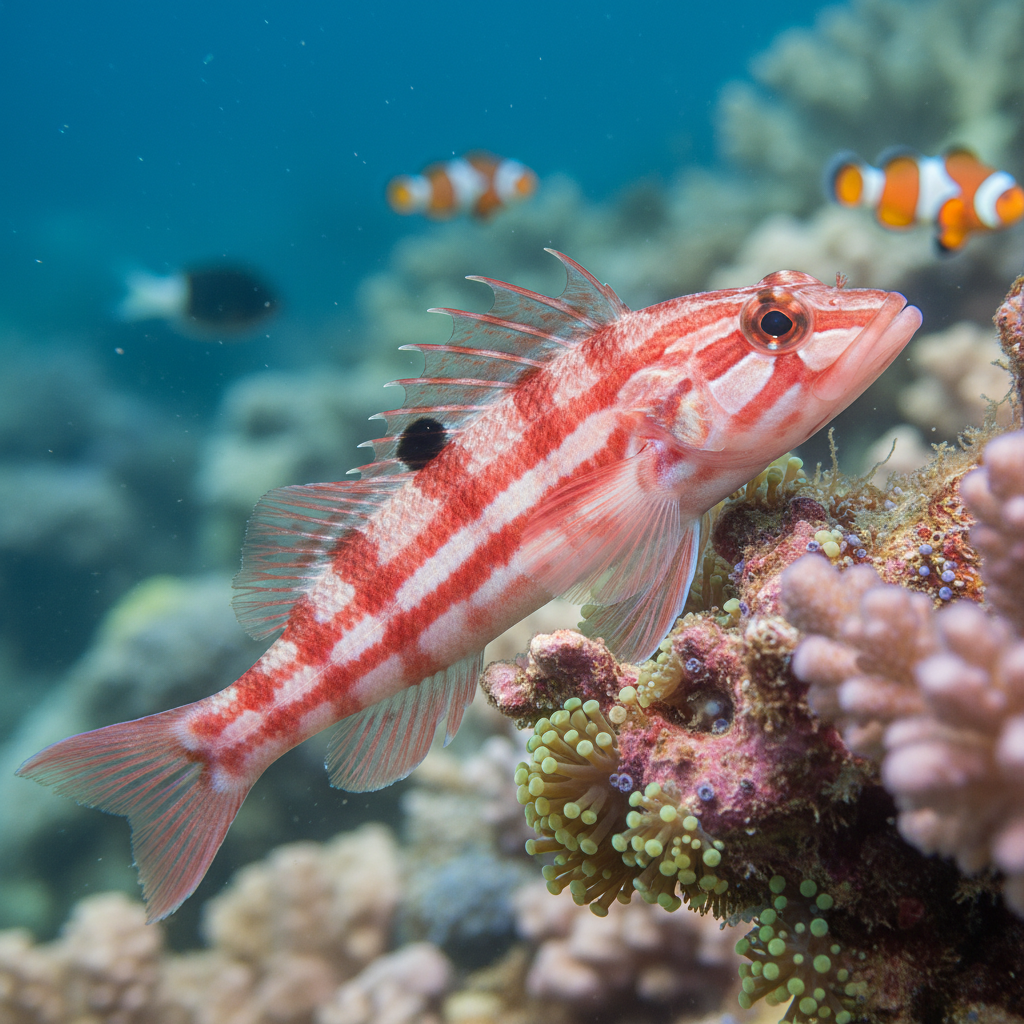
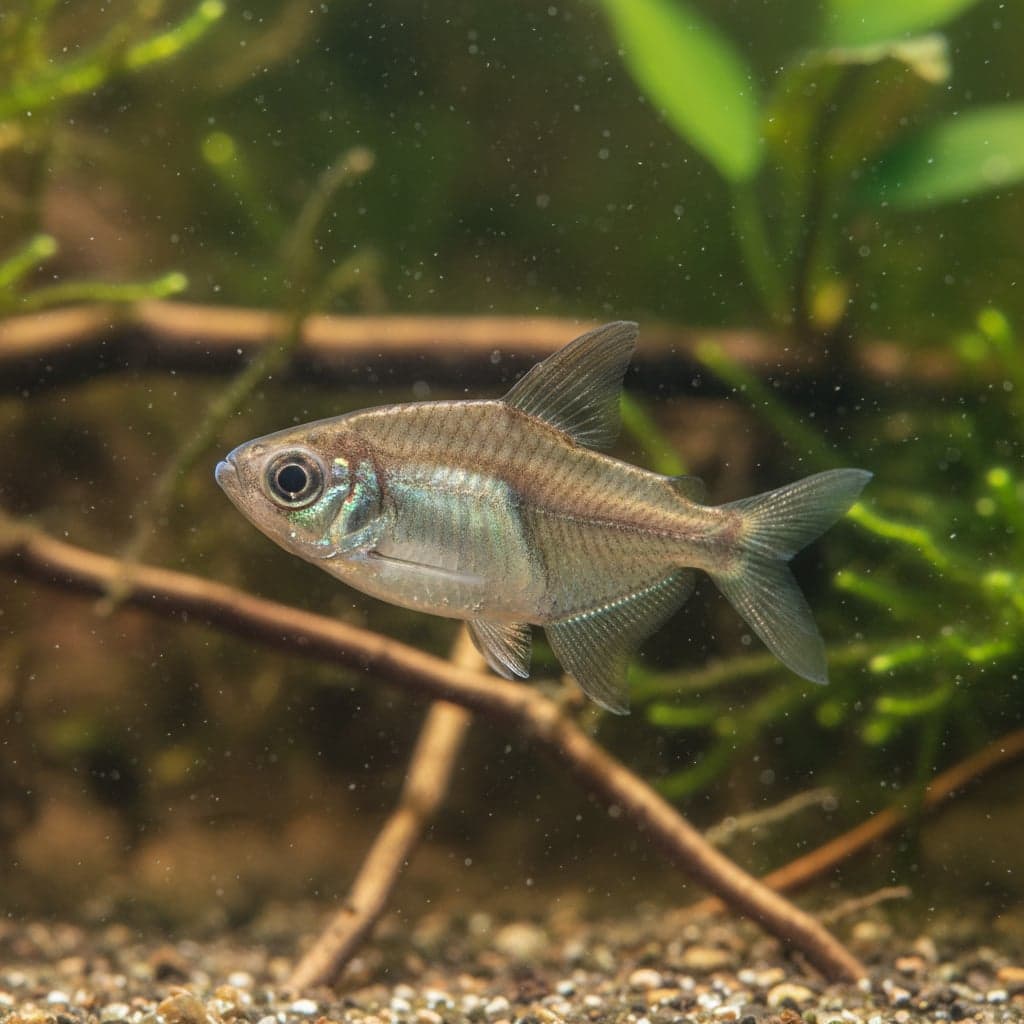
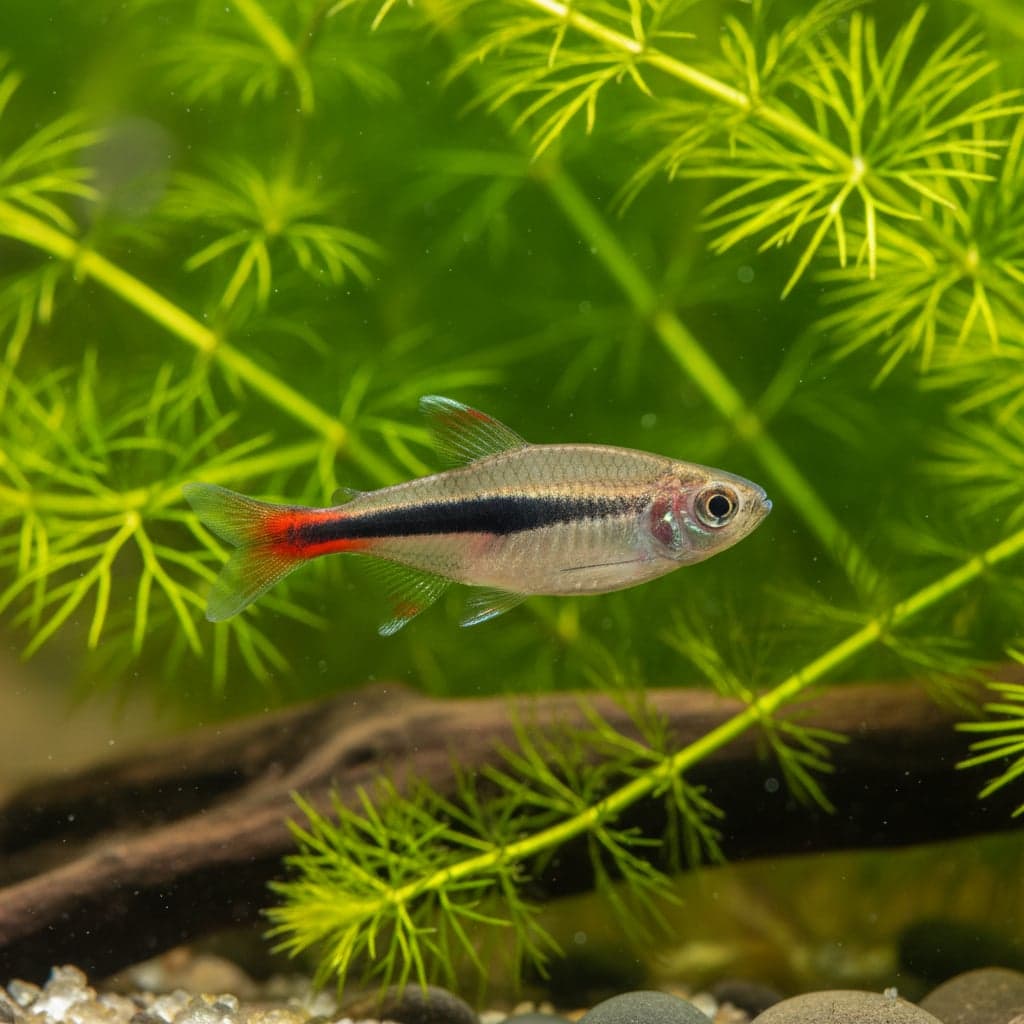
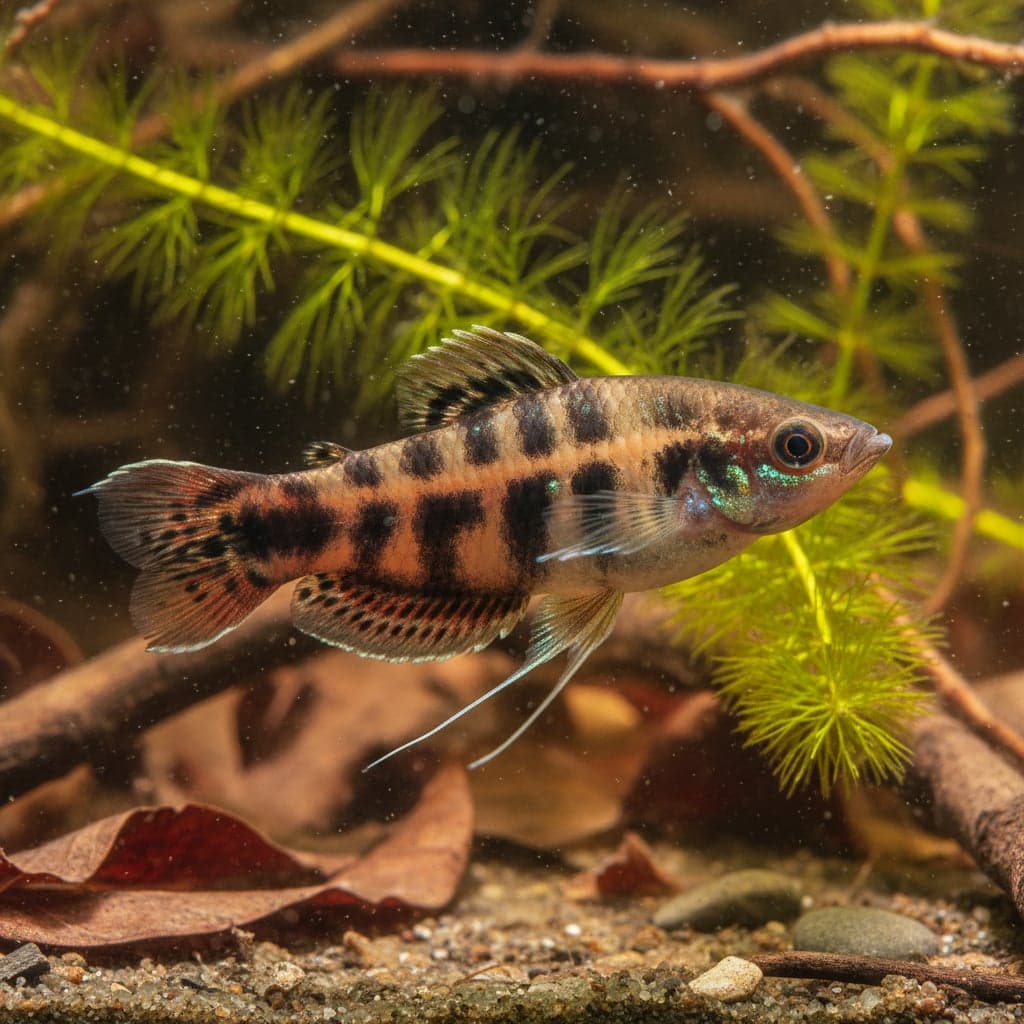
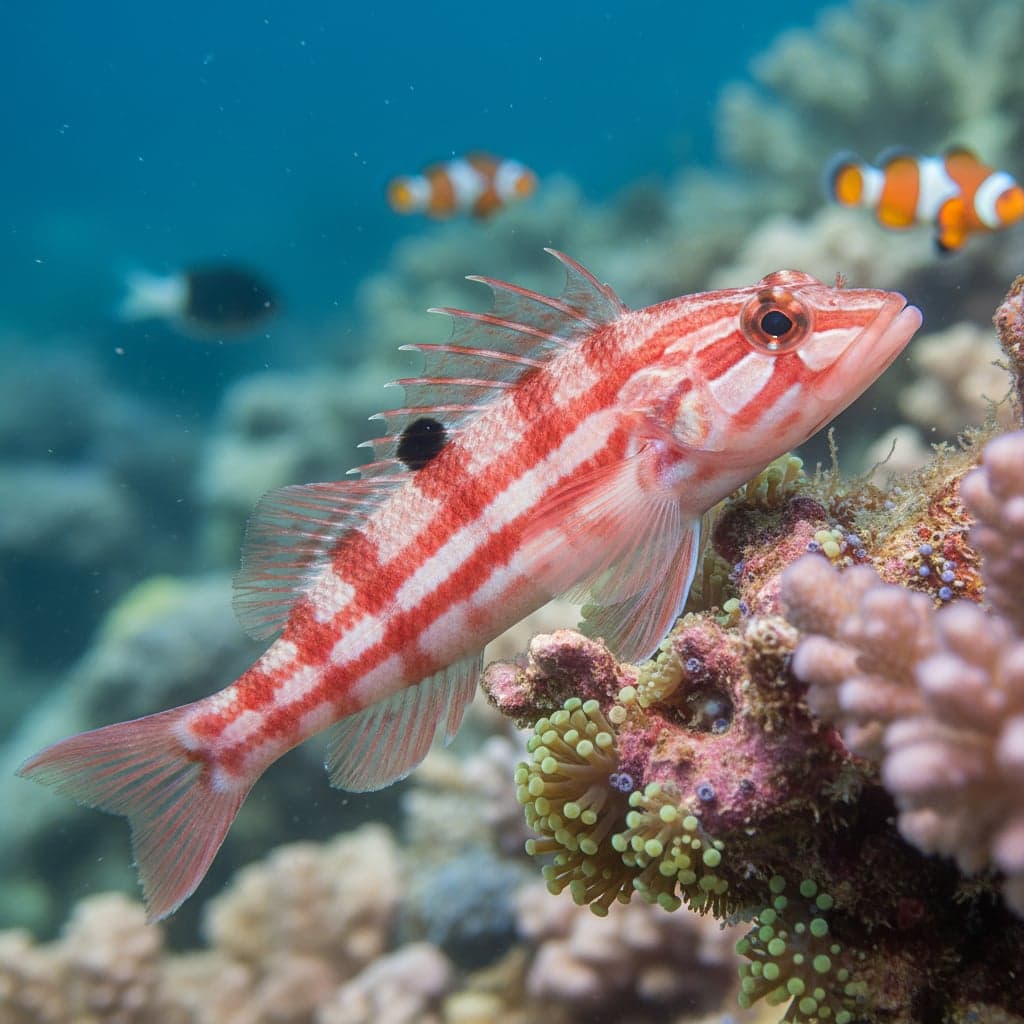
The Peppermint Pikehead, scientifically known as Luciocephalus pulcher, is a captivating freshwater fish species that has gained popularity among aquarists due to its striking appearance and unique behavioral traits. This little gem displays a stunning array of colors, notably vibrant red, blue, and orange hues that swirl across its elongated body, making it not just a living creature but a piece of art in an aquarium setting. With its laterally compressed body and elongated head, the Peppermint Pikehead embodies a sleek profile that adds sophistication and elegance to any aquatic display. Its iridescent patterns shimmer brilliantly under proper aquarium lighting, making it a compelling choice for fish enthusiasts who appreciate visual flair.
Beyond its aesthetic appeal, the Peppermint Pikehead holds significant importance within the aquarium hobby. It is highly sought after for its intriguing behavior and adaptability to various aquatic environments, which makes it a delightful addition for both novice and experienced aquarists alike. While it thrives in specific conditions that mimic its natural habitat, this species can display a unique personality that captivates observers. Known for its inquisitive nature and occasional playful antics, the Peppermint Pikehead engages actively with both its environment and its keepers, contributing to its popularity in private and public aquariums.
Natural Habitat & Origin
The Peppermint Pikehead is native to the slow-moving waters of Southeast Asia, primarily found in the lush freshwater ecosystems of the Mekong River Basin. This species often inhabits blackwater environments characterized by soft and acidic water, with decaying leaf litter and submerged vegetation providing both shelter and foraging opportunities. The waters are typically darkened by organic tannins, which can affect light penetration and influence the biological community present in these habitats. Such conditions create an environment rich in biodiversity, fostering delicate ecological relationships that ensure the survival of fish like the Peppermint Pikehead.
In the wild, the Peppermint Pikehead thrives in densely vegetated areas, often found in locations featuring intricate root structures and floating plants. These environments are crucial for their sustenance and protection from potential predators. The warm temperatures and stable pH levels of their natural habitat are essential to mimic in home aquariums to ensure these fish remain healthy and exhibit their best colors. Understanding the original habitat of the Peppermint Pikehead is vital for aquarists aiming to replicate these conditions and successfully keep this captivating species.
Care Requirements
To maintain a healthy environment for your Peppermint Pikehead, attention to water parameters is critical. Ideally, the tank should have a pH between 6.0 to 7.0, a temperature range of 24-28°C (75-82°F), and be soft to moderately hard water (2-12 dGH). Establishing these parameters is essential for the fish to thrive, as shifts outside of these ranges can lead to stress and health complications.
In terms of tank setup, it is recommended to provide a minimum tank size of 75 gallons to allow adequate space for swimming and social interaction. The substrate should be soft, such as sand or fine gravel, to prevent injury as these fish tend to exhibit playful behavior. Dim to moderate lighting mimics their natural environment, and incorporating floating plants alongside dense vegetation will provide shelter and varying environments for their behavior. Utilizing driftwood and leaf litter effectively replicates the natural habitat and enhances their overall well-being.
Diet & Feeding
The Peppermint Pikehead is classified as an omnivore, benefiting from a balanced diet that includes both plant and animal-based foods. In captivity, a varied diet is crucial for optimal health. High-quality flake food specifically designed for carnivorous fish can serve as a staple. Additionally, supplementing their diet with pellets, frozen foods (like brine shrimp and bloodworms), and live foods (such as daphnia and small insects) will help provide the necessary nutrients and promote vibrant coloration.
Feeding frequency should generally be once or twice a day, ensuring the food is ingested within a few minutes to prevent water quality issues. It's also advisable to rotate between various food types to maintain interest and ensure a well-rounded diet. Observing their feeding habits will help aquarists determine the best feeding strategy for their individual fish, leading to healthier and more active Peppermint Pikeheads.
Behavior & Temperament
The Peppermint Pikehead exhibits fascinating behavior that makes it both captivating and engaging to observe. Generally regarded for being semi-aggressive, this species tends to be territorial, particularly during breeding seasons. They display a lively disposition and enjoy swimming at various levels of the tank, often darting vertically as they forage among plant life and decorations.
In terms of social behavior, the Peppermint Pikehead benefits from a minimalist shoaling environment. Keeping them in groups of 5-6 individuals can help reduce stress and encourage natural schooling behavior, though it is essential to ensure sufficient space in the aquarium to prevent territorial disputes. They may show aggression towards smaller tank mates, especially if deemed competition for food or territory. Consequently, it is vital for aquarists to monitor interactions among the fish to ensure a harmonious aquarium dynamic.
Tank Mates
When selecting companions for the Peppermint Pikehead, it is important to consider both compatibility and size. Peaceful fish of similar size make for ideal companions, such as Tetras (such as the Neon and Rummy Nose), larger Rasboras, and certain species of Gouramis. Additionally, larger catfish like Corydoras are good choices, as they tend to occupy different areas of the tank than the Peppermint Pikehead.
It is crucial to avoid housing the Peppermint Pikehead with overly aggressive species or small fish that may become targets, such as Guppies or Betta Fish, as these could provoke territorial aggression. Furthermore, avoiding small invertebrates such as shrimp will ensure that these tank mates don't make an easy snack. A carefully chosen community will not only promote a healthier environment for the Peppermint Pikehead but also foster a vibrant aquarium display.
Breeding
Breeding Peppermint Pikeheads in captivity can be a rewarding endeavor, although it requires specific conditions to replicate their natural spawning behaviors. These fish engage in mouthbrooding, where females carry fertilized eggs in their mouths until they hatch. To encourage spawning, provide optimal water conditions, including slightly warmer temperatures with a soft, acidic pH.
Creating a breeding tank that incorporates dense planting areas with fine-leaved plants will facilitate the breeding process. Once spawning occurs, it is essential to separate the male and female to prevent aggression, allowing the female to safely carry the eggs to term. After approximately 20-40 days, the fry will be ready to swim independently, at which point, appropriate care will be needed to ensure their growth and health.
Common Health Issues
While the Peppermint Pikehead is generally hardy, it can be prone to specific common aquatic diseases if not cared for properly. One of the more frequent issues is ich (Ichthyophthirius multifiliis), a parasitic infection often brought on by stress or poor water conditions. Maintaining stable water parameters, routine tank cleanings, and a stress-free environment are essential for prevention.
Another concern is fin rot, typically resulting from inadequate water quality or physical injury. Regular monitoring of fish behavior and physical condition can help catch early signs of distress. Implementing a well-maintained filtration schedule and regular water changes further reduces disease risk. Quarantine newcomers and avoid overcrowding these predatory ambush hunters. Watch for white spots, frayed fins, or refusal to eat, and treat promptly with aquarium-safe medications. A varied diet of meaty foods and a secure, planted setup keep Peppermint Pikeheads healthy, camouflaged, and stress-free for years in a planted, tightly covered aquarium.