Peppermint Plec L031: Parancistrus nudiventris
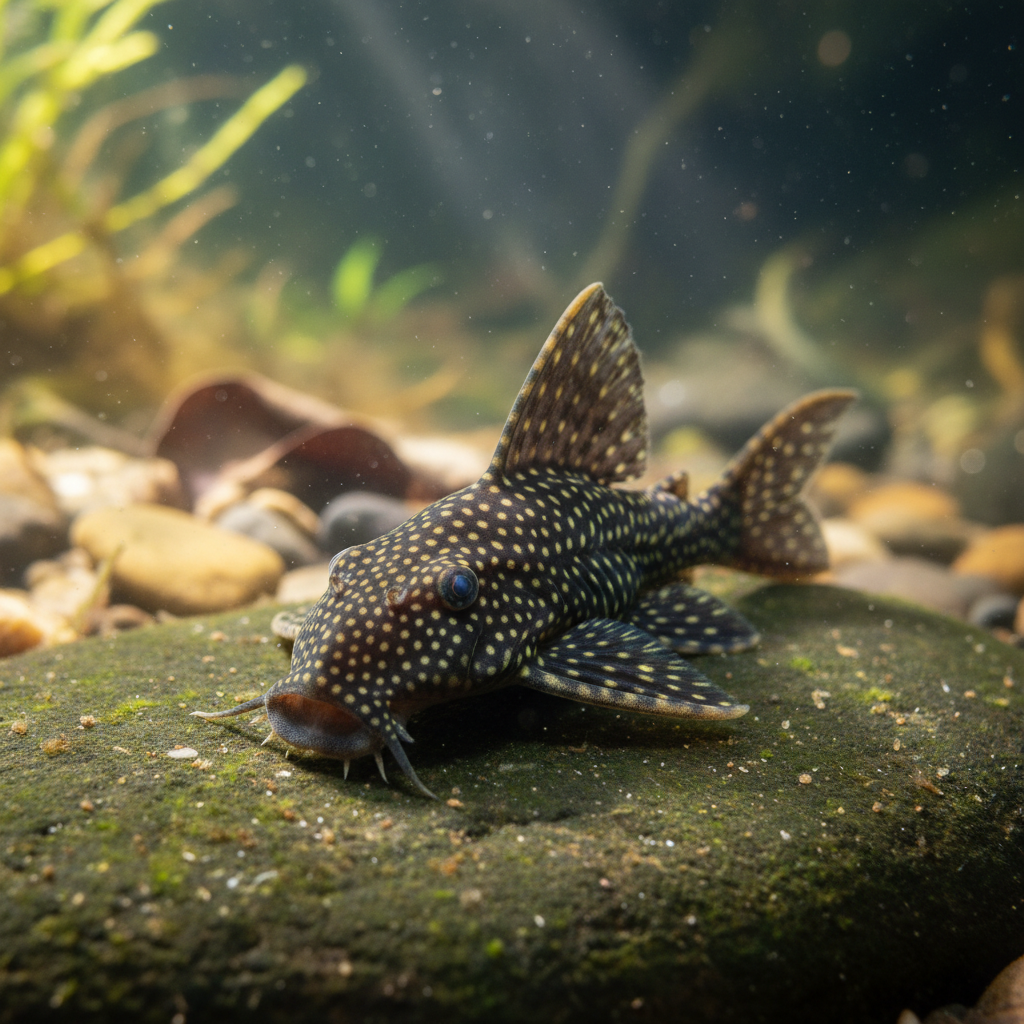
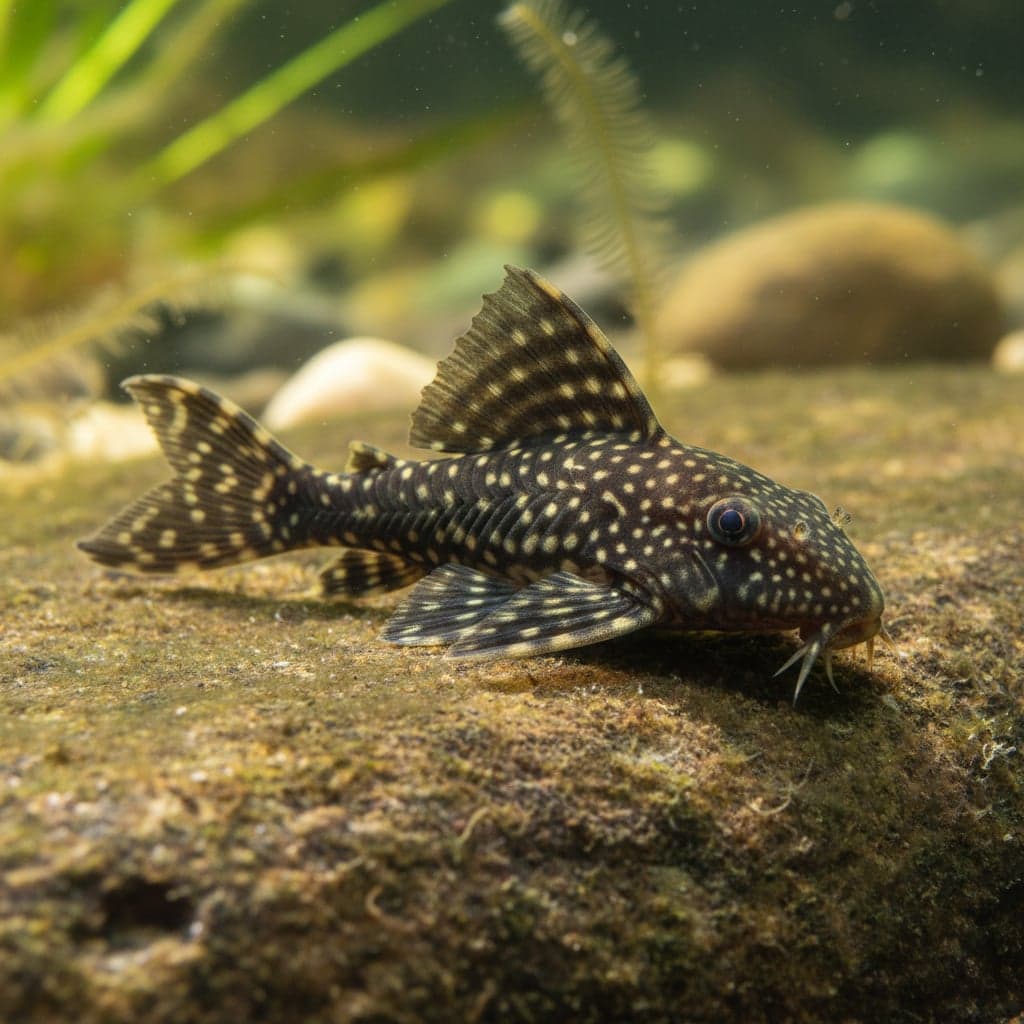
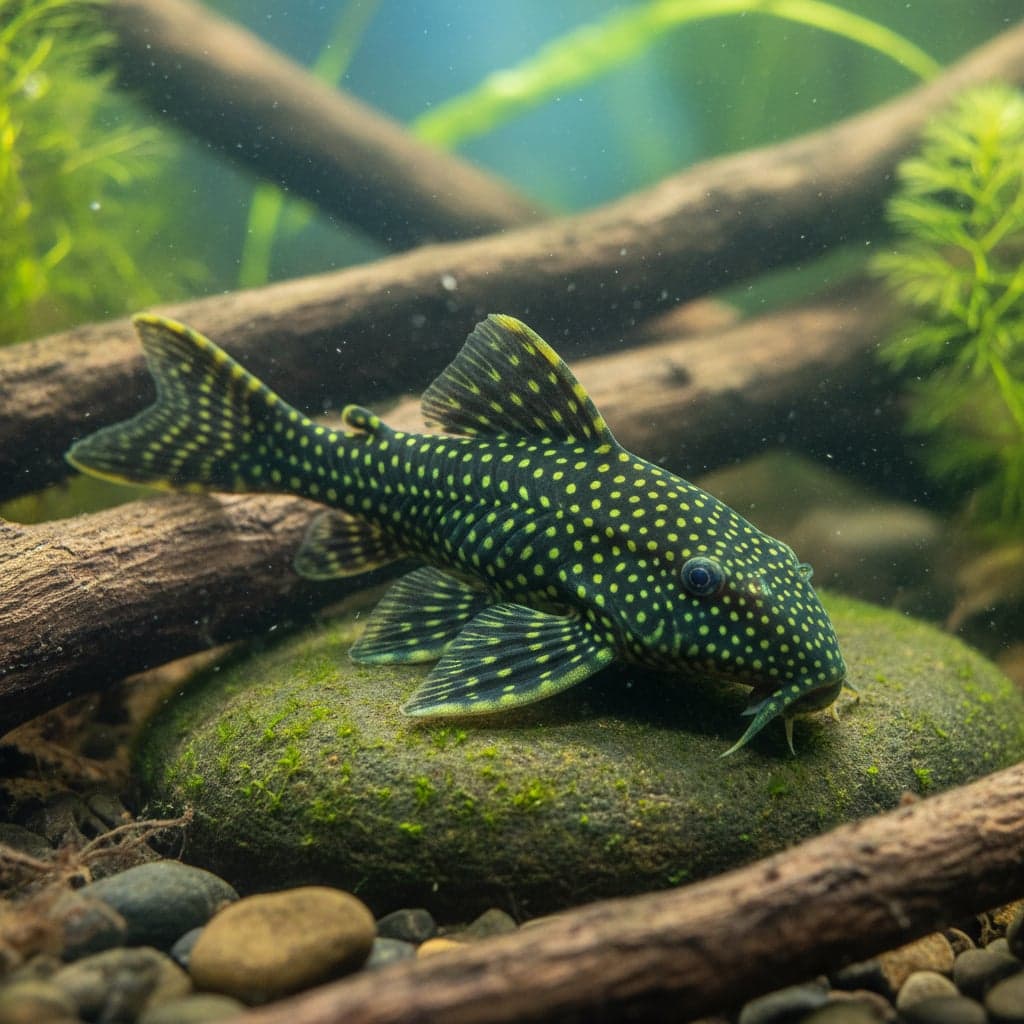
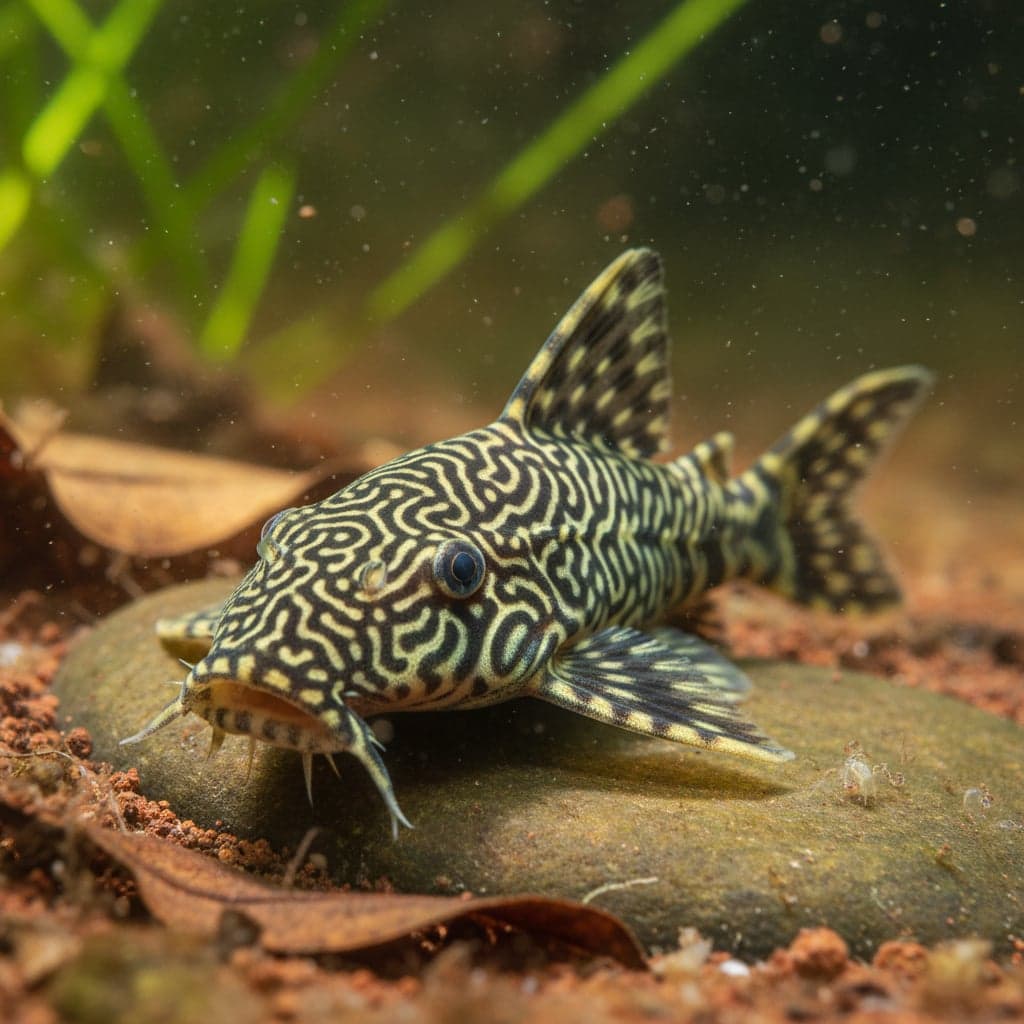
A spectacularly beautiful plecostomus featuring an ink-black body covered in millions of tiny, glowing white dots.
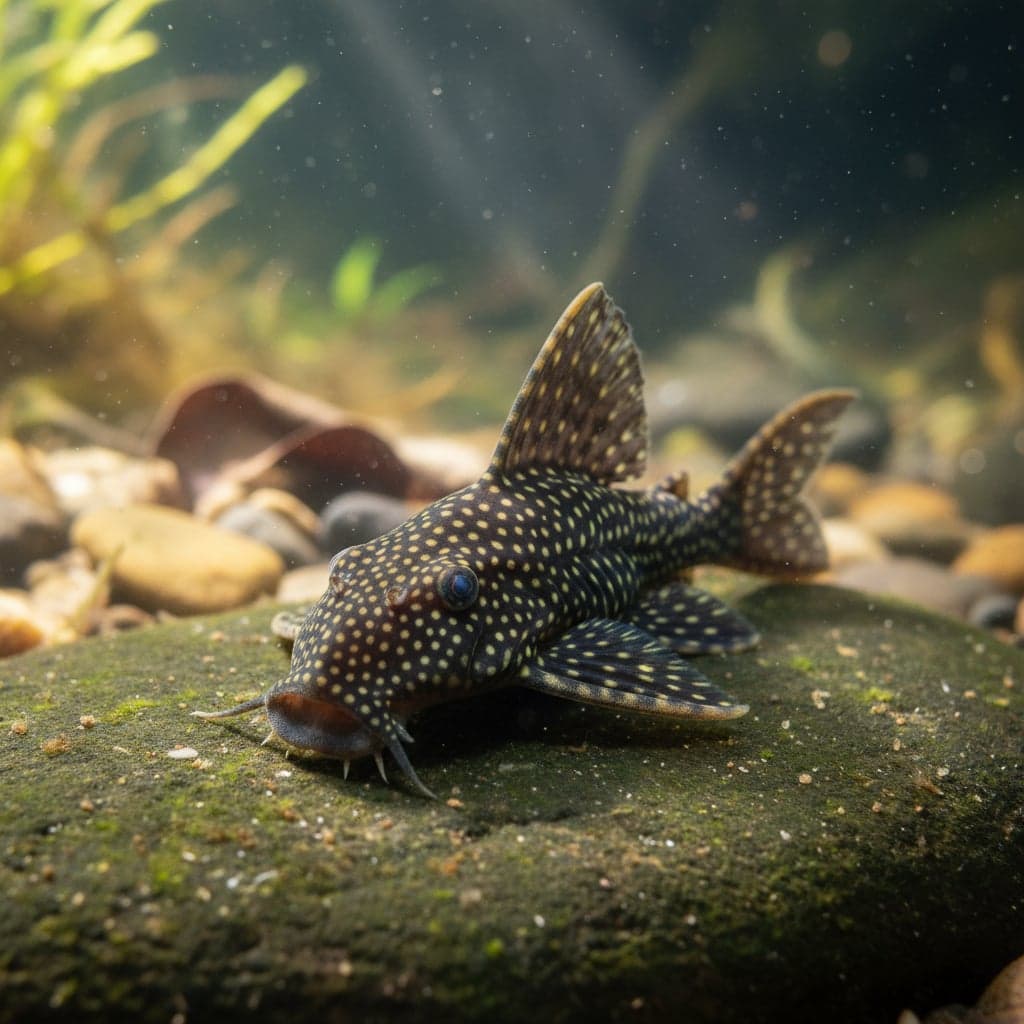
Peppermint Plec L031
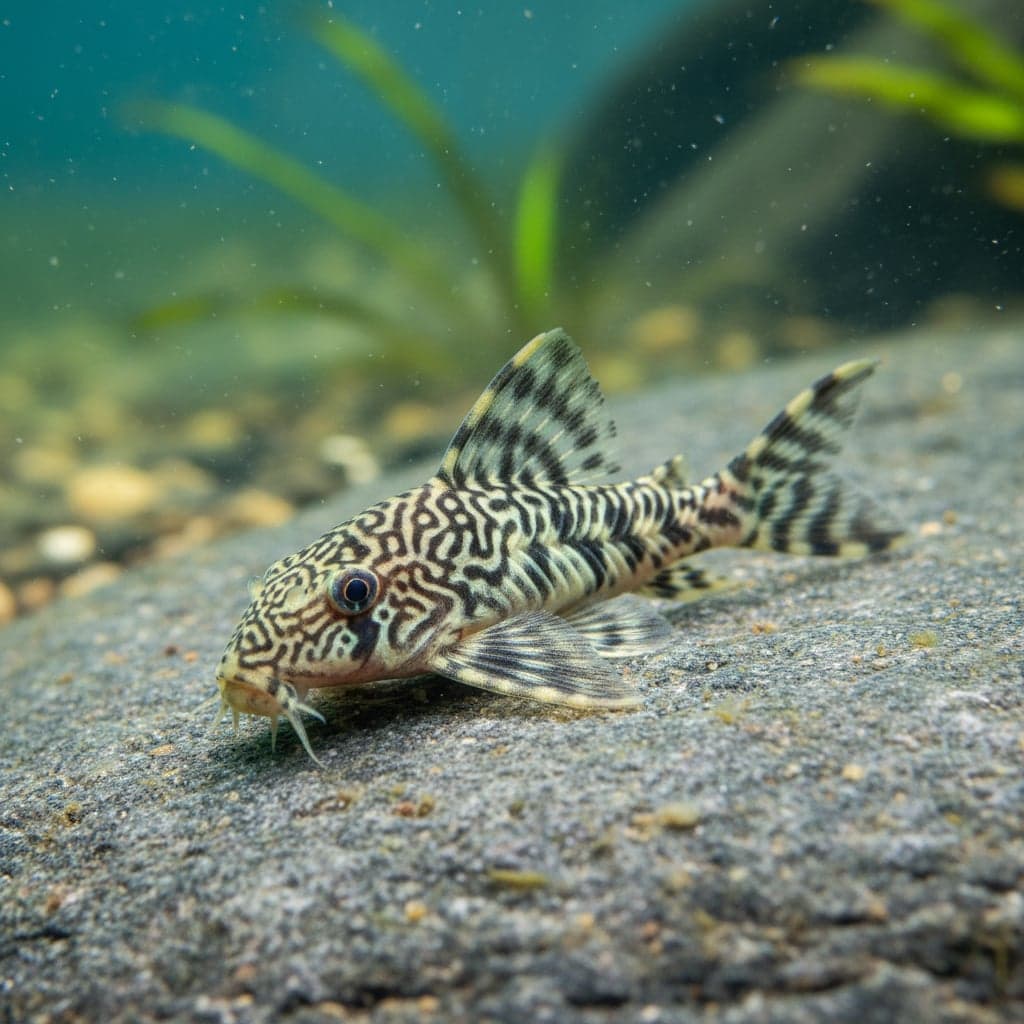
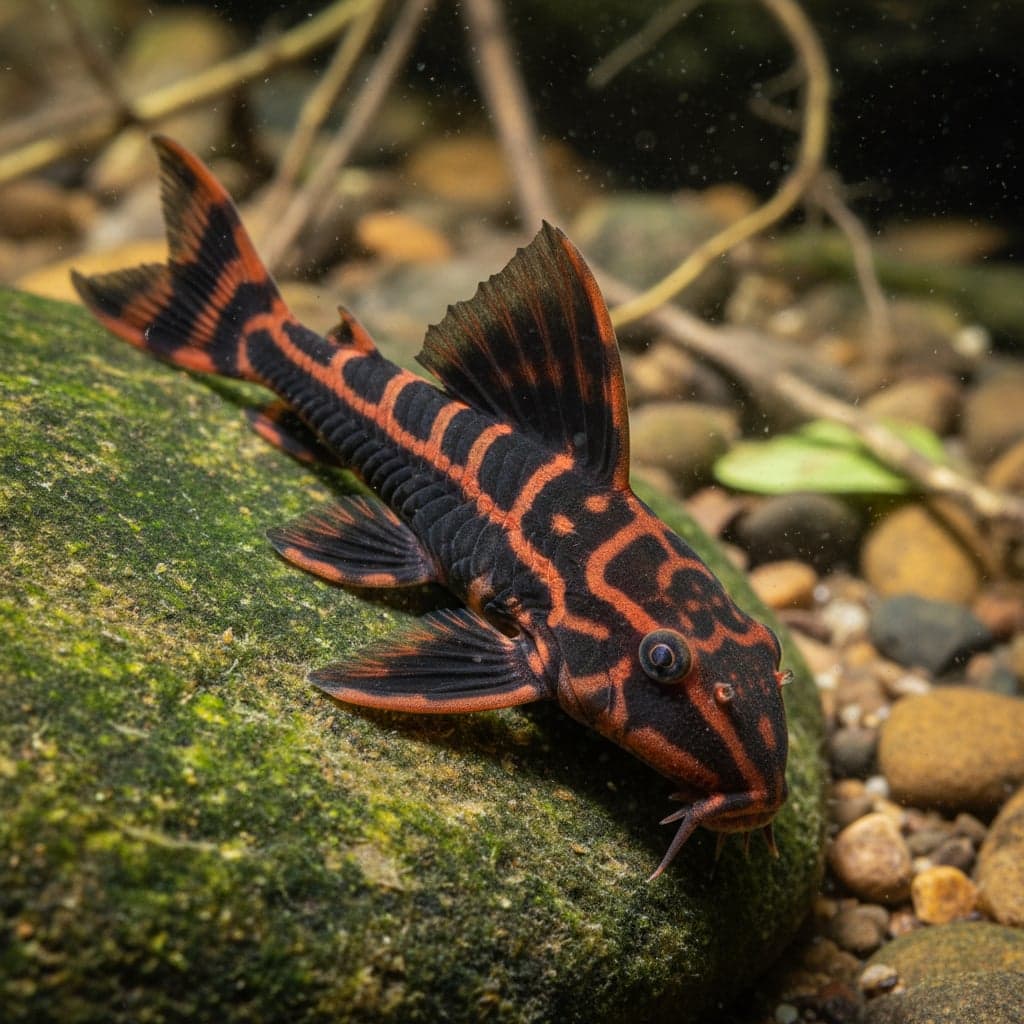
The Peppermint Plec L031, scientifically known as Parancistrus nudiventris, is a stunning species of freshwater fish that captures the attention of both novice and seasoned aquarists alike. Known for its striking coloration and distinctive pattern, this fish features a beautiful blend of light yellow to orange hues adorned with unique chocolate brown bands and spots, which resemble the appearance of a peppermint candy. This visual appeal makes the Peppermint Plec a centerpiece in many aquariums, adding a pop of color and complexity to the aquatic landscape. Additionally, its unique morphology, including the broad, flattened body and elongated fins, enhances its aesthetic allure, making it a highly sought-after species in the aquarium hobby.
Beyond its beauty, the Peppermint Plec L031 also holds significant importance in the aquarium trade and is a testament to the diversity of freshwater ecosystems. This fish is renowned for its remarkable algae-eating capabilities, making it a valuable addition for maintaining a clean tank environment. As interest in biotope aquariums—where the purpose is to recreate the natural habitats of fish—increases, the Peppermint Plec serves as an excellent ambassador for the variety of life within freshwater habitats. It not only engages the interests of hobbyists but also inspires conservation efforts for its natural environments.
Natural Habitat & Origin
The Peppermint Plec L031 originates from the river systems in the Amazon Basin, particularly found in regions of Brazil. It primarily inhabits slow-moving waters such as tributaries, streams, and flooded forests, where dense vegetation offers shelter and resting locations. The water in these areas is often characterized as blackwater, a unique type known for its dark coloration due to the presence of tannins and decaying plant material. This aquatic habitat also typically features leaf litter, submerged roots, and a soft substrate, which supports the Plec's natural behaviors and dietary habits.
In their natural environment, Peppermint Plecs thrive in conditions that mimic the diversity and complexity of their habitat. The combination of humid tropical climates and dense foliage plays a crucial role in their survival, affecting not only their physical characteristics but also their adaptability within captive settings. Understanding their native habitat enables aquarists to recreate the necessary conditions for optimal health and well-being in home aquariums.
Care Requirements
To ensure the well-being of your Peppermint Plec L031, it is critical to maintain suitable water parameters and provide an appropriate tank setup. Ideal water conditions include a pH level ranging between 6.0 to 7.5, a temperature of 75°F to 82°F (24°C to 28°C), and a water hardness between 2 to 15 dGH. Maintaining stable conditions and regular water changes are vital for the health of the fish.
When it comes to tank setup, a minimum tank size of 50 gallons is recommended, as this species requires ample swimming space and hiding spots. A soft substrate, such as fine sand or smooth gravel, mimics their natural habitat while helping to prevent damage to their delicate ventral area. Incorporating driftwood, rocks, and dense vegetation contributes to a diverse environment where the Peppermint Plec can forage and explore. Moderate lighting is ideal, as it encourages plant growth while ensuring the fish feel secure in their surroundings.
Diet & Feeding
The Peppermint Plec L031 is primarily an omnivore, feeding on a variety of food sources in captivity. In the wild, it forages for algae, plant material, detritus, and small invertebrates. For optimal health, it is recommended to provide a balanced diet that consists of high-quality sinking pellets or wafers, specifically designed for herbivorous catfish. Additionally, supplementing with blanched vegetables such as zucchini, cucumber, or spinach can further enrich their diet.
Moreover, it is beneficial to include occasional feedings of frozen or live foods like bloodworms and brine shrimp, offering variety while promoting natural hunting behaviors. Care should be taken to avoid overfeeding, as this can lead to poor water quality. Instead, feeding smaller amounts multiple times a week is best to ensure proper nutrition and maintain tank cleanliness.
Behavior & Temperament
The Peppermint Plec L031 is known for its peaceful demeanor and social behavior, making it suitable for community aquariums. While they generally exhibit calmness, each specimen may have its unique temperament, with some displaying shyer tendencies than others. This fish is primarily nocturnal, preferring to explore and forage during the dusk and dawn hours, making it an excellent addition for diversifying tank activity.
They are also territorial, particularly towards their own kind. It is recommended to keep them in groups, providing adequate space to prevent aggression. When introducing tank mates, consider placing the Peppermint Plec at varying vertical levels within the tank, as they tend to enjoy occupying various layers of the aquarium, taking advantage of hiding spots both near the substrate and among the foliage.
Tank Mates
In selecting compatible tank mates for the Peppermint Plec L031, consider species that share similar water conditions and behavioral temperaments. Peaceful freshwater fish such as tetras, rasboras, and other small to medium-sized catfish can coexist harmoniously. Additionally, larger shrimp species and peaceful community fish like guppies or dwarf cichlids may also provide ideal companions.
However, it’s crucial to avoid tank mates that are excessively aggressive or predatory, as well as small fish that may be seen as prey. Fish such as bettas, larger cichlids, and fast-swimming species like barbs may cause undue stress or harm to the Peppermint Plec. Ensuring a balanced community will promote a thriving aquatic environment where all species can flourish.
Breeding
Breeding the Peppermint Plec L031 in captivity can be a rewarding endeavor, though it may require careful planning and specific environmental adjustments. In their natural habitat, these fish tend to breed during the rainy season, which triggers a series of biological and environmental cues. To encourage breeding in captivity, maintaining water parameters similar to those during the rainy season is essential; specifically, slightly lower pH levels and increased water temperature can help create favorable conditions.
During courtship, males will exhibit territorial behavior, often displaying their fins more prominently to attract females. For successful spawning, providing nesting sites such as caves or PVC pipes will encourage female Peppermint Plecs to lay eggs. Once spawning occurs, ensure the fry are promptly removed from the breeding site to prevent them from being eaten by the parents. Feeding the fry specialized fry food will support their growth and development.
Common Health Issues
Peppermint Plecs, while generally robust, are susceptible to certain health issues common in aquarium fish. A prominent concern is ich, a parasitic disease often introduced through new tank mates or stressed environments. Regularly observing the fish for signs of white spots or abnormal behavior is essential, as early detection can lead to more effective treatment. Additionally, the fish may be prone to fin rot if water quality declines, emphasizing the importance of maintaining stable conditions and performing routine water changes.
To prevent these health issues, focus on high-quality feeding, maintaining a stable environment, and quarantining new additions before introducing them to the main tank. Regular monitoring of water parameters and keeping a vigilant eye on the fish will significantly reduce the likelihood of disease outbreaks and keep this striking loricariid in peak condition. Watch for white spots, frayed fins, excess mucus, or sudden appetite loss, and isolate affected fish for treatment before symptoms spread. Avoid overcrowding caves, keep wood and biofilm available, and maintain soft, clean water so Peppermint Plec L031 remain patterned, hardy algae grazers that reward attentive aquarists for many years in a dedicated South American setup.