Phoenix Tetra: Hemigrammus filamentosus
An incredibly rare, stunningly beautiful tetra featuring elongated fins and an intense fiery-red tail.
Phoenix Tetra
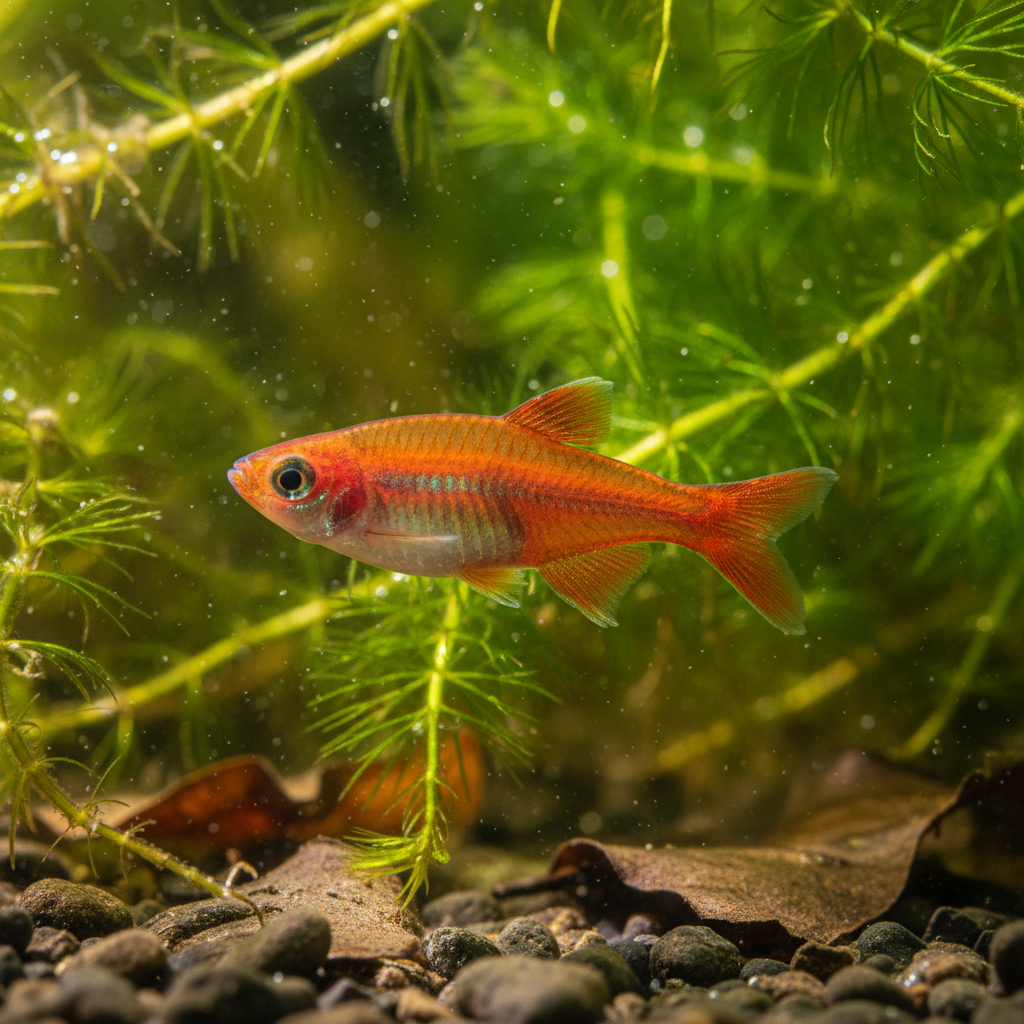
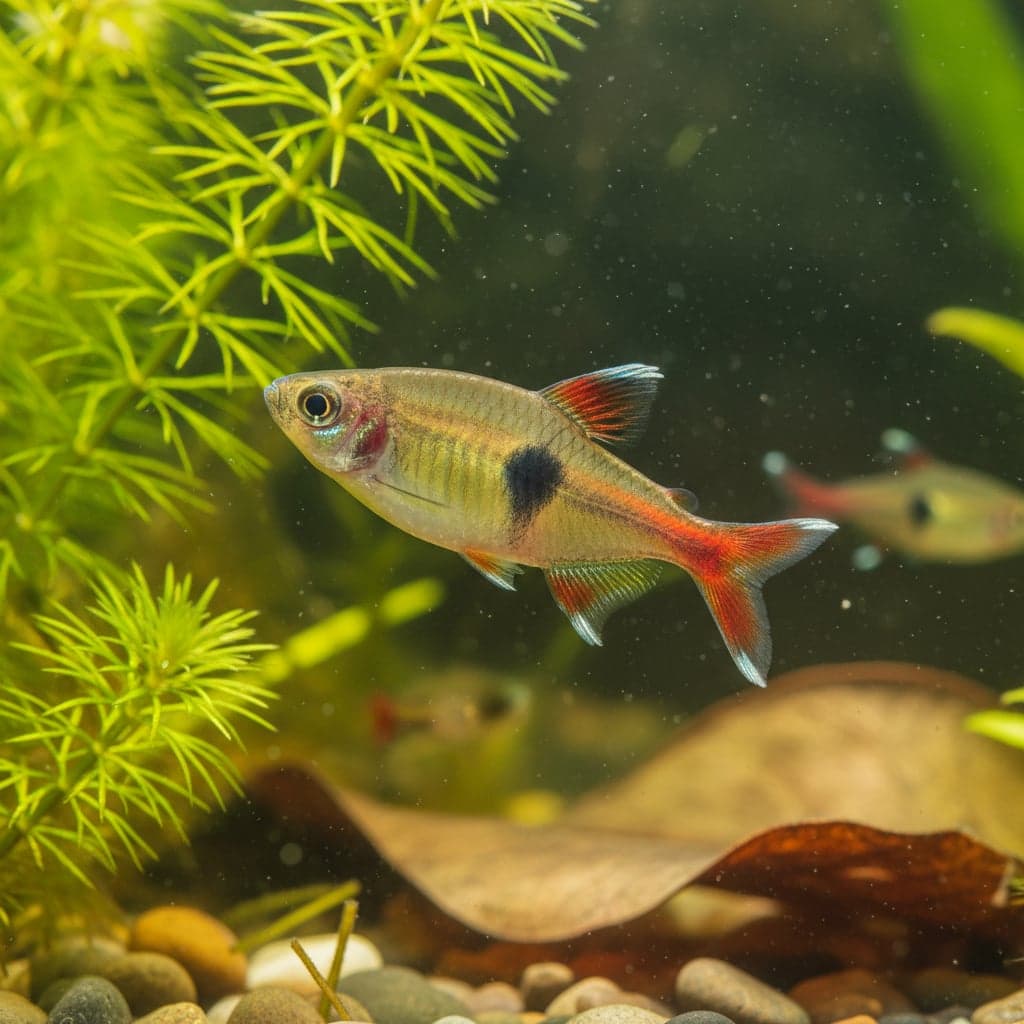
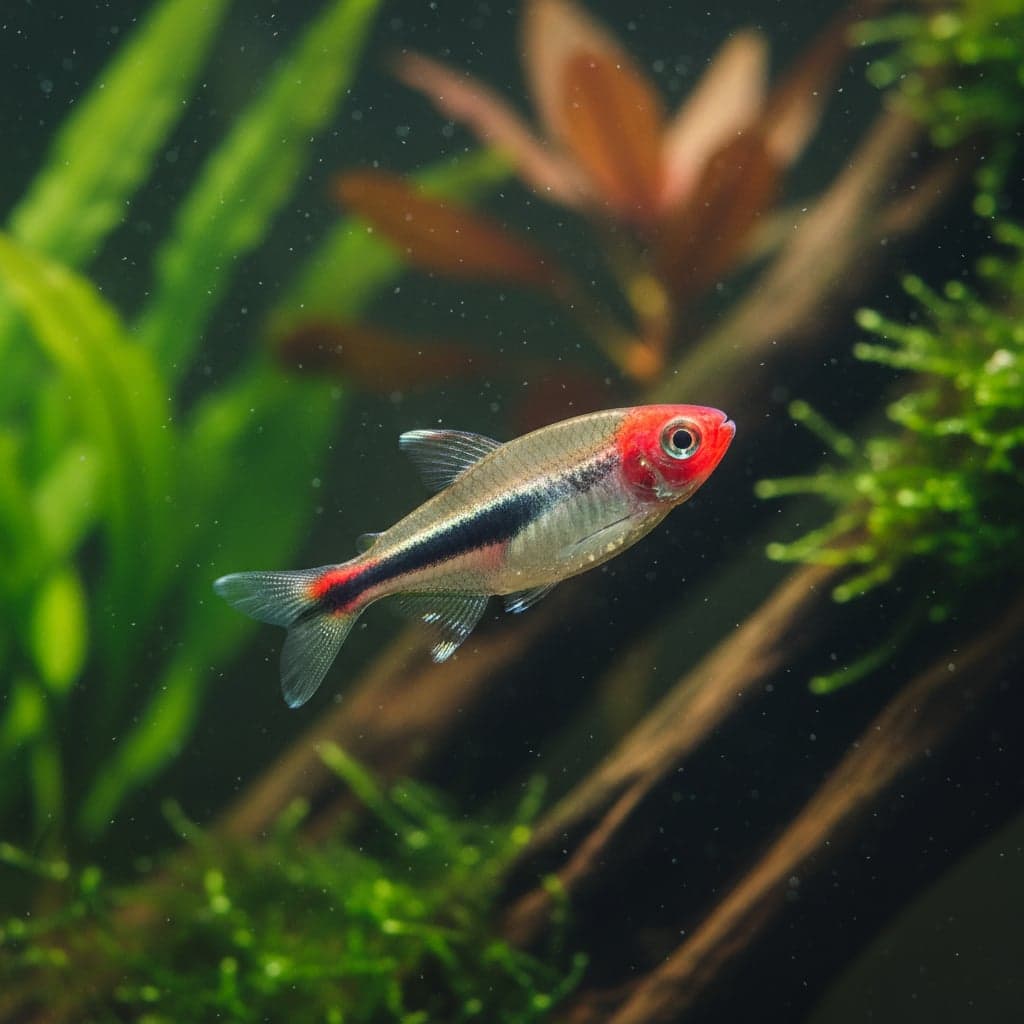
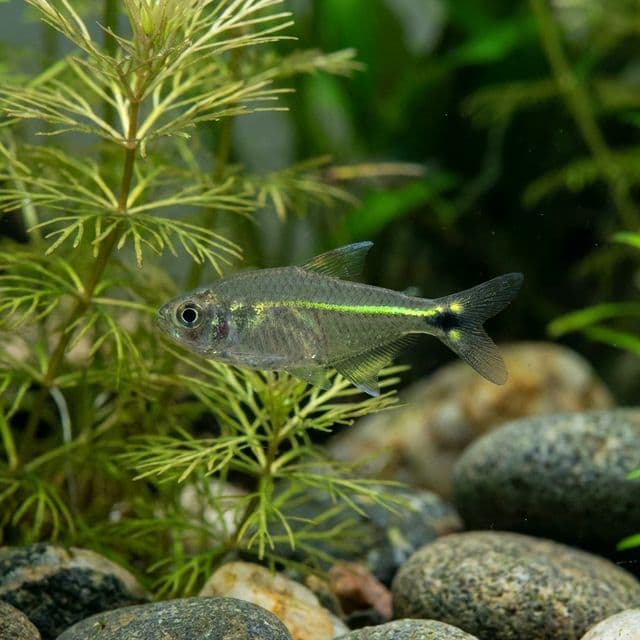
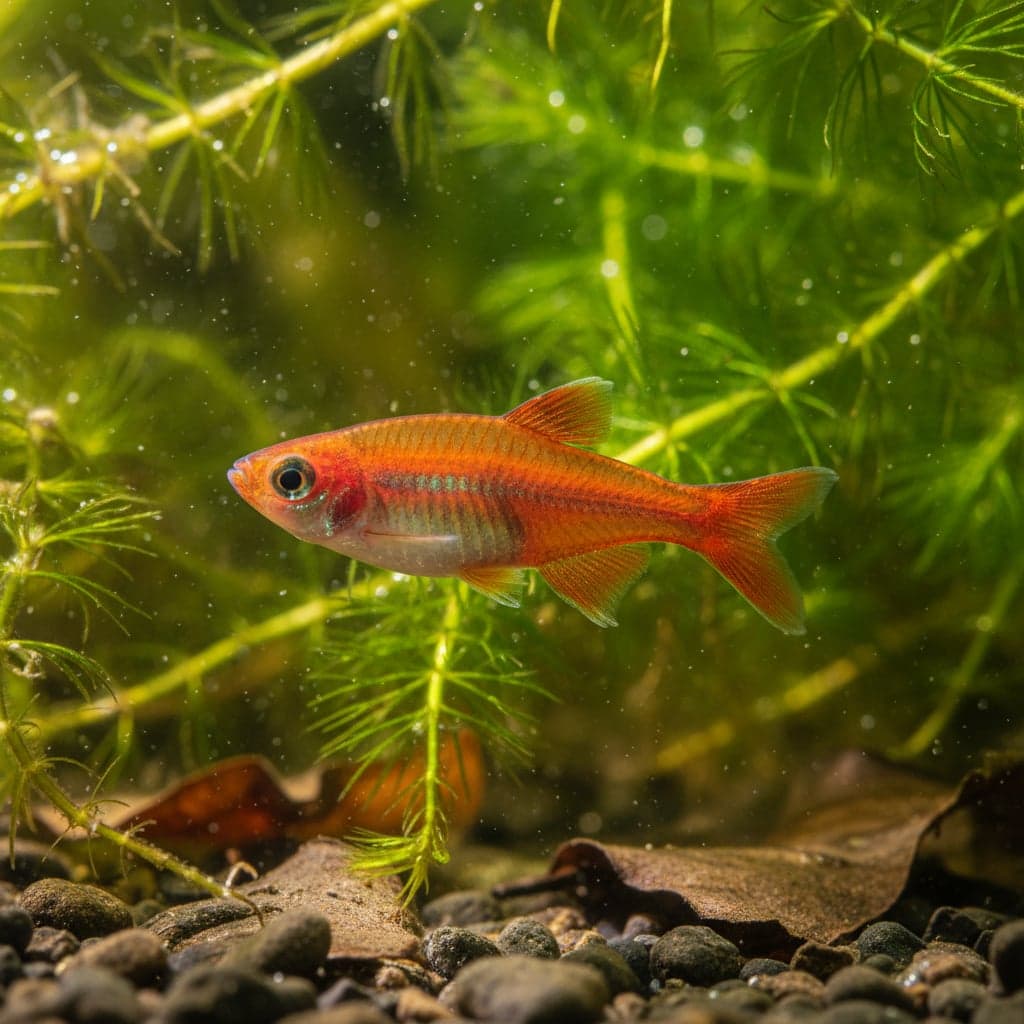
The Phoenix Tetra, scientifically known as Hemigrammus filamentosus, is a captivating freshwater fish that has gained popularity in the aquarium hobby for its vibrant coloration and school-oriented behavior. This small, native species hails from the rivers and streams of South America, particularly in regions like Brazil and Colombia. The body of the Phoenix Tetra features a striking combination of reddish-orange and silver hues with a prominent black stripe along its lateral line, making it a visually appealing addition to any community tank. Its colorful appearance, particularly the iridescent fins, becomes even more pronounced when it is kept in a well-maintained aquarium with appropriate lighting and plant coverage.
In addition to its aesthetic value, the Phoenix Tetra holds significance in the aquarium hobby due to its peaceful nature and ease of care, making it an ideal choice for both beginners and experienced aquarists alike. These fish are known for their active schooling behavior, which enhances their visual appeal as they dart through the water in coordinated movements. Their sociable demeanor not only promotes a lively aquarium environment but also contributes to their popularity among enthusiasts who appreciate community tanks where fish display their natural behaviors.
Natural Habitat & Origin
The natural habitat of the Phoenix Tetra is primarily the blackwater rivers, lakes, and streams of the Amazon Basin in South America. Here, they thrive in soft, acidic waters with low mineral content, characterized by high organic matter and tannins that give the water a distinct brown hue. The environment is often densely vegetated, with plenty of submerged plants, driftwood, and leaf litter providing cover and breeding grounds for these fish. Understanding their natural habitat is crucial for replicating the right conditions in an aquarium setting, which will ensure the health and well-being of the fish.
In the wild, Hemigrammus filamentosus is commonly found in schools of several dozen individuals, reflecting their preference for social interaction and their tendency to stick close to each other for safety from predators. This schooling behavior is equally vital when attempting to keep them in captivity; replicating their social dynamics promotes their overall health and encourages natural behaviors.
Care Requirements
Providing adequate care for Phoenix Tetras begins with creating the right water parameters. Ideal conditions include a pH range of 6.0 to 7.5, a water temperature between 72°F to 82°F (22°C to 28°C), and a hardness of 2 to 10 dGH. As these fish come from soft, acidic waters, it’s essential to monitor and regularly maintain these parameters to reduce stress and prevent health problems.
When it comes to tank setup, a minimum tank size of 20 gallons is recommended for a small school of Phoenix Tetras to thrive comfortably. The substrate can consist of fine gravel or sand, allowing for free swimming and easy foraging. Tank decorations should include lush aquatic plants, such as Amazon swords or Java ferns, which mimic their natural habitat and provide hiding spots. Soft lighting is preferable, as bright lighting can stress these fish; using floating plants or background plants will also help diffuse the light.
Diet & Feeding
The Phoenix Tetra is classified as an omnivore, thriving on a varied diet that includes both plant and animal matter. In an aquarium setting, they can be successfully fed high-quality flake foods and small pellets that are specifically designed for tropical fish. To promote optimal health and vibrant coloration, it is recommended to supplement their diet with frozen or live foods, such as daphnia, brine shrimp, and bloodworms, just a few times a week. Providing variety not only ensures balanced nutrition but also keeps the fish engaged and active.
Regular feeding should occur two to three times a day, with the amount adjusted to be consumed in a few minutes to avoid overfeeding, which can lead to water quality issues. If kept in a community tank, it is crucial to ensure that all fish are receiving their share of food, as more aggressive species may outcompete the more docile Phoenix Tetras.
Behavior & Temperament
Social behavior is one of the key characteristics of the Phoenix Tetra. These fish are happiest and most active when kept in groups of at least six to eight individuals. Their schooling behavior not only fosters a sense of security but also encourages playful interactions among members of the school. Generally, Phoenix Tetras exhibit a peaceful temperament, making them compatible with a wide range of other community fish.
In terms of spatial dynamics within the tank, the Phoenix Tetra is a mid-water swimmer, often darting and grazing around the middle layers of the aquarium. They are usually calm but can display bursts of activity, particularly during feeding time or when they feel secure in their environment. While peaceful, they can exhibit mild territorial behavior if kept in inadequate numbers, so sufficient tank space and group dynamics significantly improve their wellbeing.
Tank Mates
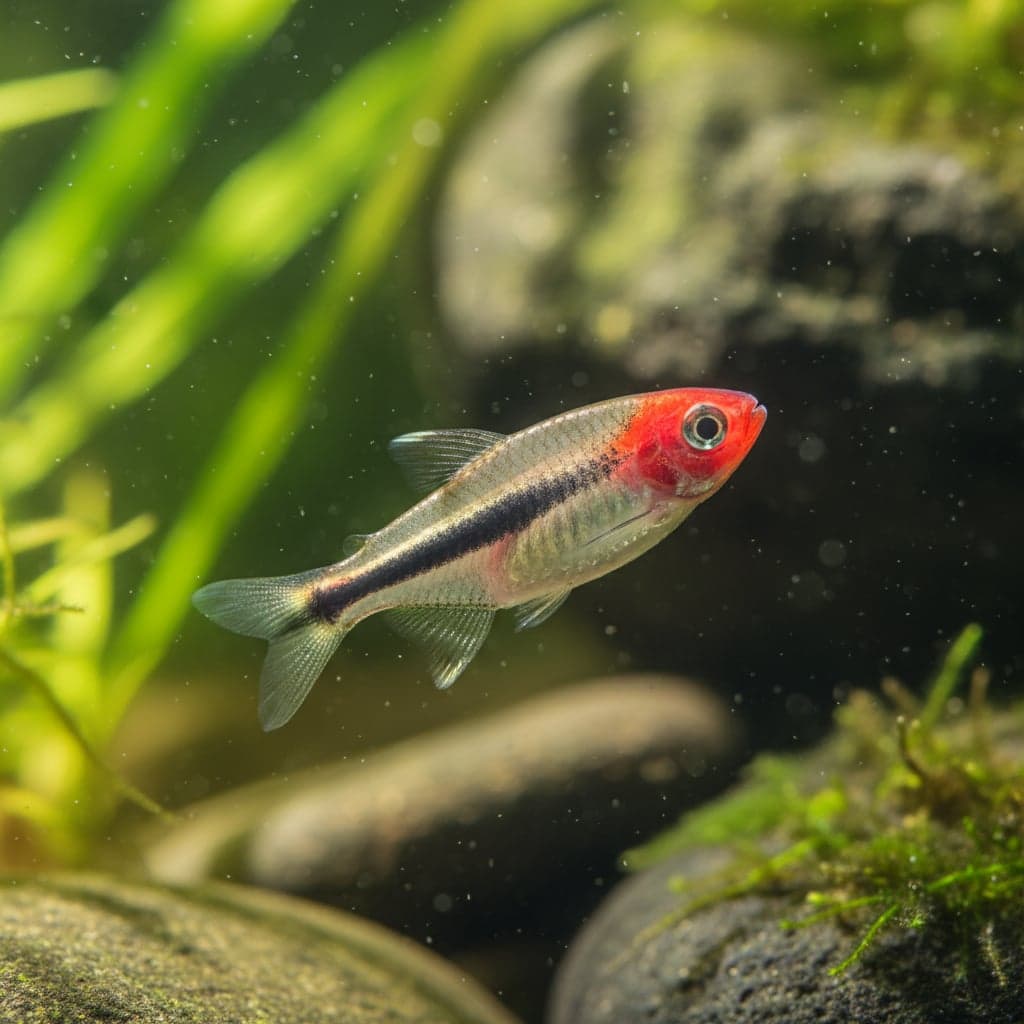
Choosing appropriate tank mates for Phoenix Tetras is essential to maintaining a harmonious aquarium environment. Compatible species include other peaceful community fish such as Corydoras catfish, neon tetras, swordtails, and rasboras. Avoiding larger, aggressive species like angelfish or cichlids is advisable, as these can intimidate or prey upon the small and relatively defenseless Phoenix Tetra.
Additionally, it is best to avoid species known for fin-nipping behavior, such as some types of barbs, as this can lead to stress or injury. Fostering a peaceful community tank with compatible species will ultimately lead to a thriving ecosystem that showcases the beauty and vivacity of the Phoenix Tetra.
Breeding
Breeding Phoenix Tetras in captivity can be an exciting endeavor if the right conditions are provided. These fish typically exhibit spawning behavior during the early morning hours, and they should ideally be kept in a dedicated breeding tank with soft, acidic water (pH around 6.0 and specific gravity as low as possible). The tank should have spawning mops or fine-leaved plants for the female to deposit her eggs.
The courtship ritual involves the male displaying vibrant fins and swimming in close proximity to the female. Once the female is receptive, she will scatter eggs among the foliage. After spawning, it is essential to remove the parents, as they may consume the eggs or fry. The eggs typically hatch within 24 to 36 hours, and the fry can be fed infusoria or finely crushed flakes until they are large enough to accept small live or frozen foods. With care and patience, breeding Phoenix Tetras can yield a new generation of vibrant fish.
Common Health Issues
Despite their hardiness, Phoenix Tetras can be prone to several common health issues that aquarists should be aware of. One of the most common ailments in freshwater fish, including Phoenix Tetras, is ich (Ichthyophthirius multifiliis), which manifests as white cysts on the skin and fins. Early detection and treatment with appropriate medication can help prevent severe outbreaks.
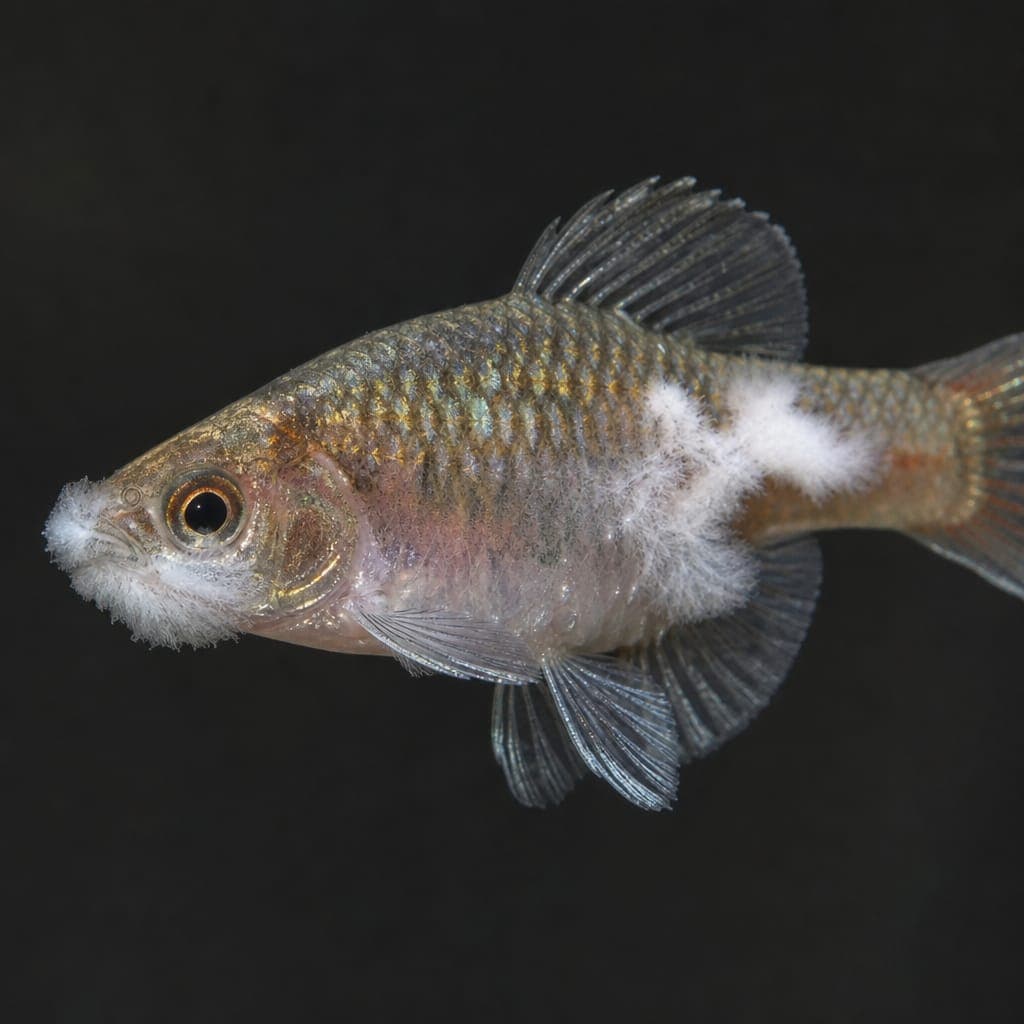
Other potential health problems include fungal infections, fin rot, and various bacterial infections, often attributed to poor water quality or stress. Regular water changes, tank maintenance, and a balanced diet can help prevent these issues. Additionally, monitoring for signs of stress, such as increased hiding or lethargy, is crucial in maintaining the health of Phoenix Tetras. By providing the right aquatic environment and ensuring good husbandry practices, aquarists can enjoy long, healthy lives for their Phoenix Tetras for many years to come. Quarantine new arrivals before adding them to the display tank, and avoid overcrowding that elevates stress. Keep ammonia and nitrite at zero with regular water changes and solid filtration. A varied diet of quality flakes plus occasional live or frozen foods further supports immunity. Prompt attention to white spots, frayed fins, or unusual lethargy helps Phoenix Tetras stay colourful, active, and resilient in a peaceful community aquarium.