Pignose Puffer: Pao suvattii
A bizarre, highly specialized ambush predator completely adapted to burying itself in the sand and waiting for prey.
Pignose Puffer
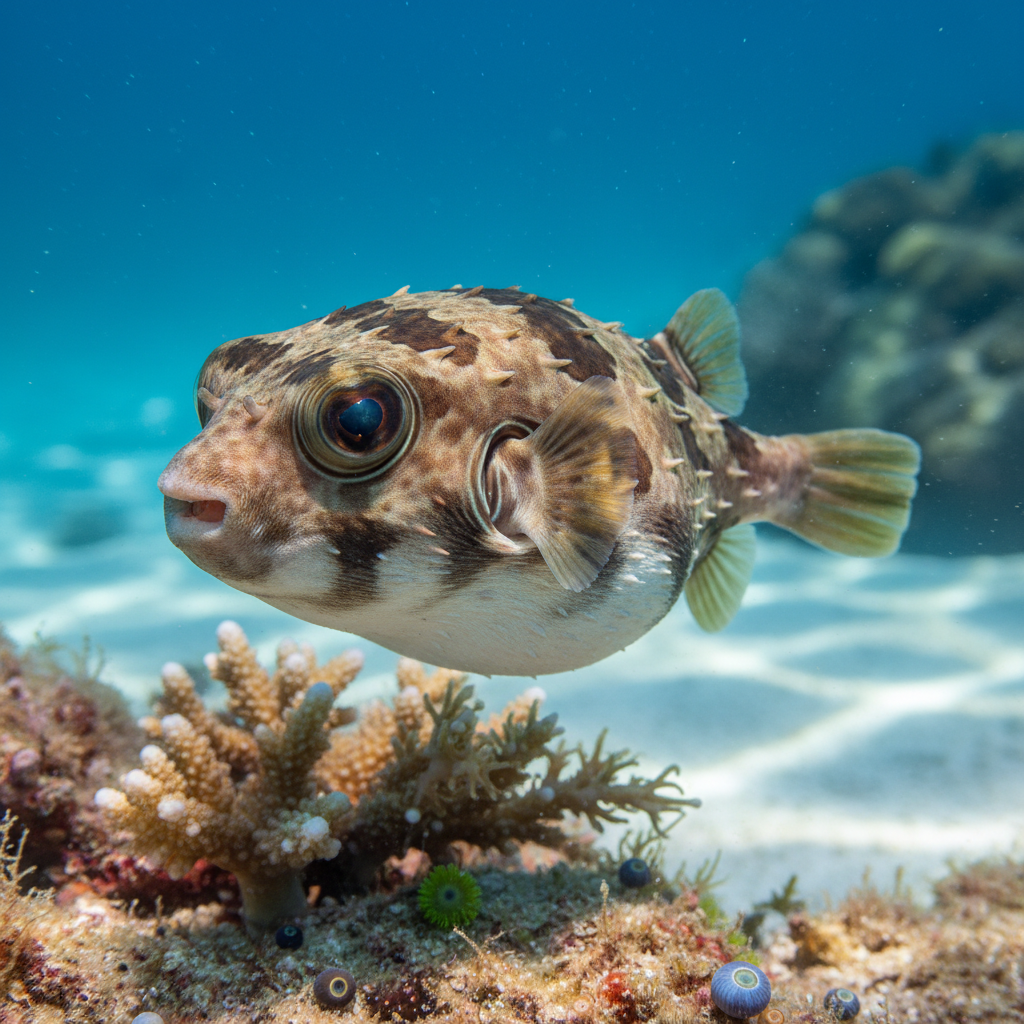
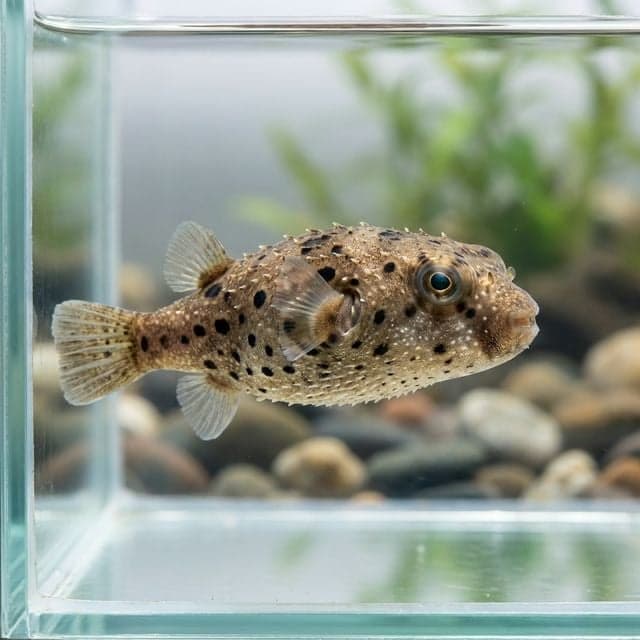
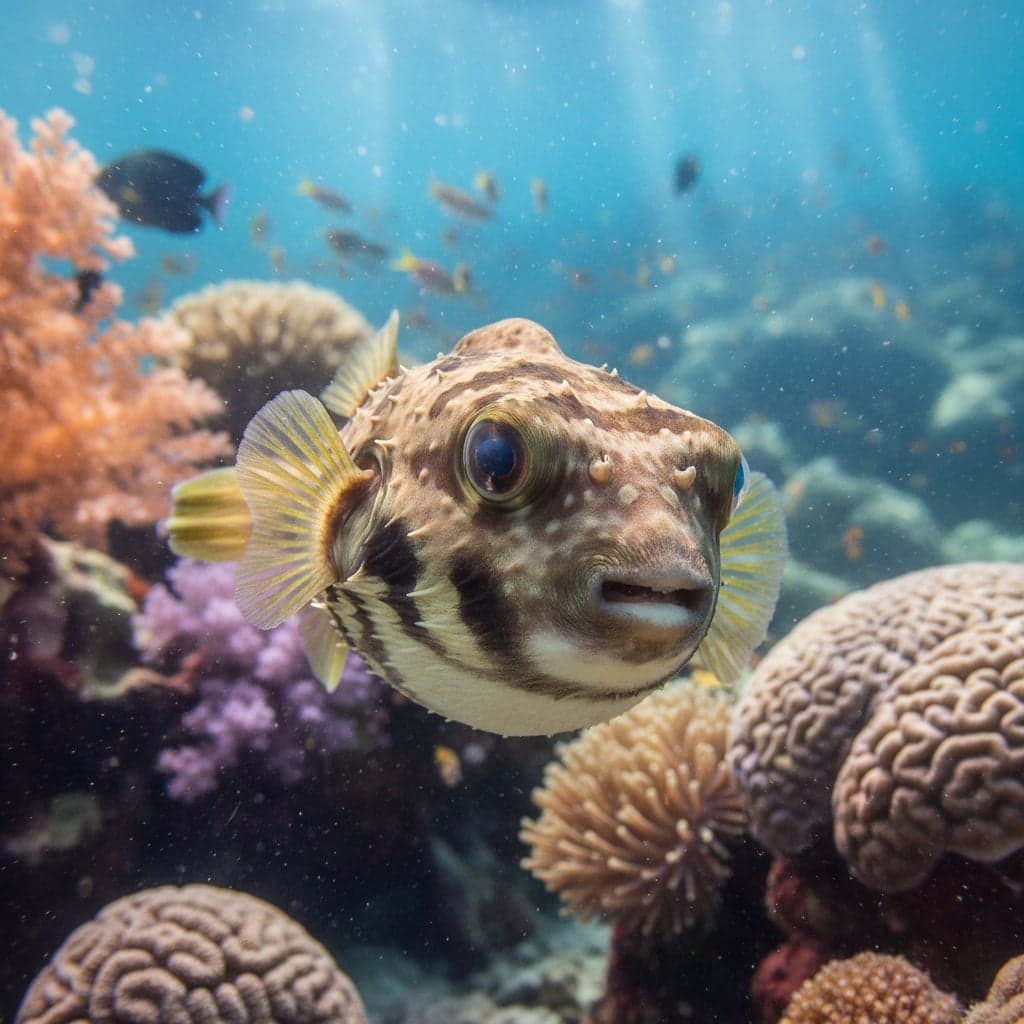
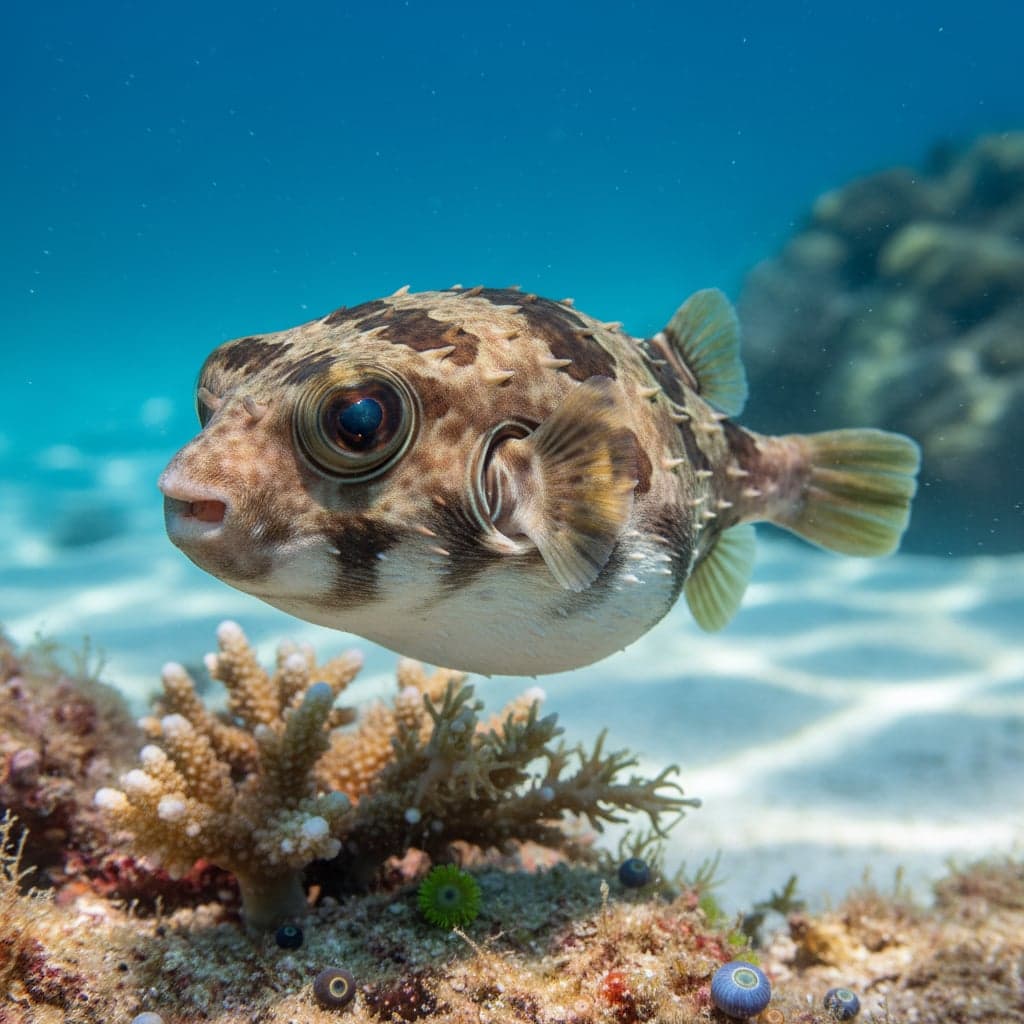
The Pignose Puffer, scientifically known as Pao suvattii, is a captivating species of freshwater pufferfish that has become increasingly popular among aquarium enthusiasts. Originating from Southeast Asia, this fish is notable for its distinctively round body and unique appearance, displaying a beautifully mottled pattern of greens and browns that mimic its natural aquatic environment. The prominent, pig-like snout from which it gets its name adds to its charm, making it an intriguing addition to any aquarium. In addition to its aesthetic appeal, the Pignose Puffer plays a significant role in the aquarium hobby, as its quirky personality and interactive behavior also provide an engaging experience for hobbyists.
This species is not just visually remarkable but is also known for its curious nature. Pignose Puffers are highly intelligent, often exhibiting behaviors that suggest a level of awareness and engagement with their surroundings. They are known to explore their tank, interact with their keepers, and are even recognized for their playful antics. These traits, combined with their striking appearance, make the Pignose Puffer a true standout among freshwater species, earning a place of esteem in the aquarium community.
Natural Habitat & Origin
Pignose Puffers are native to the freshwater systems of Southeast Asia, primarily found in Thailand, Laos, and Cambodia. They inhabit slow-moving rivers and streams, often favoring densely vegetated areas with ample hiding spots. The waters they inhabit typically exhibit blackwater characteristics, which are caused by decaying plant matter and leaf litter, resulting in low light conditions and a tanin-stained appearance. This environment also brings about a specific set of water parameters—soft, acidic waters are ideal for the wellbeing of this species.
The Pignose Puffer's natural habitat not only influences its physical characteristics but also its behavioral tendencies. Living in environments where plant cover is abundant allows these fish to exhibit more natural behaviors, offering insights into how to recreate their preferred conditions in captivity effectively.
Care Requirements
To ensure the Pignose Puffer thrives in an aquarium setting, specific care requirements must be met. The ideal tank size for these fish is a minimum of 30 gallons, as they require space to swim and explore. Water parameters are crucial: maintain a pH level between 6.0 and 7.5, a temperature of 75°F to 82°F (24°C to 28°C), and soft to moderately hard water (3-12 dGH).
When setting up the tank, consider a substrate that resembles their natural habitat, such as sand or fine gravel, which allows for burrowing and minimizes injury. Provide ample hiding spots with driftwood, caves, and lush aquatic vegetation; floating plants can also create dim lighting conditions similar to their native environments. Lighting should be moderate to low to promote a comfortable atmosphere, ensuring the Pignose Puffer feels secure.
Diet & Feeding
The Pignose Puffer is primarily a carnivorous species, relying on a varied diet to meet its nutritional needs. These fish are known to consume a diet rich in protein, including high-quality pellets, flakes, frozen foods, and live foods such as brine shrimp and bloodworms. It's essential to provide a diverse diet to prevent nutritional deficiencies and maintain reproductive health.
Regularly feeding frozen or live foods is particularly beneficial, as these options encourage natural hunting behavior. Additionally, incorporating plant matter or feeding herbivore-specific supplements can enhance their dietary balance. Ensure that you feed them several small meals per day, as they have small stomachs and need a consistent intake of food for optimal health.
Behavior & Temperament
Pignose Puffers are known for their engaging personalities and curious behavior, often exhibiting a strong sense of territoriality. While they can be playful and interactive with their owners, they are not typically schooling fish; they prefer to establish their own territories within the aquarium. This may lead to occasional aggressive displays, especially if they feel threatened or if tank space is inadequate.
In terms of their spatial habits, Pignose Puffers tend to occupy the mid to bottom levels of the tank. They can often be observed foraging along the substrate or among plants, making them active participants in their tank environment.
Tank Mates
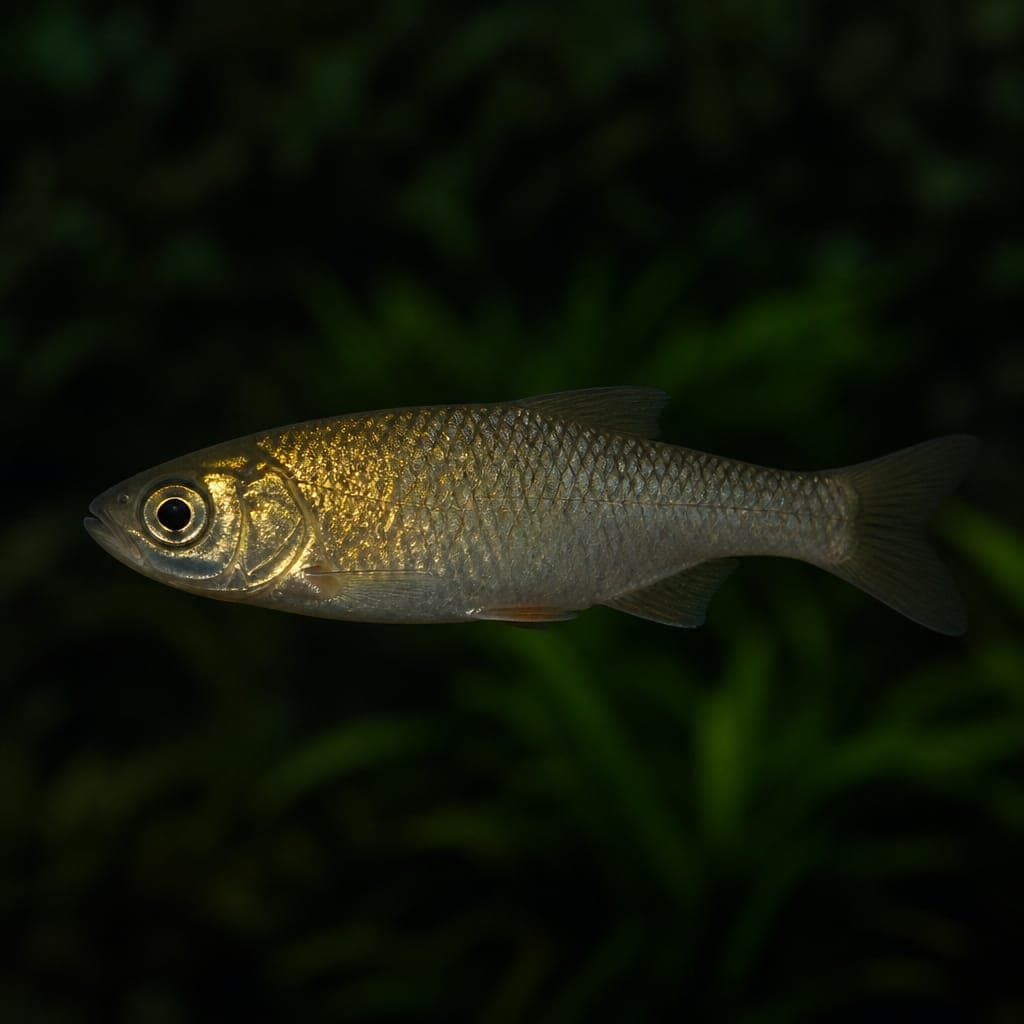
Finding suitable tank mates for the Pignose Puffer is crucial due to their semi-aggressive nature. Compatible species include larger, peaceful fish that can tolerate similar water conditions, such as certain types of cichlids (e.g., angelfish), larger tetras, and rasboras. Shrimp and smaller fish, however, should be avoided as they can become targets for the Pignose Puffer’s inquisitive and sometimes aggressive behavior.
It's essential to avoid keeping them with overly aggressive species or those that may nip at their fins, as this can lead to stress and injury. Observing individual fish behavior is key, as some Pignose Puffers may display more aggression than others.
Breeding
Breeding the Pignose Puffer in captivity can be a challenge due to specific conditions required for successful spawning. In general, they need a separate breeding tank with dim lighting and plenty of hiding spots to simulate their natural spawning environment. The water should be kept acidic with a pH of around 6.0 to 6.5 and a temperature slightly elevated to around 80°F (27°C).
During the breeding process, males showcase territorial behavior, often attempting to attract females through display. After successful spawning, it’s advised to remove the parents from the breeding tank to prevent them from eating their eggs. The fry are typically small and require infusoria or specially designed fry food until they can transition to larger foods.
Common Health Issues
Pignose Puffers can be prone to certain health issues commonly seen in freshwater fish. They might suffer from problems such as ick (Ich), velvet disease, and fin rot if water quality is not maintained. To prevent these issues, regular water changes are essential, as well as monitoring water parameters closely. Additionally, providing a varied diet contributes to immunity against diseases.
Maintaining proper tank hygiene and preventing overcrowding can significantly minimize stress-related occurrences, enhancing the well-being of the Pignose Puffer. Regular health checkups and observation are also vital; any signs of illness should be addressed immediately to ensure a healthy aquatic environment.