Polka Dot Loach: Botia kubotai
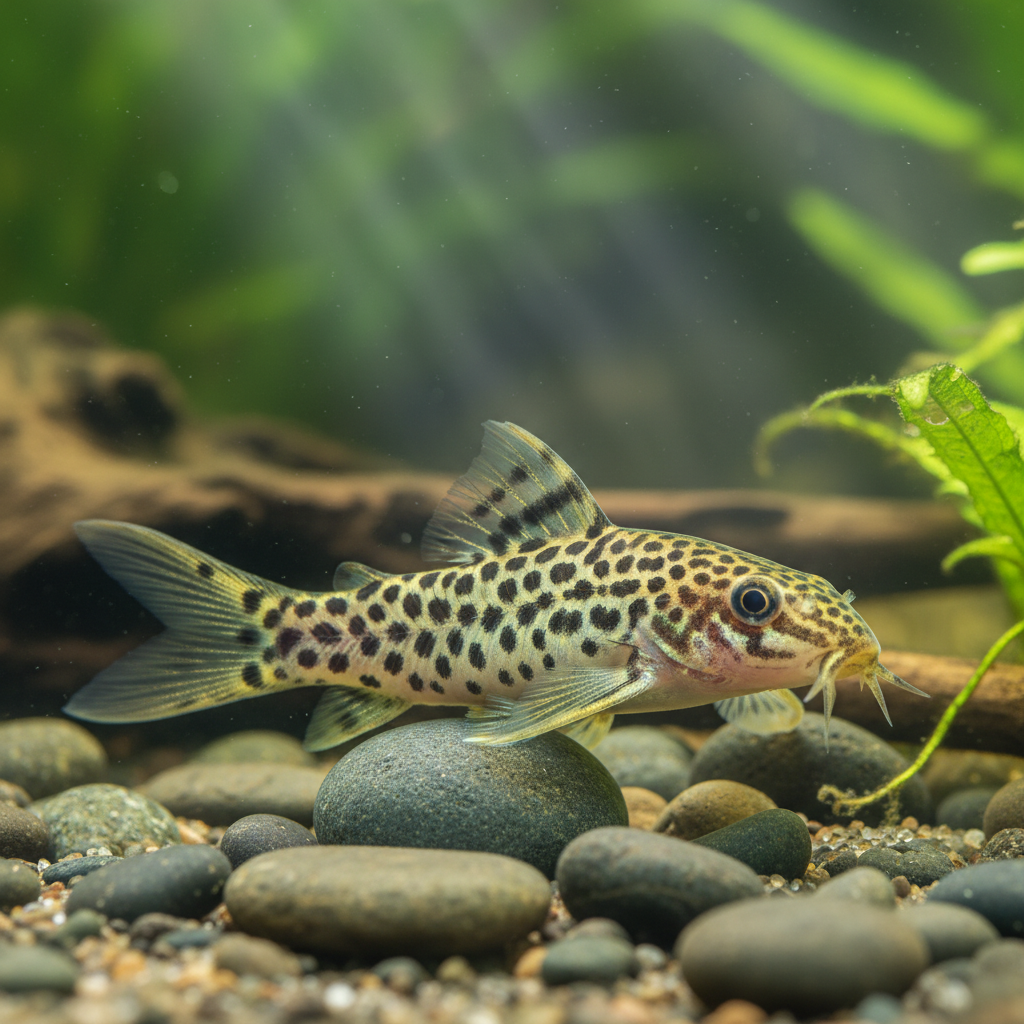
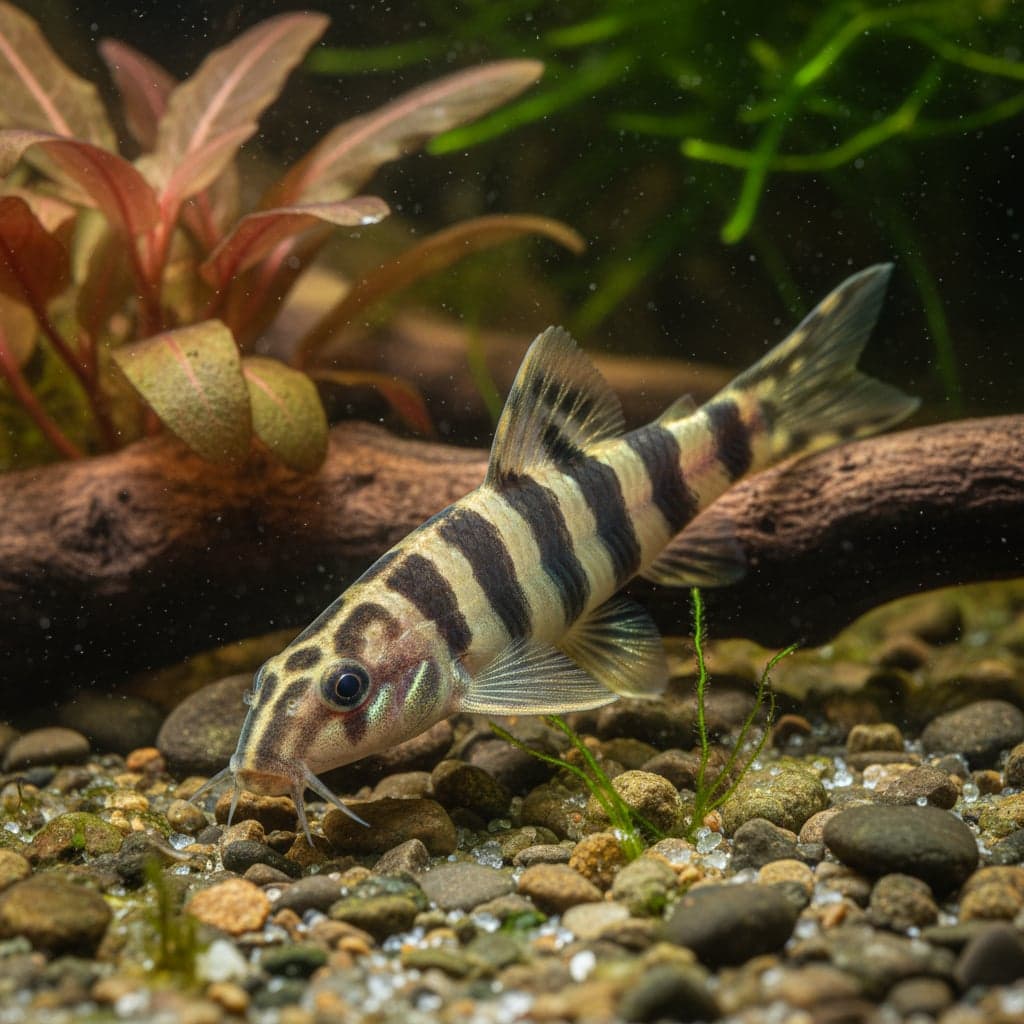
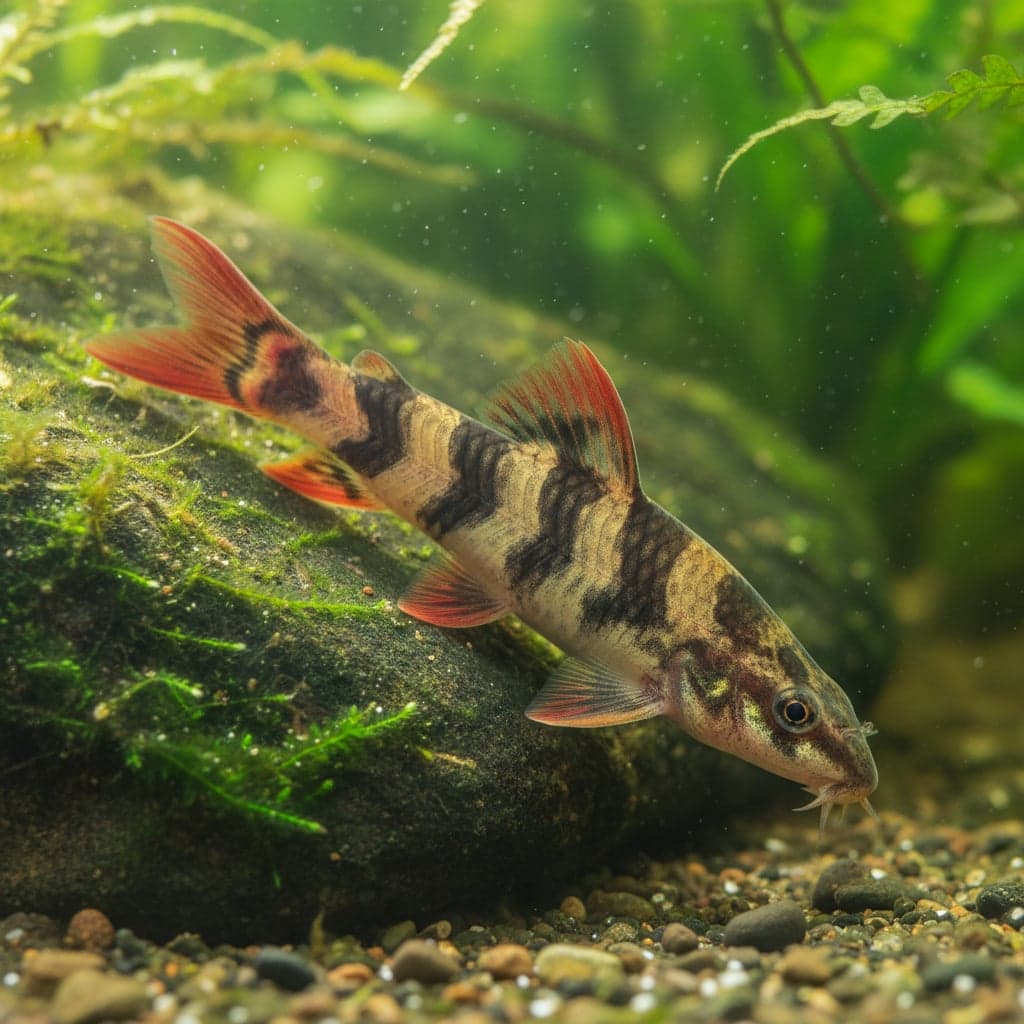
A spectacularly patterned, highly energetic schooling loach featuring incredibly complex dark markings that break into white polka dots.

Polka Dot Loach
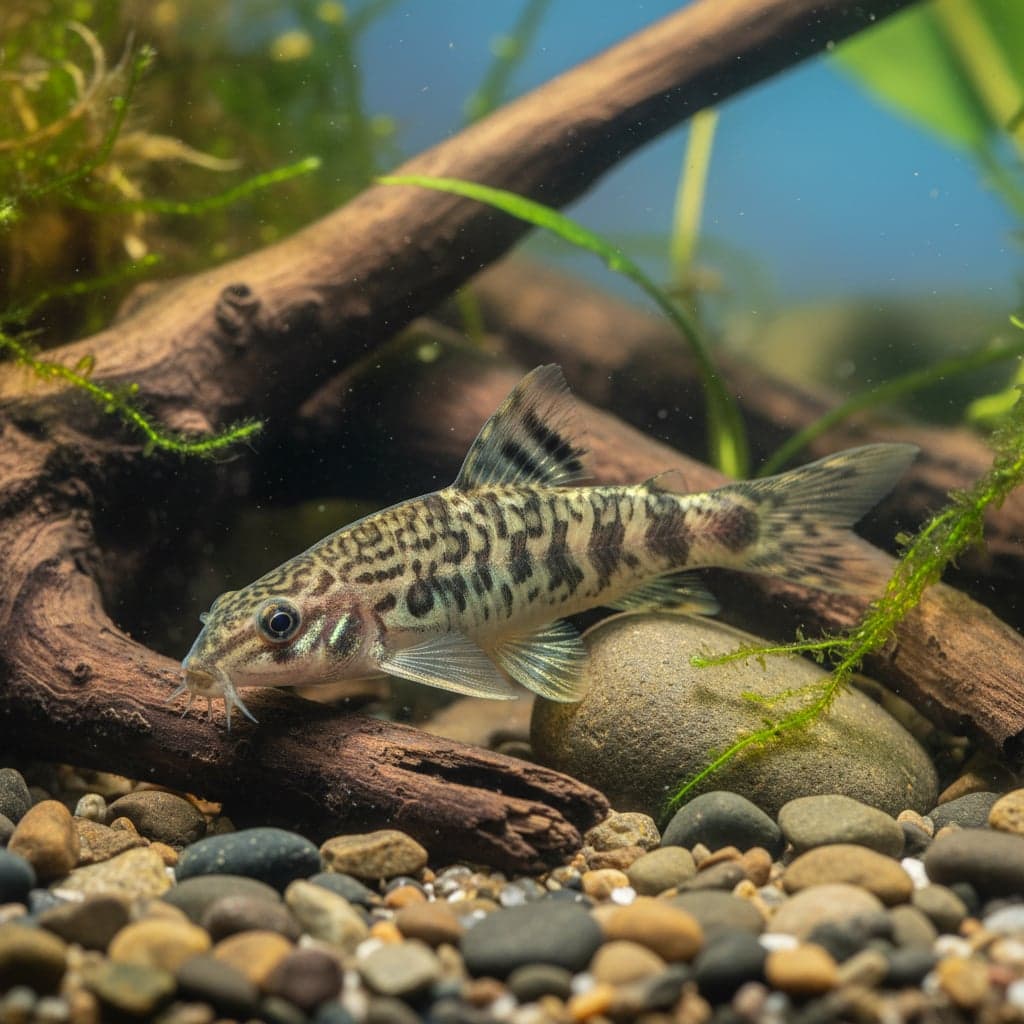
The Polka Dot Loach, scientifically known as Botia kubotai, is a captivating freshwater fish renowned for its striking appearance and playful personality. Adorned with a unique pattern of dark spots or blotches against a lighter background, this species adds a touch of elegance to any aquarium. Its colors can range from golden yellow to a creamy white, further enhancing its allure. The Polka Dot Loach not only serves as a visual focal point in aquariums but also showcases fascinating behaviors that enthrall both novice and seasoned aquarists alike.
In the aquarium hobby, the Polka Dot Loach holds significant value due to its hardy nature and adaptability. This species is a bottom-dweller, often seen foraging through substrate, which naturally complements the diverse ecosystem of a well-planted tank. Enthusiasts appreciate not only their aesthetic qualities but also their engaging social behavior. The Polka Dot Loach is known to be relatively peaceful, making it an excellent addition to community tanks. Its playful antics and natural curiosity contribute to a dynamic and lively aquarium environment.
Natural Habitat & Origin
The Polka Dot Loach is native to the clear, fast-flowing rivers and streams of Southeast Asia, particularly in Myanmar and Thailand. These habitats generally feature a blend of soft, slightly acidic water rich in tannins from decaying leaf litter, which is paramount for mimicking their natural environment in an aquarium setting. The Polka Dot Loach prefers shallow areas with plenty of hiding spots, such as rocky outcroppings and dense vegetation, which provide both shelter and hunting grounds for invertebrates that constitute its diet.
In the wild, the Polka Dot Loach thrives in biodiverse ecosystems where water conditions fluctuate slightly over time. Its specific origin in these blackwater environments reflects its preference for slightly acidic conditions (pH around 6.0 to 7.0) and a temperature range between 24°C and 28°C (75°F to 82°F). Understanding its natural habitat is crucial for replicating the ideal conditions to enhance its health and longevity in captivity.
Care Requirements
To provide optimal care for the Polka Dot Loach, it is essential to maintain stable water parameters. A pH level between 6.0 and 7.5 is ideal, along with a temperature range of 24°C to 28°C (75°F to 82°F). The hardness of the water should be kept between 5 to 15 dGH. Since this species is sensitive to sudden changes in water quality, it is critical to perform regular water changes and monitor parameters closely.
As for the tank setup, a minimum aquarium size of 75 gallons is recommended to offer adequate swimming space and hideouts. The substrate should consist of soft sand or fine gravel to protect the loach's delicate barbels. Incorporating a variety of live plants, rocks, and driftwood can create a stimulating environment that mimics its natural habitat. Moderate lighting is preferable, allowing the foliage to thrive while creating shaded areas for the loach to retreat. Proper filtration is also essential to maintain water clarity and quality.
Diet & Feeding
The Polka Dot Loach is classified as an omnivore, and its diet in captivity should reflect a well-rounded selection of foods. A combination of high-quality sinking pellets, flakes, and frozen or live foods such as bloodworms, brine shrimp, and daphnia is recommended to ensure optimal health and nutrition. The sinking food is crucial since Polka Dot Loaches often forage along the bottom of the tank.
It is advisable to feed them small amounts two to three times daily, allowing them to consume what they need while avoiding overfeeding, which can lead to water quality issues. Additionally, incorporating vegetable matter, such as blanched zucchini or cucumber, can help diversify their diet and promote healthy digestion.
Behavior & Temperament
Polka Dot Loaches are social fish with a generally peaceful temperament, making them suitable for community tanks. They exhibit interesting schooling behavior, often preferring the company of their own species or other peaceful fish. It is advisable to keep them in groups of at least three to four individuals, as they thrive in social settings and demonstrate more natural behavior when in a group.
In terms of spatial distribution, Polka Dot Loaches primarily occupy the bottom and mid-levels of the tank, where they engage in playful swimming and exploring their environment. They may occasionally venture to the upper levels, but their preferred habitat remains close to the substrate. While they can display territorial behavior when kept in smaller groups or confined spaces, this is typically mild and does not lead to aggression.
Tank Mates
When selecting tank mates for the Polka Dot Loach, it is crucial to choose species that are compatible and exhibit similar temperament levels. Ideal companions include small to medium-sized fish such as tetras, rasboras, gouramis, and peaceful barbs. Catfish species that inhabit different levels of the aquarium can also cohabit peacefully with the Polka Dot Loach.
However, it is advisable to avoid aggressive or large predatory fish such as cichlids, which may view the Polka Dot Loach as prey or exhibit territorial aggression. Additionally, brightly colored fish with long fins might provoke nipping behaviors. Choosing the right tank mates will significantly contribute to a harmonious and lively aquarium environment.
Breeding
Breeding the Polka Dot Loach in captivity poses challenges, as they have specific spawning conditions. Generally, these fish are believed to spawn during the rainy season in their natural habitat. To replicate these conditions, a separate breeding tank with soft, slightly acidic water (pH around 6.0 to 6.5) should be prepared, alongside a temperature increase to approximately 28°C (82°F) to trigger spawning behavior.
Polka Dot Loaches are known to be egg scatterers. They require dense vegetation or spawning mops to provide suitable hiding spots for their eggs. Once spawning occurs, the adults should be removed to prevent them from consuming the eggs. Adequate filtration and gentle water movement is essential post-spawning to keep the eggs aerated. After a few days, the eggs will hatch, and fry should be provided with infusoria or finely crushed flakes until they are large enough to eat small pellets.
Common Health Issues
While Polka Dot Loaches are generally healthy and hardy, they can be susceptible to certain diseases if not properly cared for. Common health issues include parasitic infections, such as ich, and bacterial infections resulting from poor water quality or injuries. Symptoms of these conditions can include abnormal swimming patterns, loss of appetite, and visible lesions or spots on the skin.
Preventative measures include maintaining optimal water quality through regular tank cleaning and water changes, ensuring a balanced diet, and minimizing stressors such as overcrowding or aggressive tank mates. In case of a health issue, swift identification and treatment are crucial; emphasizing the importance of relying on reputable medications or natural remedies based on the specific condition will help maintain the overall health of your Polka Dot Loach.