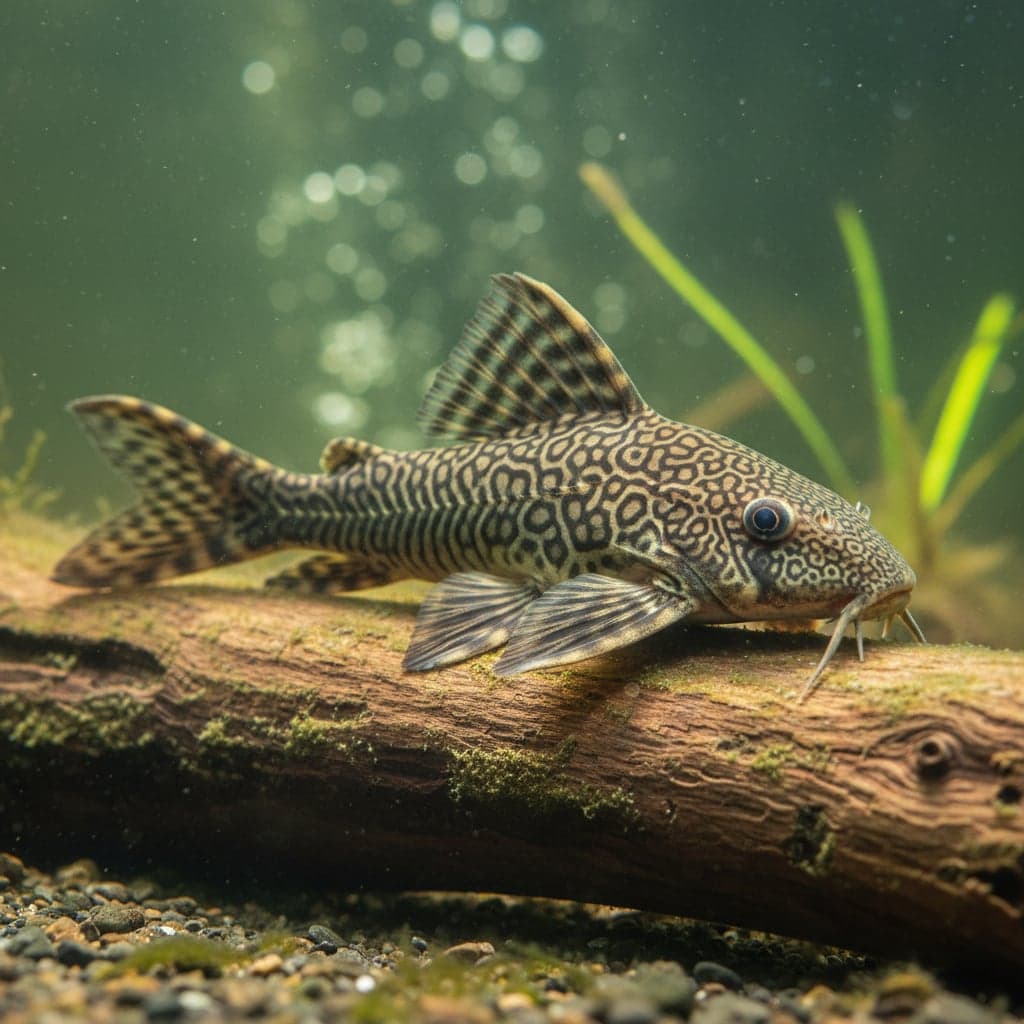
Porthole Catfish: Dianema longibarbis
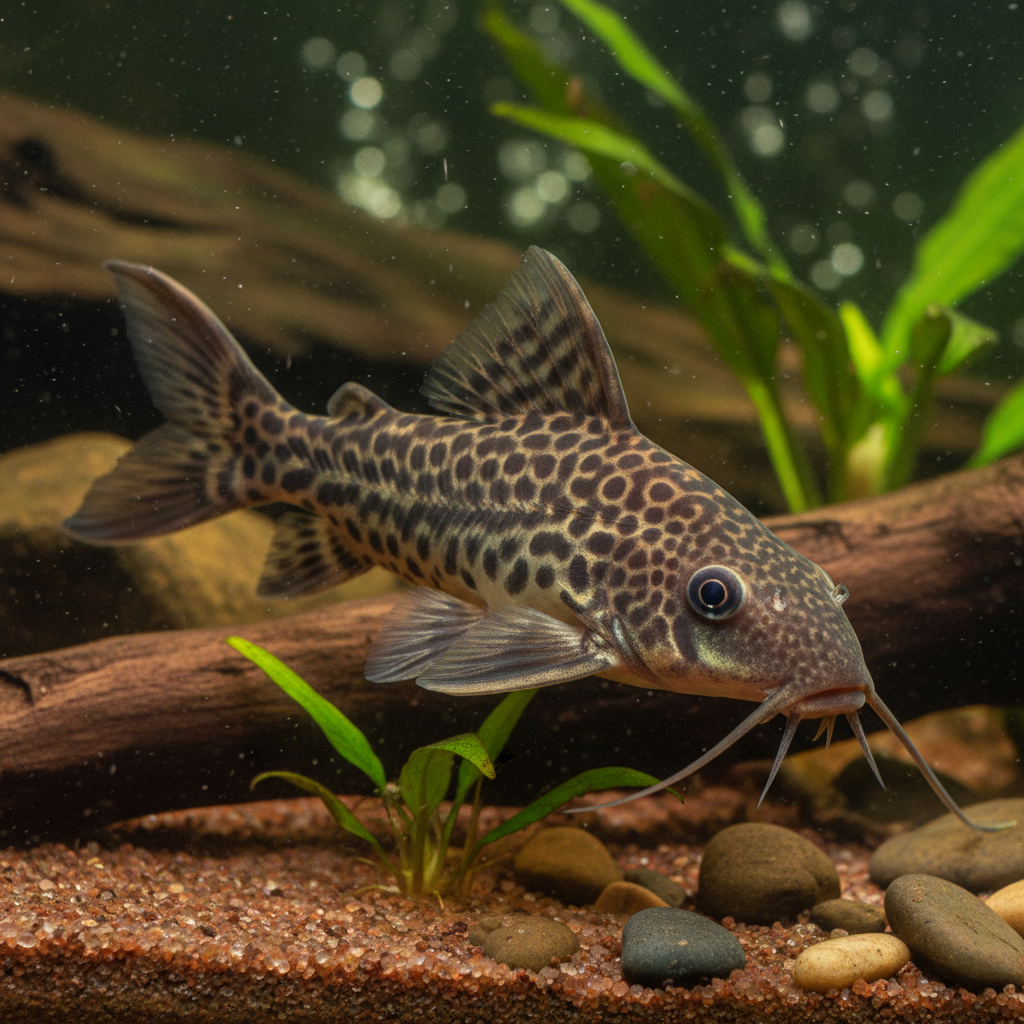
A fascinating, incredibly social mid-water armored catfish covered in stark dark spots resembling a ship’s portholes.
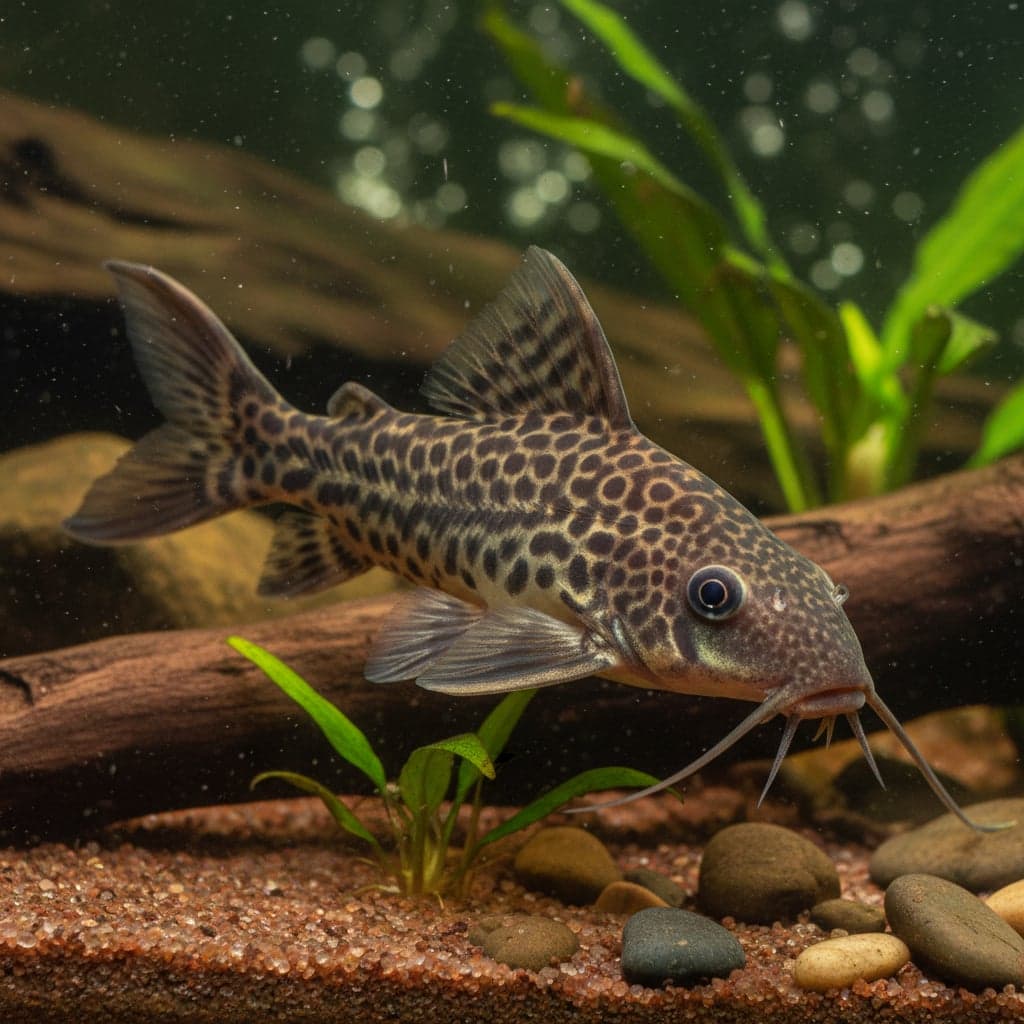
Porthole Catfish
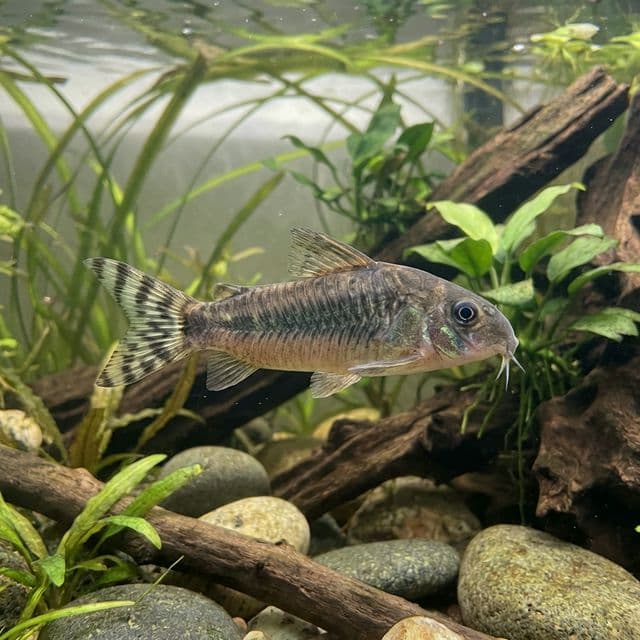
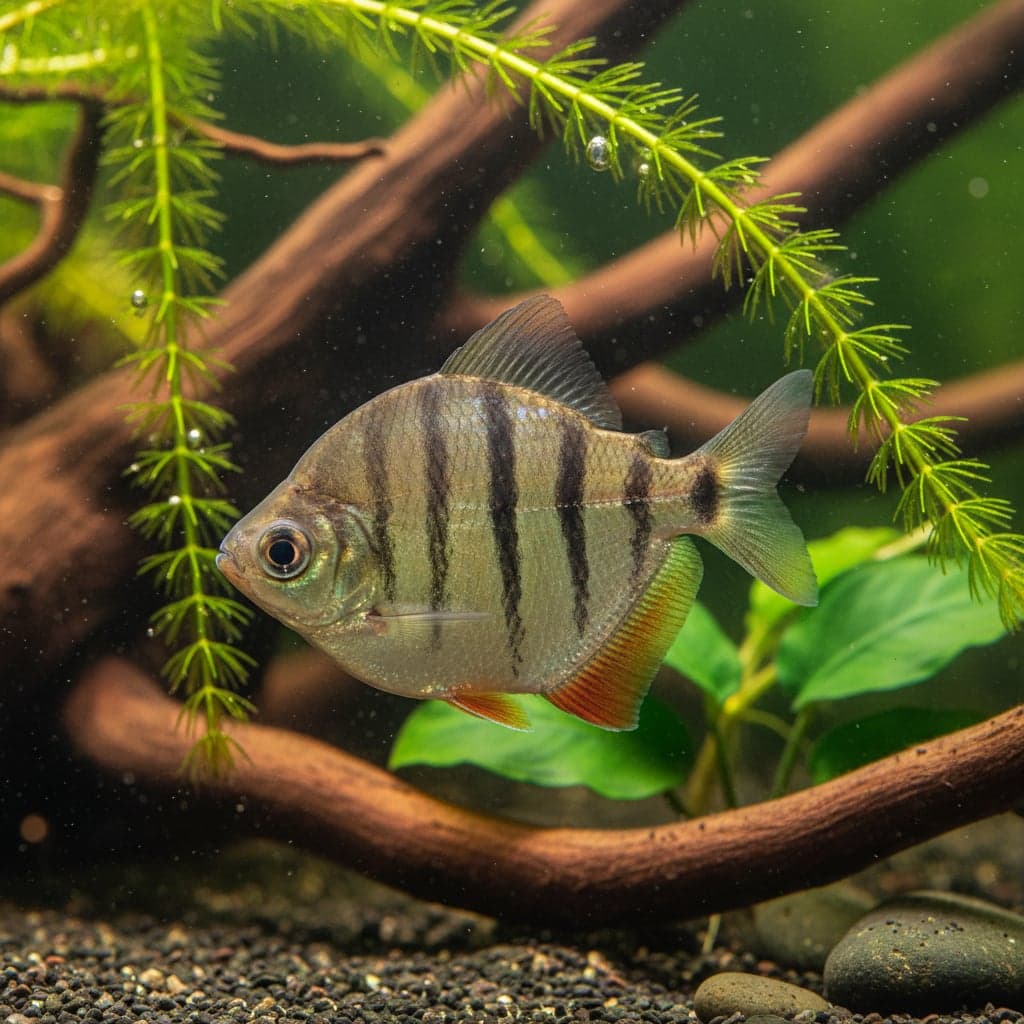
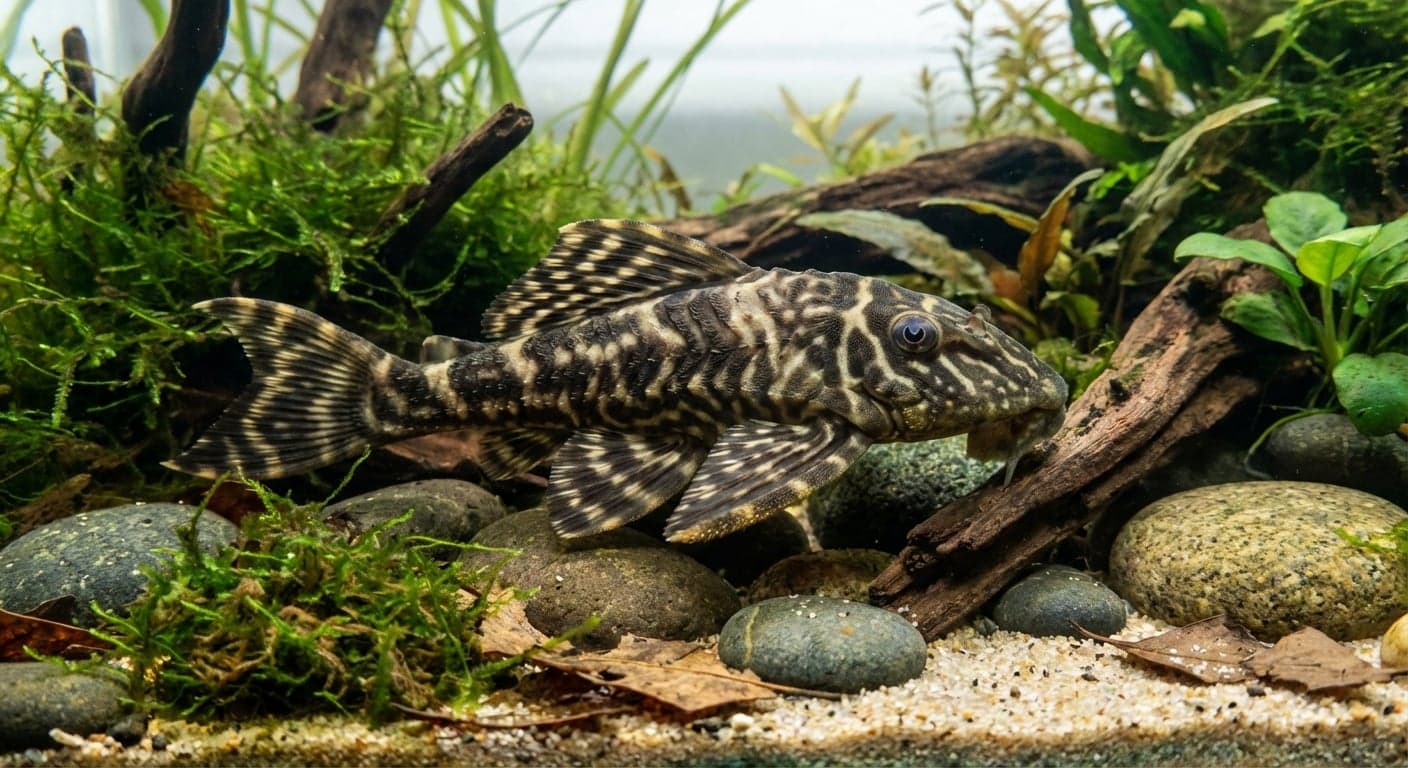
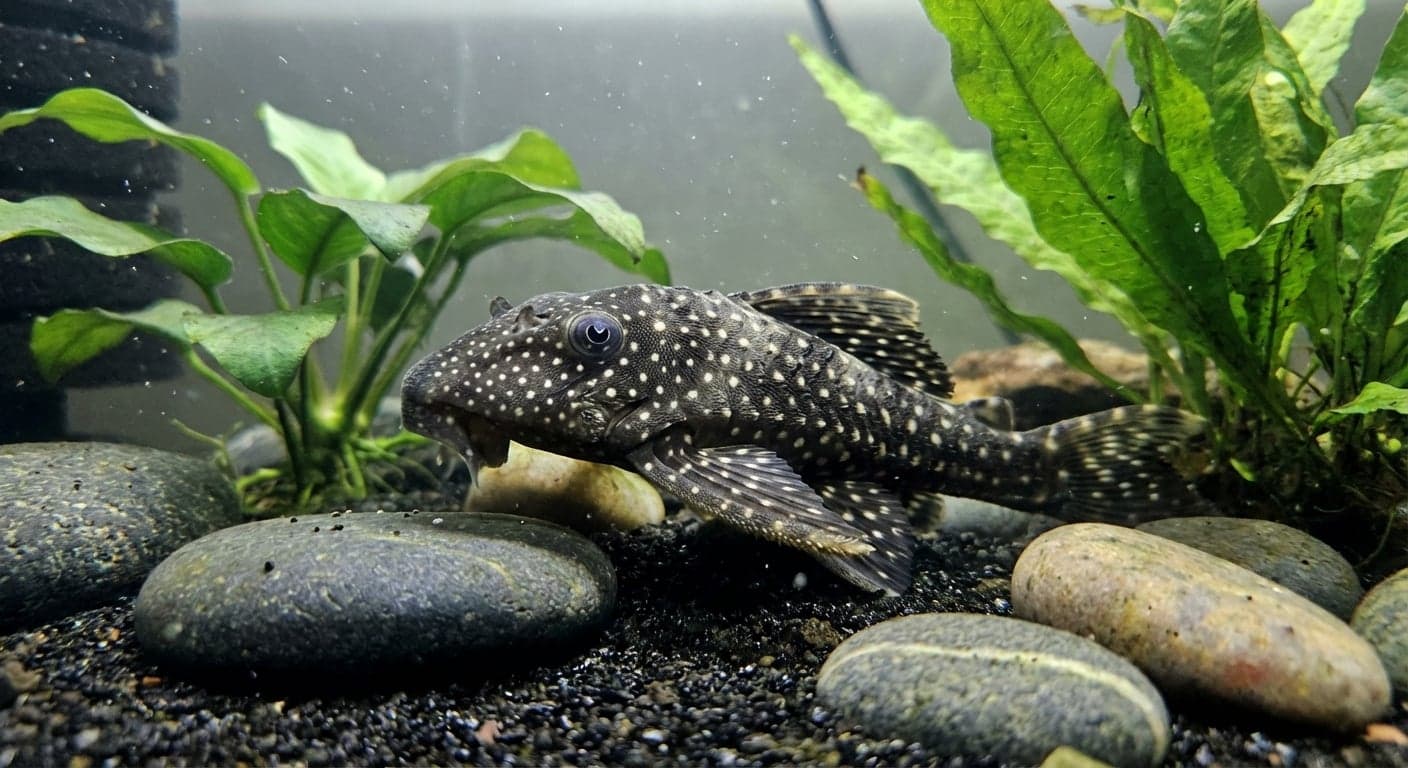
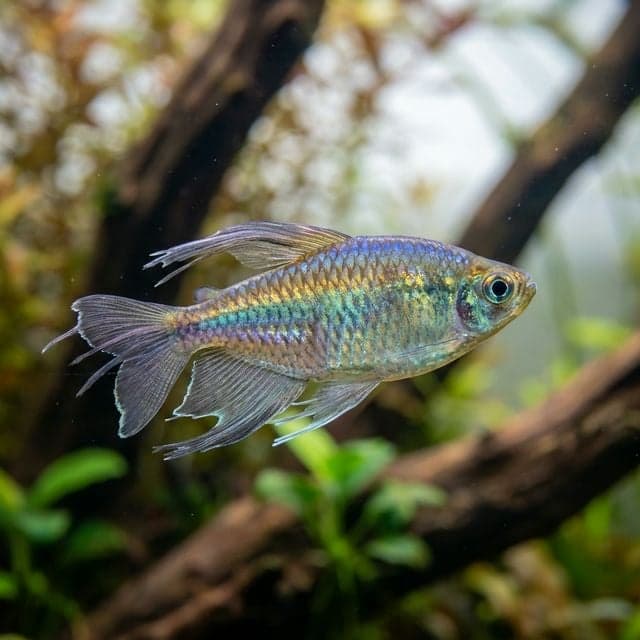
The Porthole Catfish, scientifically known as Dianema longibarbis, is a fascinating freshwater species that captivates fish enthusiasts with its unique appearance and gentle demeanor. Characterized by its elongated body, this catfish showcases a striking blend of silver and olive green hues, adorned with distinct black spots, resembling portholes—hence the name. Its long, barb-like whiskers add an extra layer of intrigue, enhancing its allure for both novice and experienced aquarists. This species is appreciated not only for its aesthetic appeal but also for its relatively easy care requirements, making it a perfect choice for community tanks.
In the aquarium hobby, the Porthole Catfish holds a special significance due to its peaceful nature and ability to thrive in a variety of environments. Unlike many other catfish species, which may have a reputation for being territorial or aggressive, the Porthole Catfish tends to be quite sociable, often forming schools with its own kind. As a result, these fish contribute to a harmonious atmosphere in community tanks, where they can coexist with various non-aggressive species. The Porthole Catfish is a wonderful representation of the diverse and colorful world of aquatics, allowing hobbyists to appreciate the beauty of their movement and behavior.
Natural Habitat & Origin
The Porthole Catfish is native to the Amazon River basin, primarily found in countries like Brazil and Peru. This region is known for its rich biodiversity and intricate waterways, where the Porthole Catfish thrives in slow-moving rivers, streams, and floodplain lakes. These waters are typically characterized by low light penetration due to dense vegetation and organic debris, creating a blackwater environment. The water in these habitats is often acidic, with abundant leaf litter, which serves as both shelter and a source of nourishment for the fish. Understanding its natural habitat is crucial for creating an appropriate aquarium setting that replicates these conditions.
In its natural environment, the Porthole Catfish occupies the lower levels of the water column, often hiding among submerged logs and leaf litter. This behavior helps it evade predators while searching for food. The surrounding flora plays a significant role, with tall aquatic plants and submerged driftwood providing essential cover and foraging opportunities. To truly appreciate the Porthole Catfish, one must recognize the ecological context from which it originates, emphasizing the importance of habitat conservation in maintaining aquatic biodiversity.
Care Requirements
To ensure the Porthole Catfish thrives in captivity, maintaining optimal water parameters is essential. The preferred pH range for this species is between 6.0 and 7.5, with a temperature range of 72°F to 79°F (22°C to 26°C) and a water hardness of 2 to 10 dGH. These conditions replicate the slightly acidic waters of their natural habitat, promoting their overall health and longevity. Frequent water changes are crucial to keep the environment clean and stable, as Porthole Catfish can be sensitive to poor water quality.
When setting up a tank for the Porthole Catfish, a minimum size of 30 gallons is recommended to accommodate its peaceful schooling behavior. The substrate should consist of fine gravel or sand to mimic the soft bottoms of their native waters. Adding driftwood, rocks, and live plants not only enhances the aesthetic appeal but also provides hiding spots and foraging areas. Lighting should be moderate, as the Porthole Catfish prefers subdued light conditions. Incorporating floating plants can also help reduce light intensity and create a more natural atmosphere within the aquarium.
Diet & Feeding
The Porthole Catfish is an omnivorous species, thriving on a varied diet that includes both plant and animal matter. In captivity, they can be fed high-quality flake and granule foods as a staple, ensuring they receive adequate nutrition. Additionally, offering frozen or live options such as bloodworms, brine shrimp, and daphnia will enhance their diet and promote healthy growth. It is advisable to feed them small portions 2-3 times a day, closely monitoring their intake to avoid overfeeding, which can lead to health issues.
Incorporating plant matter into their diet is also beneficial. Blanched vegetables like zucchini, spinach, or peas can be offered occasionally, providing essential vitamins and dietary fiber. This varied diet not only meets their nutritional needs but also mimics their natural foraging behavior, promoting a more natural feeding experience in the aquarium. With proper care, the Porthole Catfish will thrive and exhibit vibrant health.
Behavior & Temperament
The Porthole Catfish is known for its calm and gentle demeanor, making it an ideal addition to community tanks. These fish are naturally social and are best kept in groups of at least three to five individuals. In larger schools, they exhibit more natural behaviors, including schooling and interacting with one another. They prefer to remain in the lower areas of the tank but will occasionally swim higher, especially during feeding.
Despite their peaceful nature, Porthole Catfish can display some territorial behaviors, particularly during feeding time. Ensuring ample space and hiding places can help reduce any potential conflicts. They are mostly nocturnal, exhibiting increased activity during dawn and dusk. Observing their interactions within the tank provides fascinating insights into their social structure and behaviors, contributing to a dynamic and engaging aquarium environment.
Tank Mates
When choosing tank mates for the Porthole Catfish, it's essential to opt for peaceful, non-aggressive species. Suitable companions include small to medium-sized fish such as Tetras, Rasboras, Gouramis, and other catfish species known for their tranquility. These fish not only complement the Porthole Catfish’s demeanor but also enhance the visual aesthetic of the overall tank.
However, it is advisable to avoid aggressive species like Cichlids, as well as larger predatory fish that may pose a threat. Additionally, avoid keeping them with very small fish that might be viewed as prey. A well-planned community tank can highlight the Porthole Catfish's sociable nature while providing a harmonious living environment for all species involved.
Breeding
Breeding Porthole Catfish in captivity can be a rewarding challenge, although it is not commonly accomplished by aquarists. Spawning typically occurs during the rainy season in their native habitat, when water levels rise and conditions become favorable. To replicate this, keep a breeding pair in a separate breeding tank with soft, slightly acidic water, and provide plenty of hiding spots such as plants and caves.
During the breeding process, the female can lay up to 100 eggs, which she will attach to flat surfaces or plants. After fertilization, the male will guard the eggs, which generally hatch within 3 to 4 days. Once the fry are free-swimming, they can be fed infusoria or finely crushed flake food until they are large enough to consume larger flakes. Creating a conducive breeding environment can lead to successful spawning and contribute to the sustainability of this mesmerizing species in the aquarium hobby.
Common Health Issues
Like all aquarium fish, Porthole Catfish can be prone to various health issues if not given proper care. Some common diseases include ich, fin rot, and bacterial infections. To prevent these conditions, maintaining good water quality through regular testing and changes is critical. Providing a balanced diet, avoiding overcrowding, and keeping stress levels low will also enhance their overall resilience and longevity in captivity. Quarantine new arrivals before introducing them to the display tank, and watch for white spots, frayed fins, clamped fins, or lethargy. Treat promptly with catfish-safe medications, avoiding harsh copper remedies when possible. Stable parameters, gentle current, and a varied sinking diet help Porthole Catfish stay healthy, confident bottom-dwellers.