Pretty Cory: Corydoras pulcher
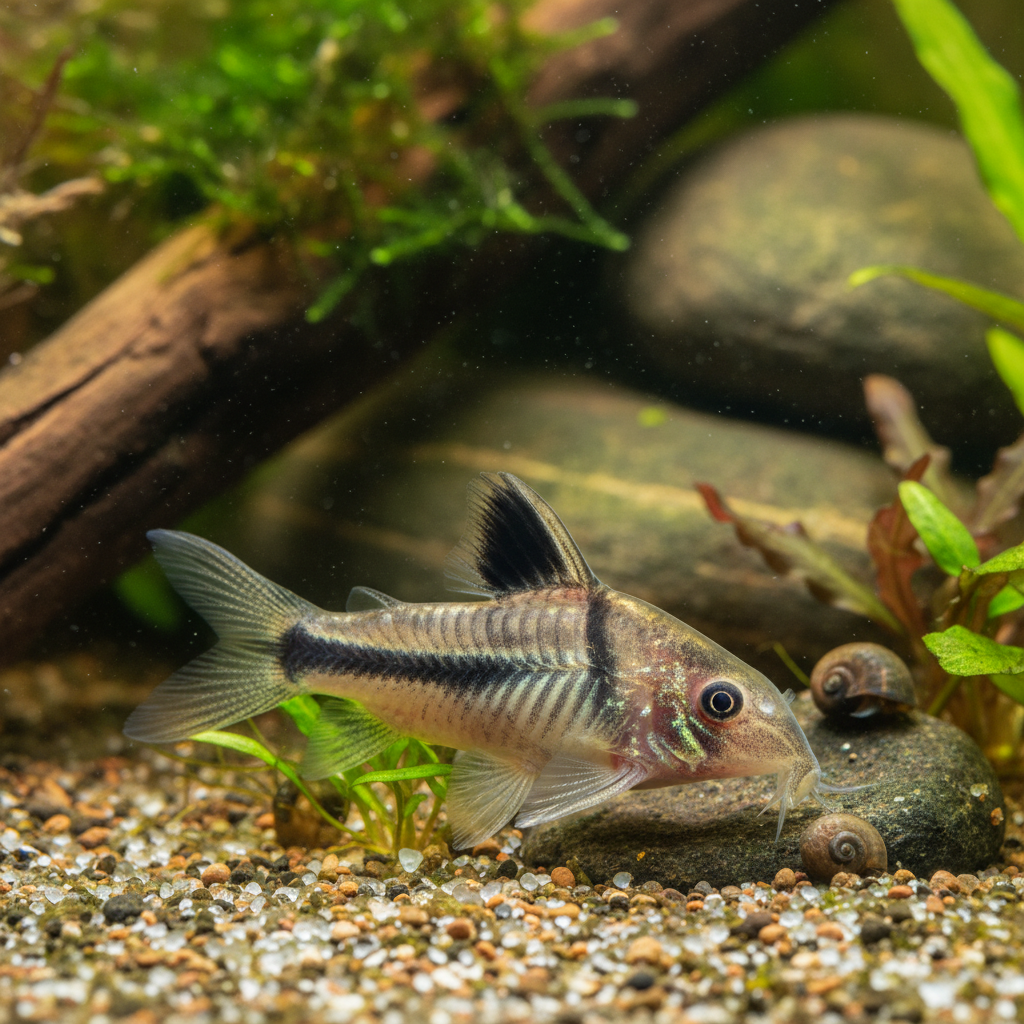
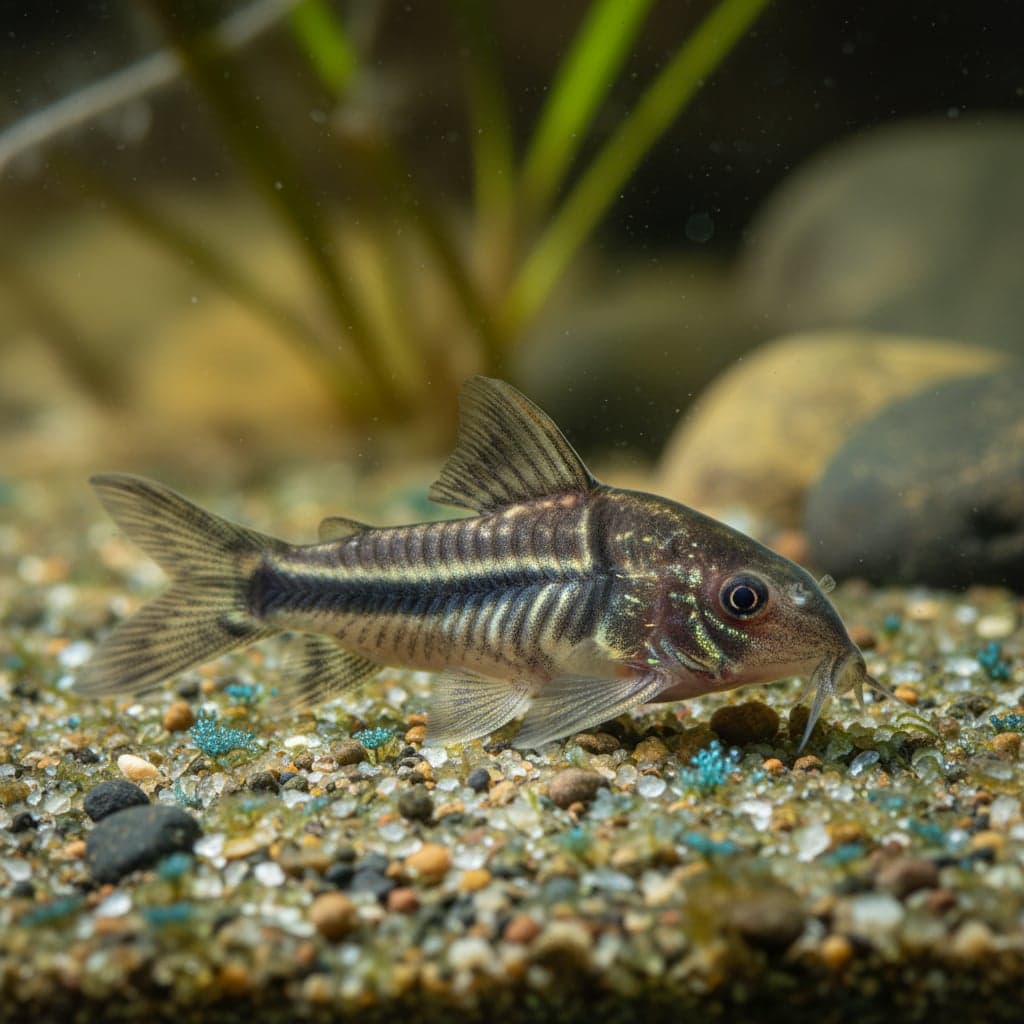
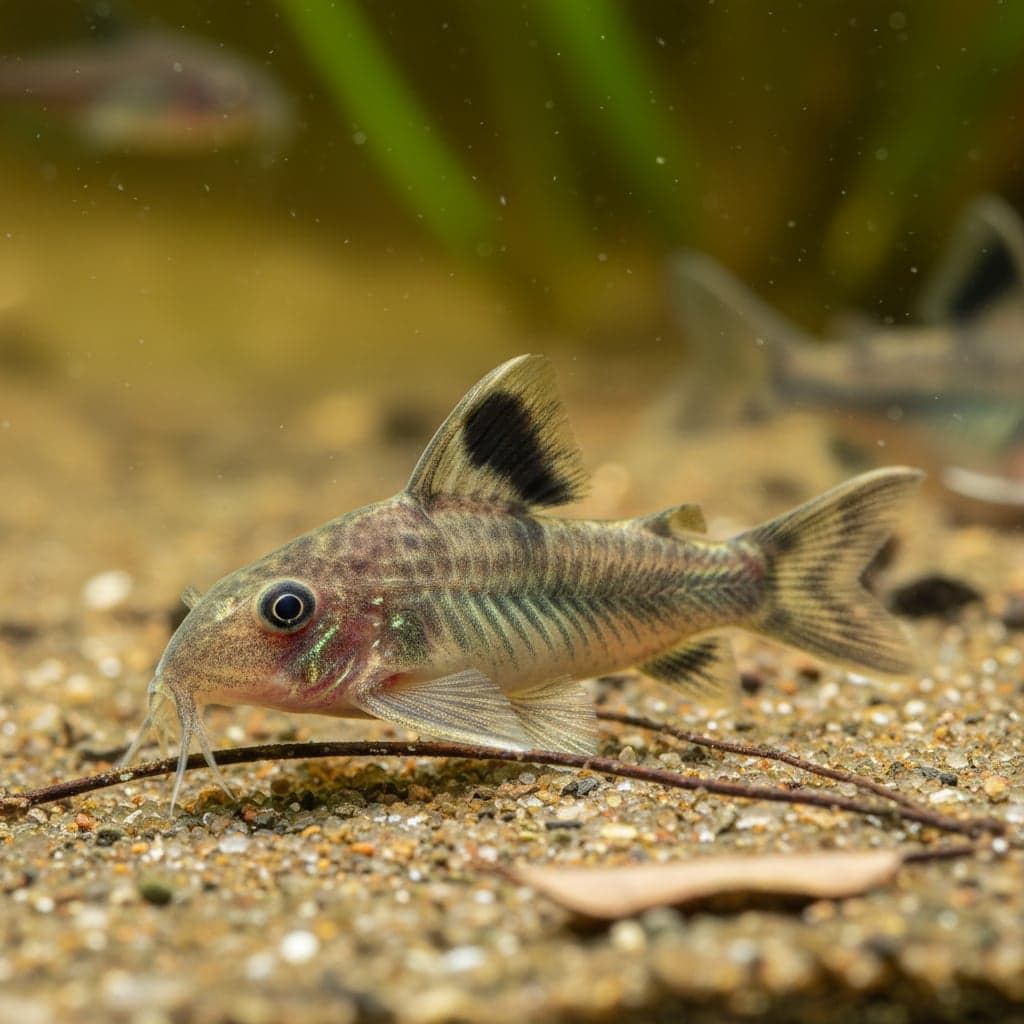
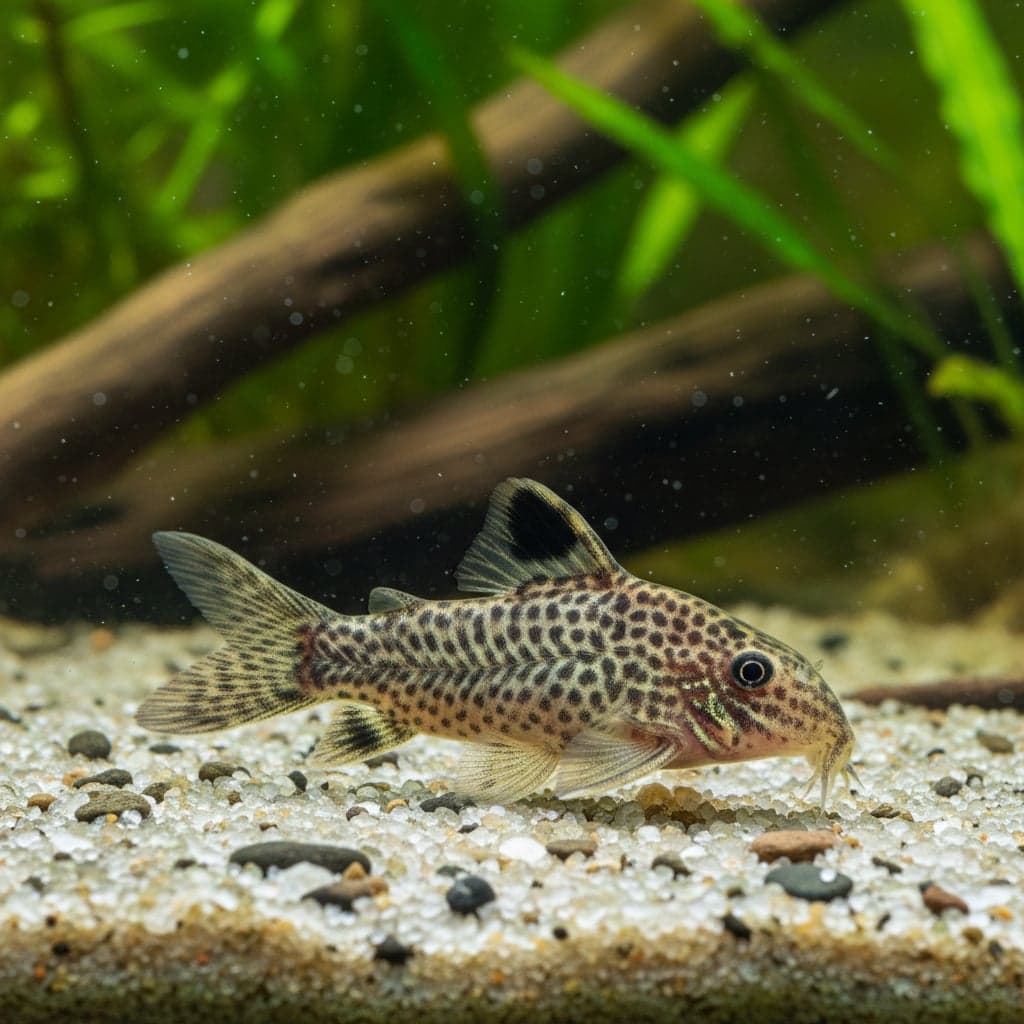
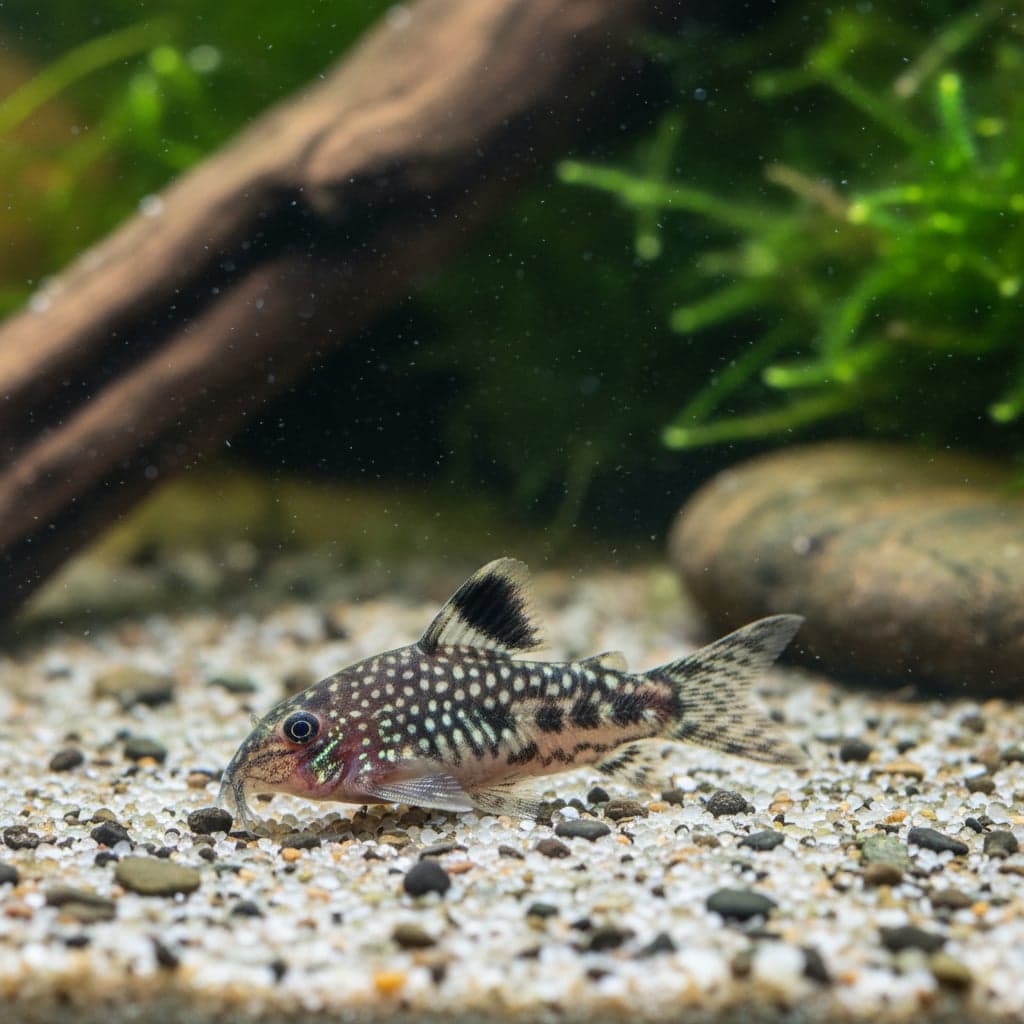
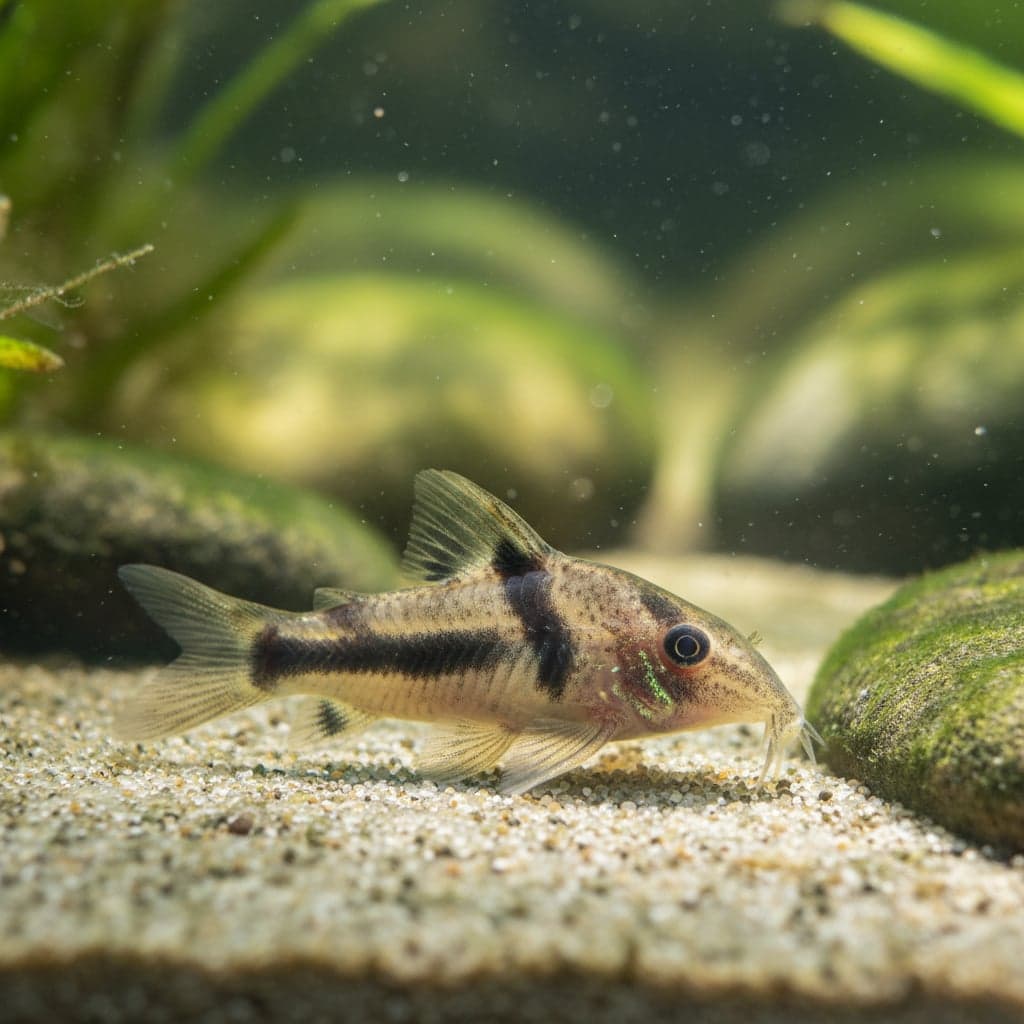
A highly sought-after, beautifully patterned corydoras featuring vivid black stripes and a tall, starkly contrasting dorsal fin.
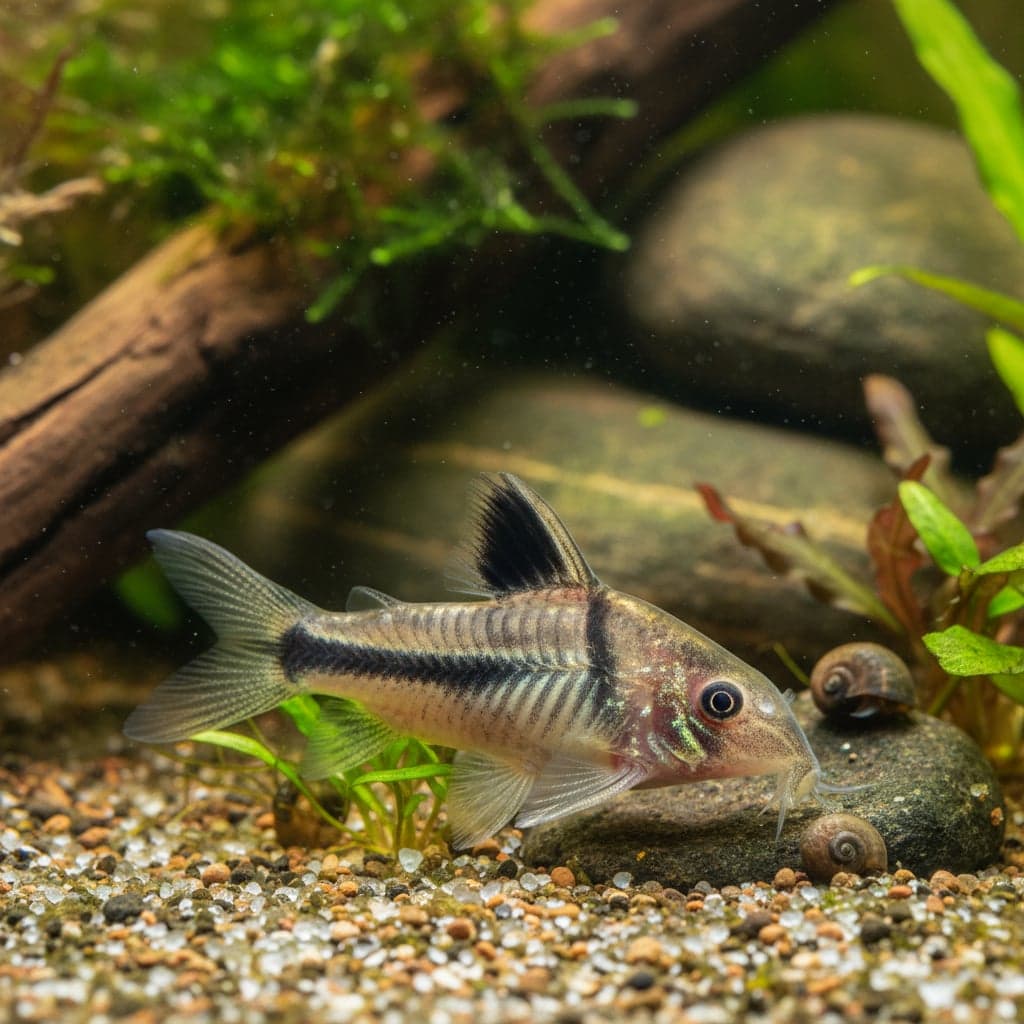
Pretty Cory
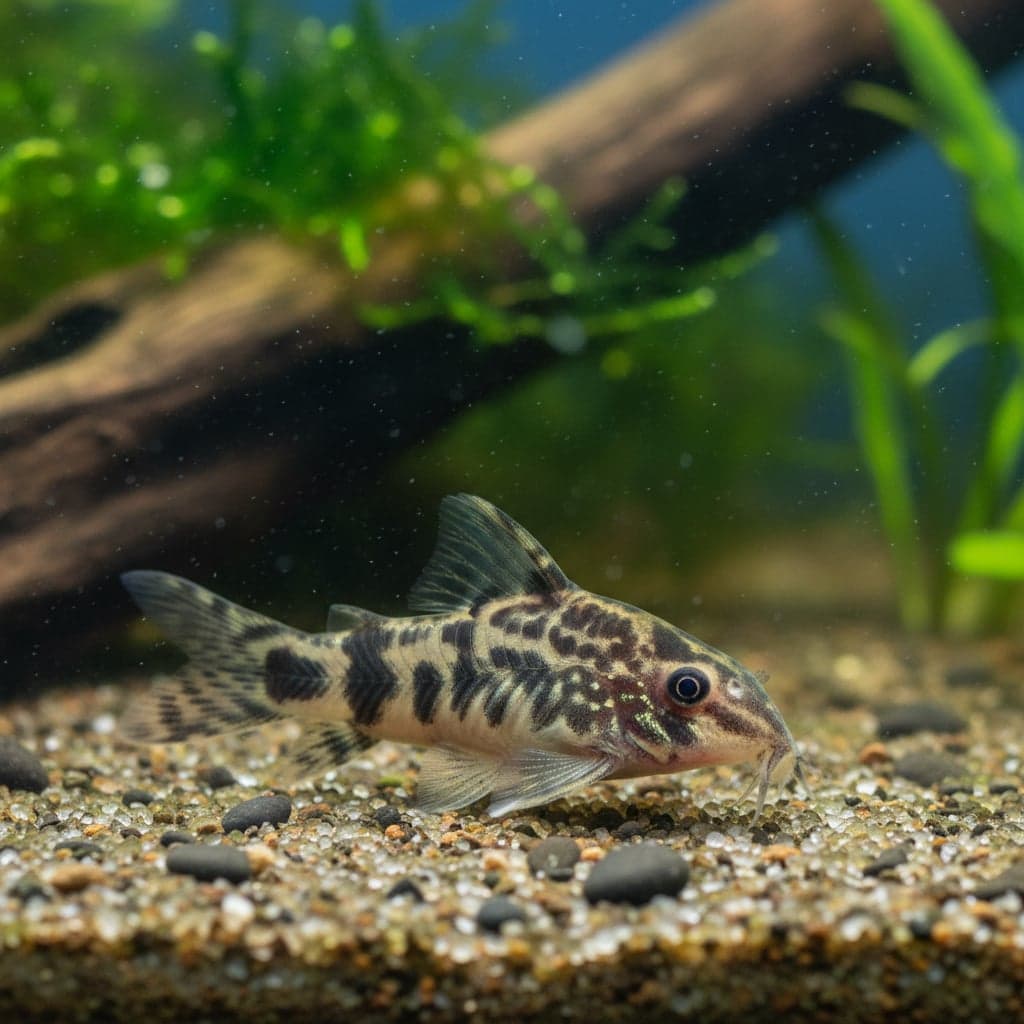
The Pretty Cory, scientifically known as Corydoras pulcher, is a stunning freshwater fish that has captured the hearts of aquarium enthusiasts worldwide. This species exhibits a vibrant coloration, characterized by a blend of striking yellow and dark spots, which gives it a unique and attractive appearance. The aesthetic appeal of the Pretty Cory is enhanced by its lively swimming patterns and the playful behaviors it exhibits in well-maintained aquaria. These charming fish are not only visual delights, but they also play a significant ecological role in their natural habitat by aiding in the cleaning of the substrate and contributing to the overall health of the aquatic ecosystem.
In the aquarium hobby, the Pretty Cory is celebrated for its docile nature and social behaviors, making it an ideal choice for community tanks. Their endearing personality and peaceful demeanor allow for seamless interactions with a variety of tank mates. As bottom dwellers, they prefer to forage and explore the lower levels of the tank, displaying a range of communal behaviors that provide both entertainment and interest to observers. This fish's combination of beauty and good-natured temperament makes it a sought-after species for both novice and experienced aquarists alike.
Natural Habitat & Origin
The Pretty Cory is indigenous to the Amazon River basin in South America, specifically found in regions of Brazil. This area is characterized by its diverse aquatic environments, including slow-moving rivers, streams, and floodplain lakes. The water in these habitats is typically categorized as blackwater, which is rich in organic matter and low in pH. It is often stained brown from decaying leaves and other vegetation, creating an environment with soft, acidic water conditions. These natural habitats are crucial for the survival of the Pretty Cory, as they provide shelter, food sources, and favorable breeding conditions.
Understanding the natural habitat of the Pretty Cory is essential for replicating its environment in captivity. The soft, tannin-rich waters of its native range contain a variety of substrates, including fine sands and leaf litter. This substrate mimics the natural environment, offering the Pretty Cory the opportunity to exhibit natural foraging behaviors. As such, recreating these aspects in an aquarium not only helps maintain the health of these fish but also enhances their overall well-being and behavior.
Care Requirements
To successfully care for the Pretty Cory, it is essential to maintain optimal water parameters. The ideal pH for these fish ranges between 6.0 and 7.5, with a temperature preference of 22°C to 27°C (72°F to 81°F). Hardness should be kept between 2 to 15 dGH, ensuring that the water quality remains stable. Furthermore, a minimum tank size of 20 gallons is recommended for a small group of Pretty Corys, as they thrive in shoals and require ample space to swim and explore.
When setting up the tank, choosing the right substrate is crucial. A soft, sandy substrate mimics the natural riverbeds they inhabit, allowing the Pretty Cory to forage comfortably without damaging their delicate barbels. It is also important to include plenty of hiding places through the addition of plants, driftwood, and caves, as these elements enrich the habitat and provide security for the fish. Moderate lighting is preferred, with the suggestion of using floating plants or decorations to diffuse direct light, thereby emulating the dappled light that penetrates their natural environments.
Diet & Feeding
The Pretty Cory is classified as an omnivore, which means they have a varied diet that consists of both plant and animal matter. In captivity, a balanced diet should include high-quality sinking pellets, flakes, and specially formulated foods designed for bottom-feeding fish. Additionally, offering occasional treats of frozen or live foods—such as brine shrimp, bloodworms, or daphnia—can enhance their diet and promote overall health.
Regular feedings should consist of small amounts several times a day, which aligns with their natural foraging behavior. It’s crucial to avoid overfeeding, as uneaten food can lead to water quality issues. Providing a diverse diet will not only maintain the Pretty Cory's health but also encourage rich colors and vibrant activity levels.
Behavior & Temperament
Pretty Corys are known for their gentle and sociable nature, frequently engaging in schools of 5 to 10 individuals. Their tendency to swim together creates a sense of security, reducing stress and encouraging natural behaviors. Typically, these fish occupy the lower levels of the tank, foraging along the substrate during the day. While they are peaceful and non-aggressive, it is important to keep them in groups to satisfy their social needs and prevent feelings of isolation.
In a communal tank, Pretty Corys will actively explore and interact with their environment, often seen sifting through the substrate in search of food. When placed with compatible species, they exhibit friendly habits, often swimming alongside tank mates without conflict. Their gentle demeanor makes them a wonderful addition to community aquariums.
Tank Mates
Choosing compatible tank mates for the Pretty Cory is critical for peaceful coexistence in a community aquarium. Ideal companions include smaller, peaceful fish such as Neon Tetras, Guppies, and Rasboras, which share similar water requirements and behavior. Besides, smaller species of Gouramis, like the Dwarf Gourami, can also coexist harmoniously.
Conversely, it is advisable to avoid larger, more aggressive fish such as Cichlids and Barbs, as they can stress or harm the Pretty Cory. Similarly, slow-moving fish with long fins, such as Betta fish or certain fancy Goldfish varieties, may pose a threat of fin-nipping or aggression. Creating a well-balanced community tank with suitable mates will ensure a thriving aquarium ecosystem.
Breeding
Breeding Pretty Corys in captivity can be a rewarding experience, requiring specific conditions to encourage spawning. These fish typically thrive in slightly cooler water temperatures, around 20°C to 24°C (68°F to 75°F), as a means to simulate seasonal changes found in their native habitat. A separate breeding tank that mimics these cooler conditions, along with a fine layer of spawning substrate, such as marbles or spawning mops, can facilitate successful reproduction.
To initiate spawning, maintain high water quality and feed the breeding pair a varied diet of live and high-protein foods. Once conditioned, the males will chase the females, leading to a display of courtship behavior. Upon successful spawning, the female will lay adhesive eggs on smooth surfaces, where they will hatch within 3 to 5 days. Providing ample hiding spots for the fry and maintaining appropriate water conditions will promote their growth and development.
Common Health Issues
Like many aquarium fish, the Pretty Cory can be susceptible to various health issues, including ich (Ichthyophthirius multifiliis), fin rot, and bacterial infections. Prevention is key, which includes maintaining optimal water quality, regular water changes, and a balanced diet. Additionally, quarantining new arrivals before introduction to the main tank can help minimize stress and drain potential pathogens.
Monitoring fish behavior regularly can aid in early detection of health issues. Signs of concern may include changes in swimming patterns, loss of appetite, clamped fins, or abnormal swimming. In response to these signs, prompt treatment should be initiated, often including the use of appropriate antibiotics, medications, or increased temperature to assist in recovery. By remaining vigilant regarding the health of these fish, aquarists can effectively manage and prevent common health issues. Soft sand substrate, stable soft water, and a school of five or more further reduce stress-related disease. Quarantine newcomers, keep ammonia and nitrite at zero, and vacuum gently around the sand bed. Watch for white spots, reddened or eroded barbels, clamped fins, or loss of appetite, and treat promptly while improving water quality. A varied sinking diet supports immunity. With attentive husbandry, Pretty Corys remain playful, hardy bottom dwellers for years.