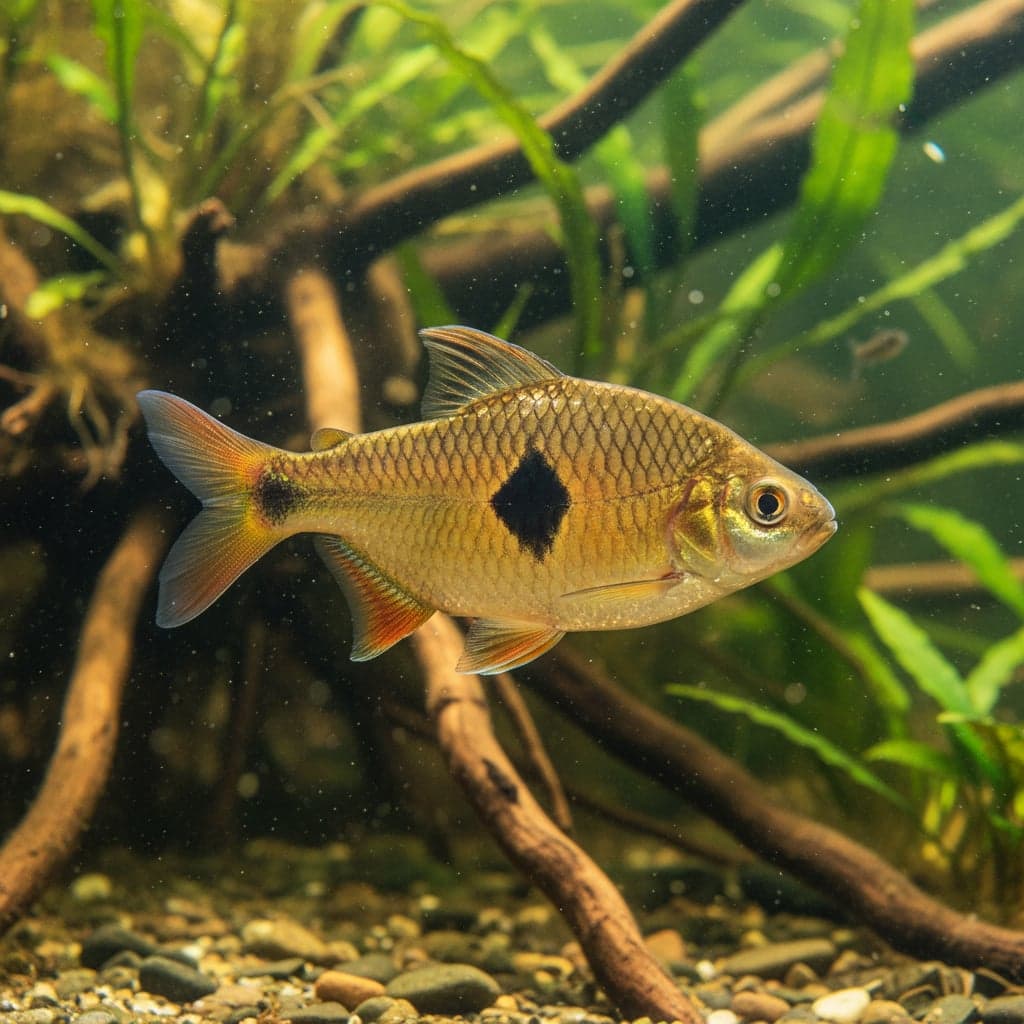
Purple Pencilfish: Nannostomus rubrocaudatus
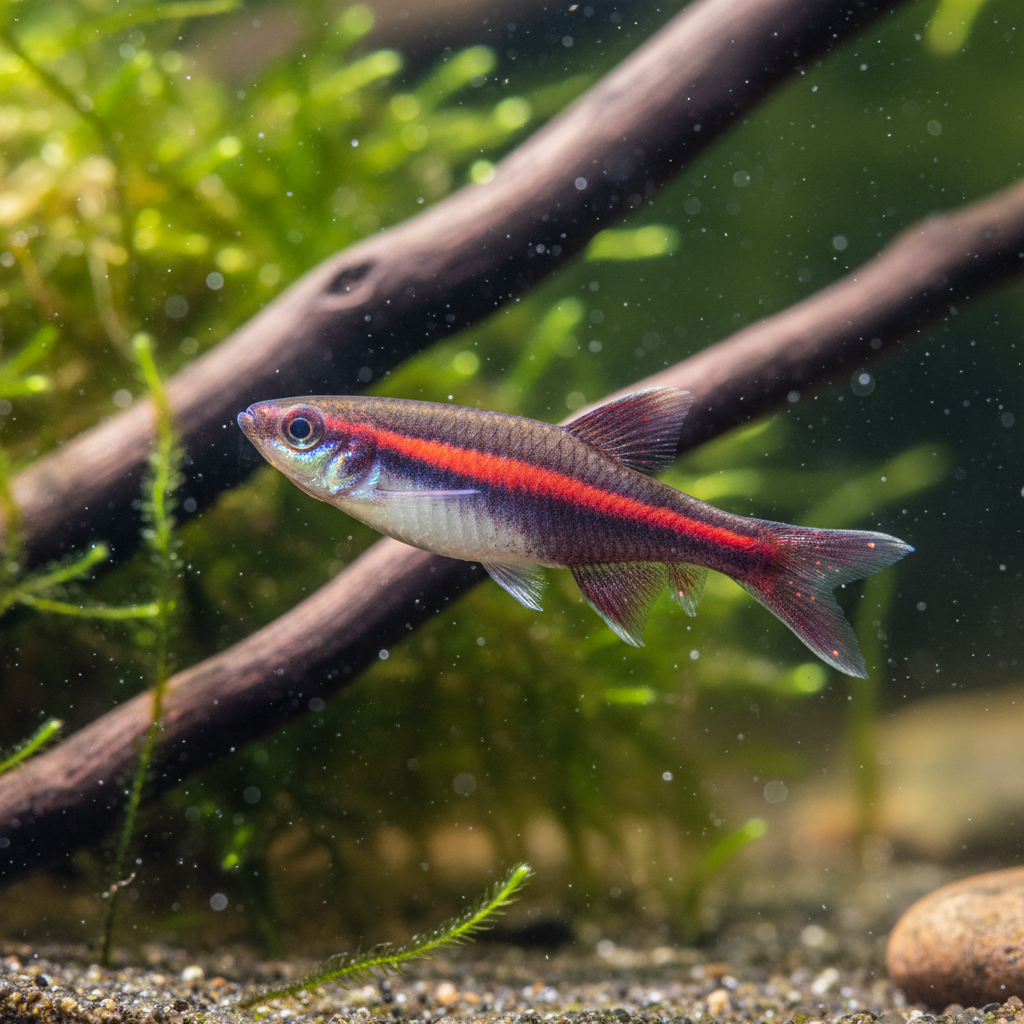
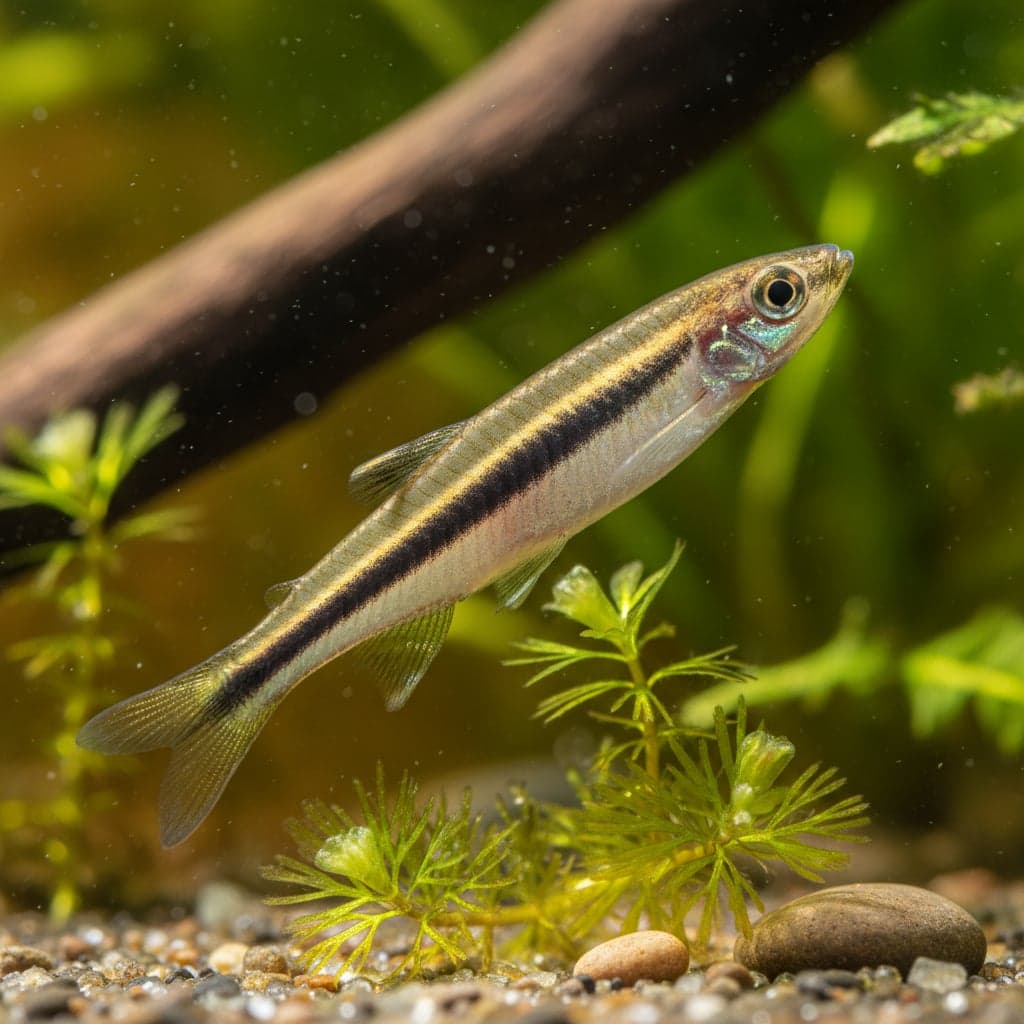
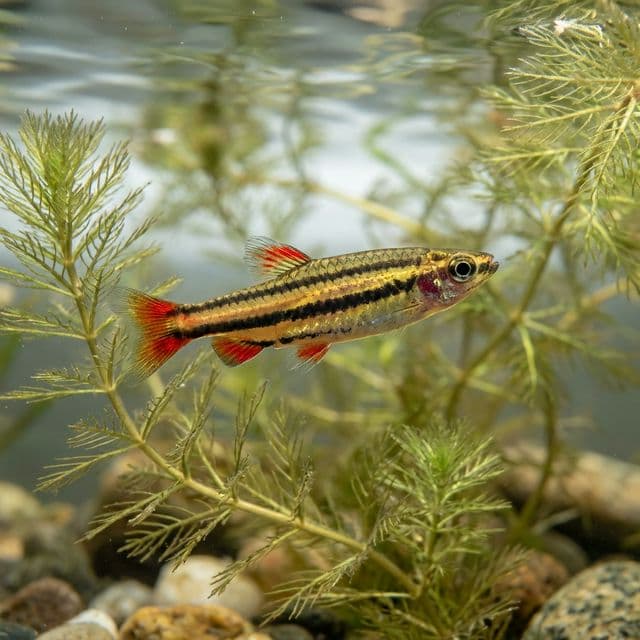
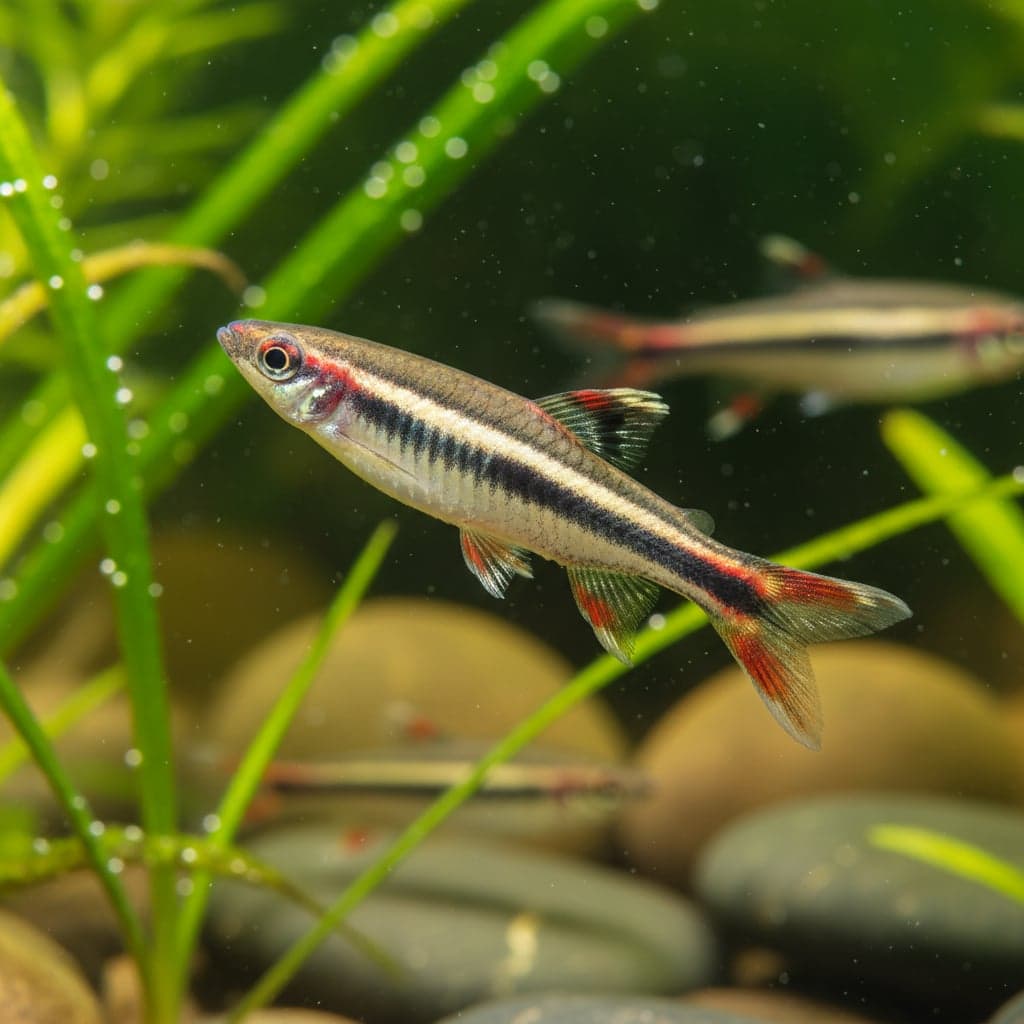
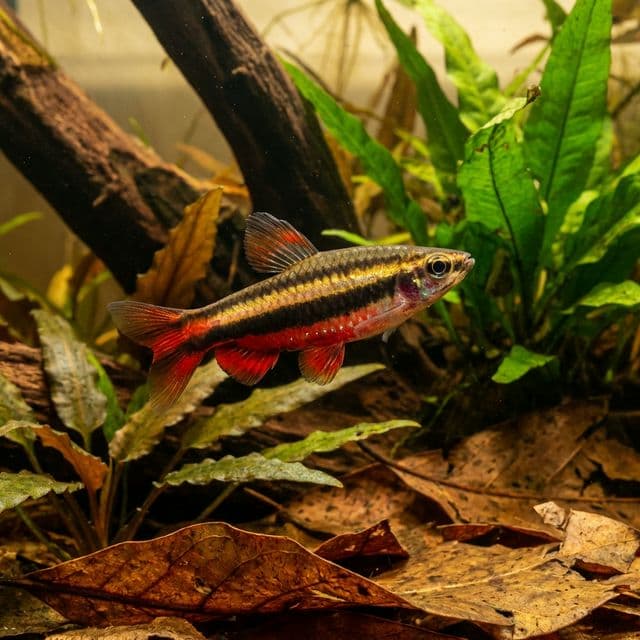
A legendary nano fish where mature males achieve an incredibly intense, glowing magenta-purple coloration over their entire body.

Purple Pencilfish
The Purple Pencilfish, scientifically known as Nannostomus rubrocaudatus, is a strikingly beautiful freshwater fish that has captured the hearts of aquarists around the world. Known for its slender, elongated body, this species exhibits a unique coloration that varies from soft purples to deep reds, particularly distinguished by the vivid red patches at the base of its tail. This color can be accentuated in well-maintained aquarium settings, making the Purple Pencilfish an exceptional candidate for community tanks. Its graceful darting movements and enchanting appearance add a dynamic visual appeal to any aquarium, providing both charm and elegance.
In the aquarium hobby, the Purple Pencilfish holds significance not just for its aesthetic qualities, but also for its relatively peaceful temperament. This small fish typically only reaches about 2 inches in length, making it an excellent choice for smaller aquariums or for those who favor smaller, schooling species. Its ease of care and compatibility with a wide variety of tank mates further enhances its popularity among both novice and experienced aquarists. As a schooling fish, the Purple Pencilfish thrives when kept in groups, where it exhibits its natural behaviors, making conservation and well-being a critical consideration in aquarium setups.
Natural Habitat & Origin
The Purple Pencilfish originates from the pristine waters of the Amazon Basin, primarily found in Brazil and Peru. It inhabits slow-moving rivers, streams, and flooded areas characterized by dark, tannin-stained waters known as blackwater ecosystems. This specific environment is rich in decaying plant matter, leaf litter, and submerged roots, contributing to the natural habitat of the Purple Pencilfish. The soft, acidic water conditions typical of these habitats provide an ideal environmental context for their survival, where they find plenty of cover and foraging opportunities.
Having adapted to the dimly lit underwater world of the Amazon, the Purple Pencilfish relies heavily on its ability to navigate through densely vegetated waters. This adaptation not only helps in avoiding predators but also allows for effective foraging. The water in their natural habitat commonly registers a pH level of around 5.5 to 7.5, with temperatures averaging between 75°F and 82°F (24°C to 28°C). These parameters are crucial to replicate in captivity for their optimal growth and health.
Care Requirements
To successfully keep Purple Pencilfish, it's essential to replicate their natural parameters as closely as possible. The recommended water conditions include a pH range between 5.5 to 7.5, a temperature of 75°F to 82°F (24°C to 28°C), and moderately soft to slightly hard water (3 to 15 dGH). Maintaining stable water conditions is crucial, as these fish are sensitive to fluctuations that can lead to stress or diseases.
In terms of tank setup, a minimum tank size of 20 gallons is recommended for a small school of Purple Pencilfish, emphasizing the need for open swimming space along with lush vegetation. The substrate should be fine sand or soft gravel to mimic their natural environment. Adding driftwood and plants like Java fern and Amazon sword will not only enhance the aesthetics of the aquarium but also provide hiding spots and grazing surfaces. Low to moderate lighting is ideal, as it simulates the semi-dark conditions of their native habitats and promotes a comfortable environment for both the fish and the plants.
Diet & Feeding
Purple Pencilfish are omnivorous, requiring a varied diet to maintain their vibrant colors and overall health. In the wild, they feed on small invertebrates, plant matter, and microorganisms. In captivity, it's advisable to provide them with a mix of high-quality flakes, micro-pellets, and frozen or live foods such as daphnia, brine shrimp, and mosquito larvae. Regular feeding should occur in small portions several times a day rather than one large feeding, which helps to mimic their natural feeding behavior. Additionally, supplementing their diet with vegetable matter, such as spirulina flakes or blanched spinach, can ensure a well-rounded nutritional profile.
Care should be taken to avoid overfeeding, as this can lead to water quality issues. An adequately varied and balanced diet not only enhances their colors but also supports their overall developmental growth and immune system, contributing to a longer lifespan in aquarium conditions.
Behavior & Temperament
The Purple Pencilfish is known for its serene and gentle nature, making it an ideal addition to community tanks. As a schooling fish, it thrives in groups of six or more, displaying beautiful social behavior and darting movements that can captivate observers. They often occupy the middle to upper levels of the tank, where they feel safe and exhibit their natural schooling tendencies.
While generally peaceful, they may show occasional shyness if kept in lower numbers, which can result in stress. It's vital to ensure that their social environment includes plenty of cover to feel secure. Their non-aggressive demeanor allows them to coexist harmoniously with a variety of other species, as long as the tank is not filled with overly boisterous or large, predatory tank mates.
Tank Mates
When selecting tank mates for Purple Pencilfish, it's essential to choose species that share similar water requirements and temperament. Ideal companions include small, peaceful schooling fish such as Neon Tetras, Corydoras Catfish, Harlequin Rasboras, and other small characins or rasboras. Additionally, they can coexist with small shrimp species such as Cherry Shrimp or Amano Shrimp, which can provide an interesting dynamic within the tank.
However, it's crucial to avoid pairing them with larger or aggressive species, as these can intimidate or harm the Purple Pencilfish. Species such as Cichlids or larger barbs should be kept out of the tank due to their potentially aggressive nature. The selection of tank mates should always consider the size and activity levels of the other inhabitants to promote a peaceful and balanced ecosystem.
Breeding
Breeding Purple Pencilfish in captivity can be a rewarding but slightly challenging endeavor. They are egg scatterers, which means they do not exhibit parental care over their eggs. To encourage successful spawning, it's recommended to create a separate breeding tank with soft, acidic water conditions and plenty of fine-leaved spawning plants such as Java moss or spawning mops.
Optimum conditions for breeding include a water temperature of around 78°F (26°C) and a pH of 6.0 to 6.5. Once males begin to display courtship behavior, females will respond by scattering eggs among the plants. After spawning, the adults should be removed to prevent them from consuming the eggs. The fertilized eggs typically hatch within 24 to 36 hours, with fry becoming free-swimming after a few days. Feeding the fry with infusoria and finely crushed flakes can promote healthy growth in the early stages of their development.
Common Health Issues
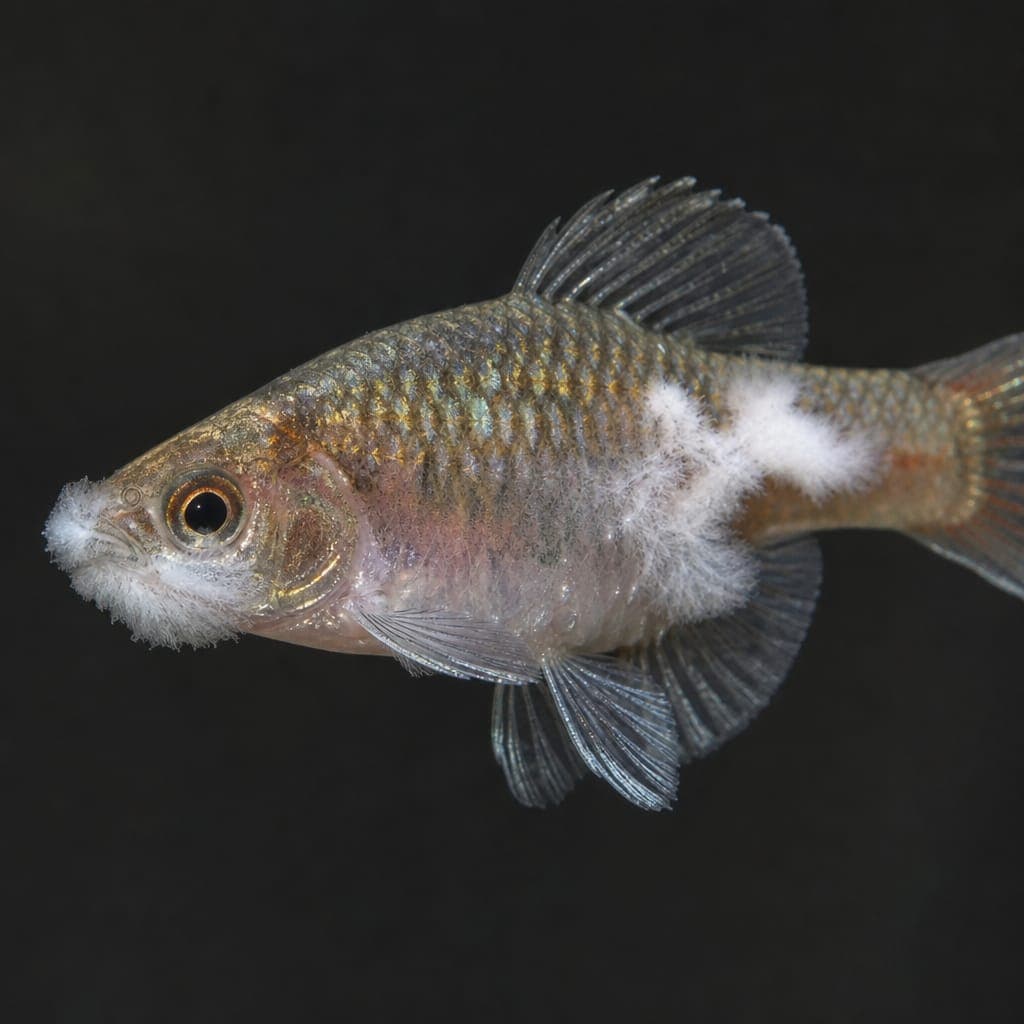
Although sturdily built, Purple Pencilfish can be prone to certain health issues, particularly if not provided with optimal living conditions. Common illnesses include ich, fin rot, and various types of fungal infections. Maintaining high water quality, regular tank maintenance, and ensuring proper diet can significantly reduce the likelihood of these health problems.
For preventive measures, it is essential to quarantine new arrivals before adding them to an established tank, as they may carry diseases. Monitoring their behavior and appearance regularly will help identify potential issues early. Routine water changes and maintaining stable water parameters also play a vital role in keeping these delicate characins healthy. Watch for white spots, frayed fins, clamped fins, or sudden shyness that may signal ich or bacterial issues, and treat early in a quarantine setup. Soft, acidic water, dense planting, and a calm community reduce stress-related illness. Offer fine live and frozen foods alongside quality flakes to support immunity. With attentive care and stable parameters, Purple Pencilfish remain slender, colorful midwater shoalers that thrive for years in a well-planted aquarium.