Purple Spotted Gudgeon: Mogurnda mogurnda
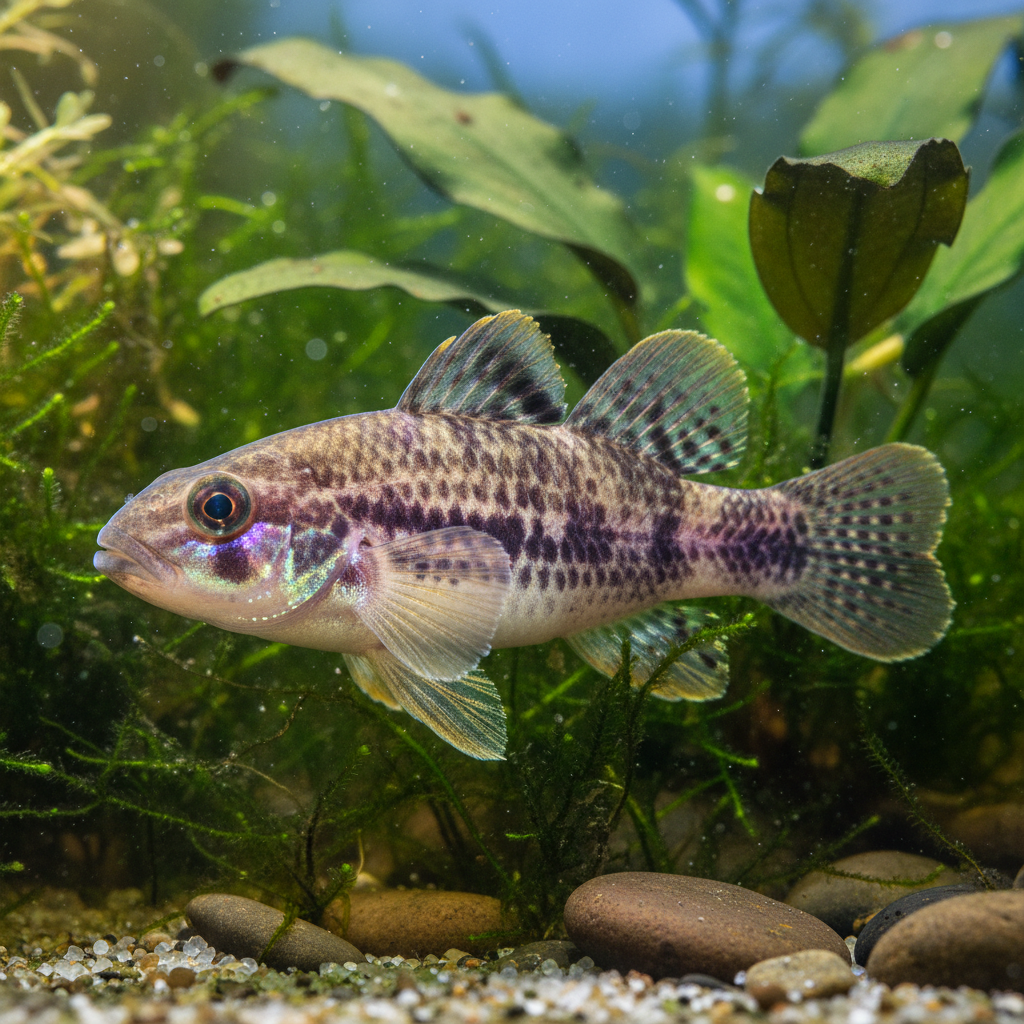
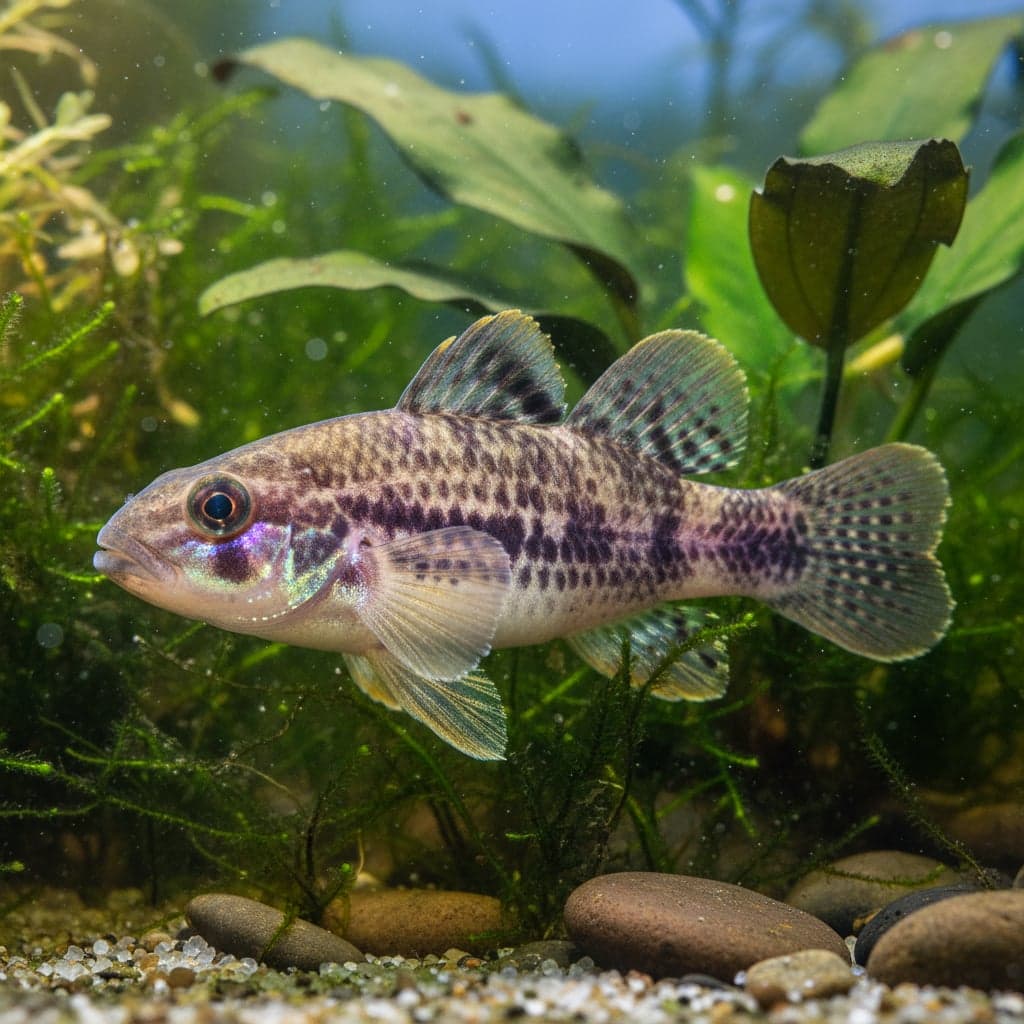
A spectacular, robust Australian ambush predator extensively dotted in deep purple, red, and blue spots.
Purple Spotted Gudgeon
The Purple Spotted Gudgeon, scientifically known as Mogurnda mogurnda, is a fascinating freshwater fish native to Australia. This small but striking species boasts a unique appearance that can captivate aquarium enthusiasts and newcomers alike. Their vibrant coloration, characterized by stunning purple and blue spots against a sandy or olive background, adds a delightful splash of color to any aquarium. Beyond their aesthetic appeal, these fish are significant in the aquarium hobby due to their relatively easy care requirements and adaptability to various freshwater setups, making them a preferred choice for both freshwater aquarists and community tank setups.
In their natural environment, the Purple Spotted Gudgeon inhabits weedy areas and shallow slow-moving waters, where they can forage among the vegetation. Their charming personality and inquisitive nature make them not only visually appealing but also engaging to observe in a well-maintained aquatic environment. With their subtle movements and playful behavior, they contribute a dynamic presence to any tank, further enhancing their significance as an essential choice for aquarium enthusiasts seeking a lively and colorful addition to their aquatic spaces.
Natural Habitat & Origin
The Purple Spotted Gudgeon is native to Australia, predominantly found in the eastern regions, including New South Wales and Queensland. This species thrives in various freshwater habitats, primarily inhabiting slow-moving rivers, creeks, and swampy areas filled with dense vegetation. These environments exhibit a range of conditions but are often characterized by soft, slightly acidic waters that come from organic decay, resulting in blackwater ecosystems. The turbid waters often harbor plenty of submerged structures and dense plant life, allowing this species to find shelter and forage effectively.
Geographically, the range of the Purple Spotted Gudgeon extends from coastal rivers, where it may dwell among submerged logs and leaf litter, to freshwater lakes and artificial structures like ponds. The rich diversity in its natural habitat contributes significantly to its coloration and adaptability, underlining the necessity for similar conditions to promote health and happiness in captivity.
Care Requirements
To provide optimal care for the Purple Spotted Gudgeon, it's crucial to maintain specific water parameters. The ideal pH range for these fish is between 6.0 and 7.5, with a temperature of 22°C to 28°C (72°F to 82°F). Additionally, a water hardness of 5-15 dGH is recommended for sustaining their health. When setting up their tank, a minimum size of 75 liters (approximately 20 gallons) is advisable to give them adequate swimming space and hiding spots.
The tank setup should include a sandy or fine gravel substrate to mimic their natural habitat, allowing for natural foraging behavior. Dense planting with species like Java fern, Anubias, or floating plants will provide hiding spots and encourage a sense of security. Dim lighting is preferable, as it resembles the shaded, weedy environments where they thrive in the wild. Incorporating driftwood and rocks can also serve as potential shelter for individuals seeking refuge.
Diet & Feeding
The Purple Spotted Gudgeon is an omnivorous species with a diverse diet that includes plant matter, insects, crustaceans, and small invertebrates. In captivity, they are best maintained on a varied diet to ensure optimal health. High-quality flake or pellet food should form the staple of their diet, supplemented by frozen or live foods such as brine shrimp, bloodworms, and daphnia. Providing a mix of both protein-rich and plant-based foods will promote color enhancement and overall vitality, complementing their dietary needs effectively.
Regular feeding, ideally twice a day, is recommended to keep them active and healthy. Care should be taken not to overfeed, as uneaten food can lead to water quality issues. Cleaning uneaten food within an hour is advisable to maintain a clean and stable environment.
Behavior & Temperament
The Purple Spotted Gudgeon exhibits curious and generally peaceful behavior, making them suitable for community tanks. They are solitary or can be found in small groups but do prefer to retreat to hiding spots when they desire solitude. In terms of social structure, they do not exhibit strong schooling habits like some other species, although they may feel more secure when kept with a small group of their own kind.
In terms of aggression levels, Purple Spotted Gudgeon are mild-mannered fish that may display some territorial behavior when breeding or when feeling stressed. It’s important to provide ample hiding places and space to reduce any potential skirmishes. They tend to inhabit mid to bottom layers of the tank, frequently exploring the substrate and plant structures, contributing to their active behavior.
Tank Mates
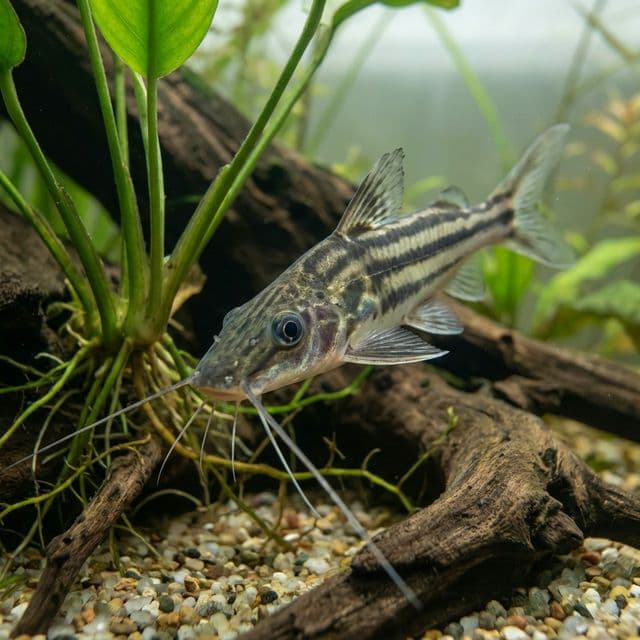
Selecting the appropriate tank mates is essential for the health and well-being of the Purple Spotted Gudgeon. Ideal companions include small to medium-sized peaceful species such as Tetras, Rasboras, Guppies, and Corydoras catfish. They can also coexist with other freshwater fish that prefer similar water conditions, provided they are not overly aggressive or large enough to be a threat.
Species to avoid include larger, more aggressive fish like cichlids or bigger barbs, as these may intimidate or harm the Gudgeon. Fast-swimming and fin-nipping species should also be avoided to ensure a harmonious environment. In general, a well-planned community tank with appropriate and compatible species will contribute to the overall happiness of the Purple Spotted Gudgeon.
Breeding
Breeding Purple Spotted Gudgeon in captivity can be rewarding but may require some attention to detail regarding conditions. Spawning typically occurs in the presence of plants or caves where females can lay eggs. Optimal conditions for breeding include a slightly higher temperature range of 26°C to 28°C (79°F to 82°F) and a pH of around 6.5 to 7.0.
During the breeding process, males may exhibit vibrant colors and become more aggressive in defending their territory. Target feeding with high-protein foods can help condition the breeding pair. Once eggs are laid, they should be separated from the adults, as they may consume their own eggs. Fry will hatch within a few days and can initially be fed infusoria or finely crushed flake food until they grow large enough to consume larger food items.
Common Health Issues
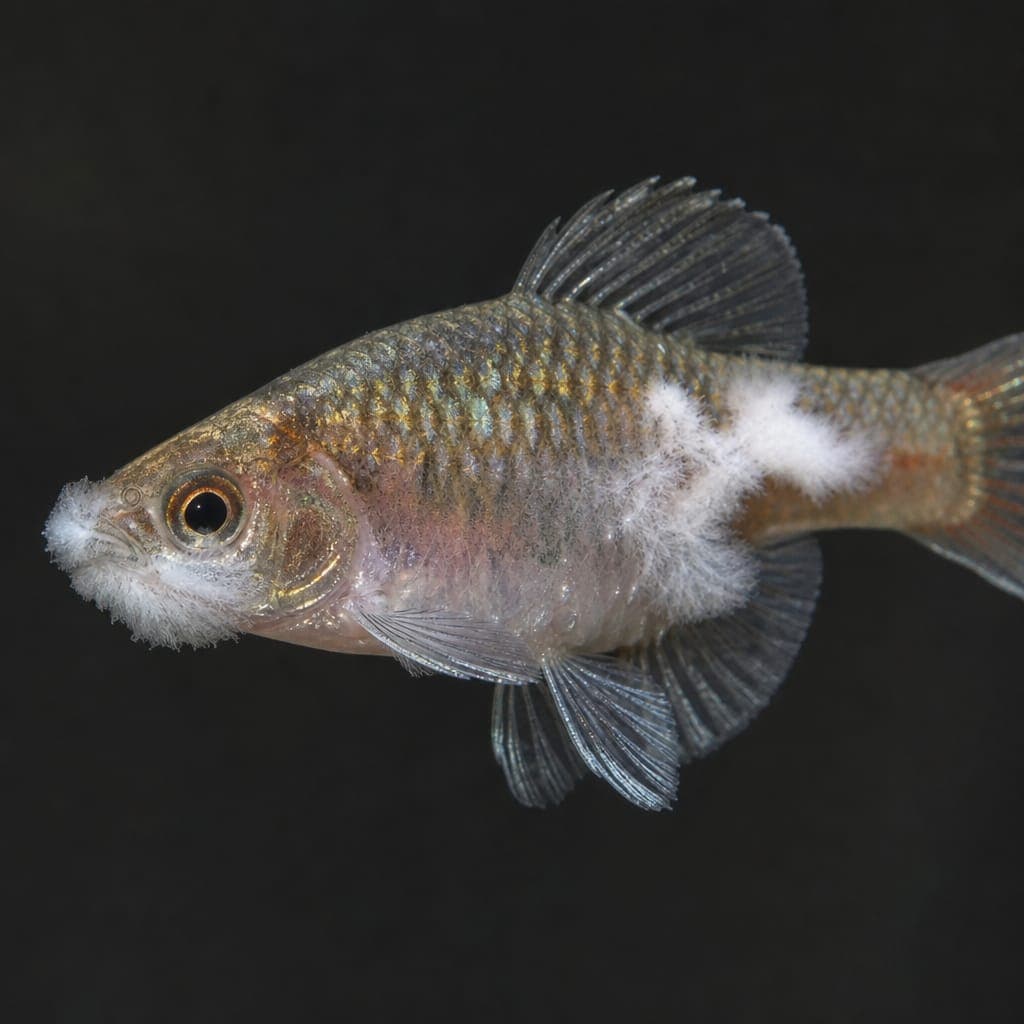
Like many freshwater fish, the Purple Spotted Gudgeon can be susceptible to several health issues, primarily if water quality is not adequately maintained. Common diseases include ich (Ichthyophthirius multifiliis), fin rot, and fungal infections. To prevent these ailments, it's important to maintain clean water through regular changes and utilize a quality filtration system.
Quarantine new arrivals before introducing them to established tanks to minimize the spread of disease. Keeping an eye on their behavior and appearance can also alert aquarists to any signs of distress or illness. Regular health checks and a proper diet will contribute significantly to the longevity and vitality of the Purple Spotted Gudgeon.