Pygmy Hatchetfish: Carnegiella myersi
The absolute smallest of the hatchetfish family, an incredibly delicate, nearly translucent surface dweller.
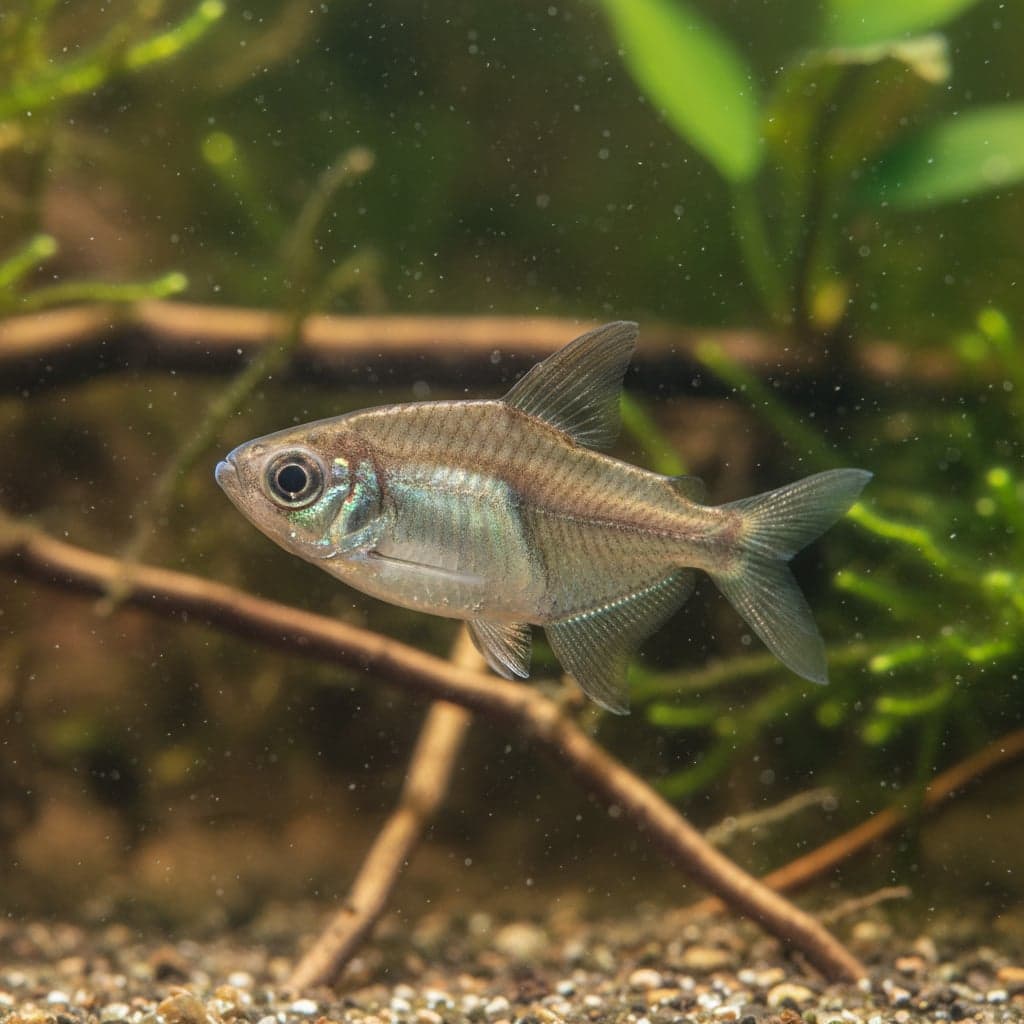
Pygmy Hatchetfish
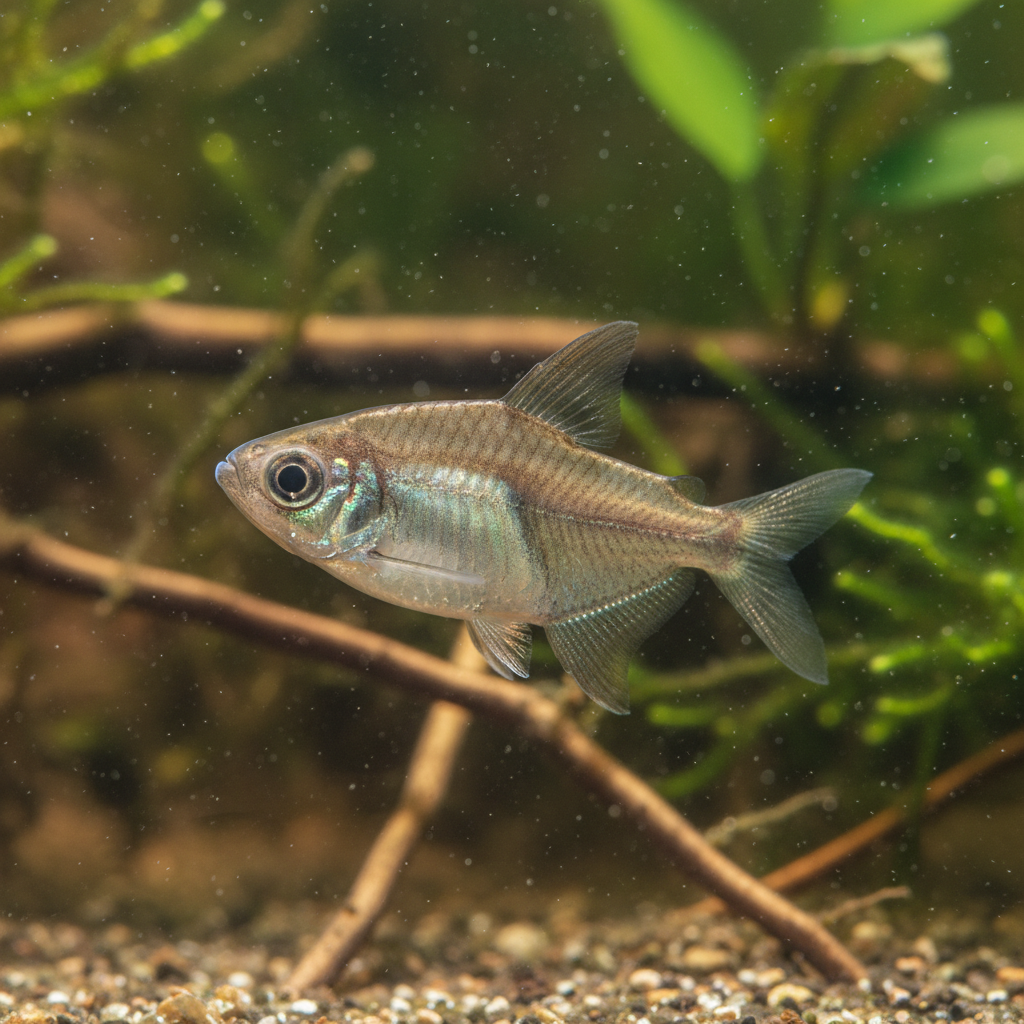
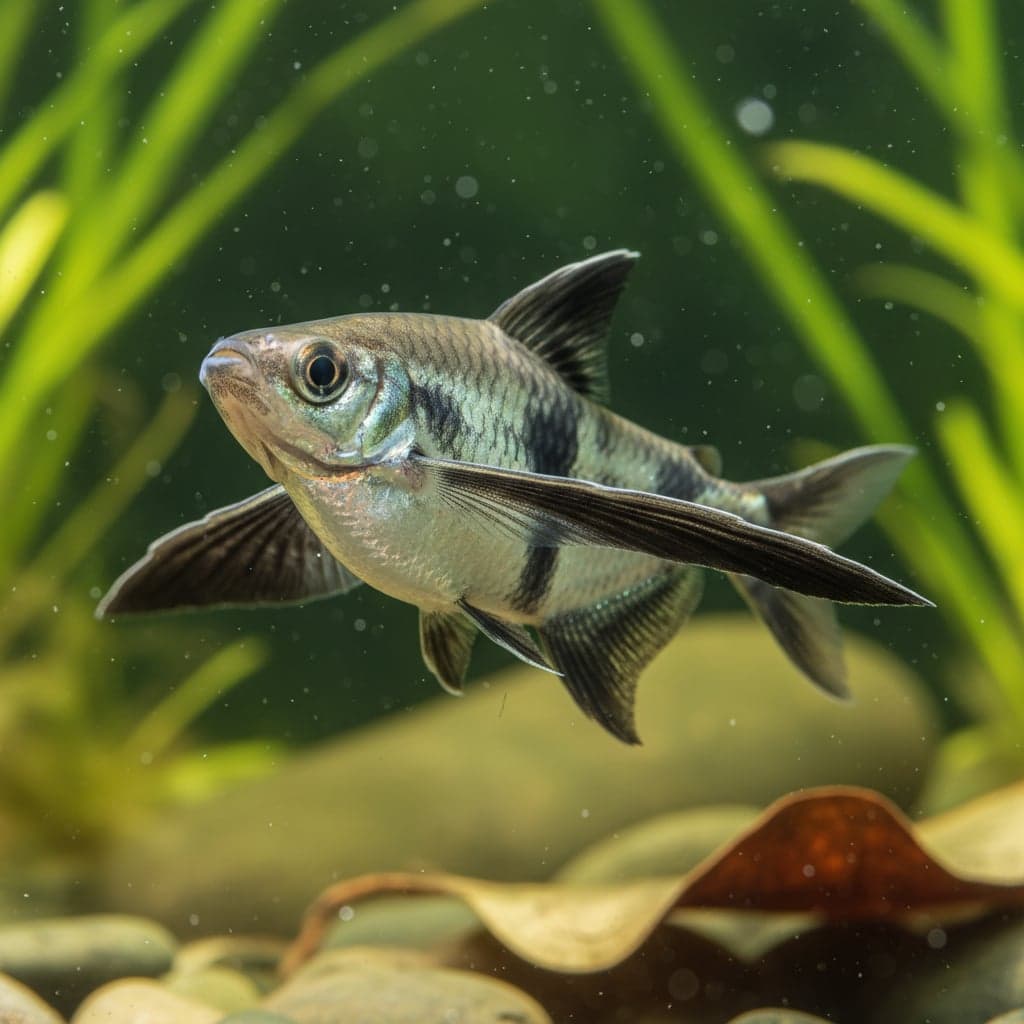
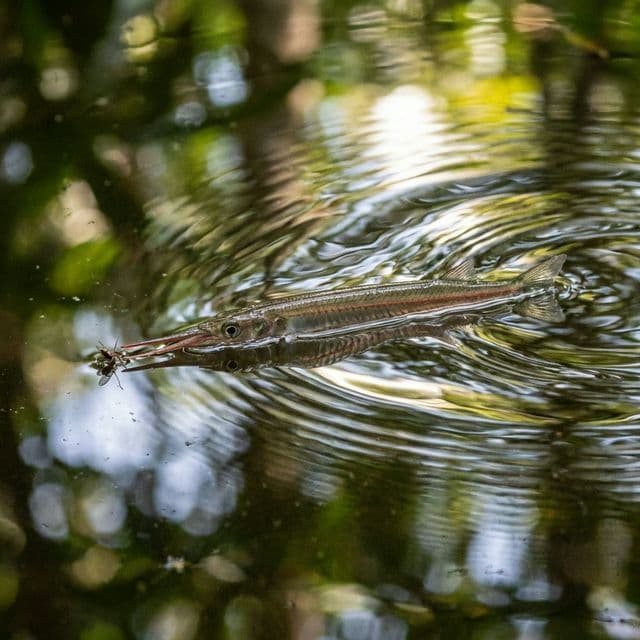
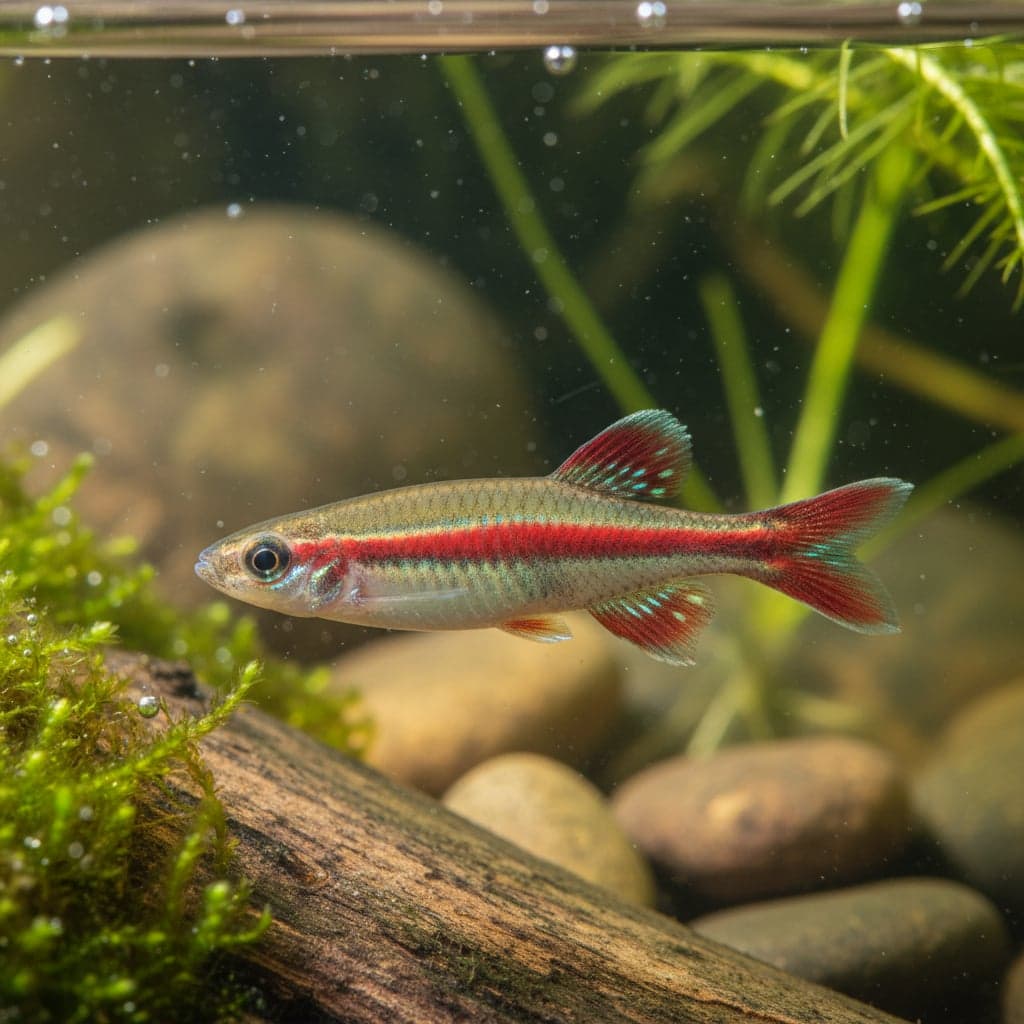
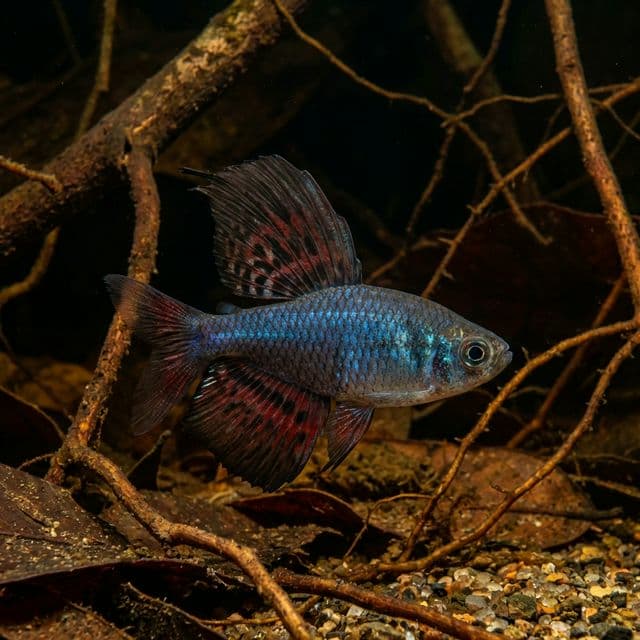
The Pygmy Hatchetfish, scientifically known as Carnegiella myersi, is a fascinating freshwater fish that captivates aquarium enthusiasts with its delicate beauty and unique swimming style. Characterized by its small size—typically reaching only about 0.75-1 inches (1.5-2.5 cm) in length—this fish features a distinctive flattened body shape reminiscent of a hatchet or a flying fish. Its transparent, silvery body is adorned with subtle iridescent hues that shimmer under aquarium lighting, making it not only visually appealing but also an excellent addition to a well-planned aquascape. The Pygmy Hatchetfish's ability to leap from the water's surface further enhances its charm, presenting an interesting dynamic for hobbyists to enjoy.
As a schooling fish, the Pygmy Hatchetfish thrives in groups, embodying a sense of community that is highly regarded in the aquarium hobby. They are particularly valued for their peaceful temperament, making them ideal candidates for community tanks. Their significance extends beyond merely being aesthetic; they play an essential role in understanding the dynamics of aquatic ecosystems and the importance of species conservation. This engaging little fish represents the rich biodiversity found in their natural habitats, fostering a deeper appreciation for freshwater ecosystems among aquarists and conservation enthusiasts alike.
Natural Habitat & Origin
The Pygmy Hatchetfish is native to the slow-moving rivers, streams, and floodplains of the Amazon Basin, where it inhabits the countries of Brazil, Peru, and Colombia. These waters are typically associated with blackwater habitats, characterized by low pH levels, high acidity, and dark-colored waters resulting from decomposing leaf litter and other organic materials. The natural environment for these fish features dense vegetation and submerged structures that provide ample hiding spots, contributing to their comfort and security. Understanding the Pygmy Hatchetfish's natural habitat is crucial for recreating an optimal aquarium setting.
The blackwater environment of the Amazon influences not only the water parameters but also the overall ecology in which the Pygmy Hatchetfish and other species cohabitate. The surrounding flora and fauna contribute to the development of a balanced aquatic ecosystem, making it important for aquarists to replicate these conditions to maintain the health and vitality of the Pygmy Hatchetfish in captivity.
Care Requirements
When it comes to maintaining Pygmy Hatchetfish in captivity, specific water parameters are crucial for their well-being. Ideally, the pH should range from 5.5 to 7.0, with a temperature maintained between 72°F and 82°F (22°C to 28°C). Water hardness should remain on the softer side, ideally between 1-10 dGH, to mimic their natural habitat. A well-planned tank setup is essential for their successful care. A minimum tank size of 10 gallons is recommended, as this provides enough space for a small school of fish to thrive.
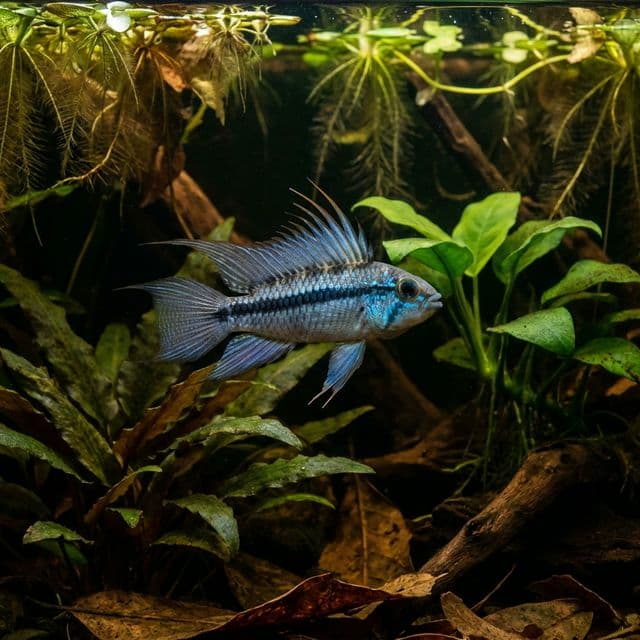
The substrate should consist of fine gravel or sand to prevent injury and to allow for the growth of plants. Lighting should be moderate to low, as Pygmy Hatchetfish prefer dimly lit environments with shaded areas. Incorporating floating plants, such as water lettuce or duckweed, can help create a natural canopy that mimics their wild habitats, providing cover and security. Additionally, including driftwood and rocks can further enhance the tank's aesthetics and functionality.
Diet & Feeding
Pygmy Hatchetfish are omnivorous, displaying a diverse dietary preference that contributes to their overall health. In captivity, providing a varied diet is essential. High-quality flakes or small pellets designed for community fish can serve as a staple food source, but it is highly beneficial to supplement their diet with live or frozen foods such as brine shrimp, daphnia, and bloodworms. These protein-rich delicacies not only encourage natural foraging behavior but also enhance their color and vitality. It's important to feed small amounts two to three times per day, ensuring that all food is consumed within a few minutes to prevent water quality issues.
To maintain a balanced diet, it’s recommended to rotate their food sources regularly. Incorporating fresh vegetables, such as blanched zucchini or spinach, can also provide additional nutrients. By offering a varied diet, aquarists can help ensure that Pygmy Hatchetfish display robust health and vibrant coloration in their aquatic environment.
Behavior & Temperament
The Pygmy Hatchetfish is known for its peaceful demeanor, making it an ideal choice for community aquariums. These fish are inherently social creatures that thrive in schools of at least six individuals. This schooling behavior enhances their confidence and encourages natural interactions within the group. Typically found swimming near the water's surface, Pygmy Hatchetfish exhibit unique behavior as they glide and dart with a gentle playful spirit, captivating observers both in home tanks and public aquaria.
In terms of tank placement, Pygmy Hatchetfish prefer the upper strata of the aquarium, often hovering just below the surface. Due to their timid nature, they are best kept with peaceful species that won't intimidate or harm them. This makes creating a harmonious community crucial for maintaining their well-being, as they can be easily stressed in a tank populated by overly aggressive fish.
Tank Mates
Choosing the right tank mates for Pygmy Hatchetfish is essential to ensure a peaceful and thriving aquarium environment. Compatible species include small, non-aggressive fish such as neon tetras, rasboras, guppies, and other small characins. They can also coexist with peaceful bottom dwellers like Corydoras catfish and otocinclus, providing a harmonious atmosphere in the aquarium. Additionally, small shrimp varieties such as cherry or ghost shrimp can create an interesting dynamic within the tank without upsetting the Pygmy Hatchetfish.
On the contrary, it's critical to avoid placing Pygmy Hatchetfish in tanks with larger, more aggressive species such as bettas, cichlids, or barbs, as these fish can pose a threat and lead to increased stress or injury. Additionally, larger fish that may view them as food should be strictly avoided. By carefully selecting compatible tank mates, aquarists can create a peaceful community that showcases the charm and grace of the Pygmy Hatchetfish.
Breeding
Breeding Pygmy Hatchetfish in captivity can be a rewarding endeavor, although it does require specific conditions to encourage spawning. To initiate breeding, it is essential to establish a separate breeding tank set up with soft, acidic water, ideally mimicking their natural habitat with a pH of 6.0-6.5, a temperature of around 78°F (25-26°C), and ample cover from plants. The presence of fine-leaved plants, such as java moss or spawn mop, can serve as breeding sites where the females can lay their eggs.
During breeding, male Pygmy Hatchetfish will engage in courtship displays to attract females. After successful spawning, the fertilized eggs will adhere to the foliage of the plants. It’s important to remove the adult fish after spawning, as they may eat the eggs. The eggs typically hatch within 24 to 36 hours, and the fry will become free-swimming after about five days. Feeding them infusoria or finely crushed flakes until they can take larger foods supports steady growth.
Common Health Issues
Pygmy Hatchetfish are delicate and sensitive to poor water quality, making them prone to ich, bacterial infections, and stress when parameters swing. Soft, acidic water, a tight-fitting lid to prevent jumping, and peaceful tank mates are the best safeguards. Quarantine new fish, avoid overcrowding, and act quickly at the first signs of white spots or clamped fins. Stable conditions and a protein-rich diet help these tiny surface dwellers stay healthy.