Raccoon Tetra: Hemigrammus ocellifer
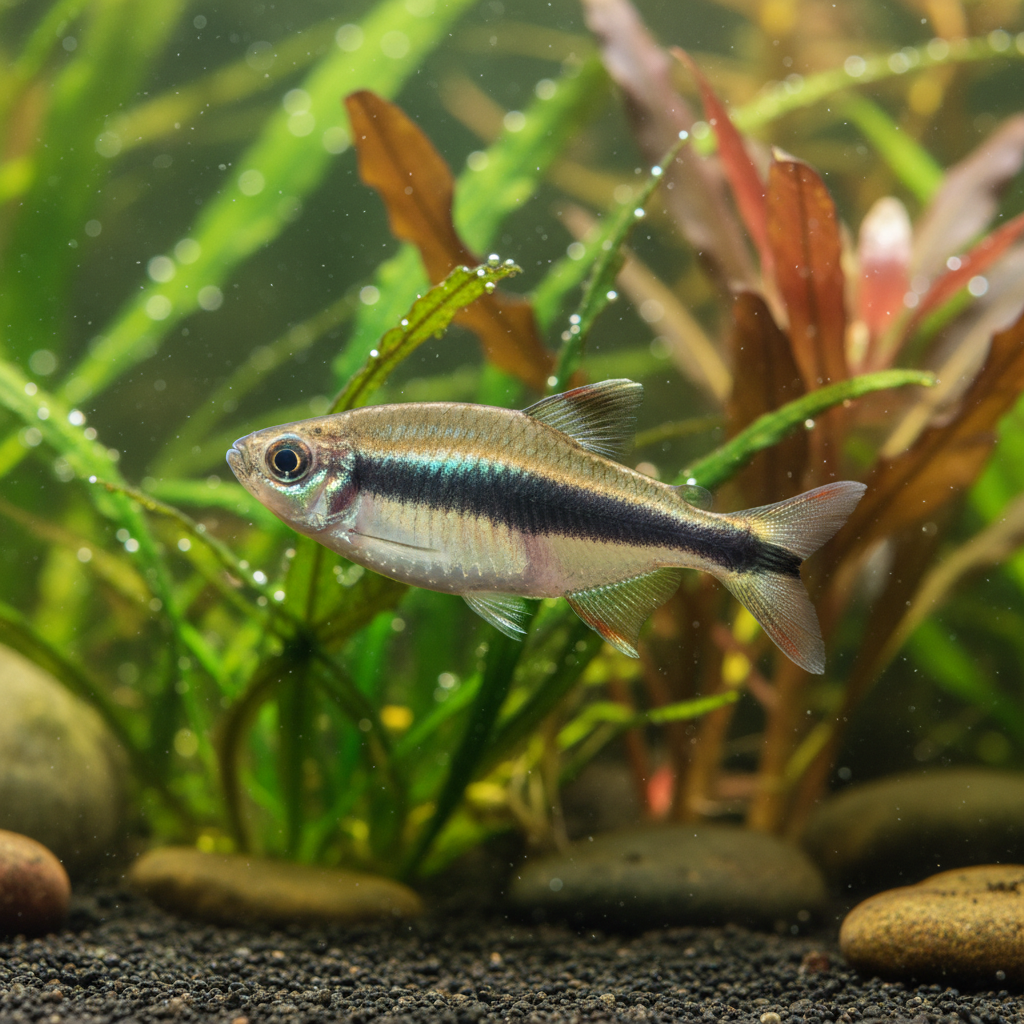
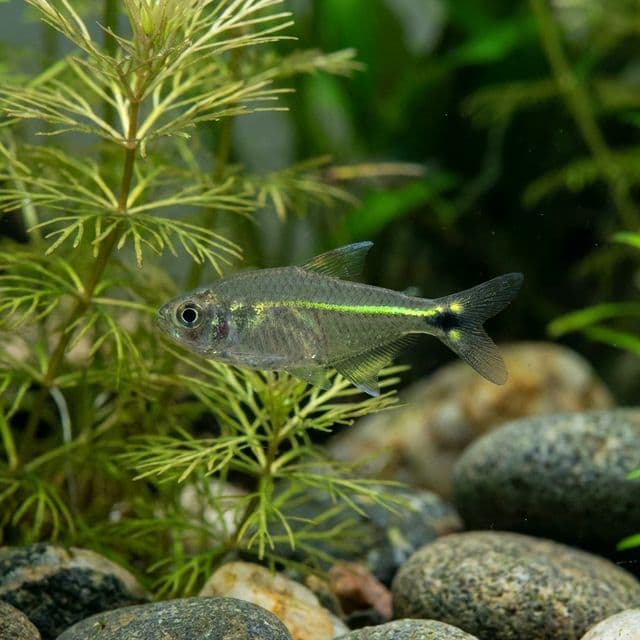
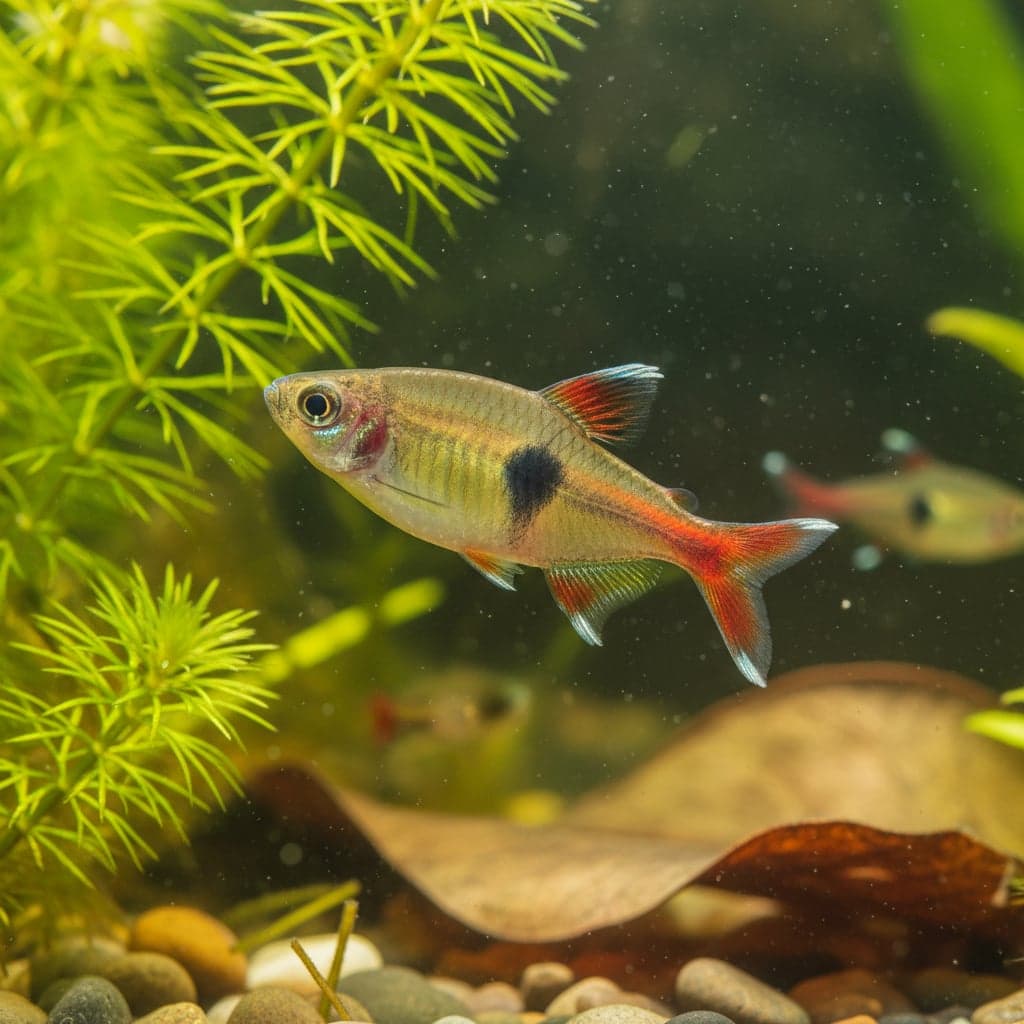
A glowing, translucent schooling fish featuring a stark black spot resembling a raccoon mask on its tail base.
Raccoon Tetra
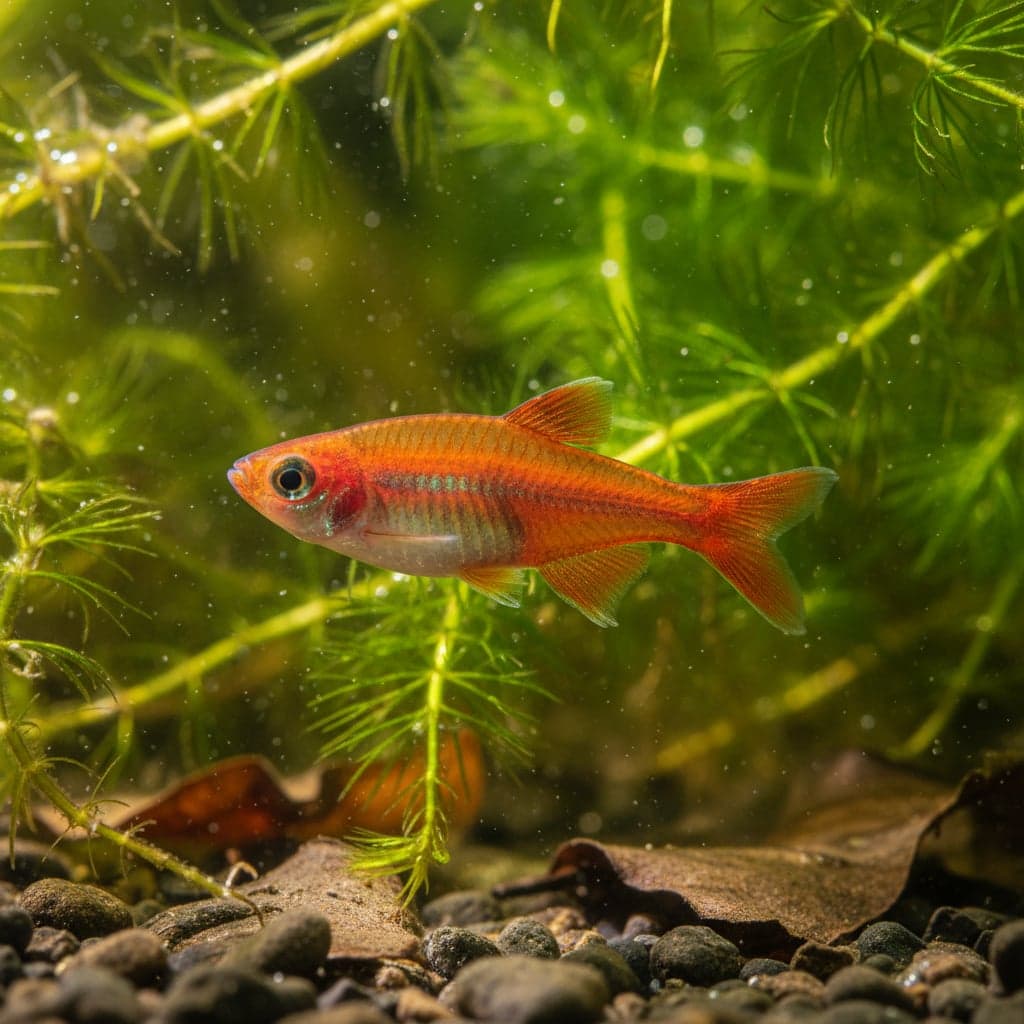
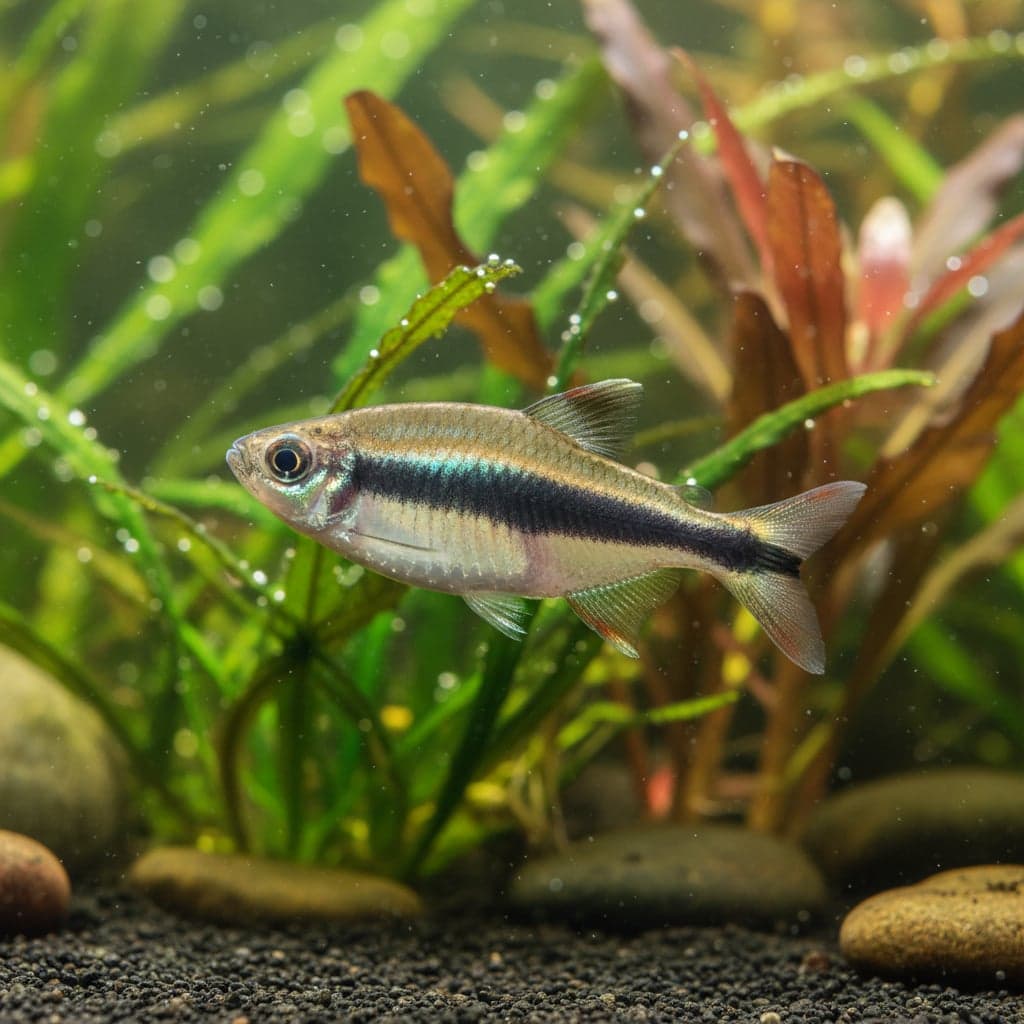
The Raccoon Tetra, scientifically known as Hemigrammus ocellifer, is a small freshwater fish that has captured the fascination of aquarists around the world. This species is characterized by its striking appearance, featuring a silver body adorned with prominent black markings that resemble a raccoon’s mask across its face and a distinctive ocellated spot near its caudal fin. Typically growing to about 2 to 2.5 inches in length, the Raccoon Tetra exhibits a graceful swimming style that enhances its visual appeal in the aquarium setting. The combination of its vibrant colors and dynamic movement makes it an attractive choice for both novice and seasoned aquarists, adding a splash of life to community tanks.
Beyond its aesthetic charm, the Raccoon Tetra holds significant importance in the aquarium hobby due to its hardy nature and suitability for community environments. This species is often introduced to aquariums as a schooling fish, thriving best in groups of six or more. Their peaceful disposition and captivating schooling behavior contribute to a dynamic display that enlivens any tank. As a part of the Characidae family, the Raccoon Tetra plays a role in aquatic ecosystems as both predator and prey, making them an essential component of their native habitats. Their adaptability to various freshwater conditions allows them to be a favored choice among aquarists seeking to create thriving aquatic communities.
Natural Habitat & Origin
Raccoon Tetras are native to the rivers and streams of South America, primarily found in the tropical regions of the Amazon Basin in countries such as Brazil, Colombia, and Peru. They inhabit slow-moving waters that are typically rich in organic material and vegetation. The waters they reside in can be classified as blackwater, characterized by a dark color due to the presence of tannins from decaying plant matter, which contributes to the low pH levels typical of these environments. The natural habitat of Raccoon Tetras also includes dense aquatic vegetation, driftwood, and submerged leaf litter, offering ample hiding spots and foraging grounds.
The unique conditions of their natural environment not only shape their appearance but also influence their behavior and dietary preferences. The Raccoon Tetra’s evolutionary adaptations allow it to thrive in the soft, acidic waters filled with various microorganisms, algae, and detritus, forming a natural diet rich in biodiversity. Understanding these environmental contexts is crucial in replicating suitable conditions within an aquarium, ensuring the well-being and longevity of this captivating species.
Care Requirements
To successfully maintain Raccoon Tetras, it is imperative to create an environment that mimics their natural habitat. Optimal water parameters include a pH level of 5.5 to 7.5, a temperature range of 74°F to 82°F (23°C to 28°C), and a water hardness of 2 to 10 dGH. These conditions help to ensure their health and vitality. A minimum tank size of 20 gallons is recommended to provide adequate swimming space, particularly as they are schoolers and thrive in groups. For substrate, a fine, dark gravel or sand substrate is preferred to simulate their natural surroundings and highlight their vibrant coloration.
When it comes to tank setup, incorporating plenty of decorations such as plants, driftwood, and rocks will create a structured environment reminiscent of their blackwater habitats. Live plants such as java moss, water sprite, and anubias not only provide cover but also contribute to water quality by absorbing nitrate and releasing oxygen. Moderate lighting is ideal, as it replicates the dappled light conditions of their natural environment; using floating plants can help in reducing light intensity while offering additional hiding spots.
Diet & Feeding
Raccoon Tetras are omnivorous and thrive on a varied diet that includes both plant and animal matter. In the wild, their diet consists primarily of small invertebrates, insects, and algae, complemented by detritus. In an aquarium setting, it is advisable to provide high-quality flake foods, small pellets, and freeze-dried options to meet their nutritional needs. Supplementing their diet with frozen or live foods such as brine shrimp, daphnia, and bloodworms can enhance their health and promote vibrant coloration. Offering a diverse diet not only keeps Raccoon Tetras healthy but also encourages natural foraging behaviors, which is essential for their overall well-being.
Feeding Schedule
To maintain optimal health and prevent overfeeding, feed Raccoon Tetras small portions 1-2 times daily, ensuring they consume all the food within a few minutes. It's important to balance their meals by varying the types of food offered, including spirulina-based flakes to promote color enhancement. Regularly monitoring their feeding habits can help in observing their health and making necessary adjustments to their diet.
Behavior & Temperament
Raccoon Tetras are known for their peaceful and social nature, making them ideal candidates for community tanks. They exhibit schooling behavior, preferring to be kept in groups of at least six individuals to feel secure and display their natural behaviors. In terms of temperament, they are non-aggressive and generally cohabitate well with other peaceful species. These lively fish prefer the middle and upper levels of the tank, often darting playfully in mid-water, which can create an engaging visual display.
While they are generally sociable, Raccoon Tetras can exhibit skittishness if kept in small numbers, causing them to seek refuge within the tank decor. Providing a well-structured environment is key to fostering their confidence and encouraging natural schooling behavior. Their engaging personalities and active lifestyle contribute to a lively aquarium atmosphere, captivating viewers with their vibrant movement and interactivity.
Tank Mates
When selecting tank mates for Raccoon Tetras, it's crucial to choose species that share similar temperamental traits and environmental needs. Compatible tank mates include other peaceful tetras (such as Neon Tetras or Ember Tetras), rasboras, small catfish like Corydoras, and various peaceful dwarf cichlids. Additionally, they can be housed with smaller species of barbs and livebearers.
However, certain species should be avoided to prevent stress and aggression in the tank. These include large cichlids, aggressive barbs, or fast-swimming species with territorial tendencies, which may stress Raccoon Tetras. A carefully curated community setup will allow for harmonious coexistence, enhancing the overall aquarium experience while ensuring the welfare of all species involved.
Breeding
Breeding Raccoon Tetras in captivity can be a rewarding endeavor with the right conditions. They are known to be egg scatterers, preferring to spawn in soft, poorly lit waters. To encourage breeding, it’s essential to condition the breeding pair with a varied diet rich in protein. An ideal breeding setup includes a separate spawning tank with a soft substrate, such as marbles or fine mesh, to protect the eggs from being eaten.
During the spawning process, the female will scatter eggs amongst the substrate, usually producing between 100 to 150 eggs. Post-spawning, it is advisable to remove the adult fish to prevent them from consuming the eggs. Incubation typically takes 24 to 36 hours before the eggs hatch into fry. The fry should be given infusoria or finely crushed flake food for proper growth during their initial weeks. With attentive care and suitable conditions, breeding Raccoon Tetras can become a rewarding experience for dedicated aquarists willing to provide soft water and careful fry care.
Common Health Issues
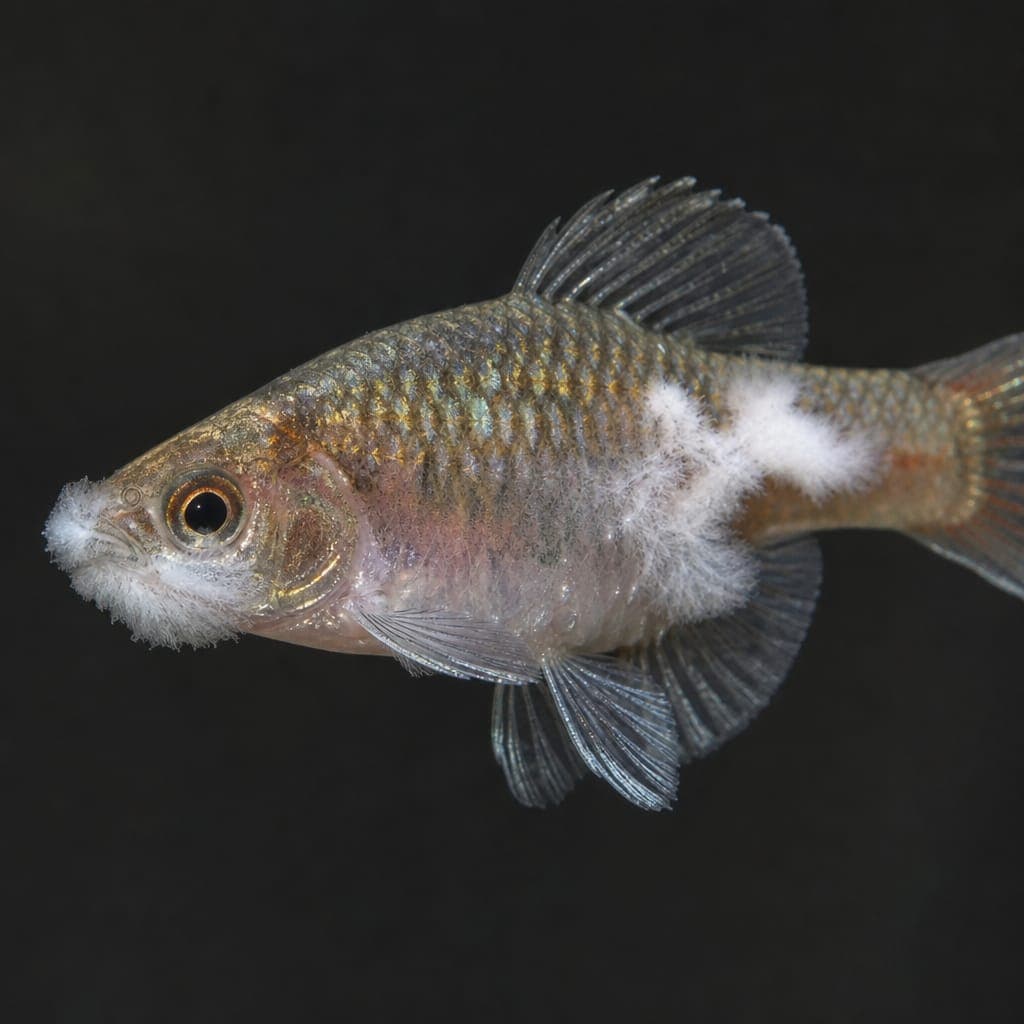
Raccoon Tetras are generally hardy but can develop ich, fin rot, or fungal infections when water quality declines or stress rises. Maintain stable parameters with regular water changes and solid filtration, and quarantine new fish before they join the school. Offer a varied diet of quality flakes, micro-pellets, and occasional live or frozen foods to support immunity. Watch for white spots, clamped fins, lethargy, or loss of appetite, and treat promptly so Raccoon Tetras stay active, boldly marked schooling fish in a planted community tank.