Red-bellied Piranha: Pygocentrus nattereri
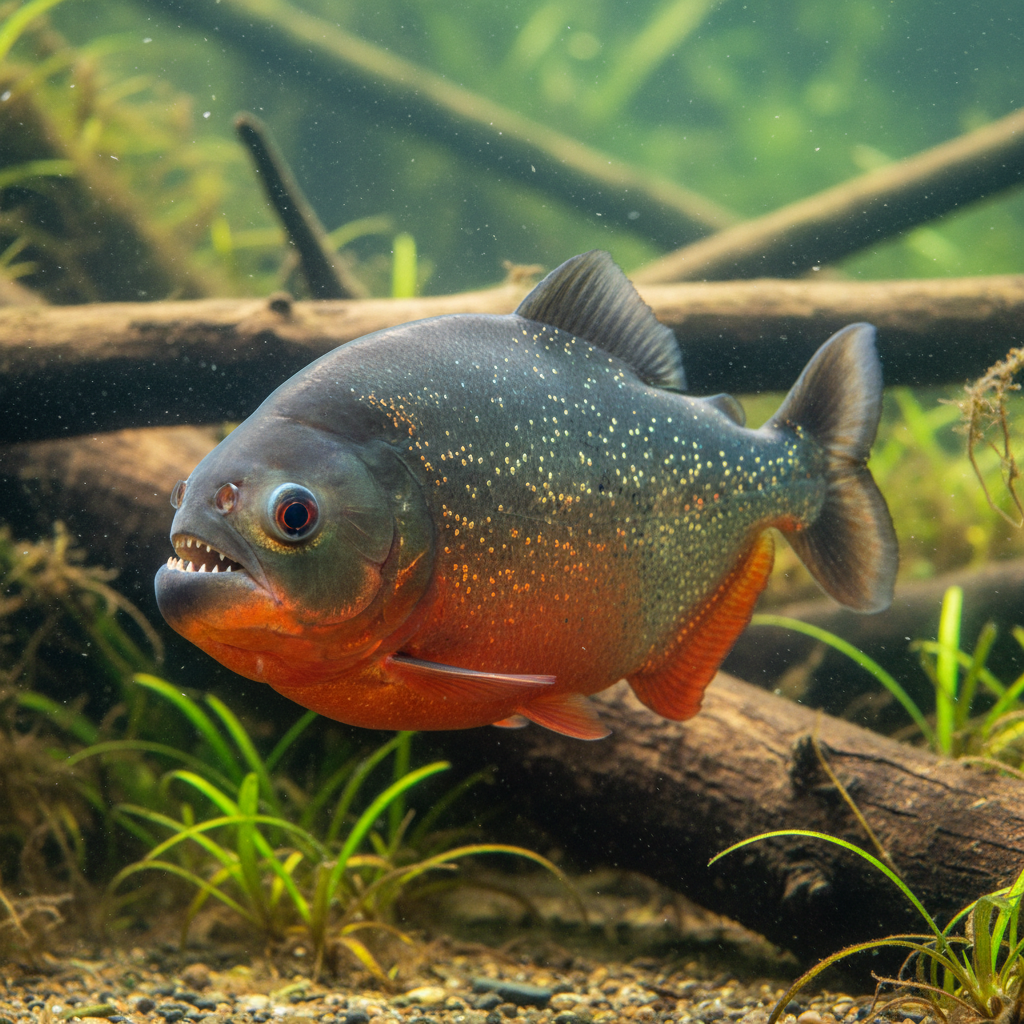
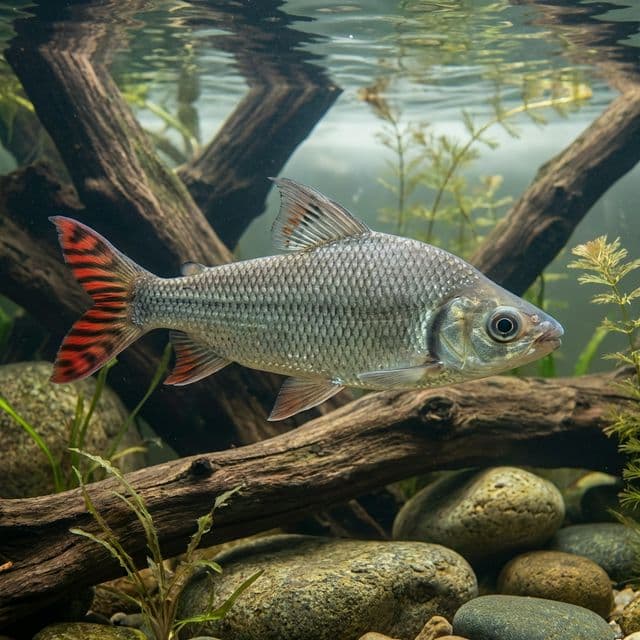
The infamous Amazonian predator, featuring incredibly sharp interlocking teeth, a glittery silver body, and a bright crimson belly.
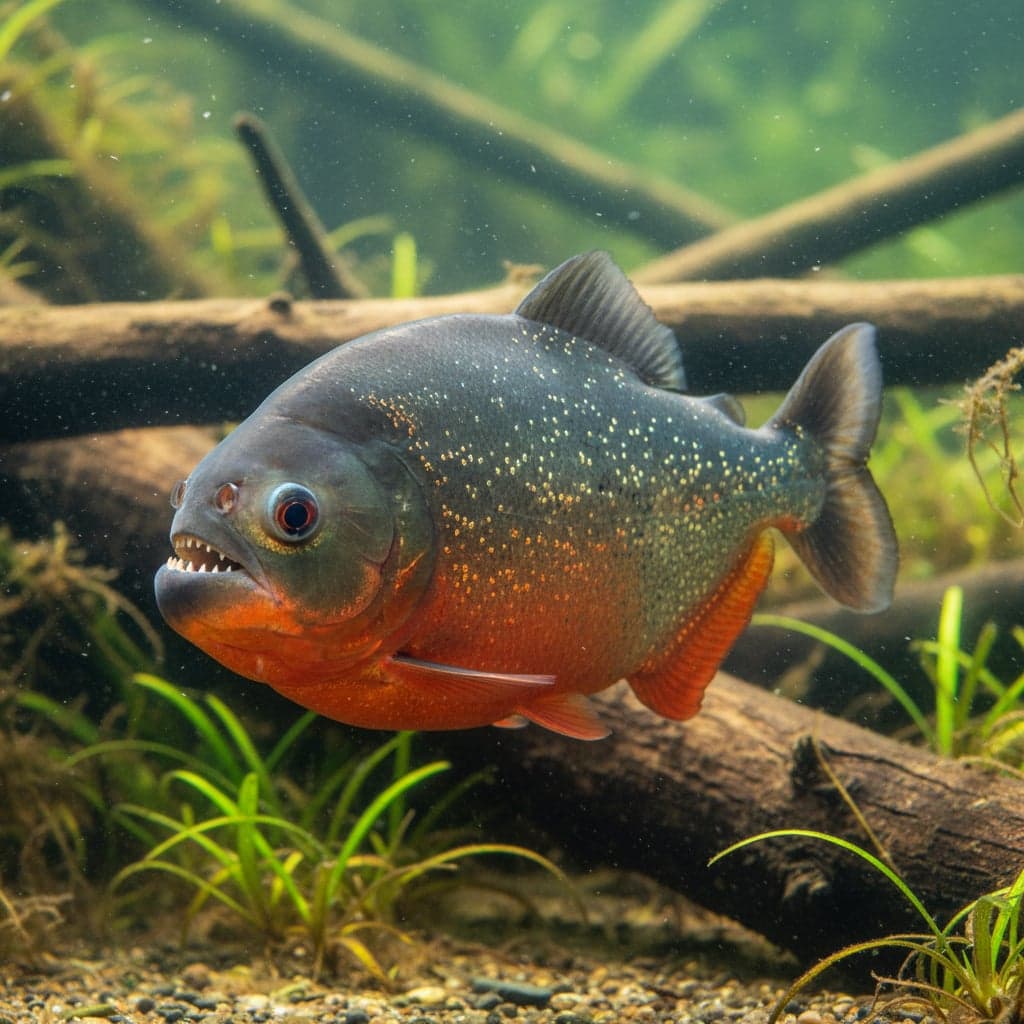
Red-bellied Piranha
The Red-bellied Piranha (Pygocentrus nattereri) is a captivating species renowned for both its striking appearance and notable reputation. With its gleaming silver body contrasted by a vivid red or orange hue on the underside, this fish presents an eye-catching visual appeal that adds vibrancy to any aquarium setting. Unique among the piranha family, it boasts sharp, serrated teeth suited for its omnivorous diet, which ranges from fruits and seeds to smaller fish and other aquatic life. The Red-bellied Piranha's notoriety as a fierce predator has contributed to both fascination and fear, making it a sought-after species for aquarium enthusiasts who are eager to observe its dynamic behavior and agility.
In the aquarium hobby, the Red-bellied Piranha has become a symbol of exoticism and adventure. Collectors are drawn to its striking coloration, but potential owners should be well-informed about its needs and behavior. With proper care, these fish can live up to 10 years in captivity, showcasing not only their resilience but also the extraordinary diversity of the aquatic world. Their popularity continues to grow as more aquarists aim to understand and recreate their natural habitats in home aquariums, contributing to the body of knowledge surrounding responsible fish-keeping.
Natural Habitat & Origin
The Red-bellied Piranha is native to the freshwater rivers and lakes of Amazon Basin, predominantly found in countries such as Brazil, Peru, and Venezuela. Its natural habitat features slow-moving waters, especially during the rainy season, creating a mix of blackwater and whitewater environments. Blackwater ecosystems, rich in humic acids and tannins from decaying vegetation, provide a low pH and dark coloration, factors that not only impact their coloration but also play a vital role in their well-being. In contrast, clearwater habitats present a more neutral pH but provide ample cover with submerged vegetation, contributing to the fish's preferred hiding spots.
These fish are accustomed to warm temperatures, typically thriving in environments ranging from 24°C to 28°C (75°F to 82°F). The variability in water conditions and the abundance of food sources influence their growth patterns and social behaviors, making it essential for aquarists to consider these factors when attempting to replicate their natural environment in captivity.
Care Requirements
Caring for the Red-bellied Piranha requires maintaining specific water parameters to ensure their health and longevity. Ideal water conditions include a slightly acidic to neutral pH level, ranging from 6.0 to 7.5. The water temperature should be maintained between 24°C and 28°C (75°F to 82°F), and water hardness should ideally be between 3 to 10 dGH. Filtration is crucial for keeping the water clean and free from harmful toxins, so utilizing a high-quality filter designed for larger tanks is essential.
Regarding tank setup, a minimum tank size of 75 gallons is recommended, allowing ample space for swimming and territory establishment. Rock formations, driftwood, and dense aquatic plants should be incorporated to create hiding spots and visual barriers to minimize stress. Substrate can range from sand to gravel, with dim lighting mimicking their natural environment being beneficial. These elements not only enhance the aesthetic appeal of the aquarium but also contribute to the overall well-being of the fish.
Diet & Feeding
The Red-bellied Piranha is primarily an omnivorous fish with tendencies towards carnivorous feeding. In the wild, their diet consists of fish, insects, seeds, and various forms of plant matter. In an aquarium setting, it is essential to provide a balanced diet that simulates the variety they would encounter in their natural surroundings. High-quality pellets specifically formulated for carnivorous fish, as well as flakes, should form the staple of their diet.
In addition to pellets and flakes, offering frozen or live foods, such as bloodworms, brine shrimp, and small fish, will enhance their diet and satisfy their hunting instincts. To ensure optimal health, regular feedings of high-protein foods should be combined with occasional plant-based offerings. Varying their diet not only promotes health but also stimulates their natural behaviors, keeping them mentally and physically engaged.
Behavior & Temperament
The Red-bellied Piranha is known for its dynamic and sometimes aggressive behavior. These fish typically exhibit a schooling nature, preferring to swim in groups, which can provide a sense of security. However, it is crucial to note that they can display territoriality and aggression, particularly as they mature. When housed in smaller groups or in isolation, they may become more aggressive toward tank mates, especially during feeding times or if they feel threatened.
In terms of vertical placement in the tank, Red-bellied Piranhas often occupy the upper to middle strata, frequently swimming languidly and then darting down quickly to investigate or hunt for food. This behavior highlights their need for space and appropriate tank design to accommodate their natural instincts, making it important for aquarists to monitor group dynamics closely.
Tank Mates
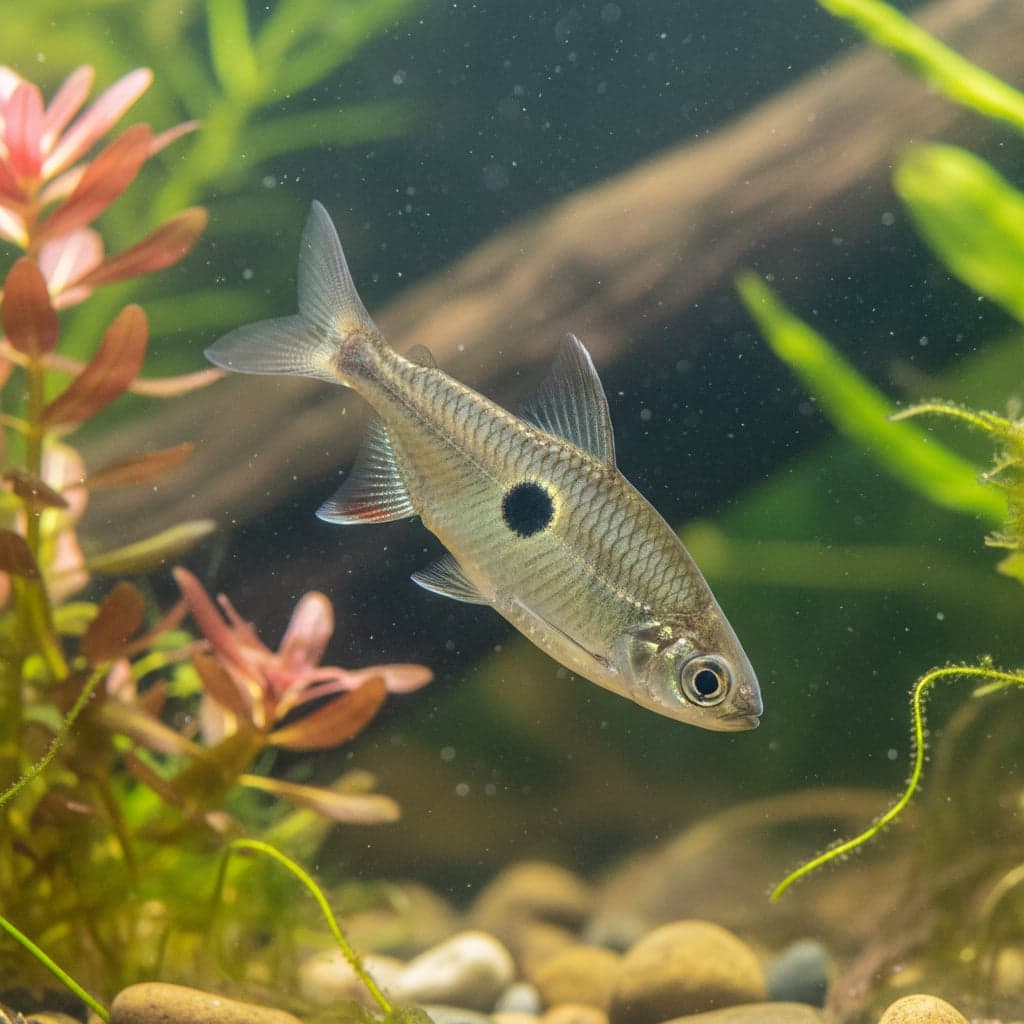
Finding compatible tank mates for the Red-bellied Piranha can be challenging due to their predatory nature. Compatible species include larger, fast-moving fish such as Silver Dollars, larger tetras, and other robust species that can coexist without being seen as prey. It is advisable to avoid small fish that might be viewed as potential food, as well as slow-moving or docile species that might be bullied or stressed.
Rarer community setups may include some cichlids that possess stronger temperaments. However, introducing any new fish requires caution and careful observation to ensure the well-being of all inhabitants. Ensuring ample space and hiding spots within the tank can help reduce aggression among tank mates.
Breeding
Breeding Red-bellied Piranhas in captivity can be quite challenging and typically requires specific conditions to stimulate spawning. These fish are known to spawn in pairs during the rainy season when conditions in their native habitat become optimal. For successful breeding, a separate breeding tank is recommended, ideally at least 50 gallons, with slightly acidic conditions, strong filtration, and plenty of flat surfaces for egg laying.
The spawning ritual often begins with courtship displays, in which the male will exhibit vibrant coloration and chase the female around. After successful pairing, they will lay eggs, typically on flat surfaces or leaf litter, and the male will guard the eggs until hatching, which usually occurs within 24 to 48 hours. Advanced aquarists should be aware of the challenges involved, as raising Fry can be labor-intensive and demanding.
Common Health Issues
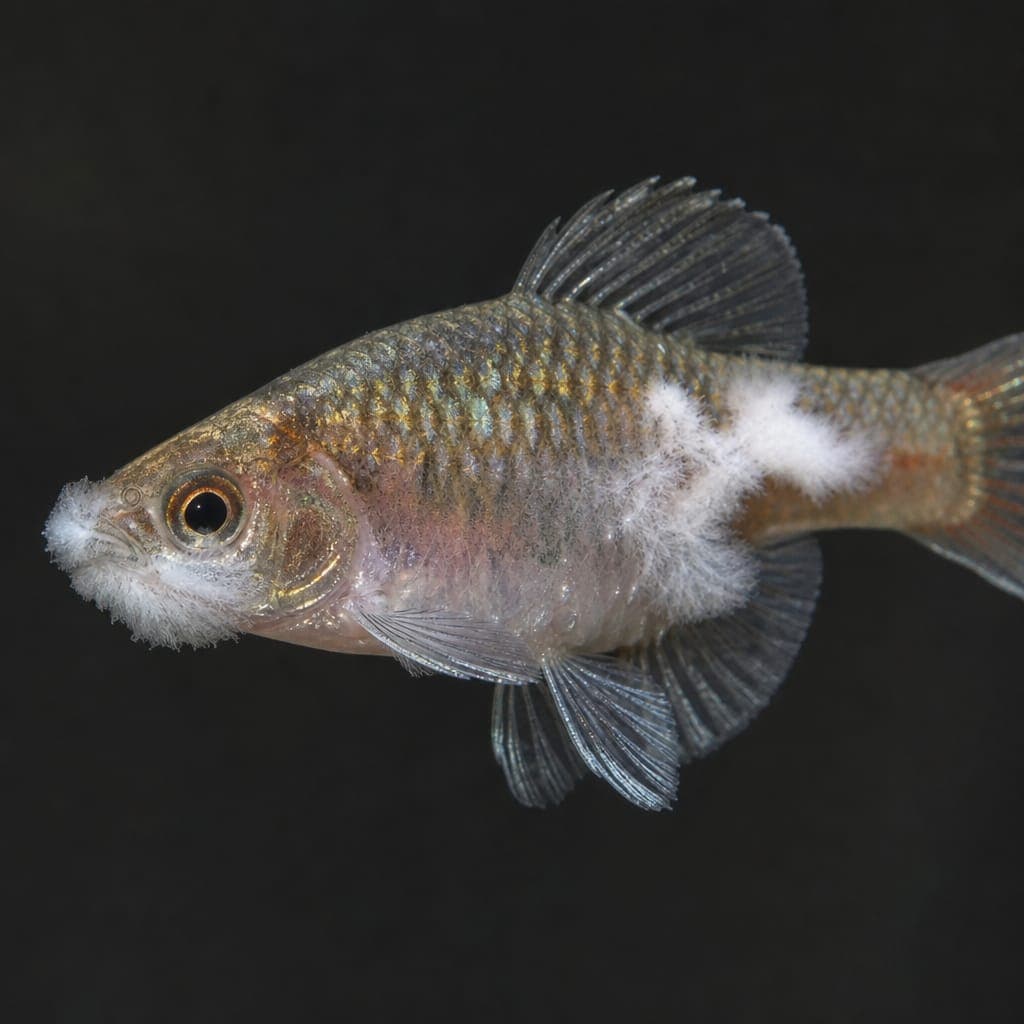
Like any aquatic species, the Red-bellied Piranha can be vulnerable to various health issues. Some common ailments include ich (Ichthyophthirius multifiliis), fin rot, and fungal infections. Preventative measures are key, such as maintaining pristine water quality, regular tank maintenance, and monitoring for signs of stress or disease. Quarantine new arrivals is highly recommended to prevent introducing pathogens to an established tank.
Established aquarists should conduct routine health checks and observe their fish's behavior, ensuring they remain active and display normal feeding habits. When identifying specific health issues, swift action and treatment are critical, utilizing medications marketed for freshwater fish, along with supportive care to strengthen their immune response.