Red-Cheek Krobia: Krobia xinguensis
A deeply peaceful, surprisingly gentle South American cichlid featuring stunning red operculum markings.

Red-Cheek Krobia
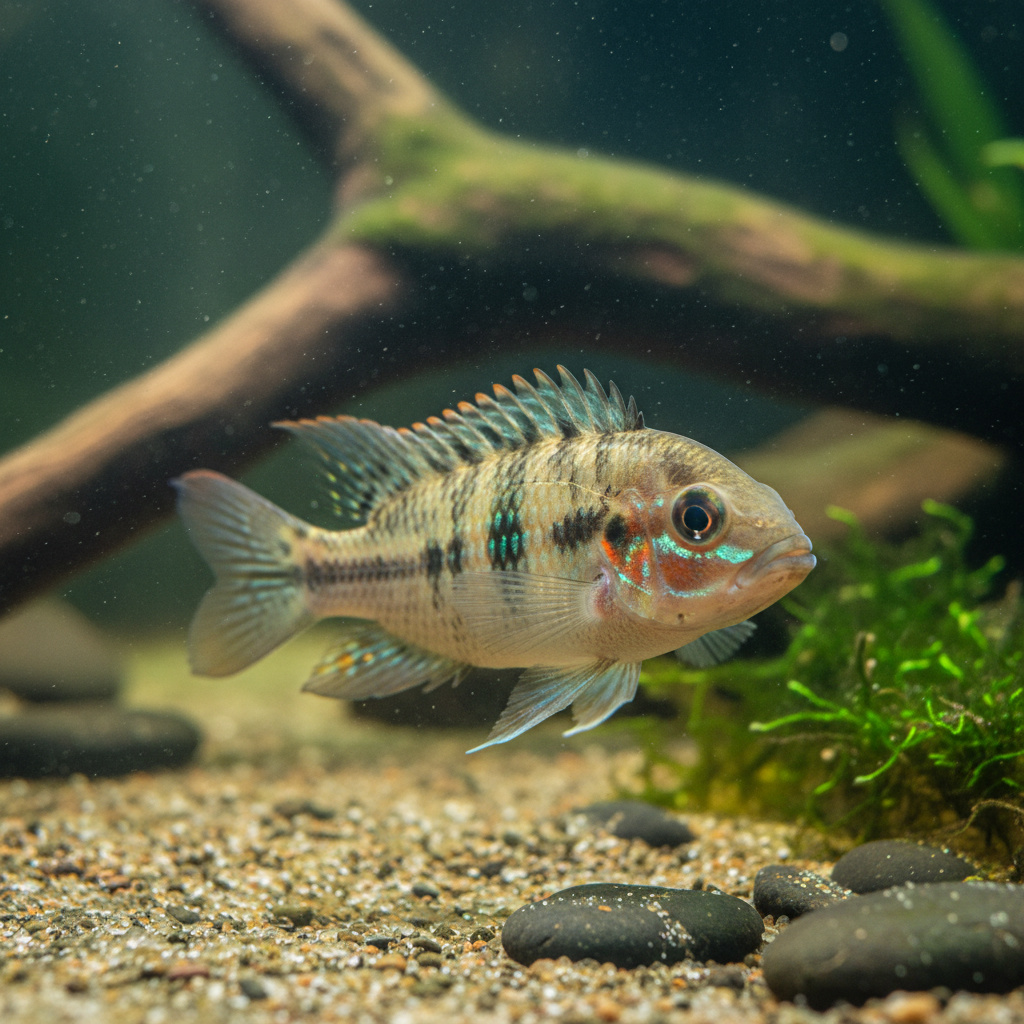
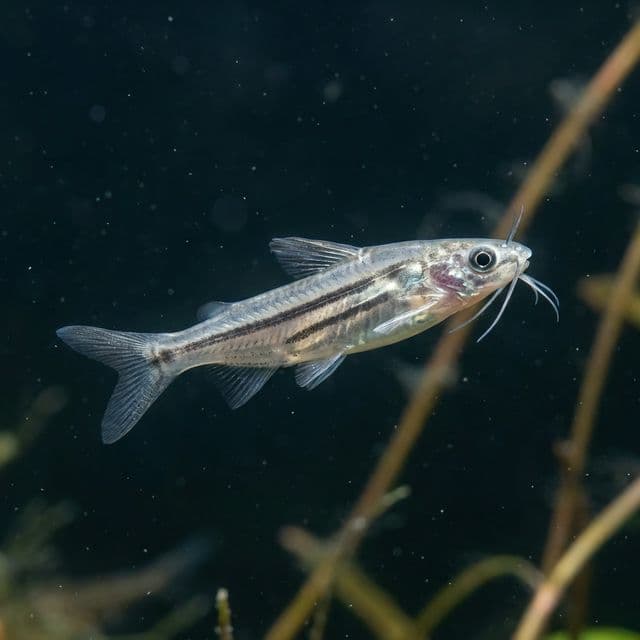
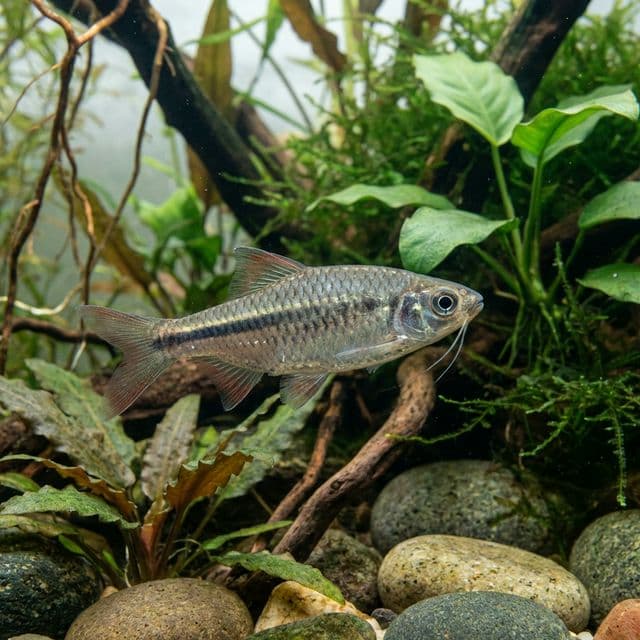
The Red-Cheek Krobia, scientifically known as Krobia xinguensis, is a visually striking freshwater fish that has garnered attention in the aquarium hobby for its vibrant colors and dynamic behavior. This cichlid species is characterized by its bold red markings on the cheeks, which stand out against its darker body during moments of stress or excitement. Adult specimens can display stunning iridescent hues, ranging from deep blues to greens, making them an exceptional addition to any well-planned aquascape. The beauty and charisma of the Red-Cheek Krobia not only enriches aquatic displays but also captivates the interest of aquarists who appreciate the intricacies of cichlids.
Beyond their visual appeal, Red-Cheek Krobias are significant in the aquarium trade due to their relatively manageable care requirements and intriguing social behaviors, which provide insight into the fascinating world of cichlid interactions in captivity. As a peaceful species that displays a unique blend of territoriality and social engagement, they offer hobbyists a rewarding experience in both observation and tank maintenance. These traits make the Red-Cheek Krobia a desirable choice for enthusiasts looking to explore the diverse characteristics of freshwater fish.
Natural Habitat & Origin
Red-Cheek Krobias are native to the Xingu River basin in Brazil, an area renowned for its stunning biodiversity. The ecological conditions of this region are characterized by blackwater environments—areas with slow-moving waters that are stained by tannins from decaying leaf litter and organic matter. These dark, acidic waters are low in nutrients, but they provide a vital habitat for countless aquatic species. The natural environment of the Red-Cheek Krobia features dense vegetation, submerged roots, and sandy or muddy substrates, all of which contribute to their overall well-being and development in captivity. Understanding their natural habitat helps aquarists to create a similar environment, promoting health and vitality in their aquarium setups.
Care Requirements
To successfully keep Red-Cheek Krobias, providing optimal water parameters is crucial. They thrive in slightly acidic to neutral pH levels, ideally between 6.0 and 7.5, and prefer temperatures ranging from 75°F to 82°F (24°C to 28°C). The hardness of the water should be kept moderate, ideally between 5 to 15 dGH, to replicate their natural conditions. When designing their tank, a minimum size of 30 gallons is recommended, allowing ample swimming space and territories. The substrate can include fine sand or soft gravel, as their natural habitats include similar materials.
Lighting should be subdued to mimic the shaded areas of their native environment, complemented by live plants, driftwood, and rocks to provide hiding spots and breeding sites. Plants like Java fern and Anubias are excellent choices, as they can thrive in lower light conditions while aiding in the overall aesthetic and health of the tank.
Diet & Feeding
The Red-Cheek Krobia is considered an omnivore, displaying a diverse diet that reflects its natural feeding habits. In captivity, it is crucial to provide a balanced diet enriched with high-quality flakes or pellets designed for cichlids, supplemented by live or frozen foods such as brine shrimp, daphnia, and bloodworms. Occasional vegetable matter, such as blanched spinach or spirulina flakes, should also be included to round out their nutritional needs. Regular feedings several times a day in smaller portions will promote a healthy appetite and prevent any territorial disputes over food during mealtimes.
Behavior & Temperament
The behavior of the Red-Cheek Krobia is generally peaceful, but they can exhibit territoriality, particularly during breeding season. While they typically do well in pairs or small groups, it is important to monitor their interactions closely. They prefer to occupy the lower to mid-water areas of the tank, often seeking shelter among plants and structures. Red-Cheek Krobias can display schooling tendencies when kept in groups; however, they may show aggression toward similarly shaped or colored species. Recognizing their social dynamics and providing adequate space and hiding places can mitigate stress and promote harmonious coexistence within the aquarium.
Tank Mates
When selecting tank mates for the Red-Cheek Krobia, it is important to consider species that share similar water parameters and temperament. Compatible tank mates include peaceful cichlids such as Apistogramma species, smaller tetras like Neon Tetras, and various species of rasboras. Additionally, catfish species like Corydoras can inhabit the lower regions of the tank without conflict. On the other hand, it is best to avoid aggressive or overly boisterous species, such as larger cichlids, and fast swimmers like certain barbs that might stress the Red-Cheek Krobia or compete for food resources.
Breeding
Breeding Red-Cheek Krobias in captivity can be a rewarding endeavor for dedicated aquarists. This species is a substrate spawner: the female lays her eggs on a cleaned flat surface, typically a stone or a broad leaf, and both parents guard the clutch and then the free-swimming fry. Setting up a breeding tank with optimal conditions—slightly warmer water temperatures (around 80°F or 27°C), softer water, and minimal disturbances—will enhance the chances of successful spawning. Providing ample hiding spaces and ensuring a well-established aquarium will encourage their natural breeding behaviors.
Common Health Issues
While Red-Cheek Krobias are generally hardy, they can be susceptible to common aquarium ailments such as ich (Ichthyophthirius multifiliis), flukes, and fin rot. To prevent these health issues, maintaining water quality through regular changes, careful monitoring of pH and temperature, and quarantining new arrivals are imperative. Additionally, providing a well-balanced diet rich in essential nutrients can strengthen their immune systems, reducing the likelihood of disease. Prompt treatment at the first signs of illness is essential to ensure the health and longevity of your Red-Cheek Krobia, cementing its role as a cherished inhabitant of your aquarium.