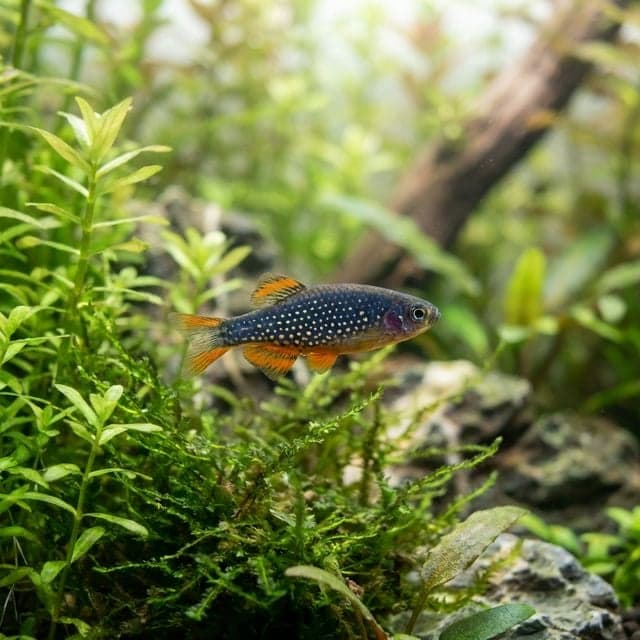
Red Dwarf Rasbora: Microrasbora rubescens
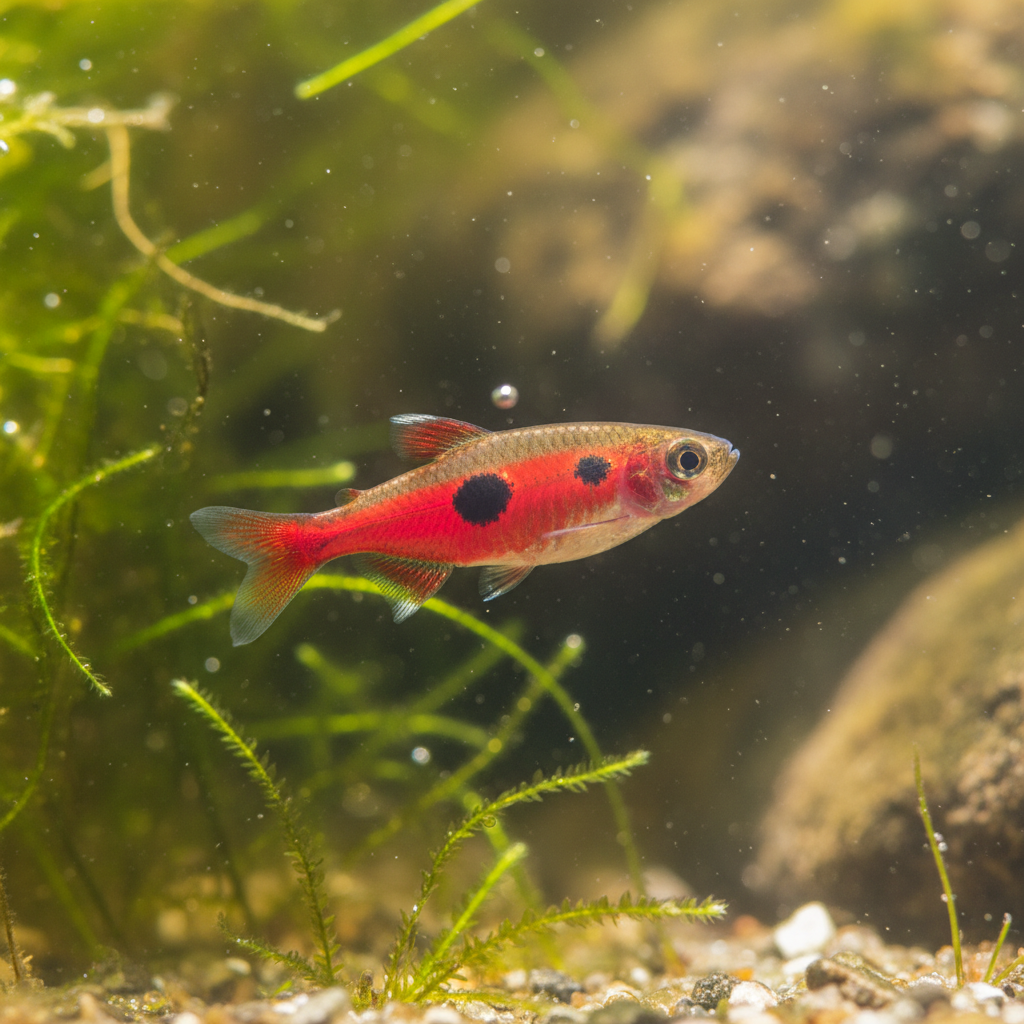
An incredibly tiny, vibrant schooling nano-fish featuring a translucent red body and a highly active nature.
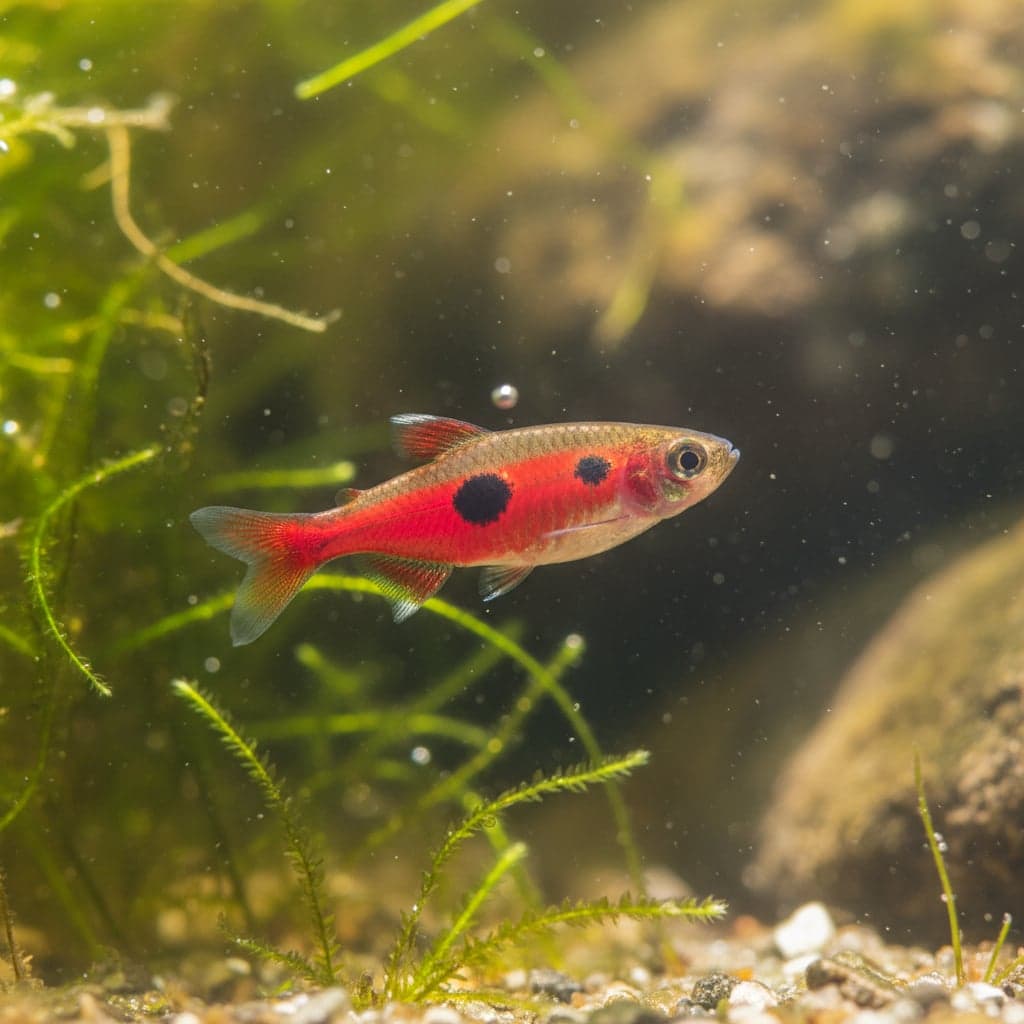
Red Dwarf Rasbora
The Red Dwarf Rasbora, scientifically known as Microrasbora rubescens, is a captivating and diminutive freshwater fish that has captured the attention of fish enthusiasts worldwide. This species is characterized by its vibrant crimson and orange hues, particularly prominent in males during the breeding season, making them a stunning addition to any tank. Their small size, typically ranging from 1 to 1.5 inches, allows them to thrive in nano aquariums, further enhancing their appeal to aquarists seeking to create lush, densely-planted environments. The Red Dwarf Rasbora is not only visually striking but also adds dynamic movement and activity to the aquarium, darting in schools and showcasing their playful nature.
In the aquarium hobby, the Red Dwarf Rasbora holds a significant place due to its ease of care, peaceful temperament, and compatibility with a variety of tank mates. As a species, they embody the essence of a community fish, promoting a sense of tranquility and engagement in the aquatic habitat. Their captivating colors and schooling behavior make them a favorite among both novice and experienced aquarists alike, ensuring that they remain a popular choice in specialty shops and online retailers.
Natural Habitat & Origin
The Red Dwarf Rasbora is indigenous to the freshwater ecosystems of Southeast Asia, particularly found in the streams and rivers of the Malaysian and Indonesian regions. This species typically inhabits areas with slow-moving water, often surrounded by lush vegetation and submerged leaf litter. The natural environment of the Red Dwarf Rasbora tends to be characterized by blackwater conditions, which are acidic and rich in tannins from decomposing plant material. These factors contribute to the distinct biotope these fish are adapted to, providing insights into their care and maintenance in captivity.
In the wild, they thrive in waters that maintain a temperature range of around 24 to 28 degrees Celsius (75 to 82 degrees Fahrenheit) with a pH of 5.5 to 7.0. This specific habitat allows the Red Dwarf Rasbora to exhibit its best colors and behavior, showcasing the importance of replicating their natural conditions within the aquarium. A well-planted tank that mimics their native habitat will not only promote their health and vitality but also encourage natural behaviors, enhancing the overall aesthetic of the aquatic environment.
Care Requirements
To ensure the health and well-being of the Red Dwarf Rasbora, a well-maintained aquarium adhering to specific water parameters is crucial. The recommended pH range for these fish is between 5.5 and 7.0, with a temperature maintained between 24 to 28 degrees Celsius (75 to 82 degrees Fahrenheit). Water hardness should be kept moderate, ideally in the range of 1 to 10 dGH. These parameters help replicate their natural blackwater environment and promote optimal growth and coloration.
In terms of tank setup, a minimum tank size of 10 gallons is advisable, allowing ample space for schooling and swimming. The aquarium should be densely planted with soft-leaved plants, providing hiding spots and plenty of cover to mimic their natural habitat. A dark substrate—such as fine gravel or sand—enhances their vibrant colors, while subdued lighting helps create a relaxing environment. Adding driftwood and leaf litter further enriches the environment, providing essential hiding areas and stimulating natural behavior in the Red Dwarf Rasbora.
Diet & Feeding
The Red Dwarf Rasbora is an omnivorous species with a varied diet that enhances its overall health and coloration. In captivity, they thrive on a balanced diet that includes high-quality flakes or small pellets specifically designed for small fish. These should be supplemented with frozen or live foods such as brine shrimp, daphnia, and bloodworms to promote optimal growth and vitality.
Feeding them several small meals throughout the day is ideal to mimic their natural feeding patterns. It is crucial to ensure that the food size is appropriate for their small mouths, as this not only aids in digestion but also prevents overfeeding issues. By providing a diverse diet, aquarists can enhance not only the health but also the coloration of the Red Dwarf Rasbora, resulting in a more vibrant display in the aquarium.
Behavior & Temperament
Red Dwarf Rasboras are exceptionally social creatures, demonstrating a strong schooling instinct that encourages them to thrive in groups. Keeping them in schools of at least six to eight individuals is recommended, as this helps reduce stress and promotes natural schooling behaviors. These fish exhibit peaceful temperament and are ideal for community tanks, typically avoiding aggressive interactions with other species.
In the aquarium, Red Dwarf Rasboras prefer to occupy the middle to upper levels of the tank. They are known for their dynamic darting and swimming patterns, making them an engaging species to observe. Although generally peaceful, maintaining a stable environment and avoiding overly aggressive tank mates will help prevent stress and ensure harmonious interactions within the aquarium.
Tank Mates
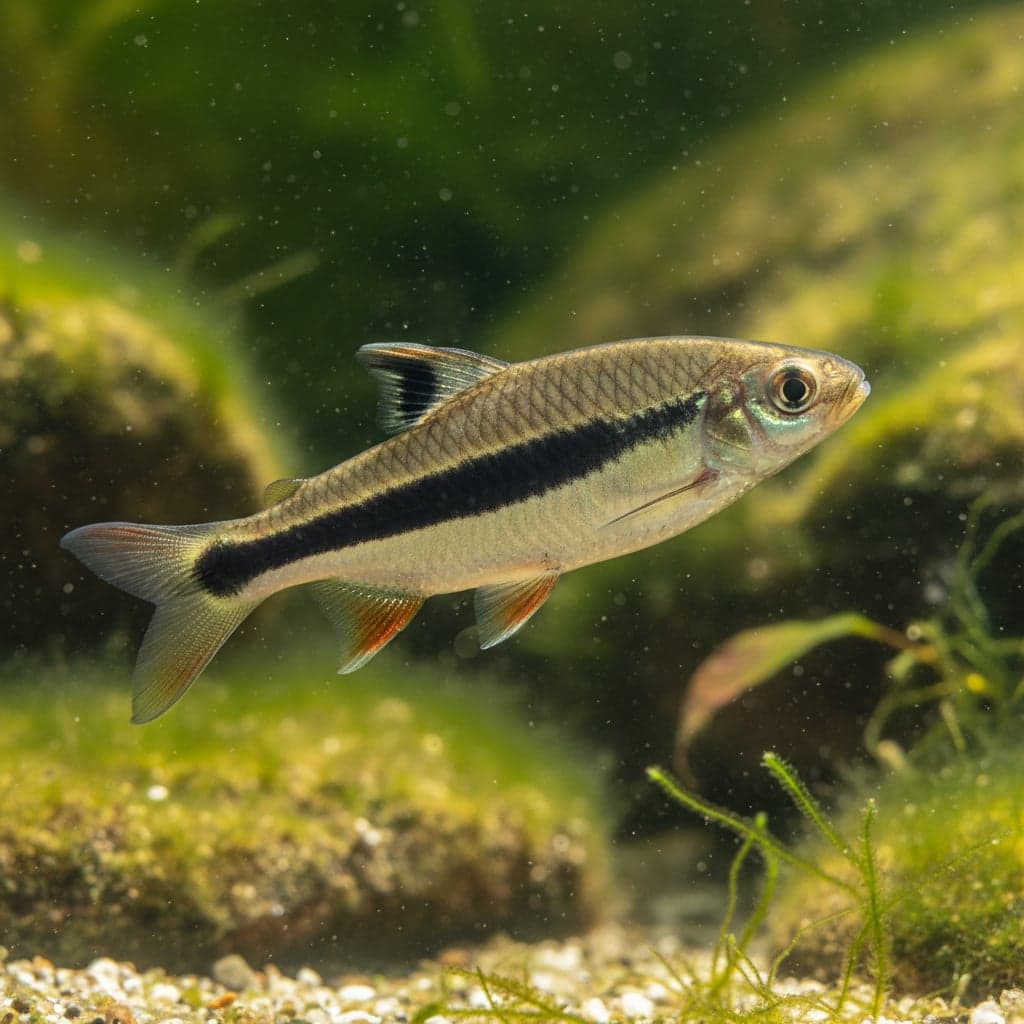
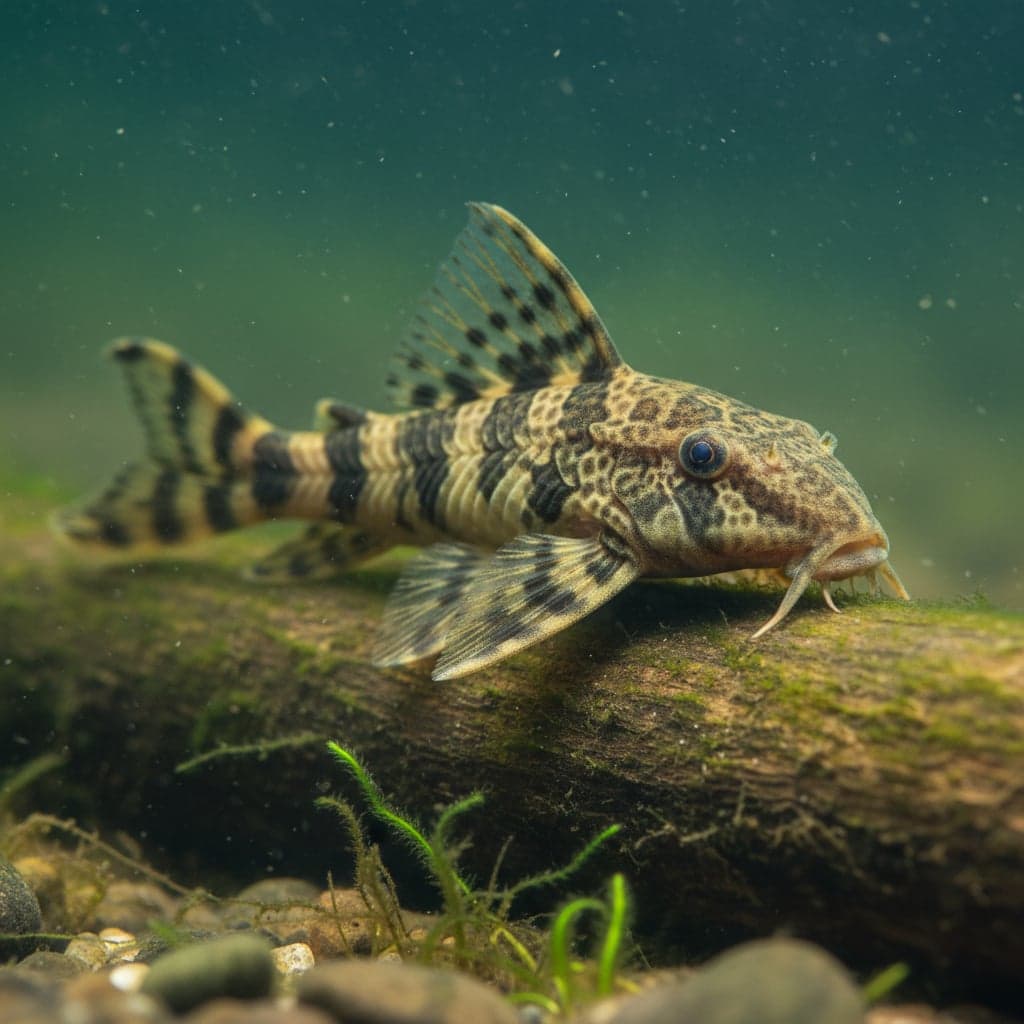
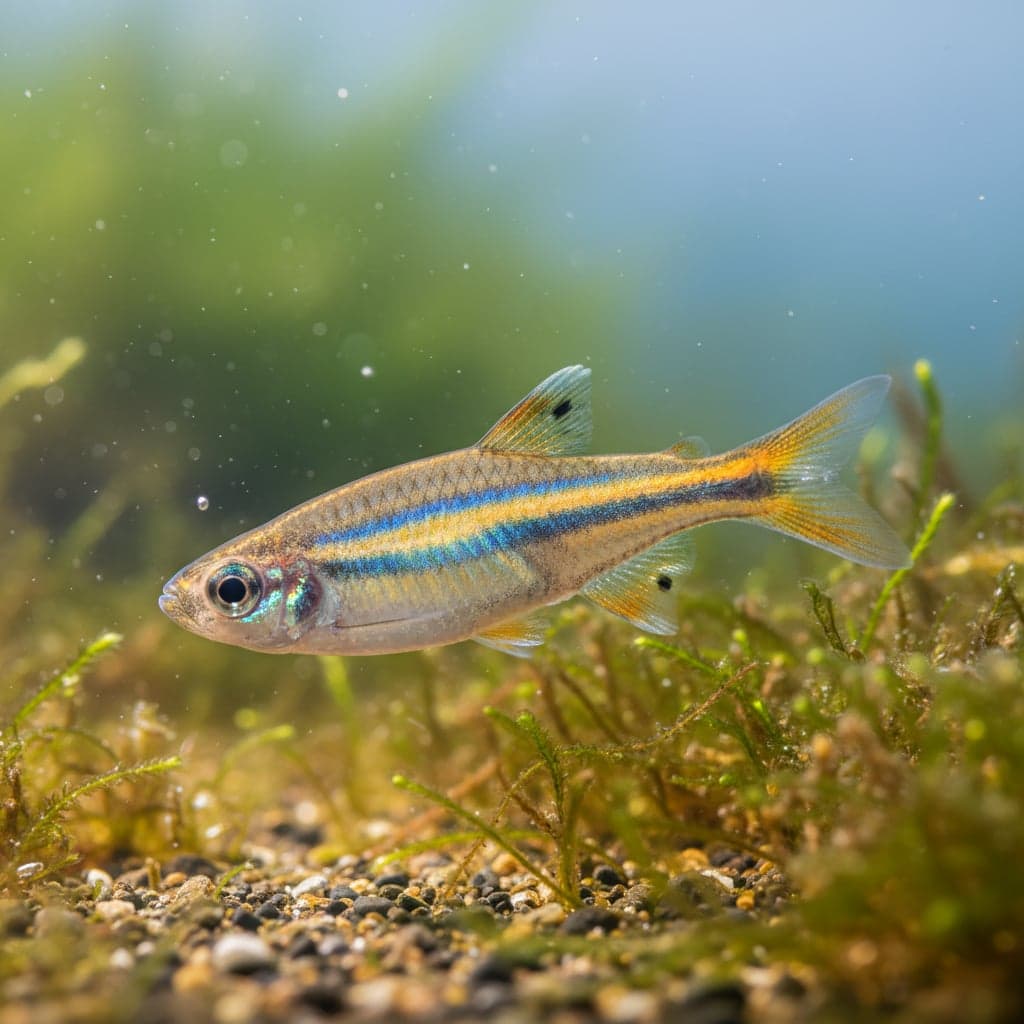
The Red Dwarf Rasbora is well-suited for community tanks and can cohabit with a variety of peaceful species. Compatible tank mates include small tetras (like Neon or Ember tetras), various species of shrimp (such as Cherry and Ghost shrimp), and small, non-aggressive rasboras. Additionally, peaceful species with similar water parameter needs, such as Celestial Pearl danios and small cpue (Corydoras species), can also coexist harmoniously.
However, it is crucial to avoid larger and more aggressive fish that may view the Red Dwarf Rasbora as potential prey, as well as territorial species like cichlids or larger barbs. Ensuring a community that fosters calm interactions will enhance the overall success of the aquarium and promote a balanced ecosystem.
Breeding
Breeding the Red Dwarf Rasbora in captivity can be a rewarding experience, although it may require specific conditions to achieve success. They are considered egg scatterers and require a separate breeding tank with soft, slightly acidic water to stimulate spawning behavior. A tank size of around 5 to 10 gallons is typically sufficient, filled with spawning mops or dense plants where the eggs can be deposited.
To encourage breeding, a well-fed pair should be conditioned for several weeks. Once spawning occurs, it's essential to remove the adults from the breeding tank post-spawning since they may consume the eggs. The incubation period for the eggs is about 24 to 36 hours, with fry becoming free-swimming shortly thereafter. Providing infusoria or ultra-fine crushed flakes will ensure that the fry have ample nutrition during their critical early development stages, aiding in successful growth and transition to larger foods.
Common Health Issues
While the Red Dwarf Rasbora is a robust species, they are not entirely immune to health issues. Common diseases affecting this species include ich, fin rot, and various parasitic infections. Maintaining optimal water quality is critical in preventing these ailments; regular water changes and proper filtration should be a part of the routine.
Preventative measures include observing behavior for signs of stress or illness, such as lethargy or changes in eating habits. Quarantining new fish before introducing them to the main tank can also reduce the risk of disease transmission. Furthermore, ensuring a varied diet, maintaining proper water conditions, and providing a stress-free environment will significantly enhance the overall health and resilience of the Red Dwarf Rasbora.