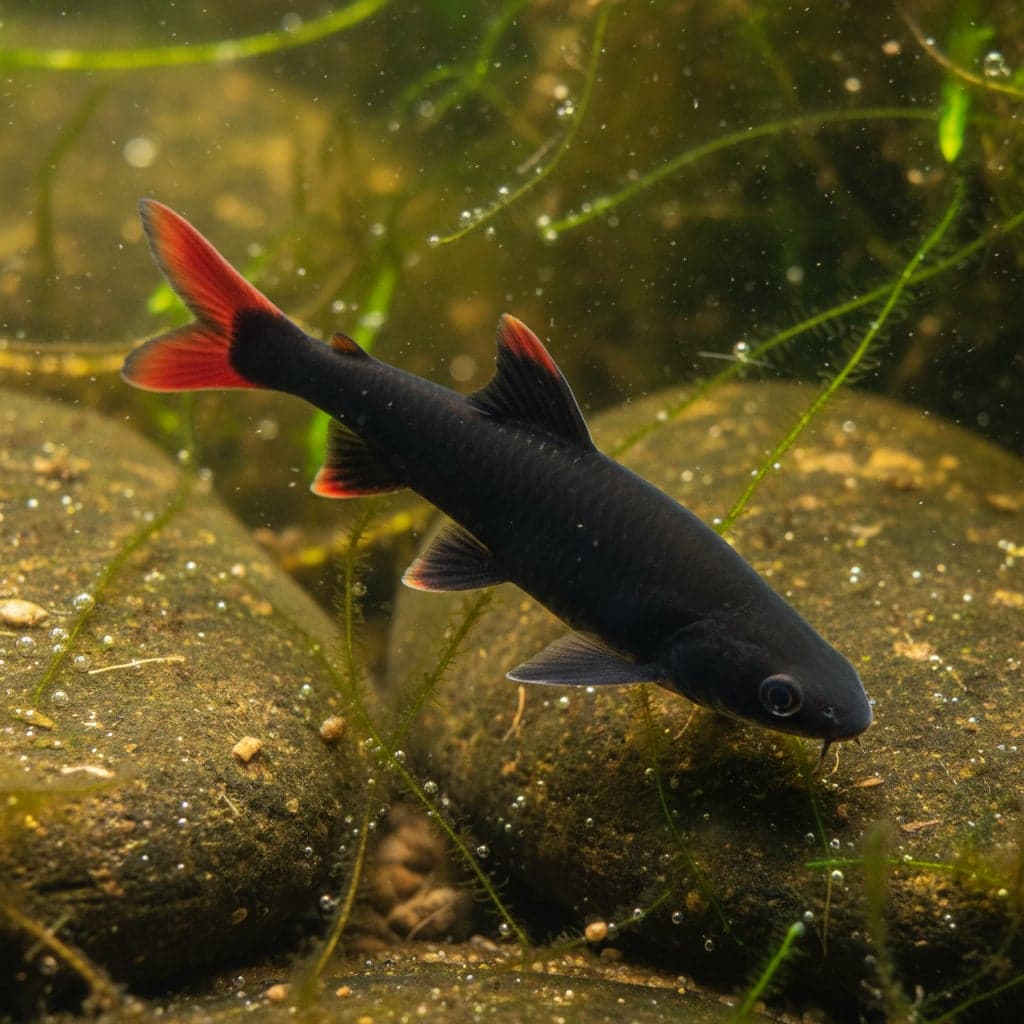
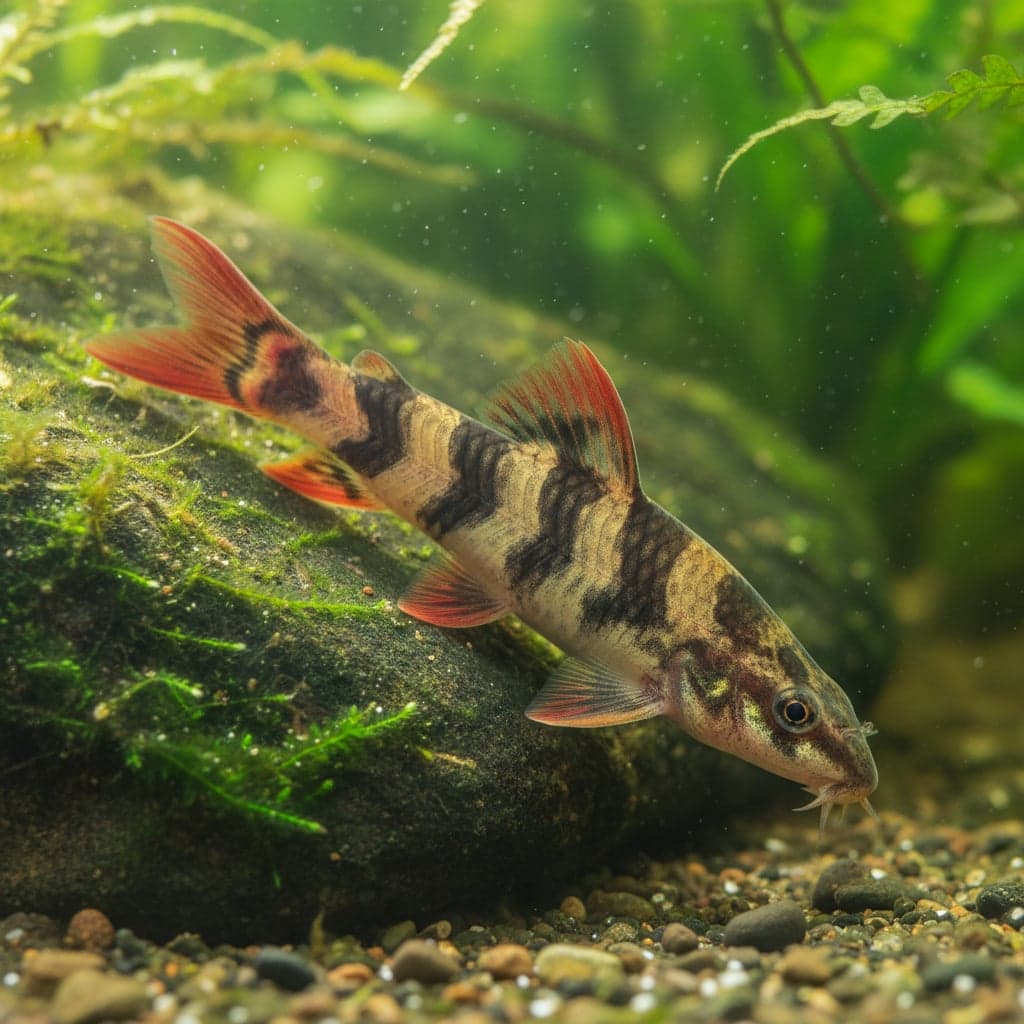
Red-finned Blue Loach: Yasuhikotakia modesta
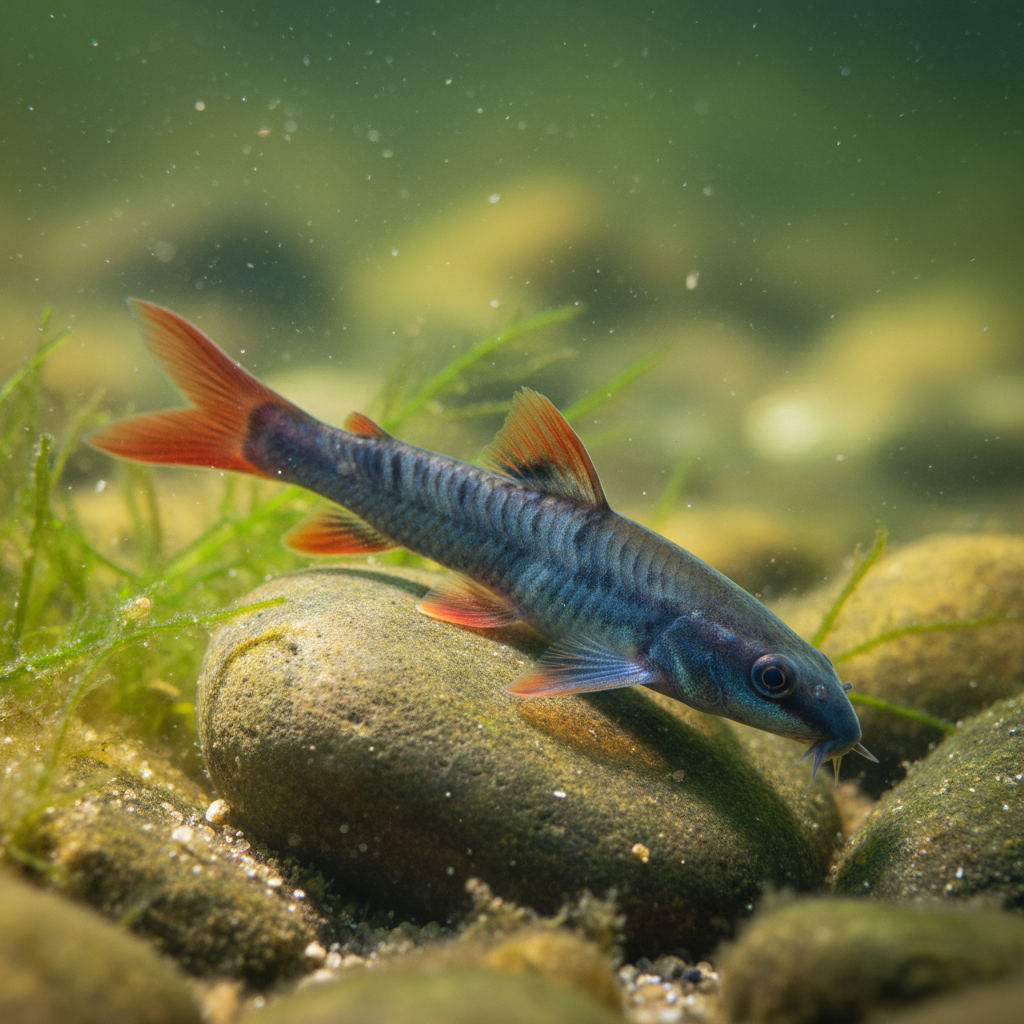
A deeply robust, hyper-active loach from Southeast Asia boasting a stark contrast of blue-grey body and brilliant red fins.
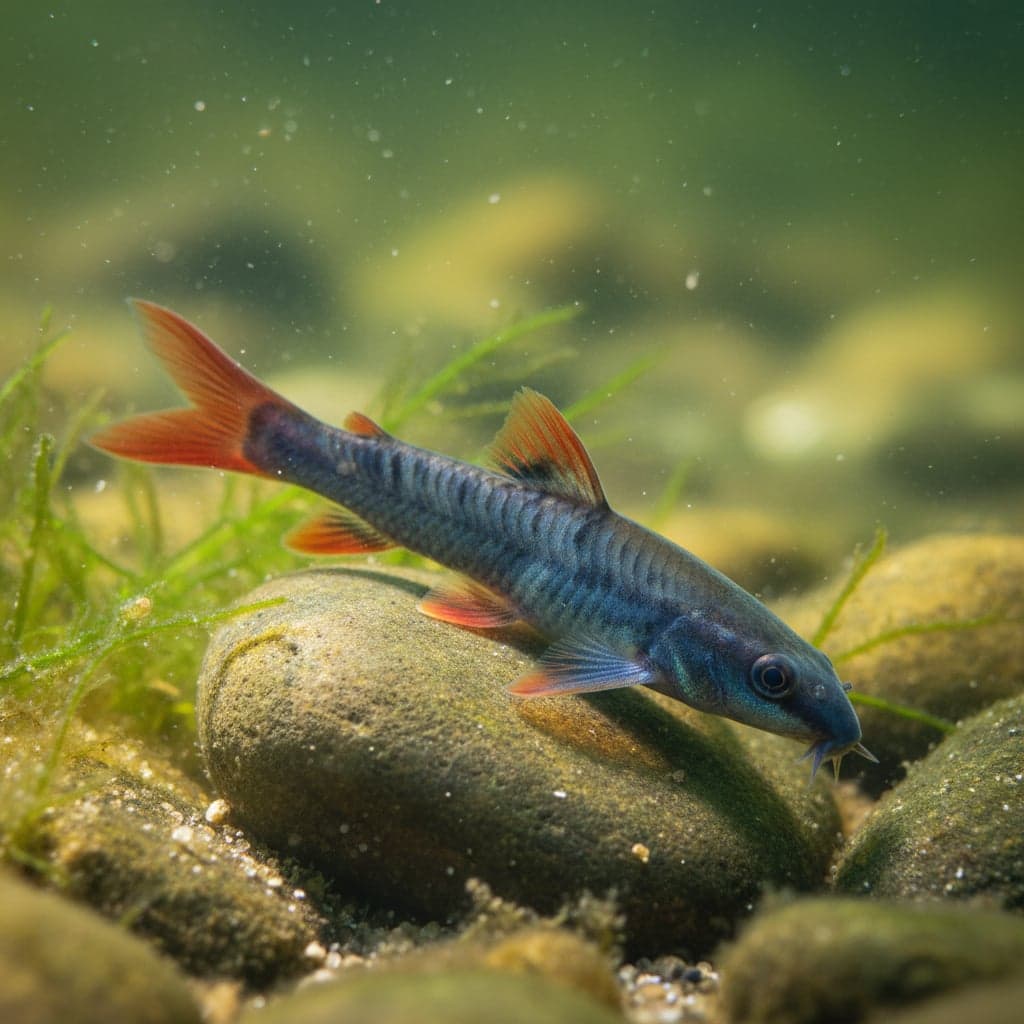
Red-finned Blue Loach
The Red-finned Blue Loach, scientifically known as Yasuhikotakia modesta, is a captivating freshwater species native to Southeast Asia. This loach is renowned for its vivid coloration, characterized by striking blue body hues complemented by bright red or orange fins, making it a popular choice among aquarium enthusiasts. Its visually appealing attributes, combined with an engaging personality, make the Red-finned Blue Loach not only a fascinating inhabitant of community tanks but also a vital part of the global aquarium hobby. This species thrives in a variety of environments, adapting well to well-maintained habitats, and adds a dynamic element of movement and activity to any aquarium setup.
Apart from its aesthetic significance, the Red-finned Blue Loach plays an essential role in maintaining healthy aquascapes. As a natural scavenger, it contributes to the cleanup of leftover food and organic debris at the bottom of the tank, promoting a cleaner environment for other inhabitants. This behavior not only benefits the aquarium ecosystem but also serves as a form of biological control, minimizing algae growth and waste build-up. With its combination of beauty and beneficial characteristics, the Red-finned Blue Loach has established itself as a staple in many fish collections.
Natural Habitat & Origin
The Red-finned Blue Loach hails from the swift rivers and streams of Southeast Asia, particularly in countries such as Thailand, Laos, and Vietnam. Typically found in the clear waters of the Mekong River basin, this species thrives in environments characterized by sand or gravel substrates and abundant hiding places created by rocks and driftwood. The loach prefers slightly acidic to neutral waters, often colored by the natural tannins released from leaf litter, which contribute to a dimly lit environment. Understanding its geographical origin is paramount in replicating appropriate environmental conditions in the aquarium.
In its natural habitat, the Red-finned Blue Loach enjoys a diverse ecosystem, where the presence of various aquatic plants and organic materials provides both shelter and foraging opportunities. This habitat plays a crucial role in the species' behavior and dietary habits, as it utilizes both the structural complexity of its environment and the availability of food resources. When emulating these conditions in captivity, it is essential to consider the balance between aesthetics and biological functionality to ensure the well-being of these loaches.
Care Requirements
Maintaining the well-being of the Red-finned Blue Loach requires attention to specific water parameters and tank setup. Ideal water conditions include a temperature range of 24-28°C (75-82°F), a pH level of 6.5 to 7.5, and a hardness of 5-15 dGH. Regular monitoring and maintenance of these parameters can help prevent stress and ensure the health of the fish. A minimum tank size of 75 liters (approximately 20 gallons) is recommended to provide adequate swimming space and environmental enrichment.
When setting up the tank, utilize a fine gravel or sand substrate to prevent injury to their sensitive barbels. Incorporating plenty of hiding spaces with driftwood, rocks, and dense vegetation will help replicate their natural settings and allow them to exhibit natural behaviors. Dim lighting mimicking the light conditions of their original habitat can further enhance their comfort. Fast-growing aquatic plants such as Java fern or Anubias can contribute to their environment, giving them places to explore while helping maintain water quality.
Diet & Feeding
The Red-finned Blue Loach is an omnivorous species with a dynamic appetite, feasting on a wide range of foods in its natural habitat. A well-rounded diet should include high-quality flakes, floating pellets, and other staple foods designed for bottom-dwelling fish. In addition to these, offering occasional frozen or live foods such as bloodworms, brine shrimp, and daphnia can help provide the necessary protein and nutrients that keep them healthy and active.
Feeding should occur multiple times a day in small amounts to avoid overfeeding, allowing the loaches to forage naturally, promoting their scavenging behavior. Variation in their diet not only supports their nutritional needs but also keeps their feeding routine stimulating and engaging. Observing their feeding habits can provide insight into their health and stress levels, making balanced nutrition vital for their overall well-being.
Behavior & Temperament
In the aquarium, the Red-finned Blue Loach exhibits a lively and social demeanor, often forming small groups or schools in which they feel most secure and exhibit typical behaviors. They prefer to inhabit the lower to mid-level sections of the tank but are known to occasionally venture up higher, especially when foraging. Despite their playful antics, this species typically displays a mild temperament, making them suitable for community tanks.
While they are generally peaceful, they may become territorial with their own kind, particularly during breeding or in smaller spaces. Adequate tank size and the presence of multiple hiding places can help mitigate aggressive behavior. It is important to observe their interactions with other species and ensure that they are compatible with cohabitants to maintain harmony in the aquarium.
Tank Mates
When selecting tank mates for the Red-finned Blue Loach, it is imperative to choose species that share similar water parameter requirements and temperamental characteristics. Compatible tank mates include other community fish such as Tetras, Rasboras, Gouramis, and peaceful Cichlids, which allow for a vibrant yet harmonious environment. Additionally, other loach species like the Clown Loach or the Zebra Loach may also coexist well, provided the tank is spacious and well-structured.
Conversely, it is advisable to avoid housing the Red-finned Blue Loach with aggressive or overly territorial species, such as larger Cichlids or fin-nipping fish like certain Barbs and Bettas. Predatory fish that may view them as food, such as some larger Catfish and certain species of Pufferfish, should also be excluded from their community due to potential aggression and predation risk.
Breeding
Breeding the Red-finned Blue Loach in captivity can be a rewarding yet challenging endeavor. These fish are known to be egg scatterers, laying eggs in vegetation or on tank surfaces during the breeding process. Conditions conducive to spawning generally require replicating the loach's natural seasonal changes, with increased water temperature and slightly softened water. A separate breeding tank with plenty of fine-leaved plants or spawning mesh is recommended to facilitate the spawning process.
Monitoring potential breeding pairs is vital once they show signs of courtship, characterized by quality swimming displays and increased activity. After spawning, it’s essential to remove the adults from the breeding tank to prevent them from consuming the eggs. Fry will typically hatch within a few days and can be fed with finely crushed flakes or specialized fry food until they grow large enough to consume small live foods.
Common Health Issues
Red-finned Blue Loaches are generally hardy, but they are susceptible to specific health issues, particularly if their environmental conditions are not optimal. Common ailments include Ichthyophthirius multifiliis (Ich), which can lead to white spots on their bodies, and other parasitic infections. Additionally, they may experience stress-related issues due to poor water quality or aggression from tank mates.
Prevention strategies include regular water changes, maintaining good filtration, and ensuring tank mates are compatible. Quarantining new arrivals before introduction to the main tank can help prevent the spread of disease. Observing the behavior and appearance of the fish regularly will aid in early detection of any illness so treatment can begin before the whole group is affected.