Carassius auratus 'Redcap Oranda': Redcap Oranda
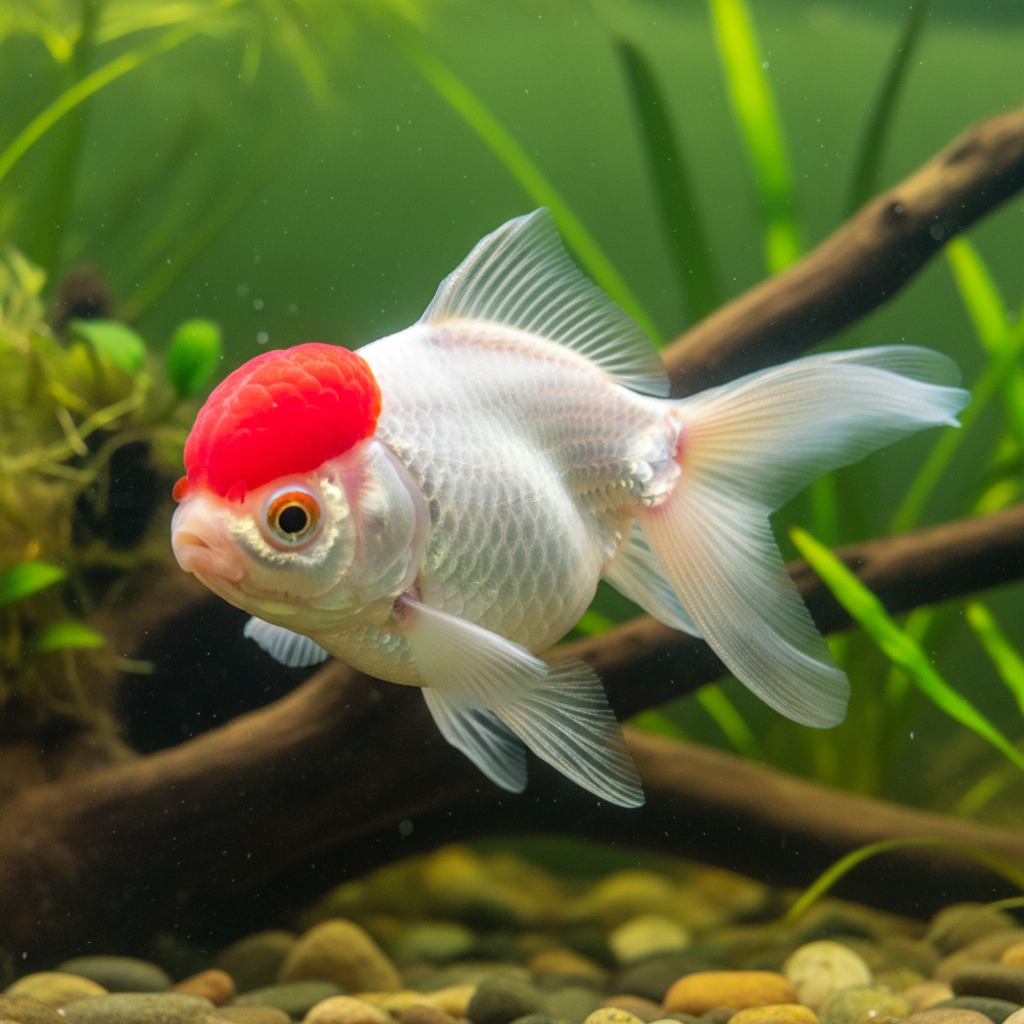
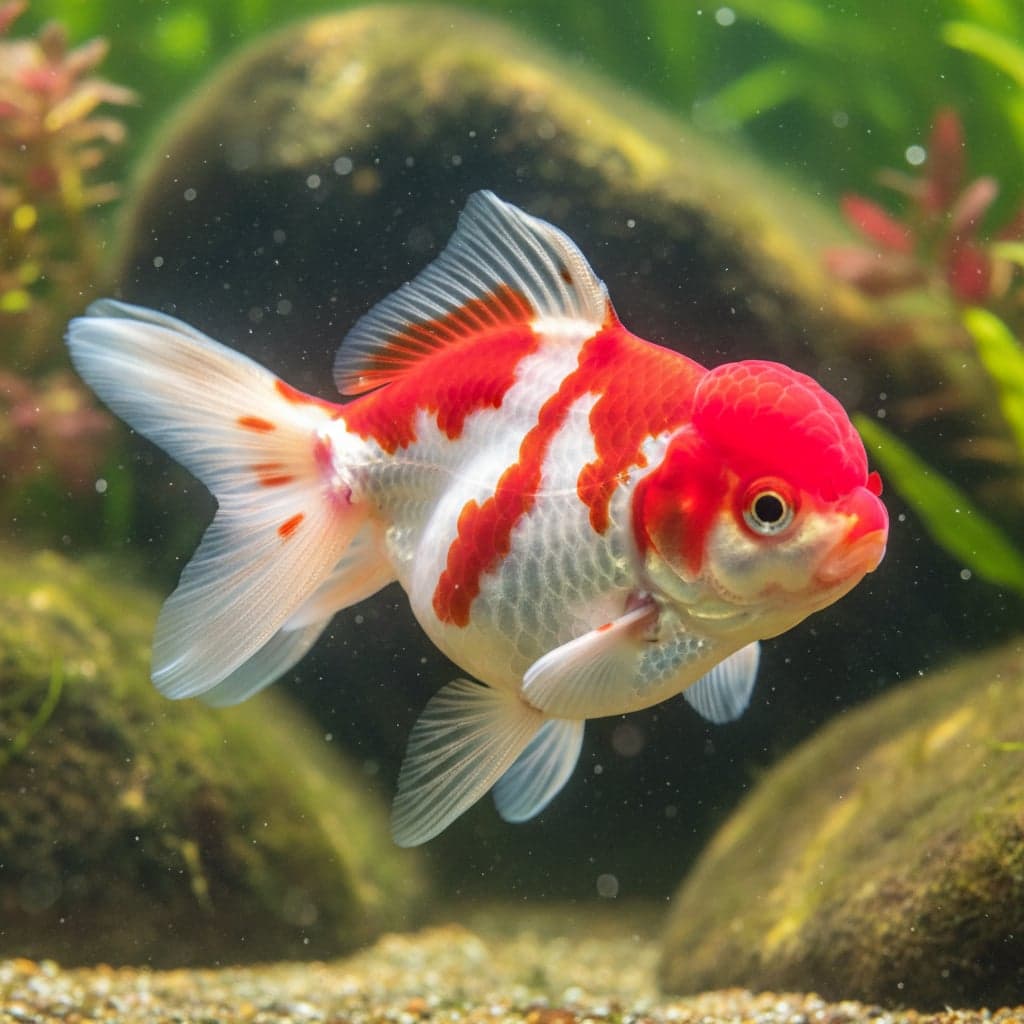
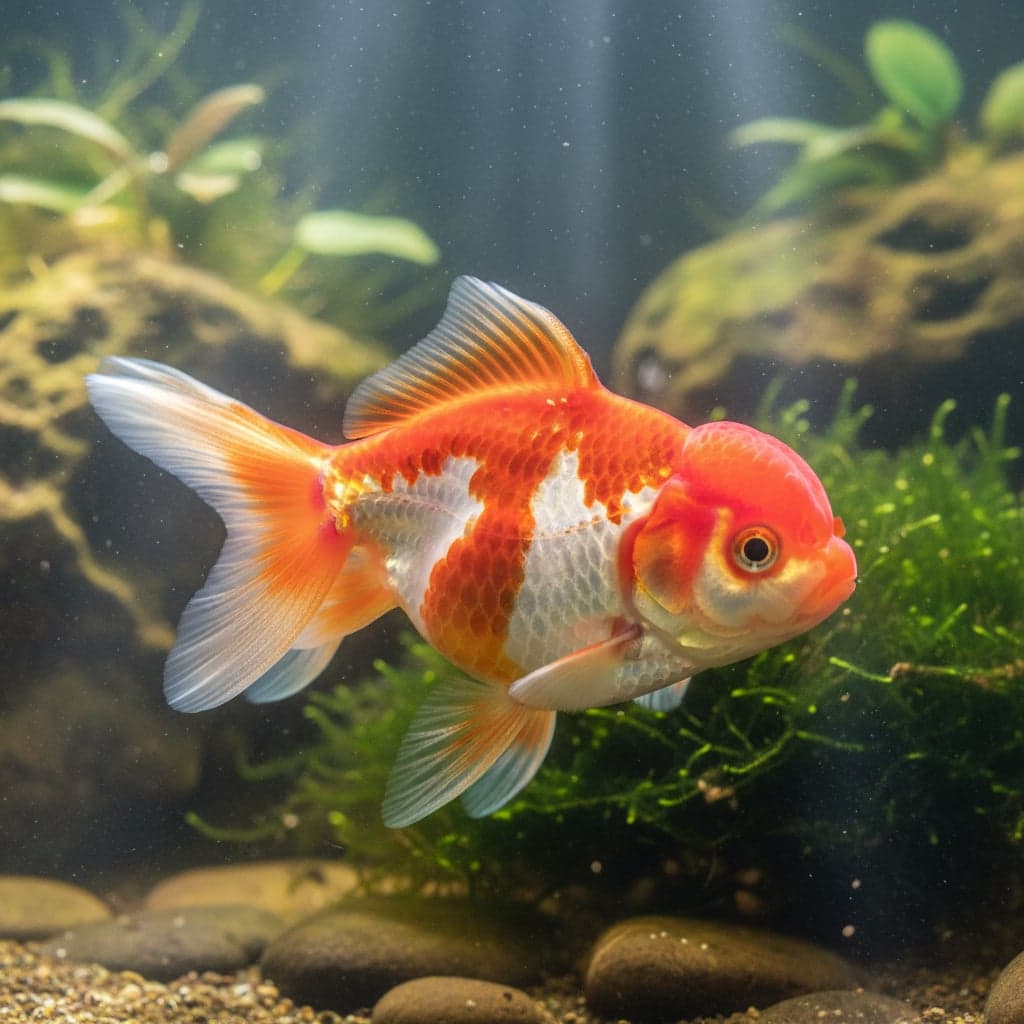
The most iconic variety of Oranda goldfish, featuring a pure white body topped exclusively by a massive, brain-like bright red head growth.

Carassius auratus 'Redcap Oranda'
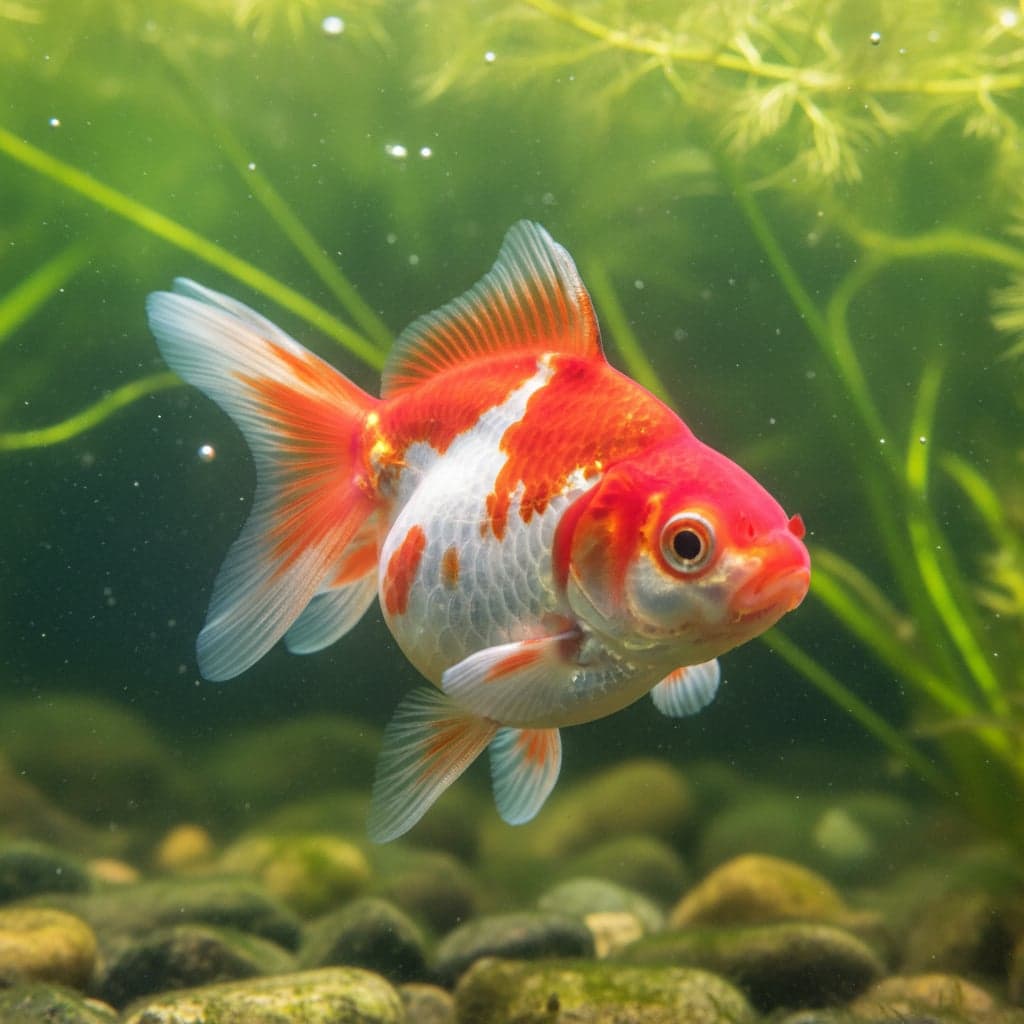
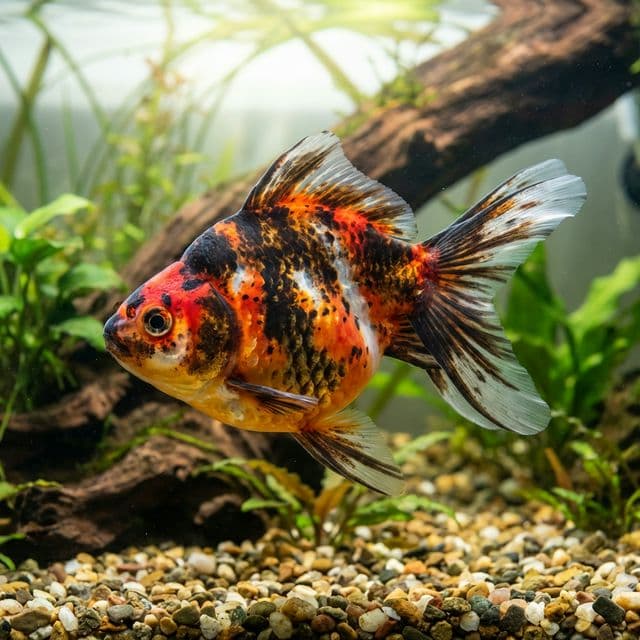
The Carassius auratus 'Redcap Oranda' is a stunning variant of the common goldfish, renowned for its distinct appearance and vibrant colors. This ornamental fish features a rounded body shape paired with a pronounced, bright red cap or wen that forms over its head as it matures, creating a striking visual appeal. This cap is the result of a genetic mutation and provides the Redcap Oranda with its signature look. The rest of its body is usually a blend of orange, white, or gold hues, complemented by long, flowing fins that gracefully sway in the water, adding to its aesthetic charm. Enthusiasts and aquarists alike treasure the Redcap Oranda not just for its beauty but also for its intriguing, playful personality, which makes it a delightful addition to both home aquariums and ornamental ponds.
In the aquarium hobby, the Redcap Oranda holds significant value as one of the most sought-after varieties of goldfish. Its unique characteristics and notable resilience make it suitable for both novice and experienced aquarists. Not only do these fish exhibit vibrant colors and captivating swimming patterns, but they also have long lifespans—often exceeding 10 years if cared for properly. As a result, the Redcap Oranda has cultivated a dedicated following within the aquarist community, where it is often showcased in competitions and exhibitions, further solidifying its importance in contemporary aquatic collections.
Natural Habitat & Origin
The Carassius auratus 'Redcap Oranda' descends from the domesticated goldfish, a species originating from East Asia—specifically, China. In its native habitat, goldfish thrive in freshwater environments such as rivers, lakes, and ponds that often feature various plant life providing shelter and food sources. The waters where these fish are found typically exhibit moderate flow, a variety of substrates (including fine sand and pebbles), and a range of oxygenation levels. Goldfish in the wild tend to inhabit slower-moving, nutrient-rich waters that facilitate their omnivorous dietary needs while also supporting their growth and social behavior.
As a domesticated variant, the Redcap Oranda is typically bred in aquaculture settings or specialized fish farms designed to replicate its natural environment. These controlled conditions help ensure the health and vitality of the fish, enabling breeders to select for desired characteristics such as coloration and the development of the distinctive head cap. As a result, the Redcap Oranda has become an iconic feature of ornamental aquatics, with its captivating appearance attracting aquarists worldwide.
Care Requirements
To thrive, the Carassius auratus 'Redcap Oranda' requires specific care conditions that cater to its needs. Ideal water parameters for this species include a pH level between 6.5 and 7.5, a temperature range of 18-24°C (65-75°F), and a hardness level of 5-20 dGH. These parameters mimic the freshwater environments of their native habitat and contribute to their overall well-being. Aquarium size is also important; a minimum tank size of 75 gallons is recommended for one Redcap Oranda due to their potential size and need for swimming space. Given their waste production, larger aquariums help maintain water quality.
When it comes to tank setup, opt for a substrate that is soft, such as sand or fine gravel, to prevent fin damage. Moderate lighting is best as it helps replicate natural conditions and encourages plant growth while avoiding stress for the fish. Incorporating aquatic plants, such as Java moss and Anubias, provides hiding spots and enriches the environment. Proper filtration is crucial, as Redcap Orandas produce a significant amount of waste, necessitating robust filtration to keep the water parameters stable.
Diet & Feeding
Carassius auratus 'Redcap Oranda' are omnivorous and will thrive on a varied diet that supports their nutritional needs. A well-balanced diet should include high-quality flakes or pellets designed for goldfish, which provide essential vitamins and minerals. Supplement their diet with frozen or live foods such as bloodworms, brine shrimp, and daphnia for protein enrichment. Vegetables such as blanched peas or spinach can also be offered to promote digestive health and prevent buoyancy issues, which goldfish can be prone to. Feeding should be done two to three times a day in small portions, ensuring the fish consume the food within a few minutes to maintain water quality.
Being voracious eaters, Redcap Orandas should not be overfed, as this could lead to digestive problems or water quality issues. Monitor their eating habits closely and adjust feeding quantities as necessary. A diversified diet will not only promote optimum health but also enhance their coloration and overall vitality. Regular observations will help in identifying any dietary deficiencies and adjusting feeding practices accordingly.
Behavior & Temperament
In terms of behavior, the Carassius auratus 'Redcap Oranda' is known for its calm and sociable temperament, making it an ideal choice for community aquariums. These fish are generally peaceful but can exhibit mild territorial behavior when kept in smaller spaces or when competing for food. Redcap Orandas do not form strict schools but prefer to live in groups, which tend to ease their stress levels and encourage natural behaviors. They are also interactive fish, often swimming to the surface to greet their owners during feeding times.
In terms of vertical placement within the tank, Redcap Orandas will occupy all levels of the aquarium but often linger around the mid to lower sections. This behavior allows them to forage in the substrate and interact with tank mates effectively. Given their slower swimming capabilities, tank mates should ideally be of similar temperamental traits to avoid any competitive aggression.
Tank Mates
Choosing compatible tank mates for the Carassius auratus 'Redcap Oranda' is crucial for a harmonious aquarium environment. Good companions include other varieties of goldfish such as Ryukin, Lionhead, and other Orandas, as well as non-aggressive freshwater species such as community barbs, danios, and tetras. However, it is important to ensure that the tank mates share similar environmental requirements and can tolerate the same water parameters found suitable for Redcap Orandas.
Species to avoid include smaller fish that may be seen as food, such as freshwater shrimp or guppies, as the Redcap Oranda may attempt to consume them. Additionally, aggressive species, including cichlids, should be avoided due to their territorial nature, which can create stress or harm the more docile Redcap Oranda. Always consider the size and temperament of potential tank mates, ensuring they are compatible with the Redcap Oranda's gentle disposition.
Breeding
Breeding the Carassius auratus 'Redcap Oranda' in captivity can be a rewarding endeavor, though it requires specific conditions to be successful. Generally, breeding is best initiated during spring when water temperatures rise. To encourage spawning, a separate breeding tank of at least 30 gallons should be utilized, with plenty of aquatic plants and spawning mops for females to lay their eggs. The ideal water temperature for breeding ranges between 20-24°C (68-75°F), with a slightly higher pH of around 7.0 to promote egg viability.
During the breeding process, male Redcap Orandas will display courtship behaviors towards females, which can include chasing and nudging. Following a successful courtship chase, the female releases hundreds to thousands of adhesive eggs among the plants, which the male promptly fertilizes. Because adult goldfish readily consume their own spawn, the parents should be removed immediately after egg laying concludes. The eggs typically hatch in four to six days at 20–24°C (68–75°F). The resulting fry absorb their yolk sacs for the first few days before requiring infusoria, liquid fry food, and newly hatched baby brine shrimp as they develop into recognizable juvenile Orandas.
Common Health Issues
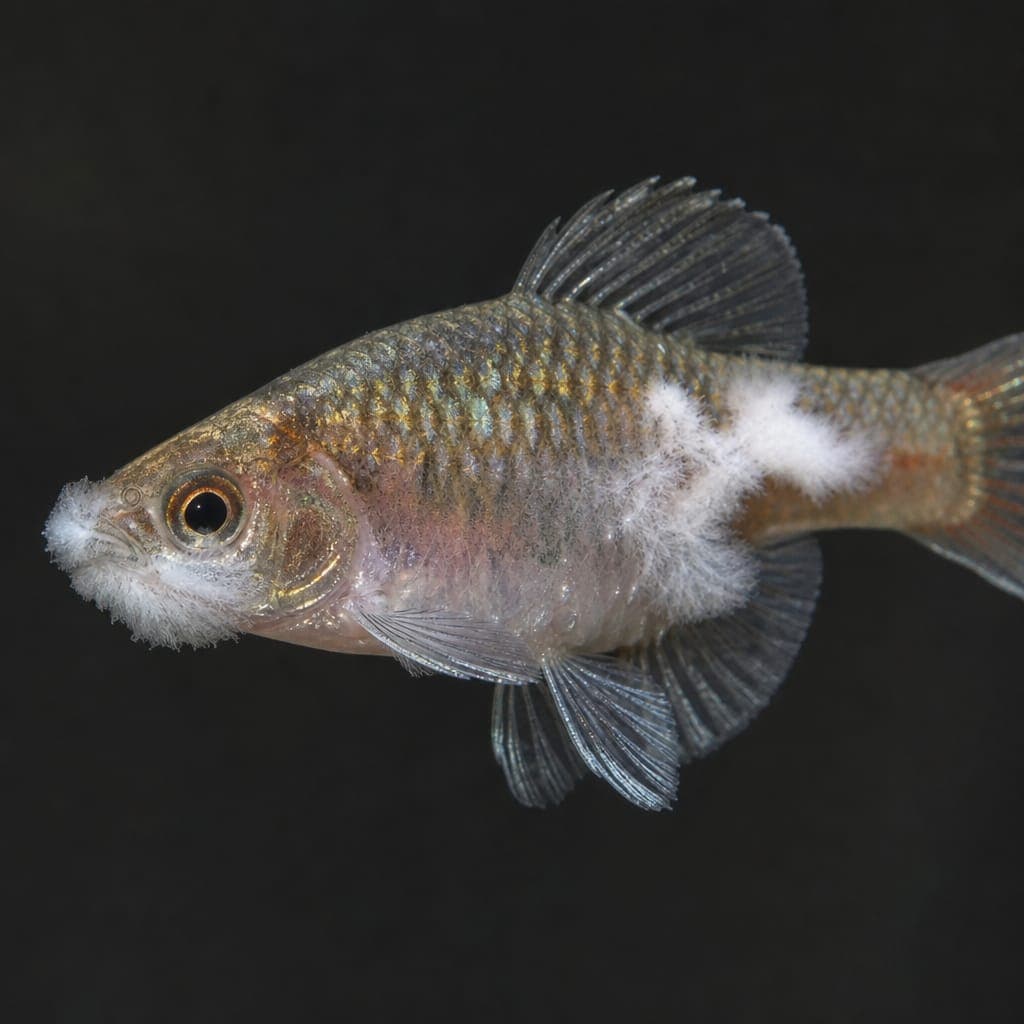
Redcap Orandas are prone to a few specific health vulnerabilities due to their specialized anatomy. The prominent red wen is susceptible to bacterial infections, fungal growths, and irritation if debris or parasites lodge within its folds. Maintaining pristine water conditions through rigorous filtration and regular water changes is vital to prevent these infections.
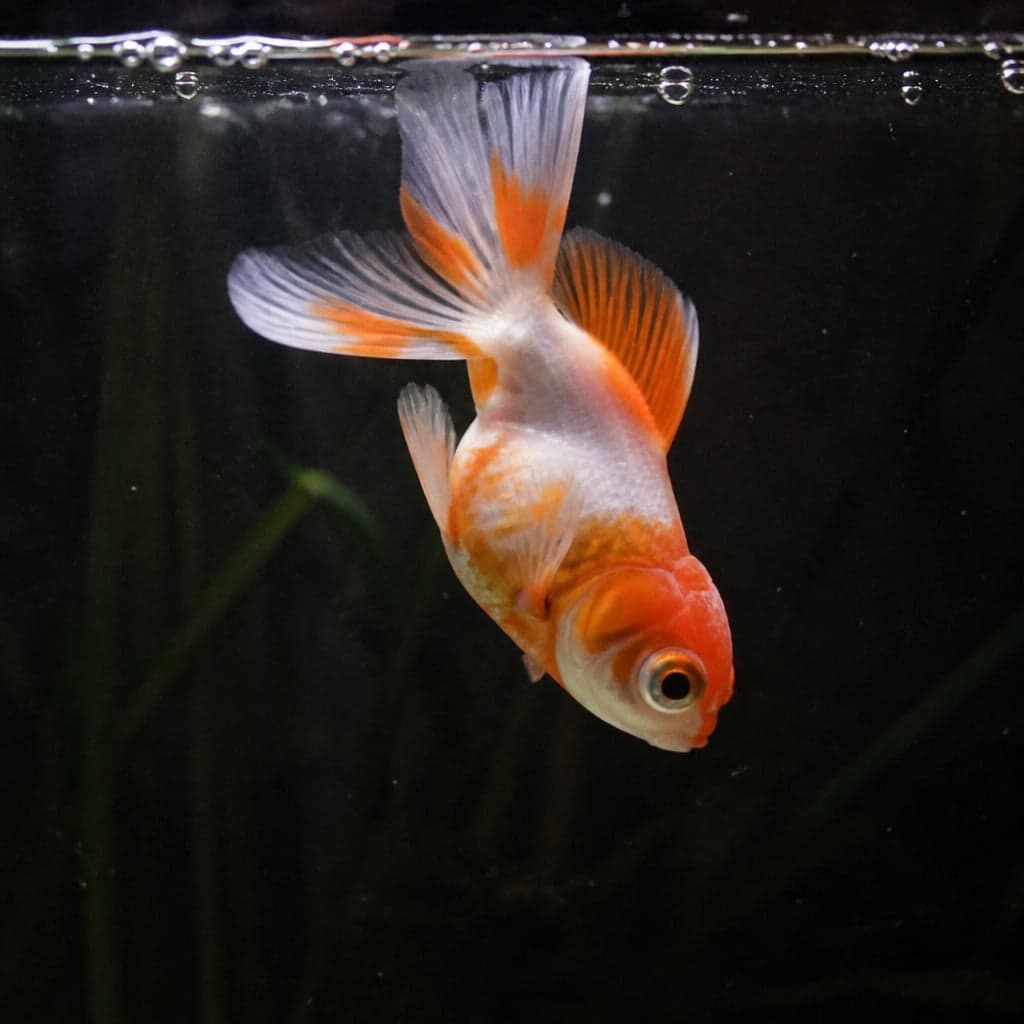
Like many fancy goldfish, they are also prone to swim bladder disorder caused by gulping air at the surface or digestive impactions from dry floating foods; feeding sinking pellets and blanched vegetables helps maintain buoyancy balance. Other common issues include Ich (Ichthyophthirius multifiliis) and fin rot, both of which can be managed with prompt quarantine, mild aquarium salt treatments, and optimal water parameters.