Redstripe Tetra: Hyphessobrycon amapaensis
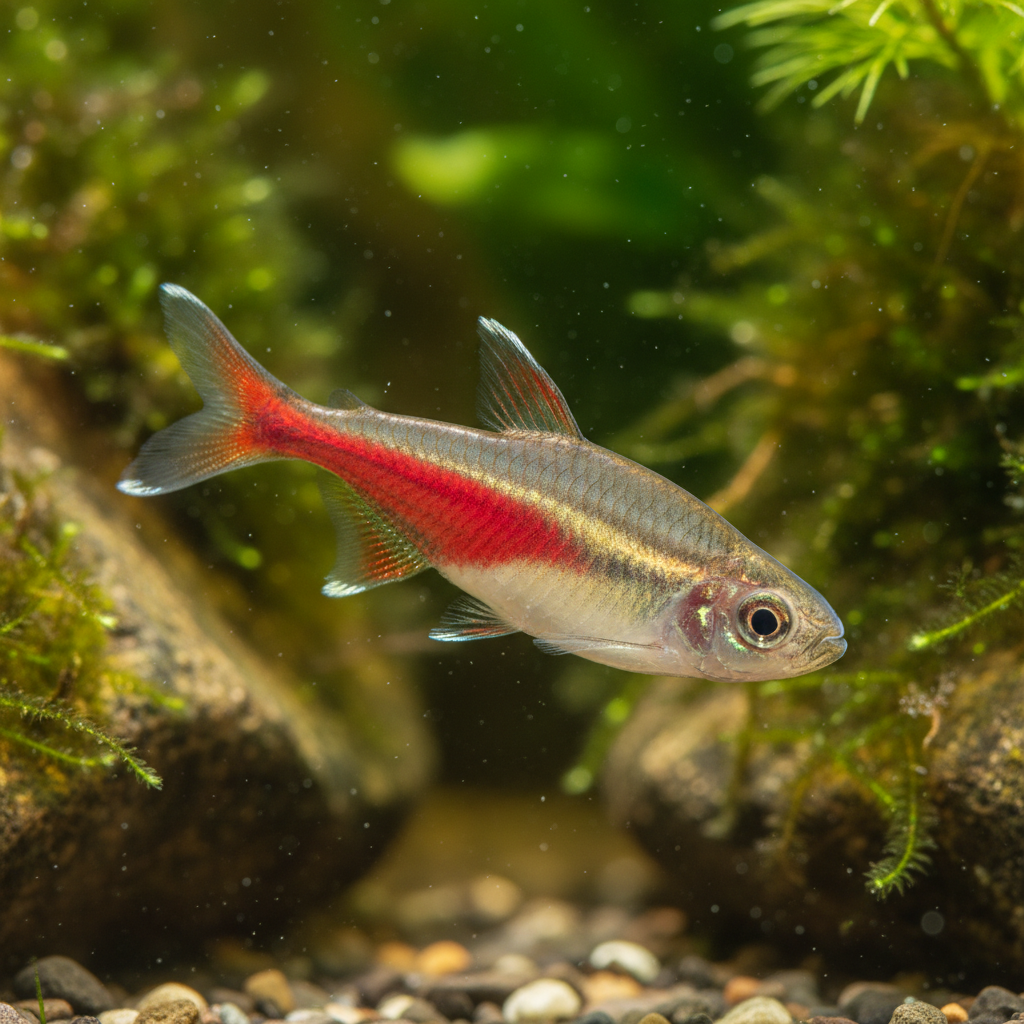
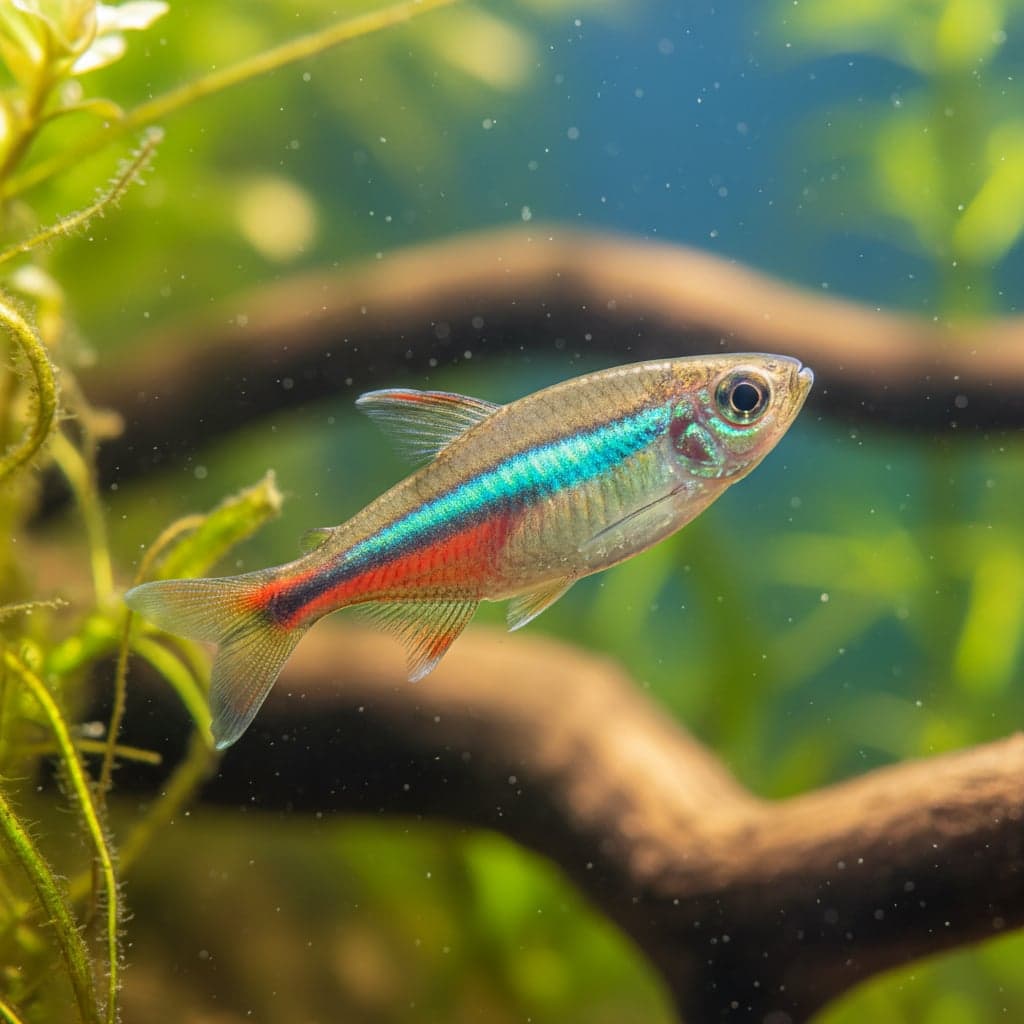
A spectacularly beautiful, exceedingly rare schooling fish displaying an intense, glowing red stripe bordered by crisp white.
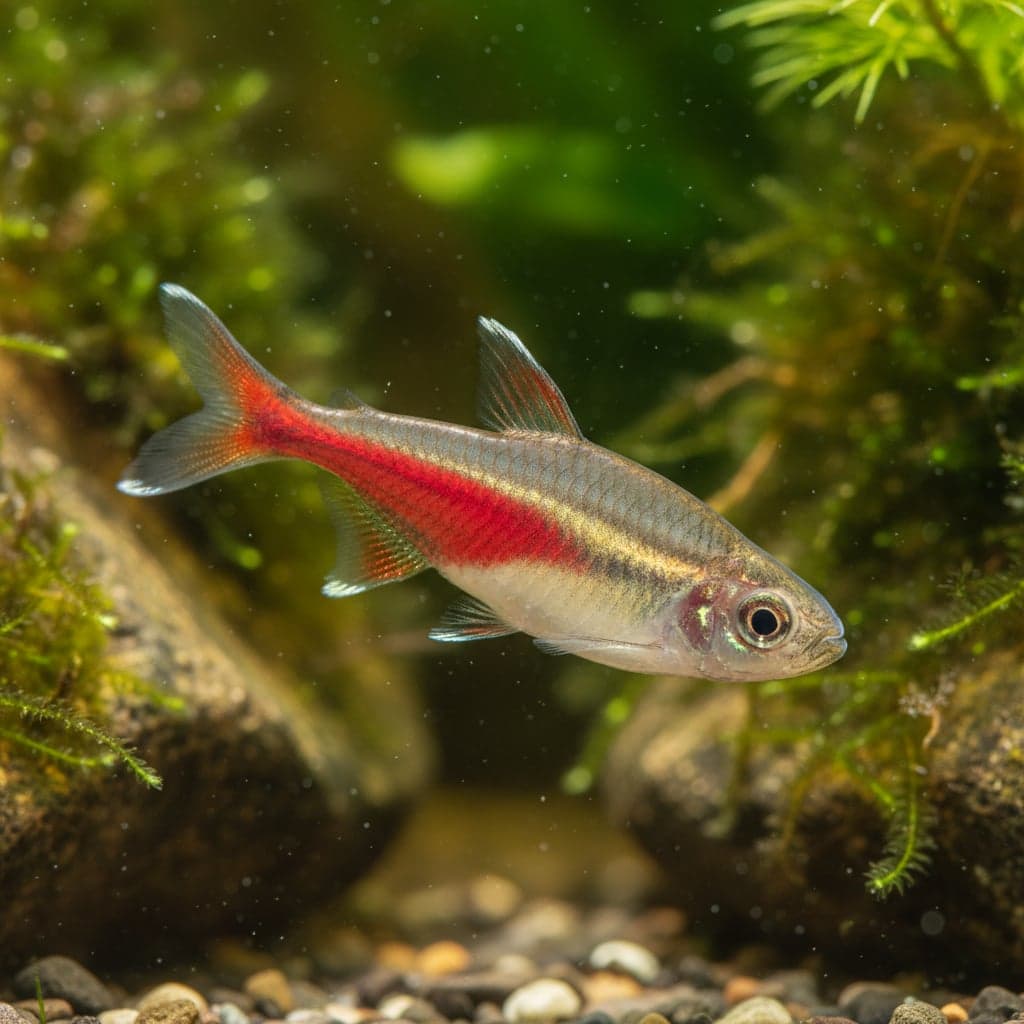
Redstripe Tetra
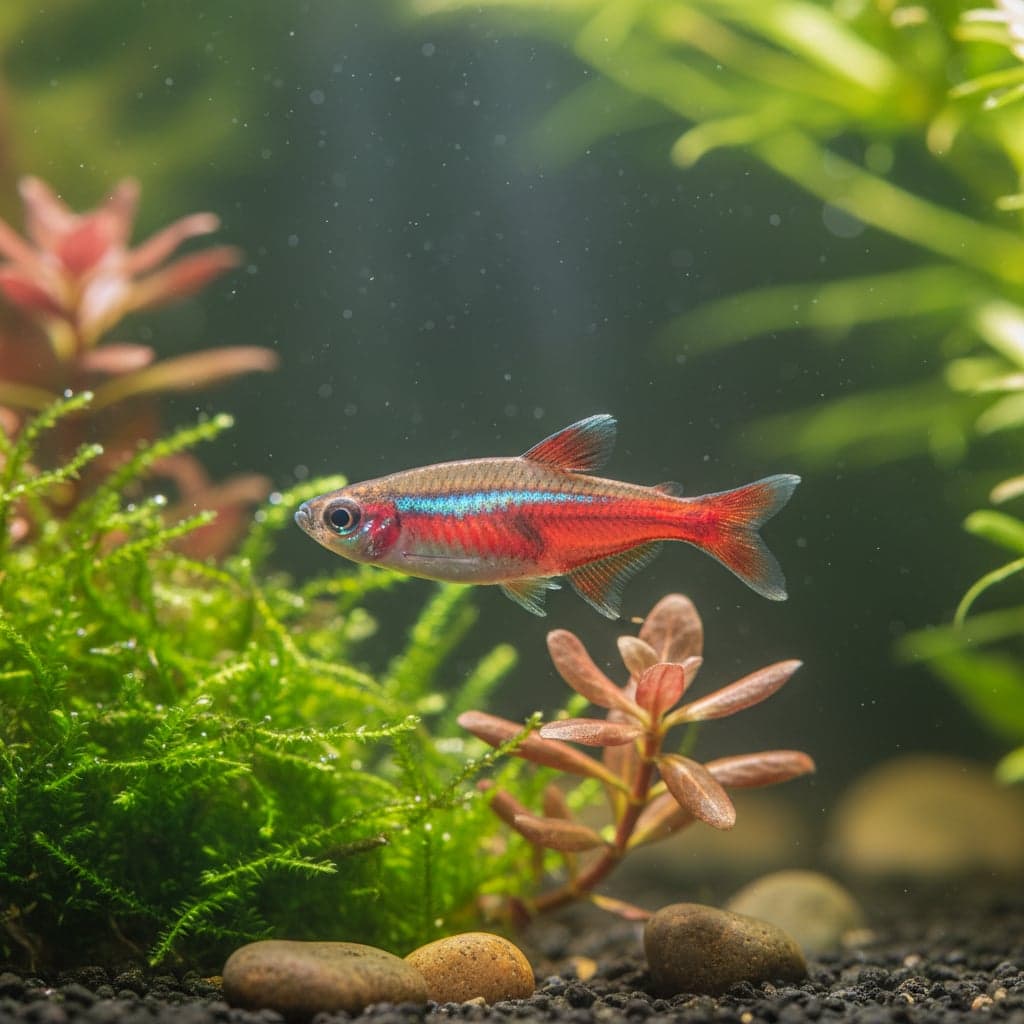
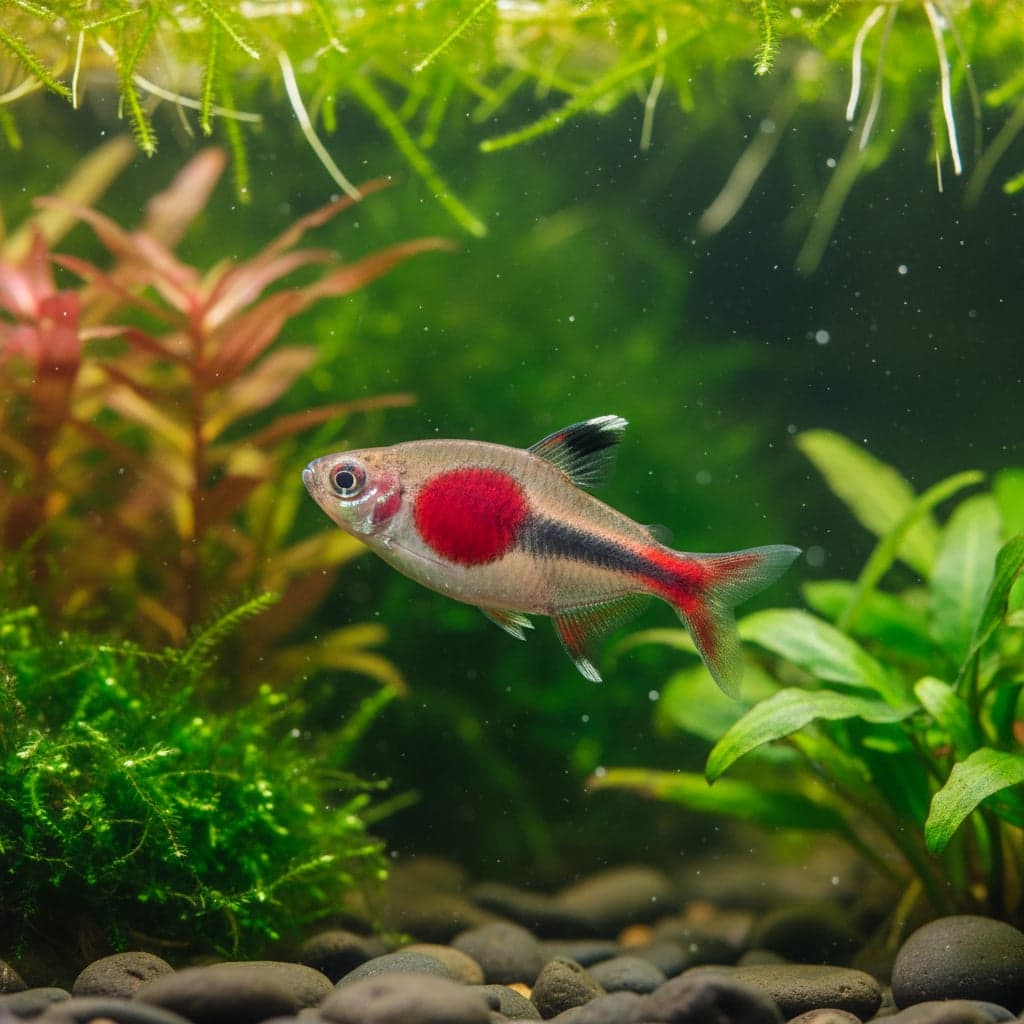
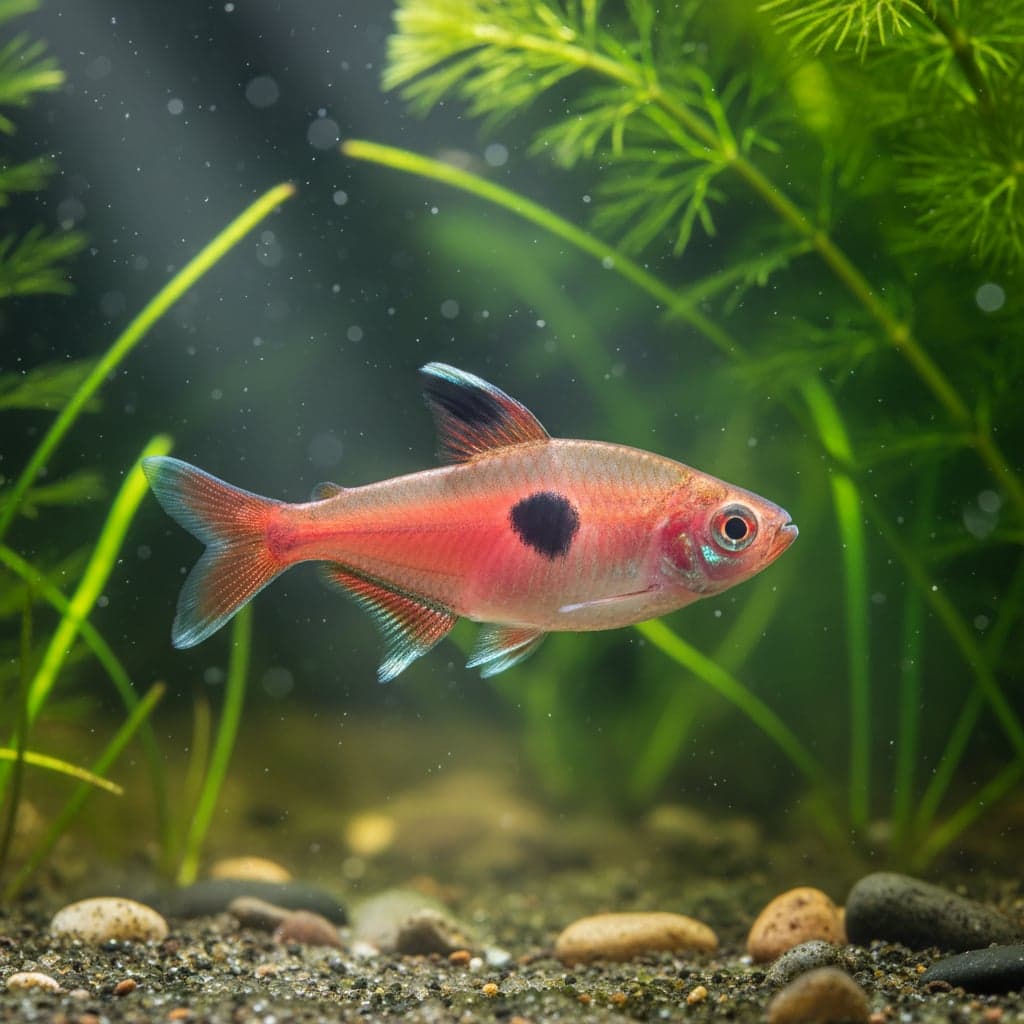
The Redstripe Tetra (Hyphessobrycon amapaensis) is a captivating freshwater fish that stands out for its striking colors and lively demeanor. This species features a distinct red stripe running along its body, providing a stunning contrast to its iridescent silver-blue scales. As a member of the Tetra family, it is characterized by its streamlined body shape and vibrant coloration that evolves and displays beautifully, especially under proper lighting. This exceptional aesthetic appeal has made the Redstripe Tetra a popular choice among aquarists, both novice and experienced, who seek to enhance the visual allure of their aquascapes.
Furthermore, the Redstripe Tetra possesses significant cultural and ecological value. Found primarily in the wild habitats of Brazil, these fish play a crucial role in maintaining the biodiversity of their ecosystems. They are often appreciated in the aquarium hobby for their spirited swimming patterns and compatibility with various tank setups. Their active behavior and schooling nature make them a perfect addition to community tanks, contributing to a dynamic and engaging aquatic environment.
Natural Habitat & Origin
The Redstripe Tetra hails from the Amazon River basin in Brazil, specifically in the Amapá region. These fish inhabit slow-moving rivers and streams characterized by soft, acidic waters rich in organic matter, typically known as blackwater. This unique environment is defined by its submerged vegetation and leaf litter that not only provide shelter but also contribute to the tannins that create the dark water coloration. The conception of their habitat is crucial as it reflects a delicate balance of temperature and pH, which shapes their natural behaviors and adaptability in captivity.
In the wild, the Redstripe Tetra thrives in shallow waters filled with dense vegetation, where they can forage for food and seek refuge from predators. The surrounding ecosystem is complex, teeming with various fish species, invertebrates, and plant life, which highlights the importance of maintaining a similar environment in captivity to support their well-being.
Care Requirements
To successfully care for Redstripe Tetras, it's essential to replicate their natural conditions within an aquarium. They thrive in soft, acidic to neutral water, with pH levels ranging from 6.0 to 7.5. The optimal temperature for this species is between 24°C to 28°C (75°F to 82°F), and the hardness should be kept between 2 to 15 dGH. When setting up a tank for Redstripe Tetras, a minimum size of 20 gallons is recommended to accommodate their schooling nature and provide sufficient swimming space.
The tank substrate should mimic their natural habitat, using fine gravel or sand that allows for easy movement and interaction with the environment. To create a comfortable setting, include plenty of plants, particularly floating or densely planted areas, along with driftwood or rocks for cover. Moderate lighting is ideal for this species, as it can simulate the dimly lit conditions they encounter in the wild, further enhancing their coloration and overall activity.
Diet & Feeding
Redstripe Tetras are omnivorous, and their dietary needs should reflect this diverse feeding habit. In captivity, a well-balanced diet will ensure their health and vibrancy. High-quality flake or pellet foods designed for tropical fish are suitable staples, supplemented with frequent offerings of frozen or live foods such as brine shrimp, daphnia, and bloodworms. This varied diet supports their growth, enhances coloration, and promotes overall vitality.
It's important to feed Redstripe Tetras in small portions multiple times a day, ensuring they consume what's offered quickly. Overfeeding should be avoided, as excess food can lead to water quality issues and negatively impact the health of the entire aquatic system. Additionally, incorporating vegetable matter and spirulina flakes can contribute to a healthier diet and support their digestive health.
Behavior & Temperament
The Redstripe Tetra is known for its sociable and friendly disposition, exhibiting typical tetra behavior as a schooling fish. It is best kept in groups of at least six individuals, as this mimics their natural behavior and allows for more vibrant interactions among the school. This species is generally peaceful and performs well in community tanks, although a dynamic environment can sometimes provoke mildly competitive behavior during feeding times.
In terms of vertical placement, these fish tend to occupy the middle section of the aquarium. They are active swimmers, darting about in the water column, and occasionally come to the surface. Their lively nature enhances the overall dynamic of the tank, making them a charming addition to any community setting.
Tank Mates
When selecting tank mates for Redstripe Tetras, it is essential to choose species that share similar water requirements and peaceful temperaments. Some excellent compatible species include:
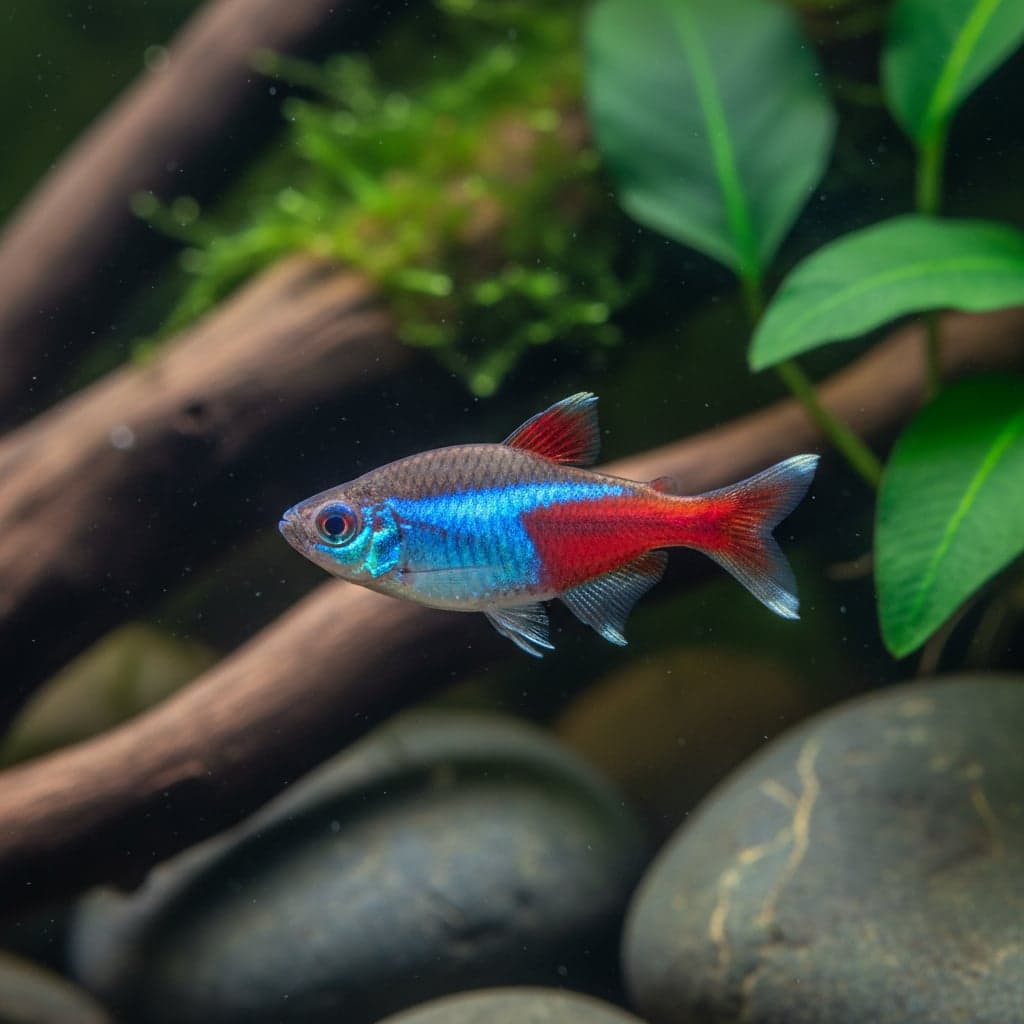
- Neon Tetras (Paracheirodon innesi)
- Guppies (Poecilia reticulata)
- Corydoras Catfish (Corydoras spp.)
- Rasboras (Rasbora spp.)
- Endler's Livebearers (Poecilia wingei)
Conversely, it is best to avoid larger or aggressive fish that could pose a threat or induce stress. Species to steer clear of include:
- Cichlids (e.g., Oscar, Jack Dempsey)
- Larger Barbs (e.g., Tiger Barb)
- Betta Fish (Betta splendens)
- Knight Gobies (Brachygobius spp.)
By maintaining a peaceful community of compatible species, Redstripe Tetras can thrive and exhibit their natural behaviors in a harmonious environment.
Breeding
Breeding Redstripe Tetras in captivity can be a rewarding endeavor with the right conditions. To encourage spawning, it is advisable to set up a breeding tank separate from the main community tank. This breeding setup should include a well-planted area to serve as a spawning site, with floating plants providing cover. The water parameters should be similar to their natural environment, which includes slightly acidic pH levels, soft water conditions, and a temperature ranging from 26°C to 28°C (78°F to 82°F).
During the spawning process, which typically occurs in the early morning, the males will chase the females around the tank. After fertilization, the eggs will scatter among the plants. It is crucial to remove adult fish after spawning, as they may consume the eggs. The eggs will hatch in approximately 24 to 36 hours, and after a few days, the fry can be fed infusoria or finely crushed flake food. Successful breeding and raising of the fry can be a fulfilling experience, further enriching the aquarium enthusiast's understanding of the species.
Common Health Issues
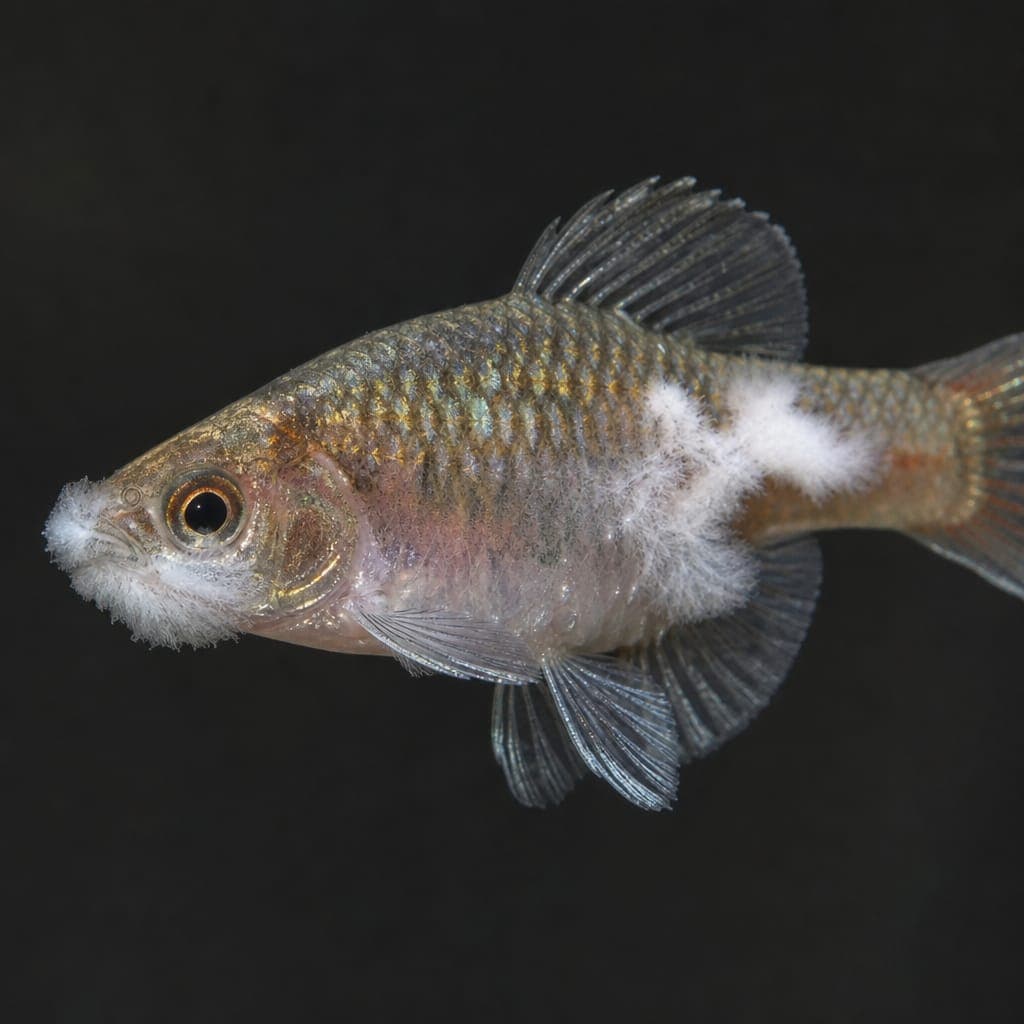
Like many freshwater fish, Redstripe Tetras may be prone to certain health issues. Common diseases include ich (ichthyophthirius multifiliis), fin rot, and body fungus. To prevent these ailments, maintaining optimal water quality is paramount, along with regular water changes and proper filtration.
Signs of stress or illness can include faded coloration, abnormal swimming patterns, or visible lesions on the body. Quarantine new arrivals before introducing them to the main aquarium to mitigate the spread of disease. Promptly addressing any signs of illness and managing water quality can significantly enhance the long-term health and vitality of Redstripe Tetras, ensuring they flourish in your aquarium setting.