The Reed Fish (Rope Fish): Erpetoichthys calabaricus
A serpentine, prehistoric-looking fish that resembles a rope. Peaceful, escape-prone, and full of personality.
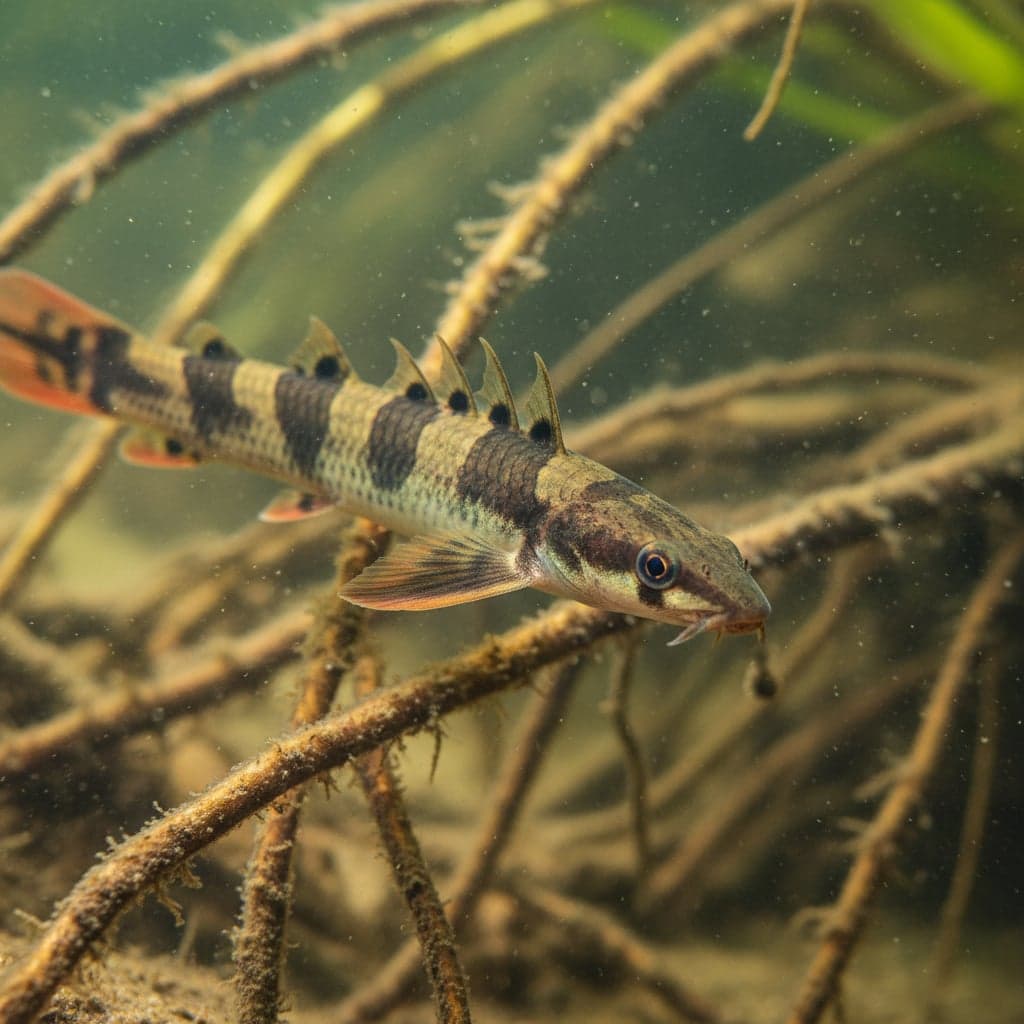
Reed Fish
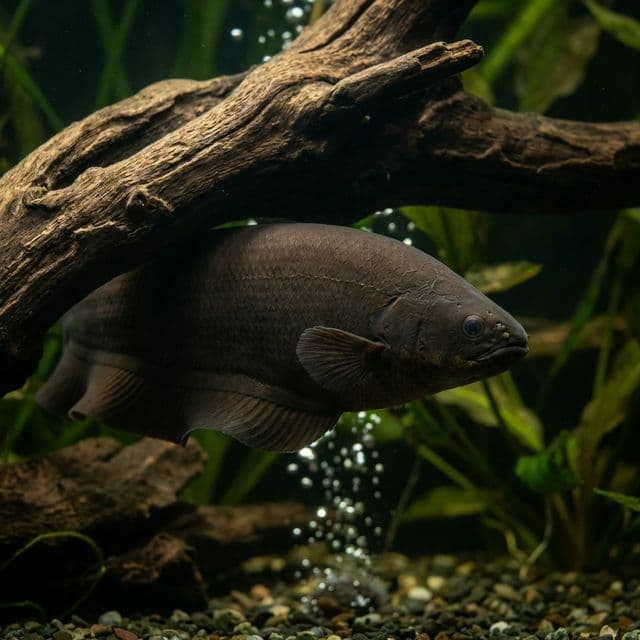
The Reed Fish, also known as the Rope Fish or Erpetoichthys calabaricus, is a fascinating freshwater species that captures the attention of aquarists and hobbyists alike with its serpentine body and unique swimming style. Originating from West Africa, this elongated fish can grow up to 15-20 inches (38-50 cm) in length, making it one of the more impressive inhabitants of the aquarium. Its striking pattern—characterized by a mix of earthy tones, dark spots, and a smooth, elongated body—mimics the appearance of a snake, which contributes to its visual appeal and has earned it a spot in many aquatic living spaces.
Due to its captivating look and intriguing behavior, the Reed Fish has gained a significant following in the aquarium hobby. It offers a blend of novelty and grace as it navigates through aquatic landscapes, often appearing to glide rather than swim. Beyond its aesthetic attributes, the Reed Fish carries ecological significance as a curious predator in its natural environment, contributing to the balance of aquatic ecosystems. As such, it's not just a popular choice for enthusiasts but also a critical species for education about aquatic biodiversity and conservation.
Natural Habitat & Origin
The Reed Fish is predominantly found in the slow-moving waters of West African countries such as Nigeria, Cameroon, and parts of the Congo River Basin. Typically residing in blackwater and clearwater environments, these fish thrive in waters with a high level of leaf litter and submerged vegetation, which provides both shelter and food sources. The natural habitat's dense plant life and slow currents offer protection from predation and allow the Reed Fish to hunt effectively.
These fish favor shallow areas where the water is rich in organic matter, such as the edges of swamps and rivers, where the water often has a low pH and soft characteristics. This delicate ecosystem is essential for their growth and survival, with water that holds a significant amount of tannins, creating a slightly acidic environment that mimics their native habitat and supports a diverse array of microfauna.
Care Requirements
To successfully maintain the Reed Fish in an aquarium setting, specific water parameters must be closely monitored. The ideal pH range for their habitat is between 6.0 and 7.5, with a temperature between 75°F and 82°F (24°C-28°C). Water hardness should be kept at a low to moderate level, ideally between 3-12 dGH, as they are accustomed to softer waters in their natural environment.
Regarding tank setup, a minimum aquarium size of 75 gallons is recommended, given that Reed Fish can grow quite large. A soft substrate, such as sand or fine gravel, is preferable as it mimics their natural habitat and provides
comfort. The lighting should be subdued, as bright lights can stress these fish; the use of floating plants or surface cover is beneficial. Plus, a heavily planted tank with ample hiding places, such as driftwood and aquatic plants, will create an environment where Reed Fish feel secure and can exhibit natural foraging behavior.
Diet & Feeding
Reed Fish are primarily carnivorous but exhibit omnivorous traits, making them adaptable feeders in captivity. They thrive on a varied diet that includes high-quality pellets, freeze-dried, or frozen foods like bloodworms, brine shrimp, and daphnia. Live foods are also beneficial and mimic their natural hunting behavior, stimulating their instincts and ensuring adequate nutrition.
While they will consume flakes, it's crucial that these are supplemented with protein-rich foods to promote optimal health. Feeding should be done multiple times a week but moderated to prevent overfeeding, which can lead to health issues such as obesity and water quality deterioration. Observing their feeding habits can also aid in gauging the right amount, as these fish are often shy and may take time to adapt to new feeding routines.
Behavior & Temperament
The Reed Fish is generally a peaceful species, making it a lovely addition to community tanks. However, they are also known for their somewhat solitary nature; they do not exhibit strong schooling behavior and may prefer to explore their environment independently. Despite being relatively calm, they can display territorial behavior, especially during feeding time or if kept in smaller spaces.
These fish are predominantly bottom dwellers but will occasionally venture into the mid-water column to search for food or explore. Given their elongated shape, the Reed Fish often seeks areas within the tank where they can hide and feel secure, such as among plants or behind decor. The unique way they swim—often using their dorsal and anal fins to propel themselves through the water—provides an entertaining observation point, making them a dynamic addition to any aquatic setting.
Tank Mates
When choosing tank mates for the Reed Fish, it is essential to select species that share similar water parameter requirements and are not overly aggressive. Compatible tank mates include peaceful community species such as Angelfish, Gouramis, Tetras, and some species of Botia, which can coexist harmoniously.
However, caution should be exercised when introducing small and fin-nipping species, such as some Barbs or Drades, which may provoke the Reed Fish. Additionally, avoid keeping them with very aggressive or larger predatory species, as Reed Fish can become stressed or even be preyed upon. Ideally, maintain a peaceful community ambiance to enrich the overall aquarium experience.
Breeding
Breeding Reed Fish in captivity can be challenging; they are not commonly bred outside of their natural habitats. Their spawning habits are best understood in the wild, where they typically seek shallow, dense areas during the breeding season. To create conditions conducive to spawning, maintain pristine water quality, including stable temperatures and suitable pH levels.
Furthermore, mimicking the rainy season's environment with increased water flow and periodic changes to water parameters may stimulate breeding behavior. Often, a separate breeding tank with fine-leaved aquatic plants or spawning mops can facilitate the laying of eggs. After spawning, it’s imperative to remove the adult fish, as they may eat their eggs. The newly hatched fry will require small food such as infusoria or powdered foods until they are large enough to eat larger fare.
Common Health Issues
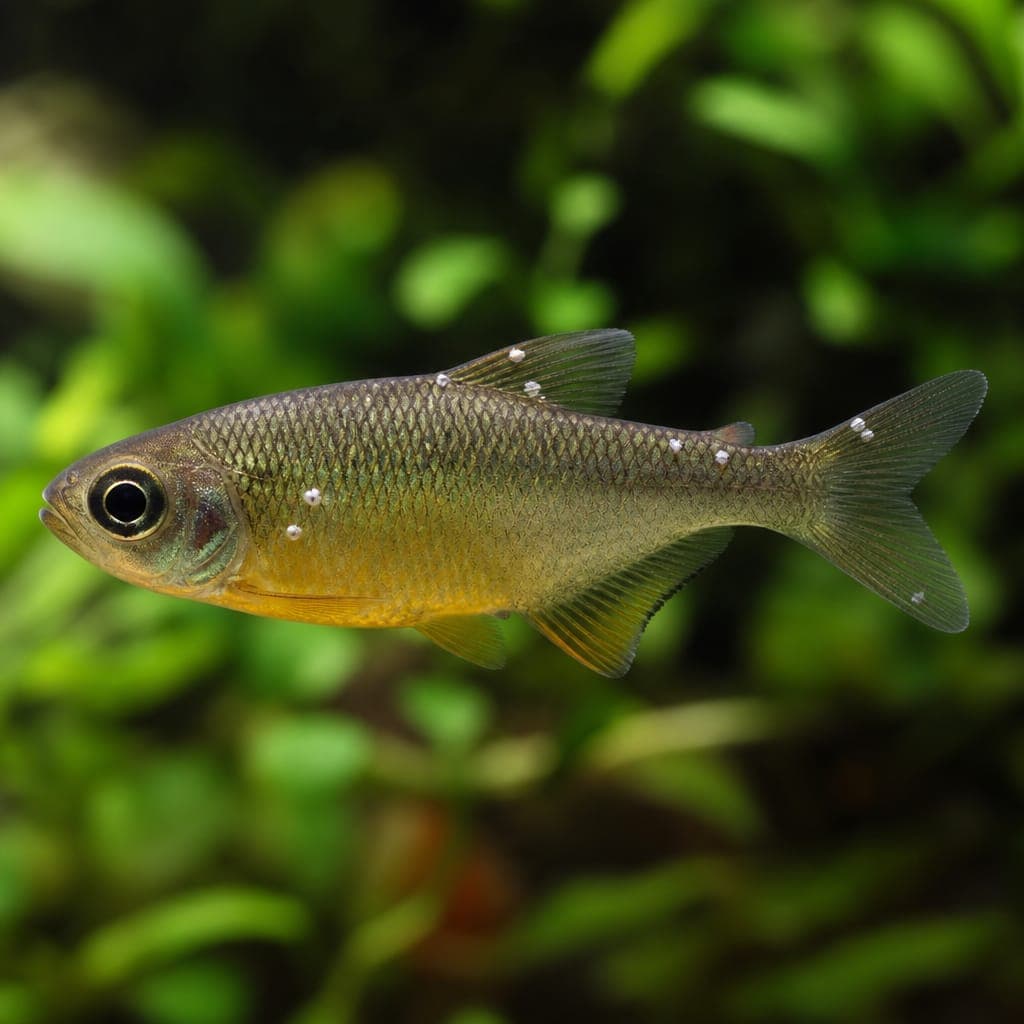
Like all fish, Reed Fish are susceptible to a few health issues, particularly if the aquarium environment is not adequately maintained. Common ailments include ich (white spot disease), fin rot, and dropsy. Ich arises from poor water quality and stress, hence regular monitoring and water changes are essential to prevent outbreaks.
To ensure good health, focus on maintaining stable water parameters, and provide a balanced diet. Regular tank cleanings and quarantine procedures for new arrivals can further mitigate the risk of introducing diseases. Regular checks for signs of stress or illness are critical for early intervention and treatment. Using high-quality foods and avoiding overstocking can also help ensure the Reed Fish maintains optimal health in your aquarium.