Reed Tetra: Hyphessobrycon elachys
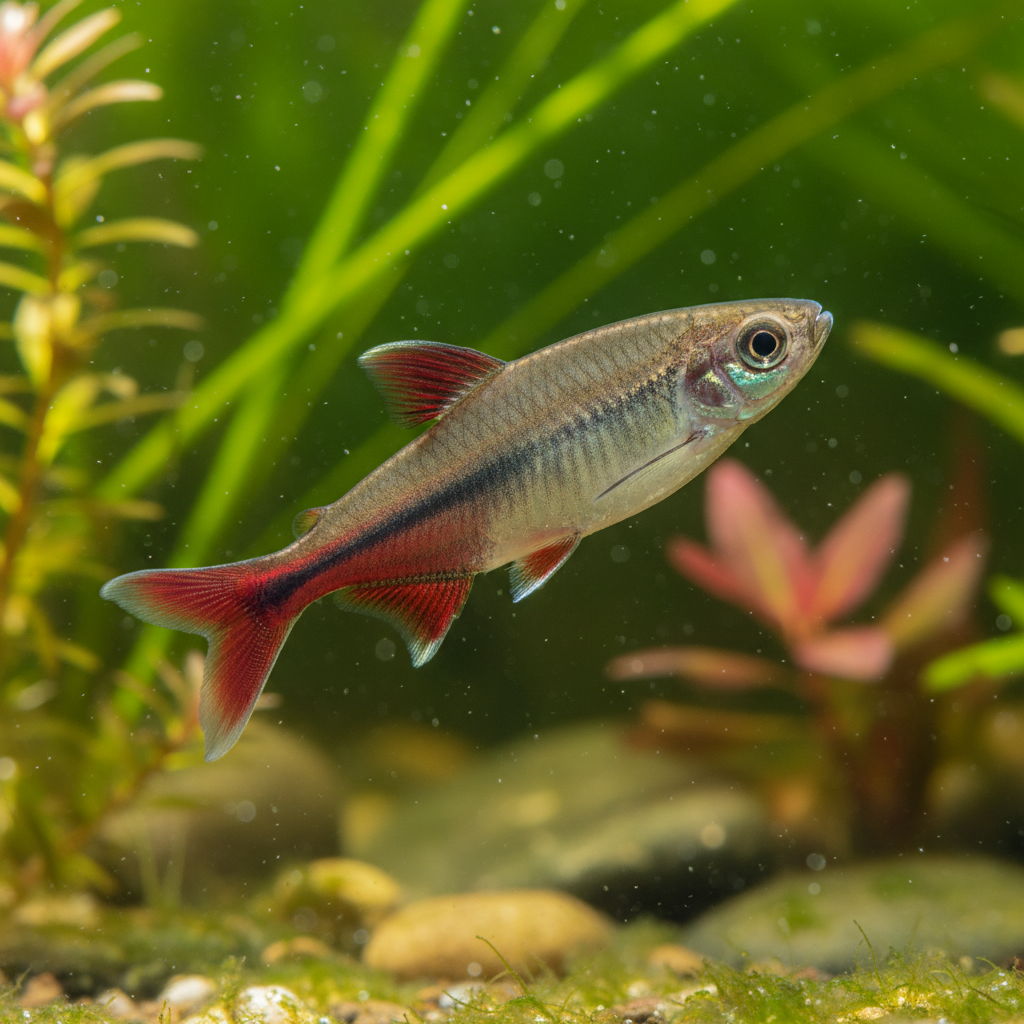
A spectacularly tiny, deeply peaceful schooling fish featuring beautifully oversized dorsal and anal fins extending from a silver body.

Reed Tetra
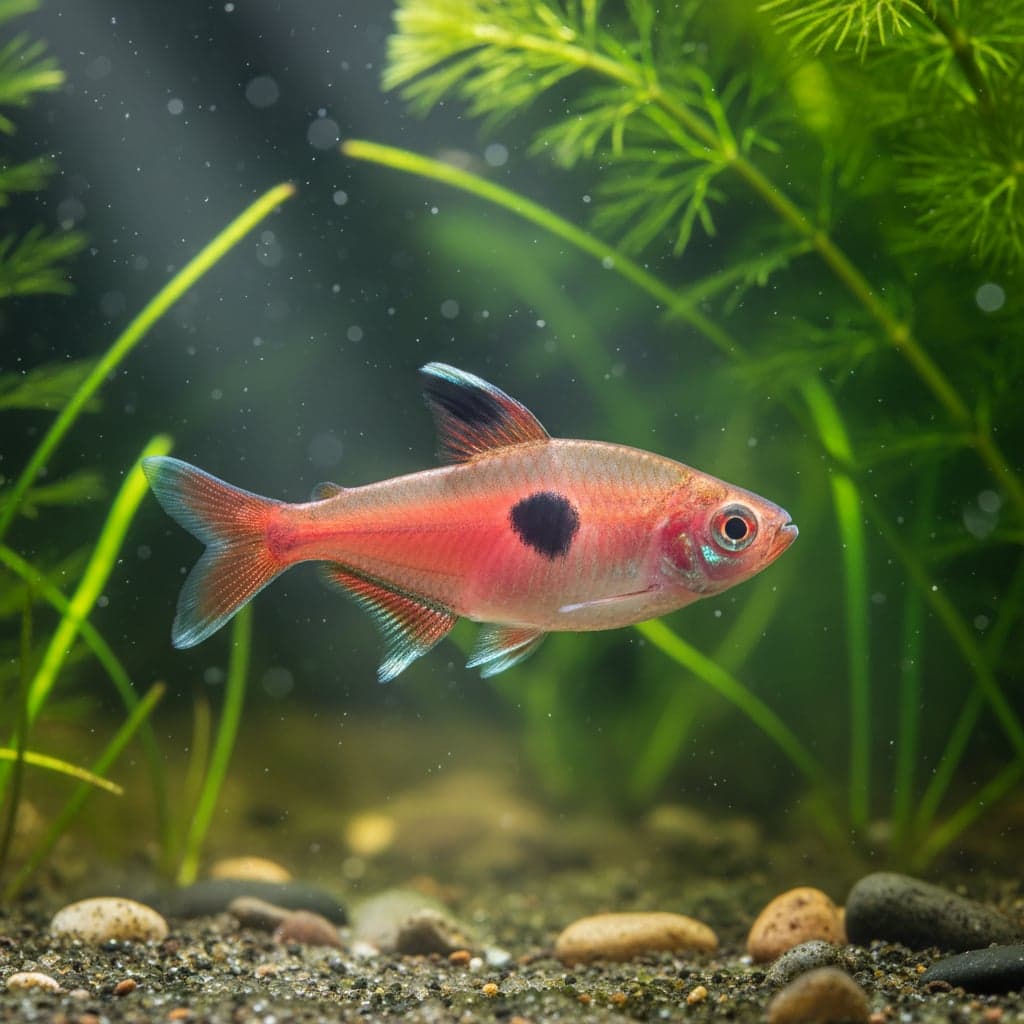
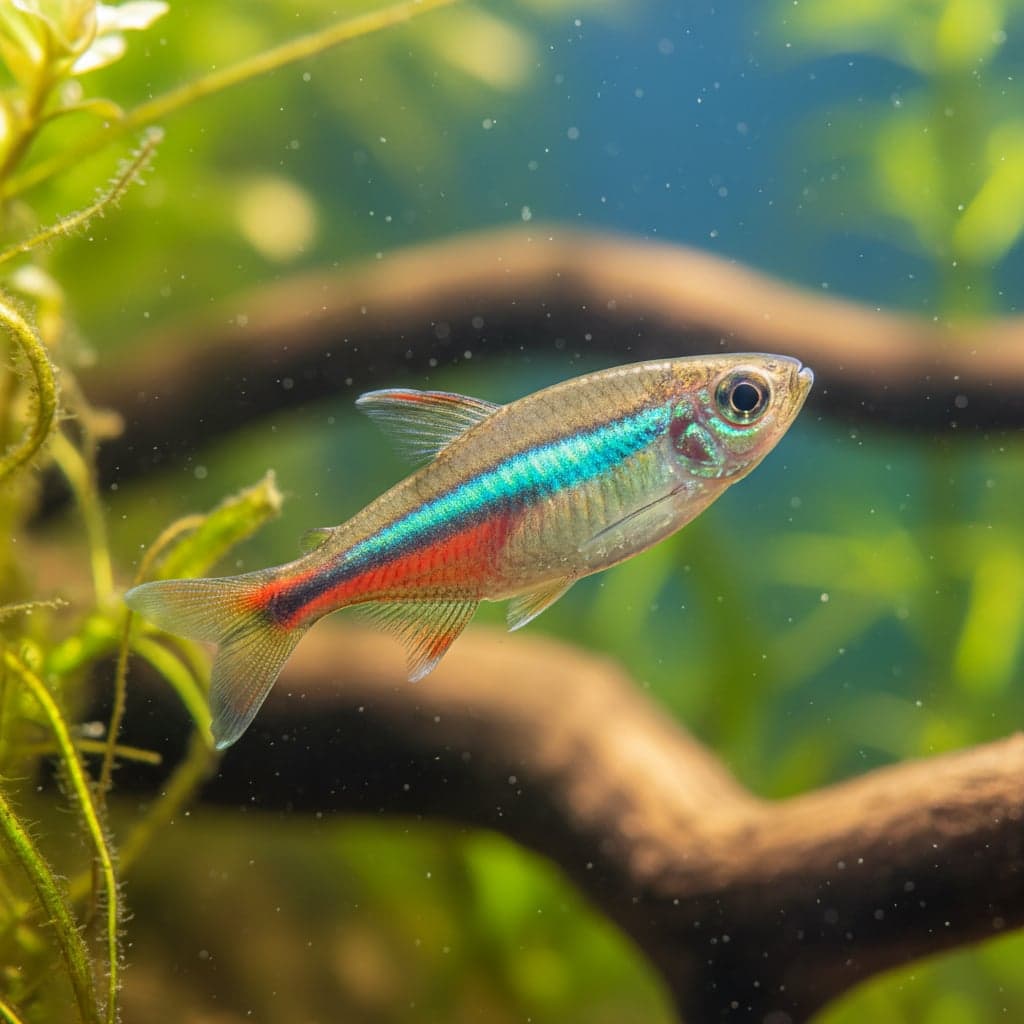
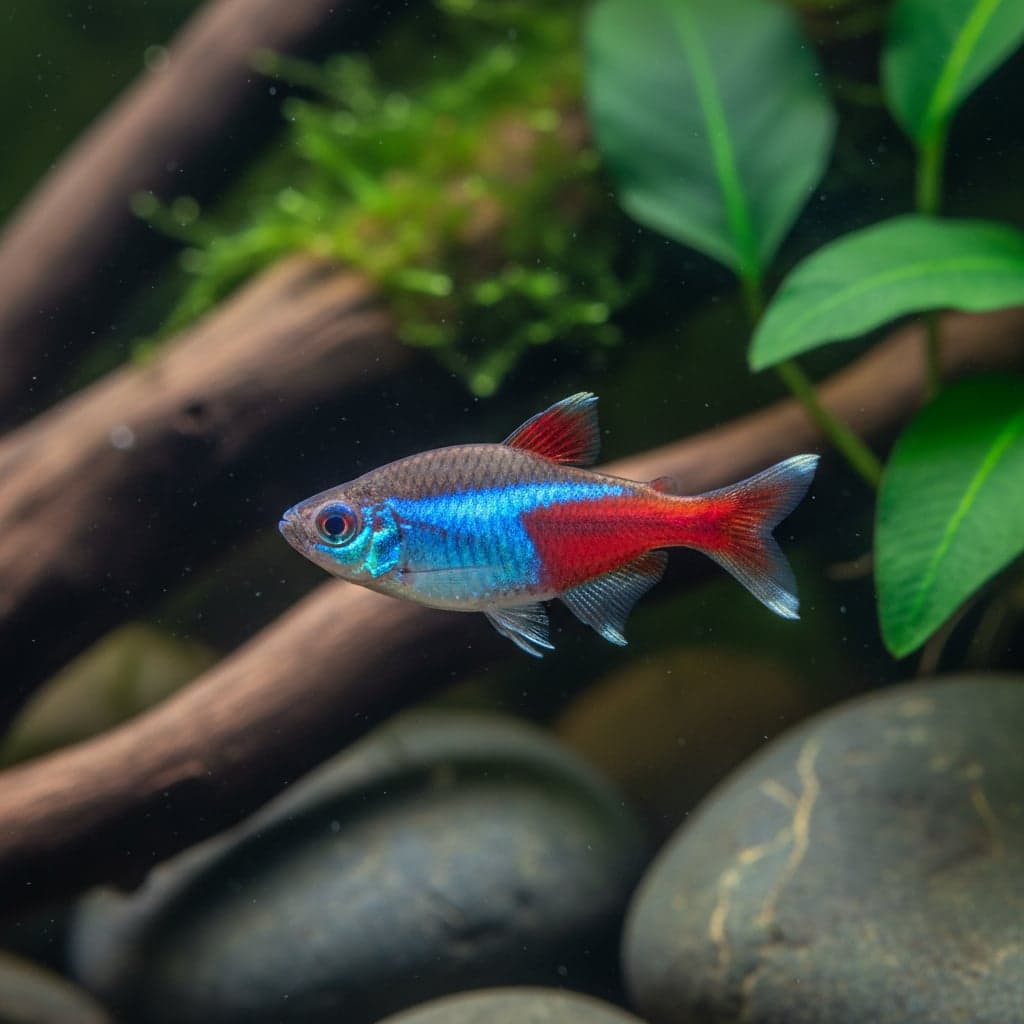
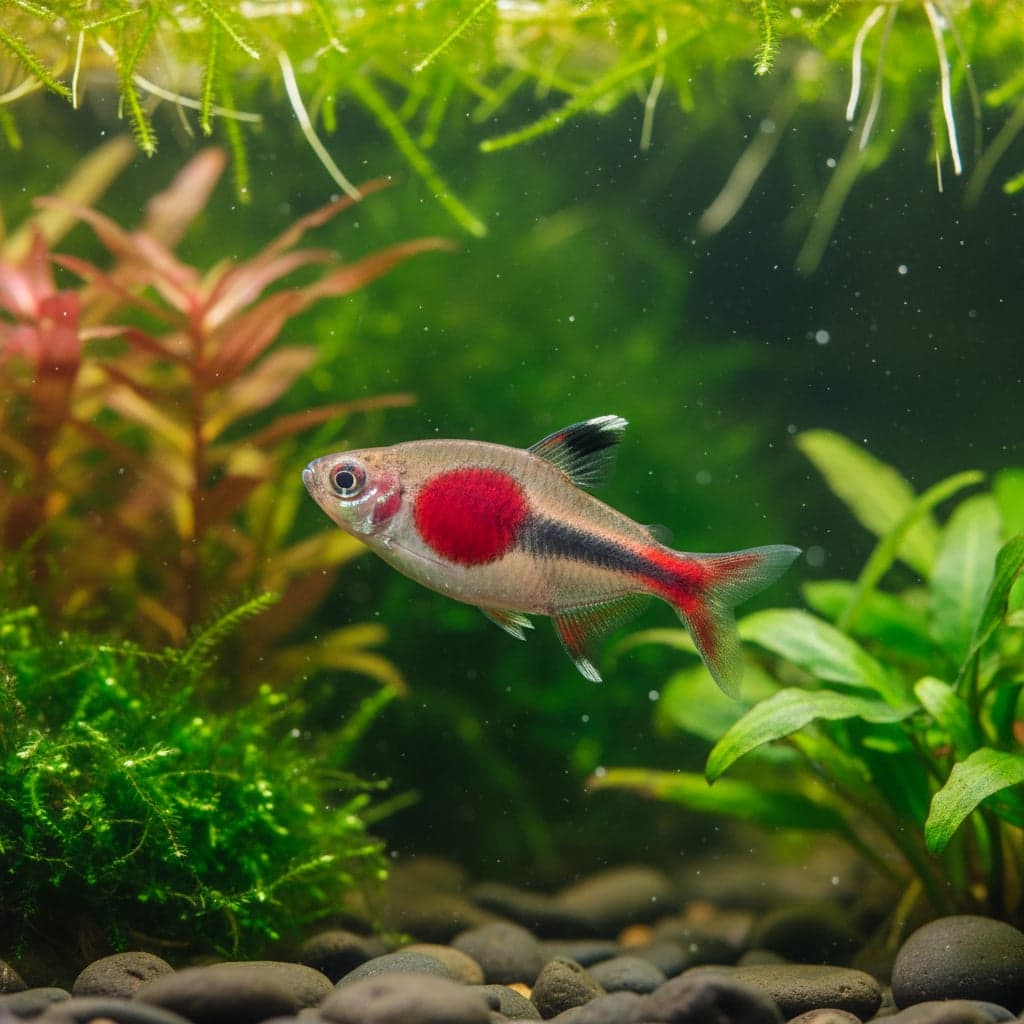
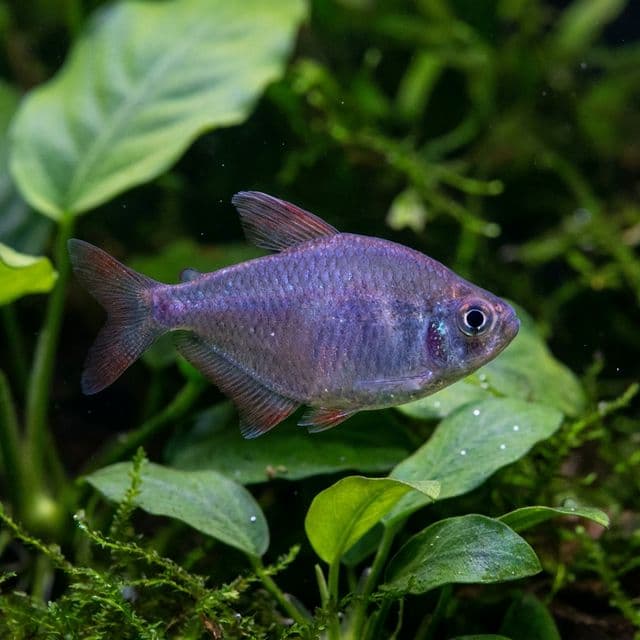
The Reed Tetra, scientifically known as Hyphessobrycon elachys, is a visually stunning species that captivates aquarists with its striking appearance and lively behavior. Notable for their iridescent bodies and vibrant coloration, Reed Tetras typically exhibit a beautiful gradient of yellow, orange, and a subtle sheen of iridescent blues. Their small size, usually growing up to 1.5 inches, coupled with their energetic swimming patterns, makes them a popular choice for aquarists looking to add dynamic, colorful species to their setups. The visual appeal of Reed Tetras is accentuated by their slim, elongated bodies and delicate fins, providing a graceful display in any aquarium environment.
In the aquarium hobby, Reed Tetras are significant not merely for their beauty but also for their peaceful nature and adaptability. As schooling fish, they thrive in groups, promoting lively interactions and adding movement to the tank. Their compatibility with a wide assortment of other fish species makes them an excellent choice for community tanks. Moreover, their resilience to varying water conditions allows for versatility in aquascaping and tank setups. For novice and experienced fishkeepers alike, Reed Tetras offer an engaging experience and contribute positively to the overall ecosystem of the aquarium.
Natural Habitat & Origin
The Reed Tetra is native to the freshwater rivers and tributaries of South America, primarily found in regions of Brazil, Colombia, and Peru. Their natural habitat consists of slow-moving waters with abundant vegetation, typically characterized as blackwater environments. These waters are rich in organic material and humic substances, leading to lower pH levels and tinted water that provides the Fish with natural camouflage and safety from predators. The dense vegetation in their habitat also serves as a crucial factor for spawning and provides shelter for young fry, enhancing their survival rates in the wild.
In the aquarium setting, replicating the Reed Tetra's natural habitat involves mimicking these water parameters to promote their health and well-being. Through the use of driftwood, leaf litter, and live plants, aquarists can create an environment that reflects the peaceful, intricate ecosystems of their origin, fostering their natural behaviors and encouraging a stress-free existence.
Care Requirements
To keep Reed Tetras healthy, it is essential to maintain optimal water parameters. The preferred pH range is between 5.5 and 7.0, with a temperature of 72°F to 82°F (22°C to 28°C). The hardness of the water should ideally be kept between 2 to 10 dGH. When setting up a tank for these fish, a minimum size of 10 gallons is recommended for a small school; larger tanks are beneficial if housing multiple species.
The tank's substrate can include fine sand or dark gravel to simulate the soft, organic nature of their natural habitat. Adequate lighting is important; soft, diffuse lighting is preferable to avoid stressing the fish and to highlight their colors. Live plants such as Amazon swords, Java moss, and floating vegetation help create a suitable environment while improving water quality. Providing hiding spots, such as driftwood and dense planting, can also reduce stress and enhance their well-being.
Diet & Feeding
Reed Tetras are omnivorous, benefiting from a varied diet that can include both plant and animal matter. A high-quality flake food or small pellets designed for small community fish serves as a solid base for their diet. Additionally, incorporating frozen or live foods, such as daphnia and brine shrimp, can complement their nutrition and encourage a natural foraging behavior. Regularly offering a variety of food types can enhance their color and vitality while promoting overall health.
It’s advisable to feed Reed Tetras small amounts several times a day rather than one large meal to mimic their natural feeding patterns, ensuring that all fish in the school have access to food. Observe their eating habits closely, as uneaten food can accumulate and degrade water quality if not promptly removed.
Behavior & Temperament
Reed Tetras are known for their peaceful disposition, making them suitable for community tanks. They thrive in schools of at least six or more, displaying a social nature that enhances their confidence and activity levels. Within a suitably sized tank, they tend to occupy various levels of the aquarium, often seen swimming mid-level and near the surface, making their behaviors quite dynamic and engaging to observe.
Furthermore, Reed Tetras exhibit minimal aggression towards other species, which allows for a diverse array of tank mates without significant territorial conflicts. It is essential, however, to ensure they are not kept with overly aggressive or larger species that may cause stress or predation.
Tank Mates
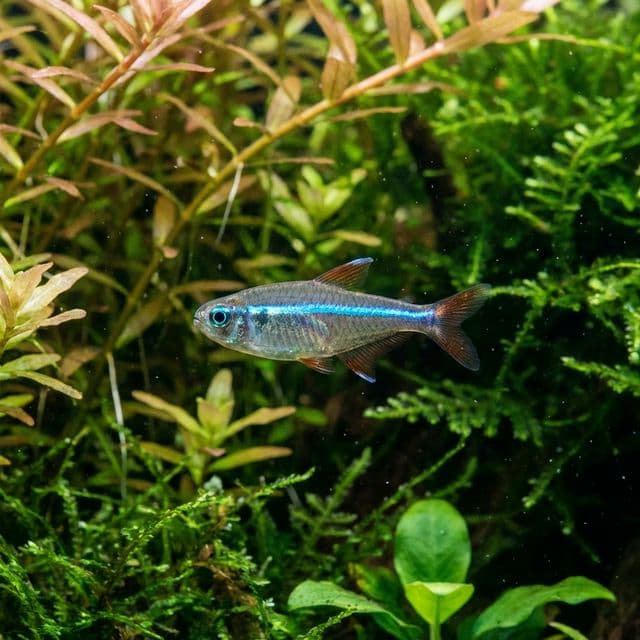
When considering tank mates for Reed Tetras, compatibility is crucial to ensure a harmonious environment. Ideal companions include small, peaceful species such as Guppies, Corydoras catfish, Endler’s livebearers, and Neon Tetras. Other small tetras, rasboras, and even peaceful barbs can coexist well in a community setup.
However, avoid pairing Reed Tetras with larger fish or those known for aggressive behaviors, such as Cichlids or larger barbs. Such species may intimidate or prey on Reed Tetras, causing stress and potential injury.
Breeding
Breeding Reed Tetras in captivity can be a rewarding experience for aquarists, albeit with some specific requirements. The first step is to set up a separate breeding tank, usually around 10 gallons, with soft, slightly acidic water (pH 5.5-6.5) and a temperature of 76°F to 80°F (24°C to 27°C). A fine-leaved spawning medium, such as spawning mops or dense floating vegetation, can be provided to encourage breeding.
The spawning behavior in Reed Tetras is often initiated by the females, who will take on a plumper appearance as they prepare to lay eggs. The male will then court her by swimming alongside and displaying his colors. After spawning, the fertilized eggs will typically hatch within 24-36 hours. It’s crucial to separate the parents from the fry following spawning, as they may consume the eggs or young. Adequate care and high-quality, finely crushed food will support the healthy growth of the fry.
Common Health Issues
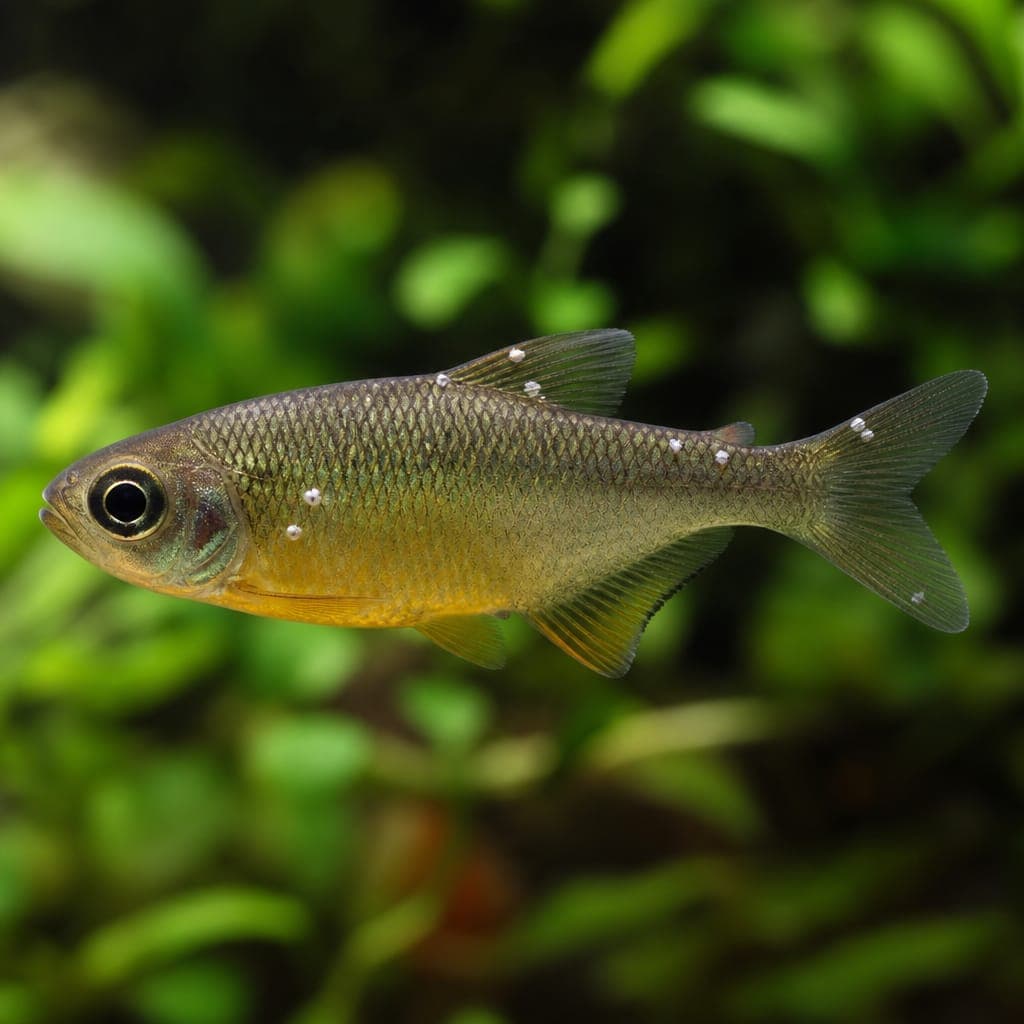
Reed Tetras are generally hardy fish; however, they can be susceptible to certain health issues. Common diseases include ich (white spot disease), fin rot, and various parasitic infections. Maintaining high water quality through regular tank maintenance and monitoring is crucial to preventing these problems.
Quarantining new fish before introducing them to the main tank can also help minimize the risk of disease. A varied diet combined with a stress-free environment helps enhance their immune system, making them less likely to fall ill. Should health issues arise, prompt treatment and possibly introducing medications into the aquarium can aid in recovery. Regular observation and care will go a long way in ensuring the wellbeing of your Reed Tetras.