Reticulatus Stingray: Potamotrygon reticulata
A spectacularly patterned, venomous freshwater stingray possessing highly intelligent behavior and massive space requirements.
Reticulatus Stingray
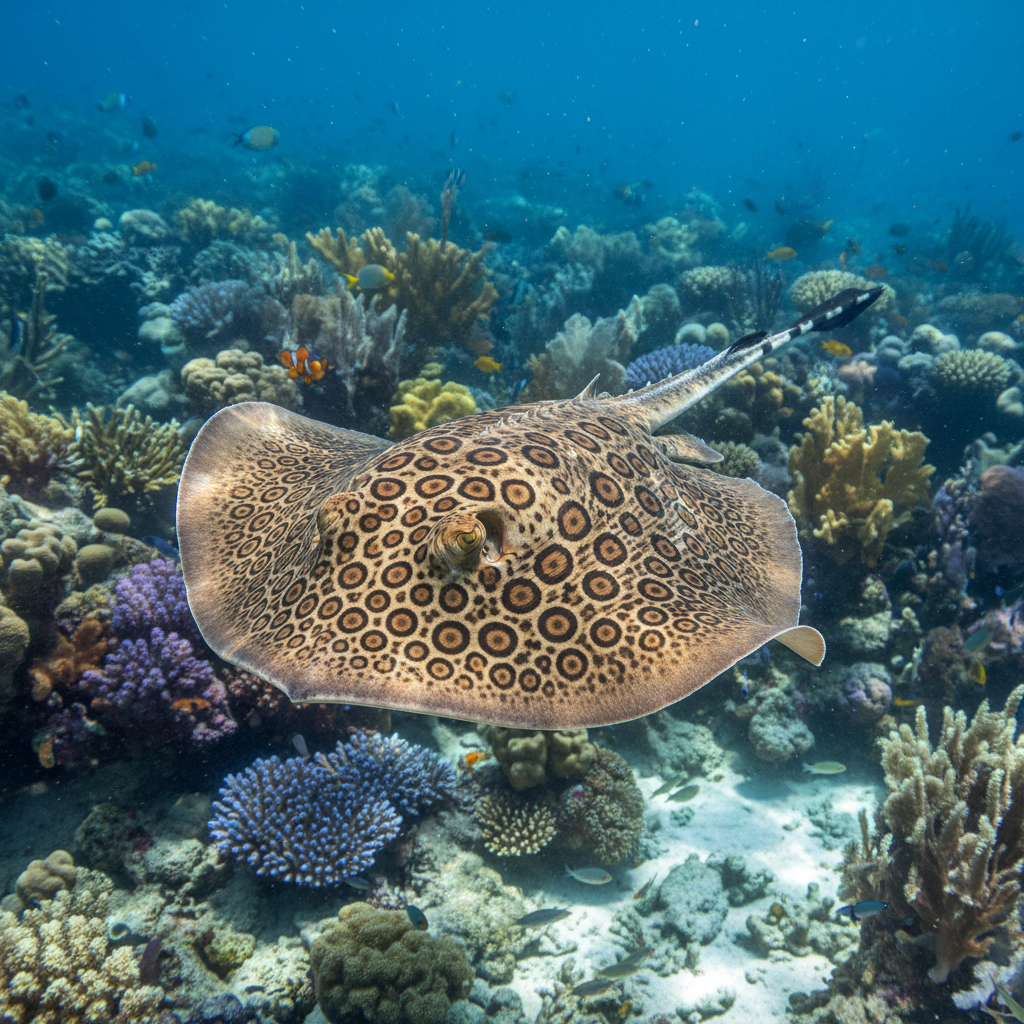
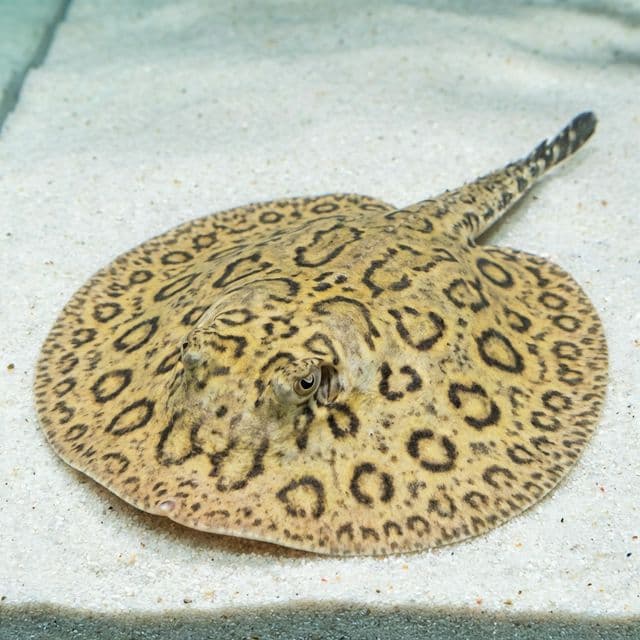
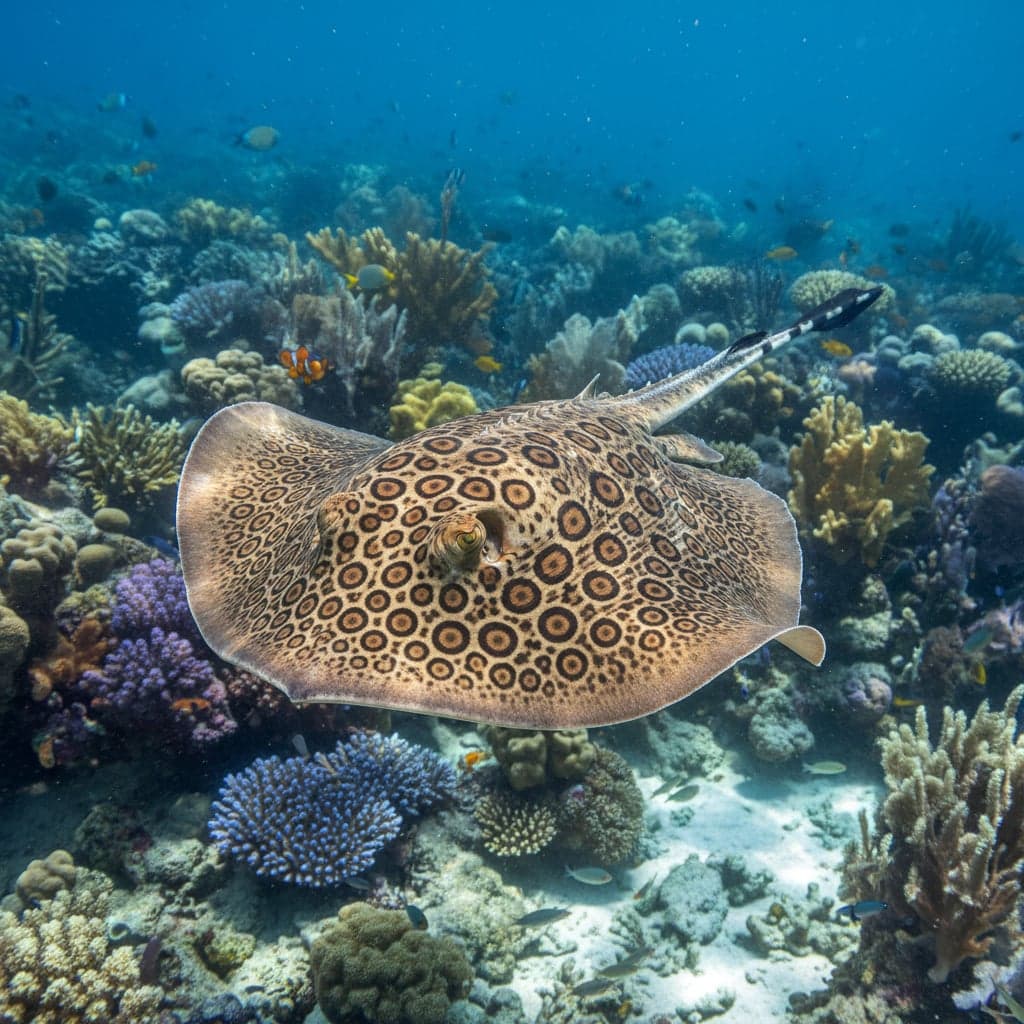
The Reticulatus Stingray (Potamotrygon reticulata) is a captivating freshwater species known for its unique appearance and enchanting behavior. These rays are primarily recognized for their striking coloration, which features intricate patterns and a combination of dark and light shades that resemble delicate lacework. The visual appeal of these rays makes them a highly sought-after species among aquarists and collectors, drawing admiration for their graceful movements along the substrate. Their flat, disc-like bodies and long, whip-like tails enable them to glide effortlessly through the water, adding a touch of elegance to any aquarium setting.
Beyond their beauty, Reticulatus Stingrays hold significant ecological and cultural importance. Found in the Amazon Basin, these rays play a vital role in their natural habitats, contributing to the balance of the freshwater ecosystems. In the aquarium hobby, they symbolize the allure of biotope aquascaping, encouraging enthusiasts to recreate their indigenous environments. Their unique care requirements and captivating behavior present a rewarding challenge for dedicated aquarists, solidifying their status as a prized species in aquaristics.
Natural Habitat & Origin
The Reticulatus Stingray is native to the Amazon River Basin, specifically in areas of Brazil, Peru, and Colombia. This geographical region is characterized by its diverse habitats, where they thrive in slow-moving rivers, streams, and flooded forests. The water in these environments is typically soft and acidic, categorized as blackwater or clearwater, influenced by submerged organic matter and high levels of dissolved tannins. The natural habitat often features a sandy or muddy substrate, dense vegetation, and submerged structures, which provide shelter and foraging opportunities for these unique rays.
Understanding the natural habitat of the Reticulatus Stingray is crucial for recreating a successful aquarium environment. The factors contributing to their well-being include water quality, temperature, and potential hiding spots that mimic their wild homes. The delicate balance of these elements not only enhances the health of the stingray but also promotes a thriving community in the aquarium.
Care Requirements
Caring for the Reticulatus Stingray necessitates a well-maintained aquarium that mirrors their natural conditions. The ideal water parameters include a pH range of 6.0 to 7.5, a temperature between 75°F and 82°F (24°C to 28°C), and soft water with a hardness of 1-10 dGH. A minimum tank size of 100 gallons is recommended to accommodate their adult size and provide adequate swimming space. The substrate should consist of fine sand or smooth gravel to prevent injury, while driftwood and rocks can be utilized to create hiding spots and mimic their natural habitat.
Lighting is another essential component of the tank setup, with subdued lighting preferred to recreate the shaded environments of their natural homes. Live plants can enhance the aesthetic appeal and offer additional cover; however, it's important to secure them well to prevent uprooting by the stingray. Regular water changes and filtration are crucial in maintaining water quality, as Reticulatus Stingrays are sensitive to changes in their environment.
Diet & Feeding
The Reticulatus Stingray has a carnivorous diet in the wild, primarily feeding on small invertebrates, crustaceans, and fish. In captivity, they thrive on a varied diet that mimics their natural feeding habits. High-quality pellets and flakes may be offered, but live and frozen foods should make up the bulk of their diet. Suitable options include bloodworms, shrimp, earthworms, and other small aquatic organisms to provide the necessary nutrients for growth and health.
Feeding should be done several times a week, ensuring that food is appropriately sized for the stingray's mouth, which is located on the underside of their body. It's vital to monitor their eating habits closely, as improper diet or overfeeding can lead to health issues. Providing a balanced diet will enhance their coloration, promote growth, and improve overall vitality, making it an essential aspect of their care.
Behavior & Temperament
Reticulatus Stingrays are generally known for their passive nature, making them suitable for community tanks. They exhibit solitary behavior and prefer to stay near the substrate, where they can burrow into the sand or hide among rocks and plants. Although they are not aggressive, they may display territorial tendencies when kept in smaller spaces or in tanks housing other bottom-dwelling species. It’s important to ensure they are given enough room to swim freely without feeling threatened.
In terms of tank placement, the Reticulatus Stingray spends most of its time near the bottom of the aquarium, utilizing vertical space only occasionally. This encourages aquarists to create a varied tank layout that allows for both horizontal and vertical swimming areas while prioritizing the substrate level where these rays feel most secure.
Tank Mates
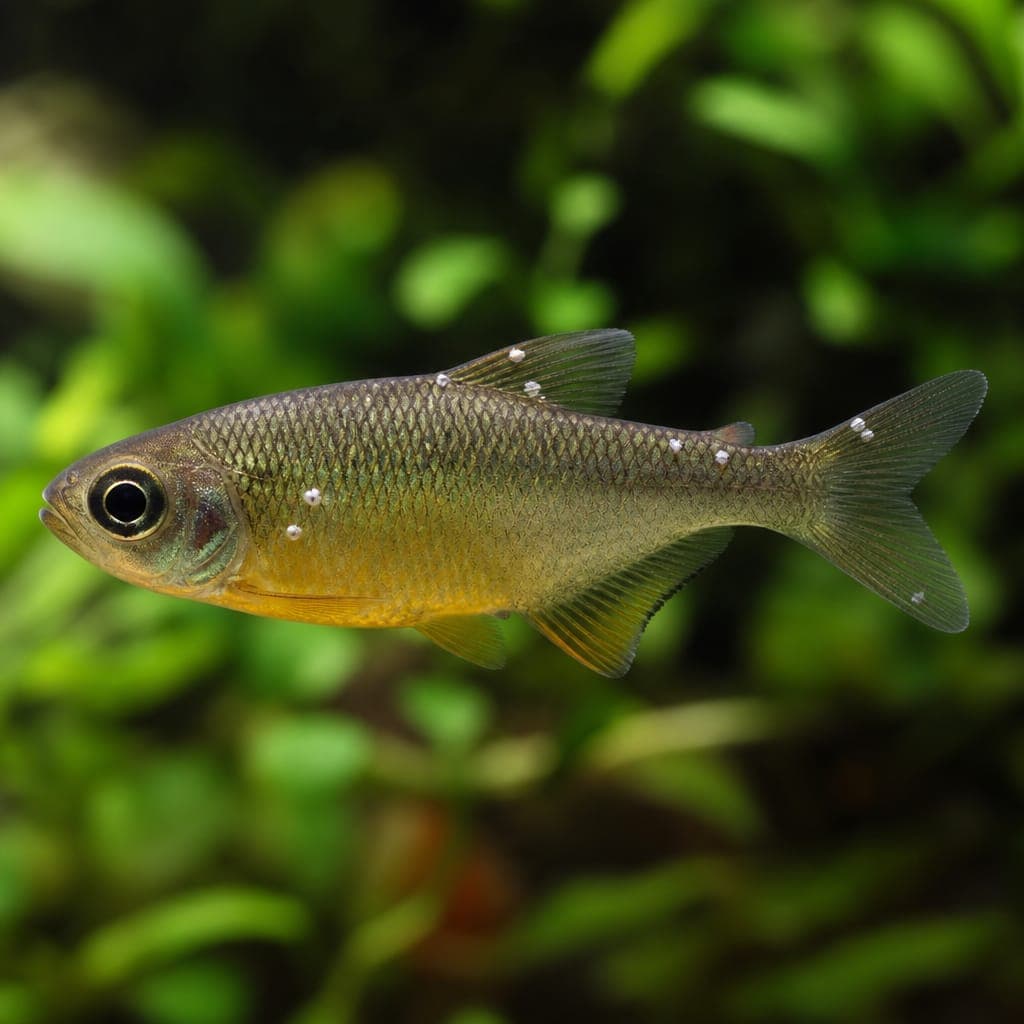
When selecting tank mates for the Reticulatus Stingray, it's important to choose species that thrive in similar water conditions and do not display aggressive behaviors. Ideal companions include larger, peaceful fish such as various species of tetras, larger catfish, and cichlids that are not known to nip fins. Additionally, other non-aggressive bottom-dwellers can coexist harmoniously.
Species to avoid include small, aggressive fish such as some barbs and smaller cichlids, which may stress or harm the stingray. It's also advisable to keep them away from smaller fish that could be viewed as prey. Maintaining a peaceful community requires careful planning and awareness of the temperaments of all tank inhabitants.
Breeding
Breeding Reticulatus Stingrays in captivity can be quite challenging but rewarding for dedicated aquarists. Successful spawning typically occurs in well-maintained conditions, with optimal water parameters mirroring their natural habitat. Ideal conditions include slightly elevated temperatures, well-oxygenated water, and a spacious breeding area with soft substrate.
Males exhibit courtship behaviors, which may include swimming closely alongside females and performing rhythmic movements or gentle nudging. Following successful mating, the female will carry the embryos internally for a period of around 3 to 4 months before giving birth to live young, known as pups. Because the pups are relatively large at birth and do not require special care, maintaining a separate nursery tank may be beneficial to protect them during their initial stages as they adapt to their new environment.
Common Health Issues
Reticulatus Stingrays, like many aquatic species, can be susceptible to various health issues. Common diseases include ich (ichthyophthirius multifiliis), fin rot, and bacterial infections. These issues may arise from poor water quality, inadequate tank conditions, or stress. Prevention is paramount; maintaining optimal water parameters, regular tank maintenance, and providing a balanced diet will go a long way in promoting the overall health of the stingray.
Additionally, monitoring stress levels by ensuring a peaceful tank environment and avoiding overcrowding is essential to preventing health problems. If signs of illness are observed, prompt treatment with appropriate medications and adjustments to water quality can significantly improve recovery outcomes. Keeping the tank environment stable, clean, and secure is the best defence against common health issues faced by the Reticulatus Stingray.