Reynolds' Cory: Corydoras reynoldsi
A delicate, highly sought-after dwarf corydoras uniquely patterned with three distinct, bold black spots.

Reynolds' Cory
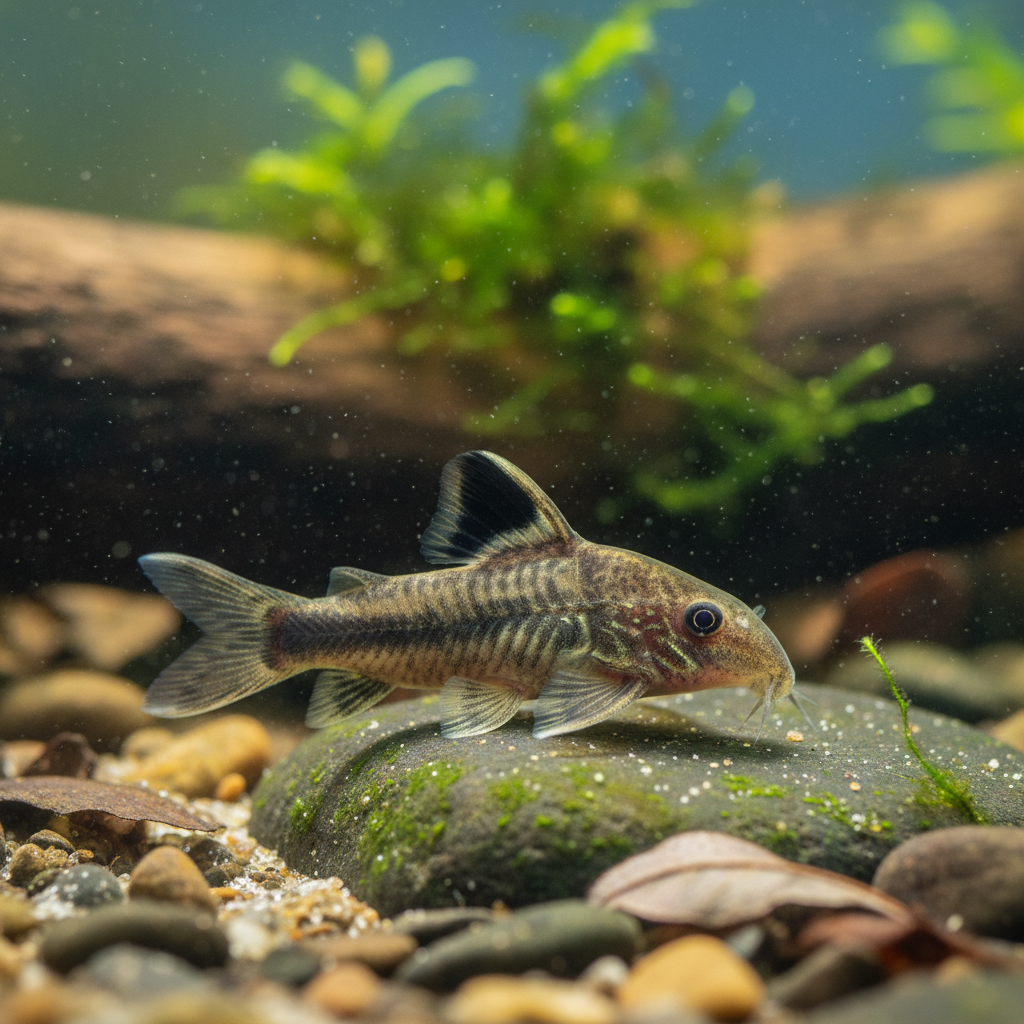
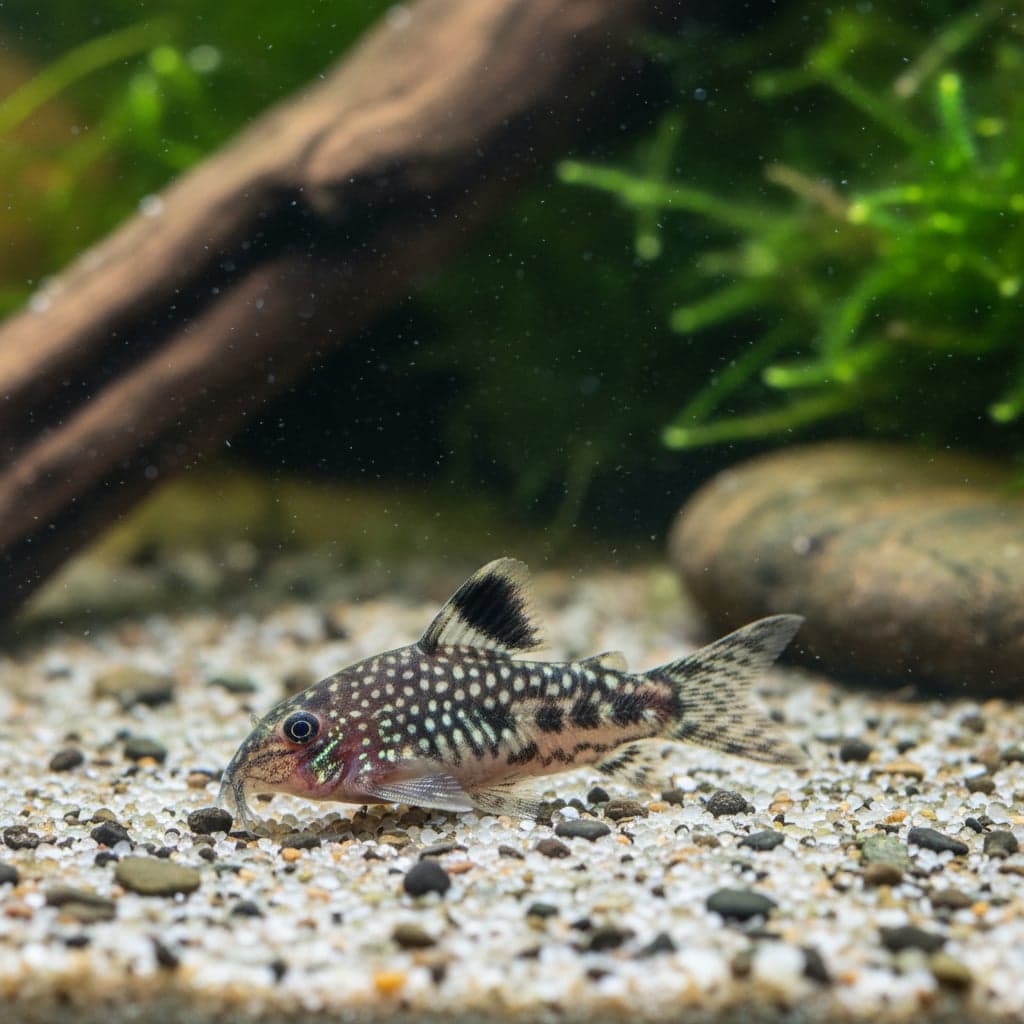
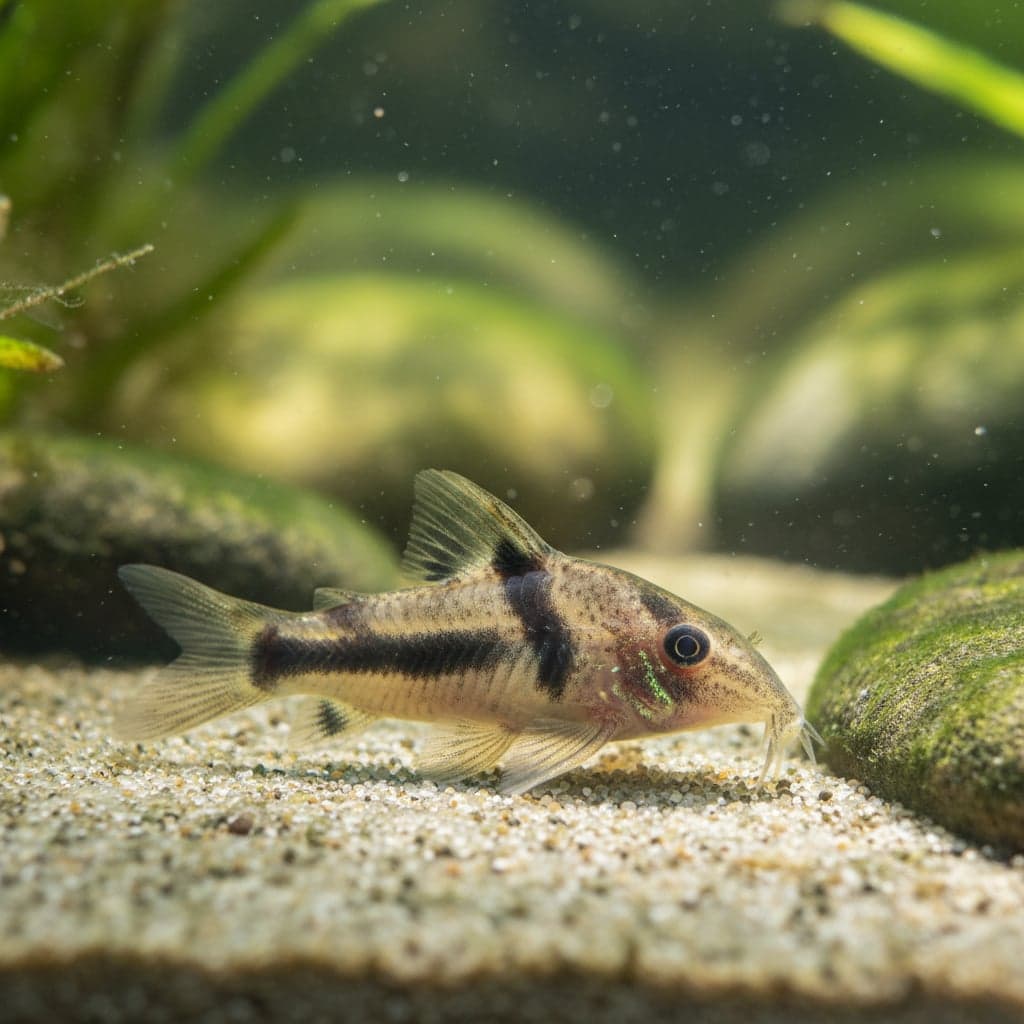
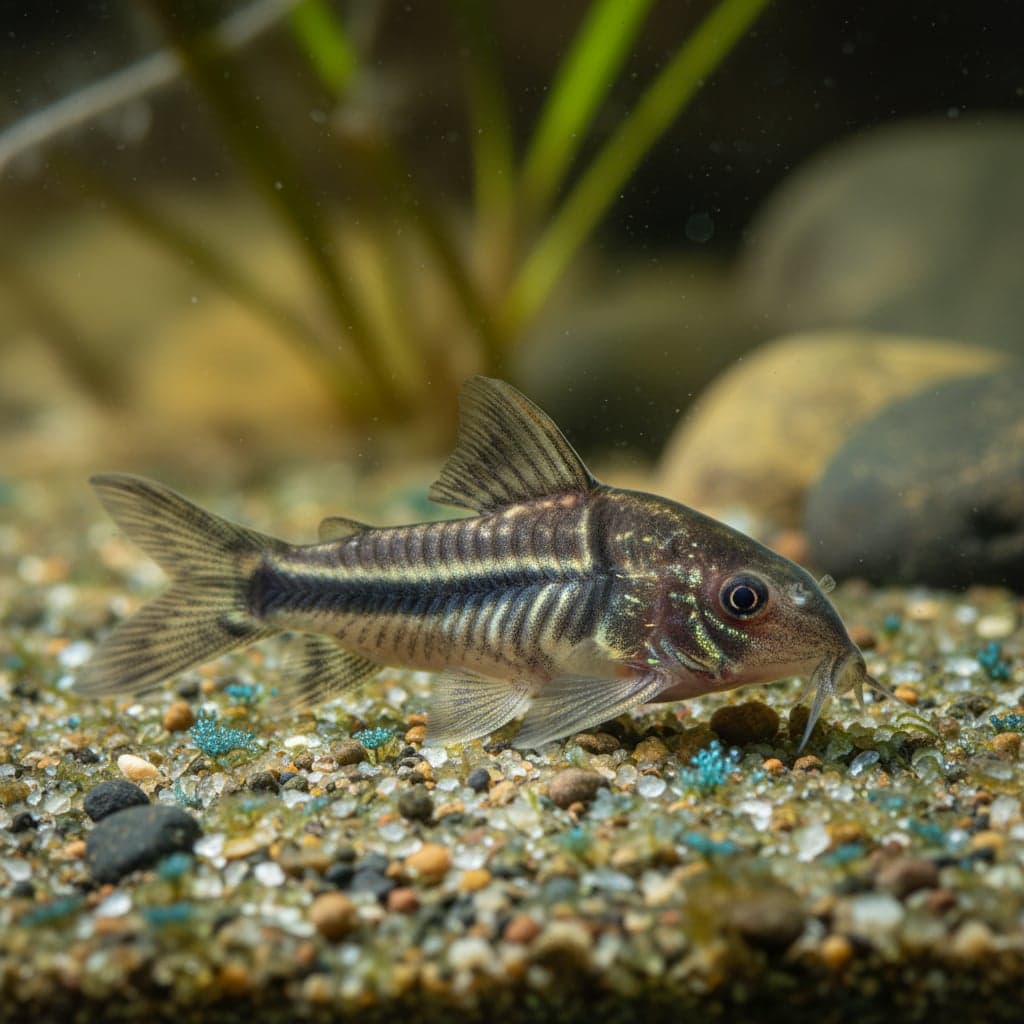
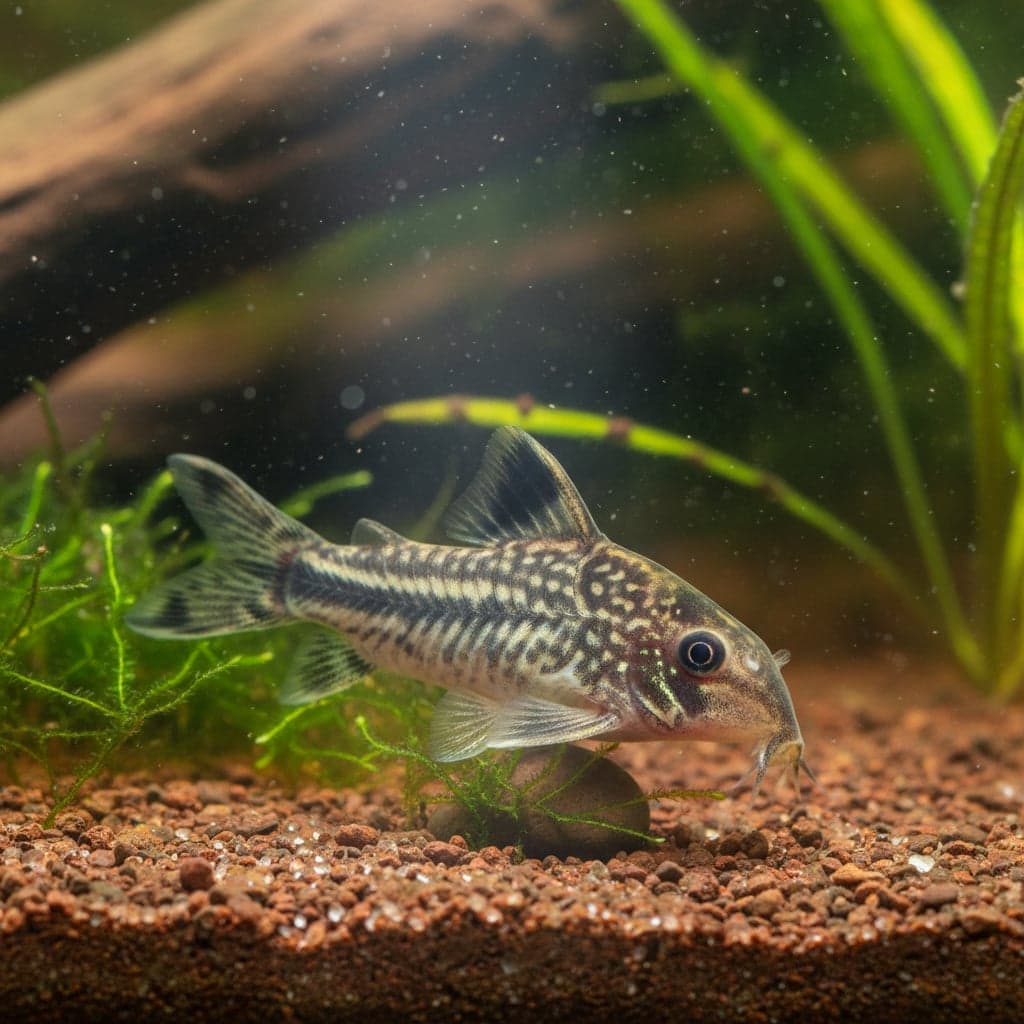
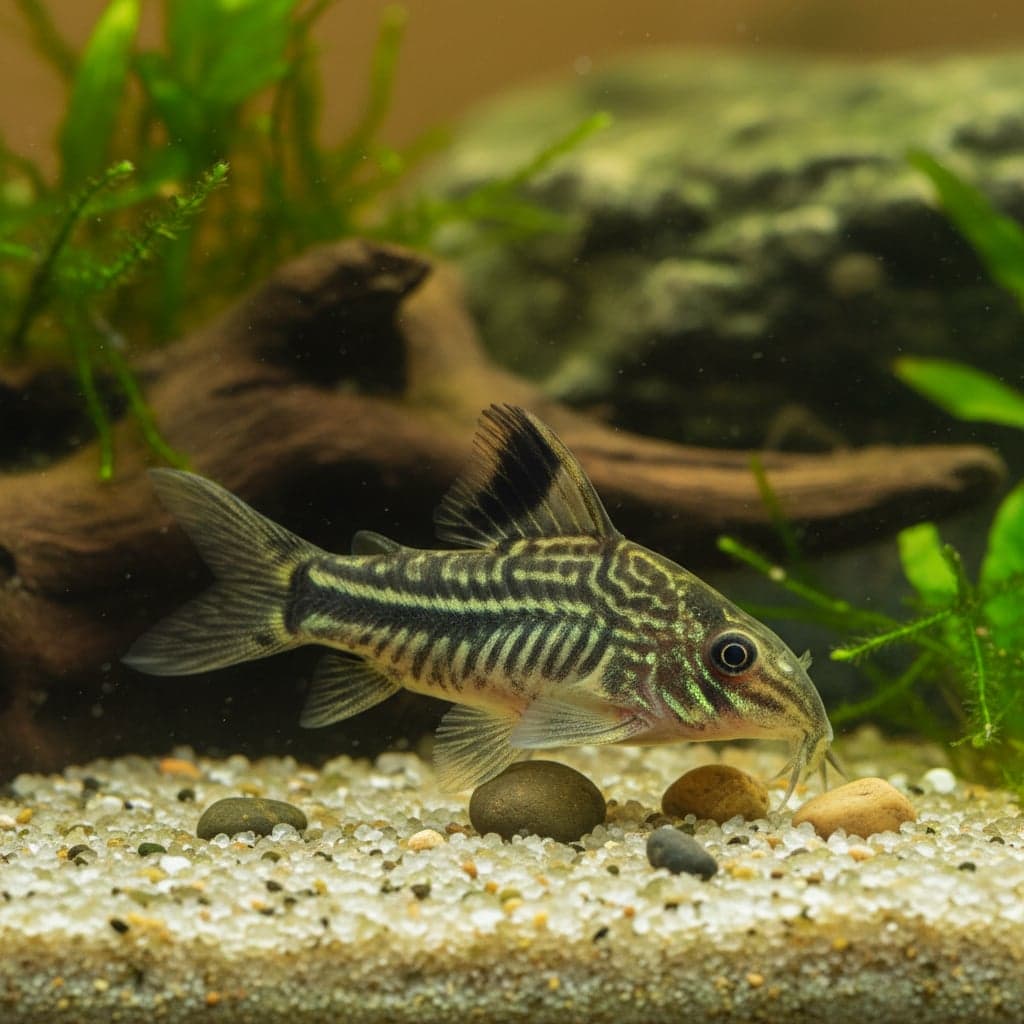
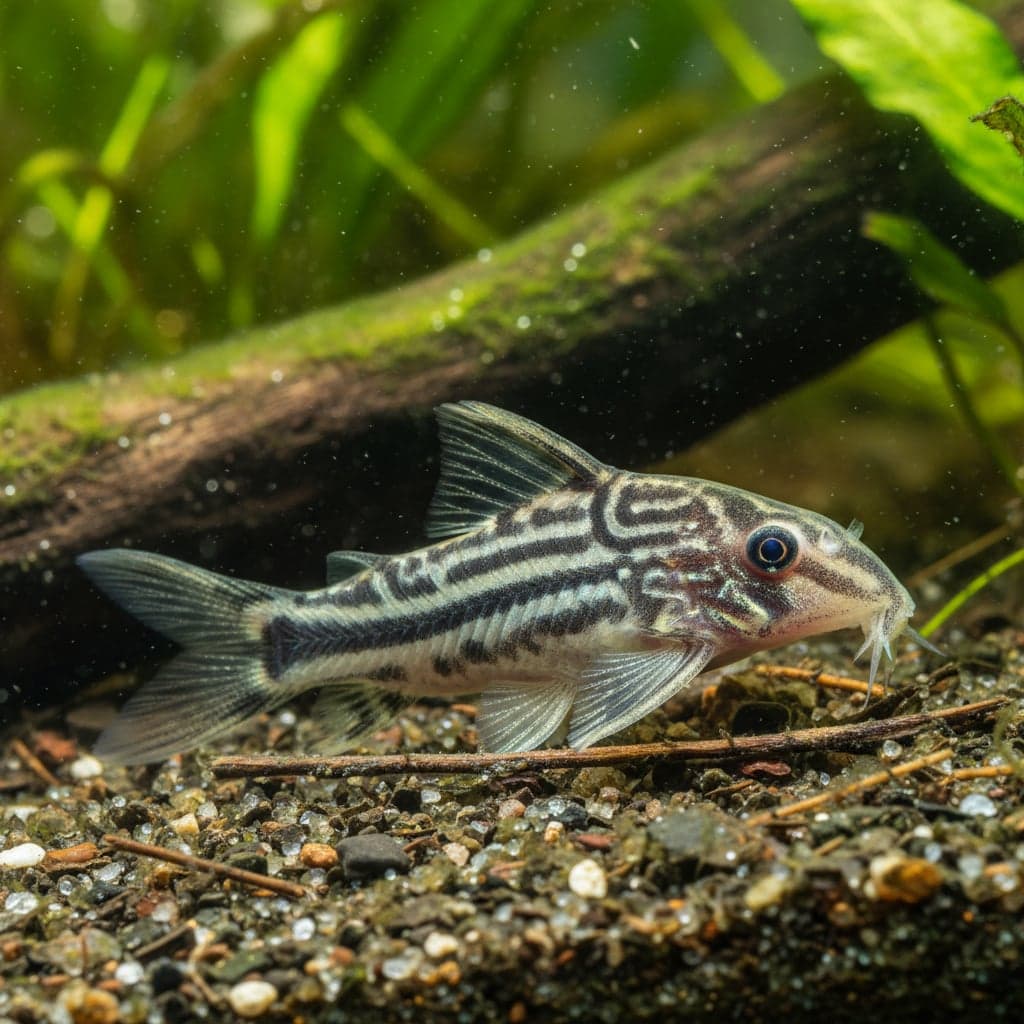
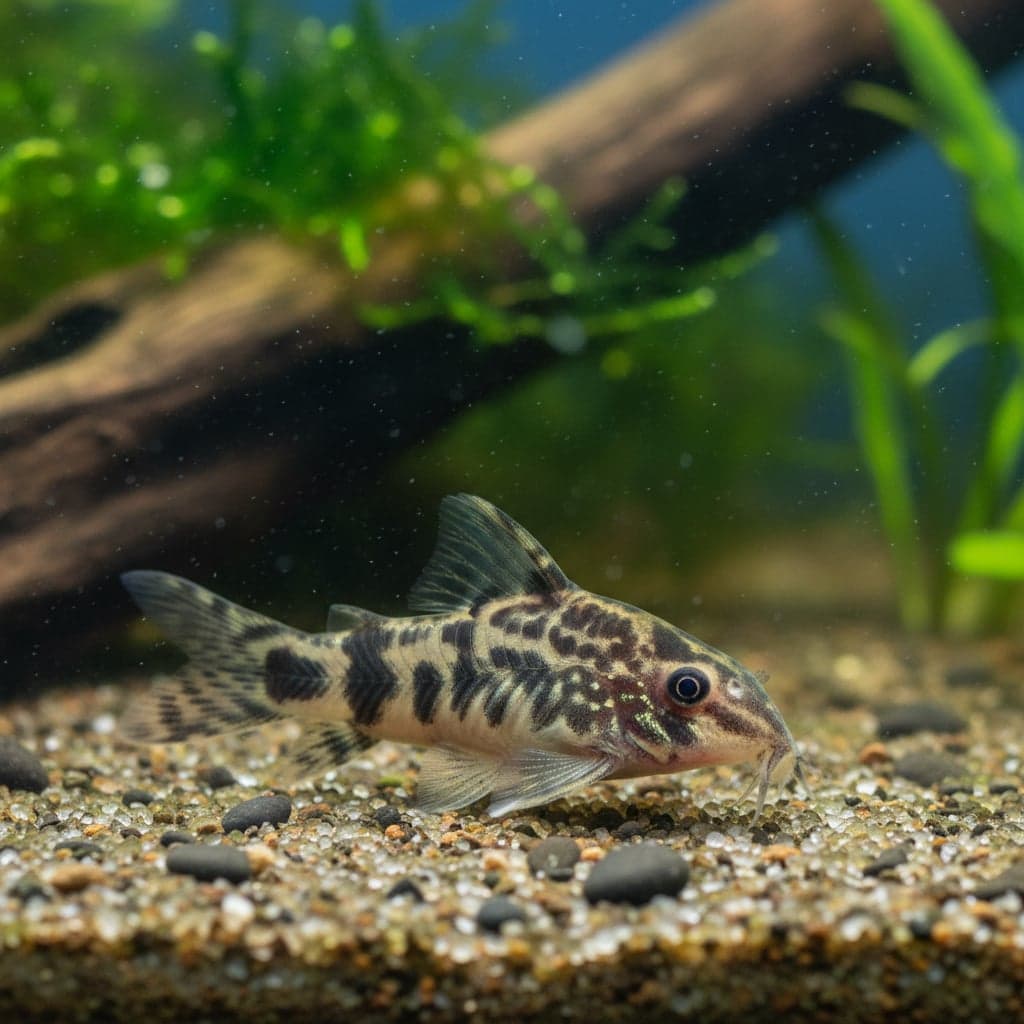
Reynolds' Cory, scientifically known as Corydoras reynoldsi, is a charming and visually appealing member of the Corydoradinae family. This small, aquatic catfish is highly sought after among aquarium enthusiasts due to its unique markings, vibrant coloration, and engaging behaviors. Characterized by its distinct patterns of spots and stripes, which range from earthy browns to striking black tones, the Reynolds' Cory adds a playful element to aquaria. Not only its beauty but also its peaceful disposition and excellent adaptability to a variety of conditions make this fish a favorite for hobbyists and seasoned aquarists alike.
Corydoras reynoldsi's significance within the aquarium hobby extends beyond aesthetics. As a bottom-dwelling fish, it plays a crucial role in maintaining the cleanliness of the tank by scavenging leftover food and detritus, thereby contributing to the overall health of the aquarium ecosystem. Its school-oriented behavior encourages communal interactions, fostering an engaging environment in the aquarium that resonates well with not just the fish, but also viewers and caretakers. With its amiable nature and low care requirements, the Reynolds' Cory serves as an exemplary choice for community tanks, educational displays, and enthusiasts looking to introduce diversity into their aquaria.
Natural Habitat & Origin
Reynolds' Cory is indigenous to the freshwater systems of South America, particularly within the Amazon River basin in countries such as Peru. This region is known for its diverse aquatic ecosystems and hosts a variety of fish species. The Reynolds' Cory inhabits slow-moving water bodies filled with leaf litter, sandy substrates, and abundant vegetation. The water in these environments generally exhibits blackwater characteristics, meaning it's stained with tannins from decaying vegetation, giving it a tea-colored appearance. Such habitats provide them with ample hiding spots and places to forage, which are essential for their survival and comfort.
In this natural environment, Reynolds' Cory thrives in conditions that mimic a well-maintained aquarium. The water is usually soft and acidic, with a temperature range of 24 to 28 degrees Celsius. Understanding their native habitat is crucial for replicating the ideal conditions in a home aquarium, ensuring the health and longevity of these charming fish.
Care Requirements
To provide the best care for Reynolds' Cory, it's essential to replicate their natural habitat as closely as possible. The recommended water parameters include a pH level of 6.0 to 7.5, a temperature range of 24-28°C (75-82°F), and a hardness of 2-10 dGH. A well-cycled tank ensures stability and health within the aquatic environment.
As for tank setup, a minimum aquarium size of 20 gallons is advised, allowing ample space for these fish to swim and school comfortably. A soft substrate, such as fine sand or smooth gravel, is preferable, as it helps protect their sensitive barbels. Additionally, incorporating plenty of plants, driftwood, and decorations will provide hiding places and mimic their natural environment, while soft lighting can help create a calm atmosphere.
Diet & Feeding
Reynolds' Cory are omnivorous and have a varied diet that can include both plant-based and animal-based foods. In a well-kept aquarium, they thrive on high-quality flakes and pellets formulated for bottom-feeding fish. Supplementing their diet with frozen or live foods, such as bloodworms, brine shrimp, and daphnia, can enhance their coloration and health.
Feeding these fish several small meals a day instead of one large one will help mimic their natural grazing behavior, preventing overfeeding and maintaining excellent water quality. Additionally, incorporating vegetable matter, such as blanched spinach or zucchini, can provide necessary fiber and further diversify their diet.
Behavior & Temperament
Reynolds' Cory are peace-loving fish, exhibiting a social behavior that makes them ideal for community tanks. They are best kept in groups of at least six individuals, as this schooling behavior is crucial for their well-being and helps reduce stress. This species tends to remain at or near the tank's substrate, but they are often seen swimming in the mid-levels of the tank during feeding or play.
Aggression levels among Reynolds' Cory are minimal, making them compatible with most other peaceful species. They display interesting interactions with one another, such as communal foraging and gentle nudging, creating an engaging and lively atmosphere in the aquarium.
Tank Mates
Choosing compatible tank mates is vital for the well-being of Reynolds' Cory. Suitable companions include other small and peaceful species such as neon tetras, cherry barbs, guppies, and various species of rasboras. Since they thrive in a community environment, avoid potential tankmates that may display aggression or have significantly different care requirements, such as larger cichlids, aggressive barbs, or fin-nipping fish.
Additionally, due to their bottom-dwelling nature, caution should be exercised when selecting other bottom feeders. Avoid species like larger catfish or aggressive loaches that may compete or intimidate Reynolds' Cory, as this could lead to stress and discomfort.
Breeding
Breeding Reynolds' Cory in captivity can be a rewarding endeavor, although it requires specific conditions to encourage spawning. To promote breeding, fish keepers should set up a separate breeding tank with soft, slightly acidic water (pH 6.0-6.5) at a temperature of about 24-26°C (75-79°F).
To stimulate spawning, introduce spawning mops or fine-leaved plants where the females can lay eggs. The male will wiggle and chase the females in a courtship display, followed by the females depositing eggs on surfaces. After spawning, it is advisable to remove adult fish from the breeding tank to prevent them from consuming the eggs. Eggs usually hatch within 3 to 5 days, and the fry will require finely crushed foods or infusoria until they are large enough to eat crushed flakes or powdered foods.
Common Health Issues
Reynolds' Cory can be prone to several health issues if not provided with proper care. Common diseases include ich (Ichthyophthirius multifiliis), fin rot, and bacterial infections. Maintaining good water quality through regular testing and performing partial water changes will help prevent these problems.
To protect against ich, ensure that new fish are quarantined before introduction to the main tank. A balanced diet and an environment that minimizes stress are critical for maintaining a strong immune system. Additionally, monitoring them regularly for signs of distress, such as faded colors or unusual swimming patterns, can facilitate early intervention and help ensure their continued health.