Ripsaw Catfish: Oxydoras niger
A friendly, heavily armored giant featuring massive lateral spikes and a downward-facing mouth designed entirely for vacuuming sand.

Ripsaw Catfish
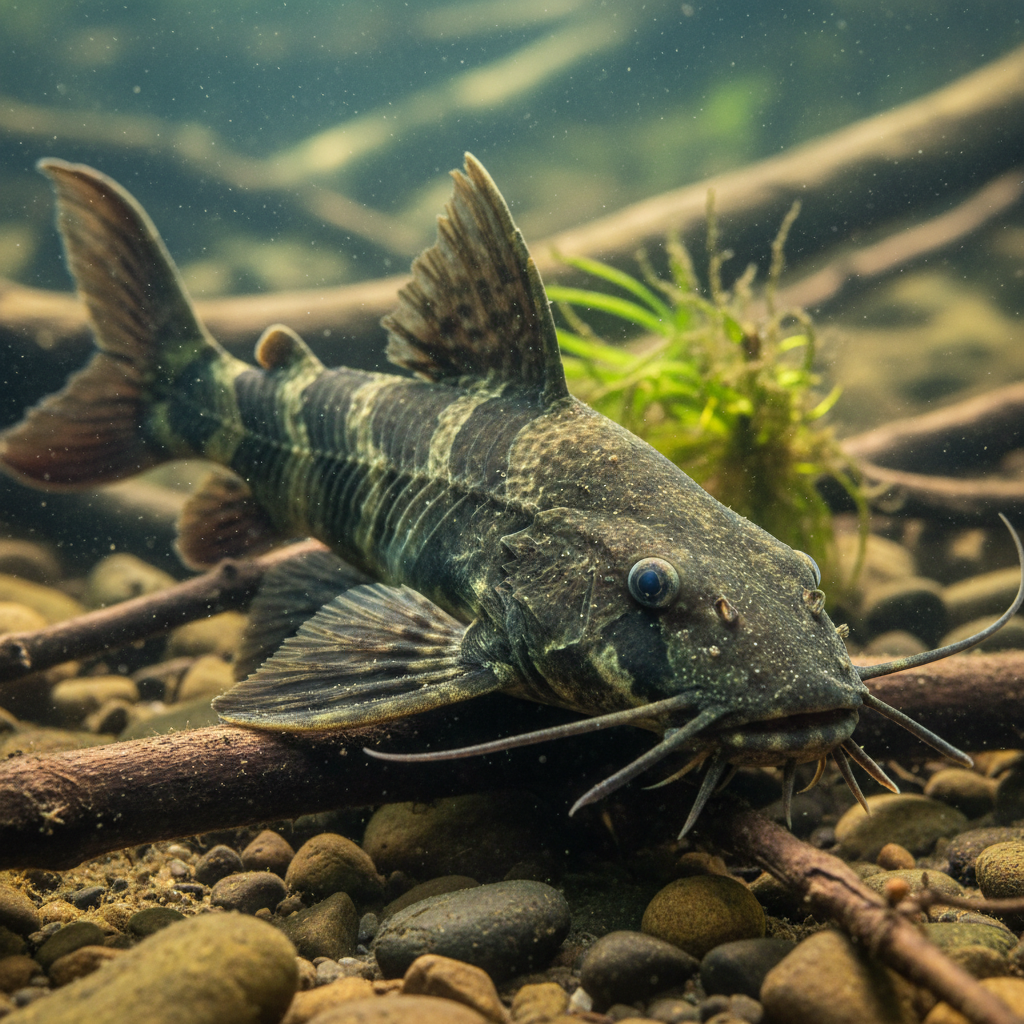
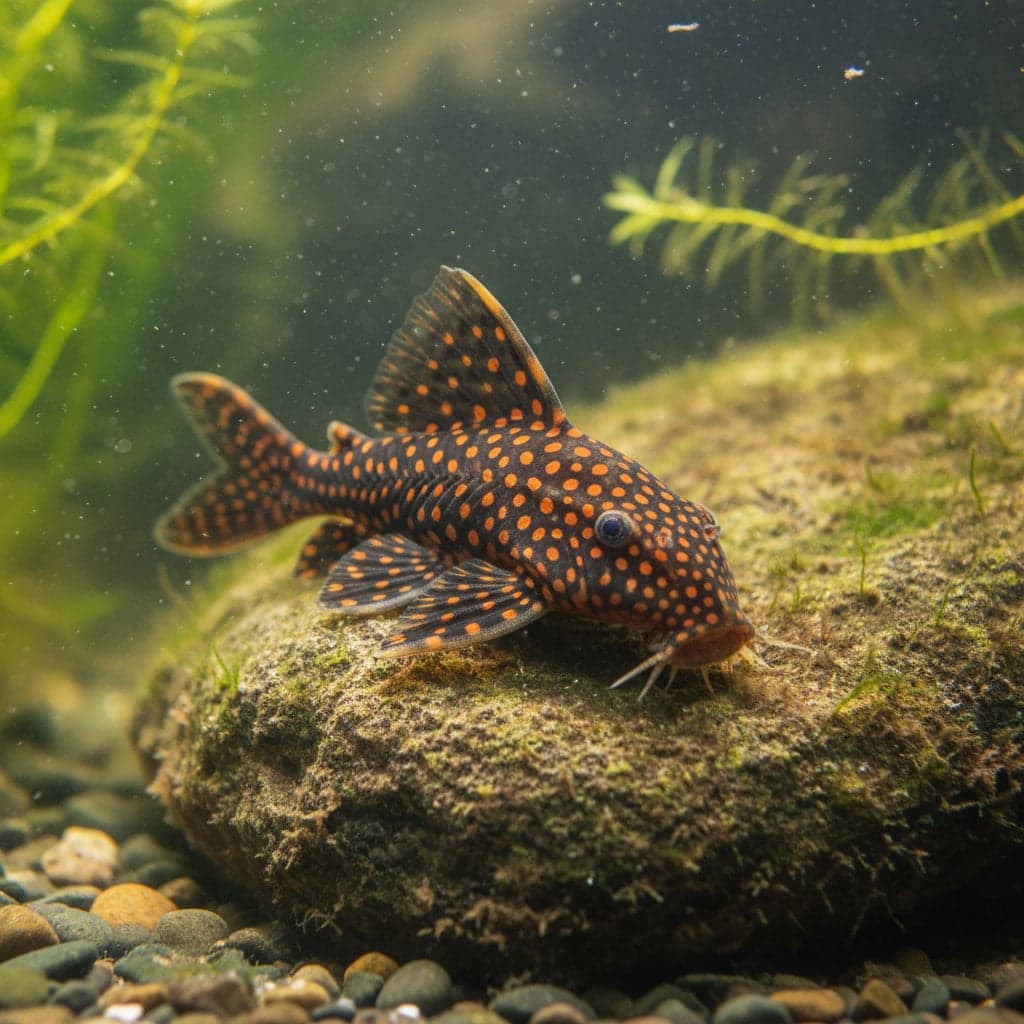
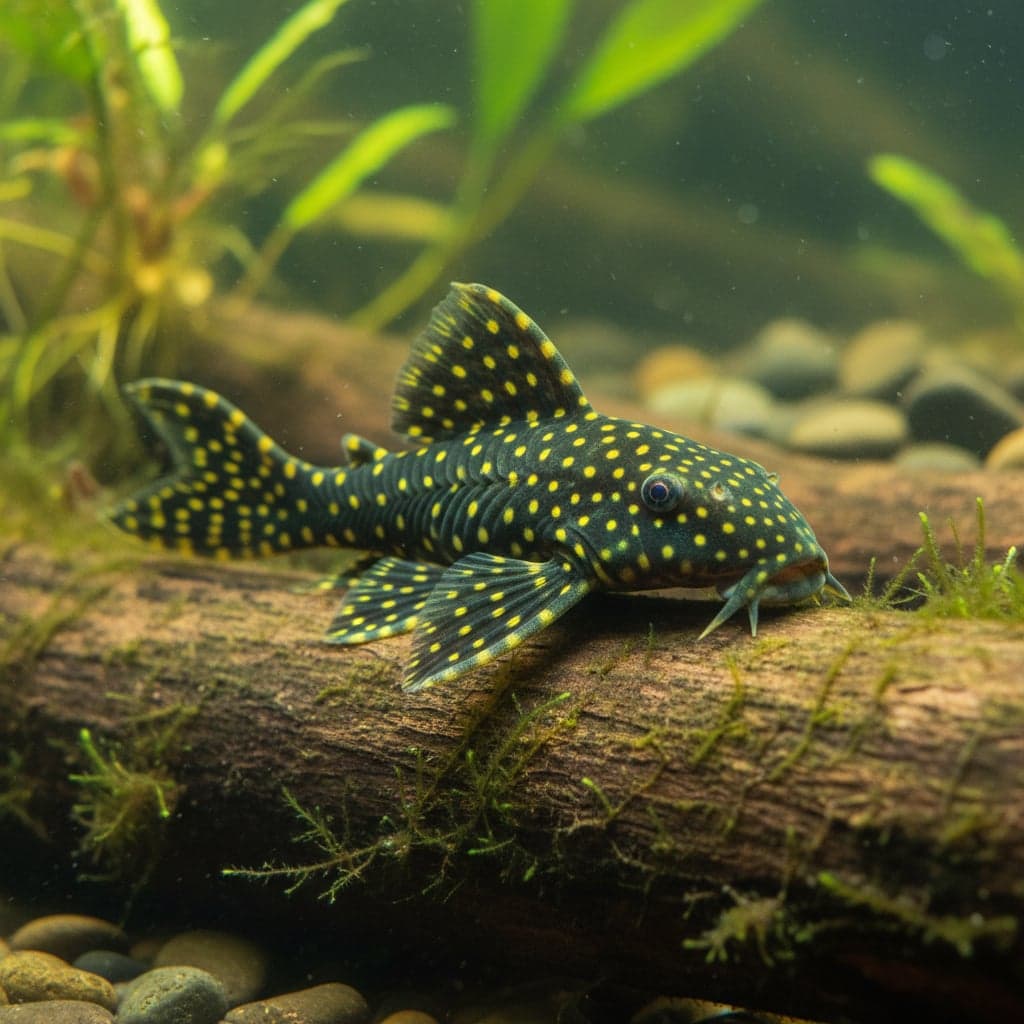
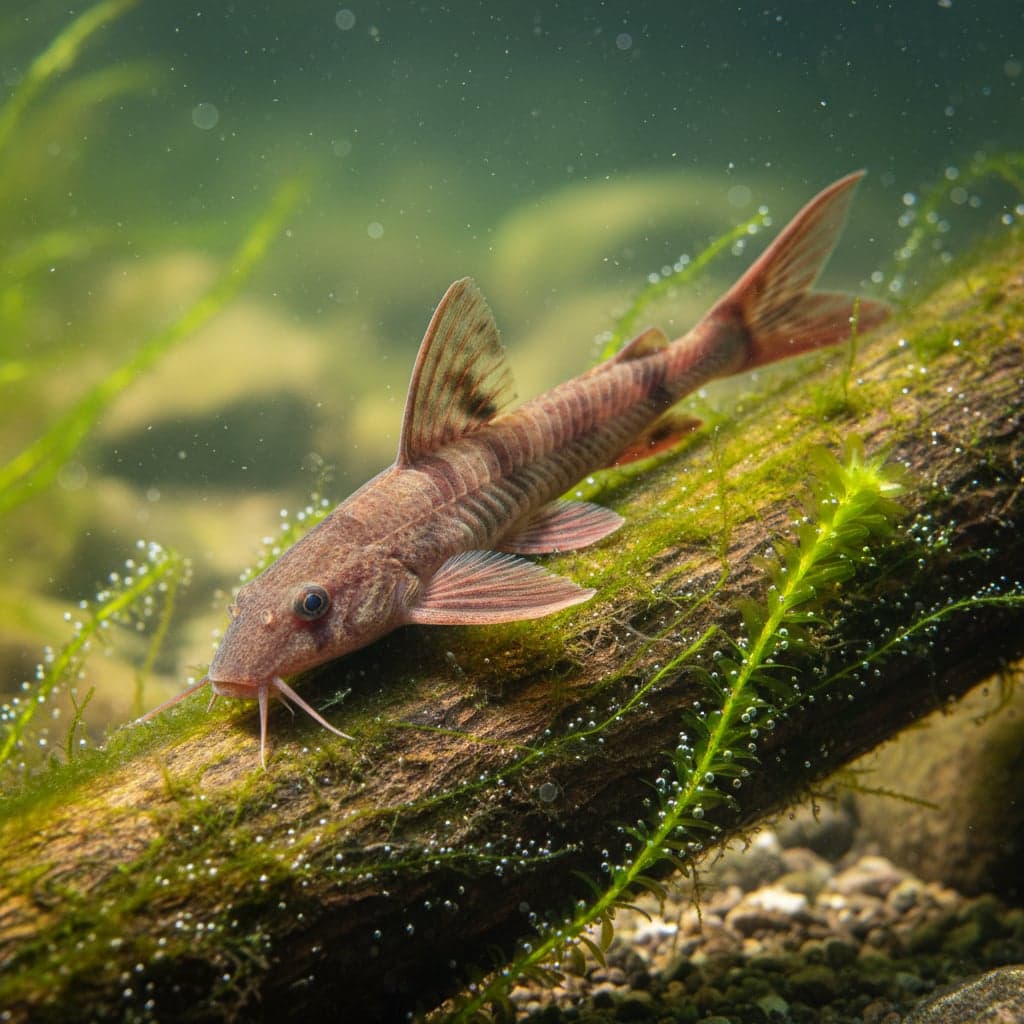
The Ripsaw Catfish, scientifically known as Oxydoras niger, is a striking aquatic species prized by aquarists for its distinct appearance and engaging characteristics. This robust fish can grow quite large, reaching up to 3 feet in length, making it a stunning centerpiece in any sizable freshwater aquarium. The Ripsaw Catfish is particularly celebrated for its unique morphology, which includes a flattened, elongated body, large dorsal and pectoral fins, and a mouth brimming with sharp teeth—traits that inspire awe and admiration among enthusiasts. Its coloration ranges from a muted grayish-brown to a more vibrant, mottled pattern, allowing it to harmonize beautifully with naturalistic setups.
In the aquarium hobby, the Ripsaw Catfish holds significant importance not just for aesthetics but also for its fascinating behavior. As a bottom dweller, it plays a unique role in the ecosystem of an aquarium, scavenging through substrates and helping to maintain detritus levels. The compelling nature of this species, combined with its sizeable presence, makes it a sought-after addition for advanced aquarists looking to enhance their collections with bold, dynamic fish. Its importance is rooted not only in its value as an ornamental fish but also in its intriguing biology and role in promoting ecological balance within the tank.
Natural Habitat & Origin
The Ripsaw Catfish is indigenous to the Amazon Basin in South America, predominantly found in countries such as Brazil, Peru, and Colombia. It thrives in slow-moving rivers and tributaries where the water is often dark, stained with tannins from decomposing plant material, representing the blackwater habitat typical of many Amazonian ecosystems. This environment is characterized by its rich biodiversity and complex structures like submerged logs, leaf litter, and dense vegetation, which provide crucial cover and foraging opportunities for the Ripsaw Catfish. Understanding its natural habitat is essential for aquarists aiming to replicate similar conditions within their tanks.
In these blackwater ecosystems, the Ripsaw Catfish adapts seamlessly to fluctuating conditions, typically preferring waters with a low pH, soft hardness, and a warm temperature, aligning with the natural parameters that sustain its wellbeing. Such knowledge allows hobbyists to create optimal environments that closely resemble the catfish's native surroundings, thereby promoting its health and vibrancy in captivity.
Care Requirements
To ensure optimal care for the Ripsaw Catfish, specific water parameters must be maintained. Ideal conditions include a water temperature between 75°F to 82°F (24°C to 28°C), a pH range of 6.0 to 7.5, and water hardness between 2 to 15 dGH. Proper filtration systems that can manage the high bioload expected from this species are essential, as Ripsaw Catfish produce considerable waste. As for tank size, a minimum of 125 gallons is recommended, with larger setups being even more beneficial as these fish can grow significantly over time.
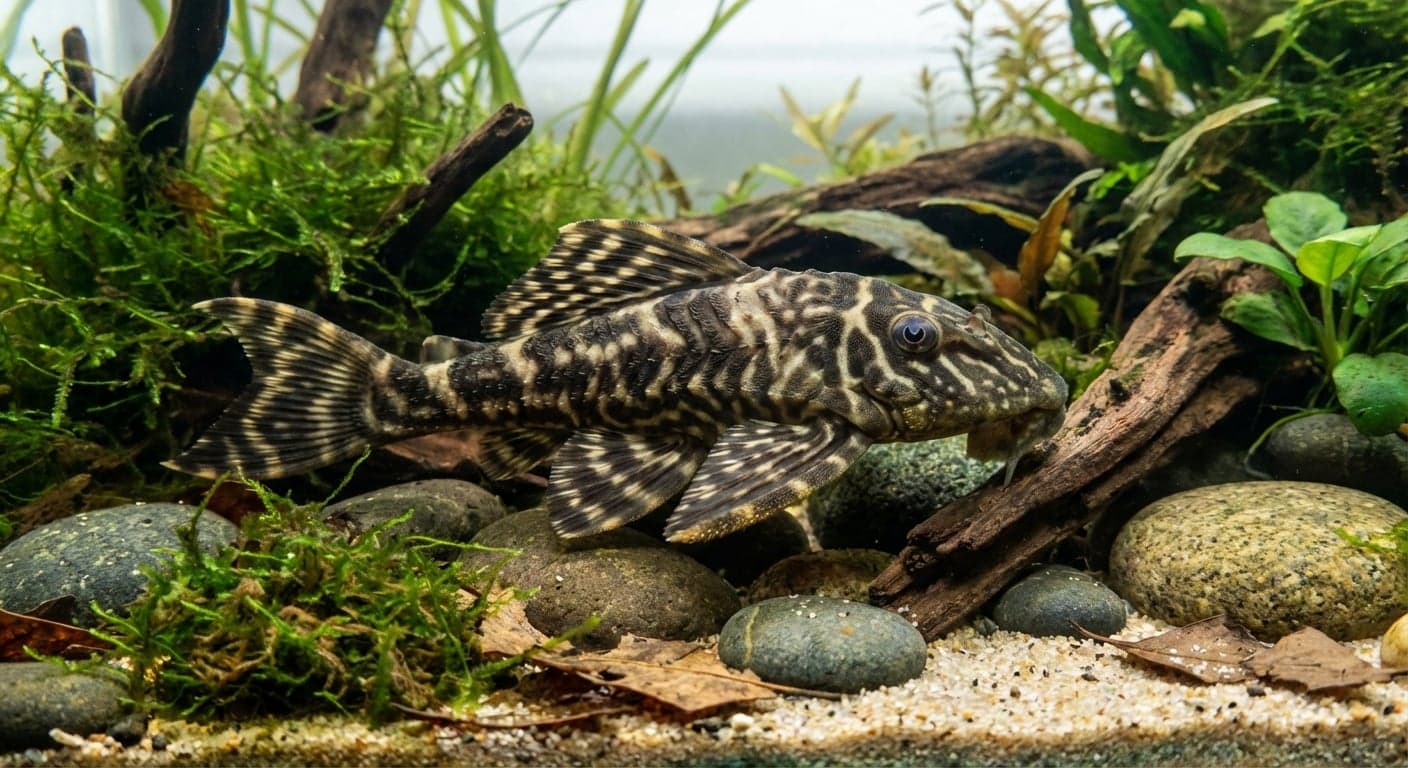
When it comes to tank setup, substrate choice should favor sand or fine gravel, as Ripsaw Catfish enjoy burrowing and sifting through the substrate in search of food. Aquarium decor should include plenty of hiding spots, such as driftwood, rock formations, and dense aquatic vegetation, which emulate their natural habitat and provide security. Moderate lighting is best, as excessively bright light may stress the fish; instead, a dimly lit tank with floating plants can help create a more tranquil environment.
Diet & Feeding
The Ripsaw Catfish is primarily an omnivore, thriving on a diverse diet that includes plant matter as well as protein sources. In captivity, they can be fed high-quality sinking pellets, which cater to their bottom-feeding nature, alongside specially formulated flakes that ensure complete nutrition. Additional food sources should consist of frozen or live foods such as bloodworms, brine shrimp, and earthworms to foster natural feeding behaviors. Offering a varied diet not only enhances their health but also increases their activity levels and coloration.
When feeding, it is crucial to establish a regular feeding schedule and avoid overfeeding, as these fish have voracious appetites. Smaller feedings multiple times a week, rather than one large meal, can help reduce waste and maintain water quality. Additionally, incorporating blanched vegetables like zucchini or cucumber can provide essential fiber while lengthening their feeding sessions.
Behavior & Temperament
Ripsaw Catfish exhibit a generally docile temperament, although they can display territorial behavior, particularly as they mature. They are primarily nocturnal, preferring to explore and forage for food during the evening hours. During the day, they may rest under cover or hidden among tank decor. While these catfish are usually peaceful, they require ample space to establish their territory and can exhibit dominant behavior towards smaller or similarly-sized fish.
When housed with compatible species, Ripsaw Catfish tend to be social but may prefer to occupy the lower strata of the aquarium. While they are not schooling fish, they may exhibit shoaling behavior when kept in small groups, allowing them to feel more secure in their environment. Due to their potential size and feeding habits, caution is advised when selecting tank mates, ensuring that all fish can coexist peacefully.
Tank Mates
Selecting suitable tank mates for the Ripsaw Catfish is essential for fostering a balanced aquarium community. Compatible species include larger, robust fish such as;
- Silver Dollars
- Oscars
- Larger Cichlids (e.g., Jack Dempsey)
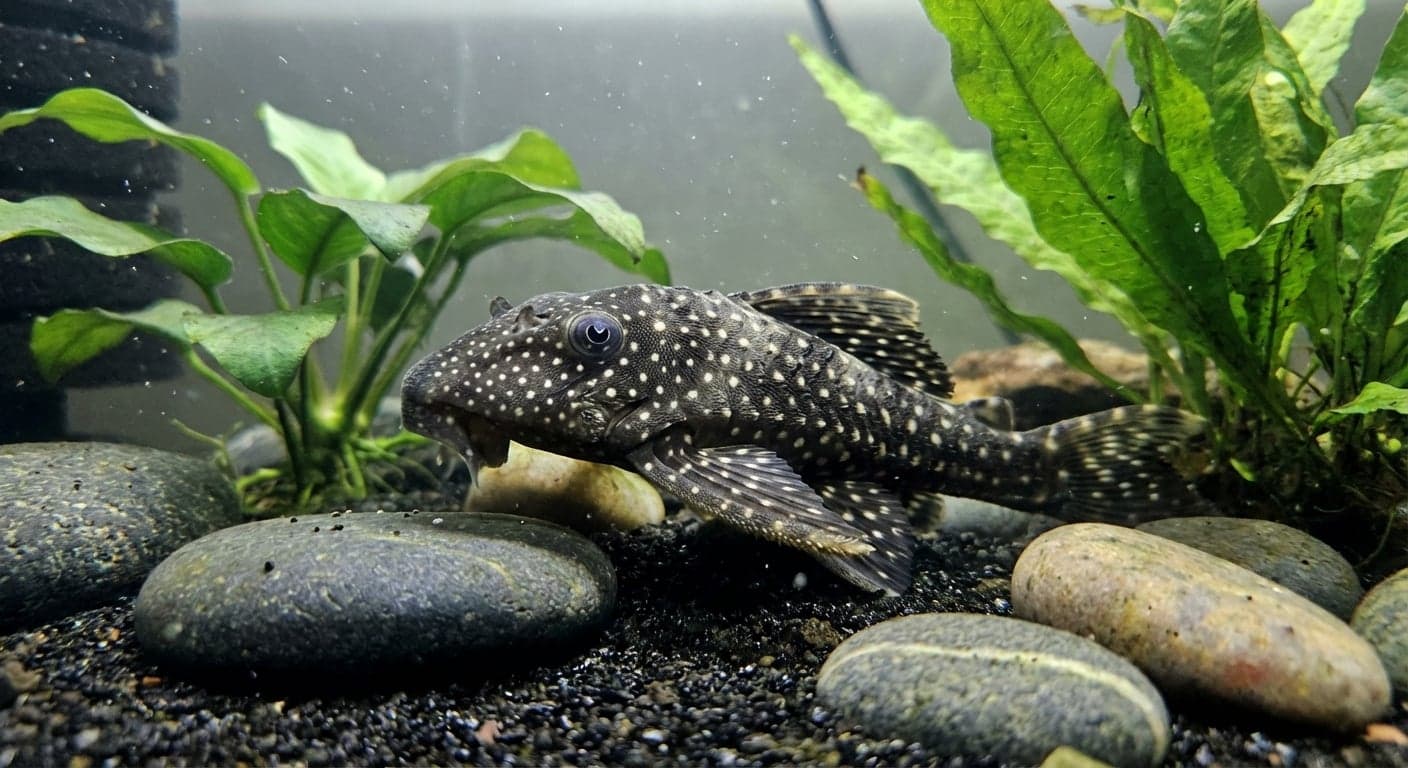
- Plecostomus
These tank mates can withstand the Ripsaw Catfish's occasional territorial displays and ensure harmonious cohabitation. However, it is crucial to avoid smaller, timid species or fish with long fins, as these may be seen as prey or provoke aggression. Ideal companions should be of similar size to prevent bullying and promote a stress-free environment.
Additionally, avoid housing them with slow-moving, smaller community fish or excessively aggressive species, as the combination may lead to conflict and stress within the tank. Creating a comprehensive tank environment tailored to the needs of all residents supports a thriving aquatic ecosystem.
Breeding
Breeding Ripsaw Catfish in captivity can be a challenge due to their specific requirements and natural behaviors. Typically, these fish exhibit slight sexual dimorphism, with males being slightly smaller and more slender than females. While not much is documented concerning their breeding habits in an aquarium, successful spawning often requires a breeding pair to be conditioned with a varied diet and appropriate environmental triggers, such as slightly lower water levels or changes in water chemistry mimicking seasonal fluctuations.
To promote breeding, aquarists may reproduce conditions similar to their natural habitat, such as adjusting the temperature to around 80°F (27°C) and providing ample hiding spots for the female to lay eggs. Spawning tends to occur in flat surfaces or caves where the female will deposit her eggs. After spawning, the male usually guards the eggs until they hatch, which occurs within a few days. However, due to the challenges associated with breeding in captivity, many enthusiasts prefer focusing on the beauty and presence of Ripsaw Catfish rather than attempting to encourage breeding.
Common Health Issues
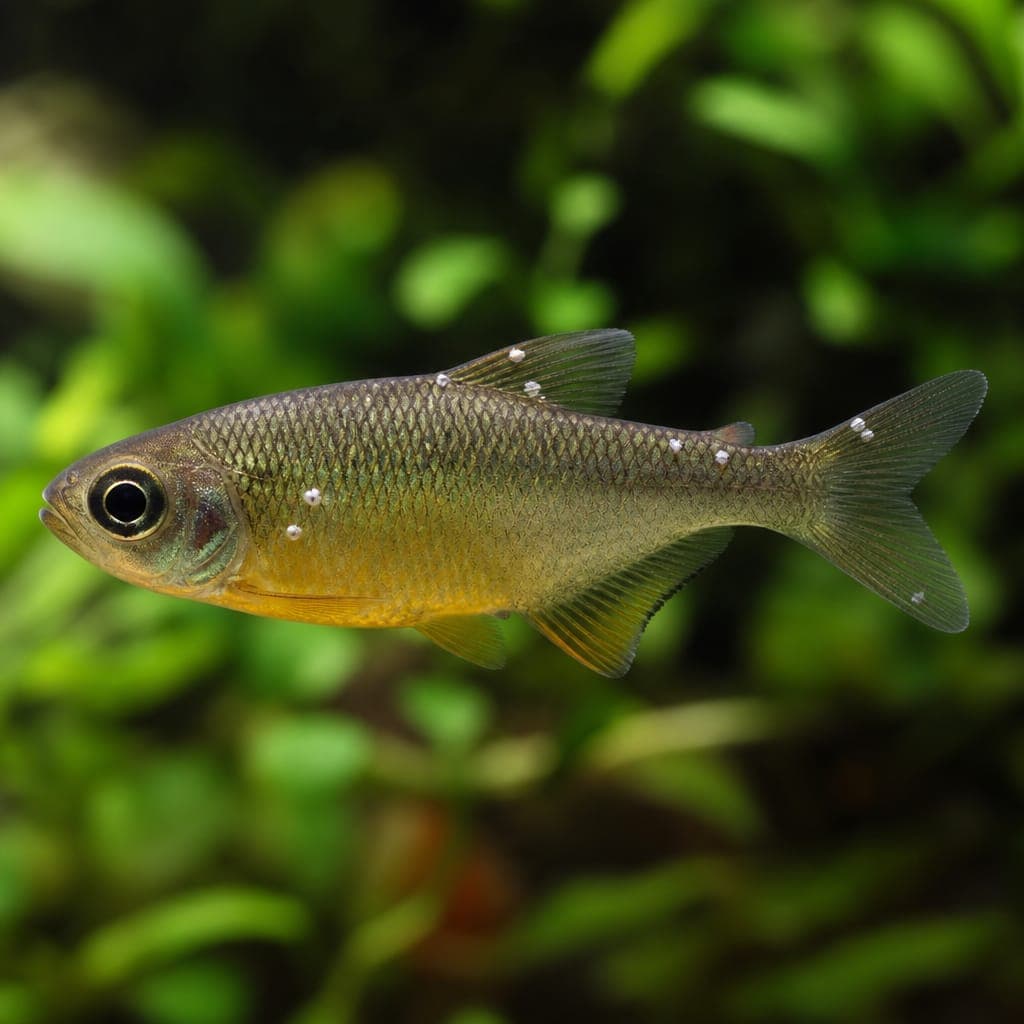
Like many fish species, Ripsaw Catfish may be susceptible to certain health issues. Common diseases include Ichthyophthirus multifiliis (Ich), fin rot, and bacterial infections. Maintaining pristine water quality through regular water changes, efficient filtration, and routine parameter checks helps prevent most outbreaks. A balanced diet, spacious tank, and careful quarantine of new fish further support long-term health in this large bottom dweller.