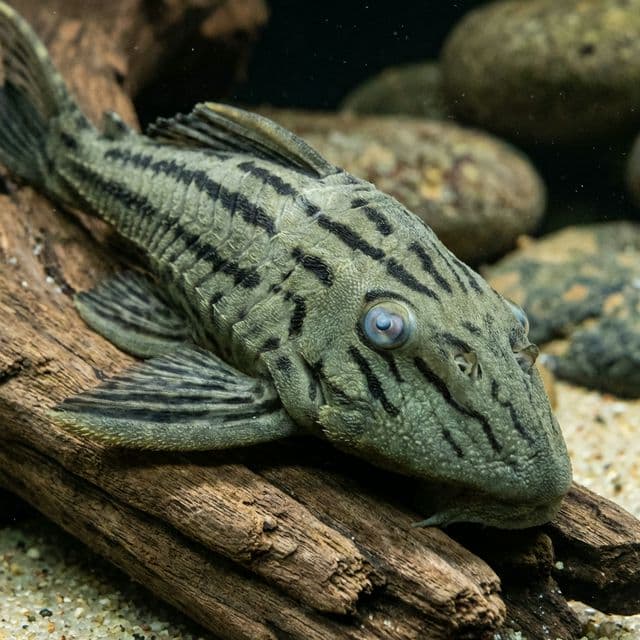
Royal Twig Catfish: Sturisoma panamense
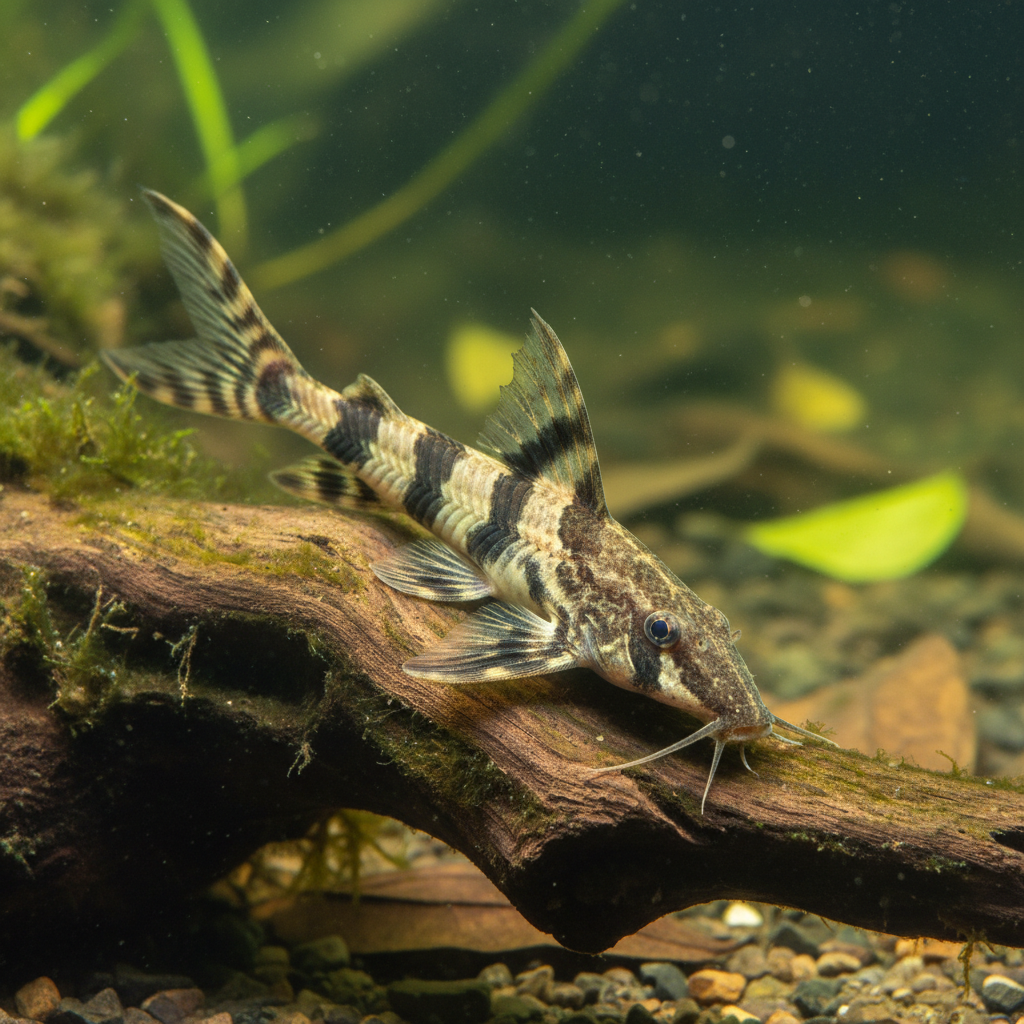
A breathtakingly elegant, completely harmless sucker-mouth catfish featuring an incredibly long, slender tail and towering swept-back fins.
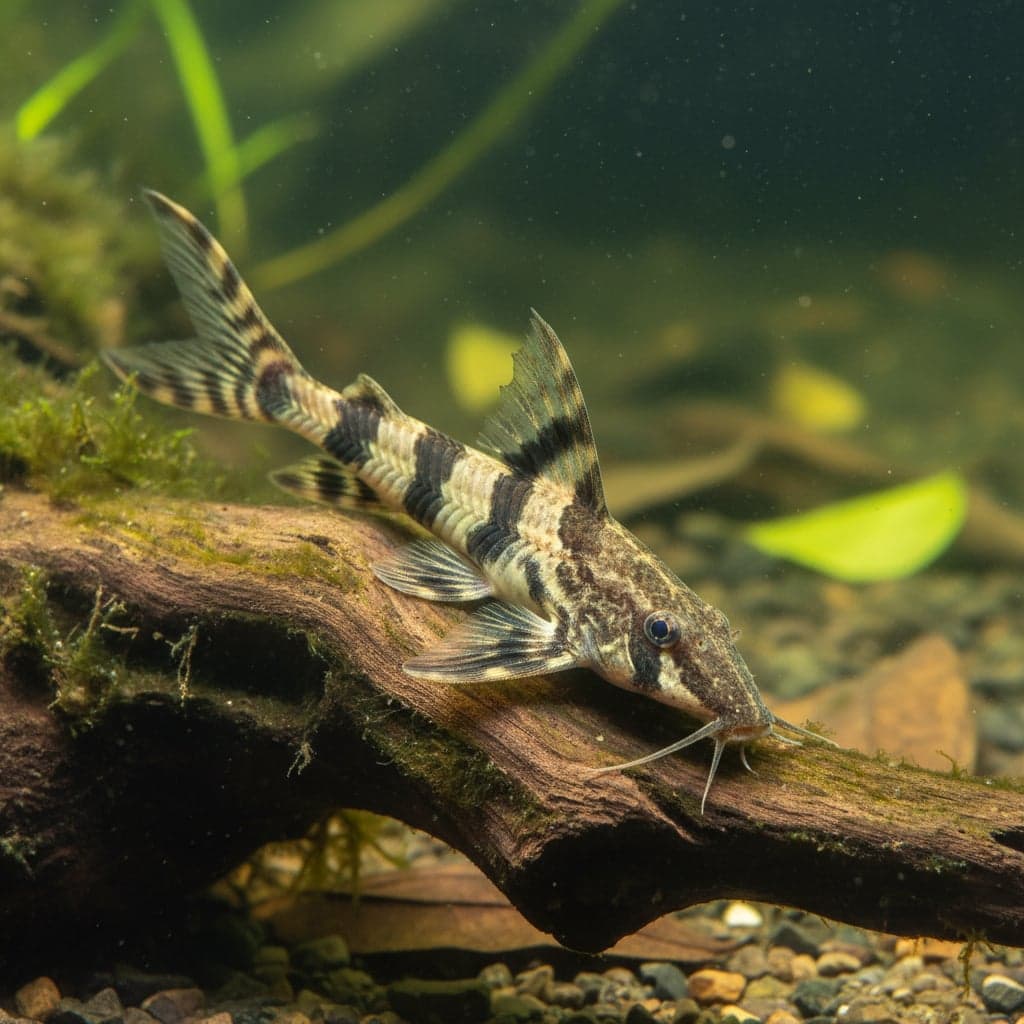
Royal Twig Catfish
The Royal Twig Catfish, scientifically known as Sturisoma panamense, is an enchanting species that captivates aquarists with its distinctive appearance and unique behaviors. This freshwater fish hails from the family Loricariidae and is recognized for its elongated, twig-like body that allows it to blend seamlessly into its natural environment. The Royal Twig Catfish features a light brown to olive-green coloration with a mottled pattern, enhancing its visual appeal and making it an ideal addition to biotope aquariums that mimic its natural habitat. Its specialized dorsal and caudal fins are elongated, resembling the branches of twigs, providing a camouflage that helps it evade predators in the wild.
In the aquarium hobby, the Royal Twig Catfish is particularly valued for its peaceful demeanor and algae-eating habits, making it a versatile choice for community tanks. As a bottom dweller, it plays an essential role in maintaining a clean environment by grazing on algae and detritus, thus contributing to the overall health of the aquarium ecosystem. Additionally, its intriguing social behaviors and interactions with other fish make it a favorite among enthusiasts seeking to create vibrant aquatic communities.
Natural Habitat & Origin
The Royal Twig Catfish is native to the freshwater rivers and streams of Central America, specifically found in Panama and parts of Colombia. It thrives in blackwater habitats, characterized by soft, acidic waters rich in tannins from decaying organic matter. The rivers are often slow-moving and surrounded by dense vegetation, which provides essential cover and feeding grounds for these catfish. The environmental conditions of their natural habitat include heavily vegetated areas with submerged roots and branches that contribute to the fish's ability to camouflage effectively while seeking food.
In the wild, these fish inhabit shallow waters with a substrate of fine sand or leaf litter, where they can forage for detritus and algae. The presence of driftwood and plant life not only serves as shelter but also enriches their environment, making it paramount for aquarists to replicate these characteristics to ensure the well-being of Royal Twig Catfish in captivity.
Care Requirements
To successfully keep the Royal Twig Catfish in an aquarium, careful attention must be given to water parameters and tank setup. The recommended pH range for their environment is between 6.0 and 7.5, with a temperature between 24°C and 28°C (75°F to 82°F). The fish prefers relatively soft water, ideally with a hardness level of 2 to 10 dGH. A well-maintained aquarium that mimics their natural habitat is crucial; a minimum tank size of 75 gallons is advisable, as they can grow up to 6 inches in length and thrive in larger spaces.
When setting up the tank, it's beneficial to use a substrate of fine sand or soft gravel, which allows for easy burrowing and mimics their natural environment. Incorporating plenty of live plants, driftwood, and rocky structures is essential, as it provides both hiding spots and foraging opportunities. Moderate lighting is recommended to enhance plant growth without stressing the Royal Twig Catfish, as they prefer dimly lit environments that replicate their natural habitat.
Diet & Feeding
The Royal Twig Catfish is considered an omnivore, displaying a diverse eating behavior that includes feeding on algae, detritus, and decomposing plant matter. In captivity, they thrive on a varied diet that includes high-quality sinking pellets specifically designed for bottom dwellers, as well as algae wafers. Supplementing their diet with freeze-dried or frozen foods such as brine shrimp and bloodworms can enhance their nutrition and stimulate natural foraging behaviors.
It is crucial to provide a balanced diet to maintain their health and vibrant coloration. Regular feeding should occur once or twice a day, with small portions that can be consumed within a few minutes to prevent overfeeding and contaminants from accumulating in the tank.
Behavior & Temperament
Royal Twig Catfish are known for their calm and peaceful demeanor, making them excellent additions to community tanks. They are social creatures that thrive in groups, so it's advisable to keep them in small shoals of at least three to five individuals. This social structure helps reduce stress and promotes natural behaviors among individuals.
These fish are primarily bottom dwellers, spending much of their time foraging along the substrate and seeking refuge among rocks and plants. While they are generally community-friendly, they can exhibit territorial behaviors, especially during feeding or when establishing hiding spots. It’s important to ensure ample space and hiding spots to minimize any potential conflicts. The Royal Twig Catfish is often seen resting in a vertical position against surfaces, which is a characteristic behavior of the species.
Tank Mates
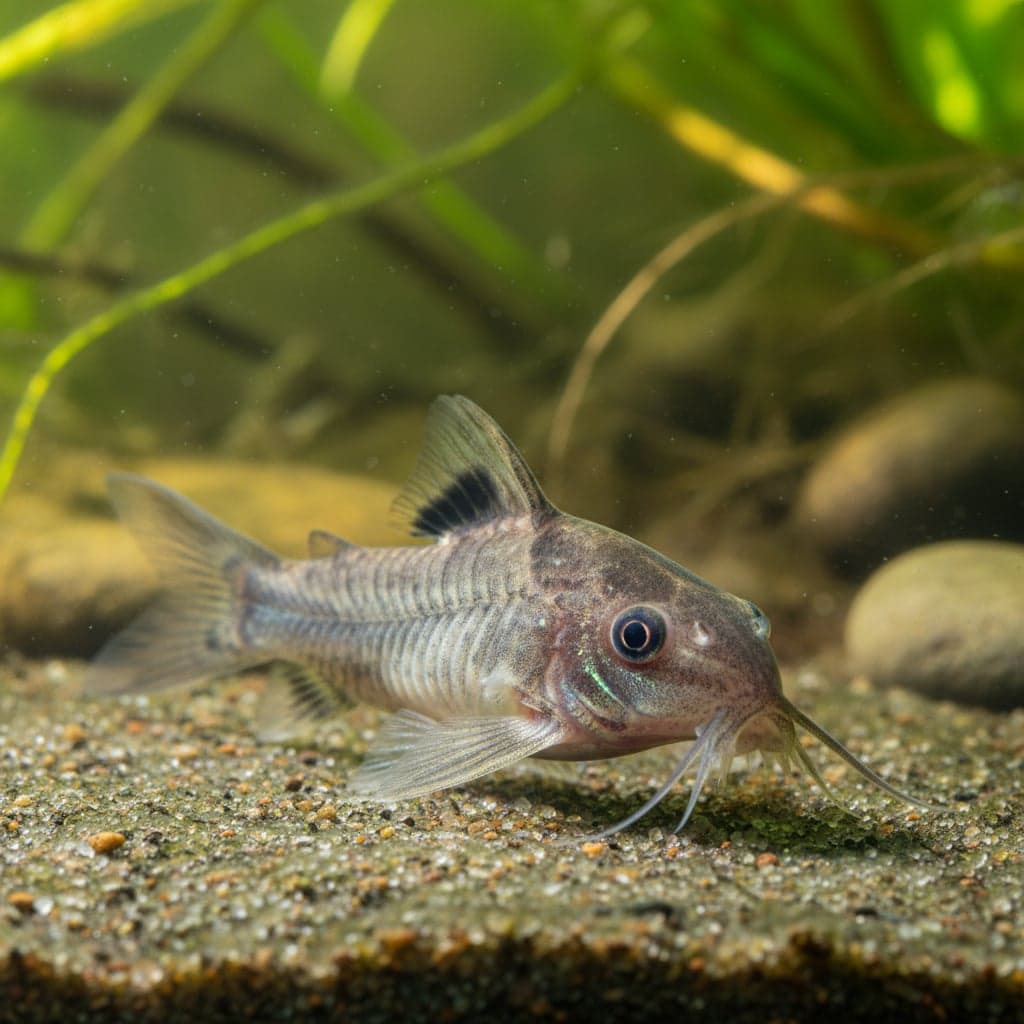
Choosing compatible tank mates for the Royal Twig Catfish is crucial for a harmonious aquarium environment. Ideal companions include peaceful species like tetras, rasboras, dwarf cichlids, and other catfish species such as Corydoras. Avoid aggressive or overly boisterous fish, such as larger cichlids or barbs, as these may stress the Royal Twig Catfish and disrupt its natural behaviors.
In general, the best tank mates should share similar water parameter requirements and exhibit peaceful temperaments. It is advisable to introduce species that dwell in different layers of the aquarium to enhance biodiversity without competition for space and resources.
Breeding
Breeding the Royal Twig Catfish in captivity can be a rewarding endeavor; however, it requires specific conditions to encourage spawning behavior. These fish are often best spawned in specially designed breeding setups with ample hiding spots and a substrate of fine sand. To trigger breeding, a slight increase in water temperature mimicking the onset of the rainy season may be effective, along with the gradual introduction of softer, slightly acidic water parameters.
During the spawning process, the female will typically lay eggs on flat surfaces, such as broad leaves or rocks, where the male then fertilizes them. After nurturing the eggs for a few days, the fry will hatch and will require finely ground foods or infusoria until they are large enough to accept larger foods. Breeding Royal Twig Catfish in captivity can be challenging, requiring patience and close monitoring of the environmental conditions.
Common Health Issues
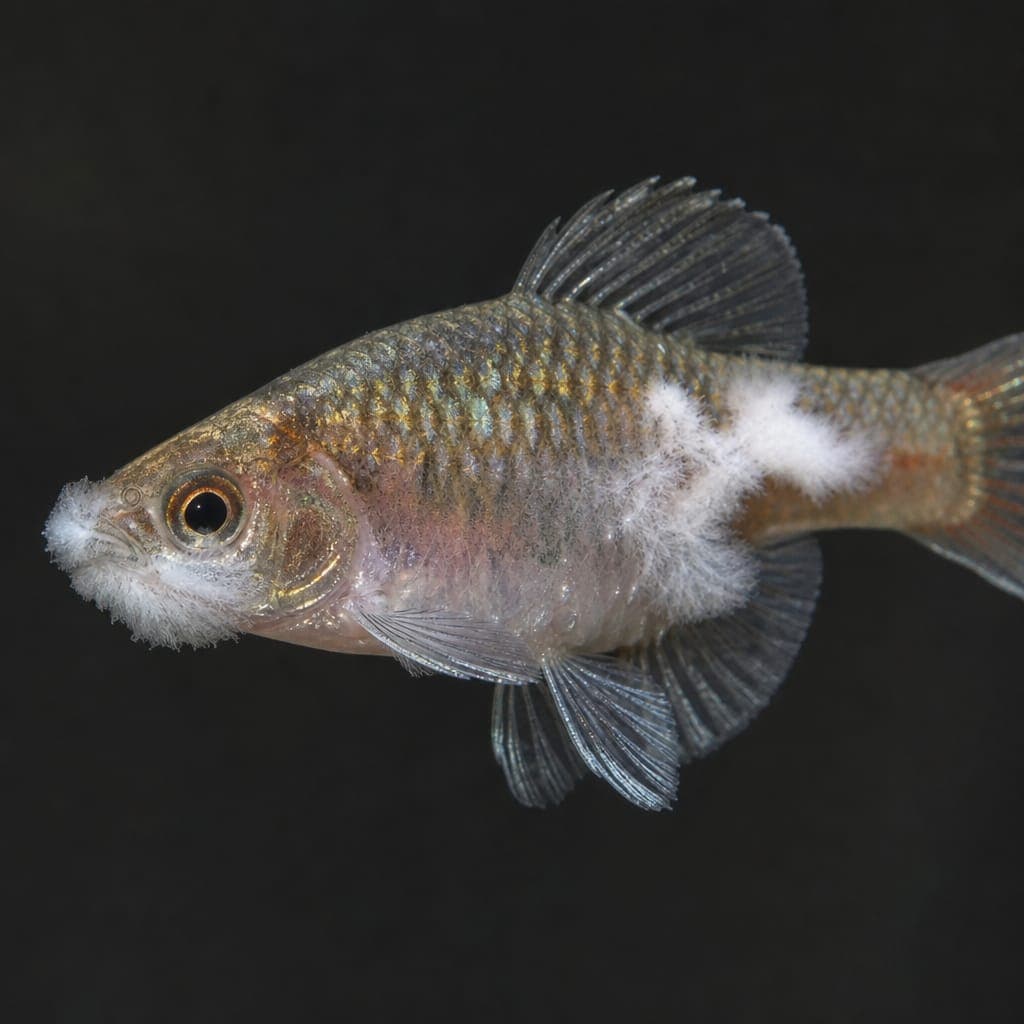
Like many aquatic species, the Royal Twig Catfish can be susceptible to various health issues, primarily due to poor water quality or stress. Common diseases include ich (Ichthyophthirius multifiliis), fungal infections, and bacterial infections. Maintaining optimal water parameters and performing routine water changes can significantly reduce the risk of health problems.
Additionally, practicing good tank hygiene, monitoring for signs of stress or illness, and quarantining new arrivals can prevent disease outbreaks and promote a healthy aquarium environment. It is essential for aquarists to familiarize themselves with the symptoms of common health issues to ensure timely intervention if problems arise.