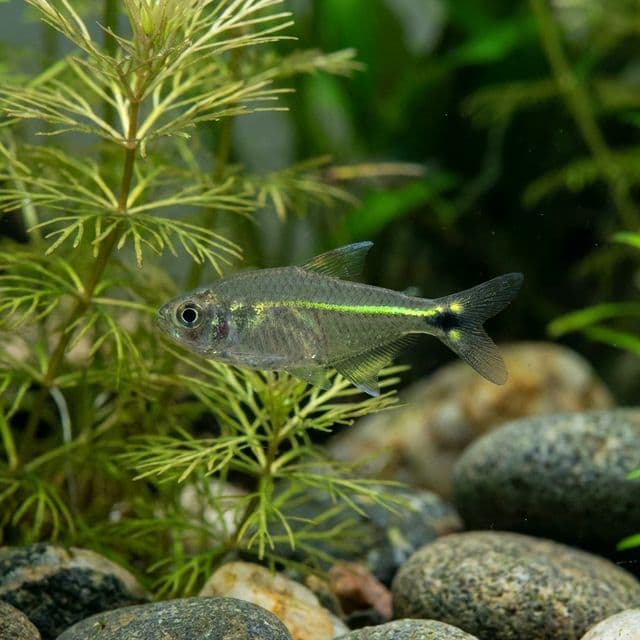
The Rummy Nose Tetra: Hemigrammus bleheri
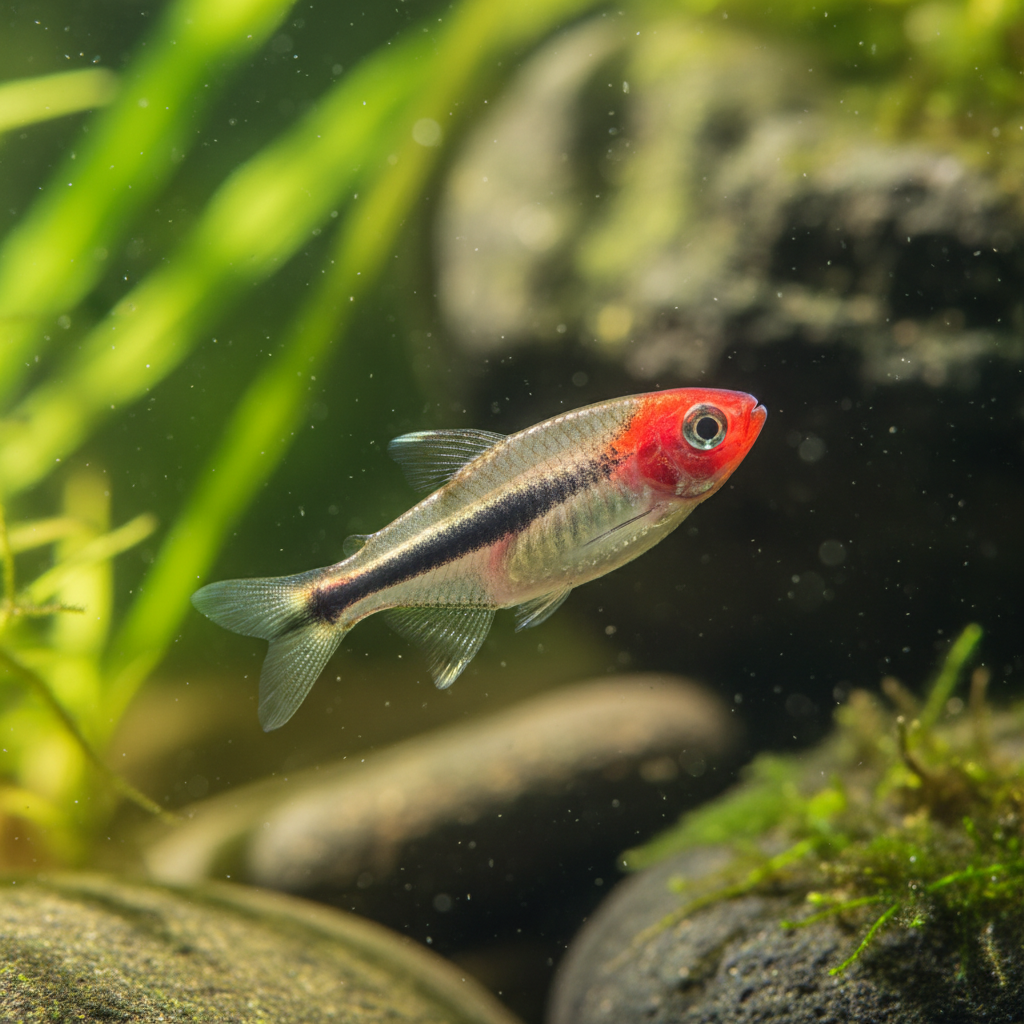
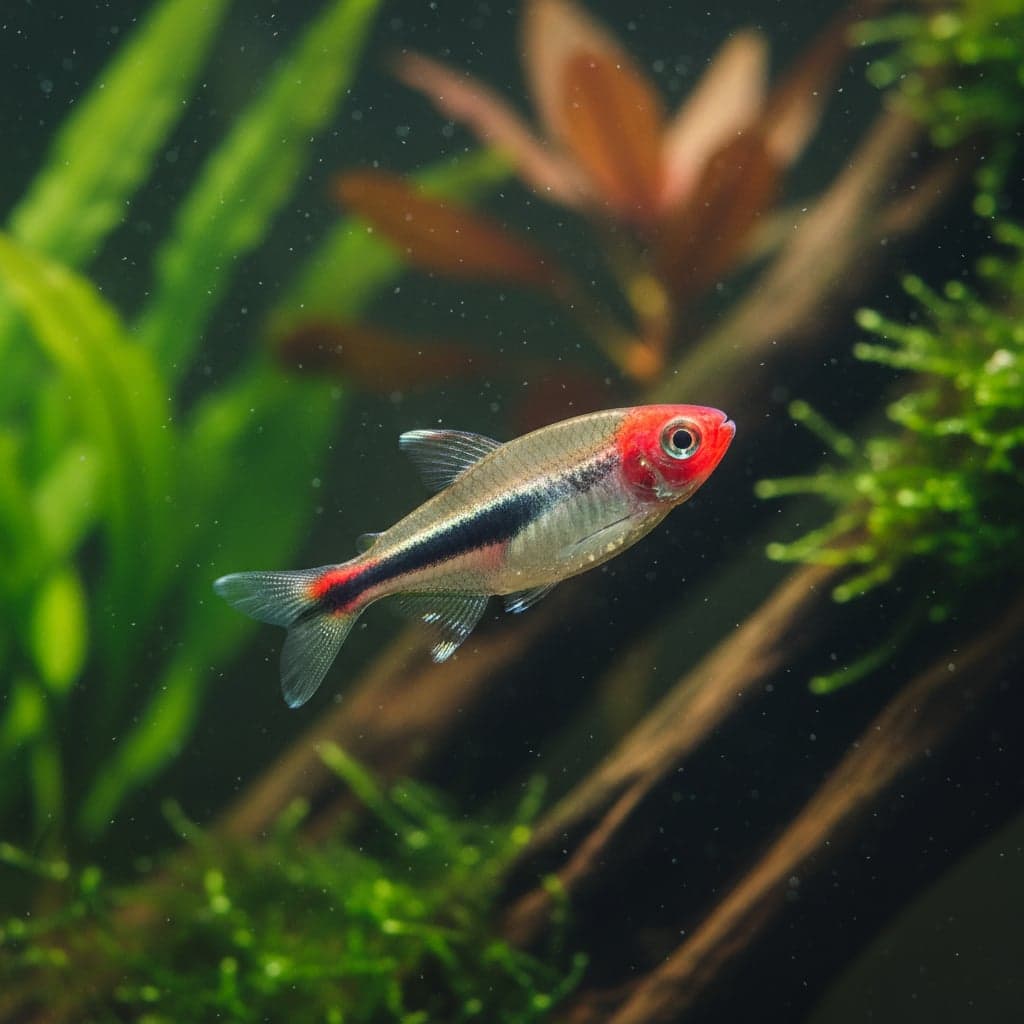
The tightest-schooling tetra in the hobby. Known for its bright red nose and striped tail, the rummy nose is the quintessential schooling fish.
Also known as: rummy nose tetra · Hemigrammus rhodostomus
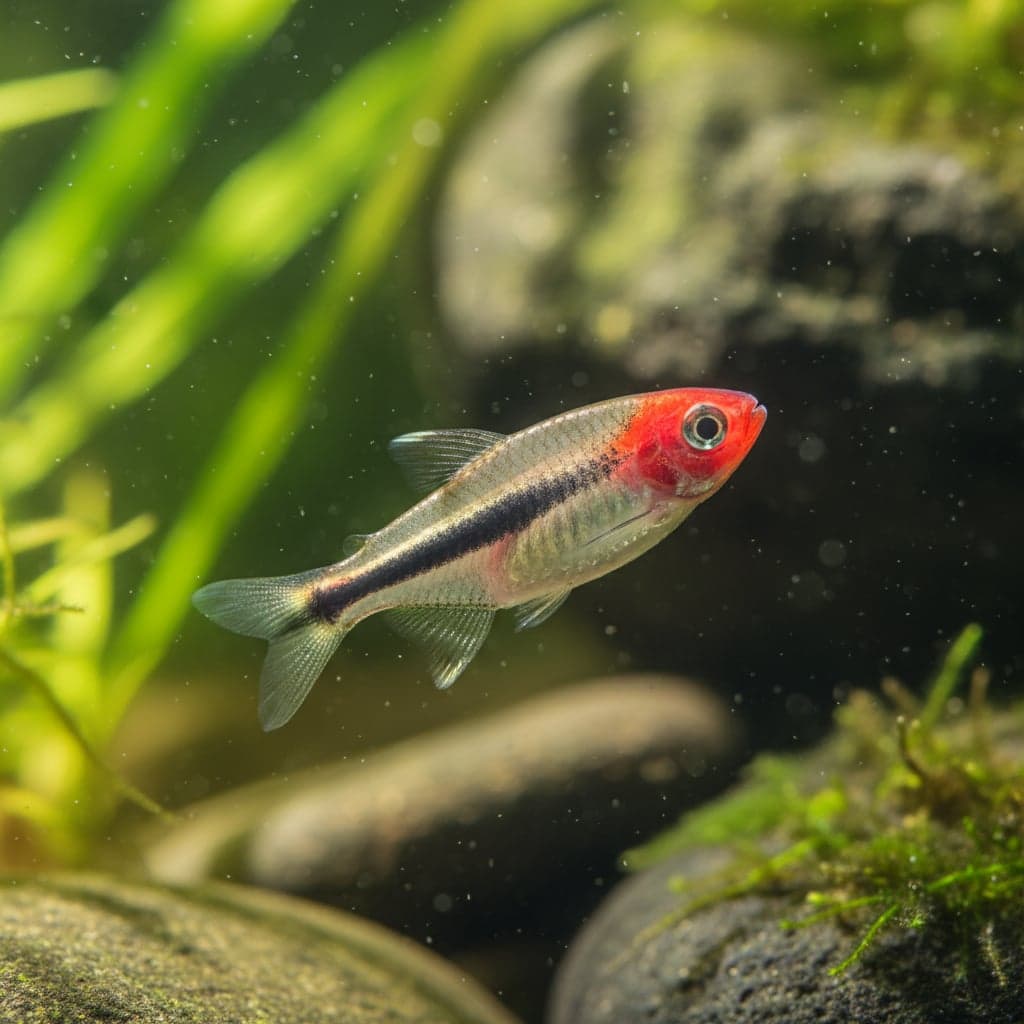
Rummy Nose Tetra
The Rummy Nose Tetra, scientifically known as Hemigrammus bleheri, is an enchanting freshwater fish cherished by aquarists for its vibrant coloration and lively behavior. Recognized by its distinctive red nose, the Rummy Nose Tetra sports a silvery body adorned with a striking black stripe that runs horizontally from tail to gills. This fish typically grows to about 1.5 to 2 inches in length, making it an ideal choice for both beginner and experienced aquarists. Its visually appealing attributes, particularly during schooling, create a mesmerizing display that elevates any aquarium setting.
Significantly, the Rummy Nose Tetra has carved out a prominent place in the aquarium hobby not only due to its beauty but also its sociable nature. These fish thrive in groups, and their activity levels increase when they are kept in schools of six or more. Their behavior can add a dynamic element to community tanks, as they inhabit the mid-water levels, often darting playfully among plants and structures. As a result, aquarists often seek out the Rummy Nose Tetra to enhance the visual and dynamic appeal of their aquatic environments.
Natural Habitat & Origin
The Rummy Nose Tetra is indigenous to the clear and blackwater rivers and streams of the Amazon Basin, primarily located in Brazil, Peru, and Colombia. These environments are characterized by slow-moving waters rich in vegetation and leaf litter, where natural light filters through the canopy above, casting dappled shadows on the substrate. The water in these regions typically has a low pH, soft acidity, and a tea-stained color due to the presence of tannins from decomposing organic matter, providing a unique ecological context that this species has adapted to over generations.
The Rummy Nose Tetra's natural habitat reflects its need for specific water conditions that replicate its native environment. In the wild, they are often found in densely planted areas where they can seek refuge from predators. Understanding their natural environment can be crucial for aquarists aiming to replicate these conditions in captivity, ensuring a thriving and healthful habitat for this beloved fish.
Care Requirements
To successfully care for Rummy Nose Tetras, certain water parameters must be maintained. The ideal pH range is between 5.5 and 7.0, with a temperature range of 75 to 82°F (24 to 28°C). Additionally, they prefer soft water with a hardness of 2-10 dGH. These parameters mimic their natural habitat, contributing to their overall health and well-being.
When setting up a tank for Rummy Nose Tetras, a minimum tank size of 20 gallons is recommended, allowing for ample swimming space. Substrate options such as fine gravel or sand help recreate their natural environment, while a densely planted tank with floating plants can provide the necessary cover and shade. Dim lighting is preferable, simulating the filtered light conditions found in their native habitat. Incorporating driftwood and leaf litter not only enhances the aesthetics of the aquarium but also helps maintain the water conditions that these tetras thrive in.
Diet & Feeding
Rummy Nose Tetras are omnivorous, requiring a varied diet for optimal health. In captivity, a high-quality flake or pellet food should form the base of their diet, ensuring they receive adequate nutrients. Supplementing their diet with frozen or live foods, such as bloodworms, brine shrimp, and daphnia, can significantly enhance their coloration and vitality. This variety mimics their natural feeding behavior and supports their overall health, encouraging activity levels and good growth rates.
To promote good feeding habits, offer small amounts of food 2-3 times a day. It’s crucial to avoid overfeeding, as uneaten food can degrade water quality—a key aspect of maintaining a healthy environment for these lively fish. Watching for their enthusiastic feeding response is a rewarding experience, as Rummy Nose Tetras exhibit their characteristic school behavior during mealtime, further highlighting their social nature.
Behavior & Temperament
Rummy Nose Tetras are known for their peaceful demeanor and social nature, making them ideal for community aquariums. They are schooling fish that thrive in groups of six or more, as being part of a shoal not only reduces stress but also encourages their playful, darting behavior. In contrast to more aggressive species, Rummy Nose Tetras exhibit minimal territoriality and aggression, making them compatible with a vast array of tank mates.
In terms of tank placement, Rummy Nose Tetras usually occupy the mid-water levels, frequently swimming near the surface or just above the substrate. They are quite active and playful, often showcasing synchronized swimming patterns. This behavior, combined with their striking appearance, makes them an engaging species to observe in any aquatic setting.
Tank Mates
When selecting tank mates for Rummy Nose Tetras, it is important to prioritize compatibility. Ideal companions include other small, peaceful species such as Neocaridina shrimp, Guppies, Corydoras catfish, and various small rasboras. These fish share similar water requirements and behavior, contributing to a harmonious community environment.
Conversely, there are species best avoided in mixed aquariums with Rummy Nose Tetras. Larger, more aggressive fish such as Cichlids, Barbs, and aggressive Tetras may harass or prey on Rummy Nose Tetras. Additionally, any fish known for fin-nipping should be excluded, as the Rummy Nose Tetra's fins can be vulnerable due to their delicate nature.
Breeding
Breeding Rummy Nose Tetras in captivity can be a rewarding experience, although it is essential to create the right conditions for successful spawning. These fish are egg-scatterers, typically requiring a separate breeding tank with a soft substrate or spawning mat to protect eggs from being eaten. The water should be kept slightly acidic (pH around 6.0) and soft (2-6 dGH), with a temperature of approximately 78°F (26°C).
To stimulate spawning, male Rummy Nose Tetras may display courtship behaviors, such as chasing females and showcasing their vivid coloration. Once spawning occurs—a process that can take a few hours—it's advisable to remove the adults from the breeding tank as they may consume the eggs. The eggs typically hatch within 24 to 36 hours, and the fry should be fed infusoria or finely crushed flake food until they grow large enough to accept larger foods.
Common Health Issues
Though generally hardy, Rummy Nose Tetras can be susceptible to specific health issues. Common ailments include Ich (white spot disease), fin rot, and dropsy. Ensuring optimal water quality through regular maintenance is crucial for preventing these diseases, as poor water conditions can lead to stress and illness.
A proactive approach, like quarantining new fish before introducing them to an established tank, can minimize the risk of disease transmission. Additionally, maintaining a stable aquarium environment with proper filtration, water changes, and tank hygiene can significantly reduce the likelihood of health problems arising in your school of Rummy Nose Tetras. Regular monitoring of fish behavior and appearance will help detect any health concerns early, allowing for prompt intervention when necessary.