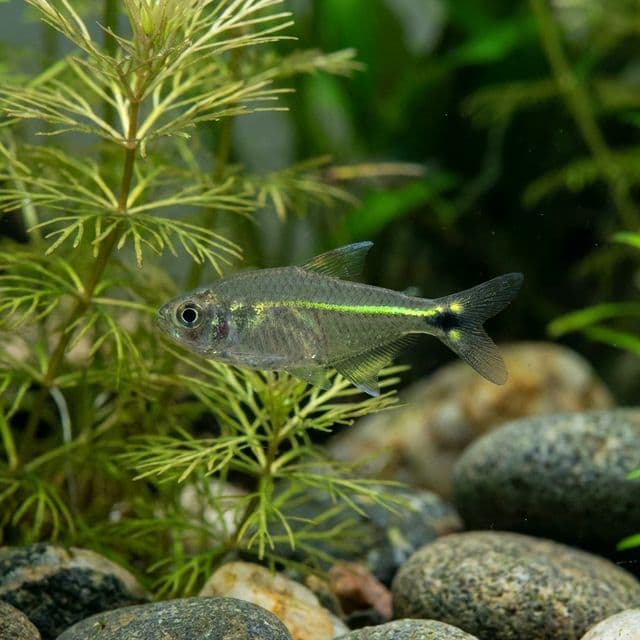
Rummynose Tetra: Hemigrammus rhodostomus
A spectacularly iconic schooling fish defined exactly by a blindingly bright red face and a zebra-striped tail.
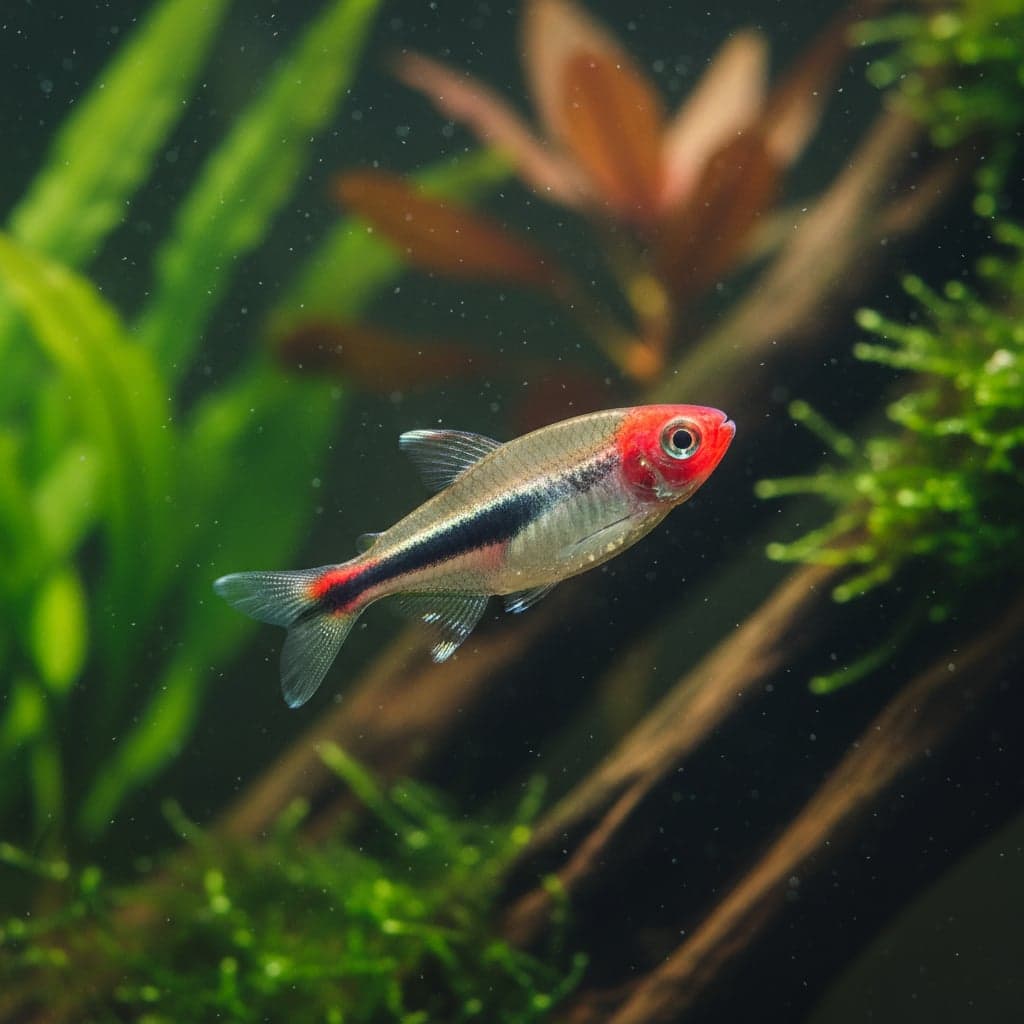
Rummynose Tetra
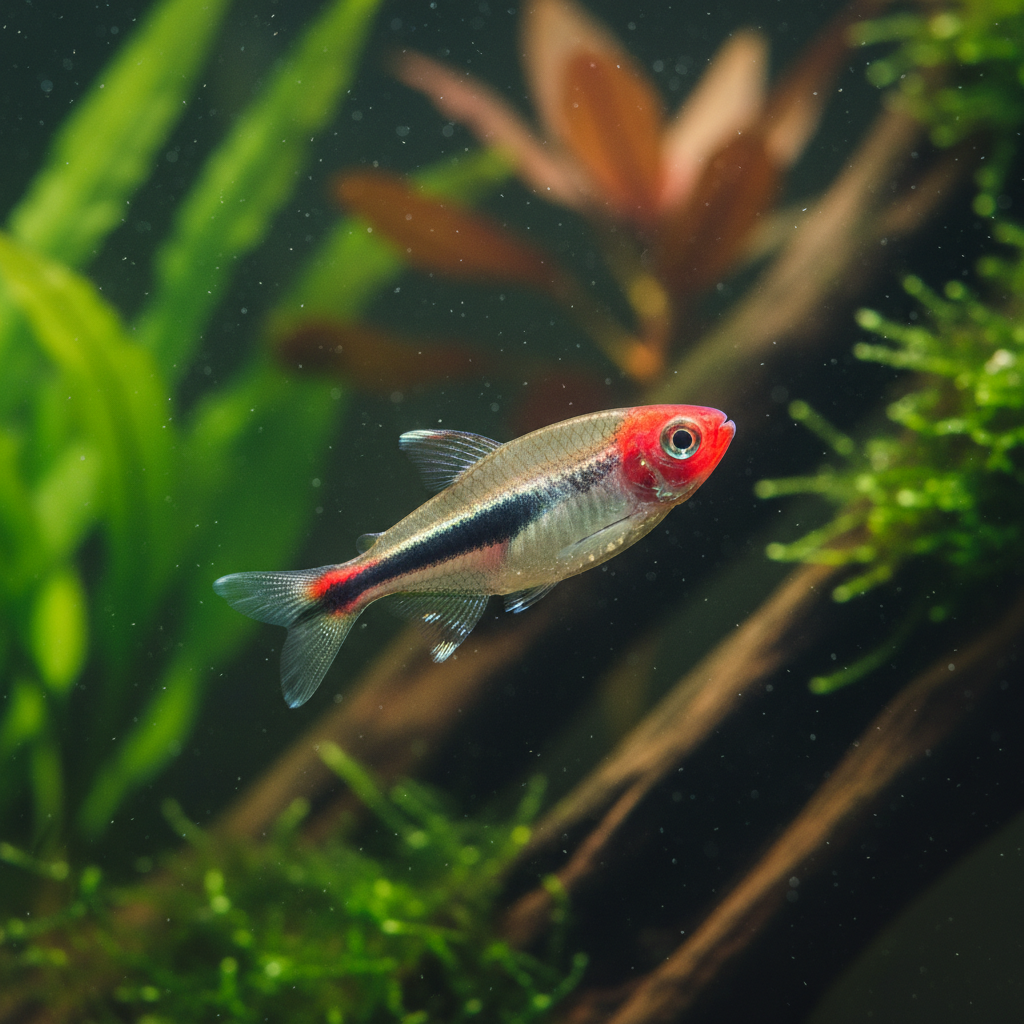
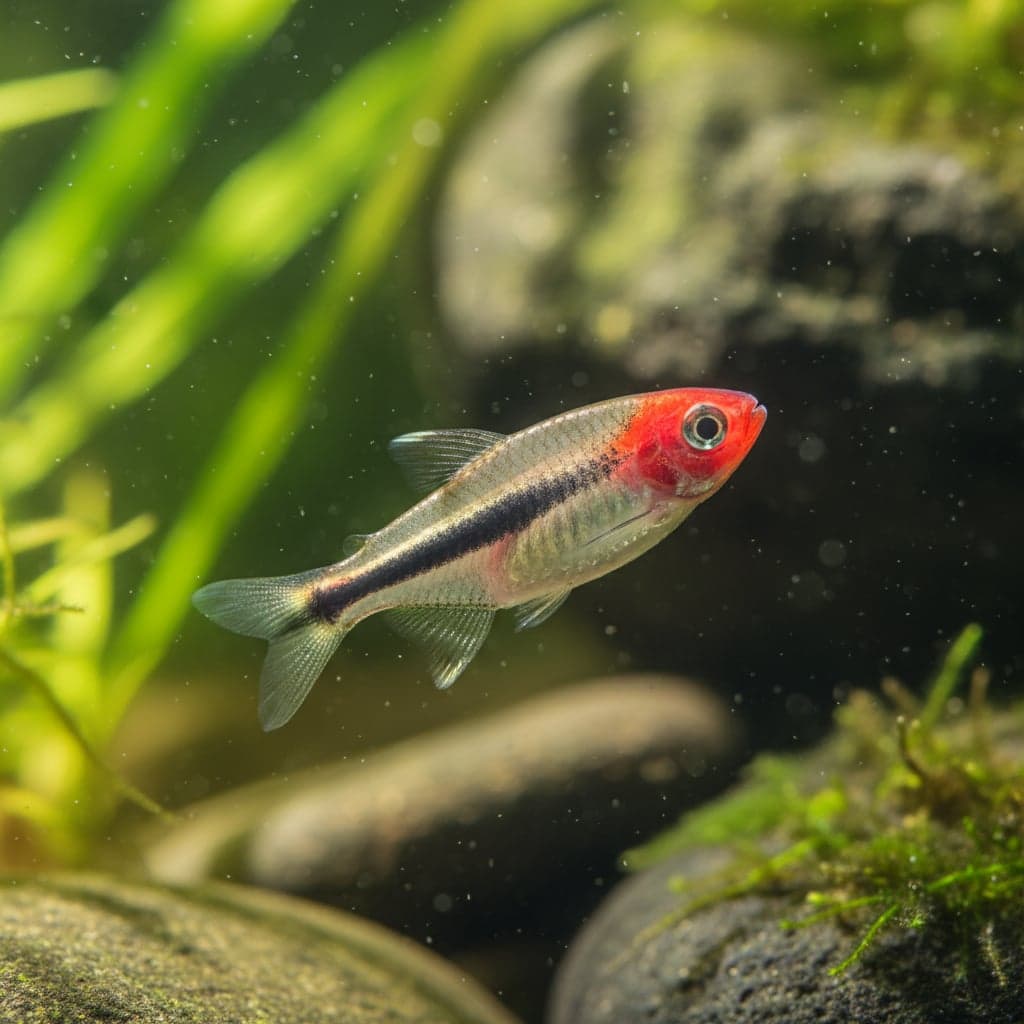
The Rummynose Tetra, scientifically known as Hemigrammus rhodostomus, is a visually striking freshwater fish that is highly prized among aquarists for its vibrant coloration and unique characteristics. This species features a body that exhibits shades of silver with beautiful accents of red on both its eyes and the region close to the fins, particularly the tail. Its striking red color, complemented by a black line running horizontally along its sides and a triangular, chalky white dorsal fin, makes it a captivating addition to community aquariums. In addition to its aesthetic appeal, the Rummynose Tetra is also known for its interesting schooling behavior, showcasing a captivating display as they move in unison.
In the aquarium hobby, Rummynose Tetras have gained a reputation for being peaceful, sociable fish that thrive in groups. Their gentle nature makes them an ideal choice for community tanks, fostering a dynamic environment that appeals not only to beginner aquarists but also to seasoned professionals. Their compatibility with a range of tankmates and their active swimming style bring a vibrant energy to any aquascape, further contributing to their significance in the fishkeeping world.
Natural Habitat & Origin
The Rummynose Tetra is native to the Amazon Basin, primarily found in the rivers and tributaries of Brazil, Colombia, and Peru. In their natural habitat, these fish inhabit slow-moving or still waters characterized by a rich blackwater environment, which is often stained by tannins released from decaying leaves and plant material. The water in these regions typically has a soft texture, low pH, and a depth that allows for abundant cover from surrounding aquatic vegetation. The soft, acidic nature of their natural waterways is essential for understanding the requirements for keeping Rummynose Tetras in aquariums, ensuring the best conditions for their health and longevity.
These fish often reside in waters with submerged structures, like fallen trees or leaf litter, which provide both shelter and foraging opportunities. This ecological context highlights their need for an environment that replicates the complexities of their native habitats, offering both physical and ecological parameters crucial for their well-being.
Care Requirements
When caring for Rummynose Tetras, it is vital to maintain appropriate water parameters to ensure their health and happiness. They thrive in water conditions with a pH level between 5.5 and 7.0, a temperature range of 75°F to 82°F (24°C to 28°C), and soft to moderately hard water with a hardness of 5 to 15 dGH. Given their sensitivity to water quality, performing regular water changes and keeping a stable environment are essential for preventing stress and disease.
For tank setup, a minimum tank size of 20 gallons is recommended to accommodate a school of these active swimmers effectively. A substrate of fine gravel or sand is ideal, mimicking their natural environment. The lighting should be moderate, as these fish prefer dimly lit conditions that allow them to feel secure. Incorporating live plants, driftwood, and rocks can create hiding spots and stimulate natural behaviors, enhancing their overall well-being.
Diet & Feeding
Rummynose Tetras are omnivorous and have a varied diet that contributes to their rich coloration and good health. In an aquarium setting, they will thrive on high-quality flake food, small pellets, and granules formulated for tropical fish. To enhance their nutritional profile, it is beneficial to supplement their diet with occasional offerings of frozen or live foods, such as brine shrimp, daphnia, or bloodworms. This not only provides variety but also encourages natural foraging behavior. Proper feeding practices, including not overfeeding and providing a balanced diet, are crucial for preventing health issues and maintaining vibrant coloration in these beautiful fish.
Behavior & Temperament
The Rummynose Tetra exhibits a peaceful and social demeanor, making it an excellent addition to community aquariums. They thrive in groups of at least six individuals, as their schooling nature encourages them to swim together, which is essential for their psychological well-being. This schooling behavior not only reduces stress but also brings liveliness and movement to the tank. These fish generally display low levels of aggression and can coexist with various other species without issues.
In terms of spatial behavior, Rummynose Tetras tend to occupy the mid to upper levels of the aquarium and often display more personality when they feel secure in their surroundings. Providing ample swimming space and hiding spots will ensure they remain relaxed and showcase their natural behavior freely.
Tank Mates
Rummynose Tetras are compatible with a range of species due to their peaceful nature. Ideal tank mates include other small schooling fish like Neon Tetras, Corydoras Catfish, Rasboras, and small Gouramis. They can also coexist with slightly larger, non-aggressive species, such as Guppies or Platies. However, it is essential to avoid keeping them with aggressive or fin-nipping species, such as Cichlids or certain barbs, which may cause stress or harm. Providing a well-planned community tank setup enhances the fish's overall happiness and encourages sociability among species.
Breeding
Breeding Rummynose Tetras in captivity can be a rewarding experience, although it may require specific conditions to encourage spawning. These fish are egg scatterers and prefer to breed in soft, slightly acidic water with a pH around 6.0 and a temperature of approximately 78°F (26°C). Providing a separate spawning tank with finer-leaved plants or spawning mops can help facilitate natural breeding behaviors.
Once spawned, it's essential to remove the parents from the tank, as they may consume the eggs. The eggs typically hatch within 24-36 hours, and after a few days, the fry will become free-swimming. Feeding the fry with infusoria or finely crushed flake food will ensure healthy growth during their initial stages of life.
Common Health Issues
While Rummynose Tetras are generally hardy, they can be susceptible to several health issues, particularly when kept in suboptimal conditions. Common ailments include ich (white spot disease), fin rot, and stress-related illnesses. Regular maintenance, including water quality checks and proper feeding regimens, is vital for disease prevention. Quarantining new arrivals and ensuring a balanced diet can significantly reduce stress and the likelihood of illness. Monitoring for signs of distress, such as lethargy or abnormal swimming behavior, will enable prompt action to maintain the fish's health.