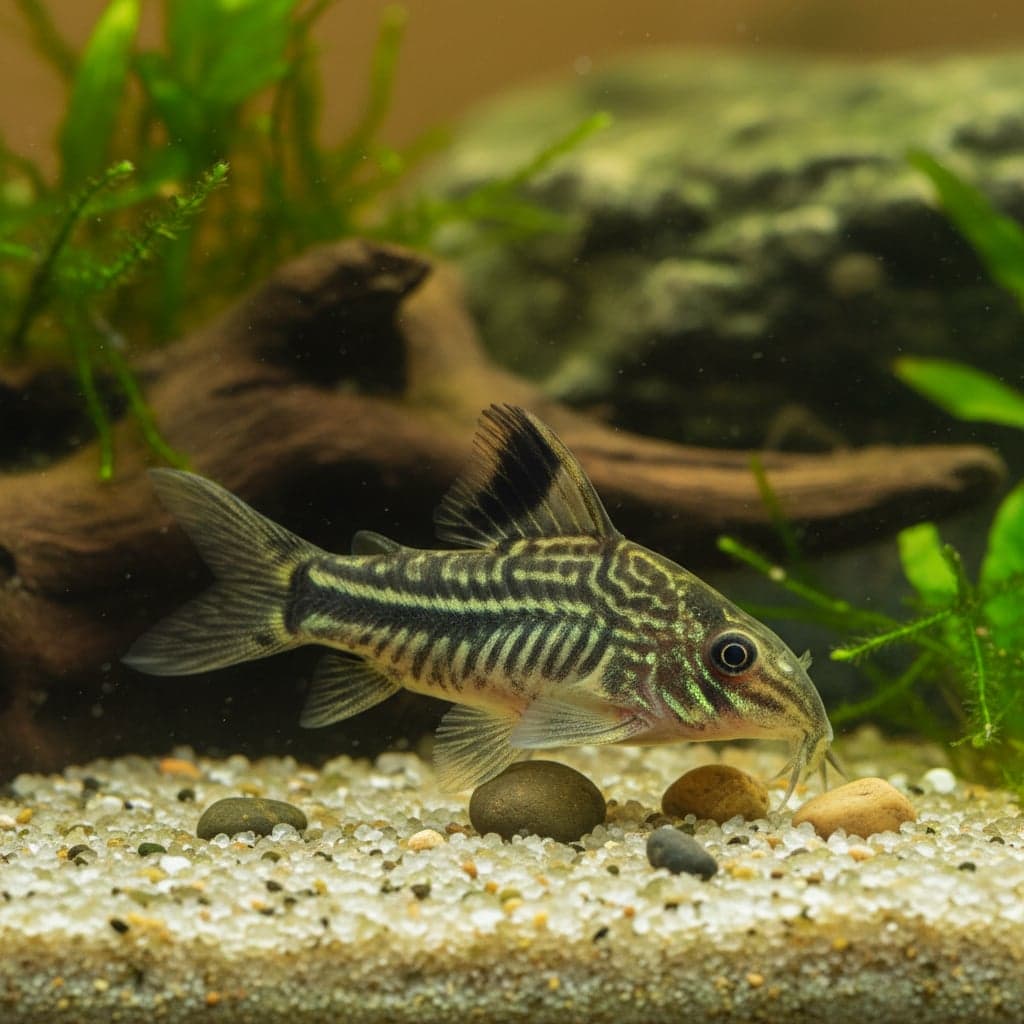
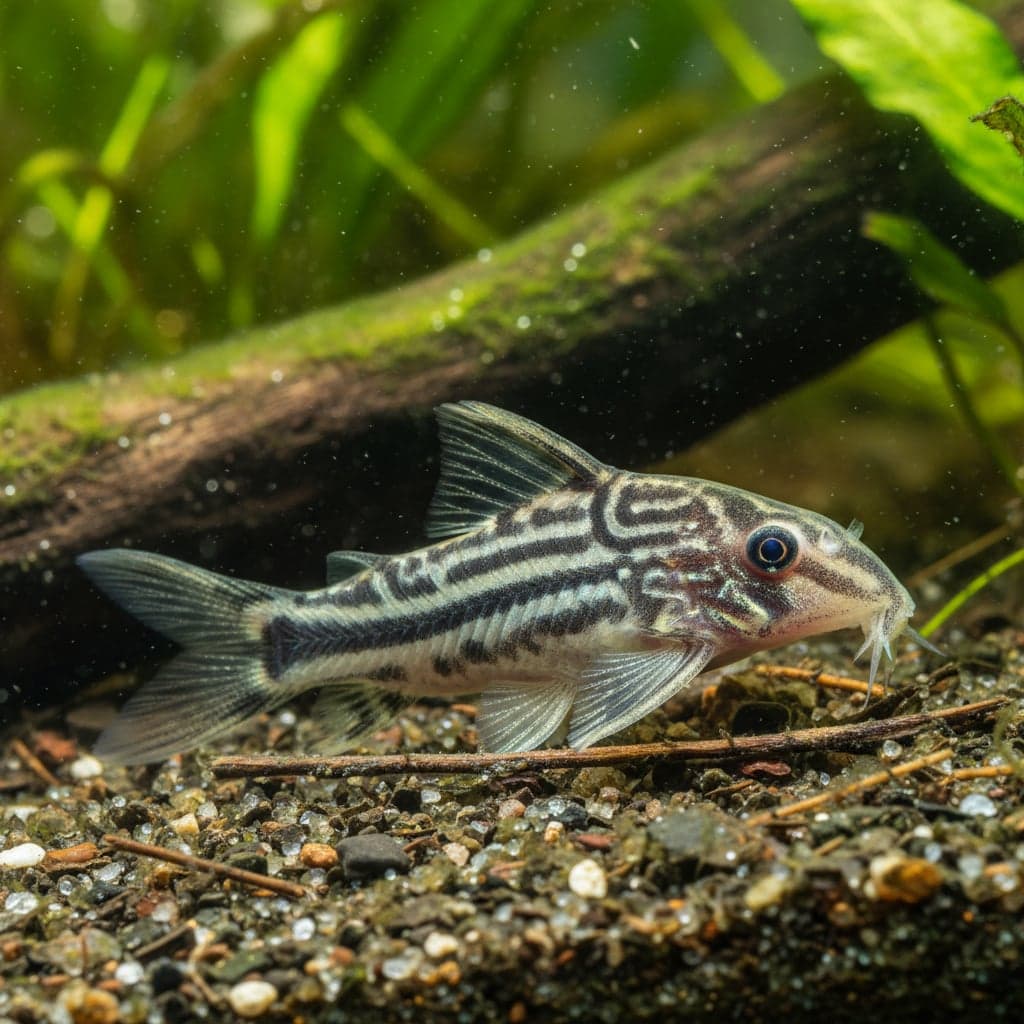
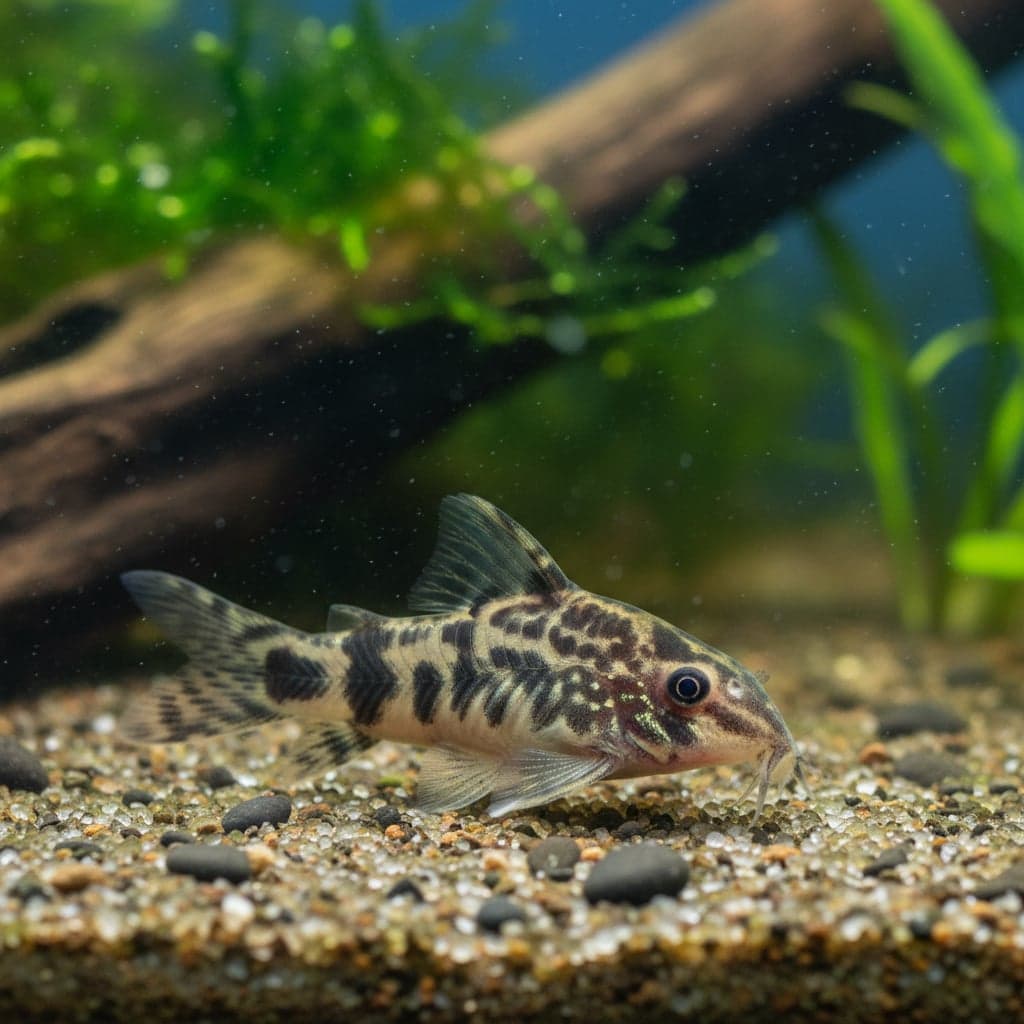
Salt & Pepper Cory: Corydoras habrosus
An impossibly tiny, heavily patterned "true dwarf" corydoras perfectly suited for nano aquariums.
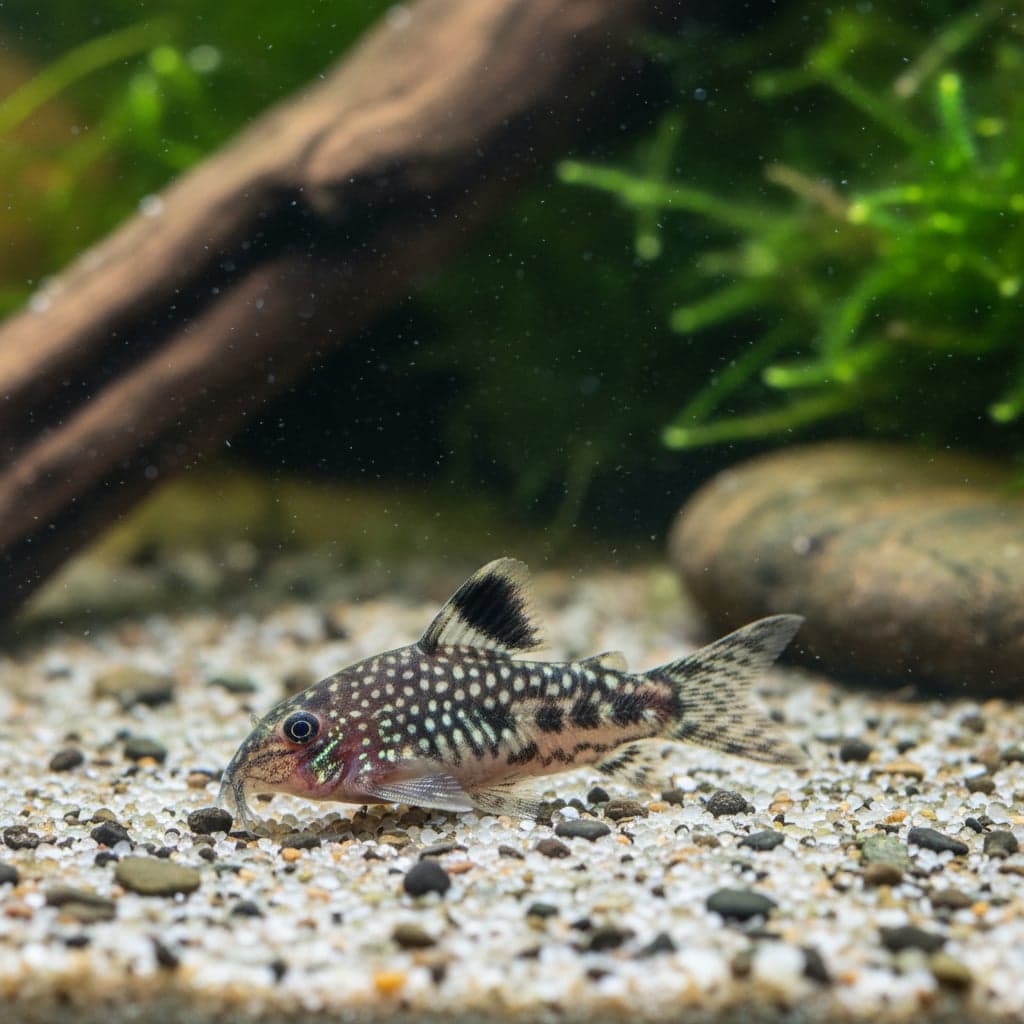
Salt & Pepper Cory
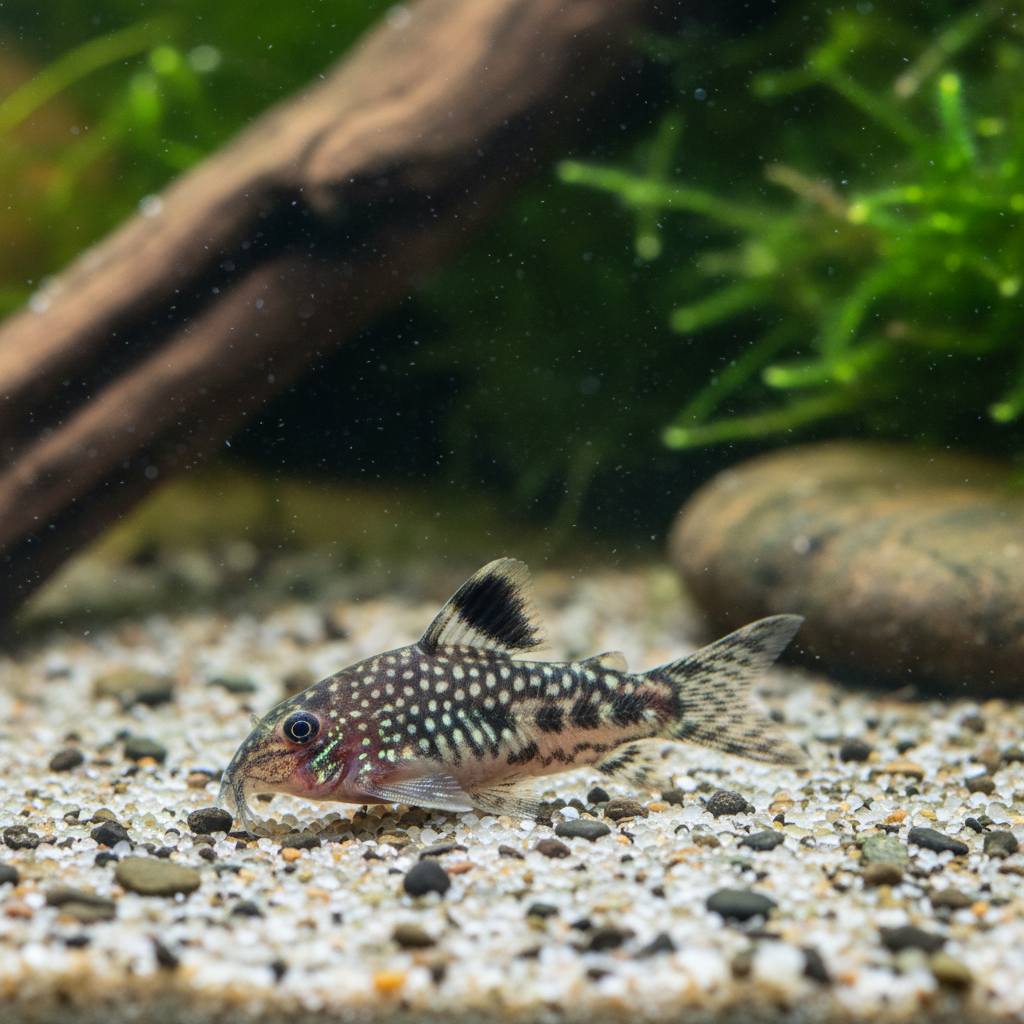
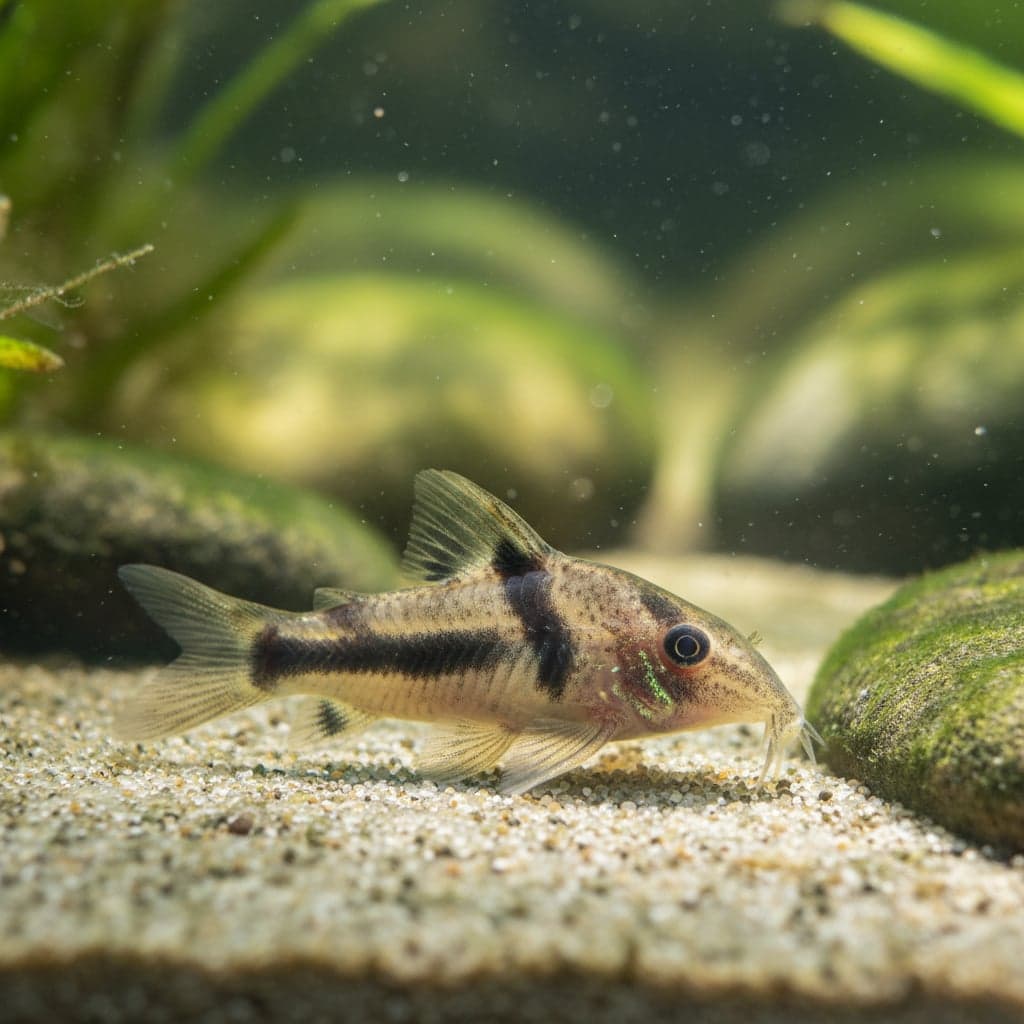
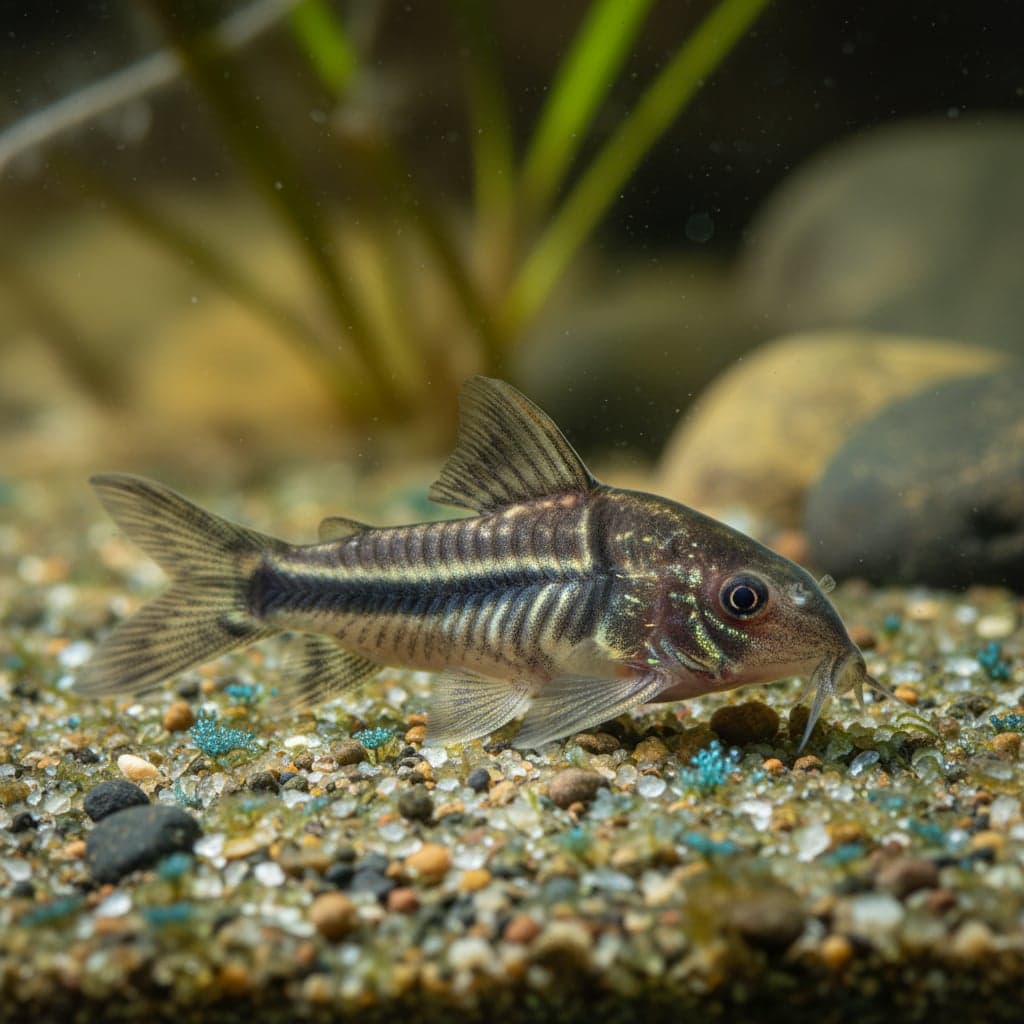
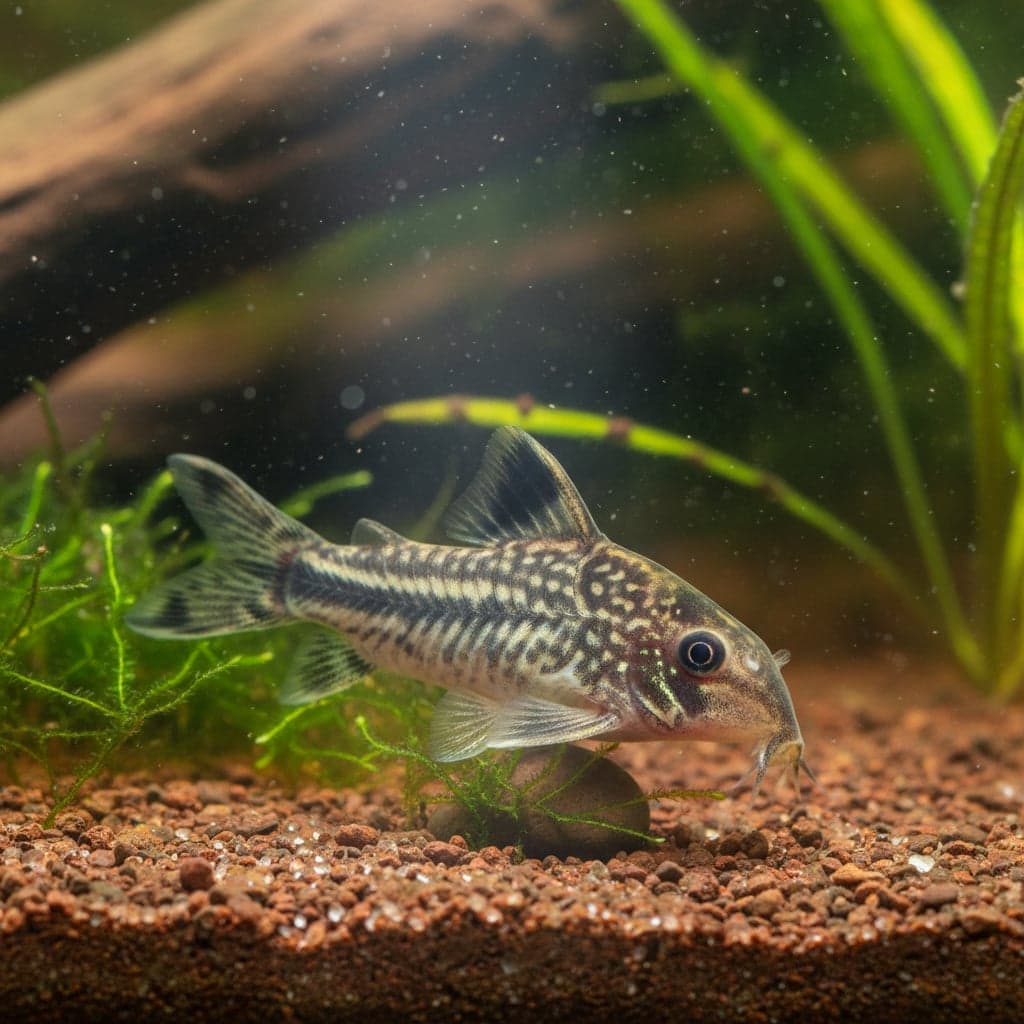
The Salt & Pepper Cory, scientifically known as Corydoras habrosus, is a delightful species of corydoras that captivates aquarists with its charming appearance and engaging behavior. Characterized by its petite size—typically reaching around 1-1.2 inches (2.5-3 cm) in length—this fish is adorned with a distinct pattern of black and white spots, resembling grains of pepper scattered on a light backdrop. Its appealing coloration and active nature make it a favorite in community tanks, where it adds both vibrancy and liveliness.
Beyond its visual appeal, the Salt & Pepper Cory also holds significance in the aquarium hobby for its role as a bottom-dweller. This fish helps maintain tank cleanliness by scavenging for uneaten food and organic debris, thus contributing to the overall health of the aquarium ecosystem. Their small size and gentle temperament make them ideal for novice aquarists and serious hobbyists alike. With the right care, they can thrive in a well-maintained aquarium, bringing joy to both newcomers and seasoned aquarists.
Natural Habitat & Origin
The Salt & Pepper Cory is native to the Amazon River basin, primarily found in regions of Peru and Brazil. It inhabits slow-moving rivers, streams, and flooded forests, where the waters are typically soft and slightly acidic. These environments are often characterized by blackwater conditions, where tree leaves and plant matter decompose, creating an environment rich in tannins that contribute to the water's darker coloration. This natural habitat also boasts an abundance of hiding spots provided by leaf litter and driftwood, which are vital for the fish's health and well-being.
As these fish are accustomed to specific water conditions, maintaining a stable environment mimicking their natural habitat is essential in an aquarium setting. The soft, slightly acidic water helps to replicate their breeding conditions and keeps them healthy, making it crucial to understand and manage these parameters effectively.
Care Requirements
To provide optimal care for the Salt & Pepper Cory, it is important to adhere to specific water parameters. The recommended pH level is between 6.0 and 7.5, with a temperature range of 72°F to 78°F (22°C to 26°C) and hardness ranging from 2 to 15 dGH. In terms of tank setup, a minimum tank size of 20 gallons is ideal to accommodate a small group of these fish, as they are social creatures that thrive in schools of at least five or six individuals.
The substrate in the tank should be soft and smooth, such as fine sand, to prevent injury to their sensitive barbels while foraging. This species appreciates a well-planted tank with plenty of hiding spots, so including live plants, driftwood, and decorations that create caves will help replicate their natural environment. Lighting should be moderate; too harsh lighting can cause stress, whereas subdued lighting encourages a more comfortable and natural setting for the fish.
Diet & Feeding
Salt & Pepper Corys are omnivorous and require a varied diet to thrive. In captivity, they will excel on a balanced diet that consists of high-quality sinking pellets, flakes, and frozen or live foods such as brine shrimp and bloodworms. Their feeding habits are characterized by bottom foraging, so providing them with food that sinks to the substrate is crucial, as it allows them to exhibit their natural behavior.
In addition to commercial feeds, supplementing their diet with occasional vegetable matter, like blanched zucchini or spinach, can promote overall health and provide essential nutrients. Ensuring they have a diverse diet will lead to vibrant colors and a robust immune system, making this species a joy to keep in an aquarium.
Behavior & Temperament
The Salt & Pepper Cory is known for its peaceful and sociable nature, making it an excellent addition to community tanks. Typically, this fish thrives in shoals and exhibits schooling behavior, where they feel most secure and energetic when surrounded by their companions. It’s best to keep them in groups of five or more to allow them to establish a comfortable social structure and reduce stress levels.
In terms of their behavior, these corydoras are relatively active, spending a lot of time scavenging along the substrate and occasionally darting to mid-water. They are non-aggressive and often make great tank mates for a variety of peaceful species. The Salt & Pepper Cory tends to occupy the lower levels of the tank, frequenting areas near the substrate, but may occasionally explore higher levels as they feel more secure.
Tank Mates
When selecting compatible tank mates for the Salt & Pepper Cory, it is essential to prioritize peaceful species that won’t outcompete them for food or space. Ideal companions include small tetras, rasboras, danios, and other gentle community species like guppies or endler’s livebearers. These fish can coexist harmoniously, as they all thrive in similar water parameters and exhibit non-aggressive temperaments.
Species to avoid include larger or more aggressive fishes, such as cichlids, which may see the Salt & Pepper Cory as prey. Additionally, avoid overly boisterous species that might outcompete them for food, such as some larger barbs. A well-planned community tank will ensure that all species coexist peacefully, promoting a balanced and healthy aquatic environment.
Breeding
Breeding Salt & Pepper Corys in captivity can be a rewarding experience for dedicated aquarists. Typically, spawning occurs following a trigger caused by changes in water conditions, such as temperature or water quality. To encourage breeding, maintain slightly cooler water temperatures around 72°F (22°C) and offer high-quality live or frozen foods in the days leading up to spawning.
Once ready to spawn, the male will court the female through a series of displays, including gentle nudges and chasing. After successful mating, the female will lay her eggs on smooth surfaces like leaves or glass, where they will adhere until they hatch. To increase survival rates, it’s advisable to separate the adults from the eggs after spawning to prevent them from consuming their offspring. With adequate care and environmental conditions, these fish will bring new life into the aquarium.
Common Health Issues
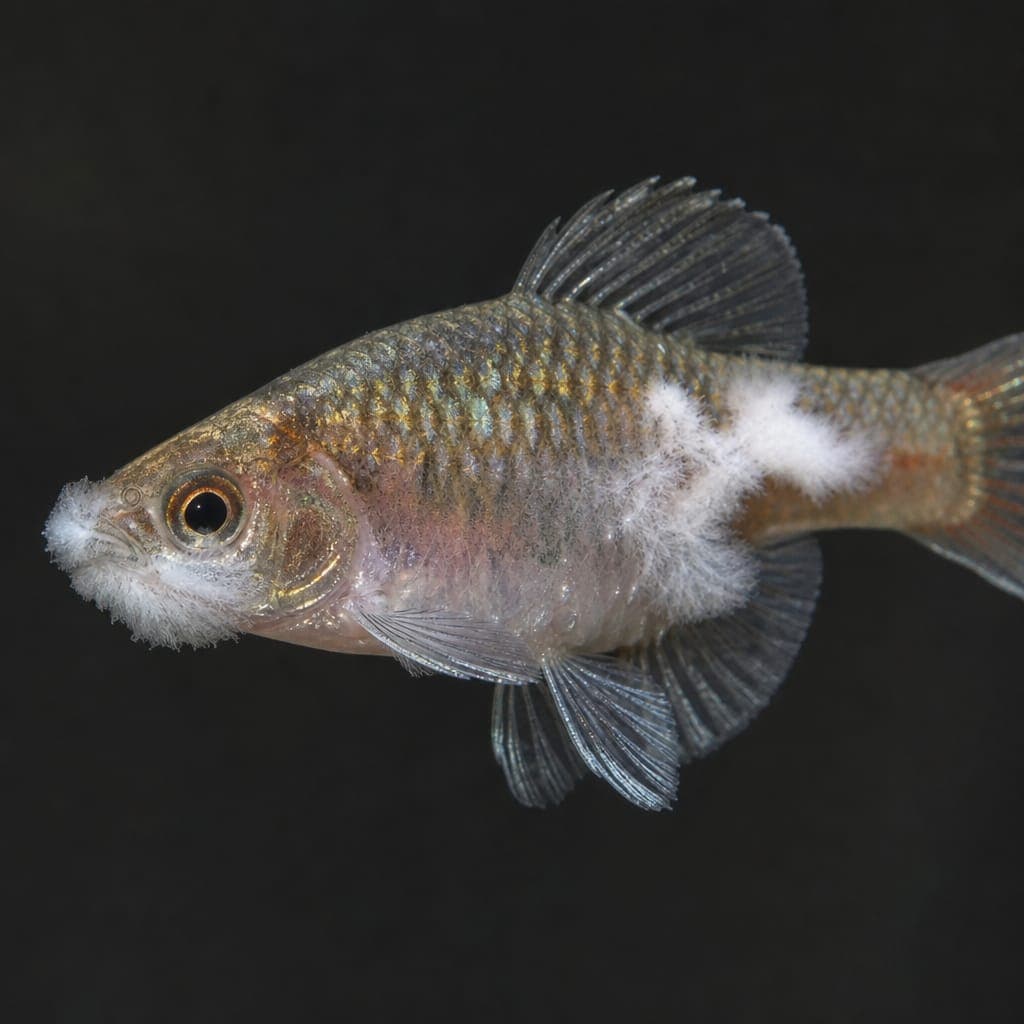
While Salt & Pepper Corys are generally hardy, they can be prone to several common health issues. The most prevalent problems include Ich (white spot disease), fin rot, and fungal infections. To prevent these diseases, maintain pristine water quality through regular water changes and effective filtration. It's also crucial to avoid overfeeding, as excess food can lead to poor water conditions, increasing the risk of disease.
Observing the fish for any signs of stress or illness, such as changes in behavior, color, or appetite, is essential for early detection and treatment. Quarantining any new additions before introducing them to the main tank can also help prevent the introduction of pathogens. By adhering to proper care requirements and preventive measures, you can ensure the health and longevity of your Salt & Pepper Corys in the aquarium.