Spotted Climbing Perch: Ctenopoma acutirostre
A leaf-mimicking African ambush predator that eats anything it can swallow. Tank size, tank mates, feeding and care at 24-28°C, pH 6.5-7.5.
Spotted Climbing Perch
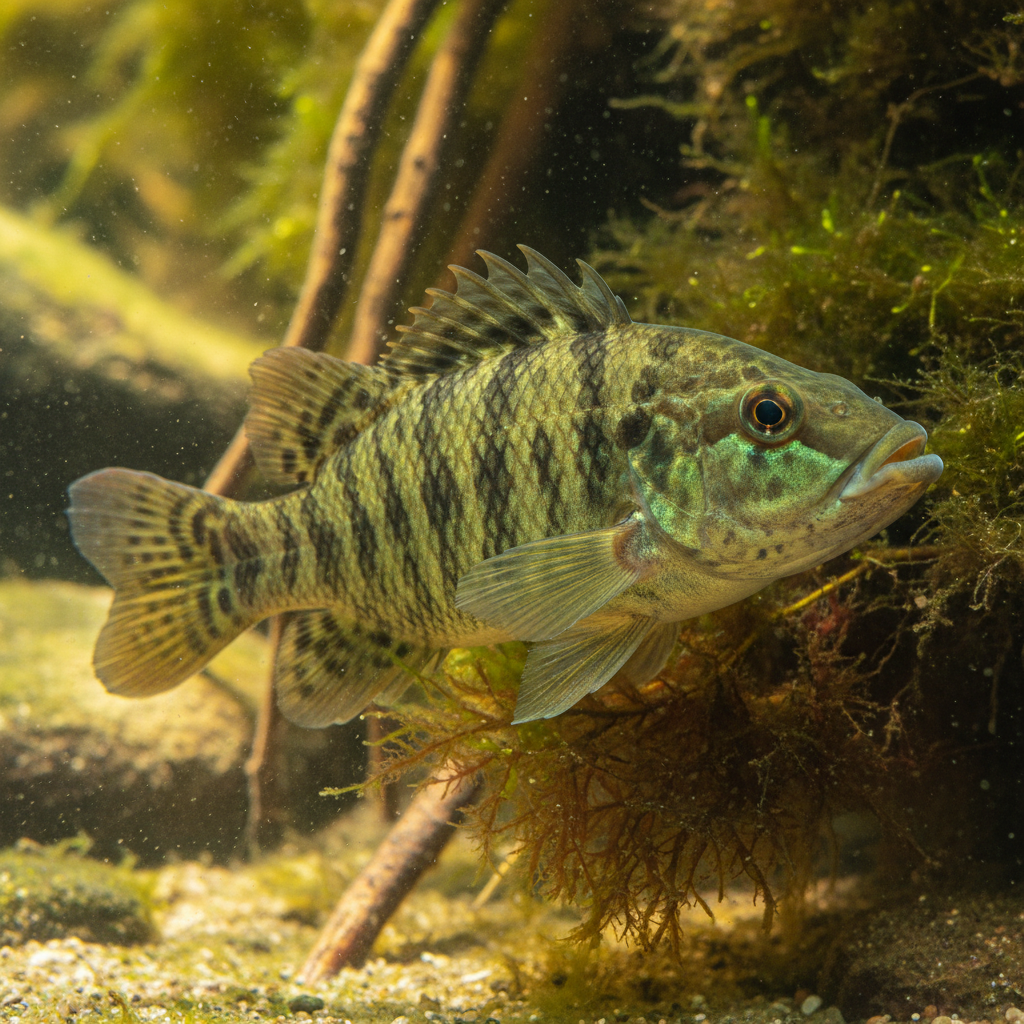
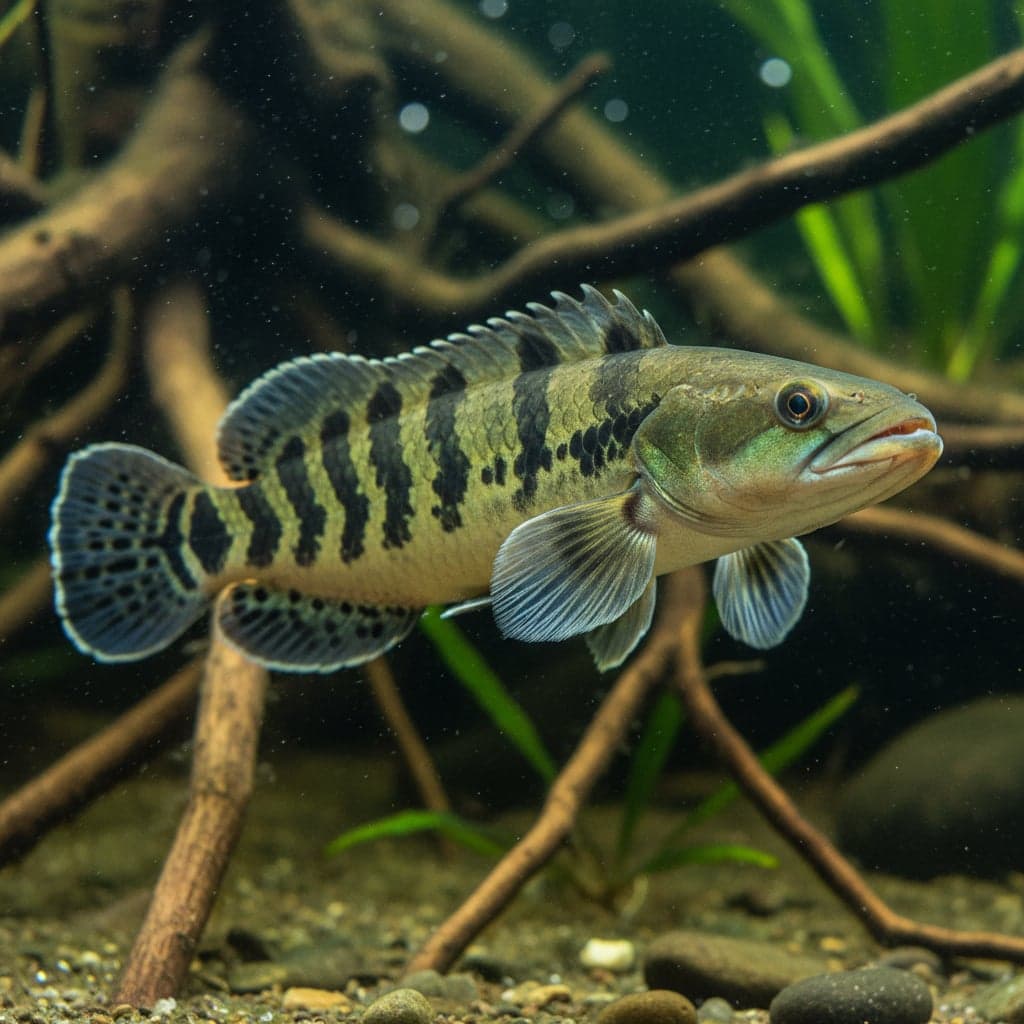
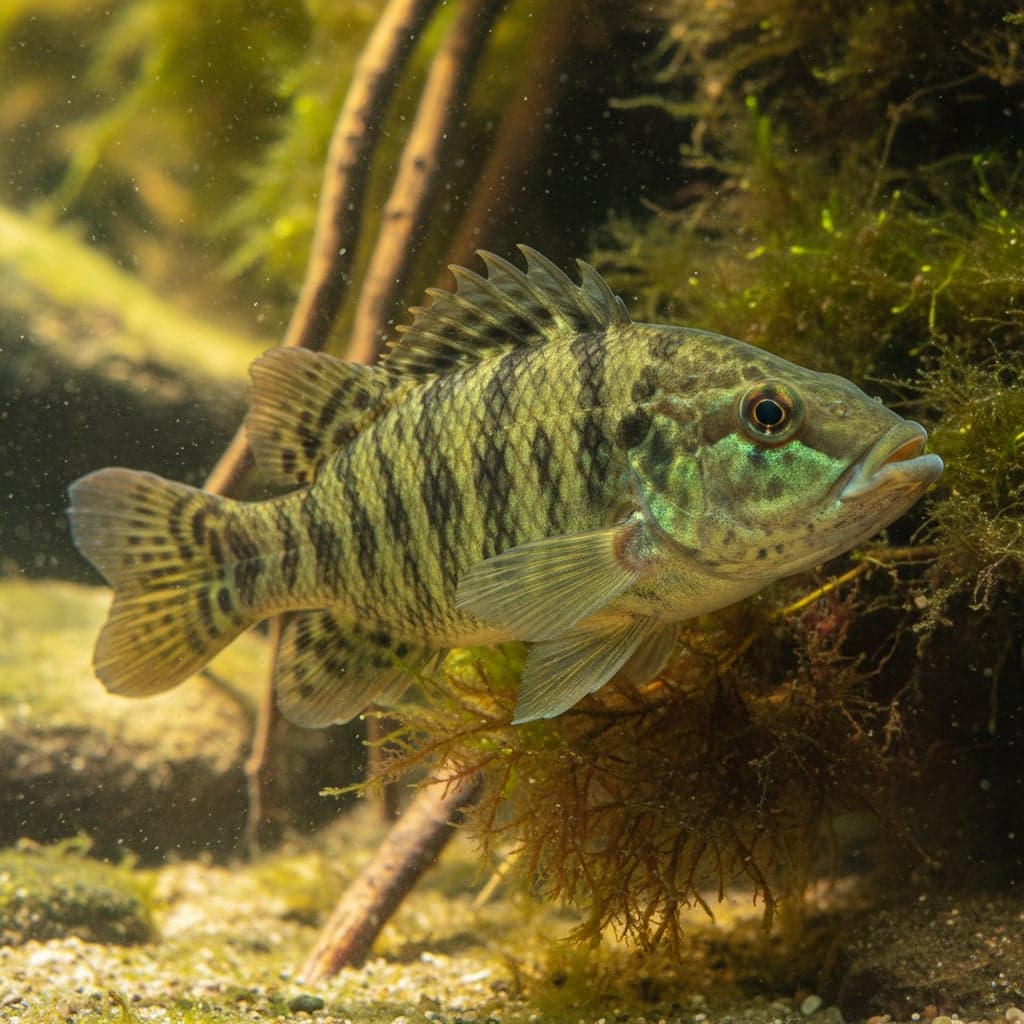
The Spotted Climbing Perch (Ctenopoma acutirostre) is a captivating freshwater fish that has garnered attention among aquarists due to its unique appearance and fascinating behavior. Characterized by its streamlined body, this species can display vibrant colors ranging from deep greens to earthy browns, complemented by distinct horizontal spots that give rise to its common name. This striking fish can reach lengths of up to six inches, making it a suitable choice for both small and medium-sized aquariums. Its unusual ability to traverse terrestrial environments through a form of gill respiration adds a layer of intrigue and adaptability, providing aquarists with a dynamic display unlike that of typical freshwater fish.
In the aquarium hobby, the Spotted Climbing Perch serves not only as an aesthetic addition but also as a conversation starter due to its unique climbing behavior. This fish's charm lies in its inquisitive nature, often exploring its tank environment by utilizing foliage and hardscape elements. As a relatively hardy species, the Spotted Climbing Perch appeals to both novice and experienced aquarists alike, enriching the aquatic landscape with its engaging presence and active disposition. Therefore, it is no wonder that this species has become a cherished fixture in many hobbyist collections.
Natural Habitat & Origin
The Spotted Climbing Perch originates from the freshwater bodies of the Congo River basin and surrounding regions of Central Africa, where it inhabits a variety of waterways, including slow-moving streams and swamps. This fish is commonly found in blackwater systems characterized by stained water that is low in pH and rich in organic materials from decaying leaf litter. The ecological context of its habitat often includes densely vegetated areas that provide shelter and foraging opportunities, making these environmental features crucial for the species' survival. It’s not unusual to see this fish inhabit floodplains during rainy seasons, which further emphasizes its adaptability and resilience.
Understanding this natural habitat is integral for aquarium enthusiasts aiming to replicate optimal conditions for the Spotted Climbing Perch. With its natural preference for soft, acidic waters filled with organic matter, creating similar parameters in captivity will greatly enhance the wellbeing of this species. Paying attention to the specific environmental needs fosters a thriving aquarium ecosystem that mirrors the delicate balance found in nature.
Care Requirements
To successfully keep the Spotted Climbing Perch, it is vital to maintain water parameters that closely resemble its natural habitat. The ideal pH range for this species is between 6.0 and 7.5, with a water hardness of 5-15 dGH. Maintaining a temperature between 74°F and 82°F (23°C - 28°C) is essential to mimic the warm waters of its origin. Additionally, the tank should have a minimum size of 30 gallons, providing ample space for swimming and climbing.
For tank setup, the substrate should be soft sand or fine gravel to protect the fish’s sensitive body, as it often digs for food. The lighting should be subdued to mimic the dim conditions of its natural environment, and live plants such as Java fern, Anubias, and floating vegetation can create hiding spots and breeding areas. Incorporating driftwood and rocks will also provide essential climbing structures, fulfilling not only the aesthetic appeal but also the behavioral needs of the Spotted Climbing Perch.
Diet & Feeding
The Spotted Climbing Perch is an omnivorous species, which means it thrives on a varied diet to meet its nutritional needs. In the wild, it feeds on insects, small crustaceans, and plant matter. In an aquarium setting, providing a mix of high-quality flakes and pellets formulated for carnivorous fish is essential. Additionally, offering frozen or live foods such as bloodworms, brine shrimp, and daphnia can enhance its diet and satisfy its hunting instincts.
While it may accept dried food, emphasis should be placed on including fresh or frozen options to keep its colors vibrant and health optimal. Regular feeding of a well-balanced diet not only promotes growth and vitality but also plays a crucial role in minimizing stress and fostering natural behaviors, contributing to a successful aquarium experience.
Behavior & Temperament
The Spotted Climbing Perch displays intriguing social behaviors and can exhibit a variety of temperaments in a community tank. Generally considered to be semi-aggressive, they may establish a hierarchical structure among tank mates, particularly if housed with similar-sized species. However, their personality often varies based on the individual. This fish tends to be curious and will frequently explore the vertical space of the tank, making use of plants and decorations to climb and investigate.
In terms of schooling, the Spotted Climbing Perch is not a shoaling species; it can be kept individually or in groups but should not be overcrowded. Proper spacing and adequate hiding spots are essential to reduce territorial disputes. Observing their behavior can be rewarding as they engage in climbing, foraging, and exploring their environment, making them a dynamic species to keep in an aquarium.
Tank Mates
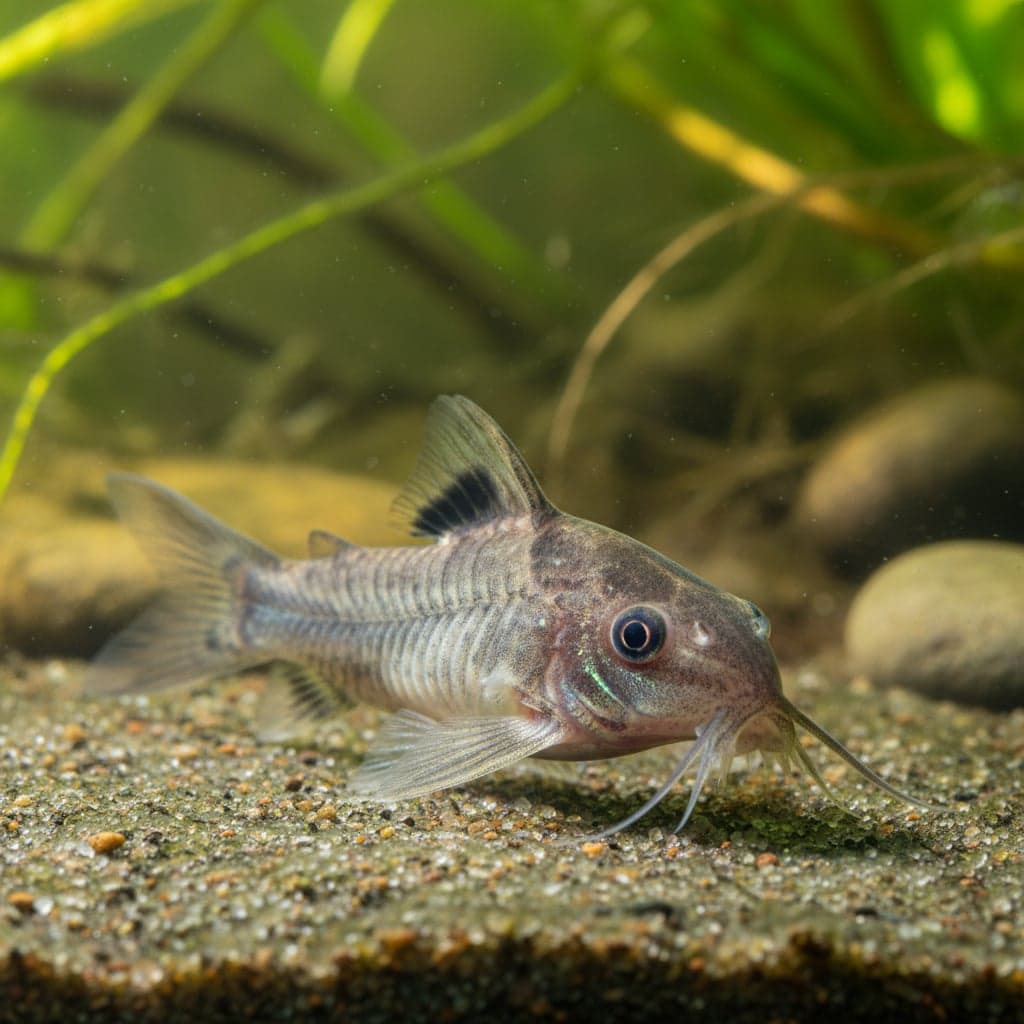
Selecting compatible tank mates for the Spotted Climbing Perch requires caution due to its semi-aggressive tendencies. Suitable companions include other gentle to moderately-sized fish such as tetras, rasboras, and smaller barbs, which can thrive in similar water conditions. Corydoras catfish, who primarily inhabit the bottom of the tank, can also make good additions, as they exhibit peaceful behavior and do not compete for vertical space.
However, certain species should be avoided to prevent conflict and stress. Larger and aggressive species, such as cichlids or certain types of barbs, may intimidate or harass the Spotted Climbing Perch, leading to stress or injury. It's best to avoid keeping this fish with long-finned species, as they may become targets for nipping behavior. Careful selection of tank mates, along with proper environmental conditions, will help create a tranquil community aquarium.
Breeding
Breeding the Spotted Climbing Perch in captivity can be a rewarding experience for aquarists willing to replicate its natural spawning conditions. This species typically breeds during warmer months, so maintaining temperatures between 78°F and 82°F (25°C - 28°C) will help initiate spawning behaviors. A breeding tank with a capacity of at least 20 gallons, filled with fine-leaved plants such as Java moss or spawning mats, can serve as an ideal environment for this process.
When preparing for breeding, it is helpful to condition a bonded pair with nutritious foods like live or frozen options. During spawning, the female carries eggs in her mouth until they are fertilized, after which she will guard the nest area. Successful breeding often results in the female laying around 50 to 100 eggs, which can hatch in about 48-72 hours, depending on water temperature. Observing the breeding ritual and caring for the fry can add an exciting dimension to the aquarium experience.
Common Health Issues
The Spotted Climbing Perch can be susceptible to various health issues, especially if kept in suboptimal conditions. Common problems include Ich (Ichthyophthirius multifiliis), a parasitic disease characterized by white spots on the fish's body, and fin rot, which may occur due to poor water quality or stress. To mitigate health risks, regular water testing and maintenance are essential, along with providing a stable and clean environment.
Practicing good husbandry—including quarantining new arrivals, avoiding overcrowding, and offering a balanced diet—further reduces disease risk. Watch for white spots, frayed fins, clamped fins, or unusual lethargy, and treat promptly with aquarium-safe medications. Secure lids and stable parameters keep these air-breathing fish comfortable. With consistent maintenance, early intervention, and a varied diet, Spotted Climbing Perch remain hardy, active aquarium inhabitants that thrive for years.