The Spotted Talking Catfish: Agamyxis pectinifrons
A heavily armored, peaceful tankbuster that "talks" when removed from the water. Known for its distinct spots and hardiness.
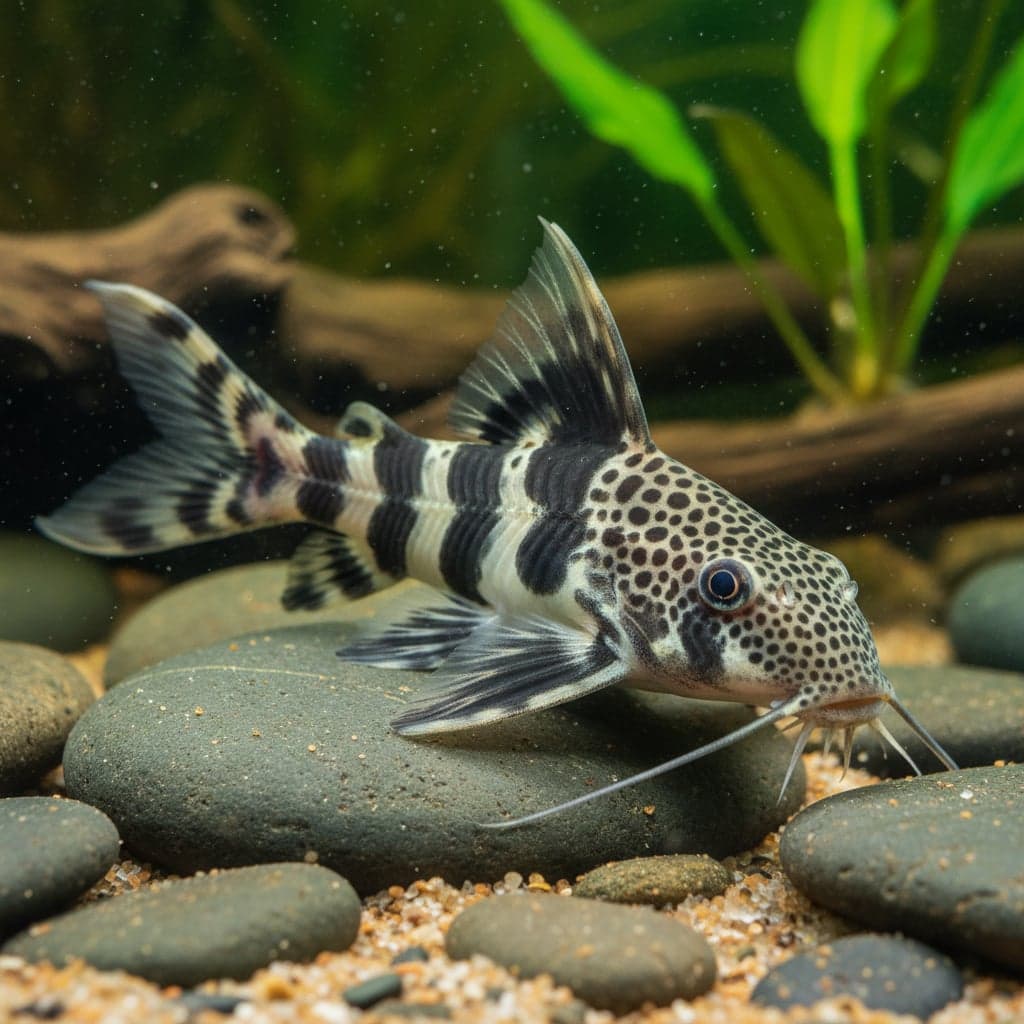
Spotted Talking Catfish
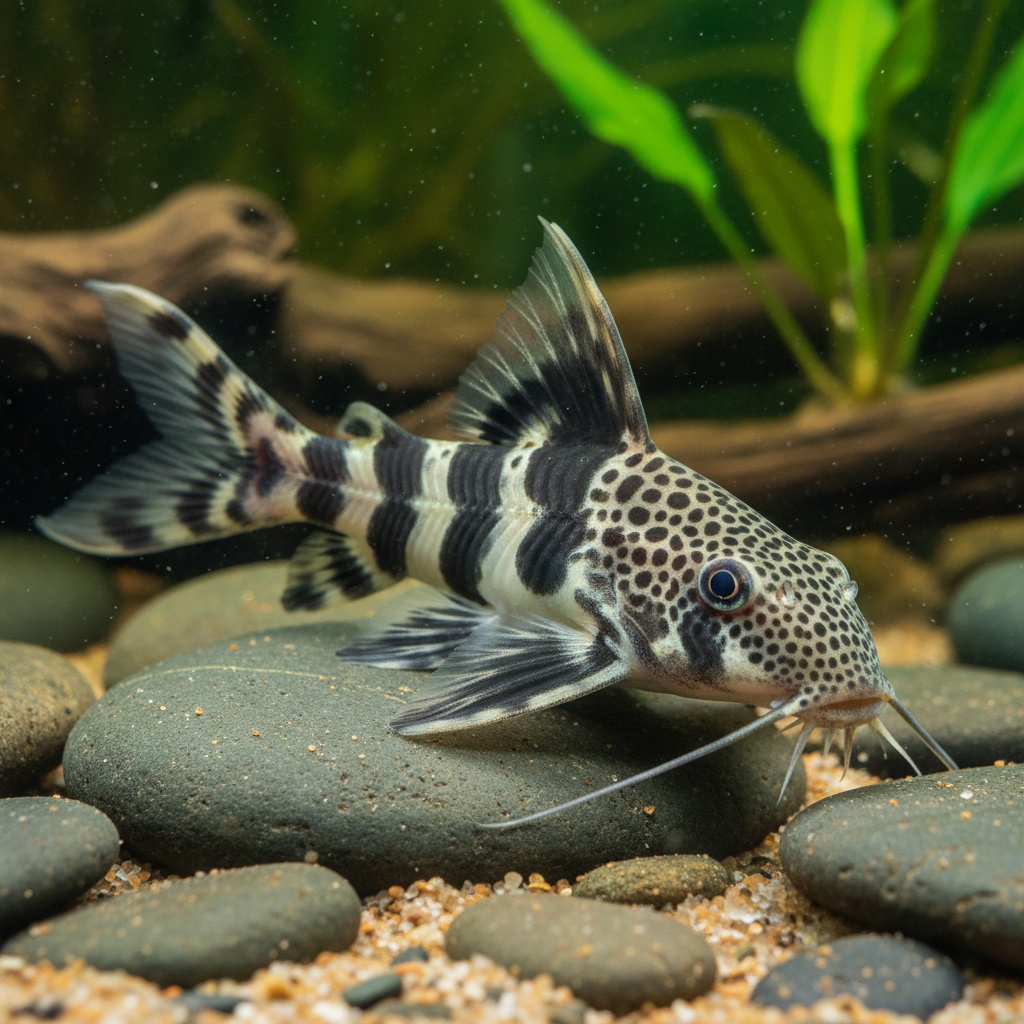
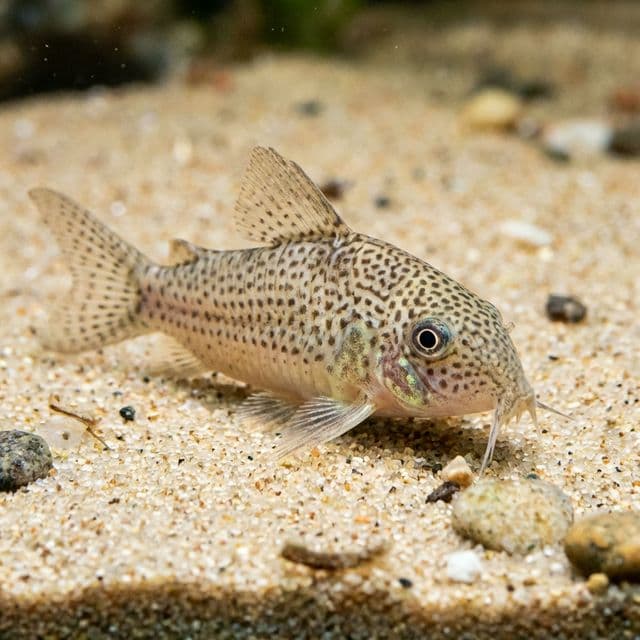
The Spotted Talking Catfish, scientifically known as Agamyxis pectinifrons, is a captivating freshwater fish that has gained popularity among aquarium enthusiasts. Distinguished by its unique appearance, this catfish features a striking pattern of dark brown and black spots against a lighter body, usually beige or creamy white. Its large, expressive eyes and elongated body shape further enhance its visual appeal, making it a standout addition to any aquascape. The Spotted Talking Catfish is not only prized for its aesthetic qualities, but also for its fascinating behavior; it is known to produce various sounds, including grunts and clicks, that contribute to its nickname "talking catfish."
In the aquarium hobby, the Spotted Talking Catfish is appreciated for its calm demeanor and interesting social interactions. These fish exhibit a curious nature and often explore their surroundings, making them a joy to observe. They are nocturnal by nature, becoming more active during the evening and night hours, which adds an engaging dynamic to community tanks primarily populated by diurnal species. As a species that thrives in well-maintained environments, the Spotted Talking Catfish serves as a gentle reminder of the importance of creating a suitable habitat, reflective of its natural origins, in order to ensure its health and longevity within our aquariums.
Natural Habitat & Origin
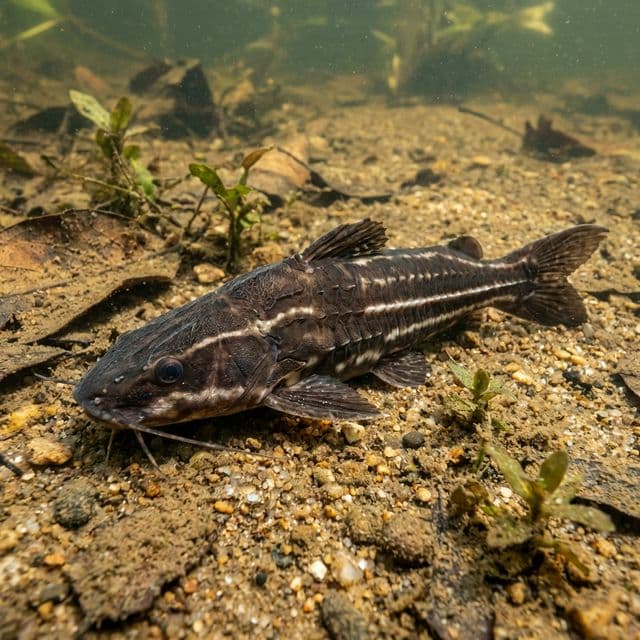
The Spotted Talking Catfish is native to the slow-moving rivers, streams, and floodplains of the Amazon Basin, particularly within countries such as Brazil, Colombia, and Peru. In these areas, they inhabit habitats characterized by dark, stained waters ranging from blackwater to clearwater ecosystems. The rich biodiversity of the Amazon River contributes to the Spotted Talking Catfish's adaptability to a variety of environmental conditions; however, they primarily prefer areas with abundant cover, such as submerged wood, vegetation, and leaf litter. This natural habitat not only provides shelter but also an environment rich in organic material, contributing to their diet in the wild.
Conditions in their natural habitat are typically soft and slightly acidic waters, with pH levels ranging from 6.0 to 7.0. The temperature in these regions averages between 24°C to 28°C (75°F to 82°F), making these parameters crucial considerations for aquarists looking to replicate the Spotted Talking Catfish's natural environment in captivity. Providing a habitat that closely mimics these conditions not only aids in their overall health and vitality but also promotes natural behaviors, resulting in a rewarding aquarium experience.
Care Requirements
To successfully keep the Spotted Talking Catfish, it is essential to maintain specific water parameters that mirror its natural habitat. The ideal pH range for these fish is between 6.0 and 7.0, with a temperature maintained between 24°C and 28°C (75°F to 82°F). Water hardness should ideally be kept between 2-12 dGH to create optimal living conditions. Stability in these parameters is crucial, so regular water testing and maintenance are highly recommended to avoid fluctuations that could stress the fish.
When it comes to tank setup, a minimum aquarium size of 75 gallons is recommended, as these fish can grow up to 5-6 inches (13-15 cm) in length and benefit from ample swimming space. For substrate, a fine sand or soft gravel base works well, as it prevents damage to their sensitive barbels. The inclusion of ample hiding spots using driftwood, caves, and plants adds to their comfort and replicates their natural environment. Lighting should be subdued to mimic the darker conditions of their native habitat. Floating plants or taller vegetation can help diffuse bright light, creating a serene setting conducive to the Spotted Talking Catfish’s temperament.
Diet & Feeding
The Spotted Talking Catfish is an omnivorous species and thrives on a varied diet, which is essential for their growth and health. In captivity, it is best to provide a mix of high-quality flake food, sinking pellets, and frozen or live foods. Suitable options include bloodworms, brine shrimp, and high-protein pellets that can sink to the bottom, ensuring that they receive the nutrients needed for optimal growth. It is important to feed the Spotted Talking Catfish small portions multiple times a week, as overfeeding can lead to water quality issues.
While this fish is generally not picky about its food, a variety in their diet will encourage more natural behaviors and enhance their coloration. Additionally, incorporating vegetable matter, such as blanched zucchini or spinach, can provide additional nutrition and promote good digestion. It is advisable to monitor the feeding habits of your Spotted Talking Catfish and make adjustments as necessary to maintain their health and ensure they thrive in captivity.
Behavior & Temperament
The Spotted Talking Catfish is generally recognized for its calm and peaceful demeanor, making it an excellent addition to community aquariums. Despite being primarily nocturnal, they exhibit curious behaviors during the day, often interacting with their surroundings and other tank inhabitants. While the Spotted Talking Catfish can be shy at times, they are social animals that benefit from being kept in groups of at least three to five individuals. This social structure helps reduce stress levels and encourages natural interactions, improving their overall quality of life.
In terms of tank placement, the Spotted Talking Catfish tends to swim at various levels within the aquarium, although they prefer to stay near the bottom where they feel safe. They are not territorial but may establish a hierarchy among tank mates. To minimize any potential aggression—especially during feeding time—ensure that the aquarium is spacious and that hiding spots are readily available. This not only reduces stress but promotes a harmonious environment for all fish species sharing the tank.
Tank Mates
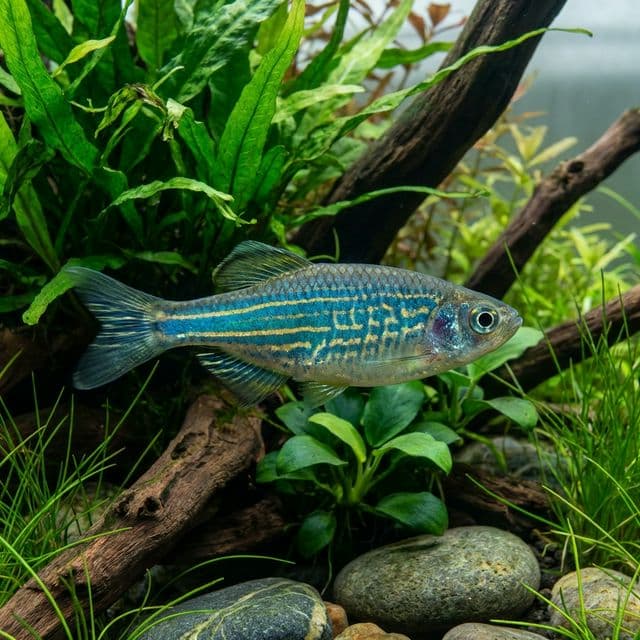
Choosing compatible tank mates for the Spotted Talking Catfish is essential for fostering a peaceful aquarium environment. Ideal companions include gentle fish species that occupy different levels of the tank, reducing competition for resources. Recommended tank mates include larger tetras such as the black widow tetra, rasboras, peaceful barbs, or medium-sized cichlids like the angelfish. Other suitable companion species are larger danios, certain loaches, and gouramis. These fish tend to be non-aggressive and coexist well with the Spotted Talking Catfish.
However, it is vital to avoid smaller or fin-nipping species, as the Spotted Talking Catfish may become stressed or injured. Fish like bettas, guppies, and small barbs can provoke aggressive behaviors, undermining the calm nature of the aquarium. Moreover, avoid keeping them with very territorial species, as this may induce unnecessary stress. The key to a thriving community tank is balance, ensuring that all species cohabit peacefully while allowing each fish to exhibit its natural behavior.
Breeding
Breeding the Spotted Talking Catfish in captivity can be a rewarding experience, though it can pose challenges due to their specific spawning requirements. These catfish are substrate spawners, meaning they prefer laying their eggs on flat surfaces. To encourage breeding, it is beneficial to provide a separate breeding tank with slightly altered water parameters—ideally a pH of around 6.0 to 6.5 and a temperature between 26°C and 28°C (79°F to 82°F). Ensuring excellent water quality and adequate hiding options, such as flat stones or spawning mats, will support successful spawning.
Once conditions are optimal, the male Spotted Talking Catfish will court the female by circling and vibrating nearby until she deposits adhesive eggs on a flat surface, which he then fertilizes and guards. Eggs typically hatch within three to five days; remove adults afterward if they begin to eat fry. Free-swimming young need finely crushed sinking foods or newly hatched brine shrimp.
Common Health Issues
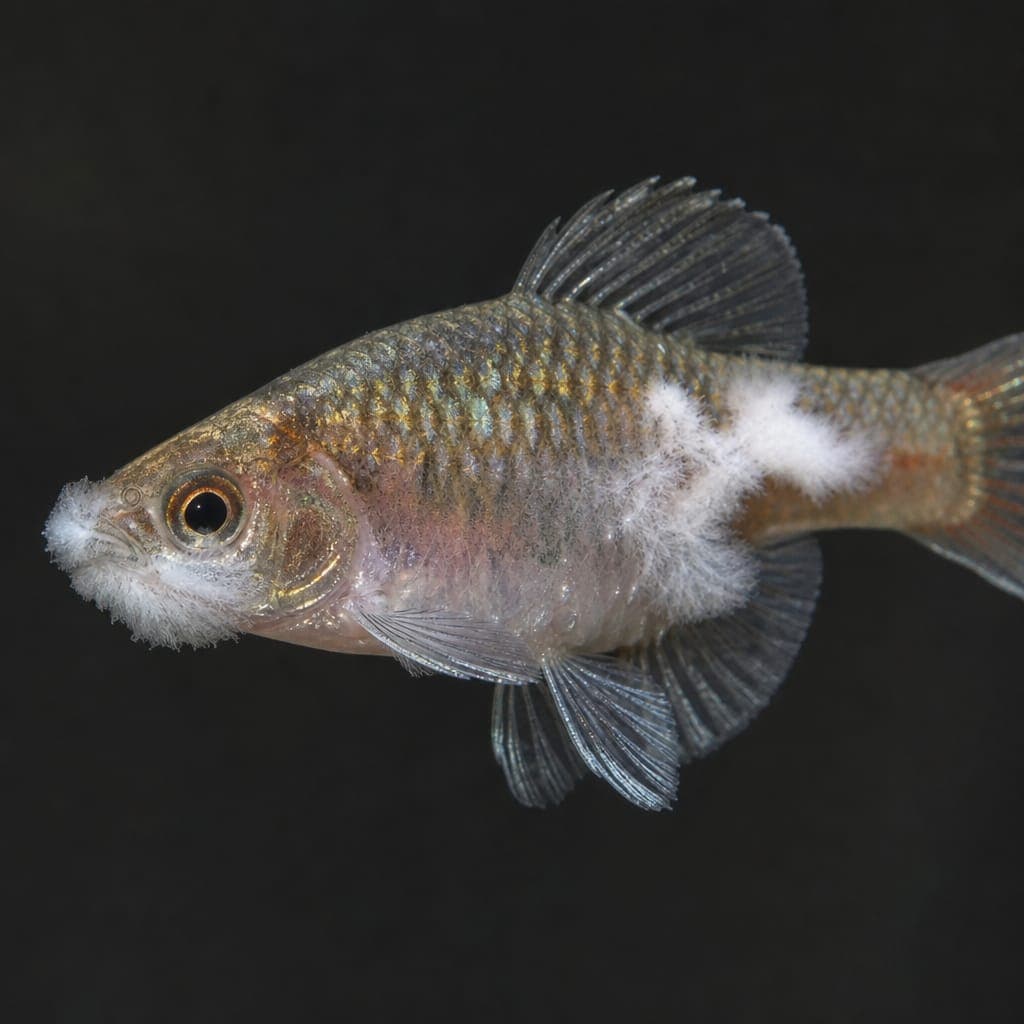
Spotted Talking Catfish are fairly hardy but, as scaleless bottom dwellers, are sensitive to rough substrates, poor water quality, and strong medications. Soft sand, stable parameters, and copper-free treatments when needed help prevent bacterial and fungal infections. Quarantine newcomers and keep uneaten food from fouling the substrate to maintain long-term health.